
Introduction
I used to be terrible at Christmas wishlists. Every year, someone would ask what I wanted, I would mumble “oh, anything”, and then I would open a gift that was thoughtful, lovely, and absolutely not something I needed. Then I started writing a proper list, and Christmas got noticeably better — for me and for the people buying for me. These 21 Christmas wishlist ideas cover everything from a classic paper list to a shared family spreadsheet, an app, a Pinterest board, and a few clever tricks that make gift-giving easier for everyone. Whether you are writing your own list or helping the kids write theirs, there is a method here that will work. A good wishlist is not greedy — it is a kindness to the people who love you and genuinely want to get it right.
1. The Classic Paper Wishlist
The classic paper wishlist is where it all starts, and I still love it. I write mine on a sheet of nice paper — not a scrap, a proper sheet — with a pen I actually like, and I list ten or twelve things I would genuinely enjoy, from small treats to one bigger item. The trick is to include a range of prices, so the person buying can choose what suits their budget without guessing. I pin mine to the fridge in December, which is both practical and a little bit charming, and the kids write theirs on the same paper, in their best handwriting, with drawings in the margins. There is something about a handwritten list that a shared document never quite captures. Keep a copy for yourself, because lists left on fridges have a habit of disappearing into the recycling.
2. An Amazon Wishlist to Share
An Amazon wishlist is the easiest list to share, and it is the one most of my family actually uses. I create a list on Amazon, add items I want — books, gadgets, kitchen bits — and share the link with family in a group chat. The best part is that people can see what has already been bought, so nobody duplicates a gift, and I can add a note to each item saying why I want it, which helps the buyer feel confident. I update mine all year round, adding things as I think of them, so by December the list is long and honest. One tip: check the list a week before Christmas and remove anything you have already bought yourself. I forgot once, and my brother bought me a book I already owned. We laughed about it. Eventually.
What you need
An Amazon account, a wishlist set to shared, and a family group chat to send the link to.
3. A Shared Family Spreadsheet
A shared family spreadsheet sounds unromantic, and it is, but it is also the most practical wishlist method I know. I set up a simple Google Sheets document with a column for each person, and everyone adds their wishes, with links, sizes, and a rough price. The whole family can see it, nobody buys duplicates, and the spreadsheet quietly solves the annual problem of “what do I buy for Uncle Dave”. I colour-code the rows — green for bought, yellow for thinking about it — and it works beautifully. The trick is to keep it simple: name, item, link, price, and a column for who is buying it. Anything more complicated and nobody updates it. My Christmas gift ideas for mom are a good starting point if your mum’s column is looking empty.

4. A Wishlist App Like Giftster or Elfster
A wishlist app is the modern answer to the paper list, and Giftster and Elfster are the two I have used most. They let everyone in the family create a list, reserve items so nobody duplicates, and even run a Secret Santa draw, all in one place. I like Giftster for the simplicity — you add items from any shop, not just one store, and family can see what is still available. Elfster is better if your family does a big Secret Santa, because it handles the draw and the wishlists together. The trick is to get everyone to actually install the app, which takes one group message and a little bit of nagging. Once it is set up, it runs itself, and Christmas shopping becomes a matter of checking a list rather than guessing.
5. A Pinterest Board Wishlist
A Pinterest board wishlist is the prettiest way to say what you want, and it works brilliantly for visual people. I create a private board called “Christmas Wishlist”, pin the things I like — a lamp, a cookbook, a pair of boots, a candle — and share the board with family. The pins link back to the shops, so buyers can click straight through, and the board itself looks like a mood board of things I love. I update it through the year, pinning things as I find them, and by December it is a proper catalogue of my taste. The trick is to keep the board focused: twenty pins of things you genuinely want beat a hundred pins of things you sort of like. And make the board private, or the whole internet will know what you want for Christmas.
6. Experience Gifts on the List
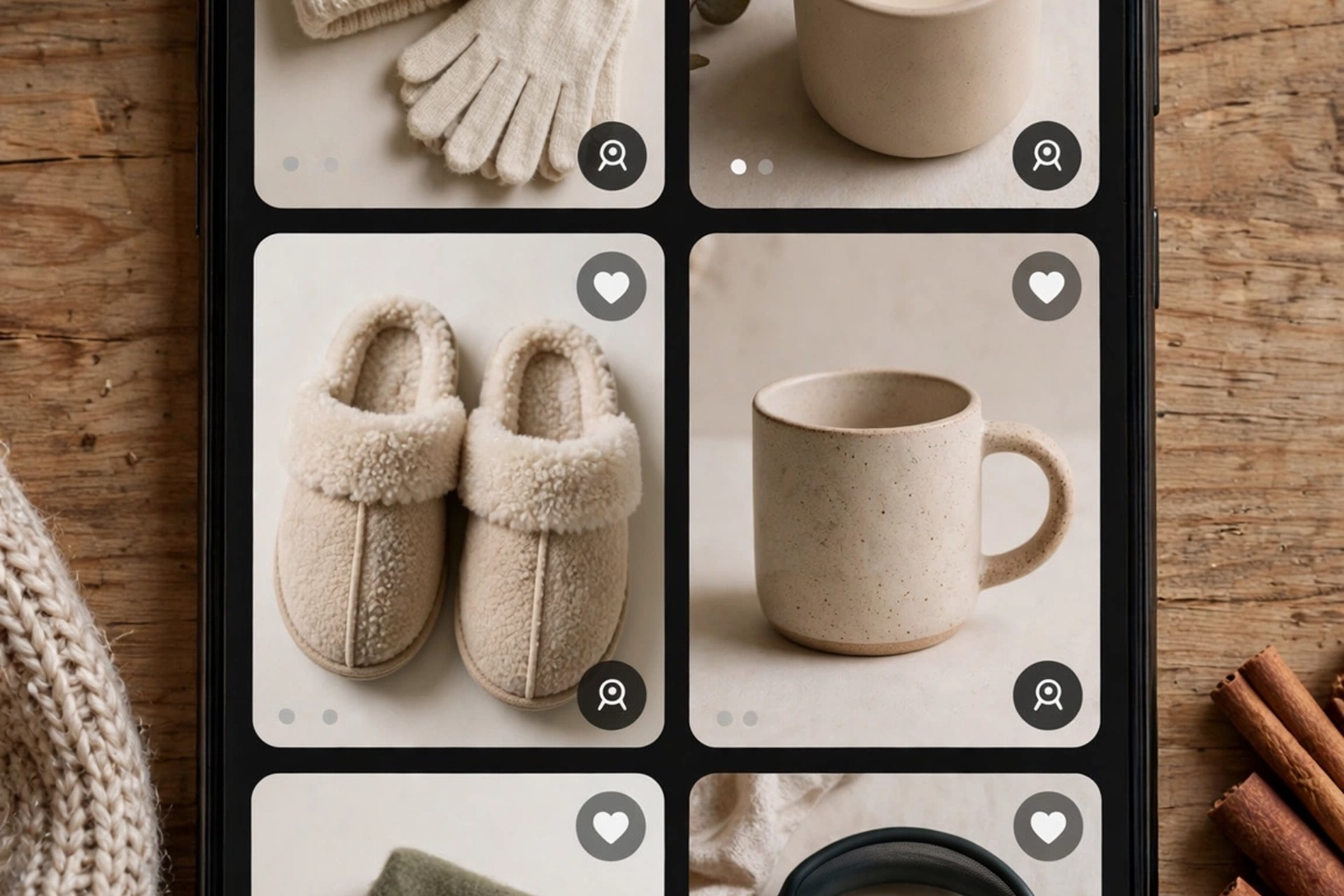
Experience gifts are my favourite things to put on a wishlist, because they are the gifts I remember longest. I list things like a cooking class, a theatre ticket, a spa afternoon, or a weekend away — experiences rather than objects — and I am always surprised how many family members love buying them. The trick is to be specific: “a pottery class” is vague, but “a two-hour pottery class for two at the studio on High Street” is a gift someone can actually buy. I also list the practical details, like dates I am free, so the buyer does not have to guess. Experiences suit the person who has everything, because you cannot wrap a memory, and a shared experience beats another pair of socks every single time.
7. A Hobby-Specific Wishlist
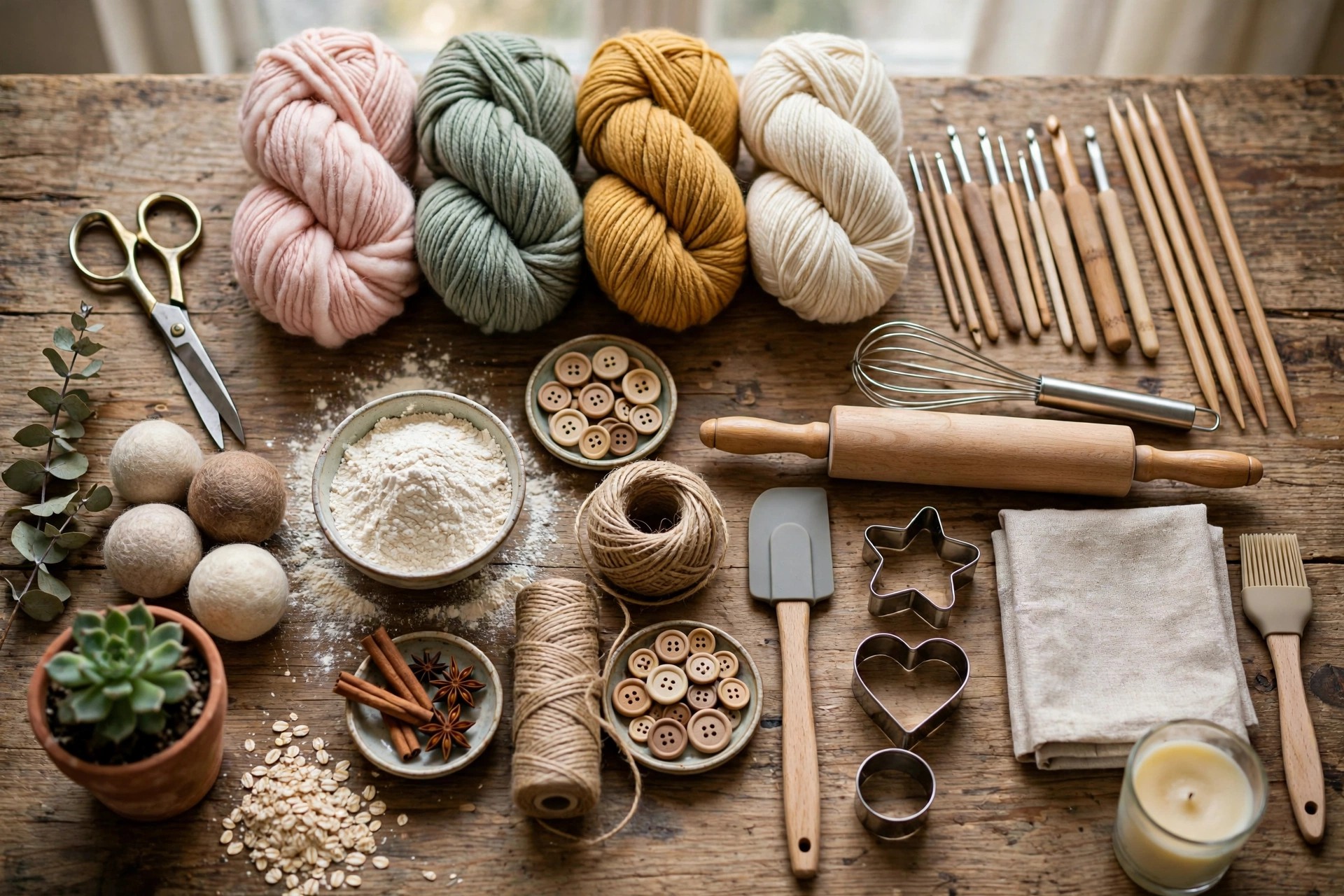
A hobby-specific wishlist is the easiest list to write, because you already know exactly what you want. I keep a running list of things for my hobbies — craft supplies, baking tools, books about gardening — and when someone asks what I want, I send them the relevant section. The trick is to be specific about brands and sizes, because a hobby gift in the wrong size or the wrong brand is a well-meaning miss. I include links wherever I can, and I note the exact shade, size, or edition I want. For crafters, a list of specific yarn colours or paper types is far more useful than a vague “craft stuff”. My DIY Christmas gifts list is a good place to start if you want to make something for the hobbyist in your life.
8. A Book Lover’s Wishlist
A book lover’s wishlist is the simplest list to get right, and the easiest to get wrong. I keep a list of books I want — title, author, and whether I want hardback or paperback — and I share it with family, because a book bought twice is the most common duplicate gift in our house. The trick is to include the exact edition, because a paperback and a hardback of the same book are different gifts, and to note whether I already own any of the author’s other books. I use Goodreads to track my “want to read” shelf, which doubles as a wishlist, and I share the link with family. A book with a note inside, saying why the giver chose it, is the loveliest gift I receive every year.
9. A Tech Gadgets Wishlist
A tech gadgets wishlist is the one I update most often, because there is always a new gadget I have my eye on. I list things like wireless earbuds, a portable charger, a smart speaker, or a pair of noise-cancelling headphones, always with a link and a note about which model I want. The trick with tech is to be precise about the model, because a gadget in the wrong version is a gift that gets returned, and nobody enjoys returning a Christmas present. I also include a few cheaper accessories — a phone stand, a cable organiser, a laptop sleeve — so there is something for every budget. My unique gadget gift ideas are worth a look if your tech list needs inspiration.

10. A Cosy Home Wishlist
A cosy home wishlist is the one I turn to when I want my house to feel warmer, and it is full of things I would never buy for myself. I list soft throws, scented candles, a beautiful lamp, a set of linen napkins, a proper teapot — the small luxuries that make a house feel like a home. The trick is to include a mix of prices, from a ten-pound candle to a fifty-pound throw, so every budget is covered. I also note the colours I want, because a throw in the wrong shade will clash with the sofa and end up in a cupboard. I buy most of my cosy home things from John Lewis or Dunelm, and I link to the exact product so the buyer does not have to guess. A home gift chosen well gets used every single day, which is the best return on a present I know.
11. A Beauty and Self-Care Wishlist
A beauty and self-care wishlist is the one I write for myself in December, when the year has been long and my skin knows it. I list things like a good face cream, a bath oil, a silk pillowcase, or a set of bath bombs — small luxuries that feel indulgent but are genuinely useful. The trick is to include the exact product and shade, because beauty gifts are personal, and a lipstick in the wrong colour is a gift that never gets worn. I also list a few things I have tried before and loved, so the buyer knows they are safe, and I avoid anything with strong fragrances unless I know the scent. A self-care gift says “take an evening off”, which is the kindest message a present can carry in December.

12. A Kids’ Wishlist from the Toy Catalogue
A kids’ wishlist from the toy catalogue is a Christmas tradition in our house, and it is the one the children take most seriously. I give them the Argos catalogue or the Smyths toy catalogue, a pen, and an hour, and they circle everything they want with great enthusiasm. The trick is to limit the circles — I ask for their top ten, in order, so the list is actually useful rather than a hundred circled toys. I also ask them to write one sentence about why they want each thing, which helps me spot the genuine wishes from the passing fancies. The catalogue method works because children can see the toy, imagine playing with it, and choose for themselves. Keep the catalogue, too — it is a lovely record of what they wanted at each age.
13. A Teen Wishlist That Actually Works
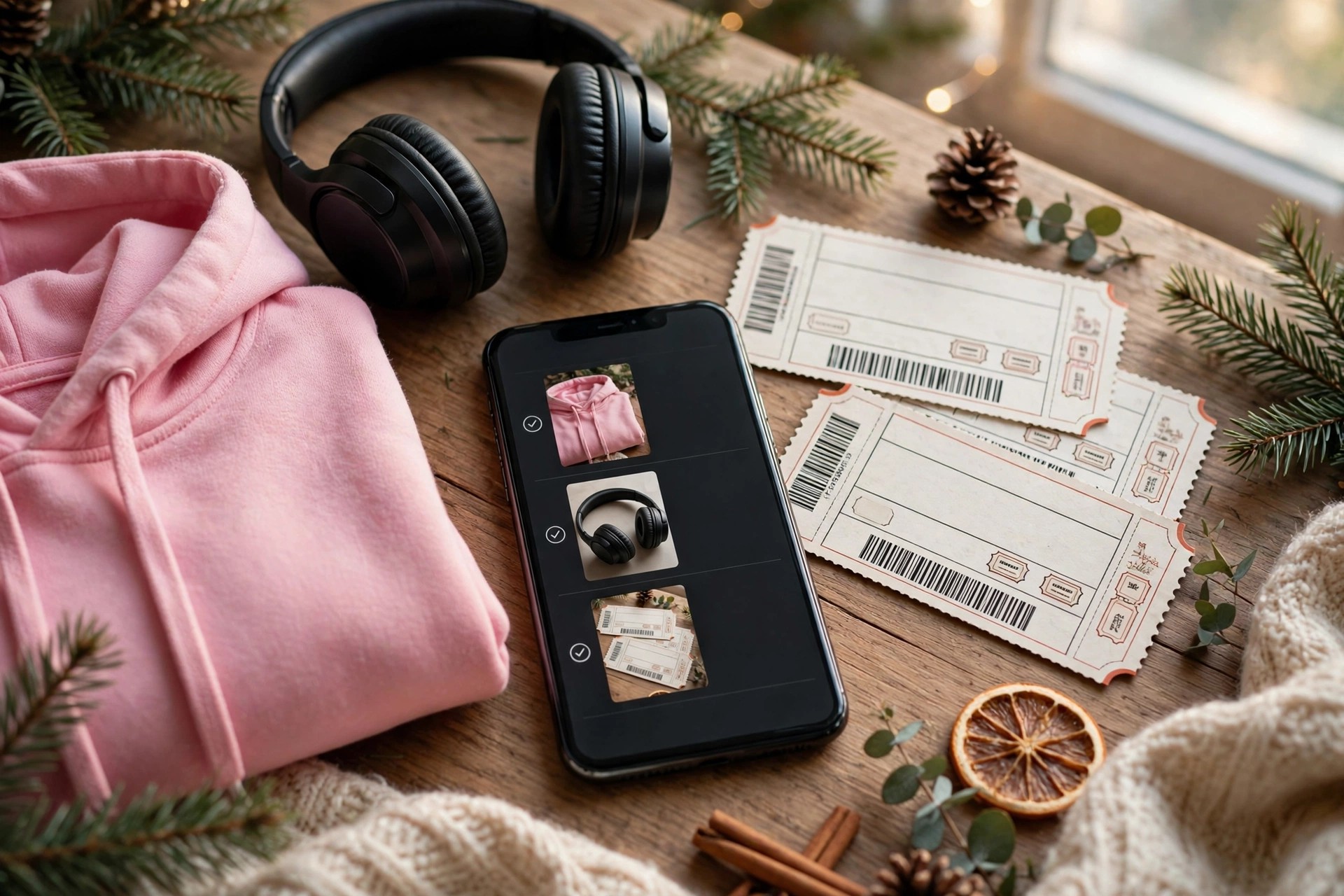
A teen wishlist is the hardest list to write, because teenagers are famously vague about what they want and famously certain about what they do not. I ask my teenager for a list with links, sizes, and specific brands, and I promise not to buy anything that is not on it, which is a deal that works surprisingly well. The trick is to accept that the list will include things you do not understand — a particular hoodie, a game you have never heard of, a phone case in a colour you would never choose — and to buy them anyway. I also include a few experience gifts on the teen list, like concert tickets or a day out with friends, because teenagers remember experiences longer than objects. And I always include a gift card option, because sometimes a teenager just wants to choose for themselves.
14. A Wishlist for Him
A wishlist for him is the list I write for my husband every year, and it is the one that saves him from guessing. I ask him for ten things, with links, and I make sure the list includes a mix of practical and fun: a good wallet, a book he has mentioned, a gadget for the garage, a bottle of something nice. The trick is to ask early — men, in my experience, leave their lists until the last minute, and a last-minute list is a list of whatever was on the first page of Amazon. I also include sizes for anything wearable, because a jumper in the wrong size is a gift that gets exchanged in January. The best “for him” lists include one thing he would never buy for himself, because that is the gift he will remember.
15. A Wishlist for Her
A wishlist for her is the list that saves the men in my family from wandering around a shop in a panic on Christmas Eve, and I take it seriously. I write mine with links, sizes, and shades, and I include a range of prices so the buyer can choose comfortably. The trick is to include things you genuinely want, not things you think you should want — a beautiful scarf beats a sensible pair of gloves every time, if the scarf is what you love. I also include a few things that are hard to get wrong, like a scented candle in a scent I already love, or a book by an author I already read. The best “for her” lists include one small luxury — a silk eye mask, a beautiful notebook, a hand cream that smells wonderful — because small luxuries are the gifts that feel most thoughtful.

16. A Budget-Tiered Wishlist
A budget-tiered wishlist is the cleverest list I have ever made, and it is the one I recommend to everyone. I split my list into three tiers — under £10, under £25, and under £50 — so every person buying for me can find something that suits their budget without awkwardness. The under-£10 tier has small treats like a candle, a book, or a pair of socks; the under-£25 tier has things like a scarf or a board game; the under-£50 tier has the bigger items. The trick is to make every tier genuinely appealing, so the cheapest gift feels just as thoughtful as the dearest one. I use this method for Secret Santa too, where the budget is fixed and the tier makes choosing easy. Nobody has to guess what you can afford, and nobody has to overspend.
17. A Secret Santa Wishlist
A Secret Santa wishlist is a short, focused list for the person who drew your name, and it is the one that prevents the most awkward gifts. I write five or six items, all within the Secret Santa budget, with links and a note about what I like. The trick is to keep it short and to include a mix of practical and fun, because the person buying for you might be a colleague you barely know. I also include a few things about myself — I love tea, I hate clutter, I read a lot — so the buyer has something to work with even if they do not buy from the list. My Christmas gift basket ideas are a good fallback if your Secret Santa prefers to build a gift rather than buy one thing.
18. A Charitable Wishlist
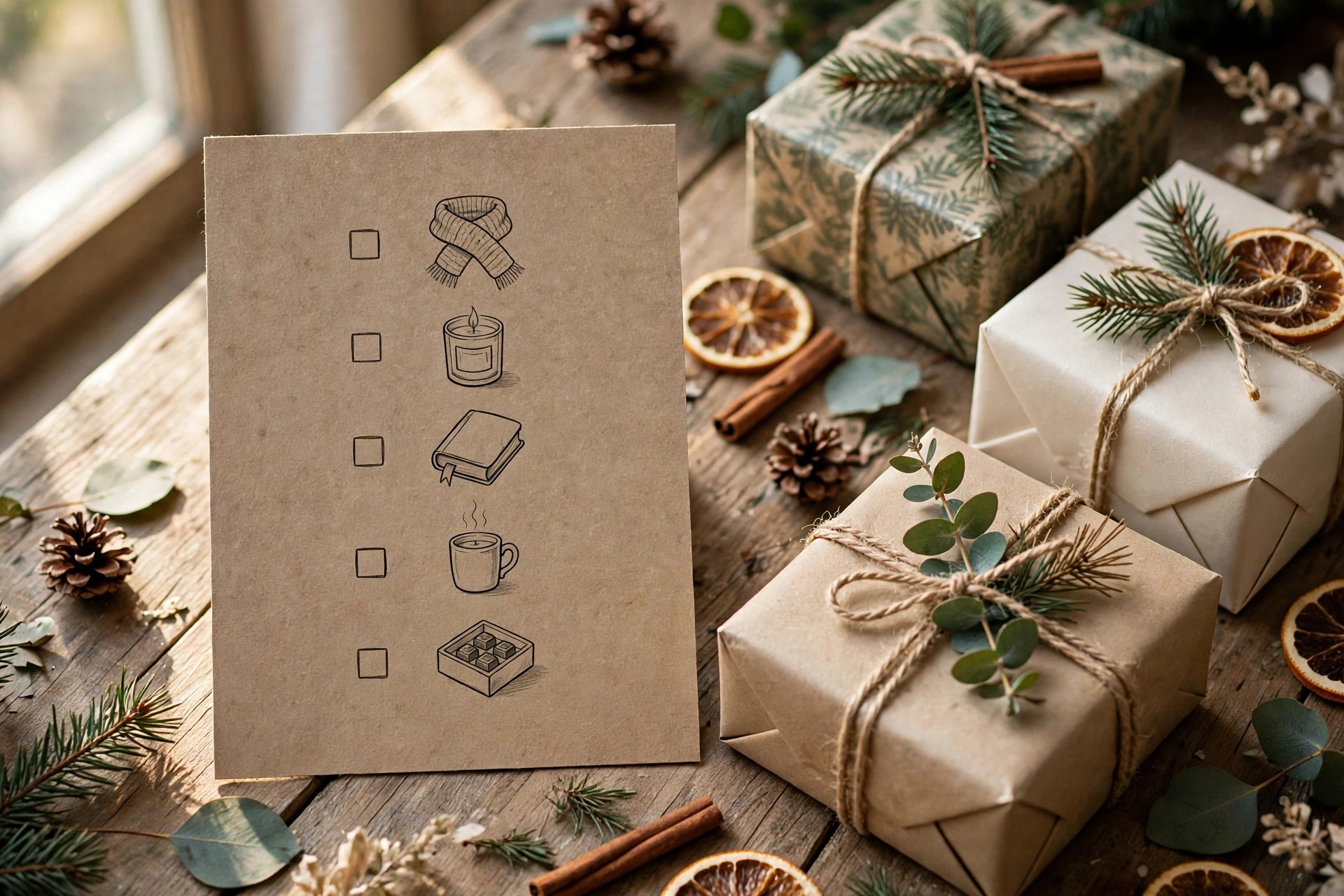
A charitable wishlist is the one I am proudest of, because it turns Christmas giving into something bigger. I list a few charities I support, with links to their donation pages, and I ask family to donate in my name instead of buying me a gift. The trick is to make it easy: include the link, suggest an amount, and say what the donation does — a ten-pound donation buys a food parcel, or a warm blanket, or a schoolbook. I also include a charity gift option, like sponsoring an animal or buying a goat for a farming family, which comes with a card the giver can wrap. It is not for everyone, and I never insist, but for the person who has everything, a donation in their name is the most meaningful gift I know.
19. Handmade and DIY Wishlist Items
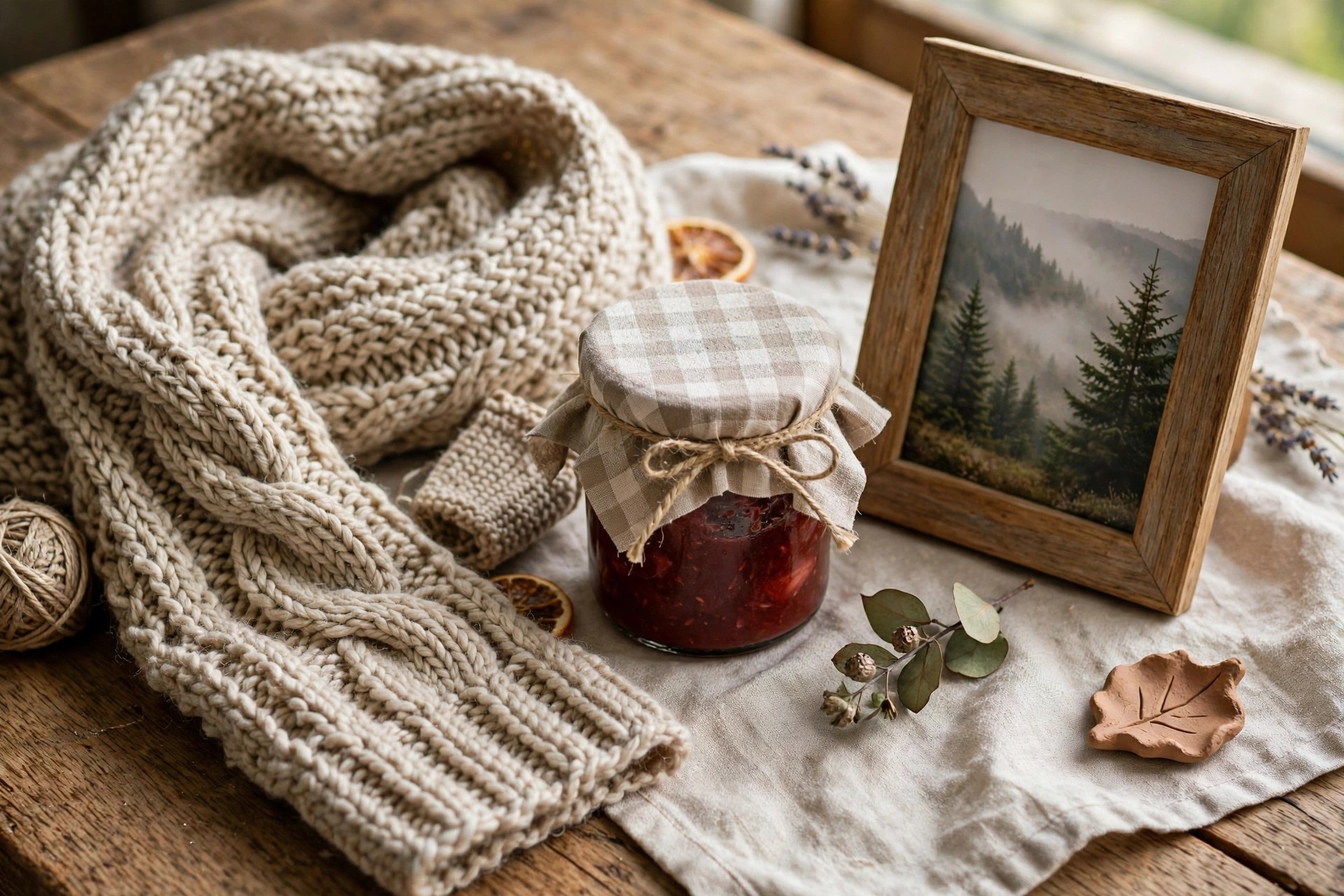
A handmade wishlist is the one for the crafters and the sentimentalists, and it is full of things no shop can sell. I list things I would love someone to make for me — a knitted scarf in my favourite colour, a framed photo of a family holiday, a jar of homemade jam, a playlist of songs that mean something to us. The trick is to be specific about what you want made, because a vague “something handmade” leaves the maker guessing. I also list the materials I would like, so the maker does not have to buy them. Handmade gifts take time, so I ask for them early, and I always, always say thank you properly. A handmade gift is the most personal present there is, and it deserves the best thank-you. My white elephant gift ideas include a few handmade-friendly options if you want to give rather than receive.
20. A Wishlist with Links, Sizes, and Notes
A wishlist with links, sizes, and notes is the gold standard, and it is the list I send to my closest family. Every item has a link to the exact product, the size I need, and a short note saying why I want it or how I will use it. The trick is to keep the notes short — one sentence is enough — because a list full of essays is a list nobody reads. I also mark the items I want most, with a star or a “top pick” label, so the buyer knows where to start. It takes an hour to put together properly, and it saves hours of guessing, returning, and exchanging in January. The best lists are the ones that make the buyer feel confident, not confused, and this format does exactly that.
21. A Printable Wishlist Template
A printable wishlist template is the easiest way to get the whole family writing lists, especially the children and the grandparents. I make a simple template — a festive border, lines for ten items, a space for a name and a date — print a stack of them, and hand them out in November. The trick is to make the template fun: a space for a drawing, a line for “my dream gift”, and a box to tick for “I would also love a surprise”. The children love filling them in, the grandparents love having a paper list to take to the shops, and I love that everyone is working from the same format. I keep the filled-in templates in a folder, because they are a lovely record of what everyone wanted, year after year. One day they will be keepsakes.

Styling Tips
- Include a range of prices on every list, so every buyer can find something that suits their budget.
- Add links to the exact product, with sizes and shades noted, so nobody has to guess.
- Update your list all year round, not just in December, so it is honest and ready when someone asks.
- Mark your top three picks clearly, so the most important gifts get bought first.
- Remove anything you buy yourself straight away — a duplicate gift is the easiest mistake to make.
- Keep one list for family and a shorter one for Secret Santa, so nobody buys outside the budget by accident.
Frequently Asked Questions
What should I put on my Christmas wishlist? Put things you genuinely want and will use, across a range of prices, with links to the exact product. Include a mix of practical items, small luxuries, and one or two bigger wishes, and add sizes and shades where they matter. The best wishlists include experiences too, like a class or a day out, and they are honest — a list of things you actually want is far more useful than a list of things you think you should want.
How do I share my Christmas wishlist with family? The easiest way is a shareable link: an Amazon wishlist, a Pinterest board, a Google Doc, or a wishlist app like Giftster. Send the link in a family group chat, and update it when things get bought. For family who are not comfortable with apps, a printed list or a photo of a handwritten list works just as well. The method matters less than the sharing — a list nobody sees is no use to anyone.
When should I make my Christmas wishlist? Start in early November, so family have time to shop before the December rush, and update it through the month as you think of things. If you use an app or a shared document, you can update it all year round, adding items as you find them, so by November the list is already mostly done. Avoid leaving it until the week before Christmas, when delivery times are long and the best items sell out.
What do you put on a Christmas wishlist for someone who has everything? Focus on experiences, consumables, and handmade things: a cooking class, a theatre ticket, a bottle of something special, a donation to a charity they care about, or a framed photo. Consumables like good coffee, chocolate, or bath products get used up and never clutter a house. A handwritten note explaining why you chose the gift often means more than the gift itself, especially for someone who is hard to buy for.
Final Thoughts
A Christmas wishlist is not about being greedy — it is about making gift-giving easier, kinder, and a lot more successful for everyone involved. Write yours early, share it widely, include a range of prices, and do not be shy about saying what you actually want. The people who love you want to get it right, and a good list is the kindest way to help them. And if you are buying for someone else and their list is looking thin, my Christmas gift ideas for mom and DIY Christmas gifts will fill the gaps. Happy listing, and may everything on yours arrive wrapped and wonderful.