
16 Intentional Living Tips to Create a Balanced Life
There was a season in my life when I was doing everything and feeling nothing. My calendar was packed, my to-do list never ended, and I kept telling myself that once things slowed down, I would finally feel like myself again. That moment never came on its own, and I think a lot of you know exactly what I mean when I say that.
Intentional living did not find me through a wellness retreat or a perfectly curated morning routine. It found me on a Tuesday afternoon when I sat in my car after grocery shopping and cried because I genuinely could not remember the last time I had done something I actually wanted to do. That moment cracked something open, and I am so grateful it did.
What I want to share with you today is not a rigid system or a perfect plan. These are the real, honest shifts that helped me build a life that feels like mine again, and I hope at least one of them lands in your heart the way it landed in mine.
1. Start Your Morning With Intention, Not Your Phone

The first ten minutes of your morning shape the entire emotional tone of your day, and reaching for your phone before you even sit up gives that power away instantly. I started keeping my phone across the room and spending those first quiet minutes just breathing, thinking about one thing I was looking forward to that day. You would be amazed how much calmer your whole morning feels when the first voice you hear is your own and not the noise of the internet.
2. Define What Balance Actually Means for You

Balance does not look the same for every woman, and the sooner you stop comparing your version to someone else’s highlight reel, the freer you will feel. For me, balance means having energy left at the end of the day to sit on my porch with a cup of tea. For you, it might mean having a career that excites you and a home that feels peaceful. Take a few minutes to write down what a truly balanced week looks like in your specific life, not a generic one.
3. Say No Without a Long Explanation

This one changed my relationships and my self-respect at the same time. We have been quietly trained to over-explain our boundaries, as if a no is only acceptable when it comes with a full paragraph of reasons. Practicing a simple, warm, and firm no is one of the most radical acts of intentional living you can do. Start small, maybe declining one social obligation this week, and notice how much lighter you feel without the guilt spiral that usually follows.
4. Create One Anchor Habit That Grounds You Daily

An anchor habit is one small thing you do every single day that tells your nervous system: I am taking care of myself. Mine is making a real cup of coffee in the morning and drinking it without doing anything else at the same time. Yours might be a five-minute stretch, writing three sentences in a journal, or watering your plants. The habit itself matters far less than the consistency, because the consistency is what builds the feeling of being someone who shows up for herself.
5. Declutter Your Space to Declutter Your Mind

There is real science behind why a cluttered environment creates a cluttered, anxious mind, and I felt it in my own body before I ever read a study about it. I am not talking about a full minimalist overhaul here. Even clearing off one surface in your home, like a kitchen counter or a bedside table, and keeping it clear for one full week, can shift how you feel when you walk into that room. Your physical space is a mirror of your mental space, and tidying one genuinely helps the other.
6. Spend Time in Nature Without Your Phone

I grew up playing outside without thinking twice about it, and somewhere in adulthood I started treating nature like a backdrop for photos rather than a place to actually be. Even twenty minutes outside without a screen, whether it is a walk around your neighborhood or sitting in your backyard, resets something deep in the body. The research on this is clear and the personal experience is even clearer. Go outside, leave the phone on the kitchen counter, and just let the world around you be enough.
7. Practice Eating Mindfully at Least Once a Day

Mindful eating is not a diet and it is not about being perfect. It is simply about being present for one meal instead of eating in front of a screen or over the sink while answering emails. When I started sitting down, putting my phone away, and actually tasting my food, I noticed I was less hungry between meals and more satisfied overall. You do not have to do this for every meal to feel the benefits. Picking even lunch or dinner to eat with full presence is enough to start.
8. Set Boundaries Around Your Time and Energy

Time boundaries are about knowing what deserves your energy and what is quietly draining it without giving anything back. I had to look honestly at my weekly schedule and ask myself which commitments I was showing up to out of genuine joy versus which ones I was doing out of obligation or fear of disappointing someone. That audit was uncomfortable, but it was one of the most clarifying things I have ever done. Your time is not infinite, and spending it in alignment with your actual values is the foundation of intentional living.
9. Reduce Decision Fatigue With Simple Systems
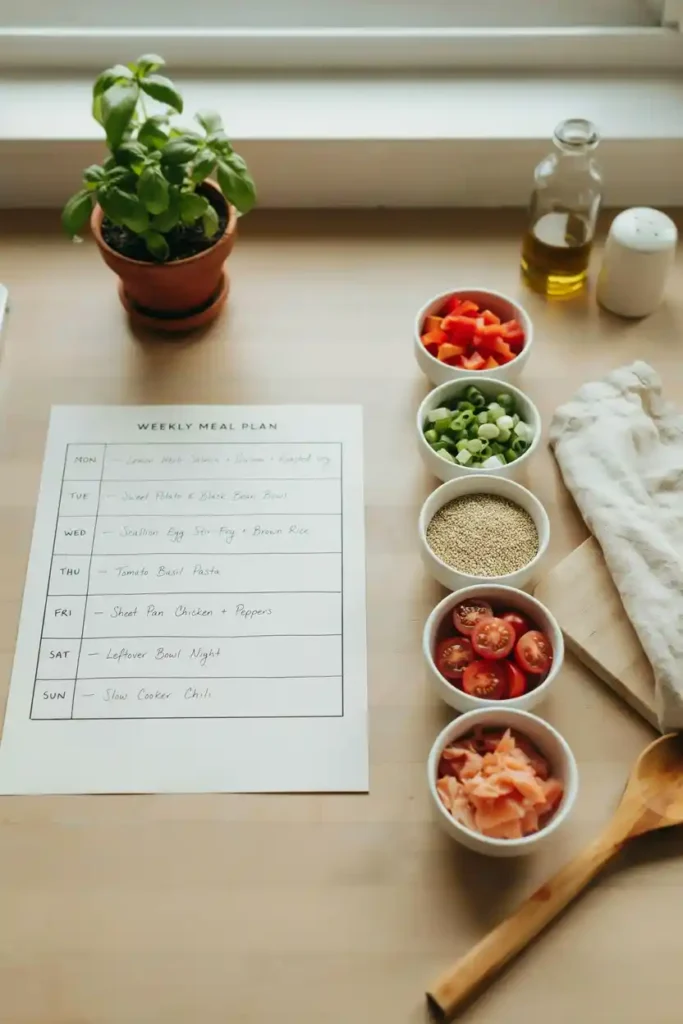
By mid-afternoon, most of us have already made hundreds of small decisions, and that mental load adds up faster than we realize. Simple systems like a weekly meal plan, a capsule wardrobe, or a consistent daily schedule take repetitive decisions off your plate so your brain has more space for things that actually matter. I started planning my dinners on Sunday evenings and the amount of stress that vanished from my weeknights honestly shocked me. Small systems create surprisingly large amounts of mental freedom.
10. Reconnect With a Hobby That Has No Purpose

We live in a productivity culture that has made us feel like every activity needs to produce something, and that quiet pressure has stolen a lot of joy from hobbies. Crochet, embroidery, clay, gardening, painting, baking bread, growing herbs on your windowsill, these things do not need to be monetized or optimized to be worth your time. I picked up crochet during a particularly stressful stretch, and the simple rhythm of making stitches with no goal beyond the thing itself was one of the most healing things I did that year. Give yourself something to do just for the love of it.
11. Build a Wind-Down Routine You Actually Enjoy

A wind-down routine is not about having a twelve-step skincare ritual or buying expensive products. It is about creating a small bridge between the busyness of your day and the rest your body genuinely needs. Mine involves dimming the lights an hour before bed, doing a simple skincare routine I enjoy, and reading something light that has nothing to do with work or news. The key word here is enjoy, because a routine you dread will not stick, and one you look forward to will become the best part of your day.
12. Audit Your Relationships for Energy and Reciprocity

Not every relationship in your life needs to be dramatic or toxic to be worth examining honestly. Some connections are simply unbalanced, where you give more than you receive, or you leave every interaction feeling drained instead of full. Intentional living means being honest about which relationships are genuinely nourishing and which ones you are maintaining out of habit or guilt. You do not have to cut anyone off. You can simply invest more of your warmth and presence in the people who genuinely fill your cup and let the others find their natural distance.
13. Use a Weekly Review to Stay Aligned With Your Goals
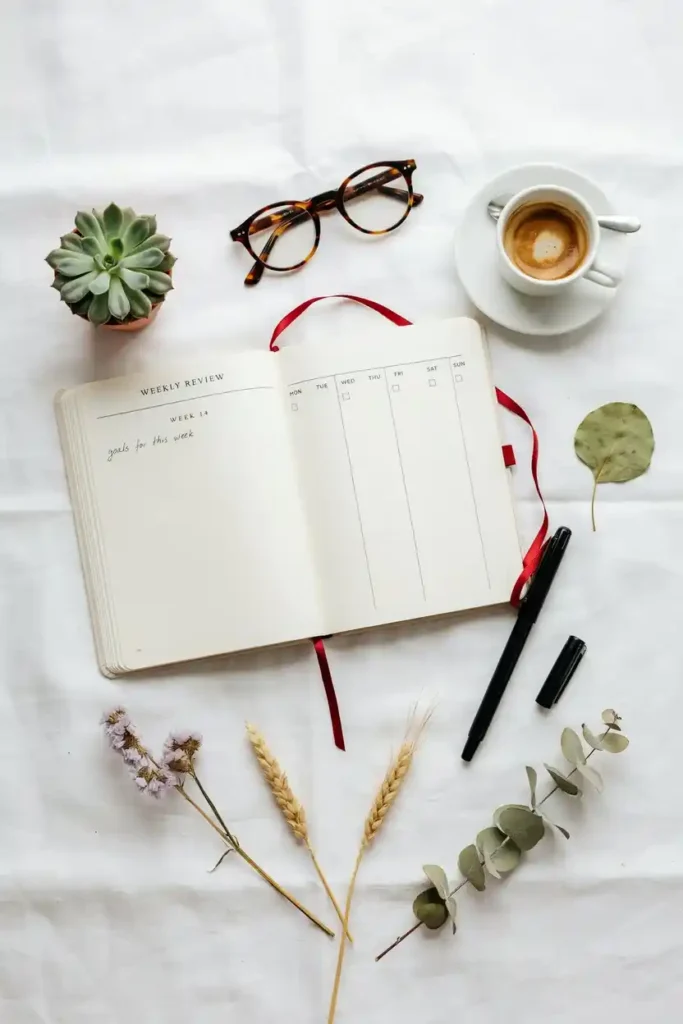
A weekly review does not have to be a two-hour planning session with color-coded spreadsheets. It can be fifteen quiet minutes on Sunday evening with a cup of tea, a notebook, and three simple questions: What went well this week? What felt off? What do I want to do differently? This small habit of reflection keeps you from drifting through life on autopilot, which is how most of us end up spending months or even years moving away from what actually matters to us without ever noticing.
14. Limit Passive Scrolling and Replace It With Active Rest

There is a real difference between rest that restores you and scrolling that just passes time, and your body knows the difference even when your brain tries to argue otherwise. Passive scrolling tends to leave us more anxious, more tired, and more dissatisfied than before we started. Active rest looks like reading, gentle stretching, a bath, watering your plants, or sitting outside and doing nothing at all. Swapping even thirty minutes of scrolling per day for genuine rest is one of the simplest and most impactful changes you can make right now.
15. Practice Gratitude in a Way That Feels Honest

I resisted gratitude journaling for years because it felt performative, like I was just writing a list to check a wellness box. What changed for me was getting specific and honest instead of aspirational. Instead of writing “I am grateful for my health,” I started writing things like “I am grateful that my legs carried me through that walk today even though I was tired.” Specific, real, felt gratitude rewires something in the brain over time, and the research on this is genuinely compelling. Find a version of this practice that feels true to you rather than like a chore.
16. Give Yourself Permission to Rest Without Earning It

Rest is not a reward for productivity. It is a biological need and an act of self-respect, and one of the most countercultural things you can believe in a world that glorifies busyness. I spent years feeling guilty for sitting still, as if my worth was entirely tied to how much I was getting done. Giving myself permission to rest without having to earn it first was one of the deepest and most necessary mindset shifts of my adult life. You are allowed to rest, not because you finished everything on your list, but because you are a person and people need rest.
If even one of these tips made something click, start there — not with all sixteen. Intentional living was never about doing more; it’s about choosing what matters and letting the rest go.