
25 Small Habits That Quietly Make Life Easier
Nobody’s life got better because they read a 200-item life-overhaul checklist. What actually works is smaller: tiny habits, repeated daily, that remove friction instead of adding chores. These 25 are the ones I’d hand to a friend who says life feels harder than it should — each takes minutes, none requires buying anything, and all of them point at the same target: a lifestyle with less noise in it.
If you’ve ever fallen down the rabbit hole of simple-living forums, you’ll recognize the philosophy here — fewer decisions, fewer possessions, fewer tabs open. But philosophy doesn’t change mornings. Habits do. So treat this as a menu, not a mandate: pick the two or three that sting the most and start there.
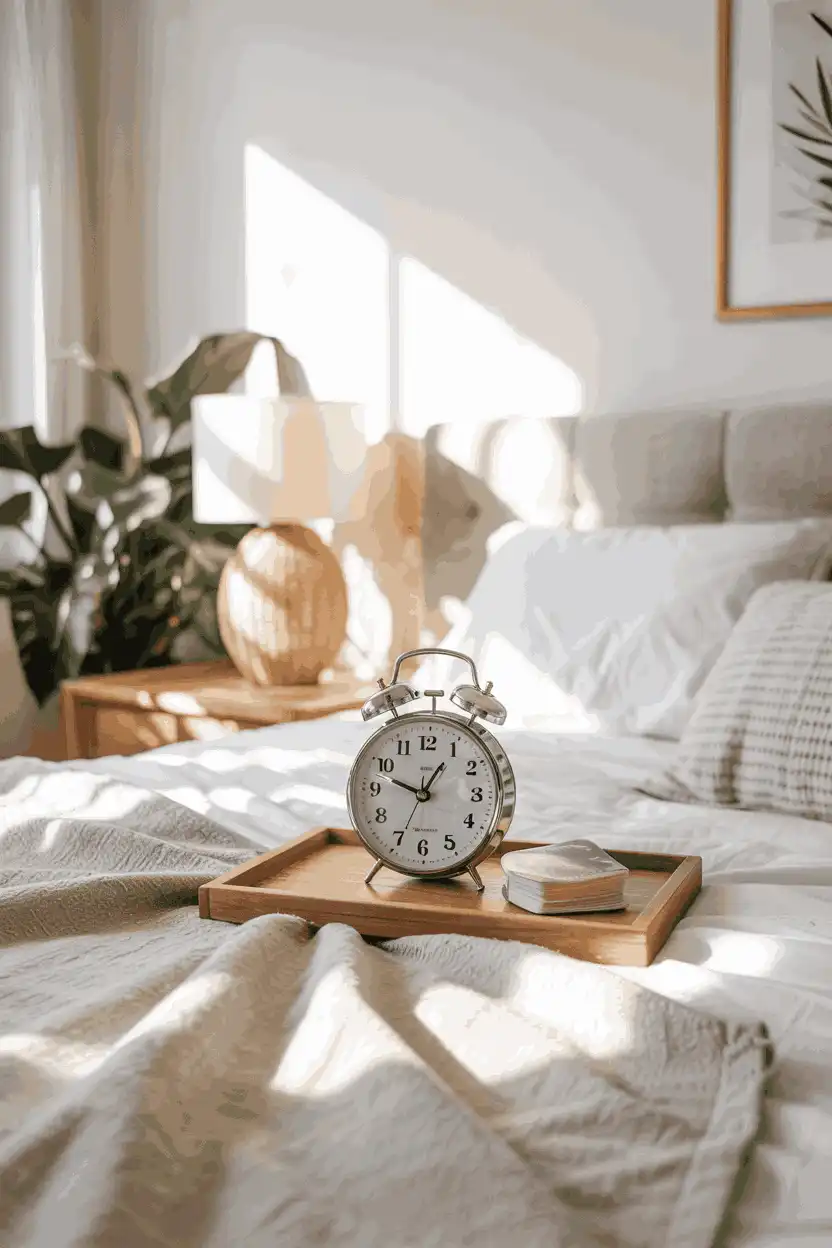
1. Wake Up at the Same Time Every Day
Your body clock is a creature of habit, and it rewards consistency: same wake time, weekends included, and within a week or two you’ll start waking up a few minutes before the alarm. It steadies energy better than any supplement because it stops the daily negotiation of “five more minutes.”
Anchor it to something automatic — alarm across the room, coffee machine on a timer — so willpower isn’t part of the equation.
2. Keep the Phone Face-Down for the First 20 Minutes
The first hit of notifications sets your brain to reactive mode for the whole morning: email, headlines, group chats, all before your feet hit the floor. Twenty phone-free minutes while you wake up, drink water, and get dressed gives your attention a chance to start on your terms.
Charge the phone outside the bedroom if you can. The alarm excuse is what an old $10 clock radio is for.

3. Make the Bed Before Anything Else
It’s a two-minute job with an outsized psychological payoff: one completed task, one tidy room, before the day has thrown anything at you. Navy SEALs get quoted on this for a reason — the principle is just that finishing something small first makes finishing the next thing easier.
Hospital corners optional. The point is done, not perfect.

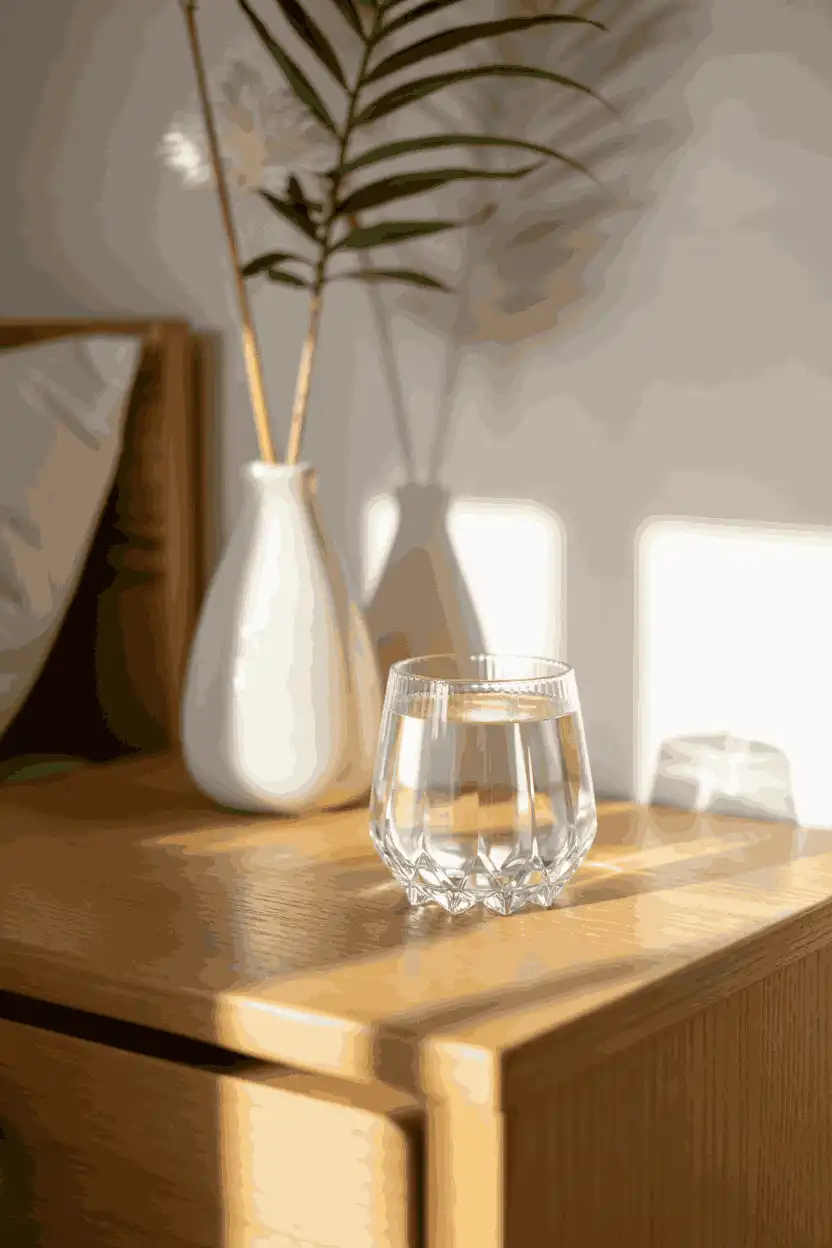
4. Drink a Full Glass of Water First
You wake up mildly dehydrated every single day, and coffee-first just deepens the deficit. A 16-ounce glass of water before anything else clears the fog faster than scrolling does. Keep the glass by the sink the night before so there’s no decision involved.
If plain water bores you, a squeeze of lemon is fine. The habit matters more than the garnish.
5. Pick One Priority for the Day
Not five. One. Write it on a sticky note, a whiteboard, wherever you’ll see it: the single task that, finished, would make today feel like a win. Long to-do lists create the illusion of planning; one priority creates actual direction.
Everything else you do is bonus. That’s not laziness — it’s triage.
6. Give Your Keys, Wallet, and Phone a Home
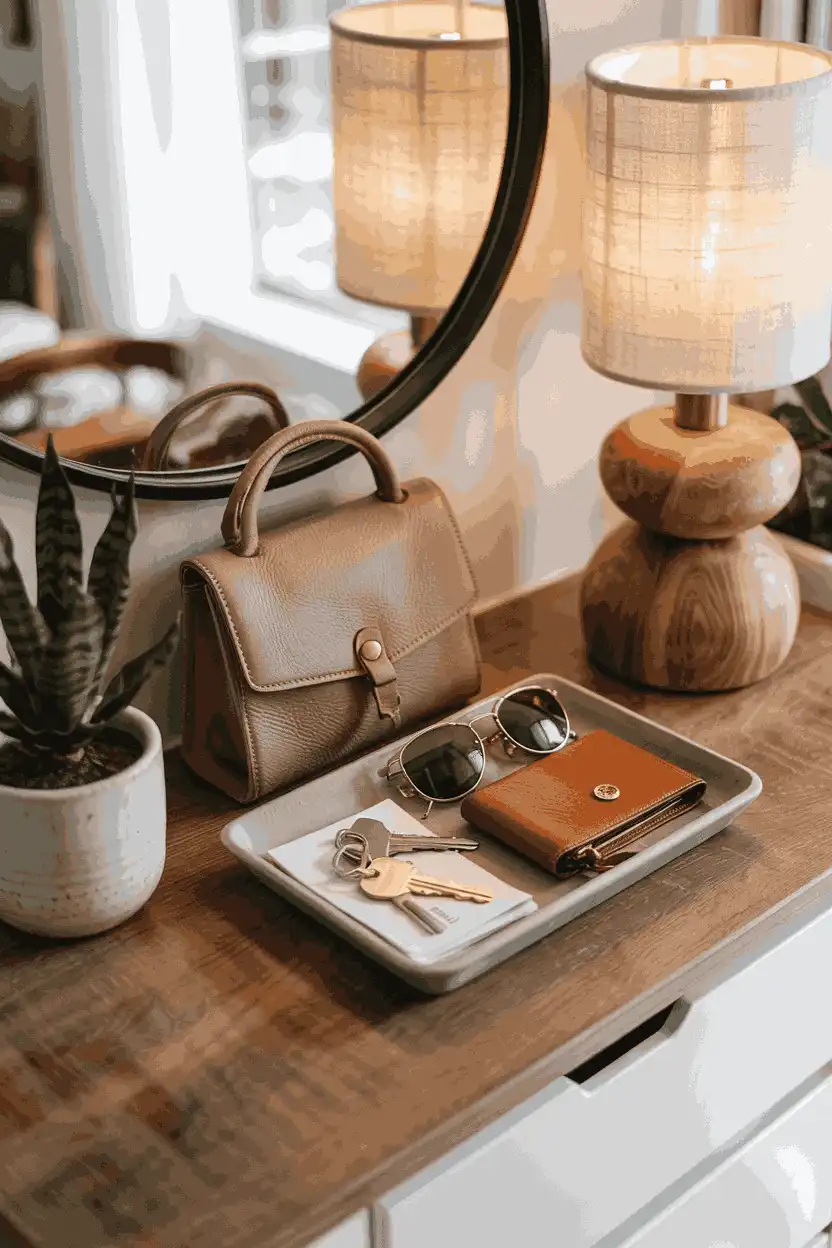
The average person spends about ten minutes a day looking for things — that’s a full week per year, gone to couch cushions. A small bowl or hook by the door ends it. Keys land there every time, no exceptions, and the frantic morning pat-down disappears.
It takes about a week for the muscle memory to stick. After that, the bowl just works.
7. Clean as You Go, Not Later
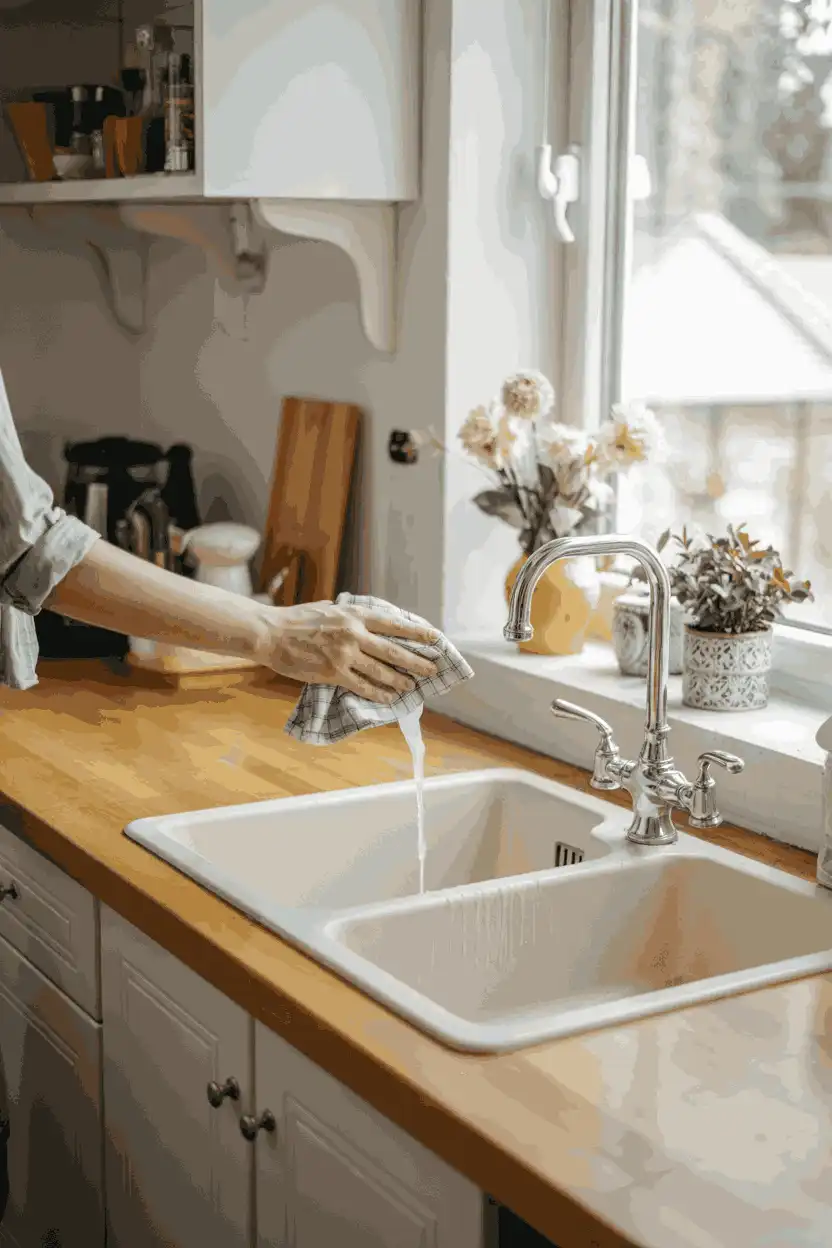
The five-second rule of housekeeping: if a mess takes under a minute to fix, fix it now. Rinse the pan while the pasta water boils, hang the jacket instead of draping it. Ten of these micro-corrections beat one exhausting Sunday cleaning marathon.
The goal isn’t a spotless house. It’s a house that never gets bad enough to need a rescue operation.
8. Close Tabs Like You Mean It
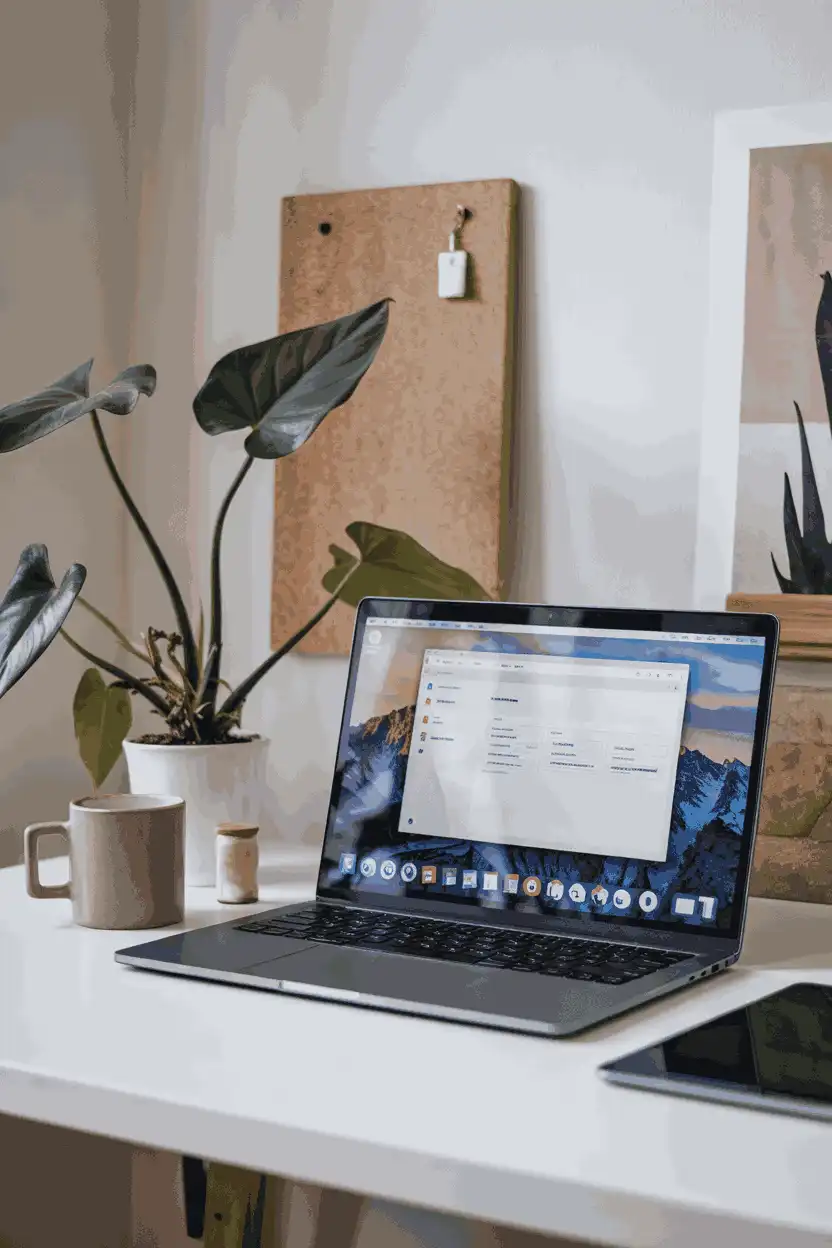
Thirty open tabs is not research; it’s a graveyard of half-read intentions that hums in the background of your attention. Do a nightly tab audit: bookmark what’s genuinely worth returning to, close the rest. Your browser — and your focus — will feel noticeably lighter.
A tab you haven’t opened in a week is a tab you can close. The information will still exist tomorrow.
9. Use One Task System, Not Five
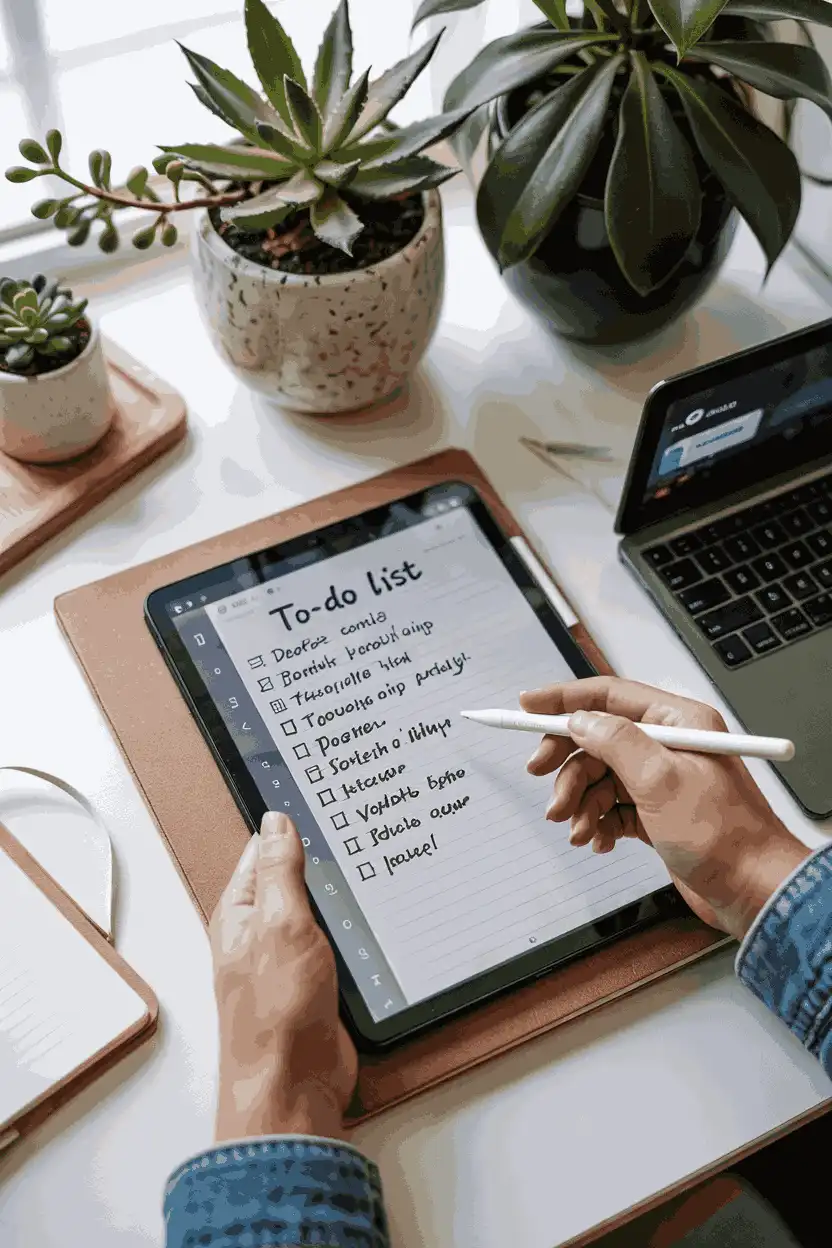
Notes app, email flags, three different to-do apps, sticky notes on the monitor — when tasks live in five places, your brain has to run a sixth system just to track the systems. Pick one (paper notebook counts) and route everything there.
The best system is the one you’ll actually open. Complexity is the enemy here.
10. Do a Five-Minute Evening Reset
Before you switch off for the night: clear the kitchen counter, put tomorrow’s clothes out, glance at the calendar. Five minutes of reset buys you a morning with zero friction — no digging through laundry, no surprise meetings.
It’s the cheapest form of time travel: a gift from tonight-you to tomorrow-you.

11. Batch the Boring Stuff
Answer emails in two sittings instead of all day. Make all your calls back-to-back. Pay bills on the 1st, not whenever you remember. Switching contexts is expensive — studies peg the refocus cost at 20+ minutes — so grouping similar tasks protects your deep-work hours.
Pick one batch to start with this week. Email is the easiest win for most people.
12. Set a Hard Stop for Work
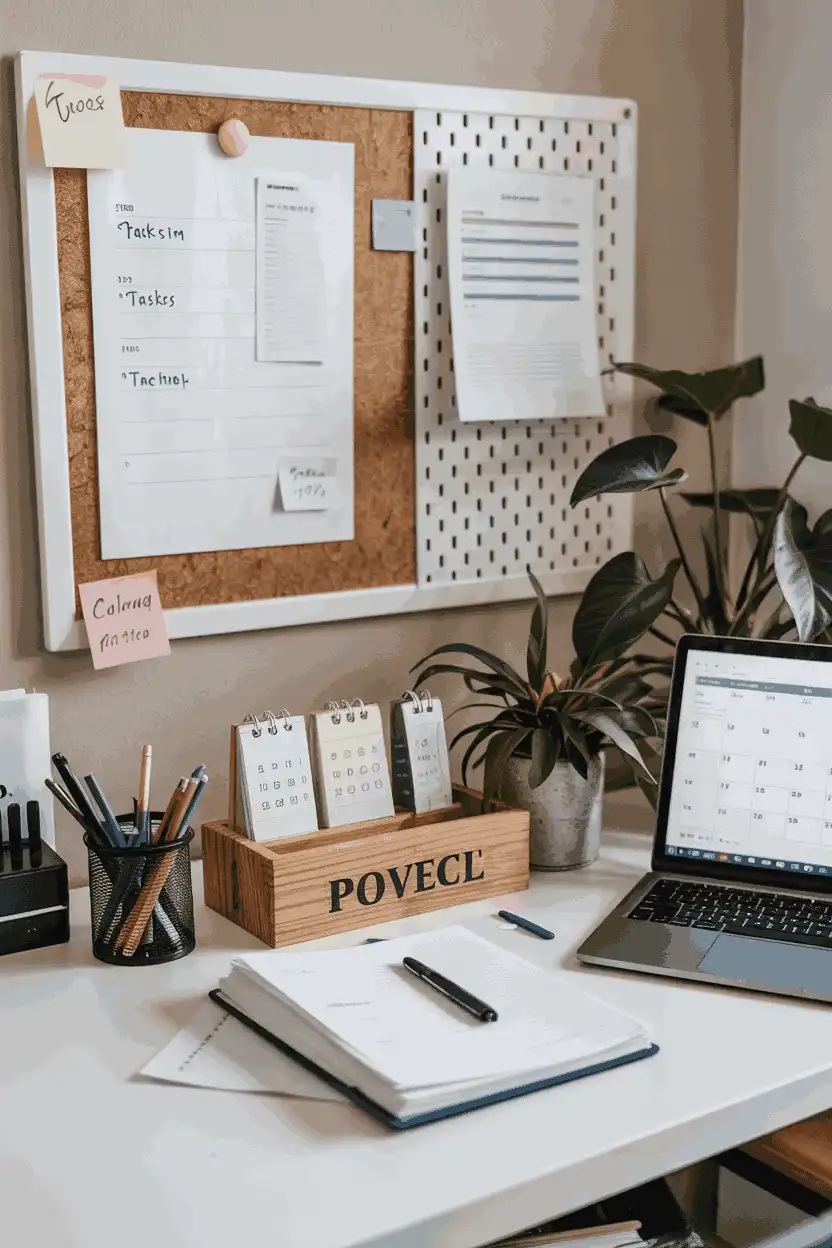
Without an end time, work oozes into dinner, into the couch, into bed. Decide your stop time — 6 PM, whatever fits — and treat it like a meeting with someone you respect. Shut the laptop. The emails will be there tomorrow, and they’ll be answered better by a rested you.
If you work from home, a shutdown ritual helps: change clothes, take a short walk, anything that marks the boundary.
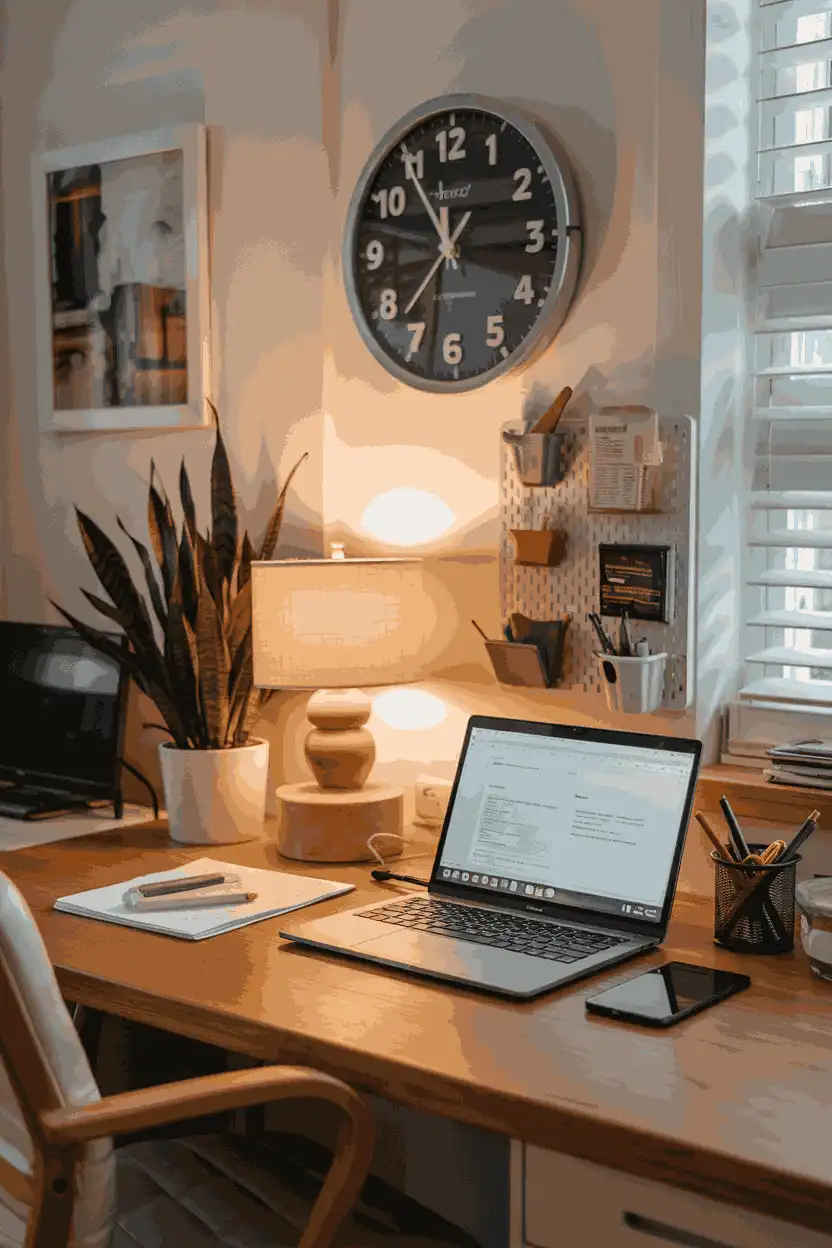
13. Plan Tomorrow’s Top Three Tonight
Morning-you is groggy and decision-averse; evening-you is clear-eyed. So let evening-you pick tomorrow’s top three tasks and write them down. You wake up to a plan instead of a question.
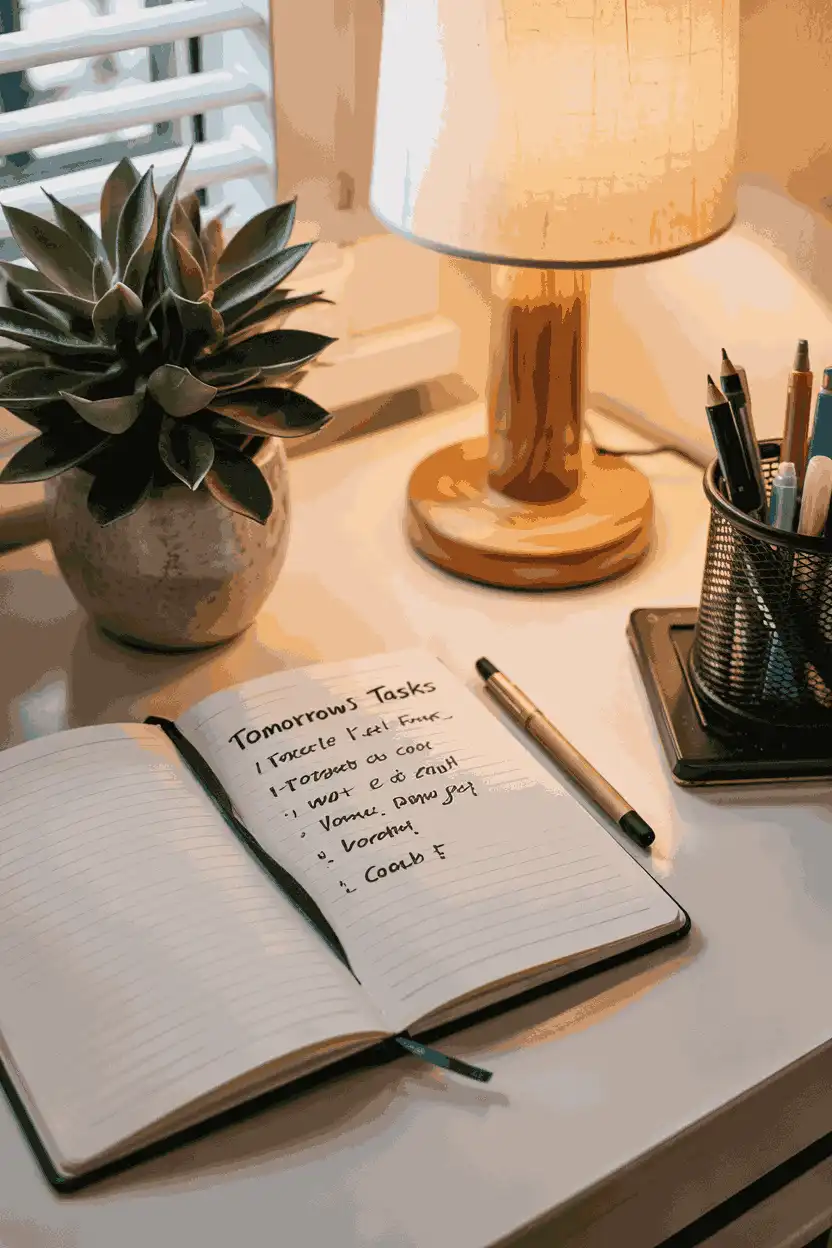
This one pairs perfectly with the evening reset — add two minutes and tomorrow starts on rails.
14. Move for Five Minutes, Every Couple of Hours
Not a workout — a reset. Walk to the farthest bathroom, do twenty squats, stretch your shoulders against a doorframe. Sitting for four straight hours tanks focus and stiffens everything; a five-minute movement break every 90 minutes keeps both body and mind in the game.
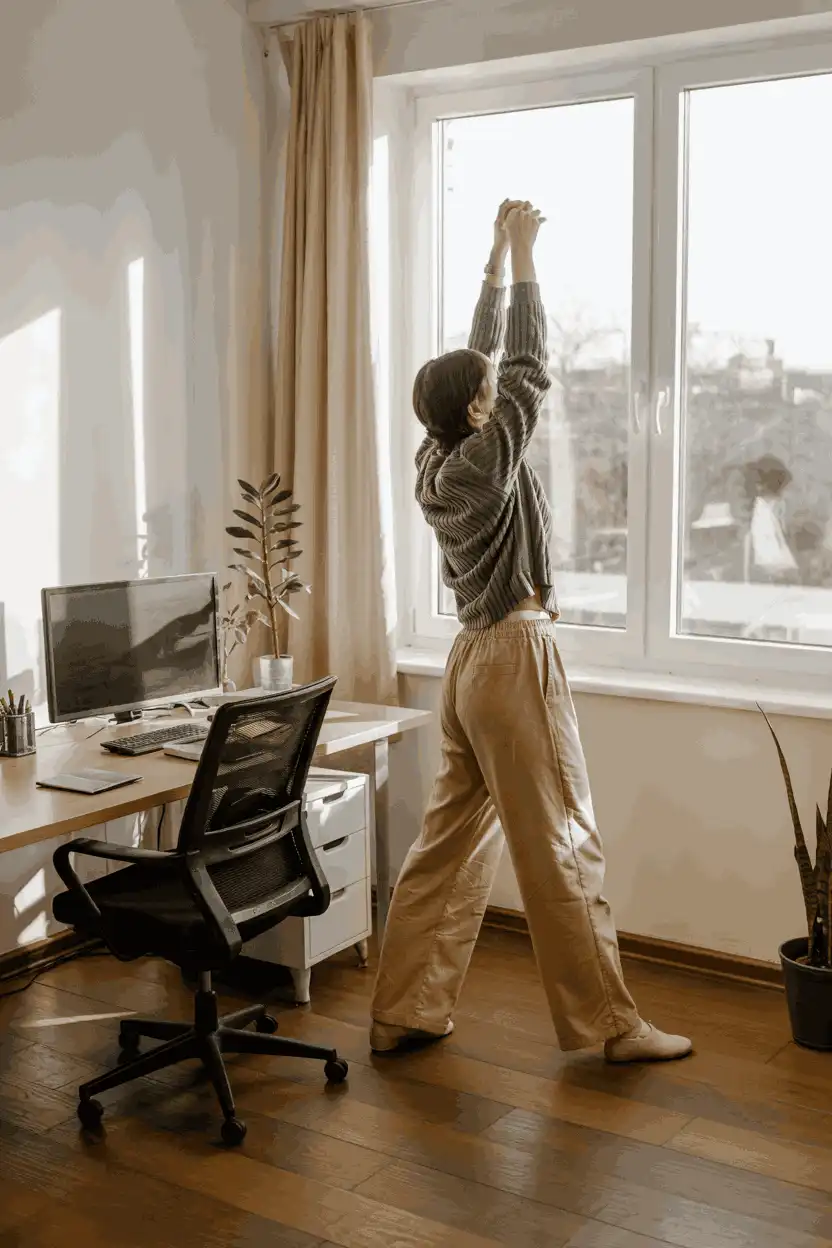
Set a timer if you’ll forget. Your future back thanks you.
15. Do One Thing at a Time (On Purpose)
Multitasking is just rapid task-switching with a marketing department. Write the email or listen to the meeting — pick one and give it your full attention. You’ll finish faster, make fewer errors, and feel less fried at the end.
Start with your hardest task of the day. Single-tasking is a skill; hard tasks are the gym.
16. Automate the Repeat Decisions

Same breakfast on weekdays. Same workout days. Same grocery list template. Every routine you standardize is a decision you stop spending energy on — and that energy goes to the decisions that actually matter.
This isn’t monotony; it’s conservation. Save your creativity for things that deserve it.
17. Buy Less, But Buy Better
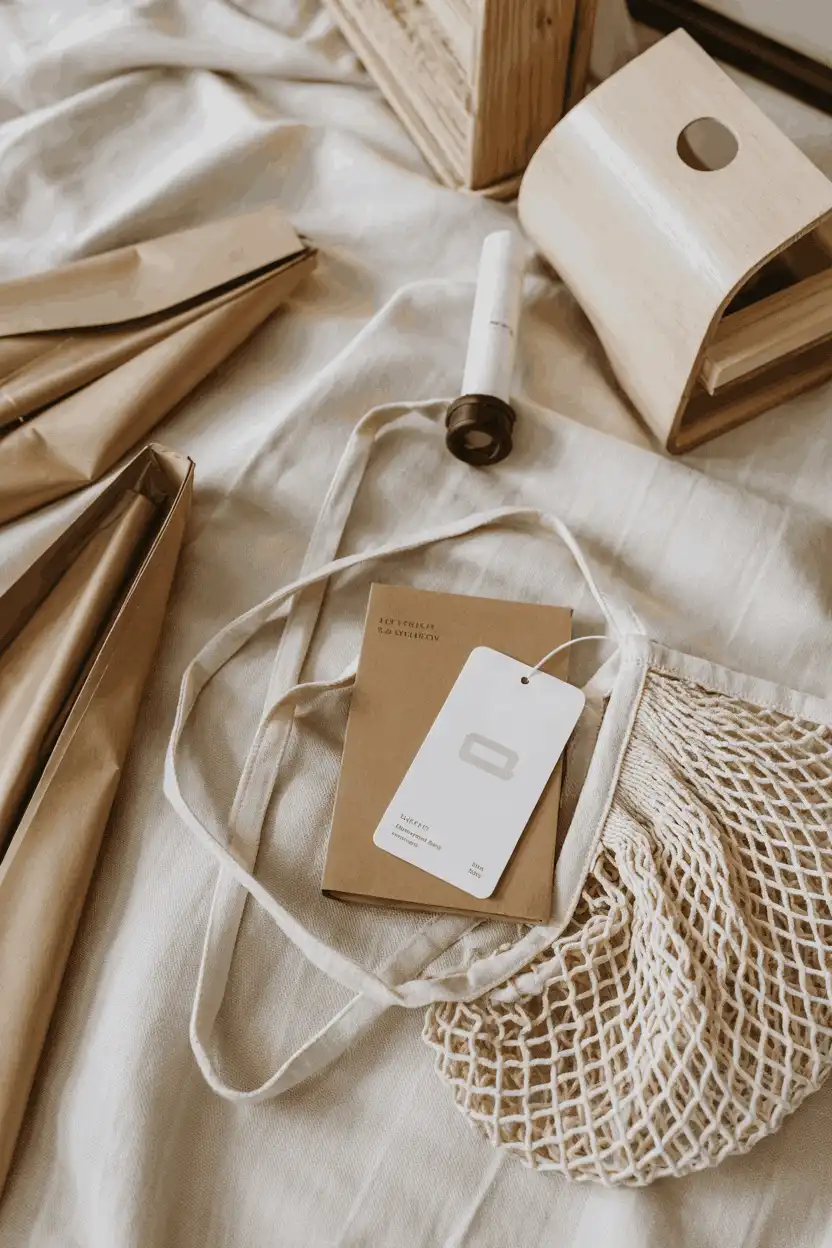
Before buying, ask two questions: will I use this weekly, and is there something I already own that does the job? The pause alone kills most impulse purchases. What you do buy, buy the good version — one $60 pan that lasts a decade beats three $20 pans in a landfill.
Fewer, better things also mean less to clean, store, and think about. That’s the whole game.
18. Take a Daily Screen Break

One hour, every day, no screens — phone in another room, not face-down on the table. Walk, cook, read paper, stare out the window. The first few days feel weird; by week two, most people guard this hour jealously.
Evenings work best for most people: it also improves sleep, which improves everything else.
19. Keep Your Calendar Honest
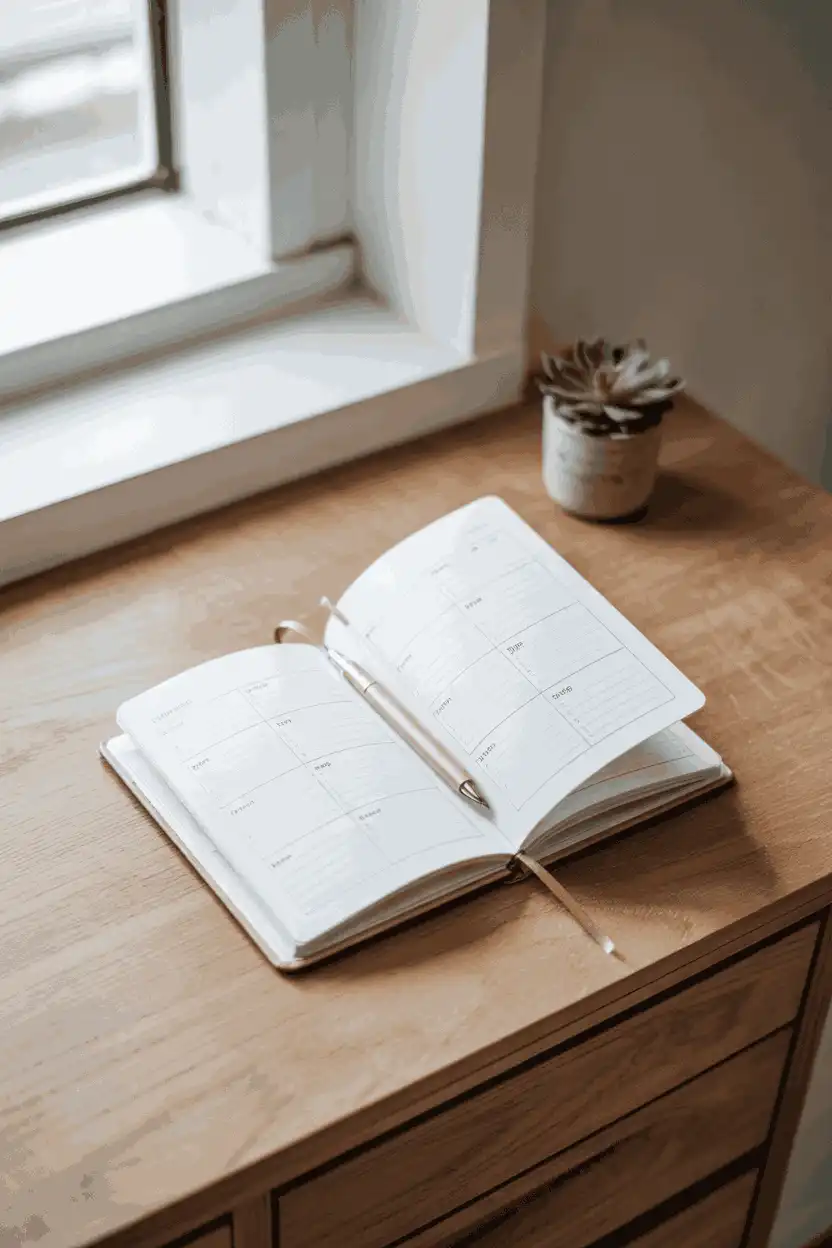
Every yes is a no to something else, usually rest. Before committing, check: do I have the time, the energy, and the genuine desire? Two out of three isn’t enough. A calendar with white space isn’t empty — it’s breathing room.
‘Let me check and get back to you’ is a complete sentence. Use it.
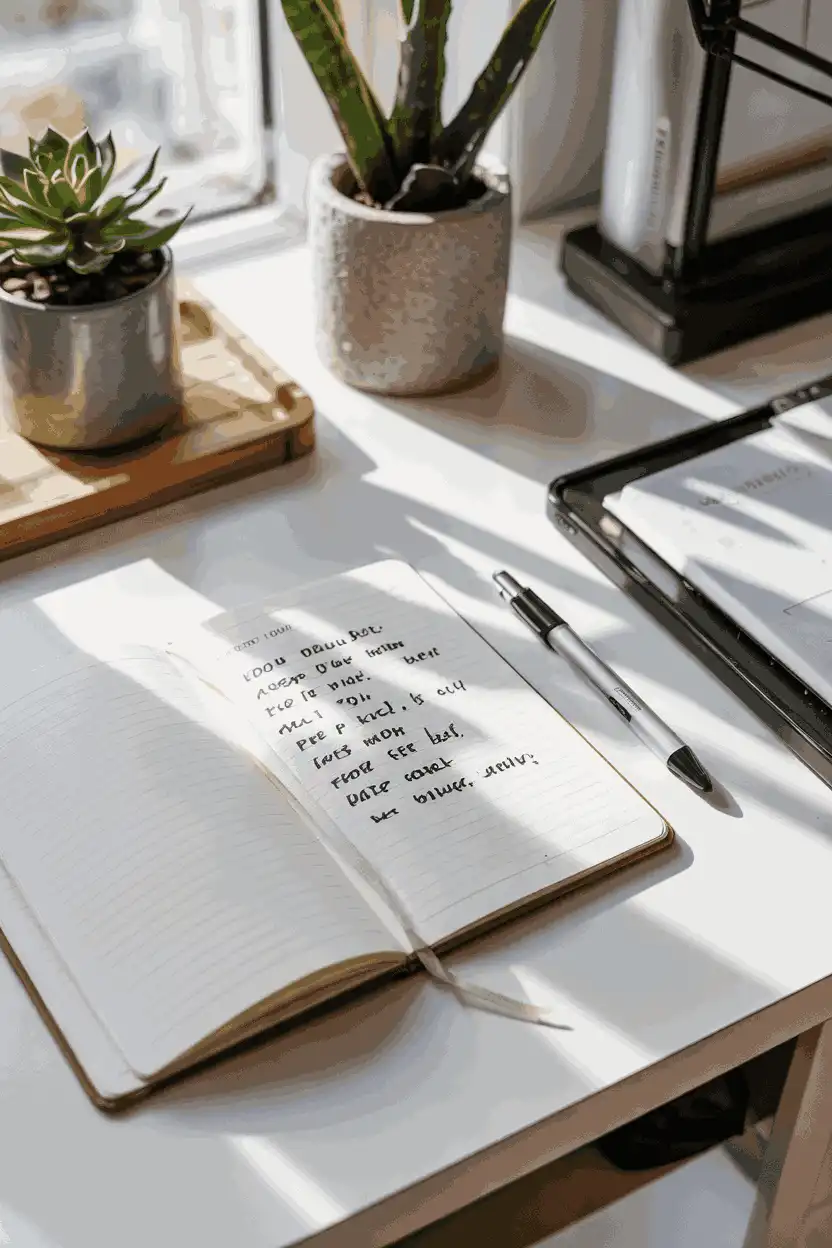
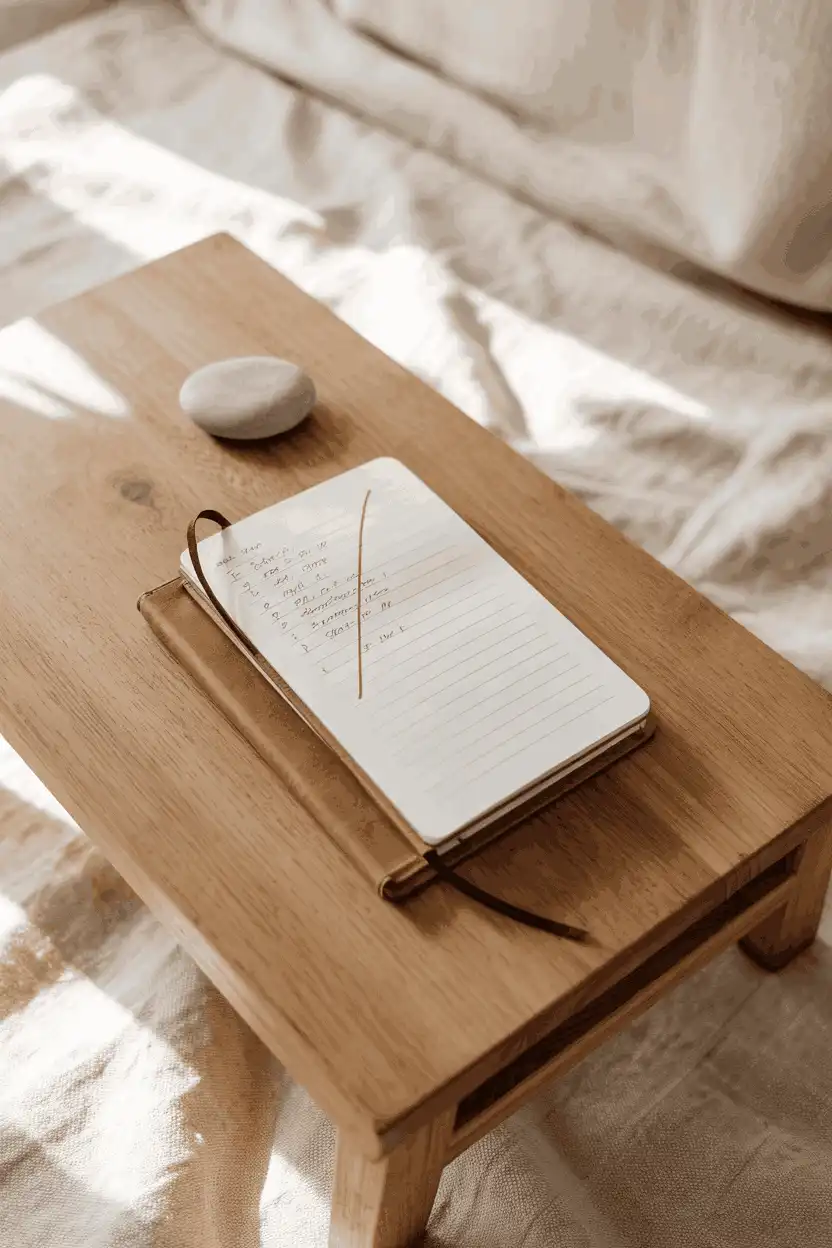
20. End the Day With Two Lines in a Notebook
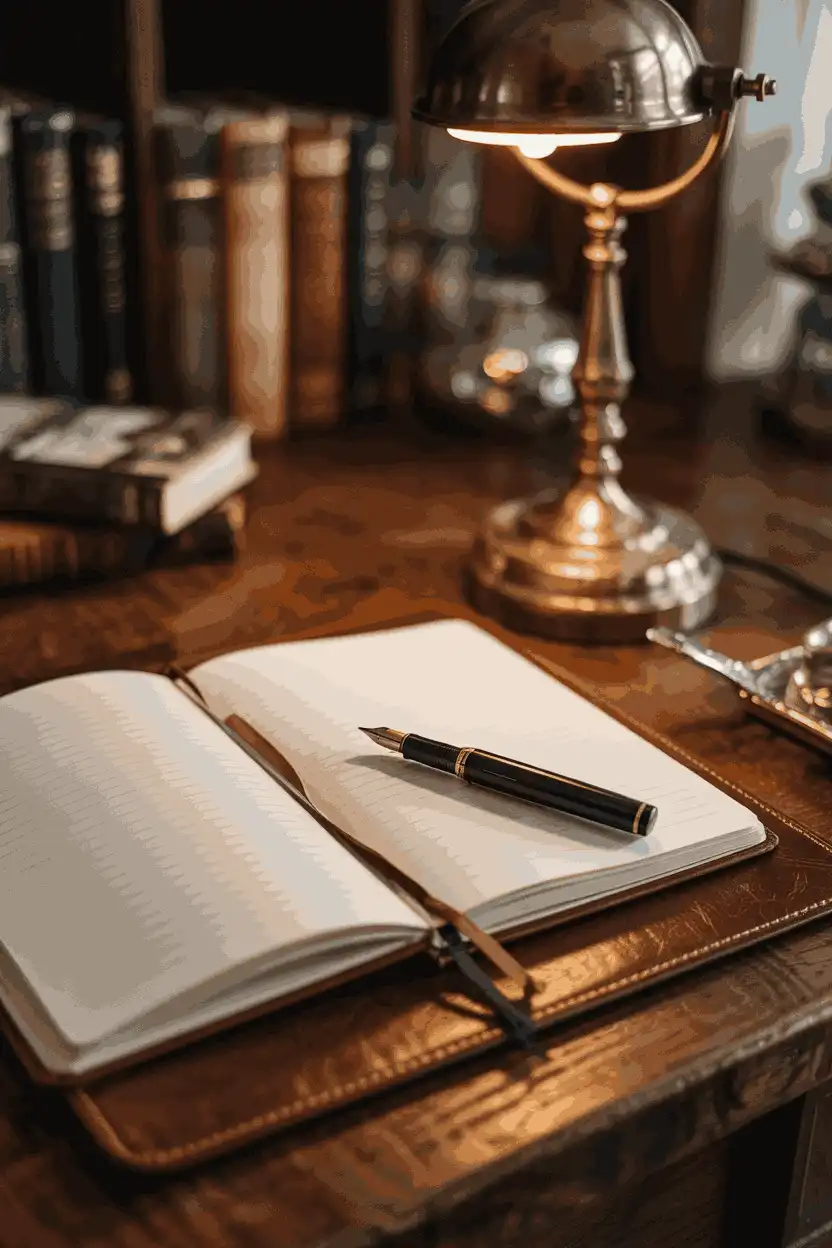
Not a journaling practice — two lines. What worked today? What would I change? That’s it. Over a month, patterns surface that no amount of thinking would have revealed: you always crash at 3 PM, Tuesdays are your best writing days, that one meeting is always a waste.
Date the entries. Future-you will find the patterns faster.
21. Aim for Better, Not Perfect
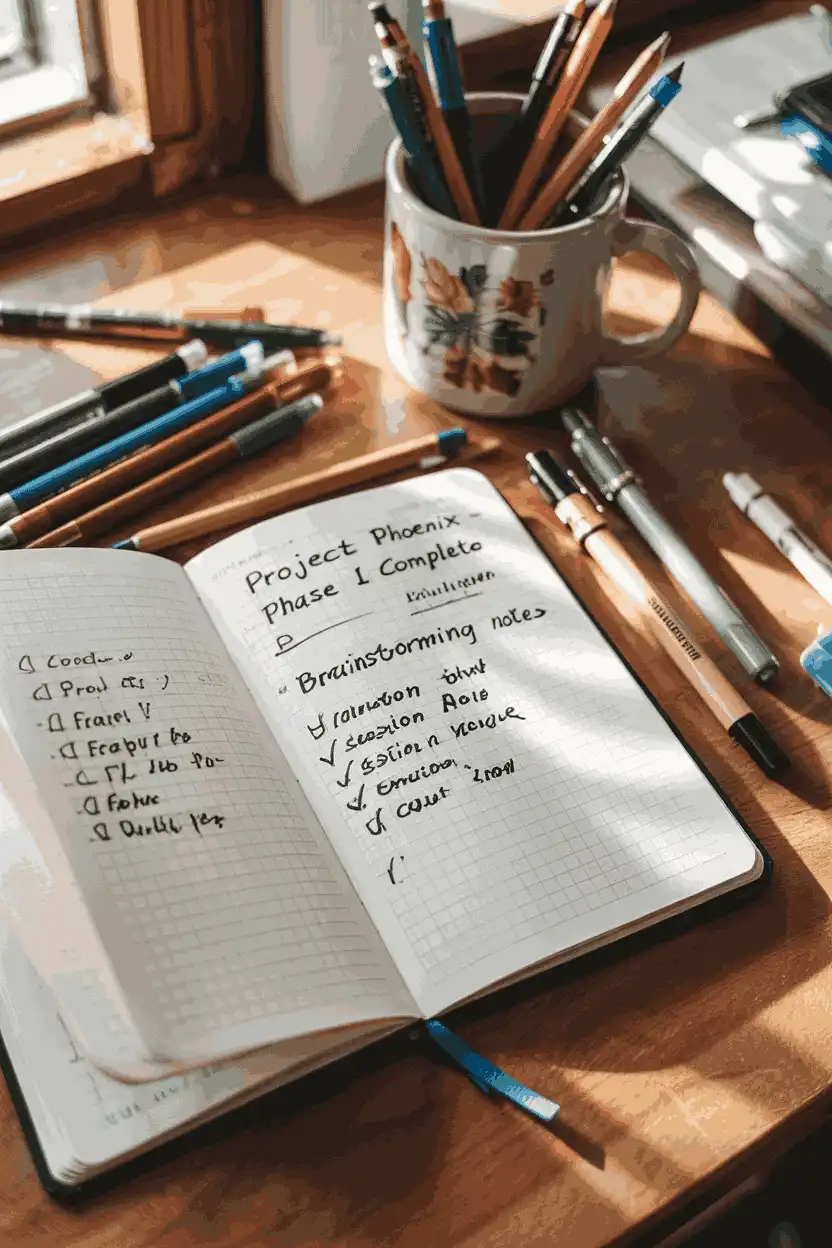
Optimization is a treadmill: the inbox is never at zero, the house is never done. ‘Good enough, consistently’ beats ‘perfect, occasionally’ in every domain that matters — fitness, finances, relationships, work.
Done is a feature. Ship the draft, send the email, close the laptop.
22. Curate Your Information Diet

You don’t need seven news sources and forty newsletters. Pick two or three you trust, unsubscribe from the rest, and notice how much calmer your mornings feel. Information is only useful if it changes a decision you’ll actually make.
If a subscription makes you feel guilty instead of informed, that’s your answer.
23. Let Your Values Filter Your Time

When everything feels urgent, ask: does this serve what I actually care about? Family, health, craft, rest — name your three or four, write them somewhere visible, and let them veto the noise. Decisions get dramatically easier with a short list of non-negotiables.
This is the habit that makes all the others stick, because it supplies the ‘why.’
24. Keep One Hobby That’s Just for Fun

25. Audit Your Habits Monthly — and Delete One
Not a side hustle, not content — a thing you do badly and happily. Sketching, guitar, sourdough, birdwatching. Creative play with no audience and no metrics is one of the most reliable mood regulators there is.
Protect it from optimization. The moment the hobby needs a business plan, get a different hobby.
You’ll find more practical ideas on My Premium Ideas — including our latest fashion trends, nail ideas, hairstyle ideas and more. Bookmark the site so new posts stay easy to find.
FAQs for simple lifestyle habits