Introduction
A blanket was my very first real crochet project, and honestly, I think it is the best thing a beginner can make. Scarves are fine, but a blanket teaches you rhythm, tension, and patience — and you end up with something you will actually use every single night. These 15 crochet blanket patterns for beginners are all projects I have either made myself or watched friends finish as total newbies. Every single one uses basic stitches, needs no complicated charts, and works up with yarn you can grab at any craft store. Whether you want something you can finish in a weekend or a slow, cozy project for the couch, there is a blanket here with your name on it.
1. Classic Granny Square Blanket
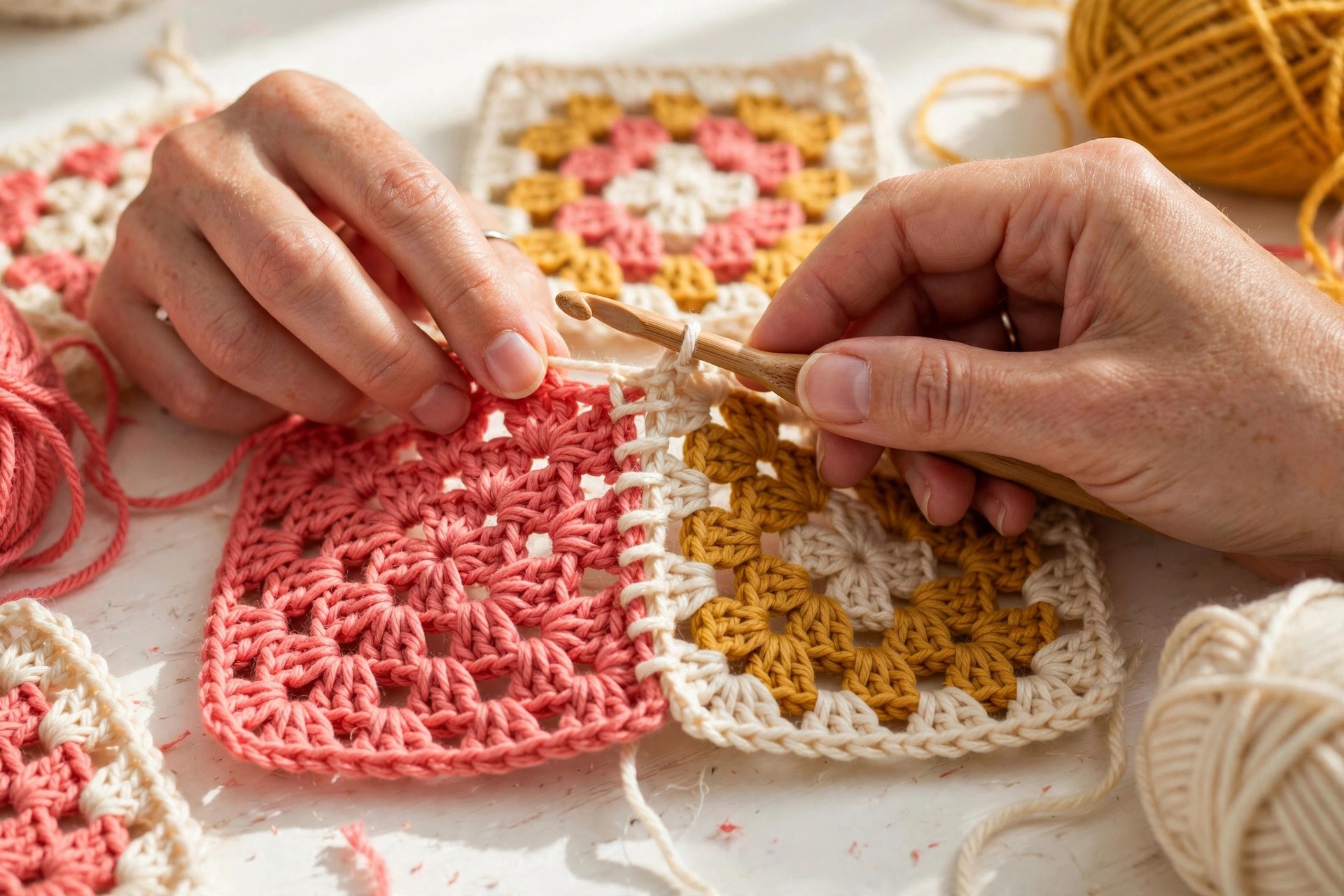
You cannot talk about beginner blankets without the granny square. It is made with double crochet clusters worked in the round, and once you memorize the three-round rhythm, you can make squares while half-watching television. I made my first granny square blanket from easy crochet projects I found in a library book, and I loved that each square felt like a tiny finished project — no dread of one endless rectangle. Join them with a simple whipstitch or slip-stitch seam in a contrasting color for a folk-art look. Use worsted-weight yarn like Red Heart Super Saver so the squares hold their shape, and block them lightly (a steam from your iron works) so they all measure the same before joining. A 5×6 square arrangement makes a generous lap blanket.
2. Simple Double Crochet Stripes
If you can chain and double crochet, you can make this blanket. That is the entire skill list. Work rows of double crochet in alternating color stripes, changing color at the end of each row or two, and the blanket practically makes itself. I will be honest — the first two feet feel like they take forever, but once you find your groove, the rows fly. This is the easiest crochet blanket for beginners who want a real, usable throw without learning anything fancy. Choose three to five colors in the same yarn line (Caron Simply Soft’s palette is gorgeous for this) so the weights match. To keep edges straight, count your stitches every few rows; losing a stitch at the edge is the number-one beginner blanket mistake, and catching it early saves a whole row of frogging.
3. Chunky Chenille Throw
Bernat Blanket yarn changed the game for beginners. It is a super-bulky chenille that works up on a 9mm or 10mm hook, and a throw-sized blanket takes a single weekend — sometimes a single Saturday if you are determined. Because the yarn is so thick, even slightly wobbly stitches disappear into the plush texture, which makes this the most forgiving first project on this list. I made one in the colorway “Vintage White” and it lives on my couch year-round. Work simple half double crochet rows for a dense, squishy fabric, or just do single crochet if you want it extra tight. One tip: chenille yarn can “worm” (little loops poking out), so keep your tension relaxed rather than yanking each stitch tight. This is also the fastest way to a handmade gift that looks expensive.
4. Half Double Crochet Back-Loop Blanket
The half double crochet stitch is the unsung hero of beginner crochet — taller than a single, shorter than a double, and it creates a beautiful subtle rib when you work into the back loop only. This blanket is just row after row of back-loop half double crochet, and the result looks like knitted ribbing. I was genuinely shocked the first time I made one; people kept asking if I had learned to knit. It has a lovely drape and a bit of stretch, which makes it perfect for a couch throw you will actually wrap up in. Pick a solid or tonal yarn (Lion Brand Wool-Ease is my go-to for this stitch) because the texture is the star — busy variegated yarns will hide the ribbing. Edge it with a round or two of single crochet to tidy up the sides.
5. Corner-to-Corner Diagonal Blanket
Corner-to-corner, or C2C, sounds advanced, but it is really just a clever way of building a blanket from one corner to the opposite one using small double-crochet blocks. You start tiny, grow to the middle, then shrink back down — and here is the magic: the blanket is a perfect rectangle (or square) no matter what, and you never have to count a long foundation chain. I teach this to every beginner who hates chaining 200 stitches, and they always finish. Each block is only four double crochets, and turning the work becomes second nature by the fifth row. C2C is ideal for baby blankets and lapghans, and it is the easiest technique for making simple color-block or pixel-style designs later, when you are ready. A 6mm hook with worsted weight gives a nice dense fabric.
6. Moss Stitch Baby Blanket
The moss stitch — also called the linen stitch — alternates single crochet and chain stitches, creating a woven-looking fabric that is flat, sturdy, and absolutely beautiful in two or three colors. It is my top recommendation for a first baby blanket because the fabric has no holes for tiny fingers to catch in, and it looks far more impressive than the effort involved. My niece’s baby blanket is moss stitch in soft gray and cream, and it has survived three years of washing without pilling. The stitch is just “single crochet, chain one, skip one” repeated — you can memorize it in five minutes. Because the pattern is so simple, invest in a lovely yarn; a soft acrylic like Paintbox Yarns Simply DK or a cotton blend will make the finished piece feel special.
7. Waffle Stitch Throw
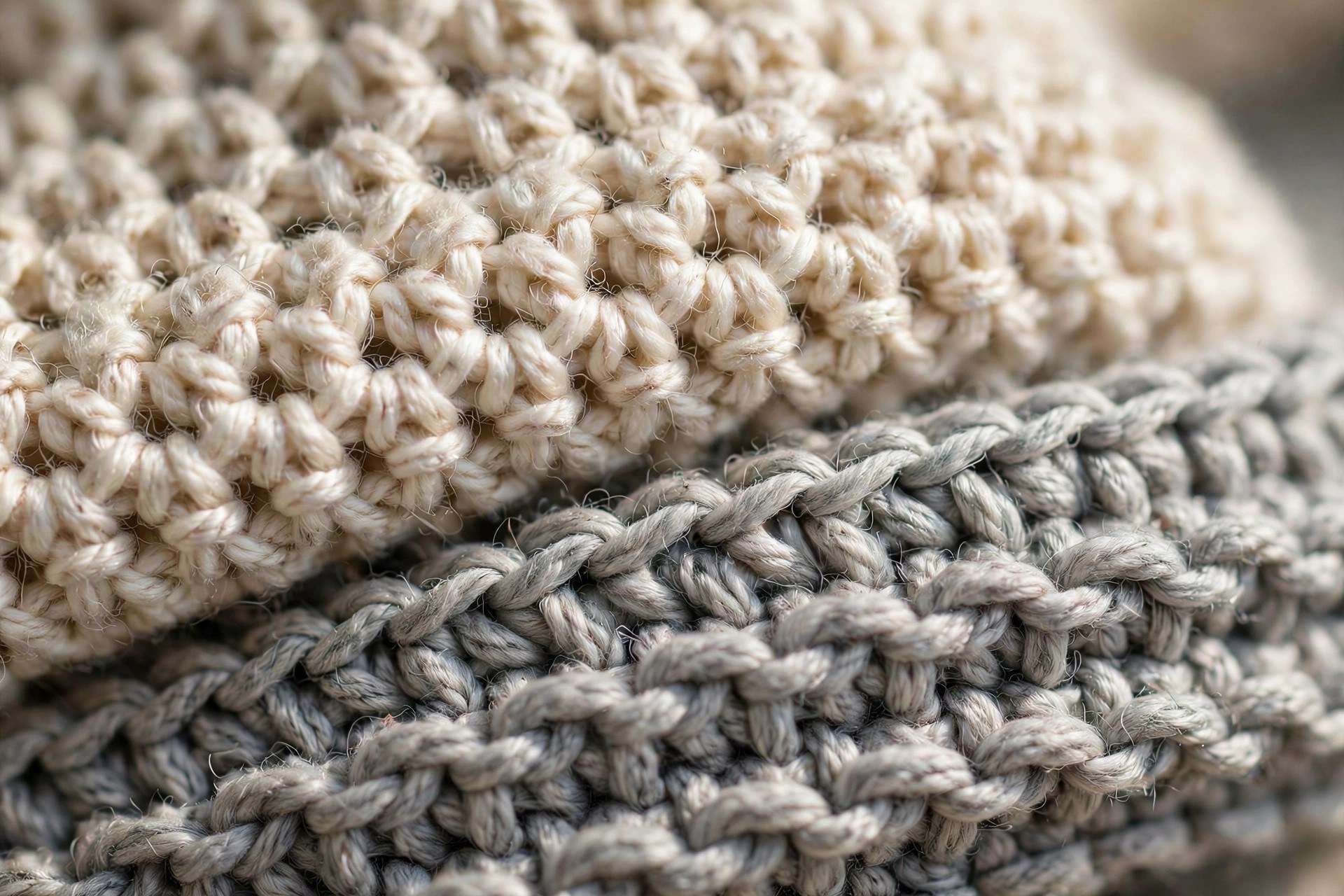
The waffle stitch uses front-post double crochet to create a deep, squishy grid that genuinely looks like a waffle — and feels like wrapping yourself in a warm towel. It uses more yarn than flat stitches (budget about 30% extra), but the result is the warmest blanket on this list, perfect for drafty living rooms. I made a waffle stitch throw in a deep forest green and it is the blanket everyone fights over when the temperature drops. The stitch pattern is a four-row repeat, so write it on an index card and keep it beside you until it clicks — usually around row six. This stitch eats yarn, so watch for sales on big value packs, and use stitch markers to mark your turning chains so the edges stay neat. Worth every extra skein. If you love this kind of squishy texture, you will also enjoy these cozy crochet blanket ideas for more fireside projects.
8. Solid Granny Square Blanket
Take everything you love about granny squares and skip the joining: the solid granny square is one giant square worked from the center out, and it grows as big as you dare. No seams, no weaving in dozens of ends, no squares that refuse to match up. I finished one of these during a rainy long weekend and could not believe how fast it went — the rounds get longer as you go, which feels incredibly satisfying. Work it in a single color for a modern, clean look, or change colors every few rounds for bold concentric rings. The corners need two extra stitches (a chain-2 space at each corner) to lie flat, so count those carefully for the first few rounds. When it is big enough to cover your lap comfortably, stop and add a simple shell edging.
9. Easy Ripple Chevron Blanket
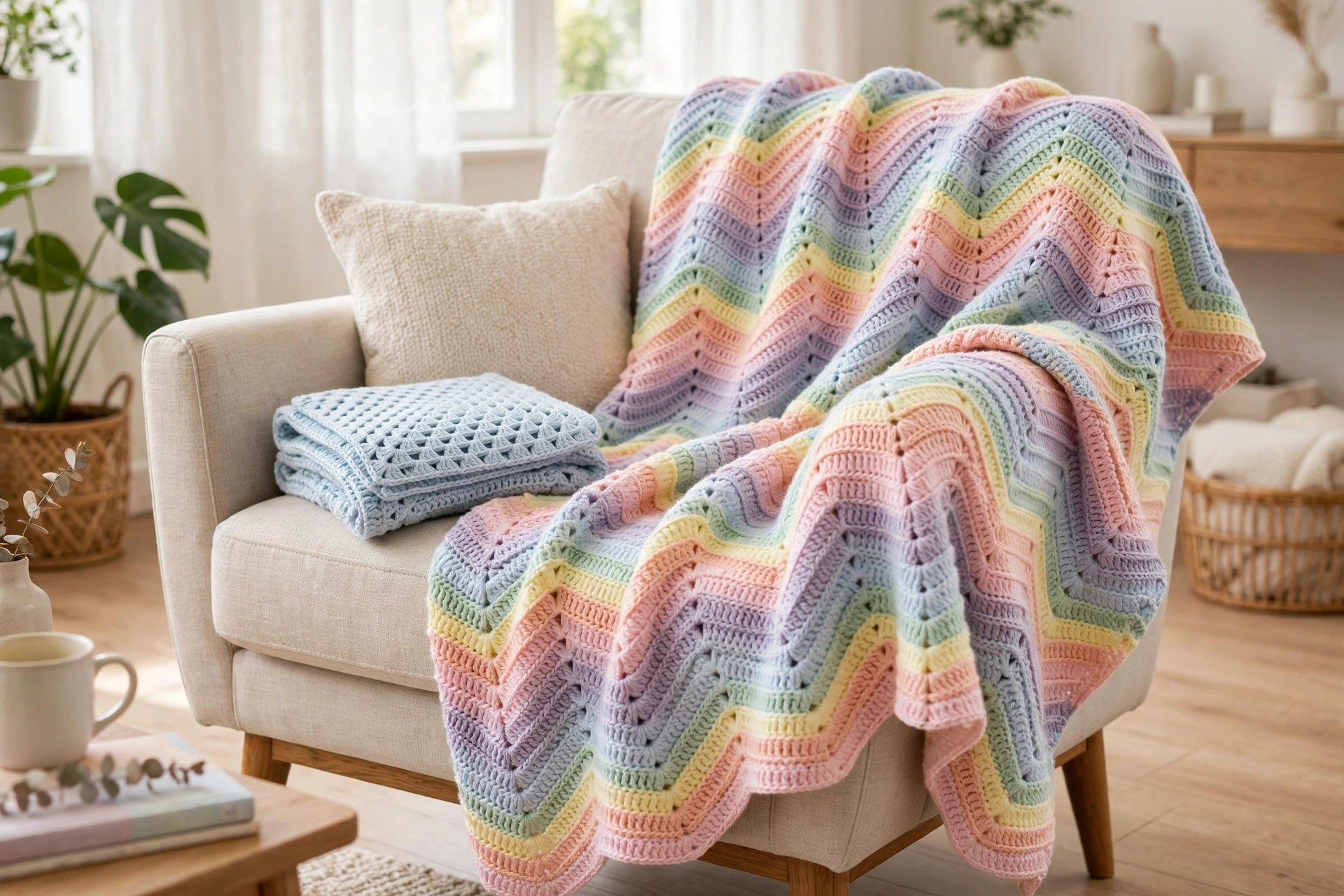
The chevron ripple is the pattern that makes beginners look like intermediates. It is just double crochet with a repeating increase-decrease rhythm that creates those satisfying zigzag peaks — no colorwork required, though stripes make it pop. I will warn you about the one tricky part: the turning chain at the start of each row. Keep it consistent (I chain two and count it as a stitch, every single row) and your edges will stay straight. Once you nail that, the ripple rhythm is pure muscle memory. This pattern is a fantastic stash-buster — dig through your leftover skeins for a scrappy rainbow version, or pick an ombré gradient yarn that does the striping for you. A ripple baby blanket in pastel stripes is a classic shower gift that always gets compliments.
10. V-Stitch Lapghan
The V-stitch — two double crochets worked into the same stitch with a chain between — is open, airy, and works up shockingly fast. A lapghan (a small lap blanket, roughly 36×48 inches) can be finished in a few evenings, which makes this the perfect “I need a gift by Friday” pattern. I keep a V-stitch lapghan on my reading chair, and the openwork makes it breathable enough for year-round use. It looks especially pretty in a self-striping or variegated yarn, because the Vs break the color into a soft, watercolor effect. One honest note: the openness means it is not the warmest option, so save this one for spring throws, shawls-as-blankets, or layering over a quilt. Add a scalloped shell border to dress it up for gifting. It is also one of my favorite quick crochet projects when a handmade gift is needed fast.
11. Shell Stitch Blanket
Shells — fans of five or seven double crochets worked into one stitch — give a blanket a romantic, lacy look that belies how simple they are. If you can double crochet, you can make shells; the only new skill is counting to five. I made a shell stitch baby blanket in a soft blush pink for a friend’s nursery, and she framed a photo of it (the blanket, mind you, not the baby). The scalloped edges form naturally as you work, so the blanket looks finished even before you add a border. Alternate shell rows with plain double crochet rows to make the pattern easier to track, and use a light-colored yarn while learning so you can actually see your stitches. Cotton yarn gives shells beautiful definition for summer-weight blankets.
12. Bobble Stripe Blanket
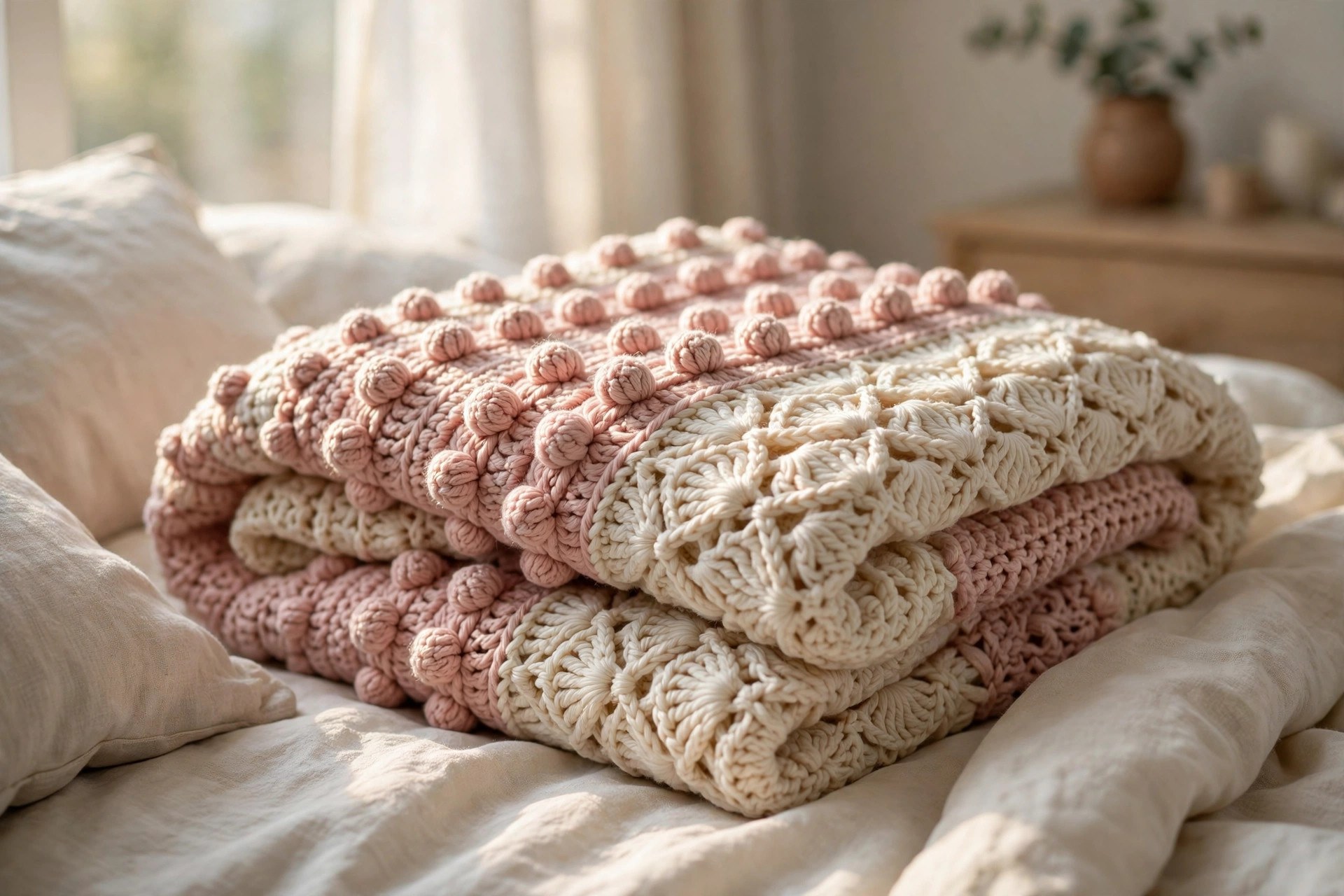
Bobbles are little puffy bumps that add the most satisfying texture — and kids absolutely love picking at them, in the best way. A bobble stripe blanket alternates rows of plain single crochet with rows of evenly spaced bobbles, so you get the fun texture without the hand fatigue of an all-bobble project. I made one for my nephew and he still drags it everywhere; the bobbles have survived years of love. The bobble stitch itself is just several incomplete double crochets joined at the top — it sounds fiddly, but after ten of them your hands know the motion. Space bobbles five stitches apart for a classic look, or cluster them tighter for a cloud effect. Use a smooth, sturdy yarn so the bobbles pop instead of sinking in.
13. Lemon Peel Stitch Blanket
The lemon peel stitch is the minimalist’s dream: alternate single crochet and double crochet across every row, and the different stitch heights create a subtle pebbled texture with zero counting stress. There is no pattern repeat to memorize beyond “tall stitch in short stitch, short stitch in tall stitch.” I reach for this stitch when I want a meditative, no-think project for movie nights — it is genuinely the most relaxing stitch on this list. It looks best in a heathered or tweed yarn where the texture can shine, and it makes a wonderfully dense, warm fabric with no holes. Because both stitches are basics, this is the ideal second project after a plain double crochet blanket. Finish with two rounds of single crochet in a contrasting color for a crisp frame.
14. T-Shirt Yarn Rag Blanket
Cut old t-shirts into strips, join them into “yarn,” and crochet a chunky, eco-friendly blanket with a big 12mm hook — this is the ultimate stash-busting, zero-cost beginner project. T-shirt yarn (sometimes called tarn) is so thick that a throw works up in a weekend, and the slight stretch of jersey fabric makes the stitches forgiving. I made one from a stack of old concert tees and it is the most conversation-starting blanket I own; every strip has a story. Use simple single crochet throughout, and do not stress about perfect strips — the rustic, slightly uneven look is the whole charm. Mix solids and prints for a boho feel, or stick to one color family for something more pulled-together. It is heavy, washable, and practically indestructible.
15. Striped Scrap-Ghan
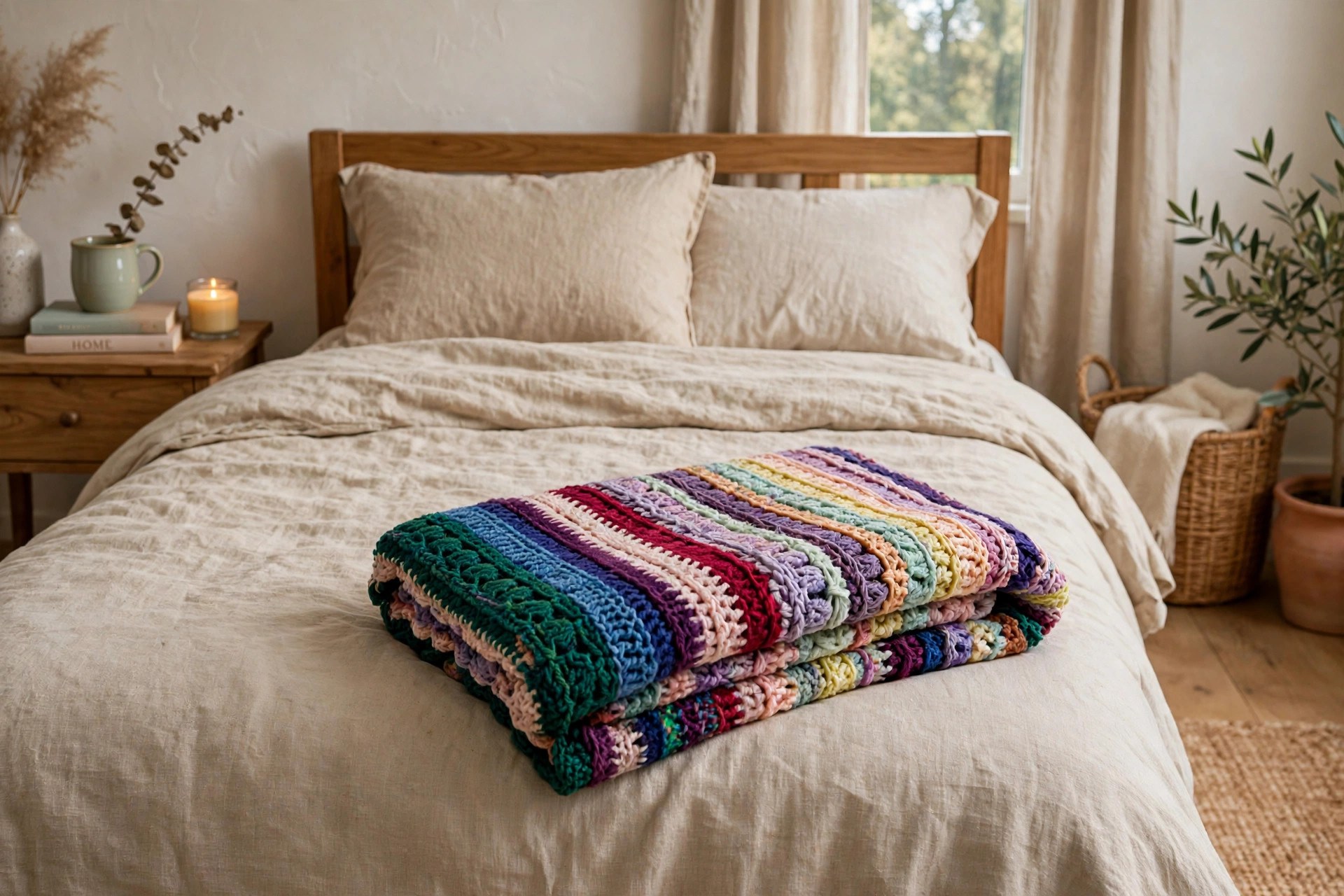
Every crocheter ends up with a basket of half-skeins, and the scrap-ghan — a striped blanket made entirely from leftovers — turns that guilt pile into a treasure. The rule is simple: crochet two-row stripes in whatever you have, holding two strands together when weights differ to keep the gauge even. My scrap-ghan is gloriously chaotic — jewel tones next to pastels next to that one neon skein I regret buying — and it is my favorite blanket precisely because it is unrepeatable. Work in half double crochet for speed, and weave in ends as you go (trust me, 200 ends at the end is a special kind of misery). This is also a lovely way to use up yarn from your first attempts at crochet gifts and smaller projects. No pattern, no pressure, just pure creative play.
Crafting Tips
- Count your stitches every 4-5 rows while learning — catching a lost stitch early saves hours of frogging later.
- Buy one extra skein beyond what the pattern calls for; running out mid-blanket risks a dye-lot mismatch on the last rows.
- Weave in ends as you go with a tapestry needle, especially on striped blankets — a mountain of ends at the end kills motivation.
- Use stitch markers (or safety pins) to mark the first stitch of each row until your edges are consistently straight.
- An ergonomic hook like the Clover Amour genuinely reduces hand fatigue on big projects — worth the few extra dollars.
- Block acrylic blankets with steam (hover the iron, don’t press) to even out stitches and give the finished piece a polished look.
Frequently Asked Questions
How do you start a crochet blanket? Chain the number of stitches your pattern calls for (usually 100-200 for a throw), then work your first row of stitches into that chain. The foundation chain is the trickiest part — keep it loose, or use a hook one size larger just for the chain row, so the bottom edge doesn’t pucker.
How do you crochet a blanket for beginners? Pick a pattern that uses only one or two basic stitches (single, half double, or double crochet), choose a smooth medium-weight yarn in a light color so you can see your stitches, and start with a smaller size like a baby blanket or lapghan before attempting a full bed-size throw.
How to crochet a chunky blanket for beginners? Use super-bulky chenille yarn like Bernat Blanket with a 9-10mm hook and simple half double crochet rows. The thick yarn hides uneven stitches, and a throw works up in a weekend — it’s the fastest path from zero to finished blanket.
How long does it take a beginner to crochet a blanket? A chunky throw can take one weekend; a standard worsted-weight throw takes most beginners 20-40 hours spread over a few weeks; a baby blanket is usually 10-15 hours. Speed varies wildly with stitch choice and how much you crochet daily — the key is picking a pattern simple enough that you actually enjoy the hours.
Final Thoughts
Your first blanket does not need to be perfect — mine certainly was not (the edges waved like a flag). What matters is finishing, because every row teaches your hands something new. Pick the pattern that made you smile while reading, grab yarn in a color you love, and start tonight. A year from now you will be wrapped in proof that you can make beautiful things.