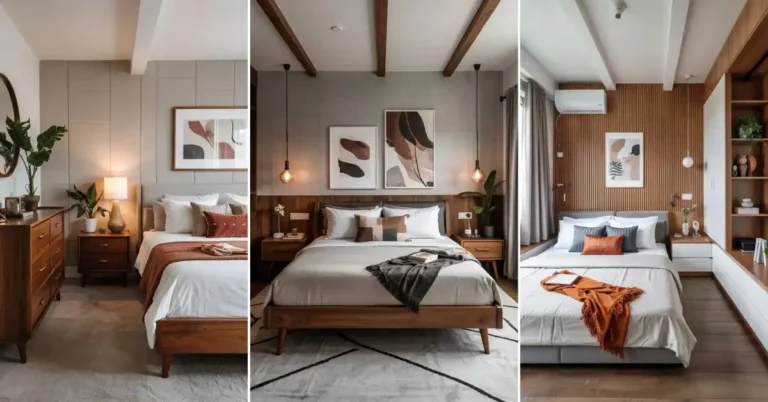
20 House Interior Decoration Ideas to Brighten Your Home
The rooms that feel brightest aren’t usually the ones with the most lamps — they’re the ones where someone paid attention to where daylight actually lands. A hallway mirror catching morning sun, a reading chair placed exactly where the light pools at 4pm: small decisions, big difference. Whether you’re into modern houseinterior designor simply like the lift a few green plants give a room, thoughtful decorating turns ordinary rooms into places people want to linger. Below are 20 ideas that can brighten your home with real style and personality.
1. Refresh Your Space with Thoughtful Room Painting and Designs
There’s no faster mood change for a room than a fresh coat of paint. Light, reflective colors — creams, warm whites, soft blues in a satin or eggshell finish — bounce daylight around and can make a cramped bedroom feel noticeably larger. For a 12×12-foot room, two gallons of quality paint and one weekend is usually all it takes. A limewash or subtle plaster texture on one wall adds depth without darkening the space.
If full-pattern walls feel like too much, try a single accent wall: thin geometric battens painted the same white as the rest of the room create shadow lines that read as texture, or a wood-slat panel behind the bed brings warmth while still reflecting light. Both tricks suit contemporary rooms and lift brightness naturally.
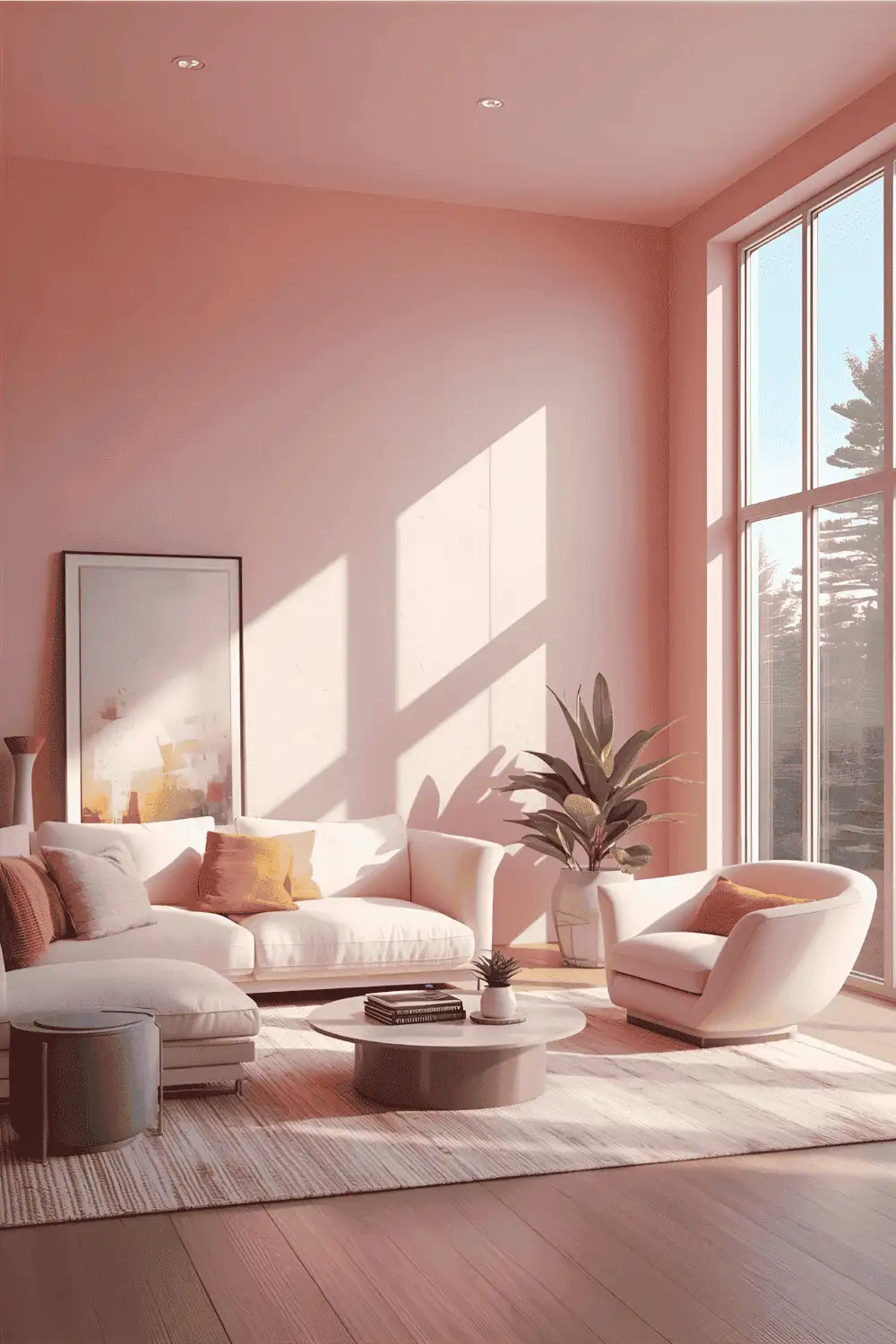
2. Embrace Clean Lines and Brightness in Modern Home Design
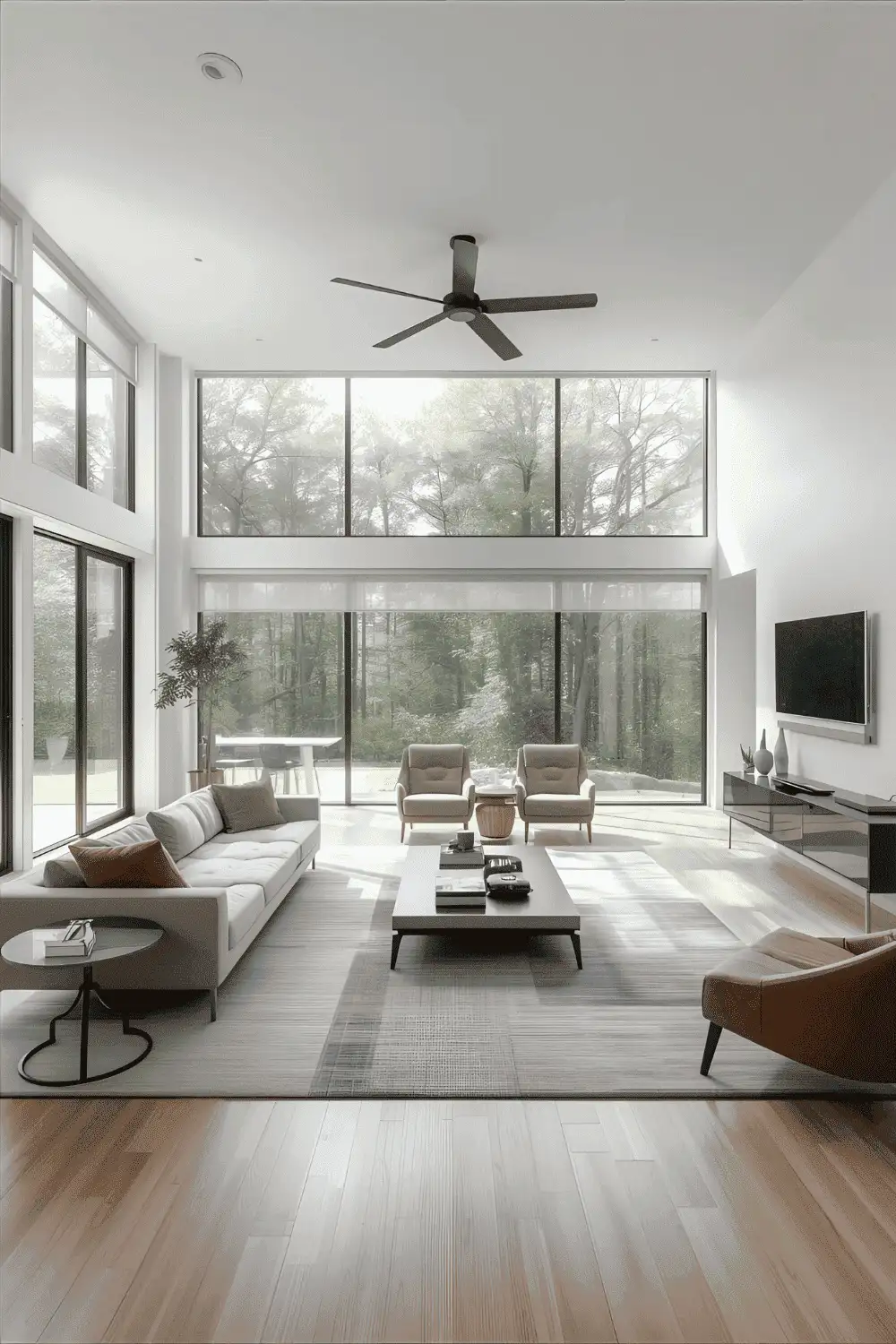
Modern interiors earn their airy feeling through restraint: fewer, better pieces. Open floor plans and large windows do most of the work, pulling daylight deep into the room. Choose sofas and tables on visible legs or with recessed bases — furniture you can see under keeps the floor line open and the room breathing.
Keep walls a calm neutral and let one or two things carry the personality: a large-scale canvas, an oversized fig tree. Then tune the light after dark — 2700K warm-white bulbs in dimmable floor lamps, a single statement pendant — so the evening room feels as considered as the daytime one.
3. Bring Nature Inside with Indoor Plants for Freshness
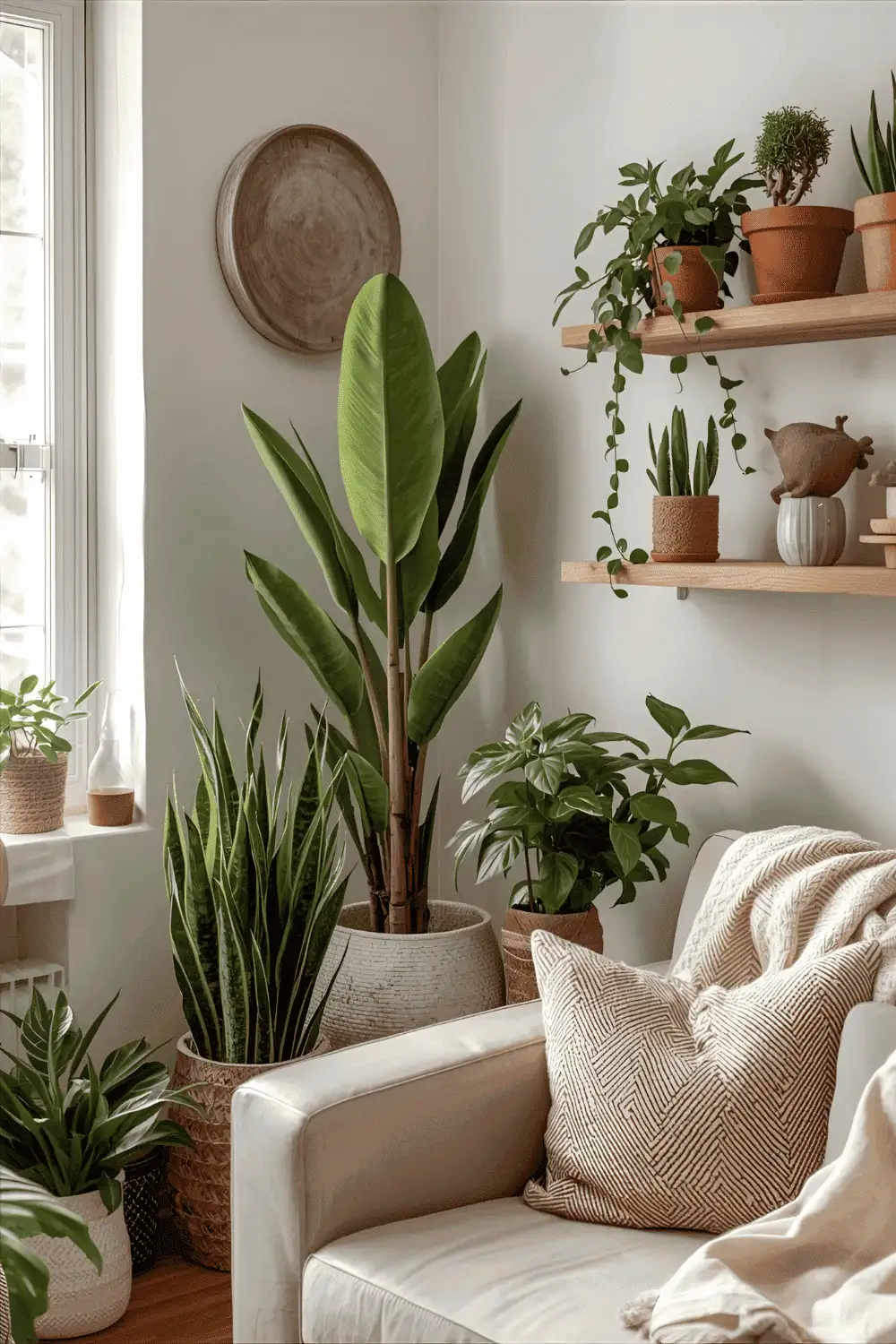
Greenery softens the hard edges every room collects: sharp table corners, blank drywall, flat lighting. One architectural plant — a fiddle leaf fig, an olive tree, a tall snake plant — instantly gives a corner purpose. Cluster smaller succulents and pothos on a bookshelf to break up a wall of spines with something alive.
Planters have become part of the decor conversation: ribbed ceramic, woven seagrass, matte terracotta. Set them against warm materials — oak, travertine, pale stone — and they read as intentional design rather than afterthought. As a bonus, a few large plants can nudge a dry room’s humidity up a few welcome points.
4. Turn Your Stairs into a Bright Focal Point
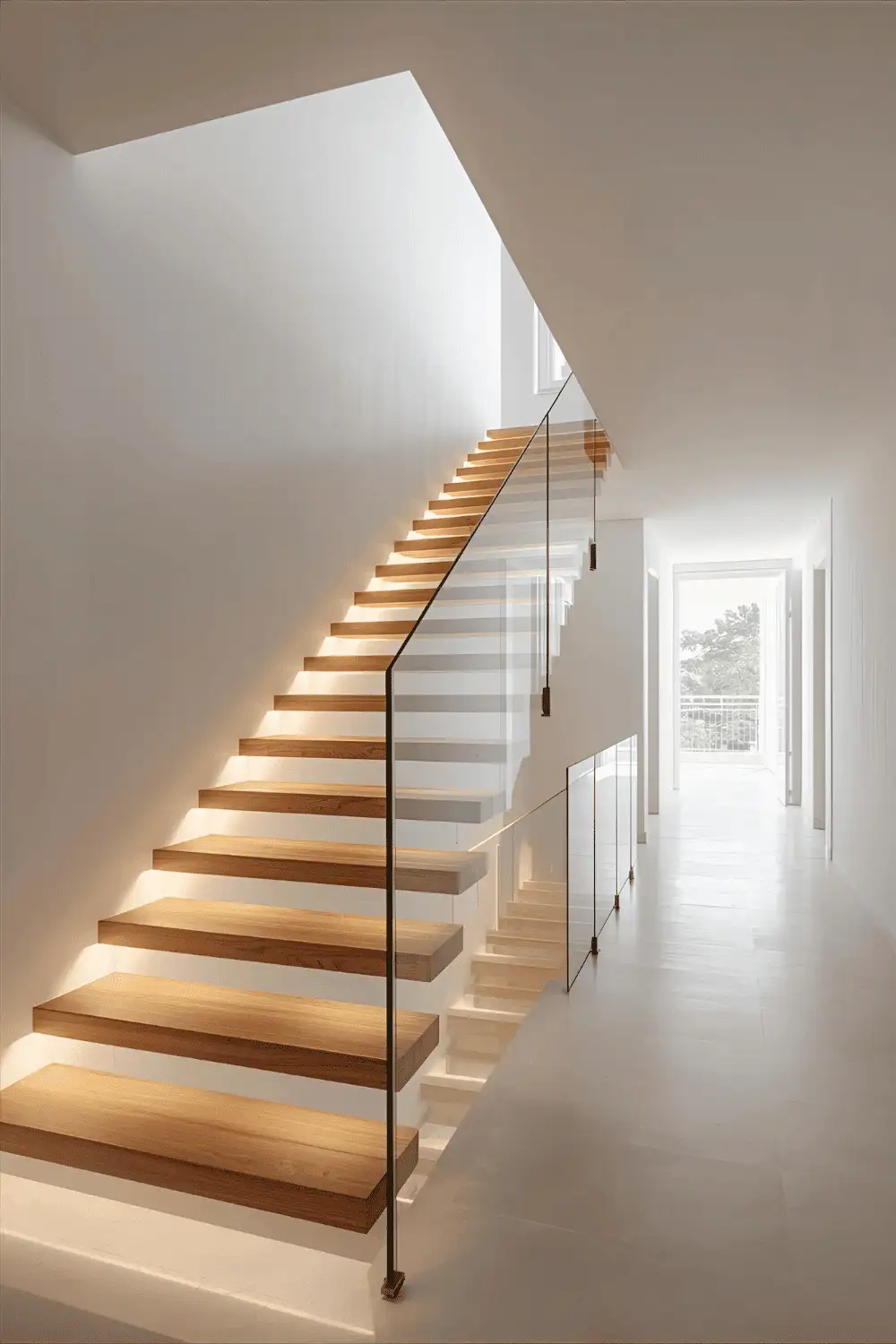
Staircases get decorated last, if ever, which is a missed opportunity — they’re often the tallest uninterrupted volume in the house. Floating oak treads with a slim glass balustrade let light pass straight through, so a dark central hall suddenly borrows brightness from the landing window above.
Run a continuous LED strip under the nosing of each tread (2700–3000K; roughly $15–25 per stair for tape and driver) and you get both night-time safety and a floating effect. Painted risers — a soft sage, a hand-painted tile pattern — turn the climb itself into the artwork.
5. Use Wall Decor and Panelled Walls for Depth and Warmth
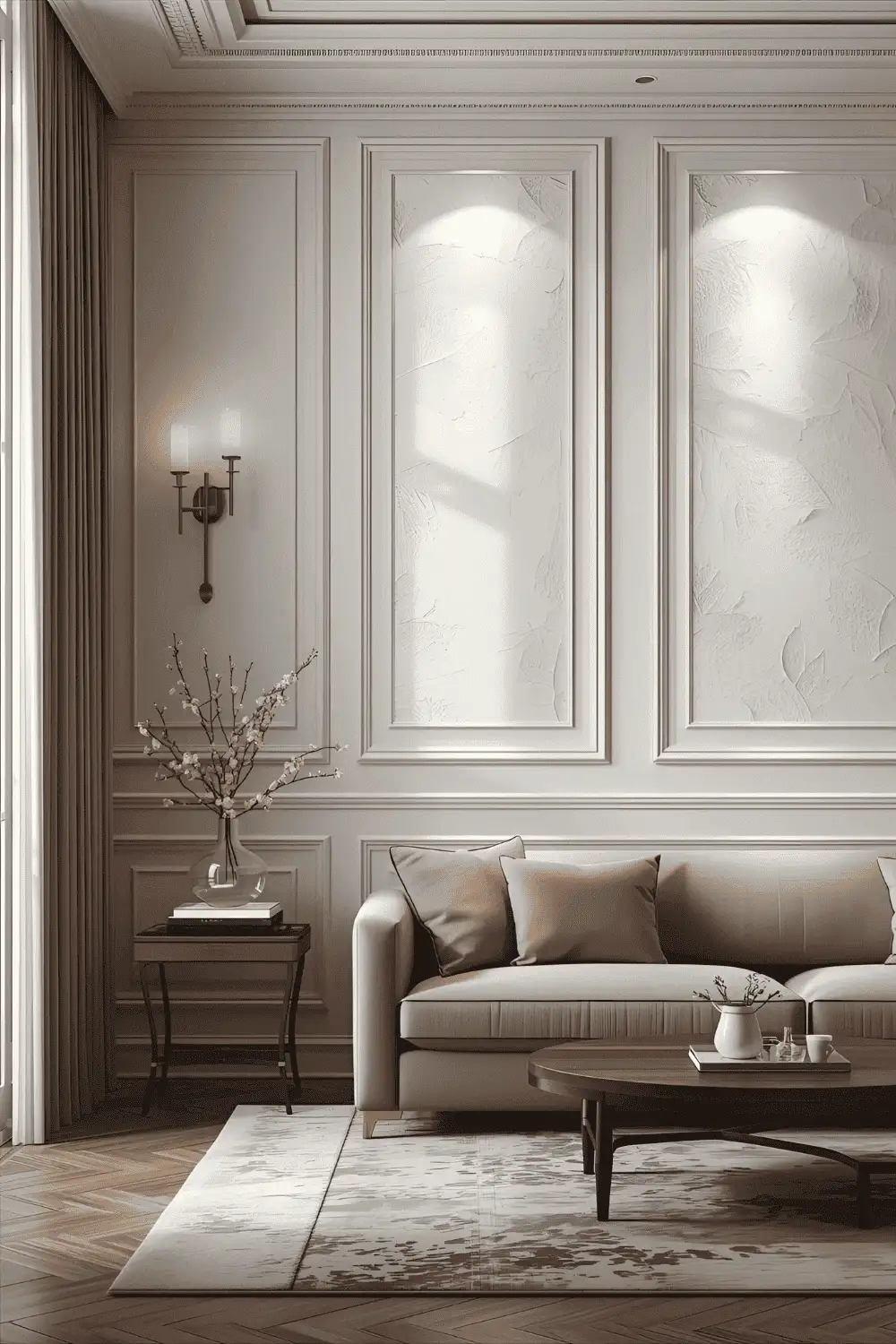
Panelling is the quickest way to give flat drywall a point of view. Shaker-style battens in a hallway, fluted half-wall panels behind a sofa: both catch raking light and throw soft shadows, which reads as warmth even in a pale room. A single 8×10-foot wall typically needs 10–14 battens and one Saturday.
Layer panelling with other textures — a stone-clad fireplace breast, a limewashed accent wall — rather than using one material everywhere. This combination breathes life into hallways,living rooms, or dining areas.
6. Make Small Spaces Feel Spacious and Light
Small rooms brighten up fastest when you stop fighting their size. Carry one pale paint color across walls, trim, and ceiling to erase visual boundaries; the eye reads one continuous surface and the room gains perceived square footage. Hang curtains 4–6 inches above the window frame and let them fall to the floor — windows and ceilings both feel taller than they are.
Keep furniture compact and dual-purpose: a storage ottoman, a drop-leaf table, a daybed that moonlights as a sofa. One or two plants in slim floor pots add color upward instead of outward. The result is a small space that feels edited rather than empty.
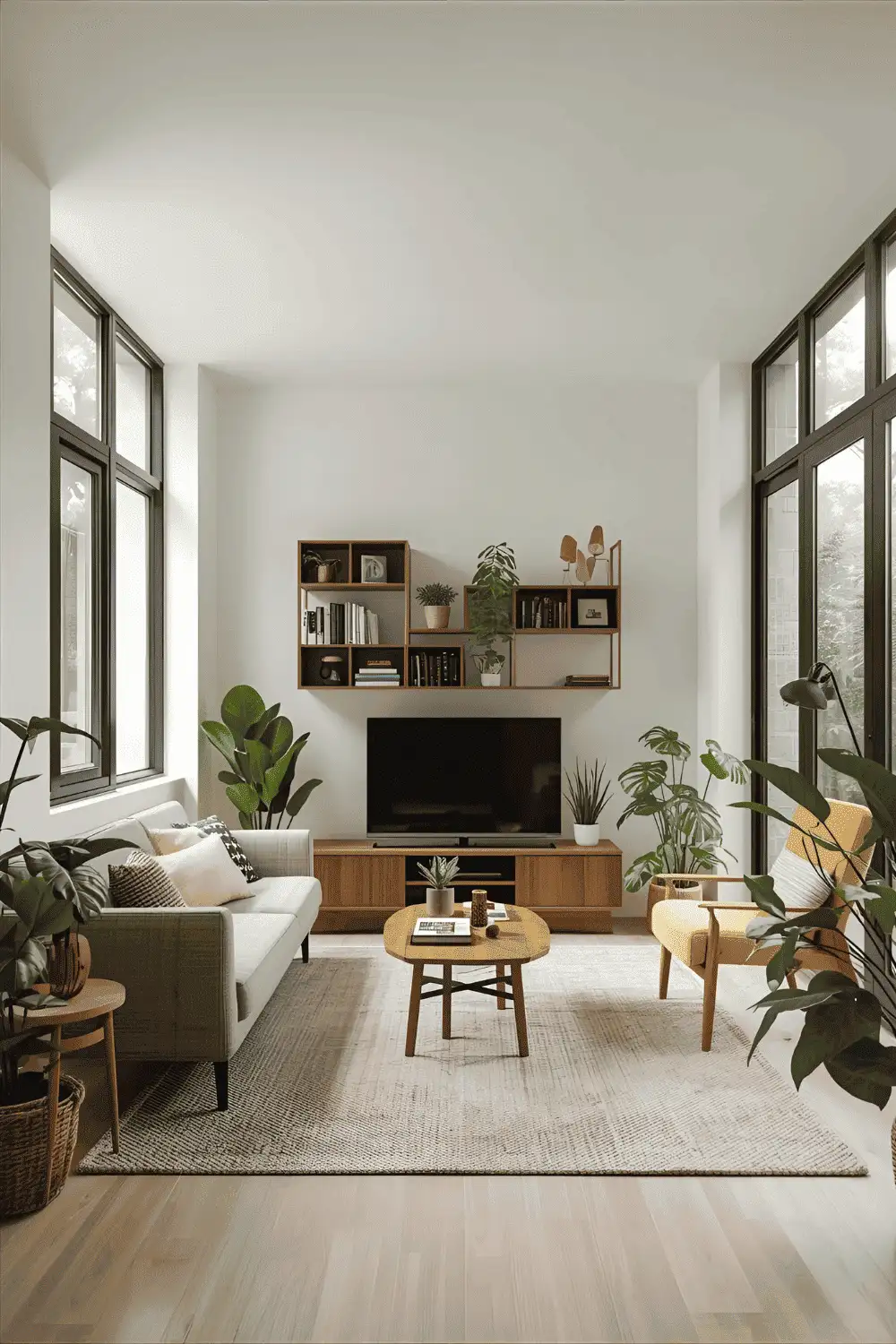
7. Enhance Your Living Room with Lush Plant Decor
A living room earns its warmth from greenery more reliably than from throw pillows. Frame the sofa with two matching palms, trail a pothos from the top shelf, hang one planter at window height where it catches backlight. Group plants in odd numbers at different heights and you get a composition instead of a lineup. Against pale walls and real daylight, the room holds a fresh, bright calm from morning to evening.
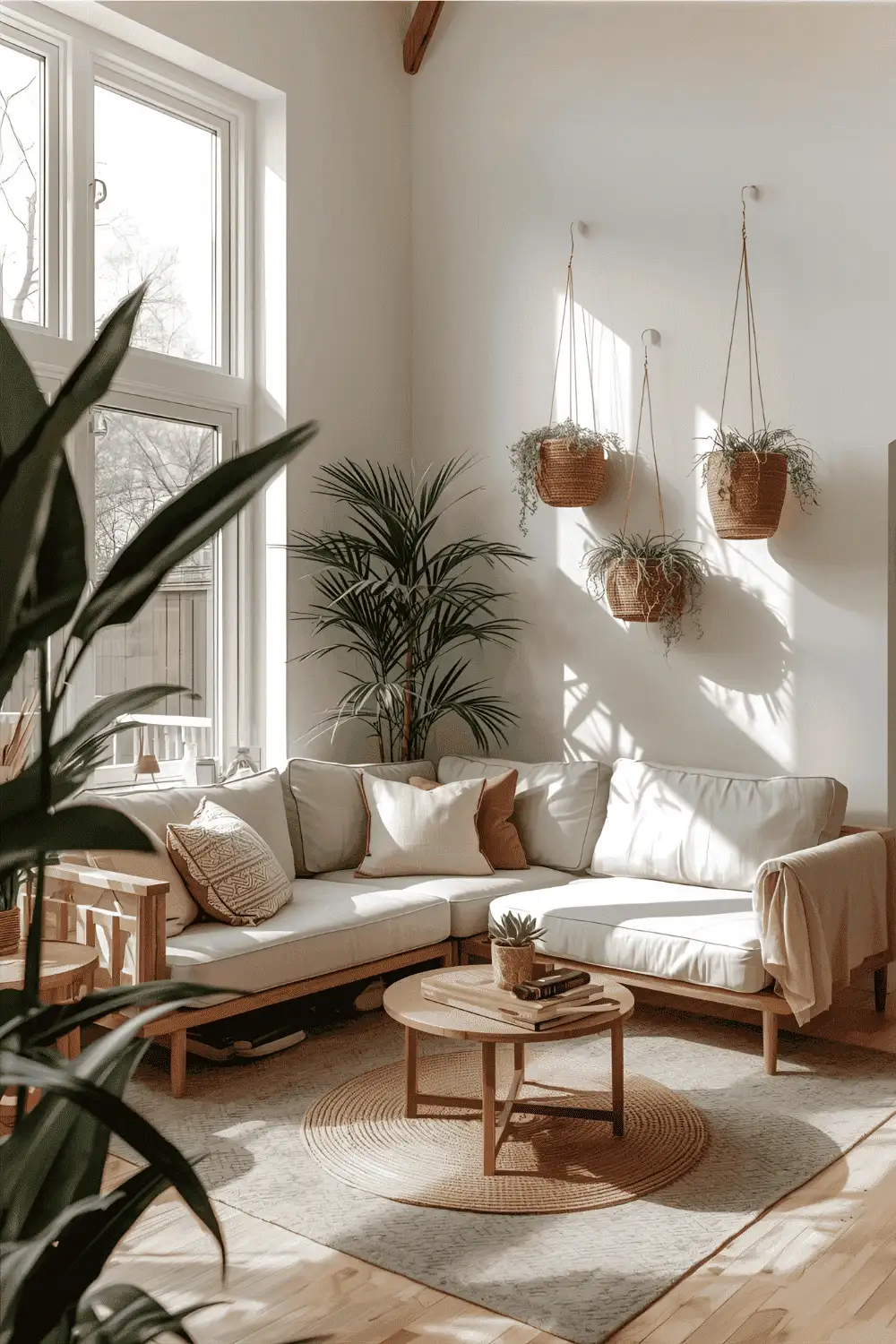
8. Personalize Your New Home with Unique Touches
A new-build blank slate is a gift: no inherited paint colors to work around. Start with light — maximize it before anything else. Wash walls in warm white, keep window treatments sheer, and place a mirror opposite the main window to double the daylight. One bold move per room (a terracotta accent wall, a patterned tile splashback) adds personality without shrinking the space.
Then mix eras and materials: a clean-lined sofa beside a reclaimed-wood console, a jute rug under a glass coffee table. Plants and layered lamps do the final work of making it feel inhabited — bright, yes, but also unmistakably yours.

9. Brighten Your Kitchen with Smart Design Choices
Kitchensdo the hardest working in the house, and they deserve more than basic task lighting. Glossy subway tile or a polished quartz splashback bounces both daylight and under-cabinet LEDs around the room; even a north-facing galley gains noticeable lift. Open shelving styled with a trailing plant and your best-colored dishware turns storage into decor.
Hang pendants 30–36 inches above the island for focused, flattering light, and run LED strips under the wall cabinets to erase countertop shadows. A kitchen planned this way stops being purely utilitarian — it becomes the room everyone drifts toward.
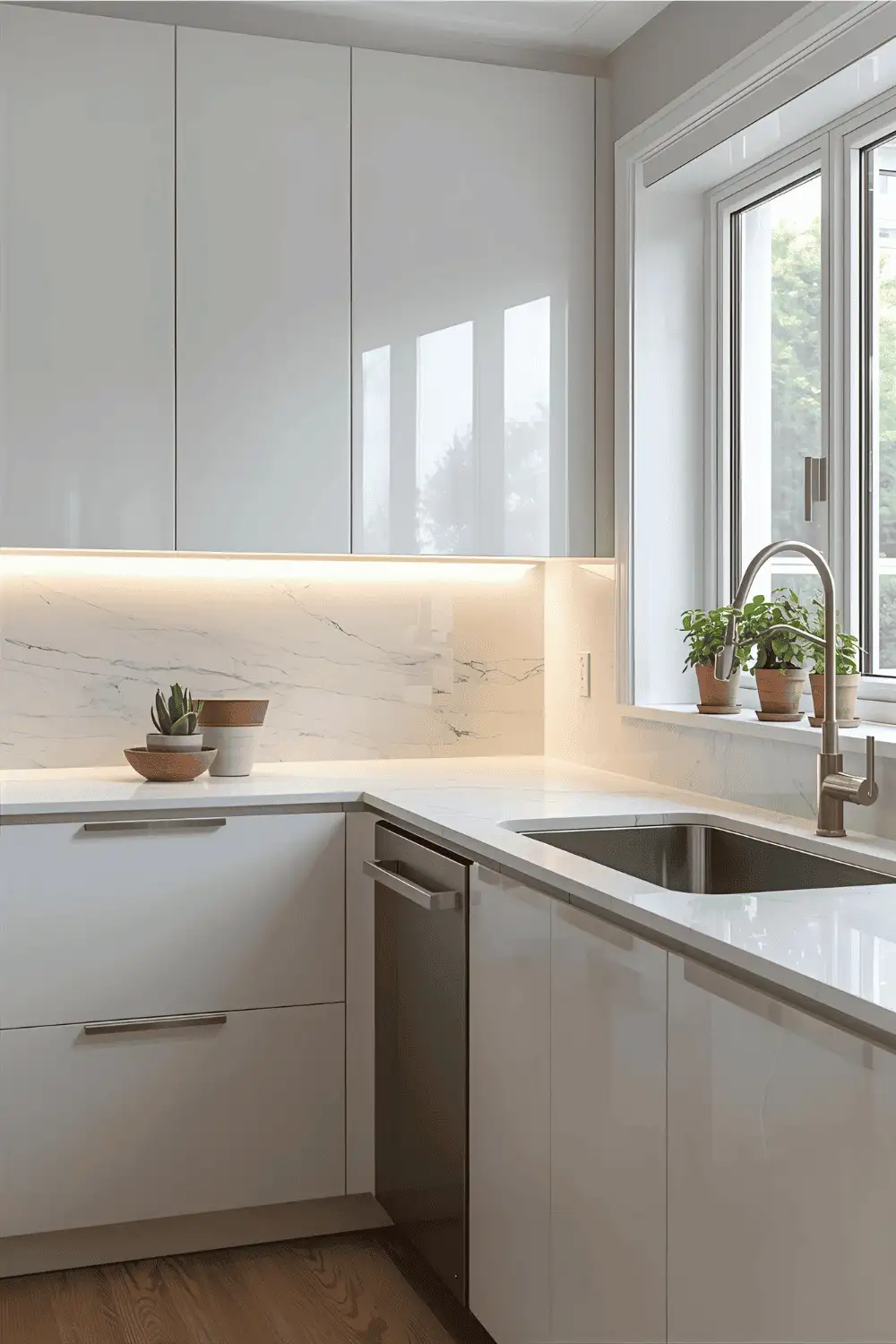
10. Use Layered Lighting to Brighten Every Corner
No single light source flatters a room; the effect comes from layers. Start with ambient — ceiling fixtures or cove lighting for general fill. Add task lighting where work happens: reading chairs, kitchen counters, desks. Finish with accent: picture lights, a glowing shelf, uplights behind a plant. Three layers, each on its own switch or dimmer.
Tunable smart bulbs (2200K candle-warm to 5000K daylight) let one room shift from productive morning to mellow evening without new fixtures. Dimmed accent light raking across stone or wood panelling at night makes those textures glow — rooms feel alive rather than merely lit.
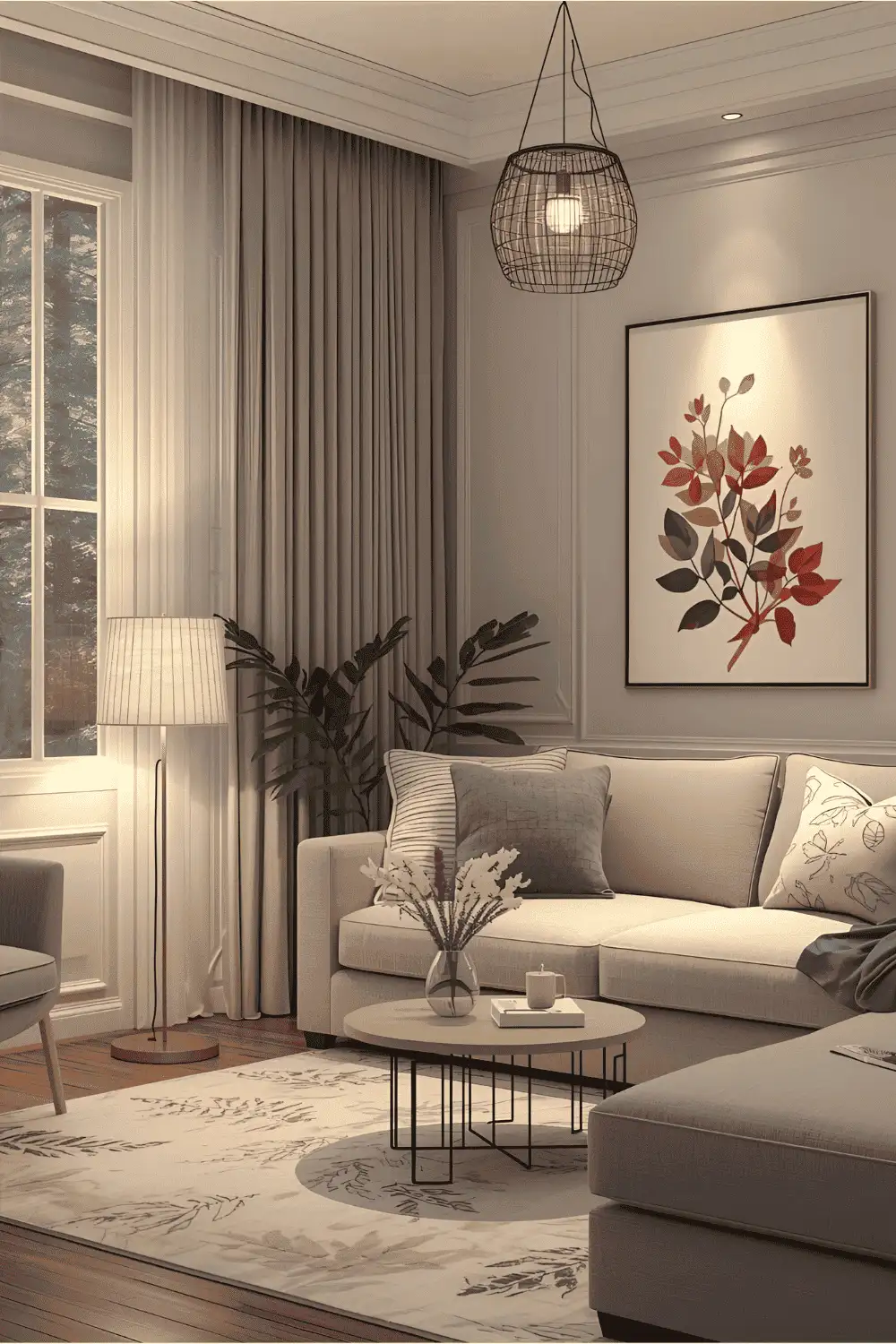
11. Add Texture and Warmth with Stone Wall Designs
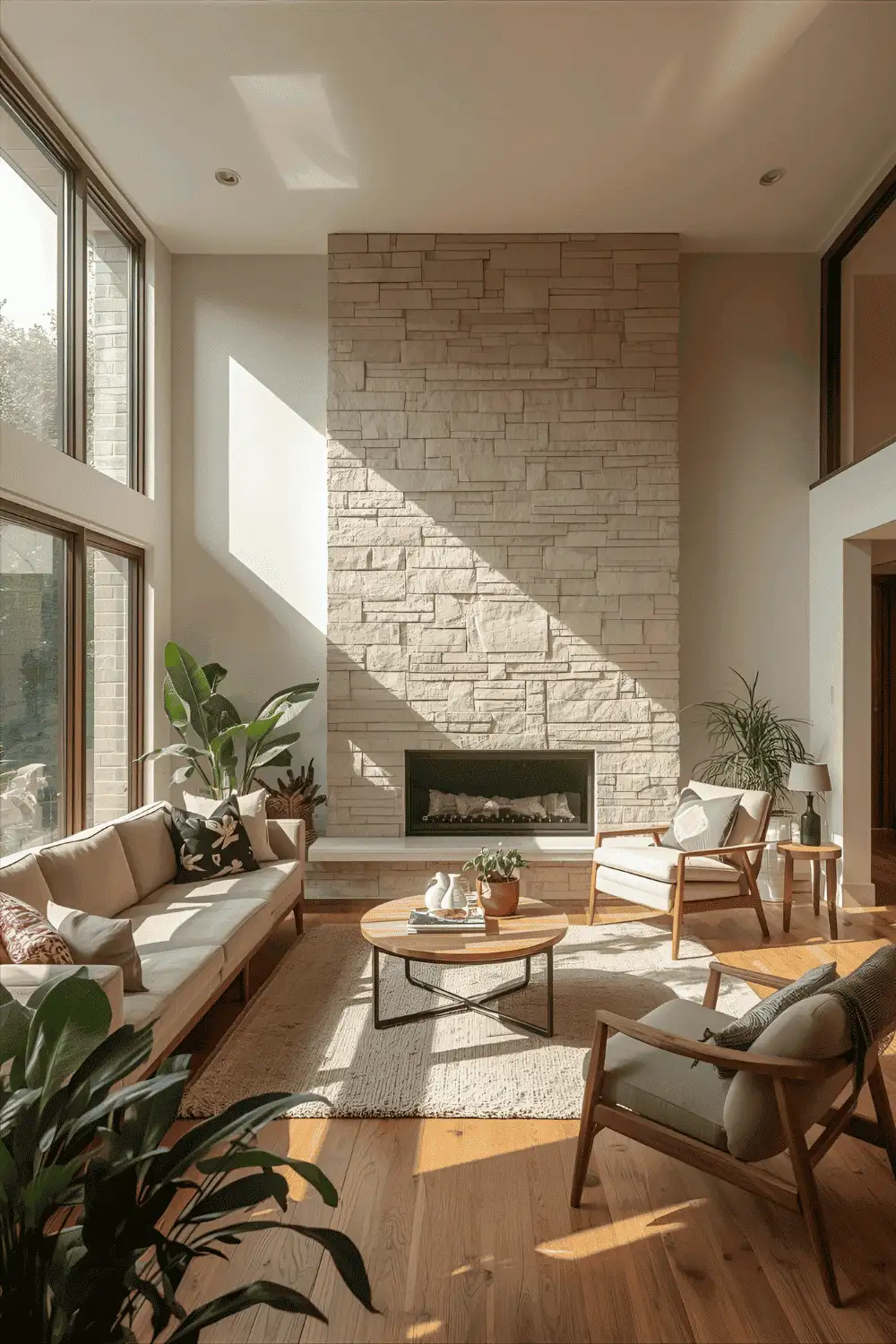
Few materials age as gracefully as stone. Pale limestone or sandstone cladding reflects daylight instead of swallowing it, so a stone feature wall brightens while it grounds. Try it as a fireplace surround, a kitchen splashback wall, or the entryway’s first impression — one wall, done well, carries the whole room.
Soften stone’s ruggedness with warm companions: oak shelving, a large leafy plant, linen upholstery. The contrast between rough and soft is what makes the room feel both natural and refined.
12. Dive Deeper into Decorating with Indoor Plants
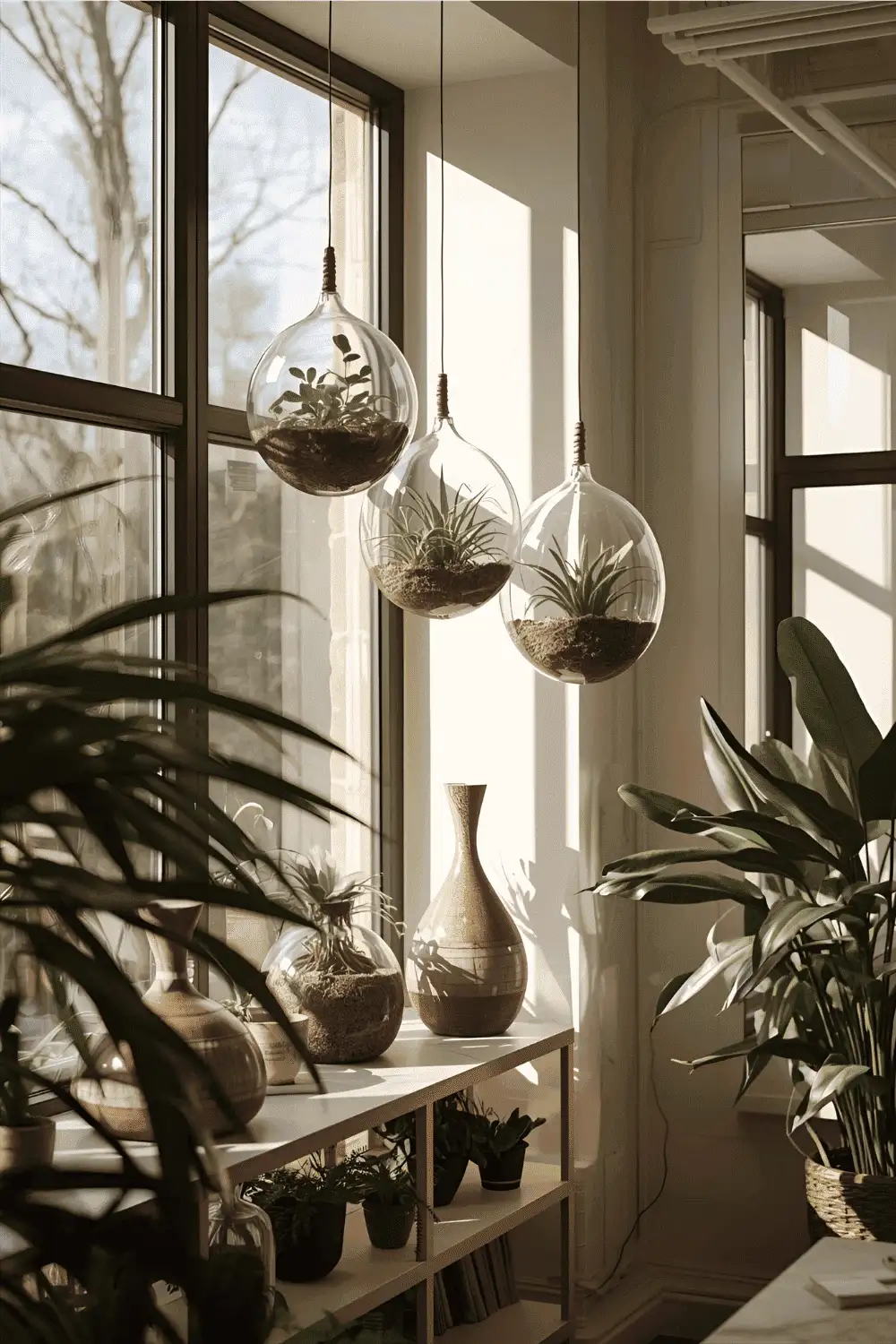
Once the basics are in place, greenery becomes a design material in its own right. Hanging planters at staggered heights turn a blank wall into a vertical garden; a glass terrarium on the coffee table is a living centerpiece; a sculptural pot — a tall ribbed vase holding a single bird of paradise — acts like art. Think in compositions: thriller (tall), filler (bushy), spiller (trailing).
Set these compositions against warm neutrals — plaster, oak, pale stone — and the green reads deeper. Rotate plants toward the brightest window every few weeks and prune regularly; a leggy, dusty plant does the opposite of brightening.
13. Balance Style and Function in Living Room Design
The best living rooms work hard without looking like it. Start with the non-negotiables: seating for how you actually live — movie nights need a deep sectional, readers need a proper chair and a good lamp — then layer comfort with a wool throw and cushions in two or three related tones. A large plant in the dead corner, one piece of art with real presence, and lighting on dimmers finish the job. Bright, cozy, and honest about how it’s used.
14. Embrace Simplicity with Minimalist Interior Design
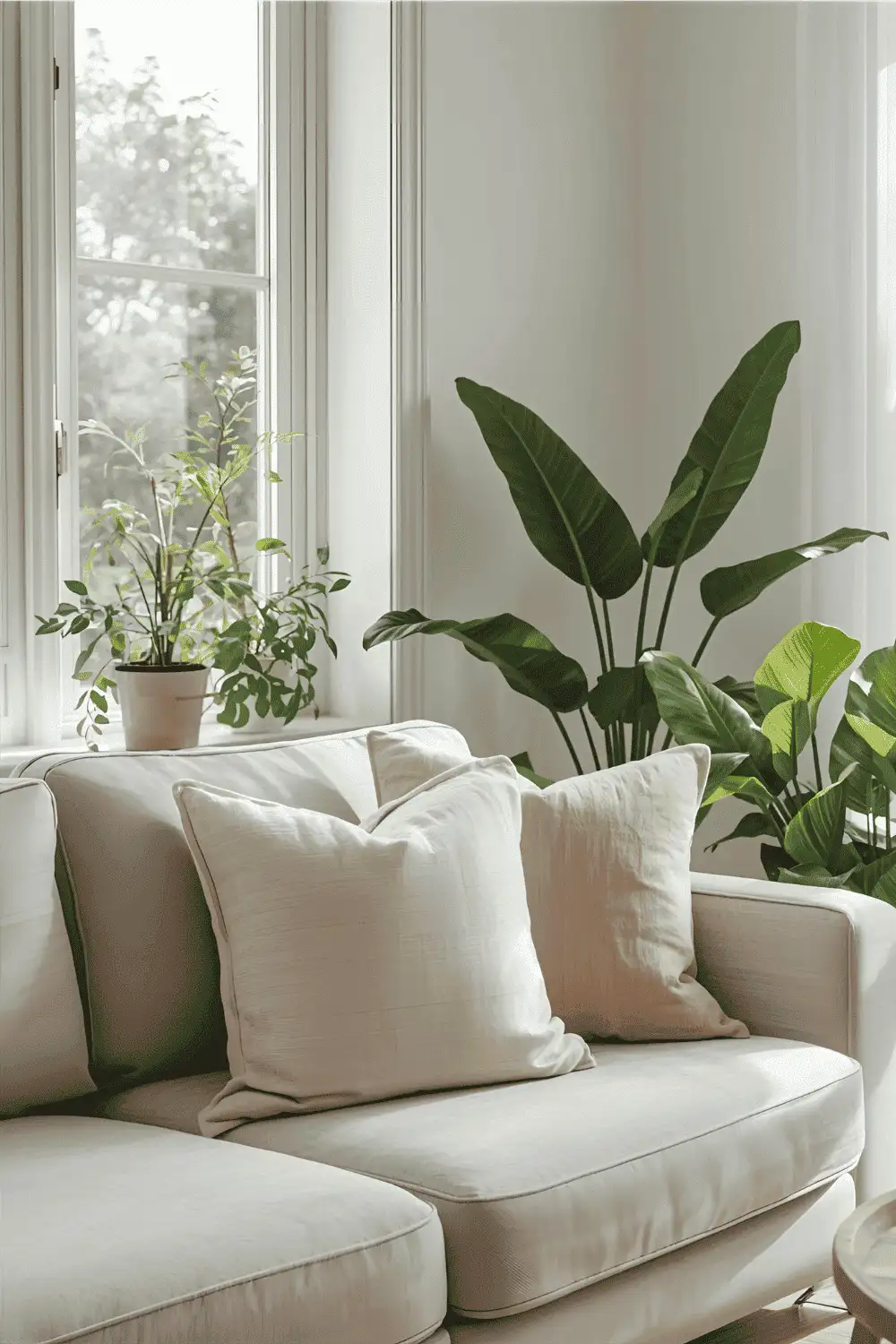
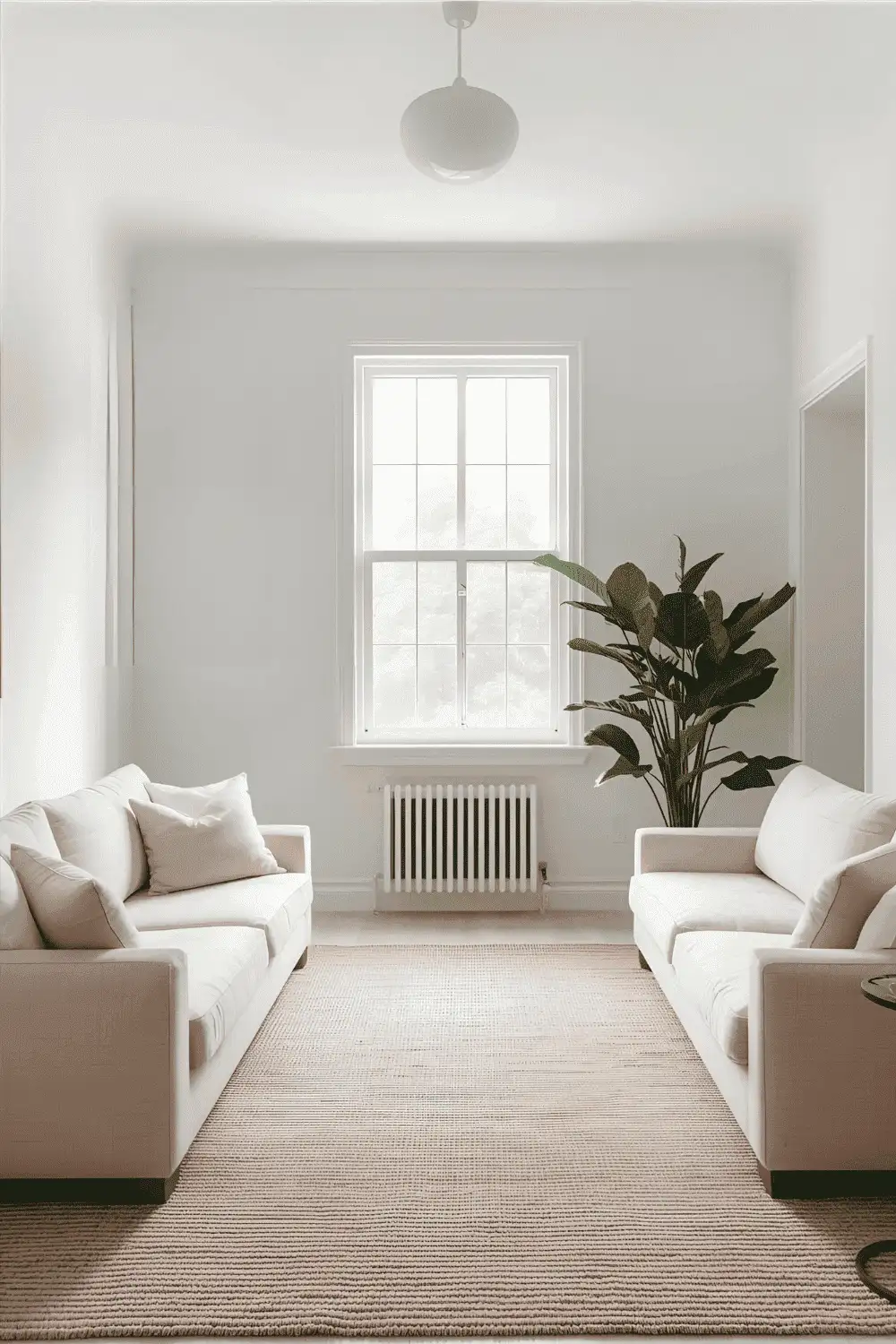
Minimalism done well isn’t empty — it’s edited. Pale walls, clear surfaces, and furniture with simple silhouettes let daylight travel uninterrupted, which is why small flats feel twice their size in this style. The discipline is in the one-in-one-out rule and closed storage for the ugly-but-necessary. Then allow one indulgence: a single sculptural chair, one dramatic plant, one oversized canvas. Restraint everywhere else makes that piece sing.
15. Play with Interior Paint Ideas to Set the Mood
Paint is the cheapest mood-altering tool in the house. Cool blues and soft sages lower the temperature of a sunny bedroom; warm ochre or peach makes a north-facing living room feel sunlit even in February. Test with large swatches and live with them for two days — colors shift dramatically between morning and lamplight.
Texture adds a second dimension: limewash for cloudy movement, a single bold accent wall balanced by three calm ones. Keep ceilings bright white and trim one shade lighter than the walls for a crisp, open frame.
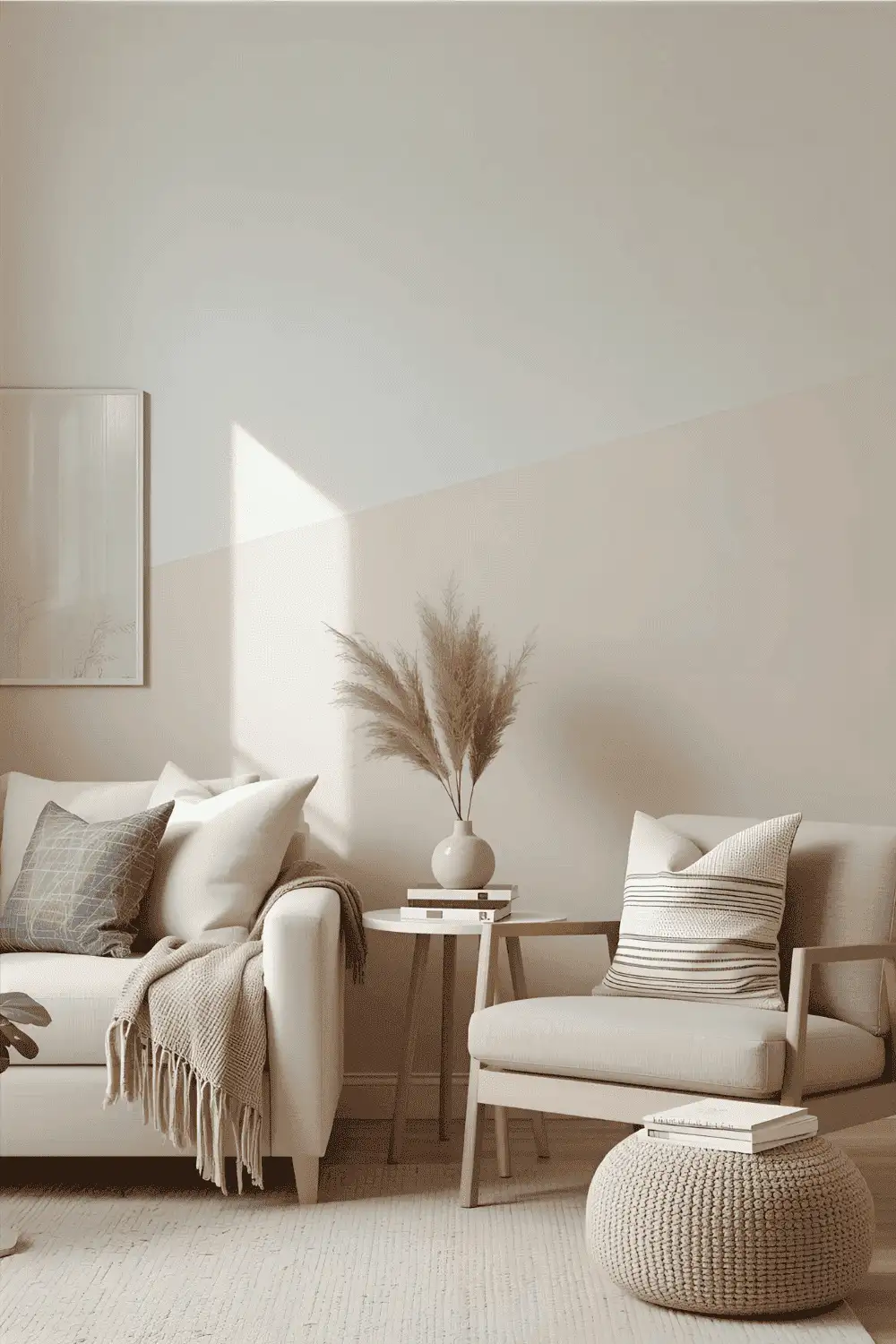
16. Add Character with Decorative Wall Panels
Three-dimensional wall panels turn light itself into decoration. Fluted oak slats, molded geometric tiles, or classic picture-frame molding all catch daylight and cast slow-moving shadows through the day. Use them as a headboard wall, behind open shelving, or down a featureless hallway. Paint them wall-color for subtle texture, or go one shade deeper for a deliberate focal point.
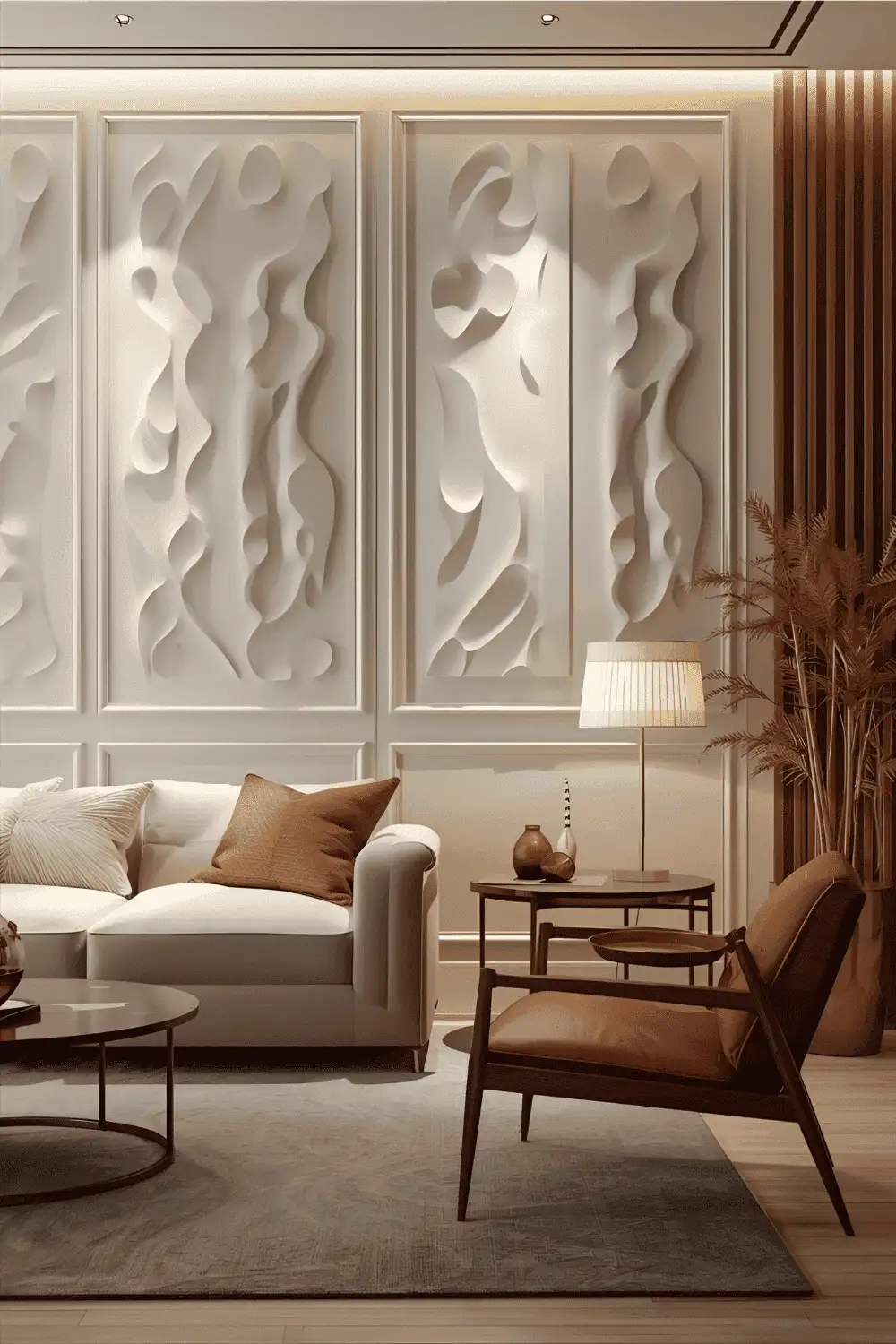
17. Celebrate the Seasons with Indoor Fall Decorations
Seasonal toucheskeep a home feeling current without a full redecorate. For autumn, swap summer’s brights for burnt orange, deep red, and mustard: a bowl of real pumpkins on the console, dried grasses in a tall vase, beeswax candles on the mantel. Layer these over existing greenery and wood tones — the warm palette against pale stone or oak reads as cozy rather than cluttered. When the season passes, only the accents leave.
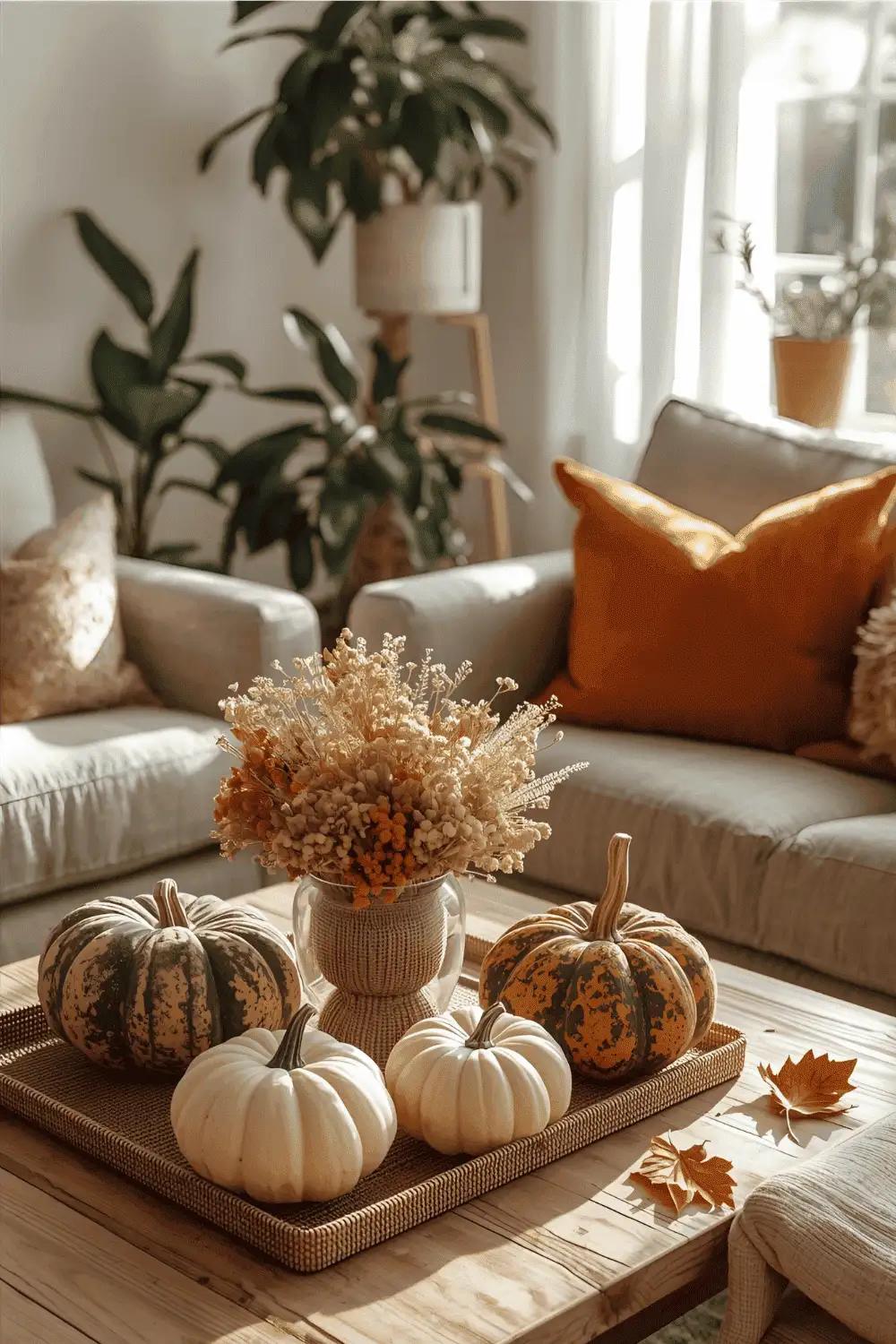
18. Warm Up Your Space with Wooden Wall Design
Wood on walls brings instant warmth — the grain does what paint can’t. Reclaimed planks, each with its own tone and nail holes, make a convincing feature wall behind a bed or sofa; new oak slats with acoustic felt backing suit a cleaner, modern look and even dampen echo in hard-floored rooms.
Keep the rest of the palette light so the wood reads as warmth, not weight: pale upholstery, sheer curtains, warm-white lighting. In a bedroom or reading nook, wood walls plus soft light are about as inviting as a room gets.
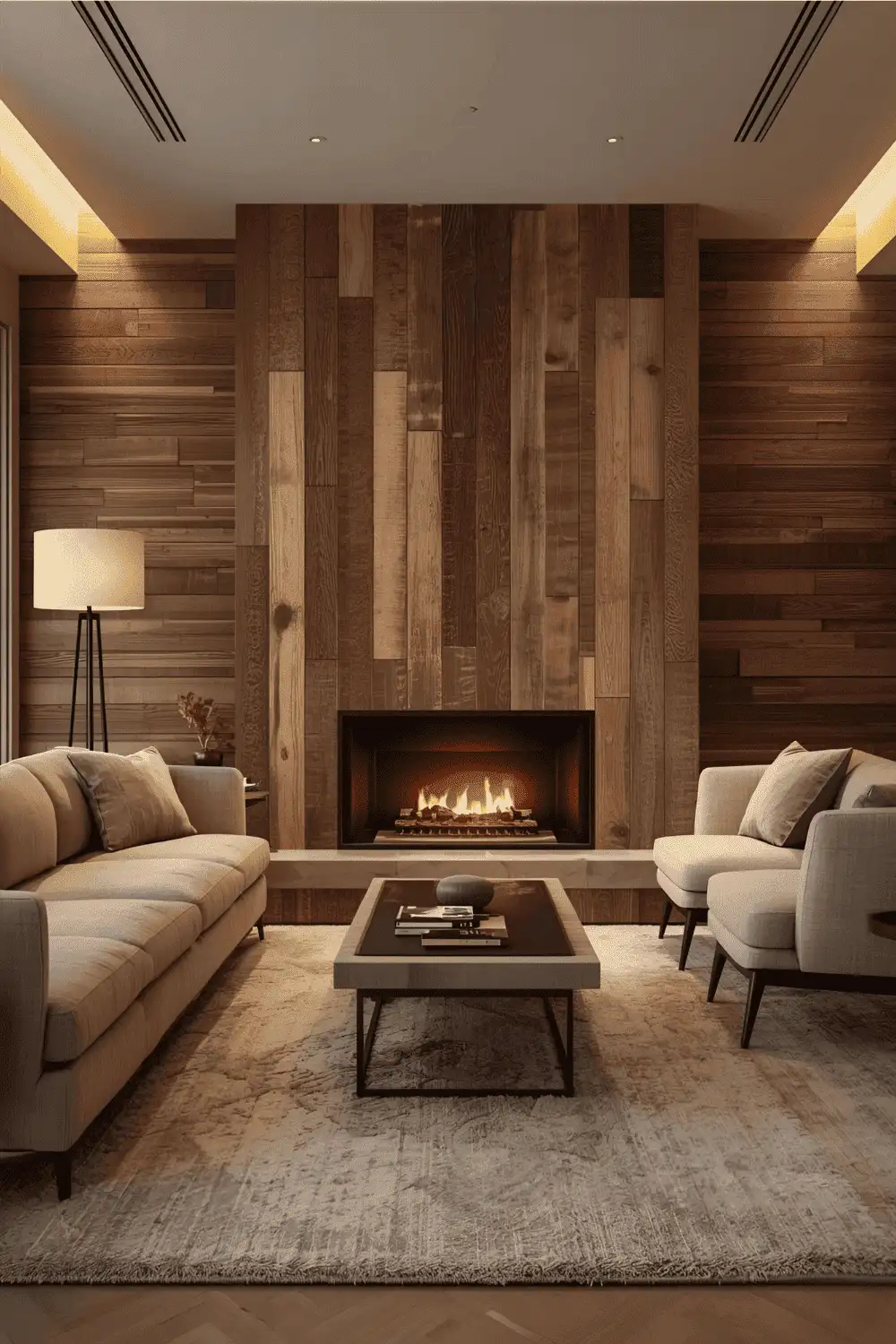
19. Use Stone Wall Cladding for Stylish Bright Accents
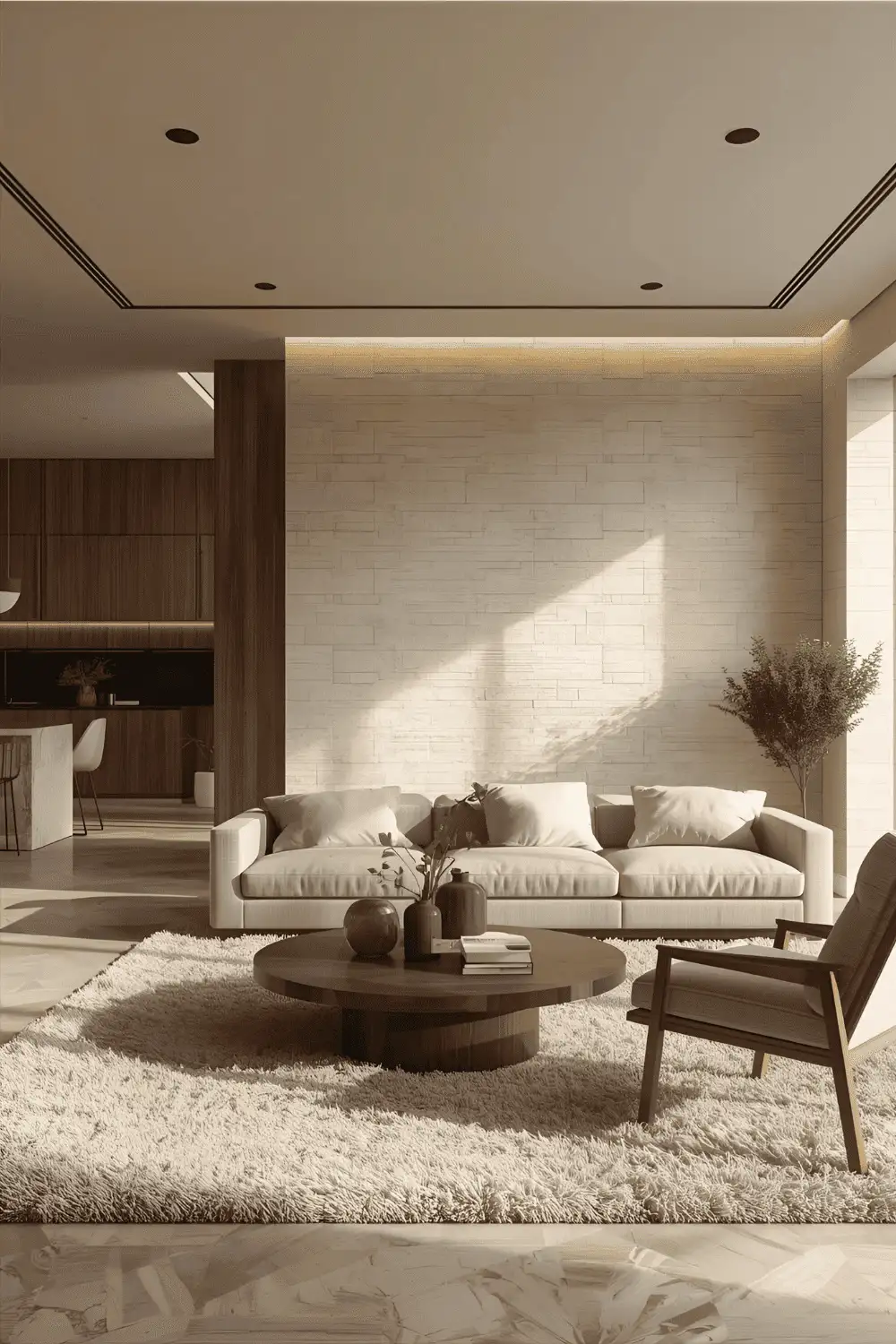
Think of stone cladding as jewelry for a room — best in small, deliberate doses. A pale travertine or quartzite strip behind the TV wall, around a fireplace, or framing the entryway catches light and adds natural pattern without demanding attention. Pair it with streamlined furniture and keep adjacent walls calm; the contrast lets the stone’s texture do the talking.
20. Create a Welcoming Living Room with Interior Essentials
A living room that works starts with arrangement, not shopping. Float the sofa to face the room’s best feature — the window, the fireplace — and pull chairs in close enough for real conversation (about eight feet apart at most). Leave clear walkways; nothing kills welcome faster than squeezing past furniture.
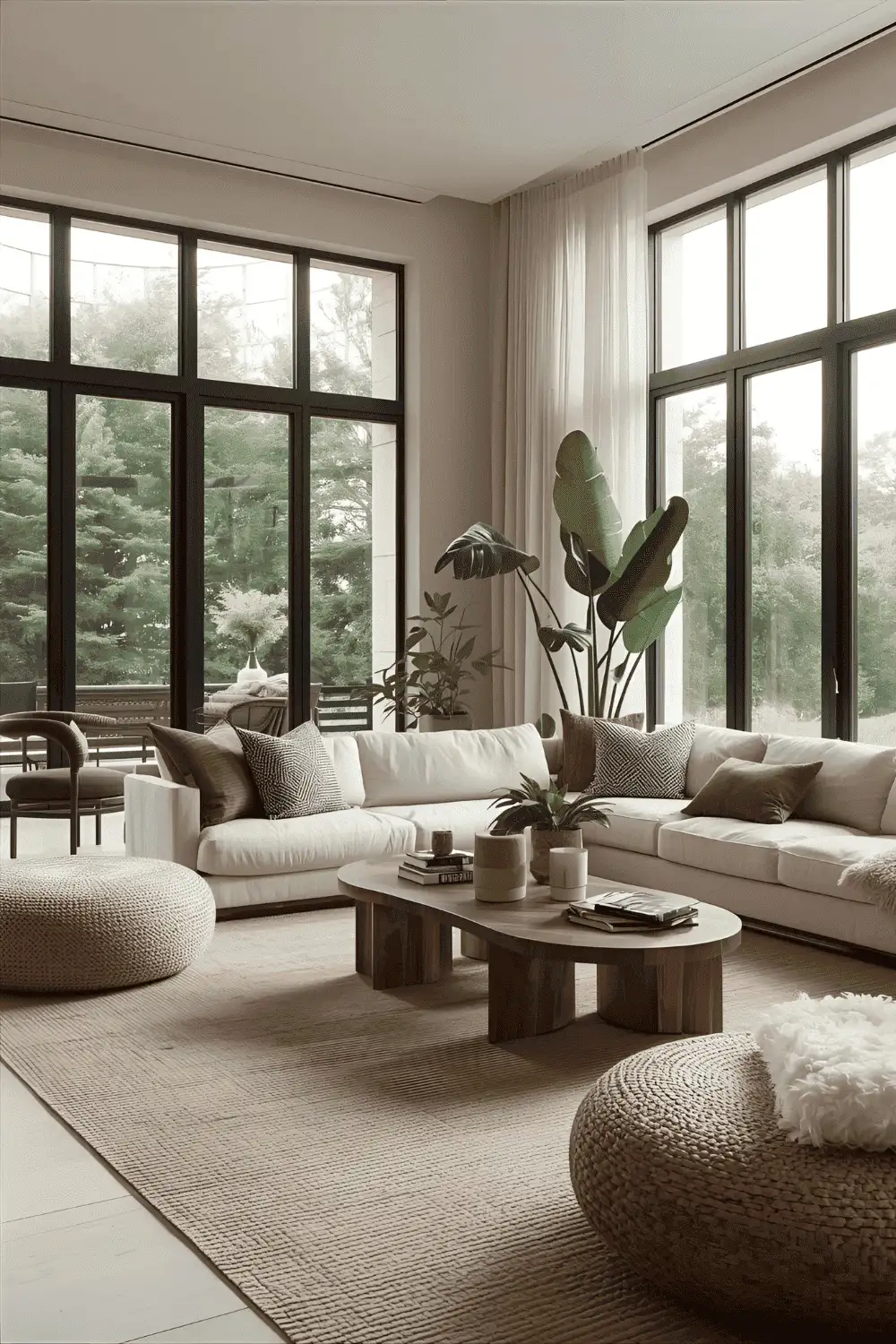
Then layer the atmosphere: dimmable lighting for evening, one or two plants for life, and wall decor that actually means something to you — framed prints, a textile, family photos. Bright by day, warm by night, personal always.
FAQs for Interior Decoration