25 Budget Closet Organization Ideas That Actually Work
Budget Closet Organization is not about buying expensive systems or copying luxury closets from social media. It is about understanding how space, habits, and storage logic work together in real homes. Most cluttered closets fail because they lack zones, vertical planning, and consistency. When you focus on practical closet organization ideas that cost less and work daily, order becomes sustainable.
These 25 Budget Closet Organization helps you to improve visibility, protects clothing, and saves time every morning. With smart layout choices, DIY solutions, and intentional organizing wardrobe methods, even small or awkward closets can feel structured, calm, and easy to maintain.
Idea 1 – Use Vertical Hanging Space Instead of Floor Storage
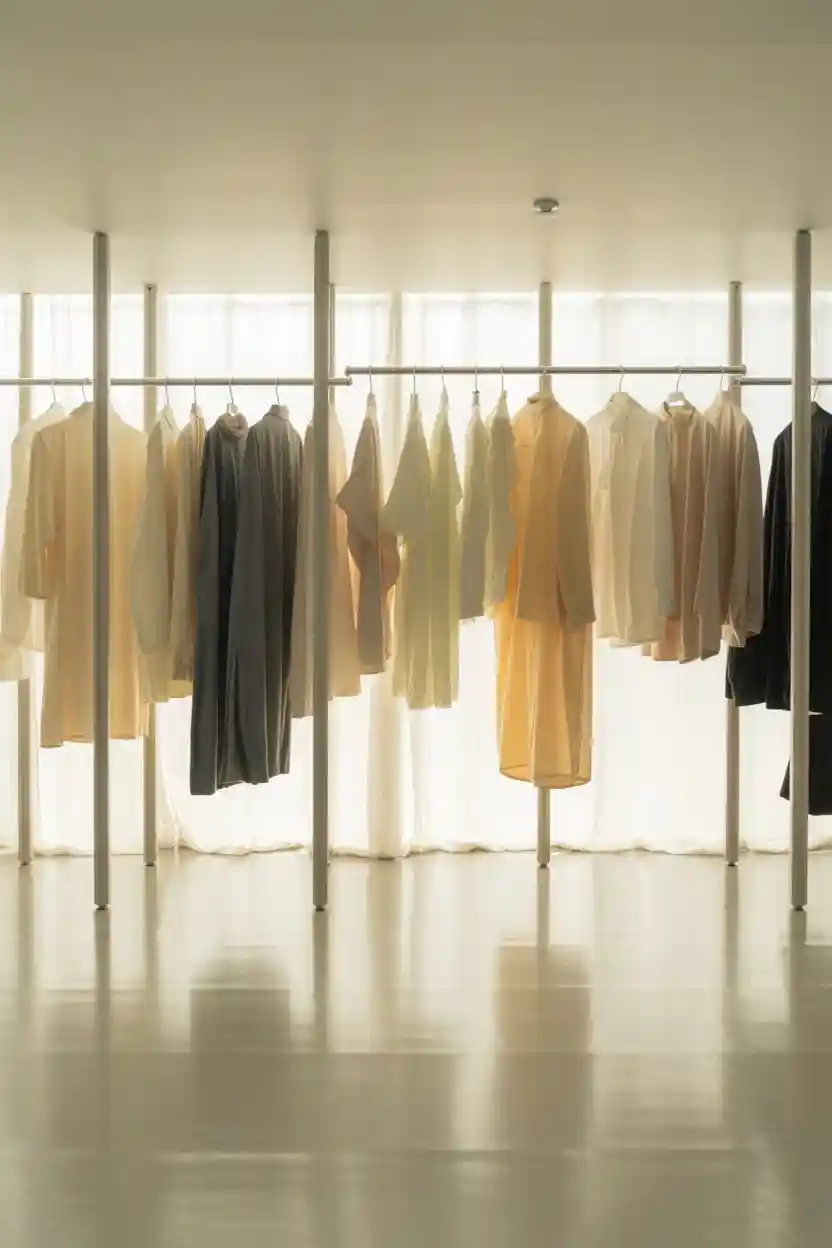
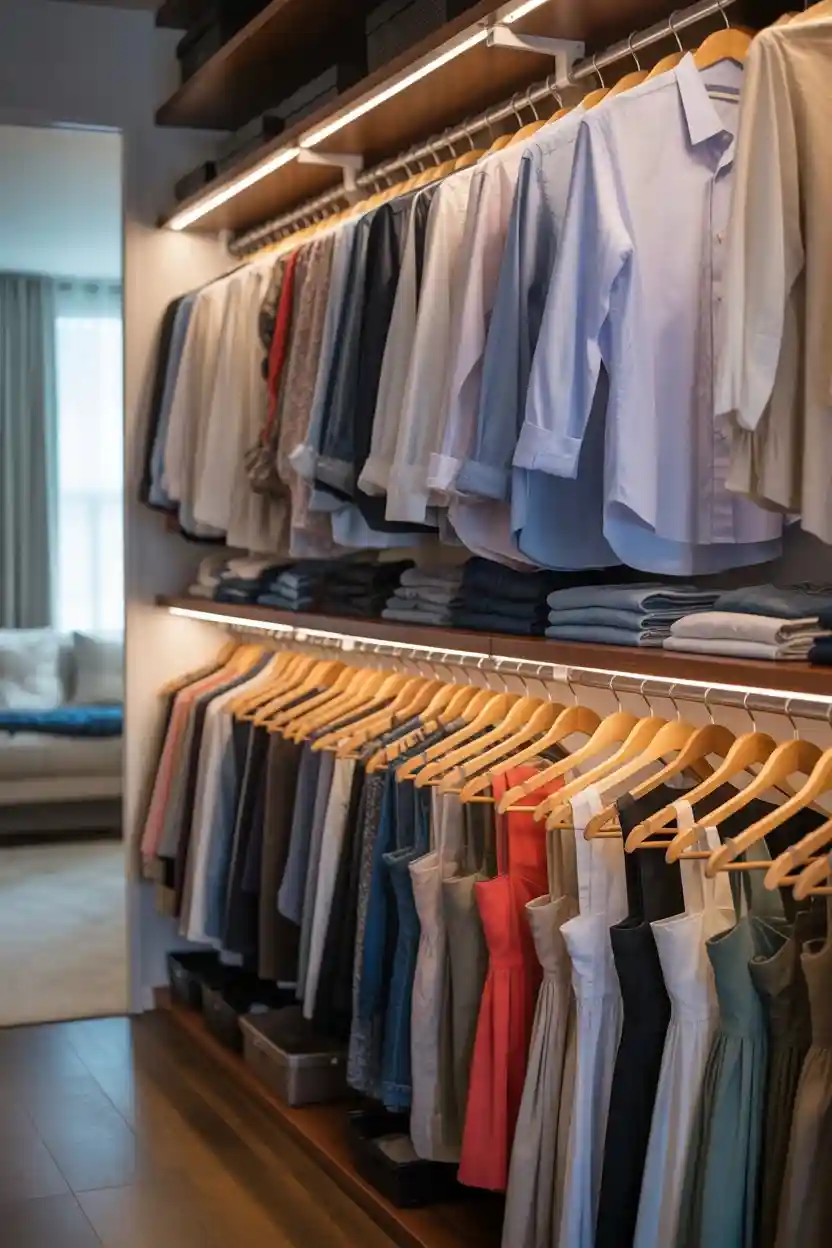
Budget Closet Organization improves instantly when vertical hanging space replaces floor clutter. Hanging clothes higher allows storage bins or shoe organization for closet use underneath. This idea works especially well for small closet organization ideas where floor space disappears fast. By adjusting rods or adding a second hanging level, you double usable space without construction.
Vertical planning also keeps clothing visible and wrinkle free. This approach supports closet organizers for small closets and reduces overcrowding. When vertical space is used intentionally, closets feel taller, cleaner, and easier to manage daily.
Idea 2 – Install DIY Adjustable Shelving Instead of Fixed Units
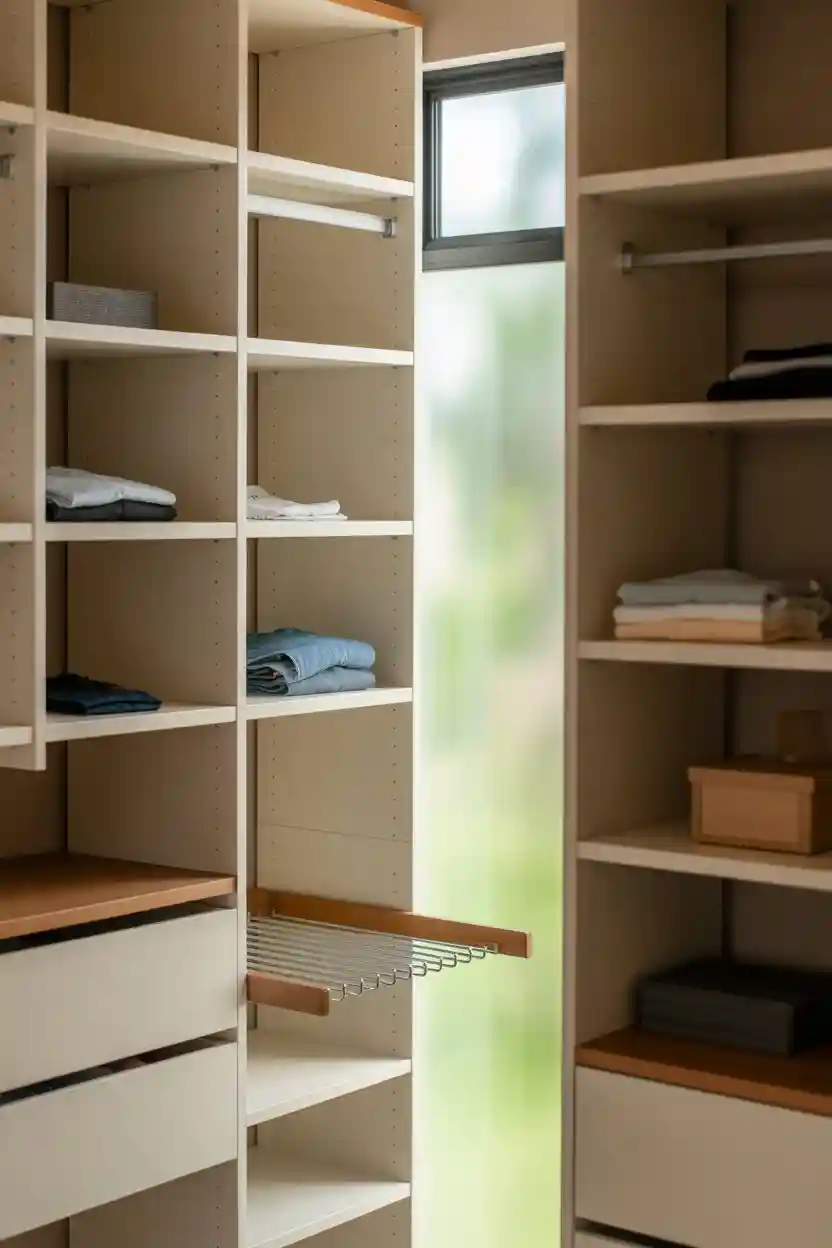
DIY shelving closet systems offer flexibility that fixed shelves never provide. Budget Closet Organization benefits when shelves move as wardrobe needs change. Adjustable shelving allows you to resize sections for folded clothes, handbags, or storage bins. This works well for closet shelving ideas in bedrooms and shared closets.
You avoid wasted space and future replacement costs. Simple brackets and boards are affordable and durable. This method supports long-term closet storage ideas without locking you into one layout. Adjustable shelves keep closets adaptable and consistently organized.

Idea 3 – Separate Daily Wear from Occasional Clothing
One of the simplest Budget Closet Organization strategies is zoning by frequency. Daily wear should stay at eye level, while occasional clothing moves higher or lower. This reduces visual clutter and decision fatigue. Closet organization ideas work better when access matches usage. Seasonal dresses, formal wear, or backups do not need premium space.
This method supports organize wardrobe routines and keeps small closet organization tips effective. When zones are respected, closets stay functional instead of slowly collapsing into piles.
Idea 4 – Use Uniform Hangers for Visual Order
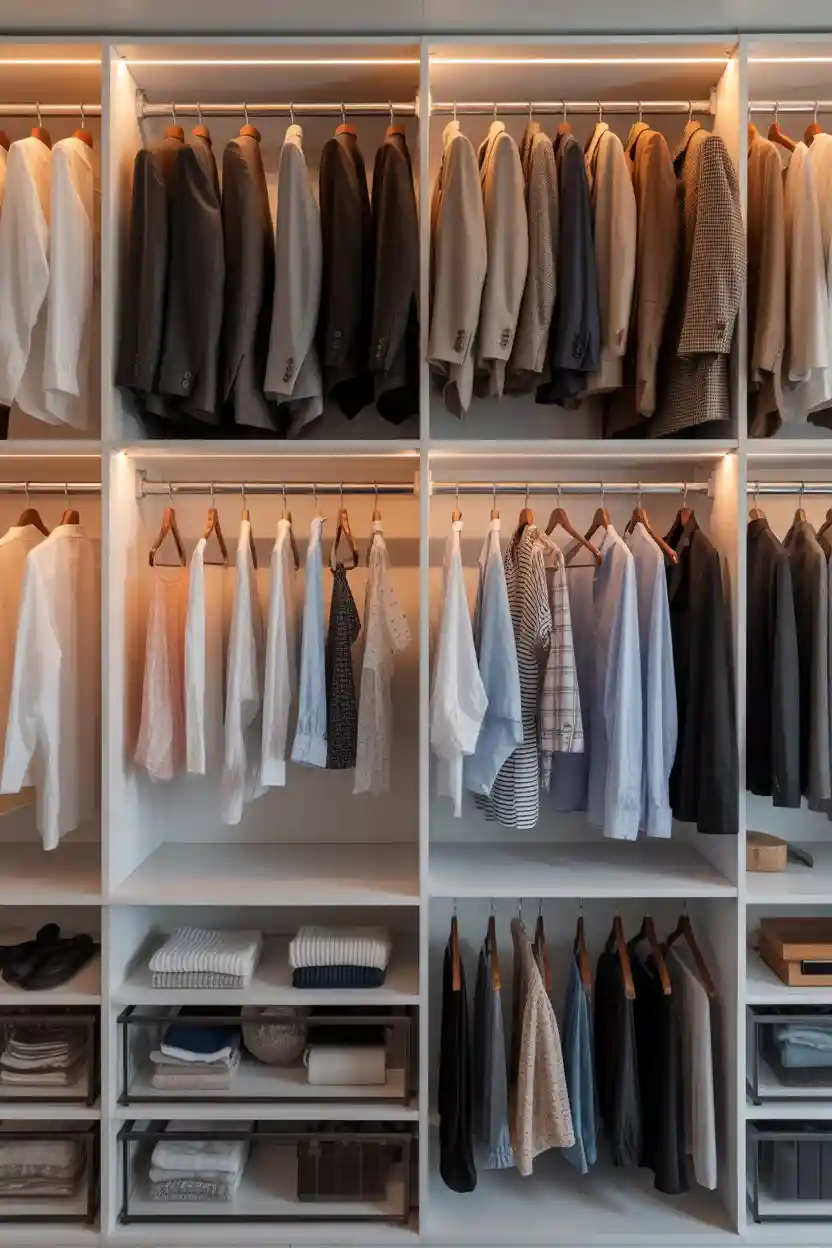
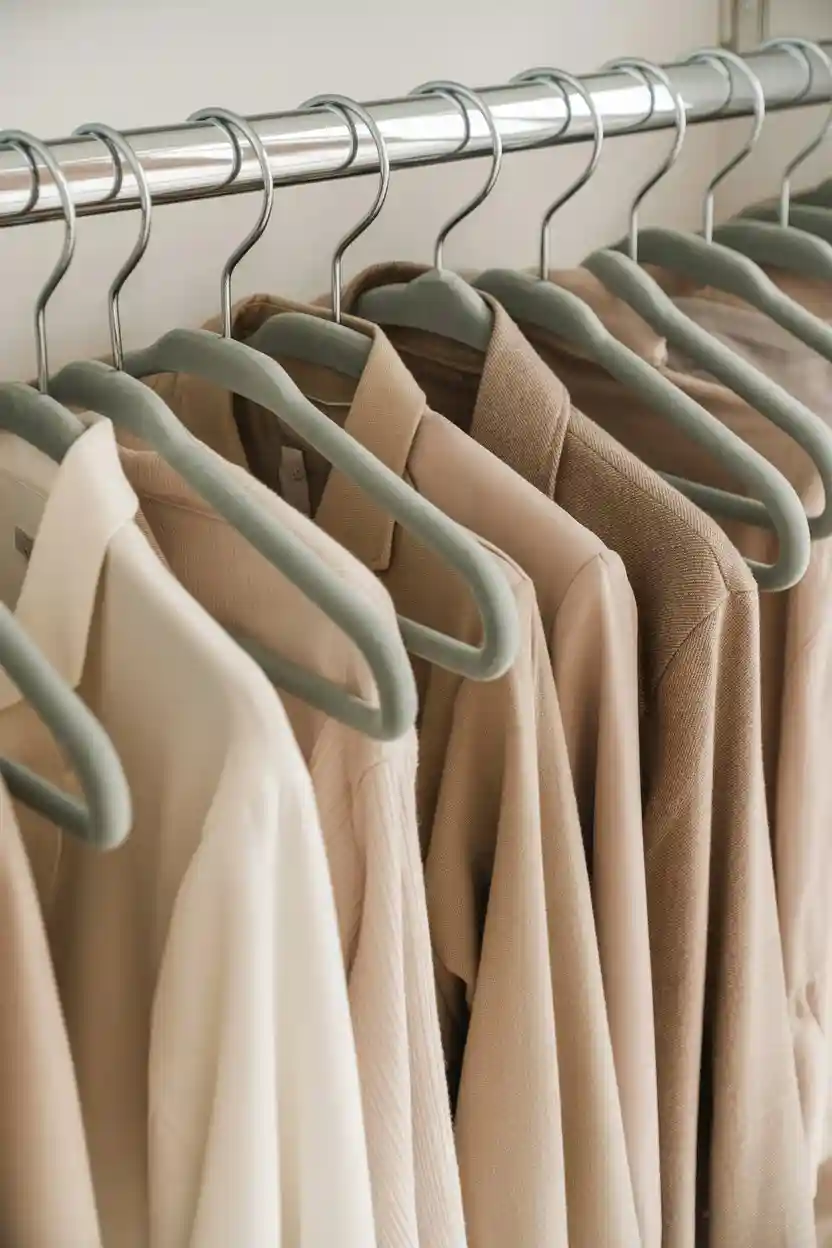
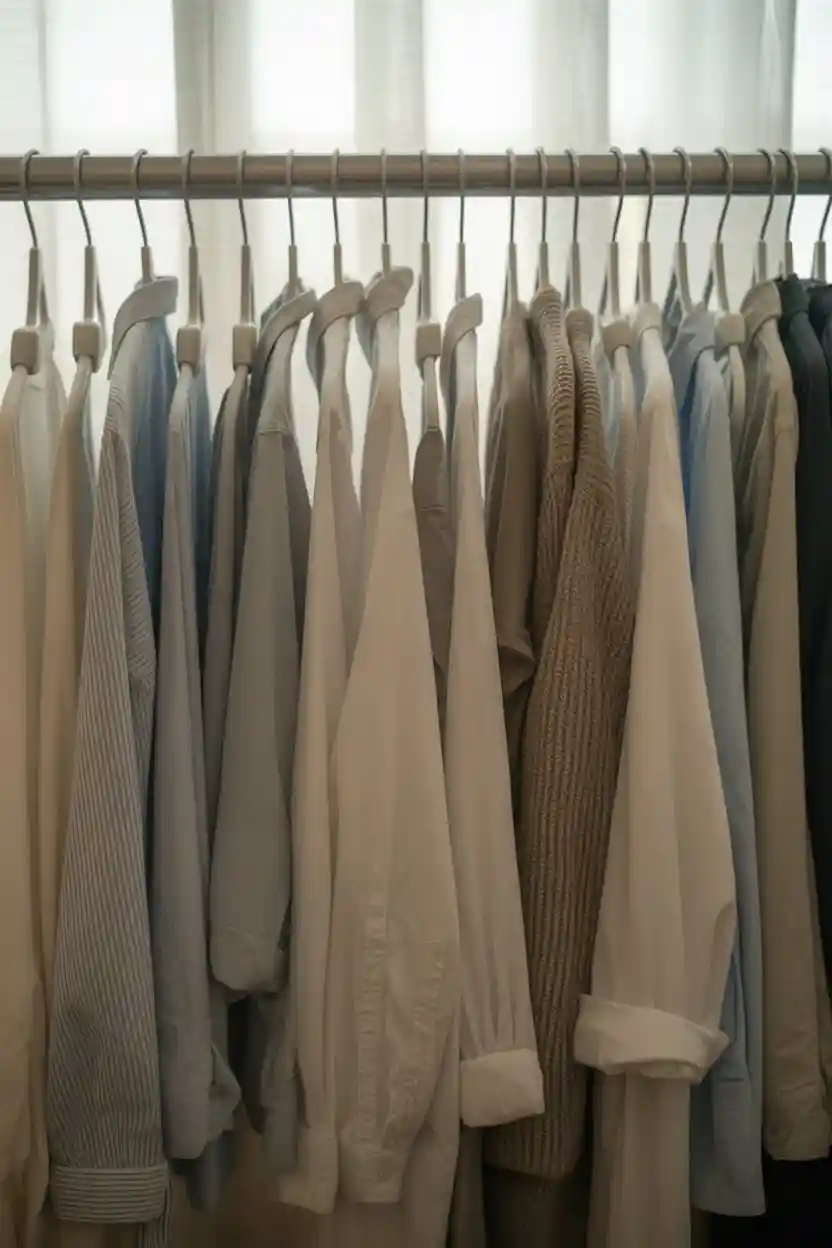
Uniform hangers instantly improve Budget Closet Organization without structural changes. Matching hangers align clothing heights and reduce wasted gaps. This creates more hanging space and smoother airflow. Closet design ideas often overlook this detail, but it matters. Slim hangers work especially well for small closet ideas and walk in closet organization.
They prevent overcrowding and keep garments evenly spaced. Visual order encourages maintenance. When a closet looks tidy, it stays tidy longer, making this one of the highest return organization upgrades.
Idea 5 – Store Shoes Vertically Instead of Side by Side
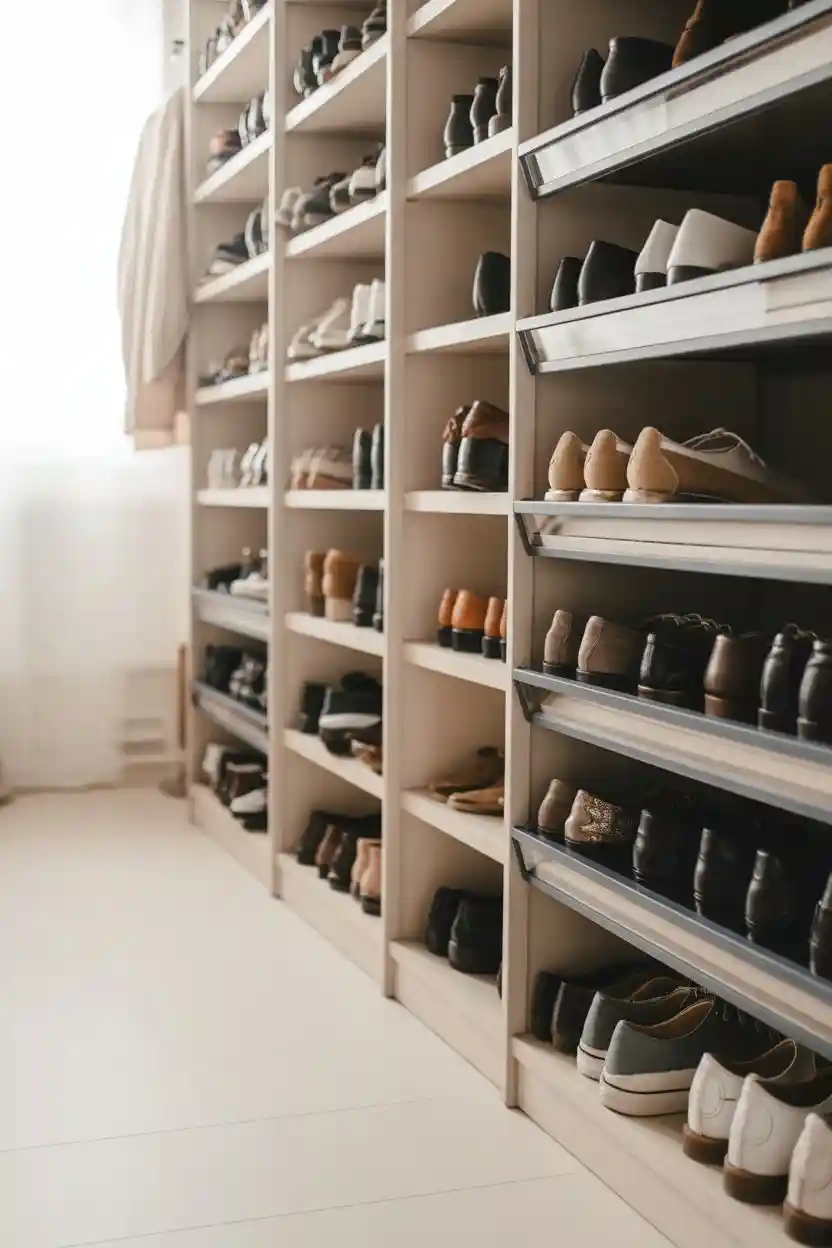
Shoe storage ideas often waste space by placing shoes flat. Vertical stacking or angled storage saves width and improves visibility. Budget Closet Organization improves when shoes become easy to grab, not buried. This method works for closet ideas for small closets and walk in closet ideas small layouts.
Vertical shoe storage protects shape and prevents clutter buildup. You also free lower shelves for folded clothing or bags. This approach turns chaotic shoe piles into a structured, long-lasting system.
Idea 6 – Use Closet Doors as Storage Zones
Closet doors are often ignored in Budget Closet Organization plans. The back of doors can hold accessories, bags, or shoe organizers. This expands storage without reducing closet spaces. Ideas for closet doors that include hooks or slim racks work well in small closet organization.
Door storage keeps frequently used items visible and accessible. It also prevents shelves from becoming overloaded. When doors contribute to storage, the closet works as a complete system instead of a single crowded box.

Idea 7 – Group Clothes by Category, Not Color First
Organize closet layouts by category before color. Shirts, pants, dresses, and layers should have clear sections. Budget Closet Organization becomes easier when similar items stay together. Color sorting comes after structure is established. This method improves clothes organization ideas and speeds up dressing.
It also reveals duplicates and unused items. Category grouping works well in both reach-in and walk in closet organization systems. When structure leads and color follows, maintenance becomes effortless.
Idea 8 – Use Clear Storage Bins for Folded Items
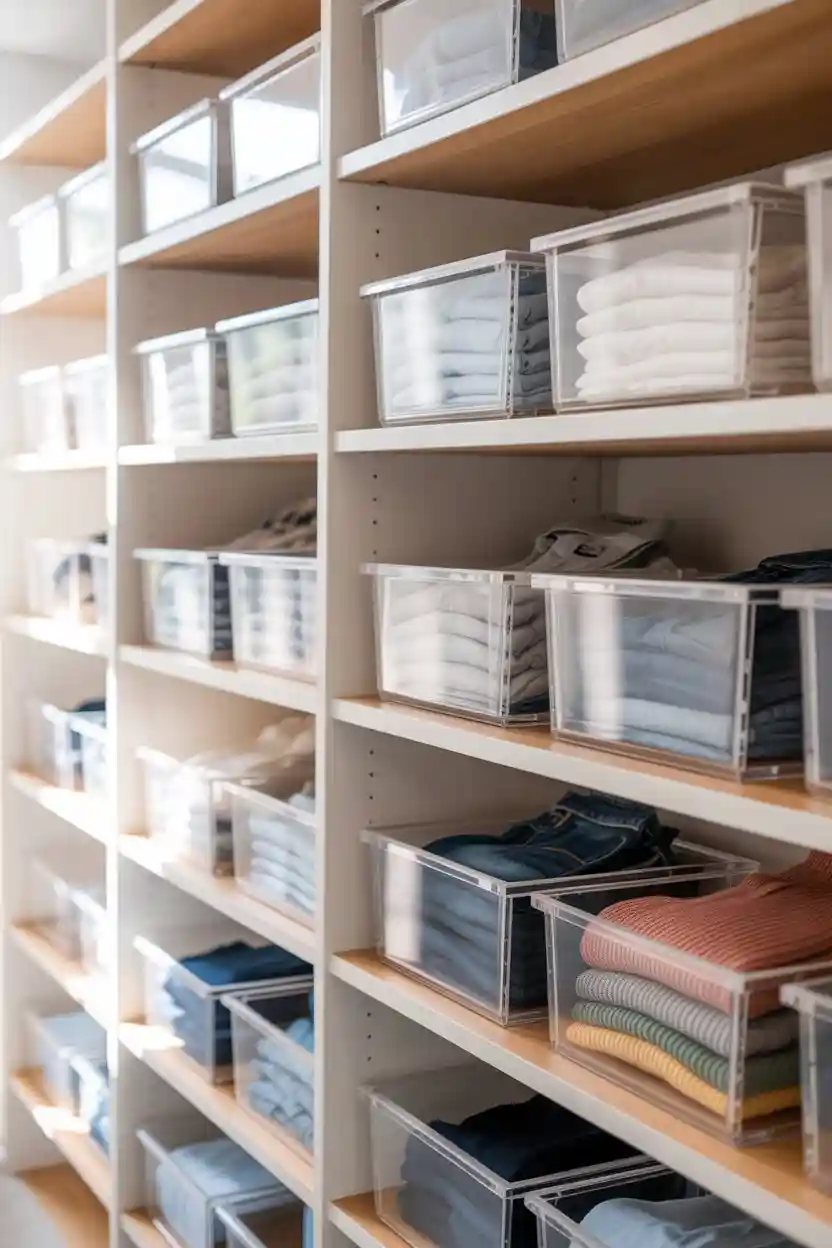
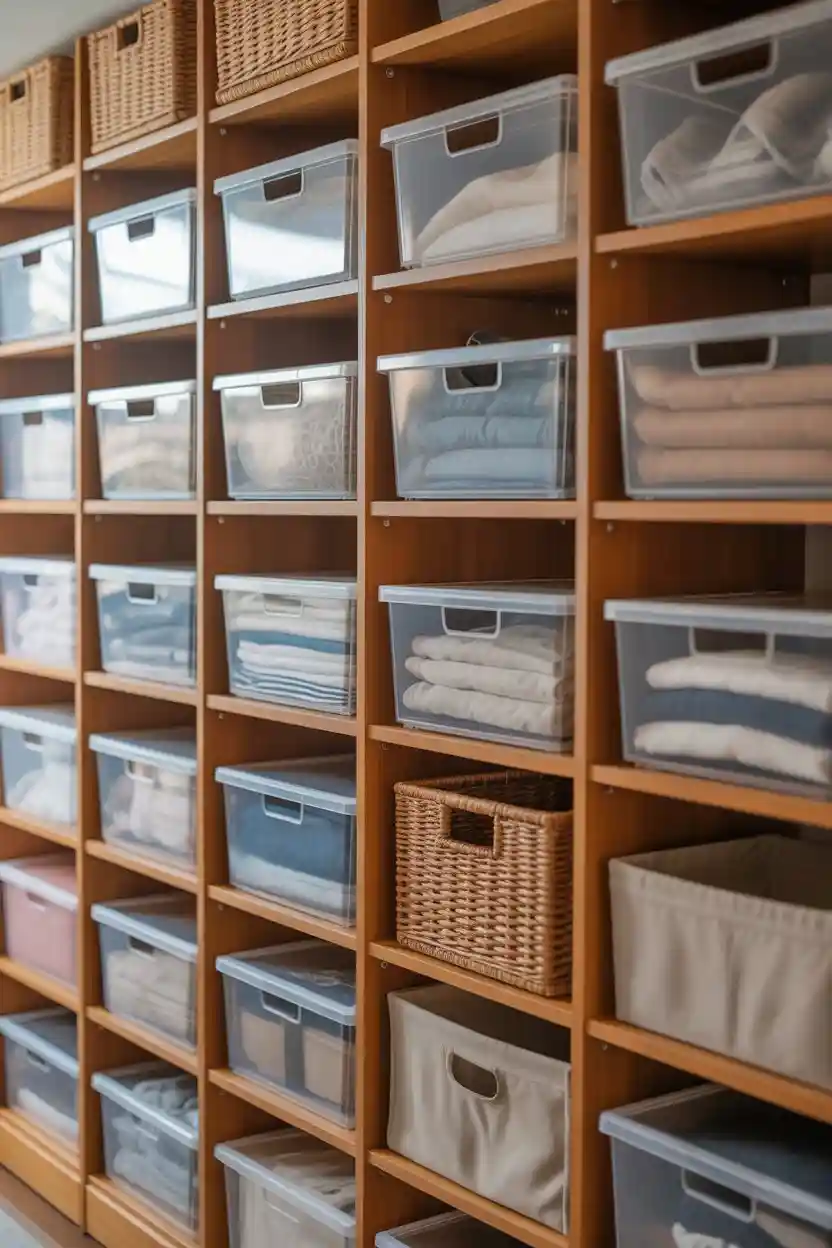
Clear bins improve Budget Closet Organization by increasing visibility. You see what you own without pulling everything out. This works well for clothes storage ideas and small closet organizer setups. Clear bins reduce overbuying and forgotten items.
They also stack safely on shelves. Labeling enhances efficiency further. This method keeps folded items protected from dust while staying accessible. Clear storage supports organized closet system goals without adding visual heaviness.
Idea 9 – Rotate Seasonal Clothing Instead of Storing Everything Together
Seasonal rotation is a core Budget Closet Organization habit. Keeping all clothing accessible year-round causes overcrowding. Off-season items should move to higher shelves or separate storage. This creates breathing room in daily zones.
Small closet organization ideas rely heavily on rotation to stay functional. Seasonal separation also protects fabric quality. When closets reflect current needs only, organization feels natural instead of forced.

Idea 10 – Add Shelf Dividers to Prevent Pile Collapse
Shelf dividers maintain order in folded stacks. Budget Closet Organization improves when piles stop toppling. Dividers define boundaries and keep clothing upright. This works well for closet shelf organizer systems and cupboard organizer ideas.
You spend less time refolding and reorganizing. Dividers are inexpensive and easy to install. They preserve structure without reducing shelf capacity. Stable shelves encourage consistent habits and long-term organization success.
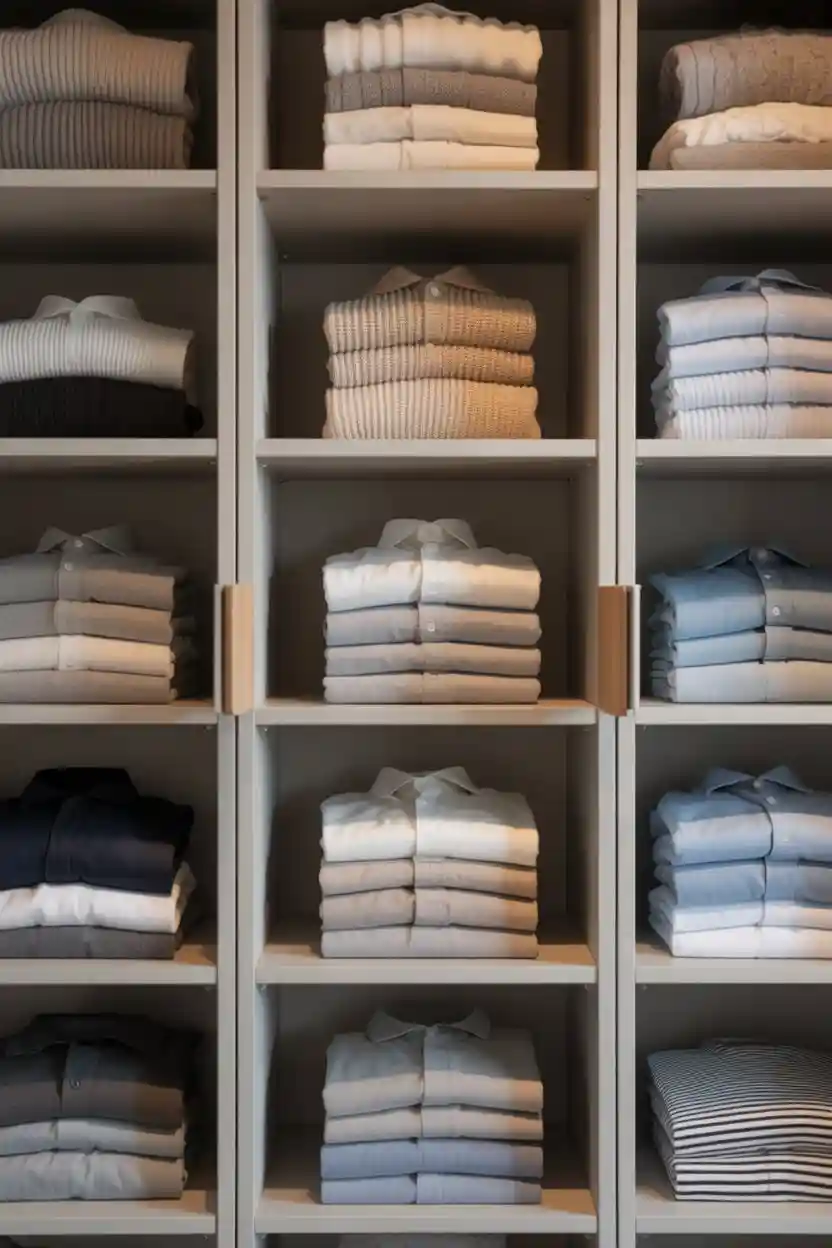
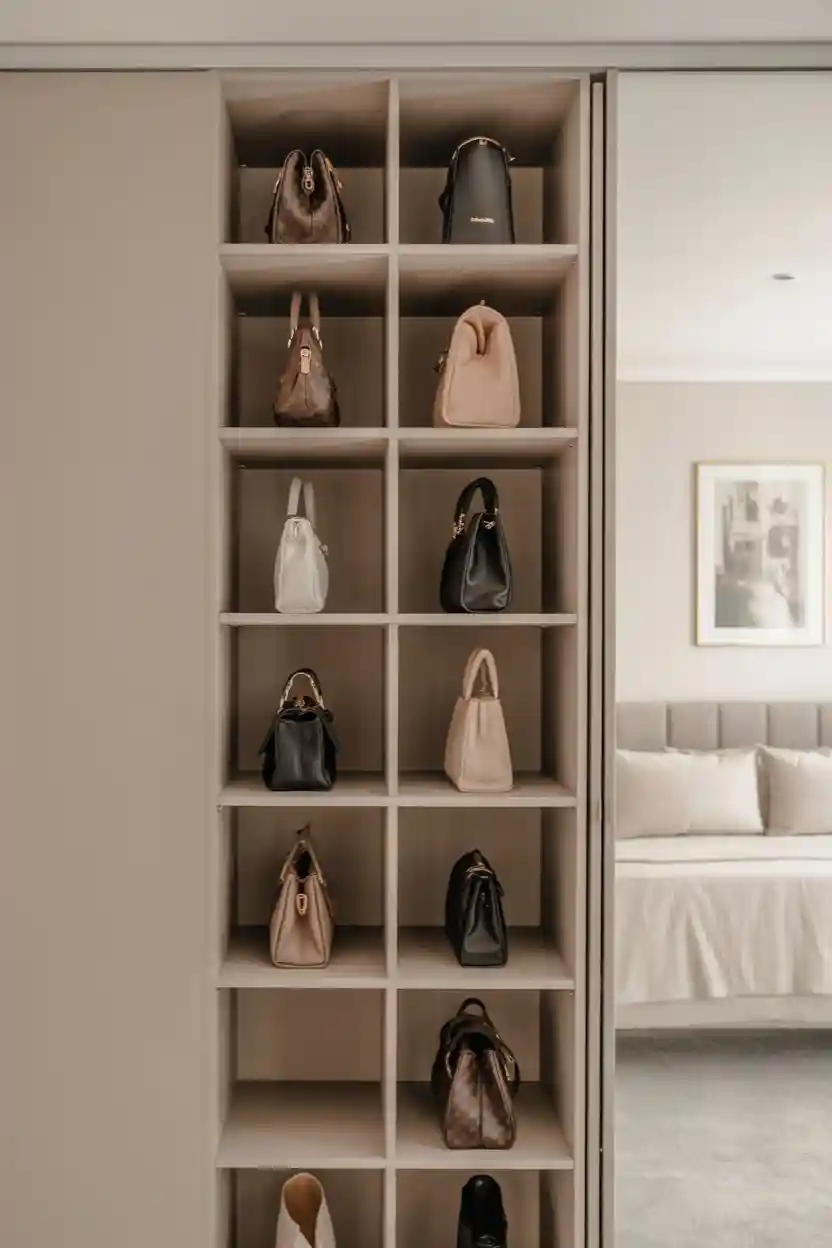
Idea 11 – Store Handbags Upright to Maintain Shape
Handbag storage ideas often fail because bags are stacked or crushed. Storing handbags upright protects shape and saves space. Budget Closet Organization includes preserving accessories, not just storing them. Shelf cubbies or dividers work well for handbag organizer closet systems.
Upright storage improves visibility and prevents damage. This approach suits small closet ideas where bags easily lose form. Organized bags also reduce replacement costs over time.
Idea 12 – Use Double Hanging Rods for Short Garments
Double hanging rods maximize height usage for shirts, skirts, and folded pants. Budget Closet Organization benefits from reducing wasted vertical gaps. This method works well in short closet ideas and small walk in closet layouts.
You double hanging capacity without widening the closet. Double rods maintain airflow and reduce wrinkles. This solution supports closet rack ideas that adapt to garment length efficiently.

Idea 13 – Keep a Donation Bin Inside the Closet
A donation bin supports ongoing Budget Closet Organization. When clothes no longer fit or get worn, they leave immediately. This prevents clutter buildup. The bin can be a simple bag or box. Closet organization stays proactive instead of reactive. This habit supports organize wardrobe goals long term. When removal is easy, accumulation slows naturally, keeping closets functional.
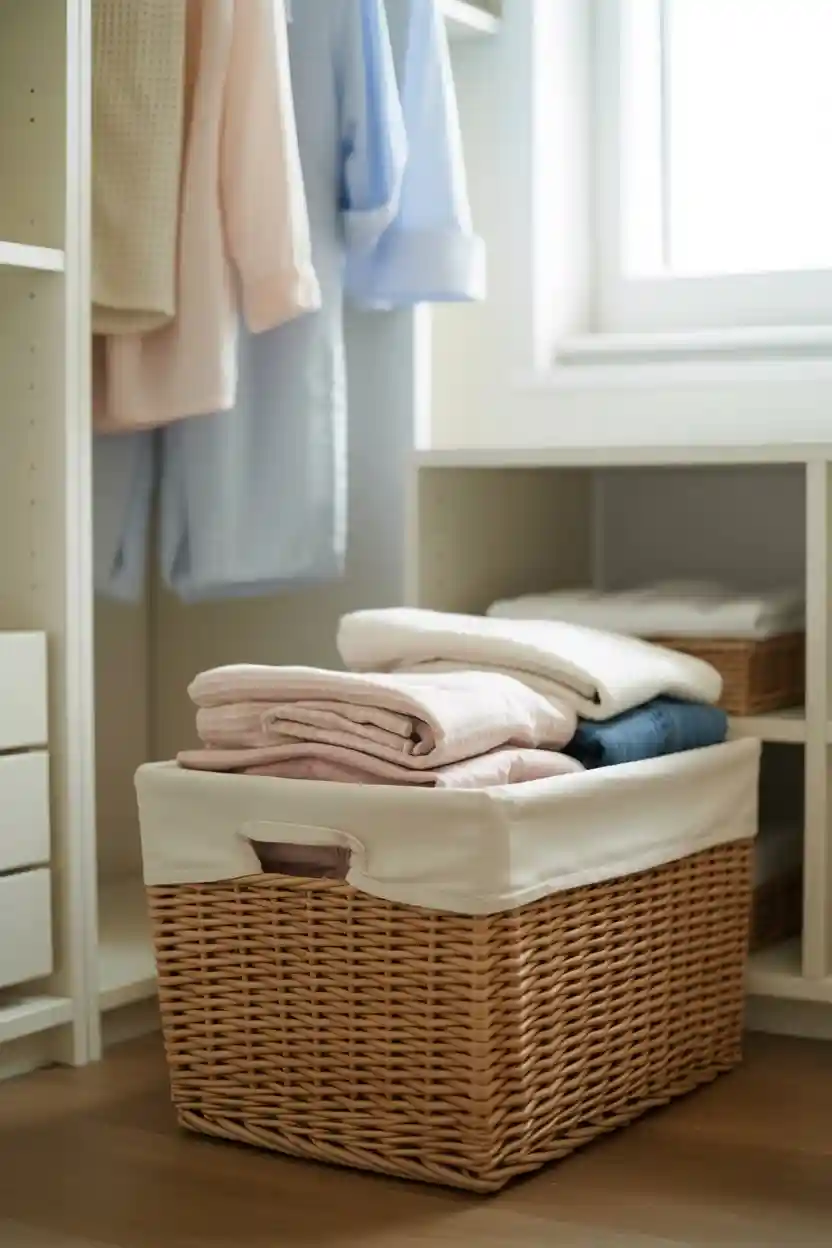
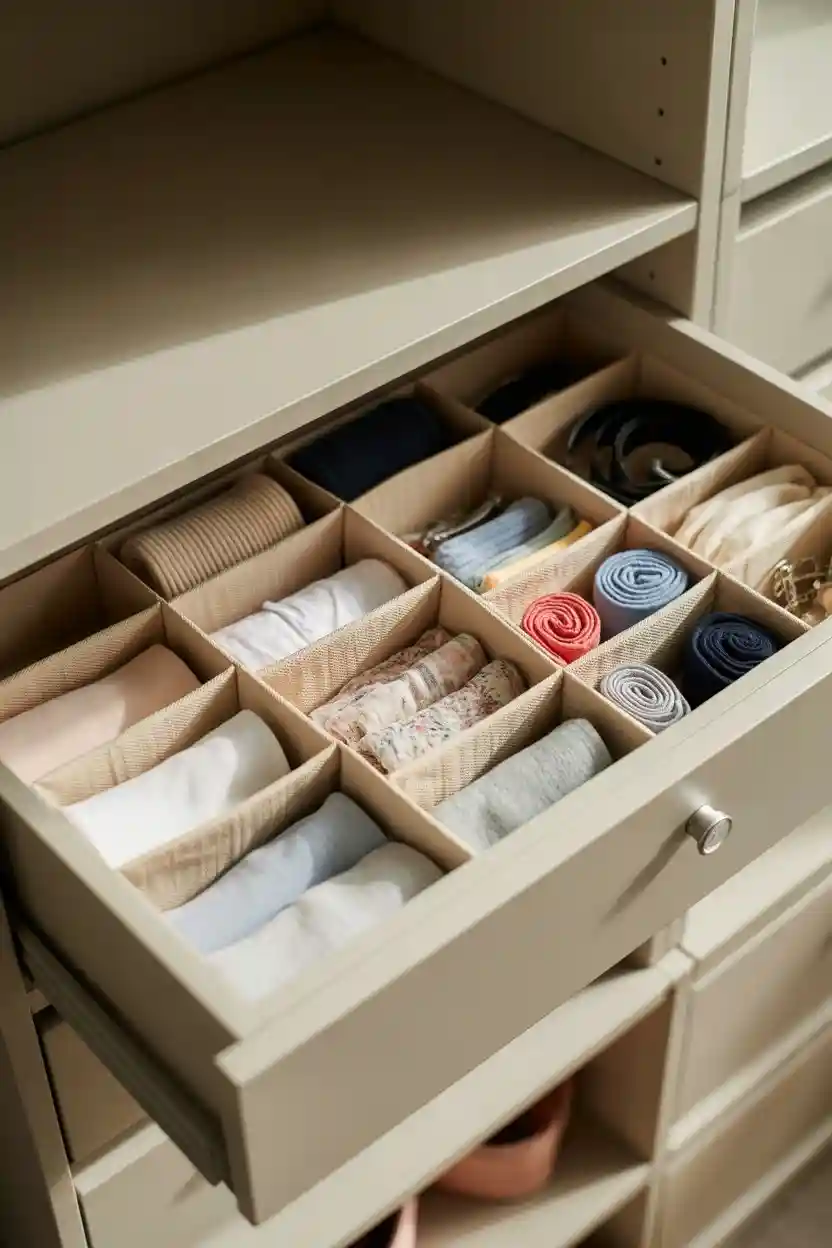
Idea 14 – Use Drawer Inserts for Small Items
Drawer inserts improve Budget Closet Organization for accessories and undergarments. Small items often cause hidden chaos. Inserts divide space clearly and prevent tangling. This works well for clothes organizer ideas and cabinet design for clothes. Clear sections reduce rummaging and save time. Inserts are affordable and customizable. Organized drawers support overall closet efficiency and daily routines.
Idea 15 – Place Rarely Used Items on Highest Shelves
High shelves should hold low-frequency items only. Budget Closet Organization relies on access logic. Rarely worn items don’t deserve prime space. This method works for inbuilt wardrobe ideas and walk in closet organization. High placement keeps daily zones uncluttered. It also reduces bending and stretching during routines. When shelf priority matches usage, closets feel easier to use.

Idea 16 – Use Matching Storage Containers for Visual Calm
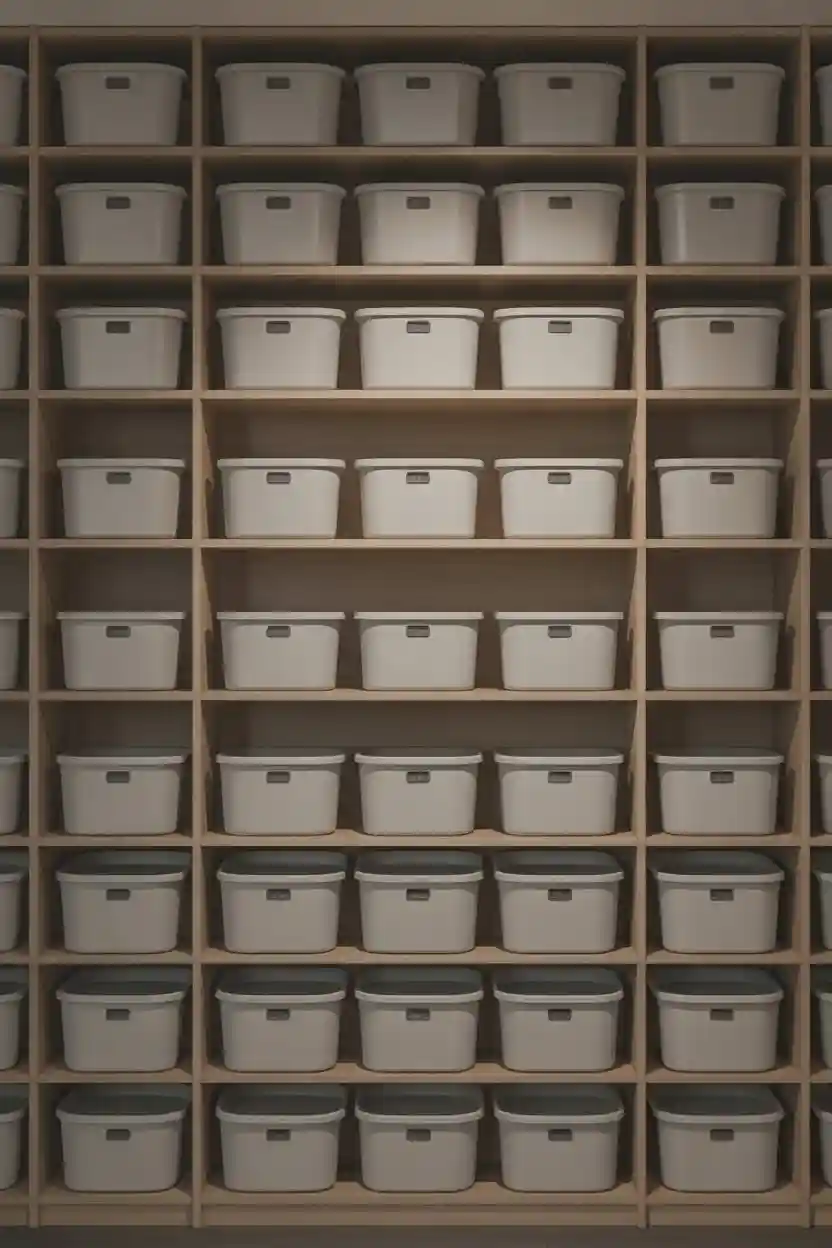
Matching containers create visual order. Budget Closet Organization benefits when storage looks intentional. Mixed containers create mental clutter even when organized. Matching bins support closet design ideas that feel calm and balanced. This works especially well in bedroom closet ideas. Visual consistency encourages maintenance. When the closet looks good, effort to keep it organized feels worthwhile.
Idea 17 – Store Accessories Near Clothing They Match
Accessory placement affects daily efficiency. Budget Closet Organization improves when belts, scarves, or bags stay near outfits. This reduces searching and forgotten items. Closet ideas bedroom layouts benefit from proximity storage. Accessories feel integrated instead of separate clutter. This approach supports organizing wardrobe routines naturally. Convenience reinforces organization habits long term.

Idea 18 – Avoid Overcrowding Hanging Sections
Overcrowding damages clothing and disrupts order. Budget Closet Organization requires breathing room. Each hanger needs space to slide easily. Tight packing causes wrinkles and frustration. This rule applies to closet ideas for small closets and large wardrobes alike. Fewer items per rod improves visibility. When movement is smooth, maintenance becomes automatic.
Idea 19 – Use Labels to Reinforce Storage Zones
Labels support consistency in shared closets. Budget Closet Organization stays intact when zones are clear. Labels reduce confusion and misplacement. This works well in family closets or storage closets. Clear labeling reinforces habits without reminders. When systems are obvious, organization becomes self-maintaining.
Idea 20 – Keep Laundry Hampers Outside the Closet
Laundry hampers inside closets reduce usable space. Budget Closet Organization improves when dirty clothes exit immediately. This keeps clean zones protected. Removing hampers increases airflow and clarity. Small closet organization ideas benefit greatly from this change. Clean closets stay cleaner when separation is respected.

Idea 21 – Use Under-Shelf Baskets for Extra Storage
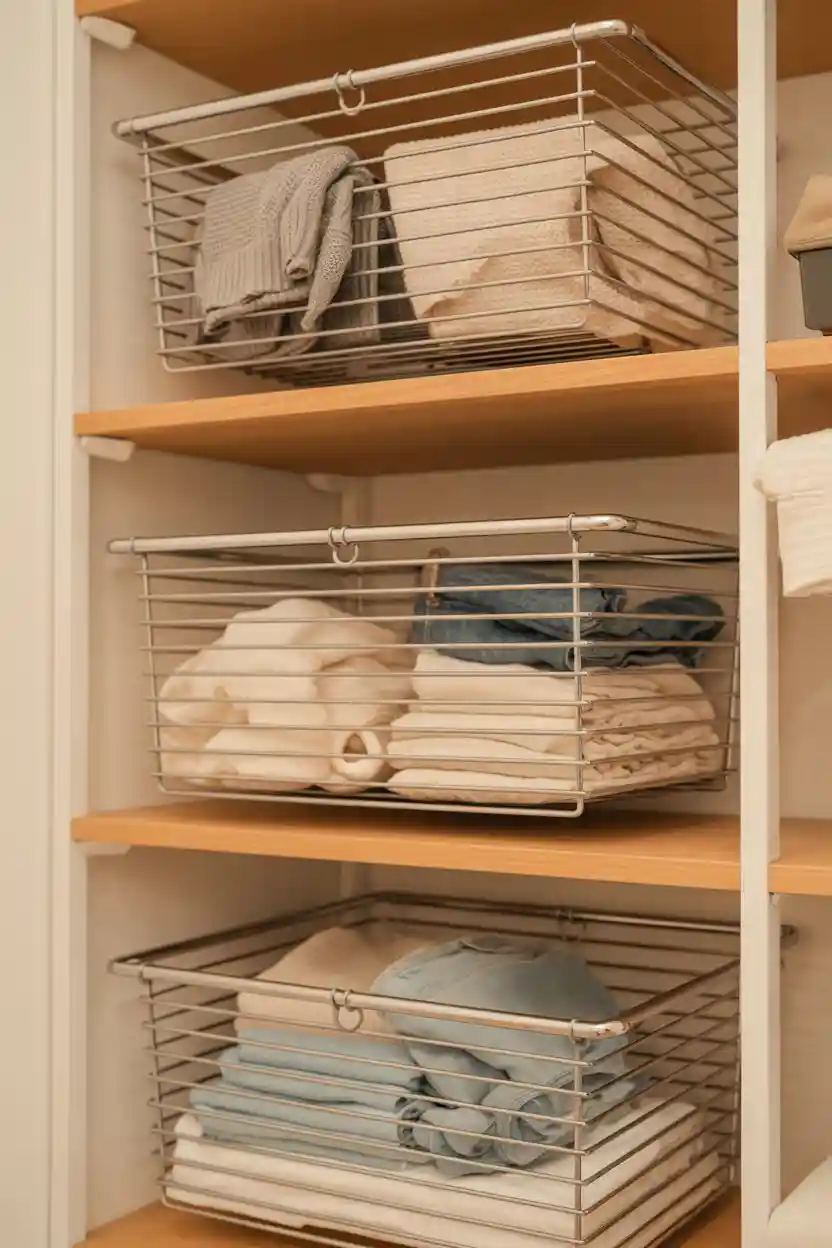
Under-shelf baskets create hidden storage without shelves. Budget Closet Organization benefits from layered solutions. These baskets hold accessories or folded items. They work well for closet storage ideas in small spaces. Installation is simple and reversible. This adds capacity without cluttering visible shelves.
Idea 22 – Keep a Consistent Folding Method
Consistent folding saves space and preserves structure. Budget Closet Organization improves when stacks align evenly. Mixed folding creates instability. This applies to closet shelving ideas and cupboards. Uniform folds maximize shelf capacity. Consistency also speeds up maintenance. Small habits create long-term order.
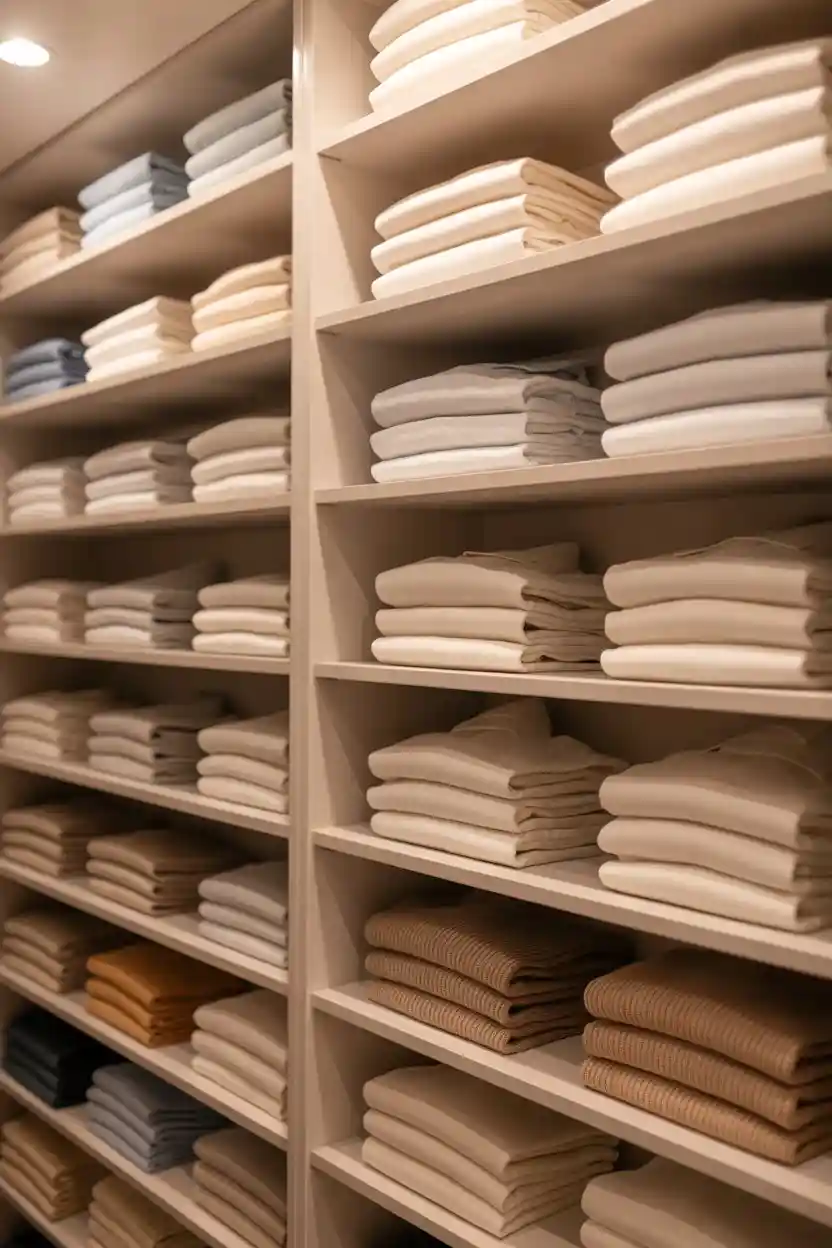
Idea 23 – Store Similar Fabrics Together
Fabric grouping improves care and access. Budget Closet Organization supports garment longevity. Heavy items stay separate from delicate fabrics. This prevents damage and overcrowding. Closet design ideas benefit from fabric logic. Grouping also improves airflow and visibility. Care-based storage protects investments.
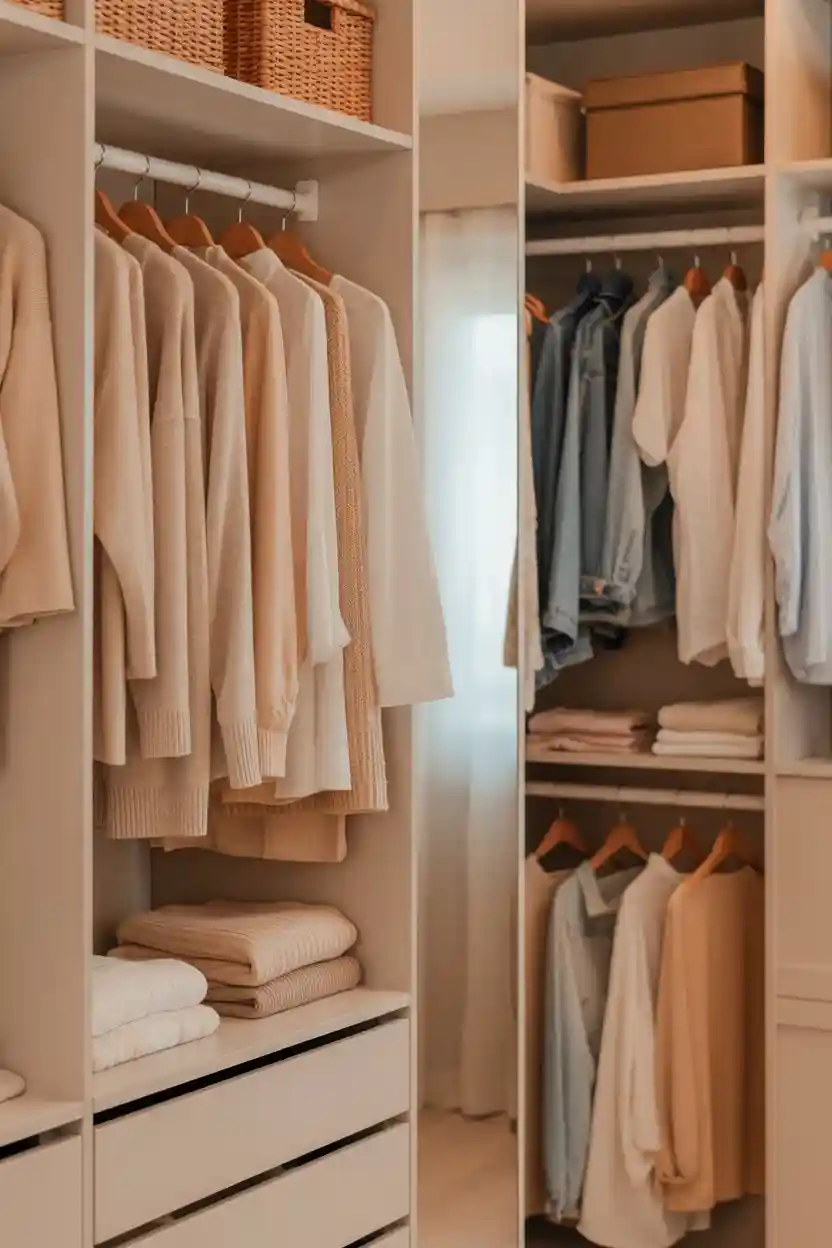
Idea 24 – Avoid Buying Organizers Before Decluttering
Buying organizers too early wastes money. Budget Closet Organization starts with reduction. Decluttering reveals actual needs. Many organizers become unnecessary after editing. This approach supports closet makeover goals realistically. Less volume requires less structure. Declutter first, then design intentionally.
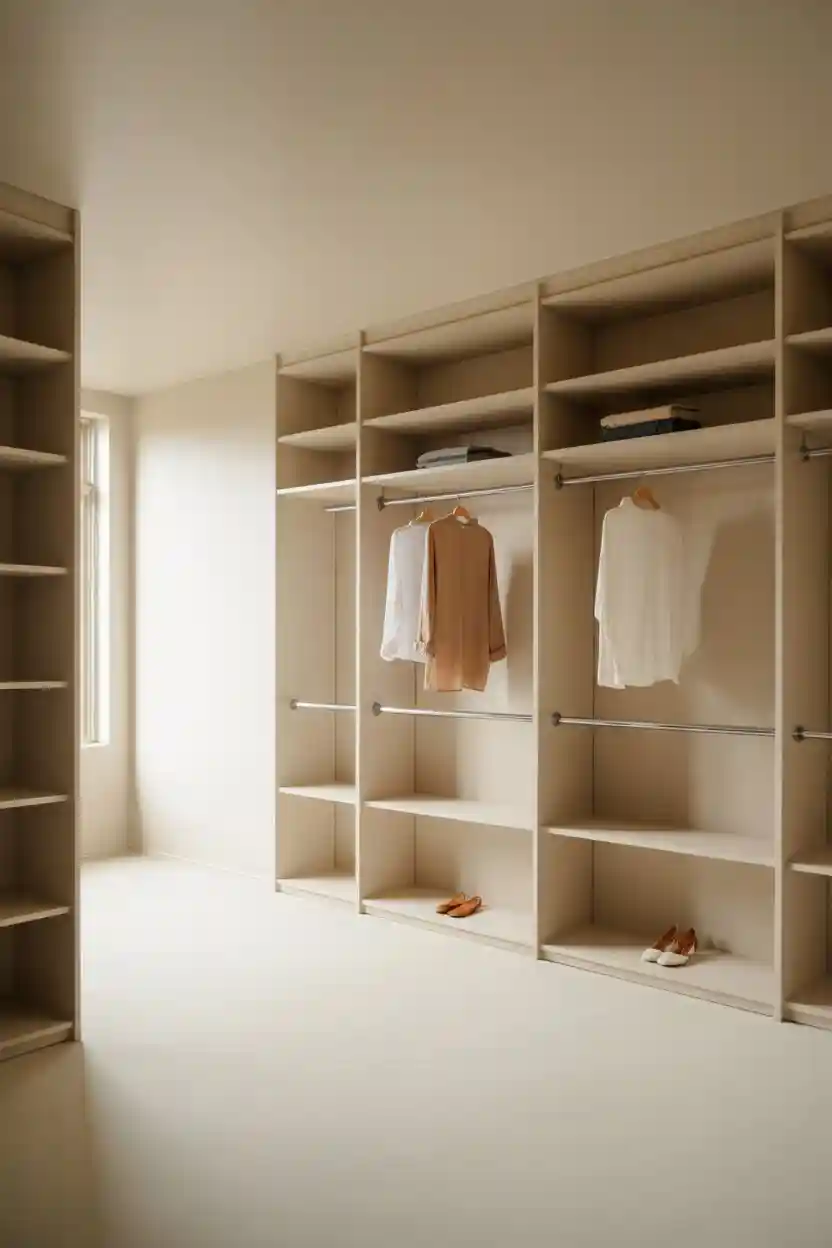
Idea 25 – Review Closet Layout Every Three Months
Closet needs change over time. Budget Closet Organization stays effective through review. Small adjustments prevent full breakdowns. Seasonal changes demand layout tweaks. Reviewing keeps systems aligned with habits. This habit ensures organization evolves instead of fails.