25 Minimalist Indoor Decorating Ideas That Feel Calm and Inviting
Open the door to a truly minimalist home and the first thing you notice is what’s missing: no piles, no visual noise, nowhere for your eyes to snag. That calm isn’t emptiness — it’s editing. Every piece left standing earns its place through function or beauty, usually both. These twenty-five ideas are about that editing process: warm neutrals, natural materials, and the restraint that makes a room feel calm instead of bare.
1. Neutral Color Palette with Warm Undertones
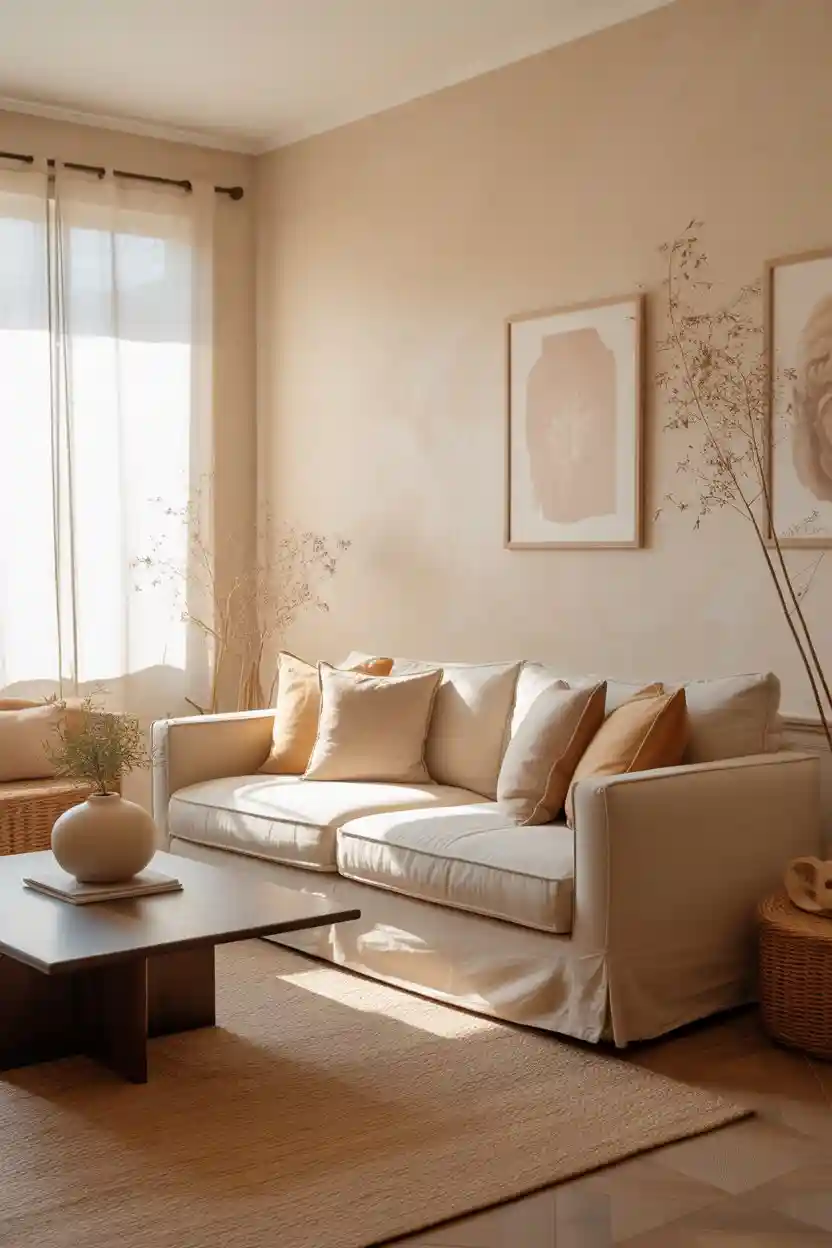
Start with warmth, not whiteness. Soft beige, warm greige, and muted taupe give walls a glow that stark white never manages, and they forgive the shadows that pure white exaggerates. Keep the palette to three or four tones across the whole home — repetition is what makes minimalism feel intentional rather than unfinished.
2. Incorporate Natural Wood Elements
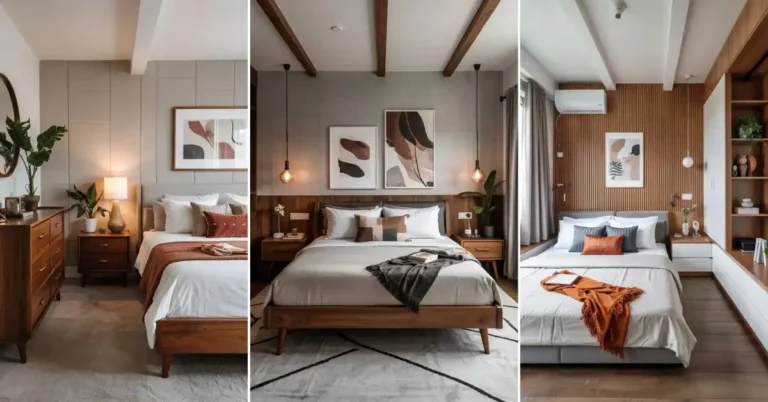
Wood is minimalism’s warmth cheat code. A white-oak dining table, pale wood shelving, or a single paneled wall adds organic texture that keeps neutral rooms from feeling clinical. Stick to light and medium tones; dark woods need more light and contrast to avoid heaviness.
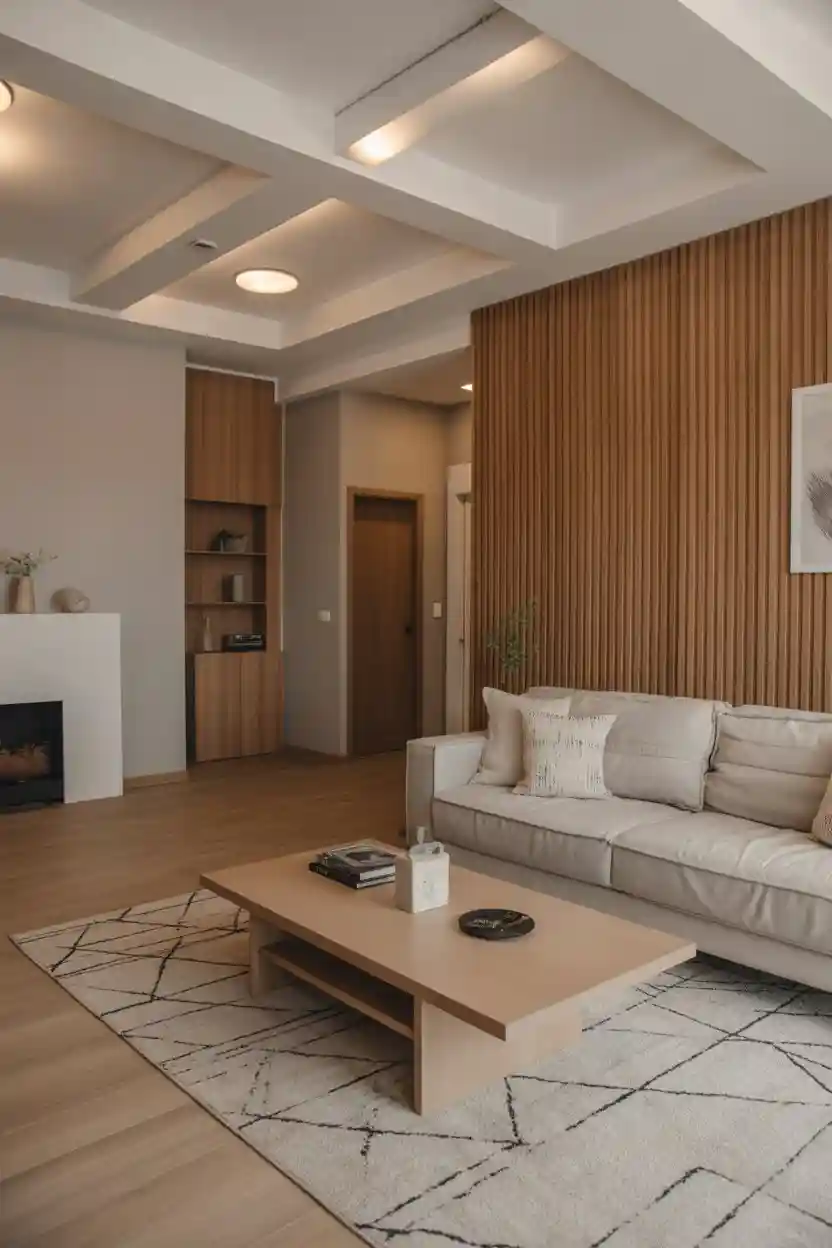
3. Use Indoor Decorative Plants Strategically
One sculptural plant beats five small ones in a minimalist room — a fiddle leaf fig, an olive tree, or a tall snake plant in a simple pot. Place it where it gets light and sightlines: room corners, beside a reading chair, at the end of a hallway. Green against neutrals is the contrast the whole style leans on.
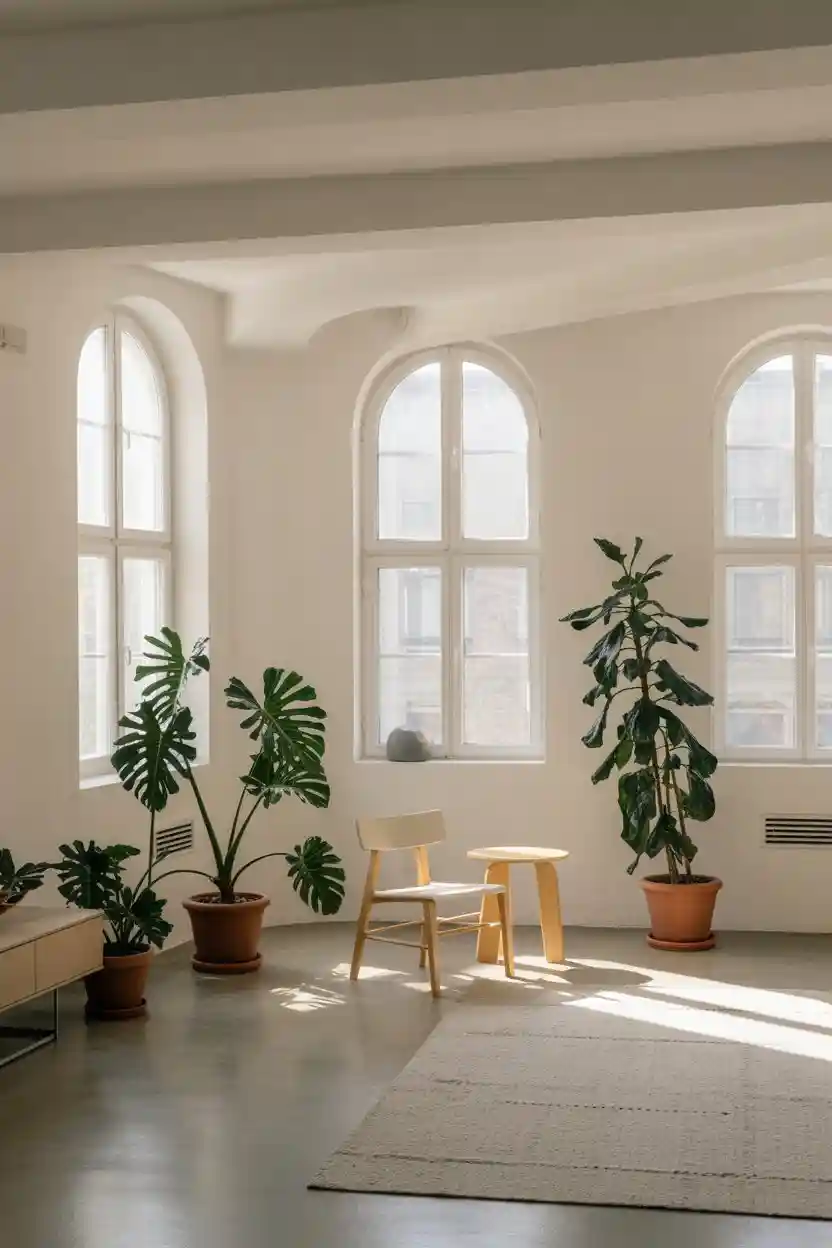
4. Wall Design with Subtle Texture
Minimalist walls aren’t blank walls — they’re considered ones. A limewash finish, subtle plaster texture, or slim wood paneling adds depth that changes with the light. The rule: texture, not pattern. One quiet treatment lets furniture and art carry the room.
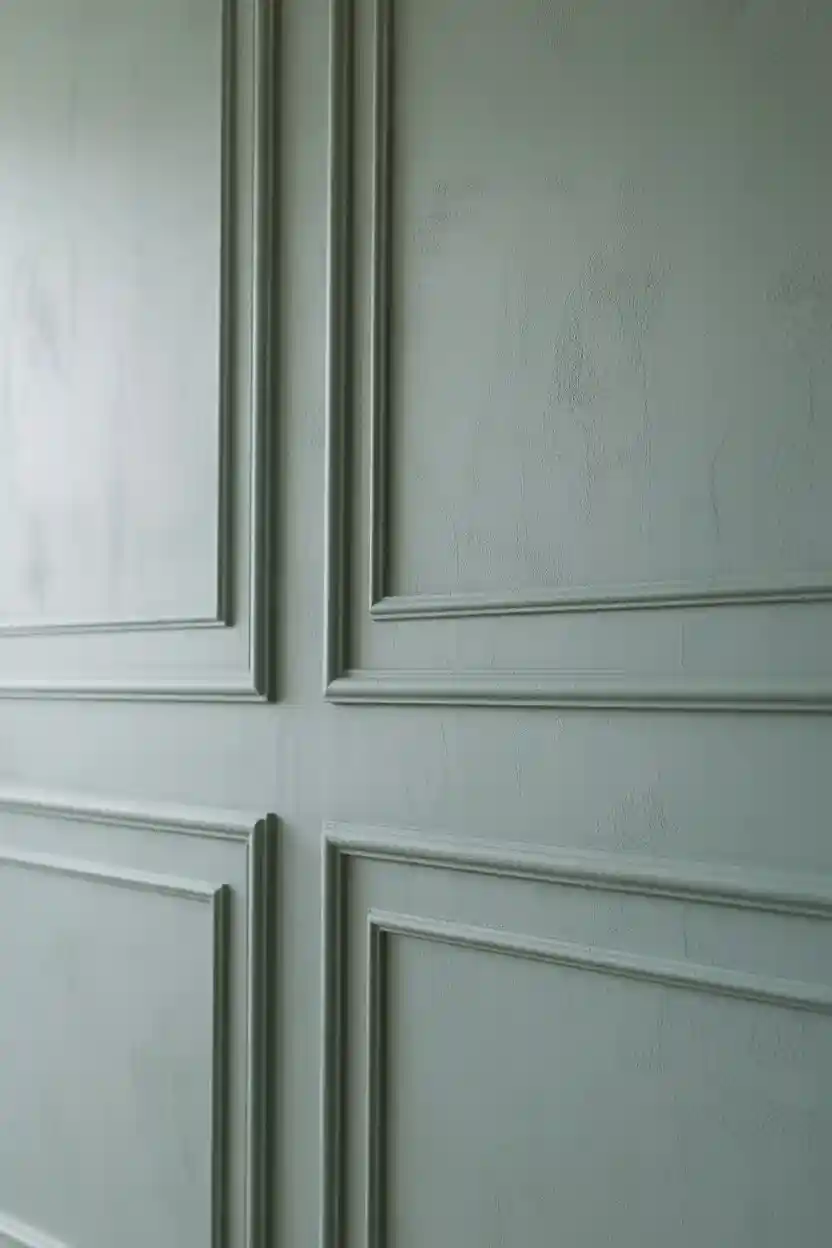
5. Keep Furniture Low-Profile and Functional
Low, leggy furniture keeps sightlines open and floors visible — both make rooms feel larger. Choose pieces that hide their work: sofas with storage, nesting tables, beds with drawers. Every visible surface should be clear enough to wipe down in one pass; that’s the practical test.
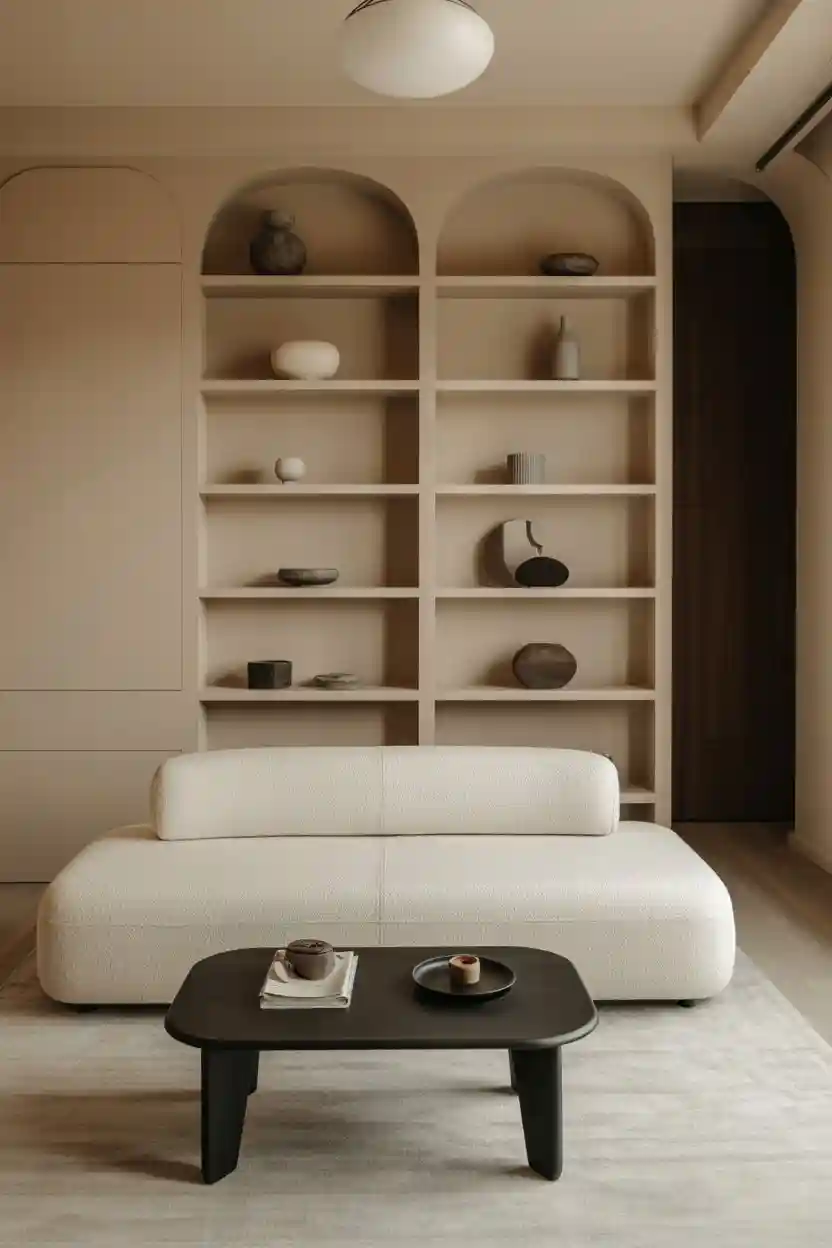
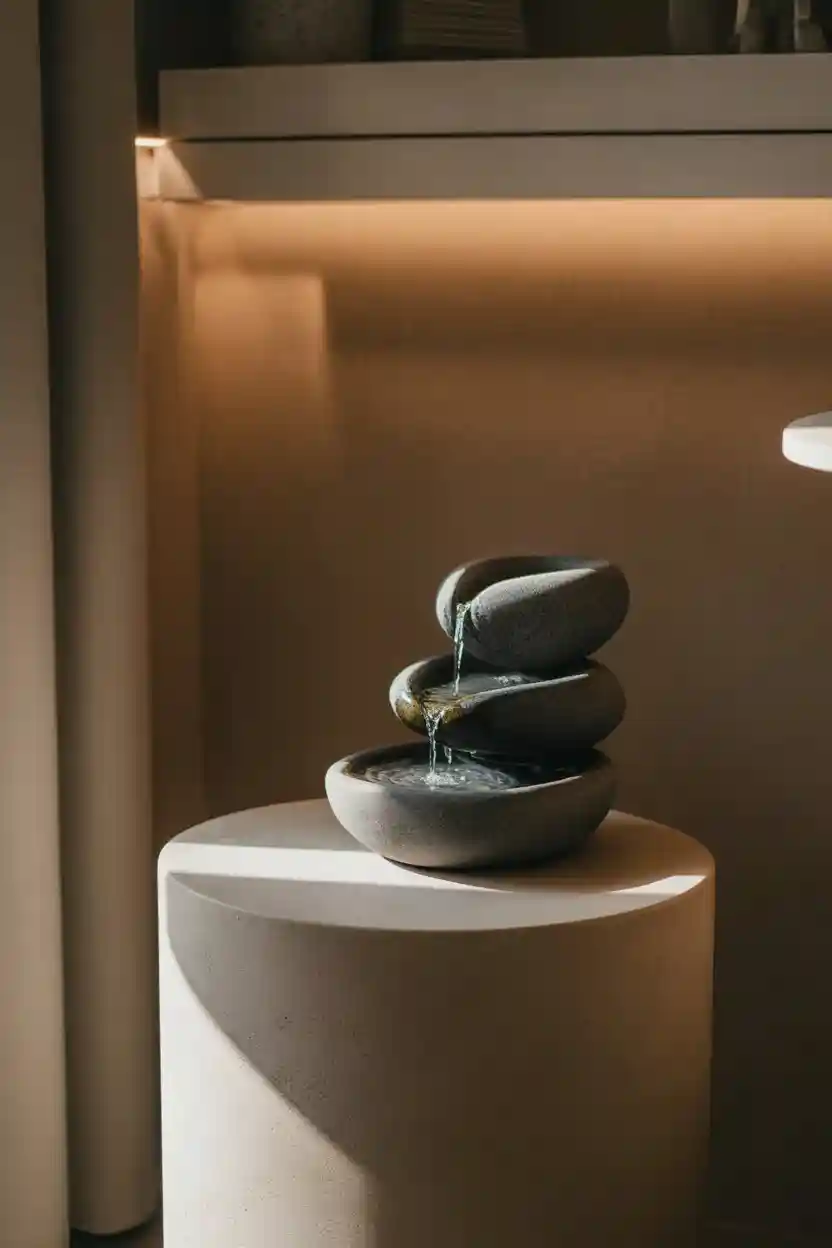
6. Add a Tabletop Fountain for Soft Ambiance
A small tabletop fountain adds the one thing minimalism can’t get from objects: movement and sound. Gentle water noise softens the quiet of an edited room without adding visual clutter. Place it where you’ll hear it — a side table, a desk corner — and keep the water topped up.
7. Layer Textures Through Rugs and Throws
Without pattern and color to lean on, minimalist rooms get their richness from touch: a nubby wool rug, a linen throw, a bouclé cushion. Layer two or three natural textures in the same tonal family. The room stays visually quiet but feels warm the moment you sit down.

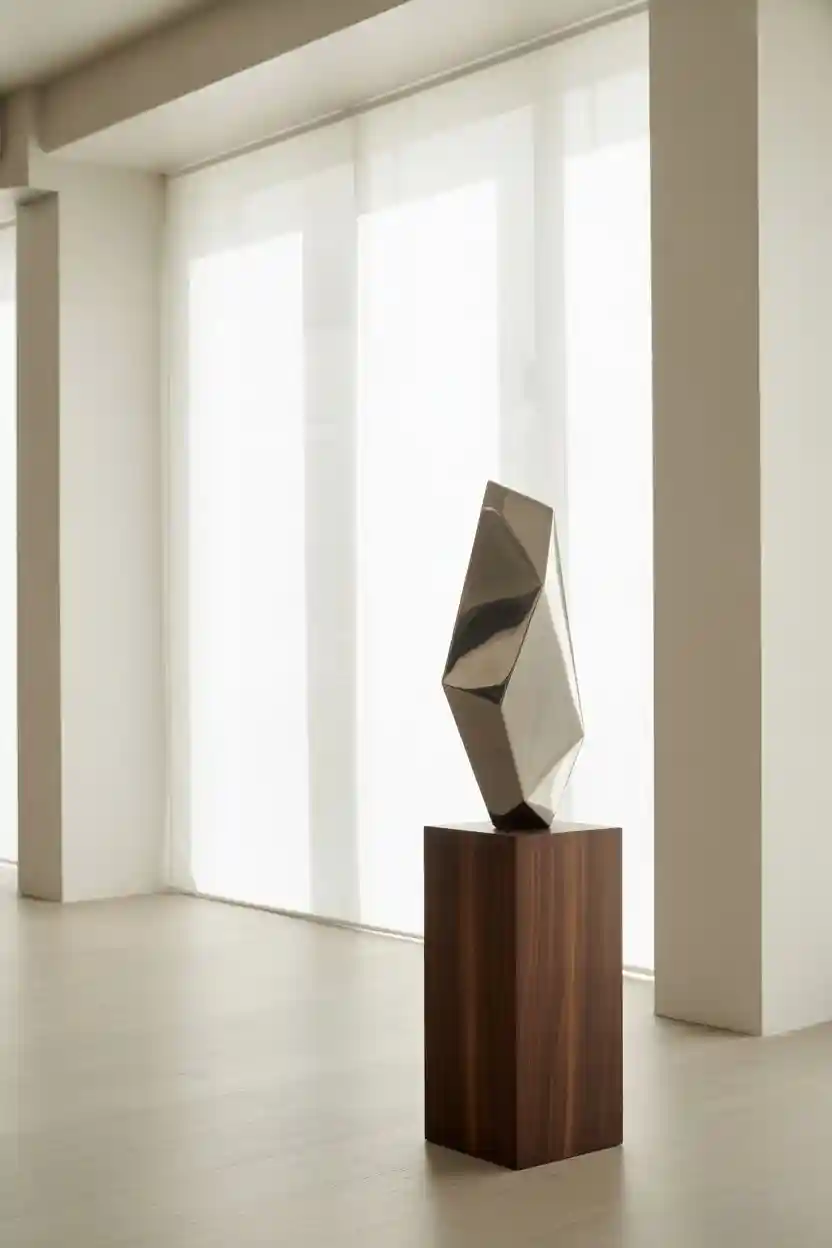
8. Use Sculptural Statues as Statement Decor
One sculptural object — stone, ceramic, carved wood — gives a minimalist room its focal point. Match its tone to the room and give it space; a single piece on an empty console says more than a styled shelf. Scale up: small objects read as clutter here.
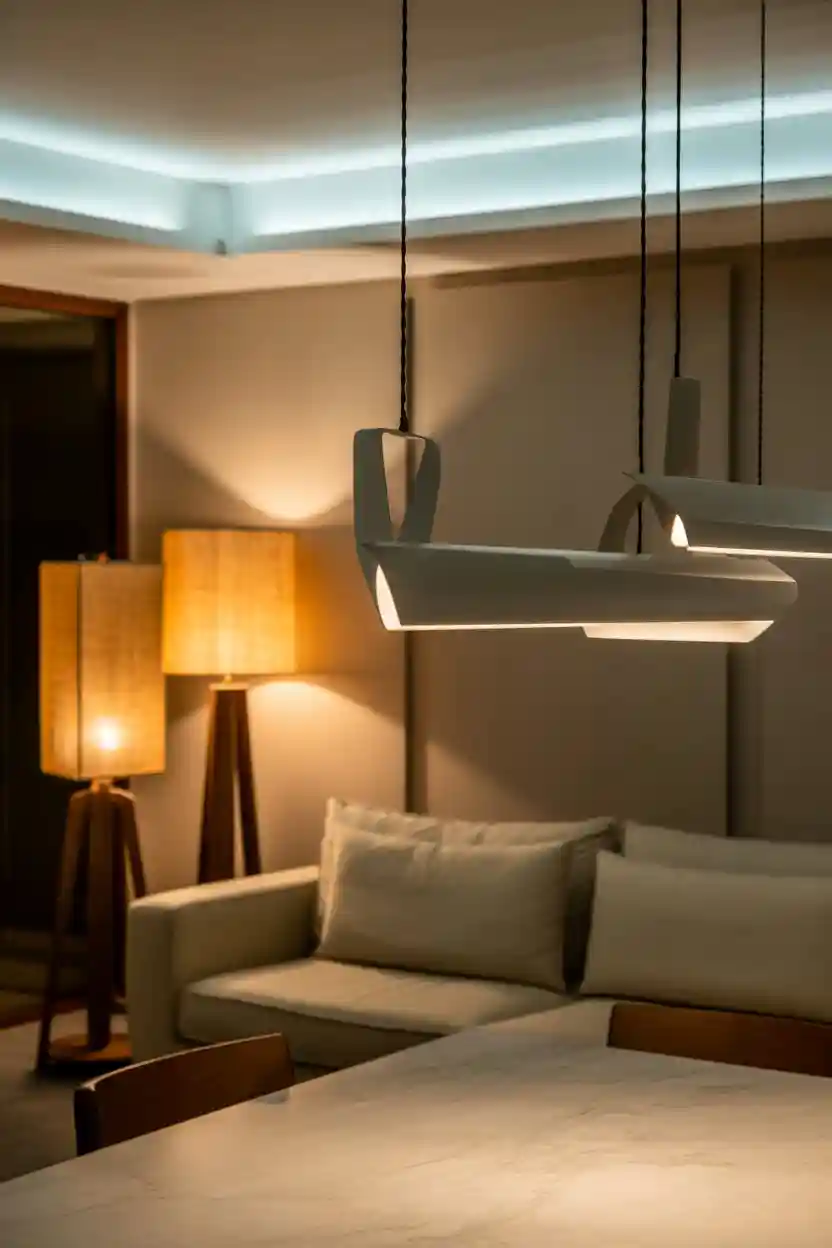
9. Integrate Indoor Lighting Thoughtfully
Light is a building material in minimalist rooms. Maximize daylight with sheers or bare windows, then layer concealed and adjustable sources for evening — no single harsh overhead. Warm 2700K keeps neutrals glowing; cooler light turns them gray and flat.
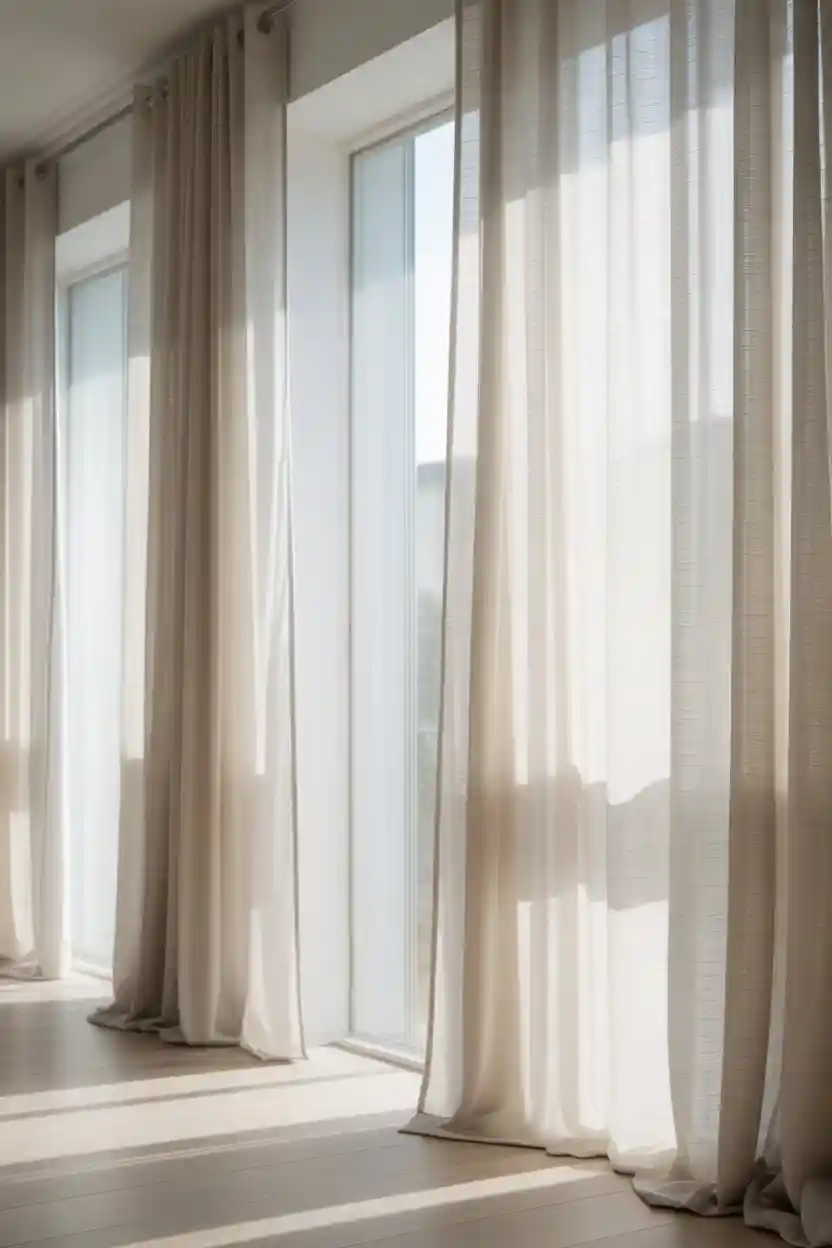
10. Keep Window Treatments Simple and Functional
Keep window treatments simple enough to disappear: roller blinds, light linen curtains, or nothing at all where privacy allows. Natural fabrics in neutral tones maintain the palette while softening the glass. More daylight in means less visual weight overall.
11. Display Art Sparingly and Purposefully
One or two pieces per room, chosen slowly. Muted abstracts or nature-inspired prints in simple frames add a quiet voice without noise. Hang at true eye level — 57 inches to center — and resist the urge to fill every wall; empty wall space is part of the design.
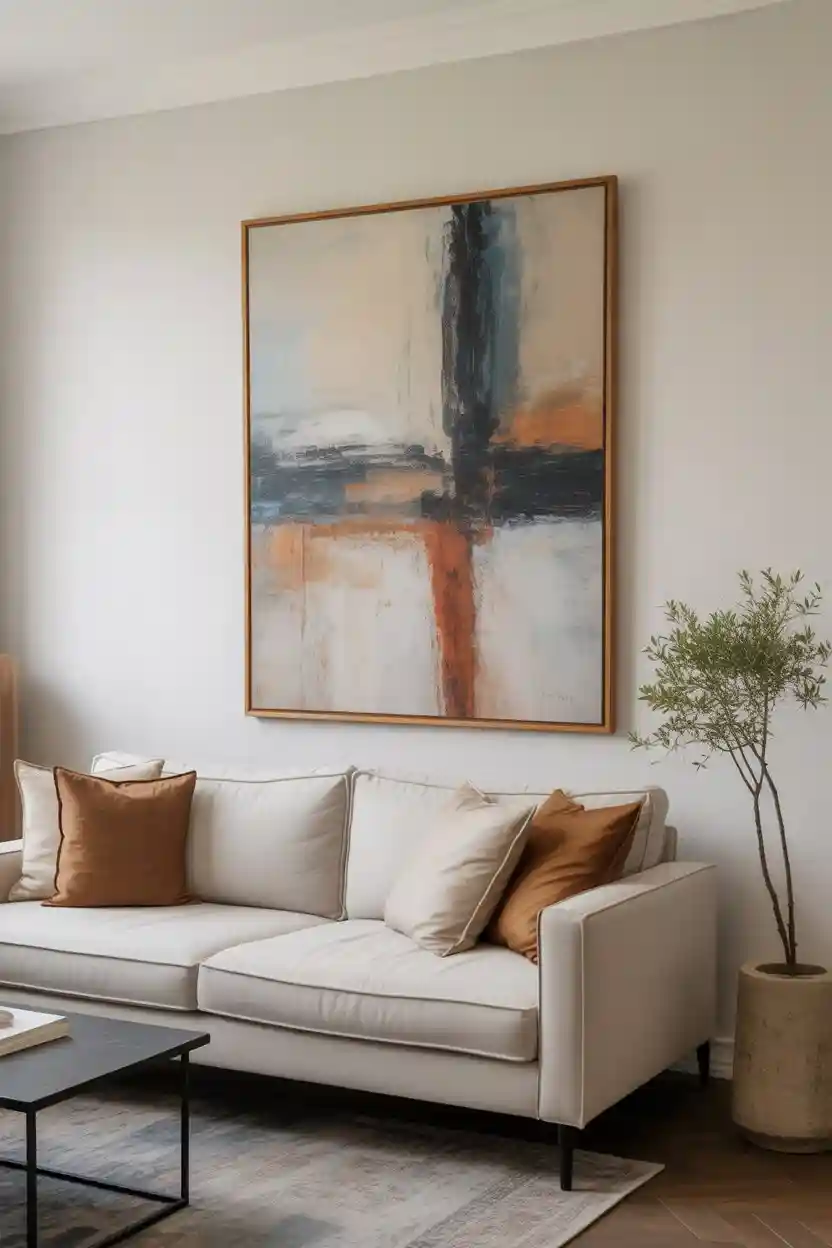
12. Use Functional Decorative Storage
Closed storage is the engine of minimalism: clean-lined cabinetry that swallows the everyday mess, open shelves reserved for a curated few. Natural-material boxes and baskets handle the in-between. If it doesn’t have a home, it becomes clutter — that’s the whole philosophy in one sentence.
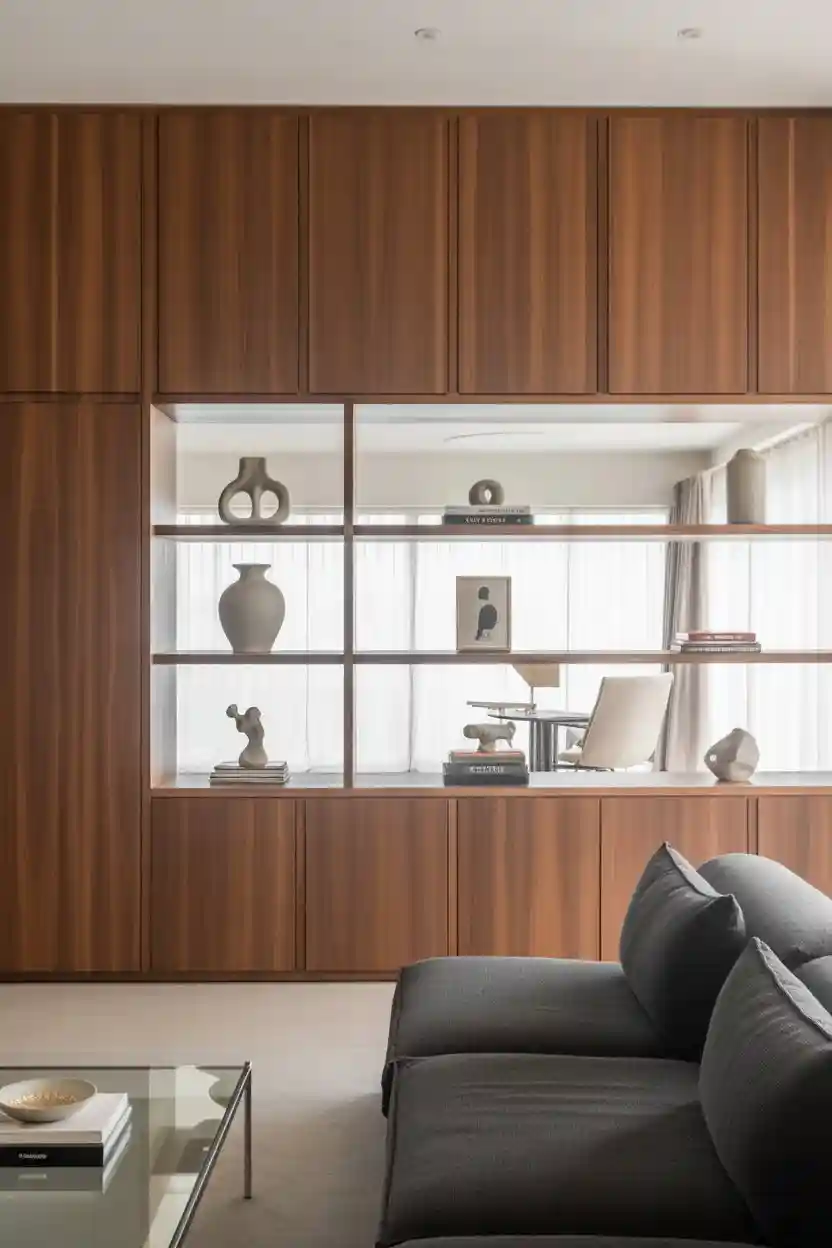
13. Incorporate Indoor Christmas Decorations Lightly
Minimalist holidays mean editing the season too: a small tree with neutral ornaments, a simple wreath, a lighted garland in natural tones. Two or three festive touches in a calm room read as more special than a houseful of decor.

14. Thoughtful Christmas Decorations for Windows
Windows carry the season beautifully with restraint: a few small lights, a simple figure in muted tones, or a bare branch with ornaments. Keep it to the window and the room stays calm while the street gets the show.

15. Choose Sustainable and Quality Materials
Minimalism and quality materials are natural partners — fewer pieces means each one should last. Solid wood, natural stone, linen, and wool age gracefully instead of wearing out. Buying once, well, is both the aesthetic and the ethic.
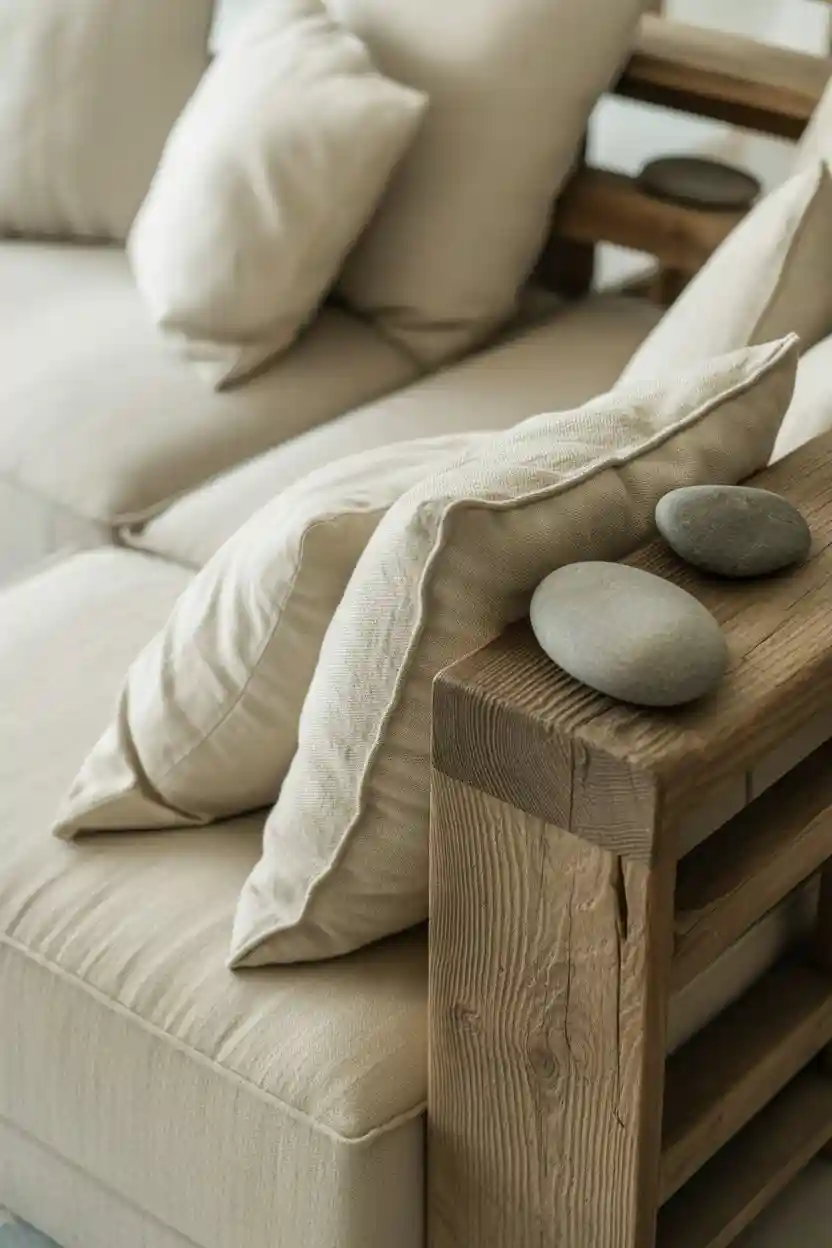
16. Design with Open Floor Plans and Clear Sightlines
Open layouts are minimalism’s home turf: clear sightlines, furniture that defines zones without walls, light traveling uninterrupted. Keep pathways generous and let each zone breathe. Even small homes gain spaciousness when rooms flow into each other.
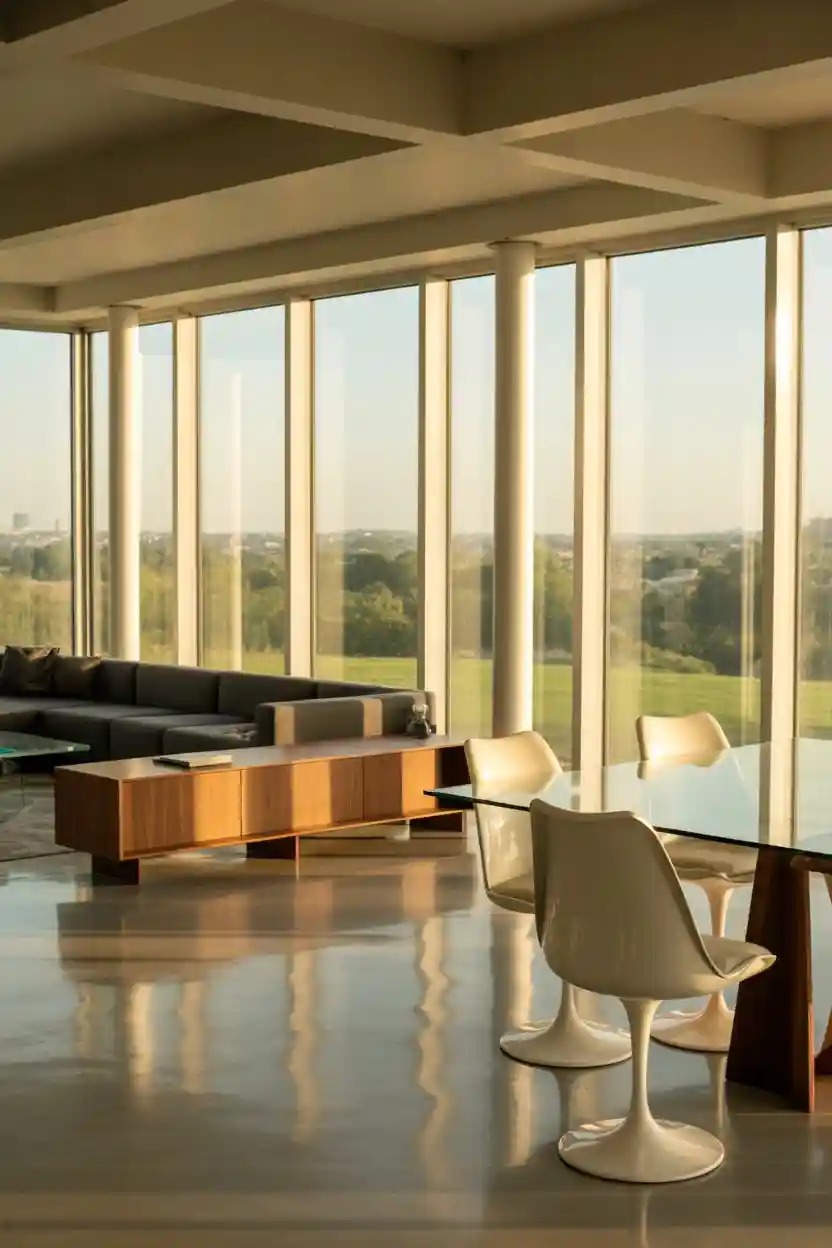
17. Balance Indoor and Outdoor Living Elements
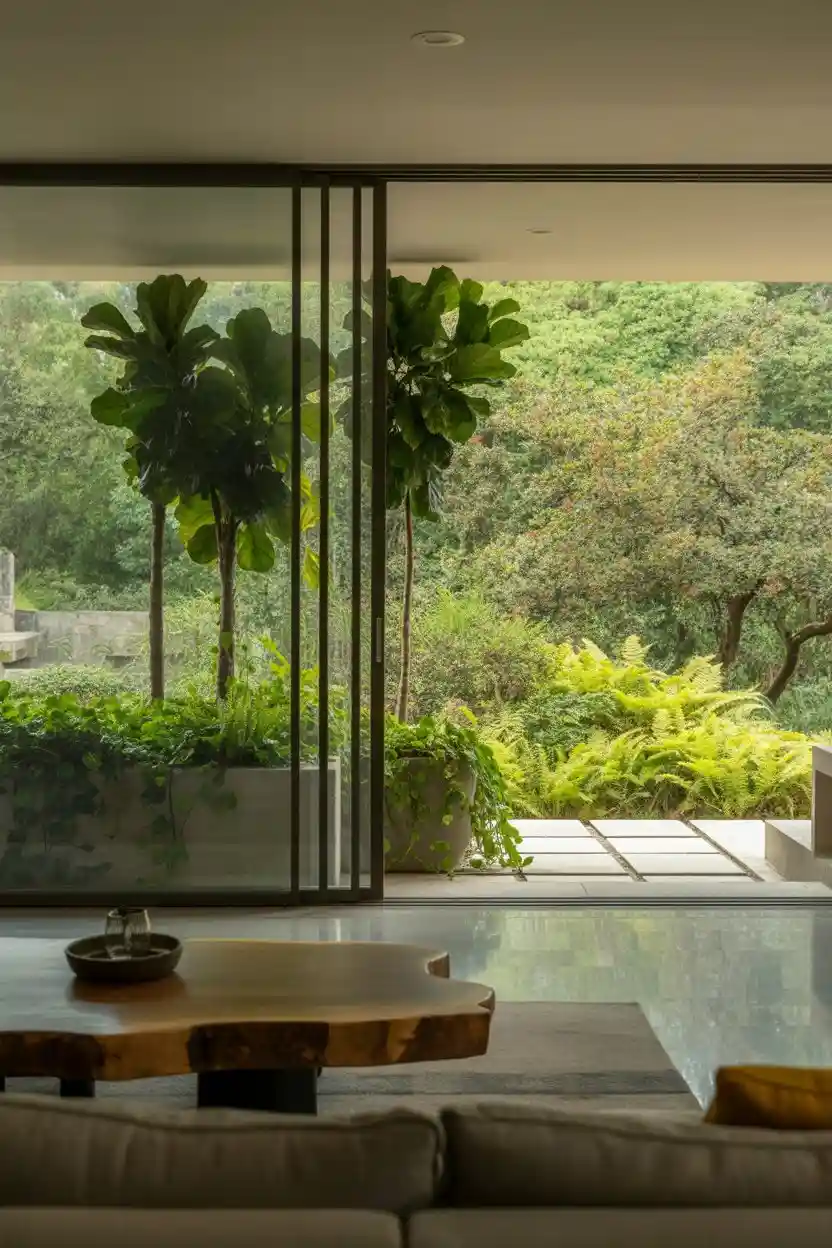
Blur the boundary: large plants, natural textiles, and wood furniture bring the outside in, softening minimalism’s harder edges. It’s the same principle behind the best modern interiors — rooms that feel grounded because nature is part of the palette.
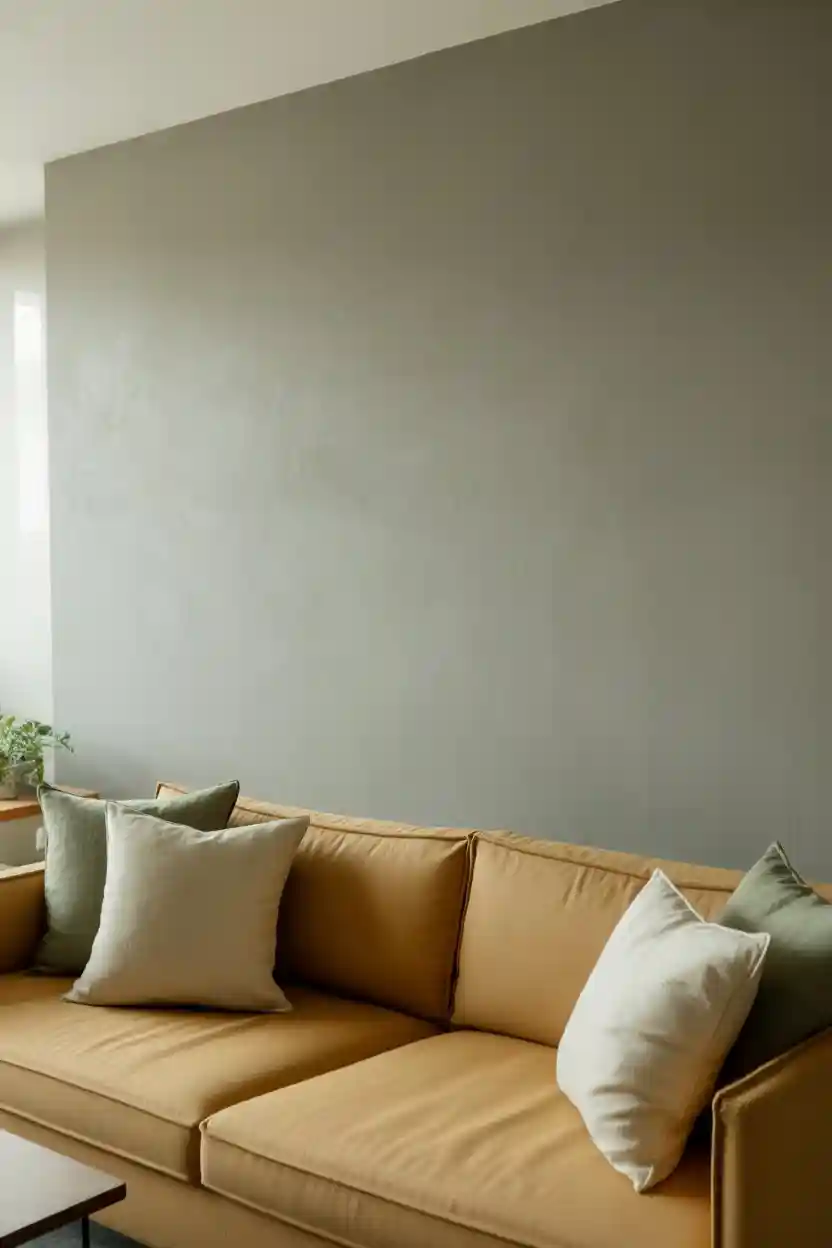
18. Use Accent Walls with Subtle Contrast
One wall in a muted tone or subtle texture gives the eye a destination without breaking the calm. Interior design paneling in a soft plaster or pale wood works beautifully here. Keep it to one wall — two accent walls is just a colorful room.
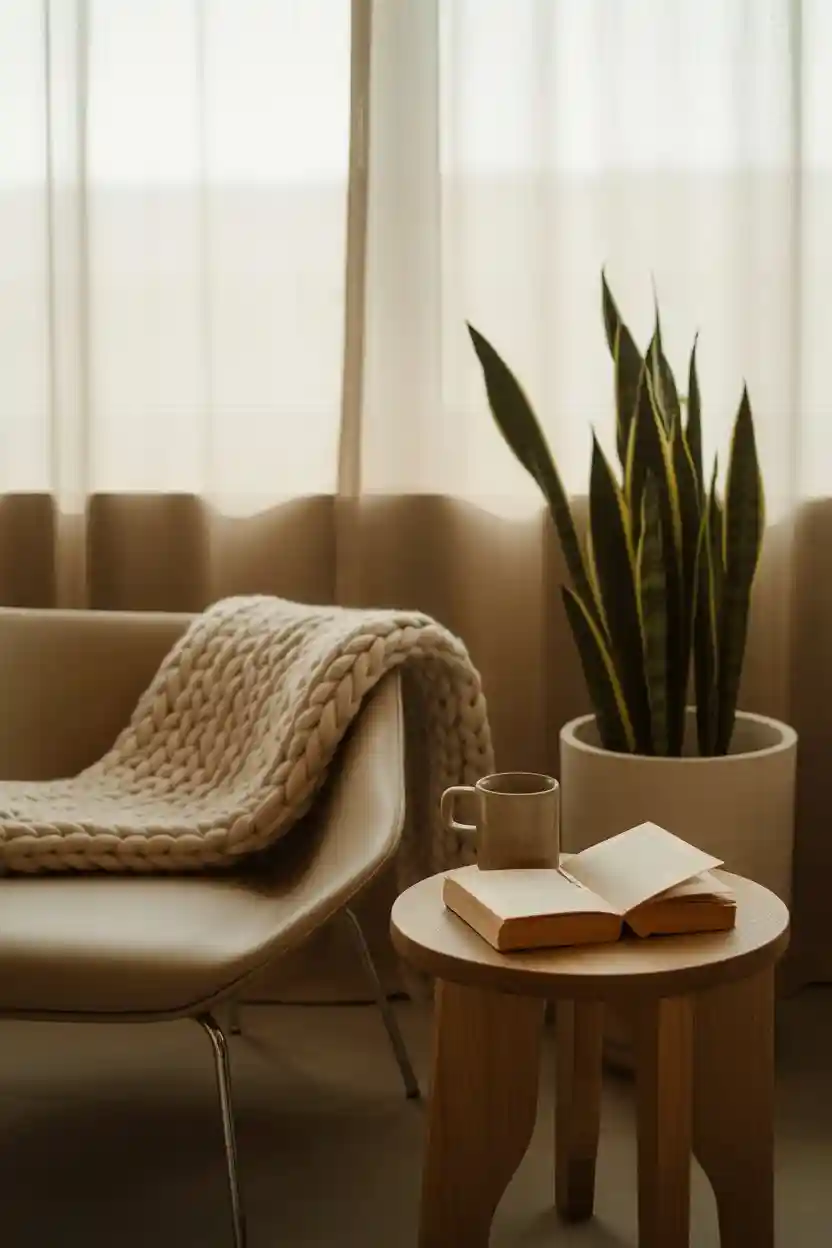
19. Create Cozy Nooks with Minimal Accessories
A reading chair, a good lamp, and a plant in an unused corner make a retreat inside the calm. Resist accessorizing beyond the essentials; the nook’s job is rest, not display. Even large minimalist rooms benefit from one intimate spot.
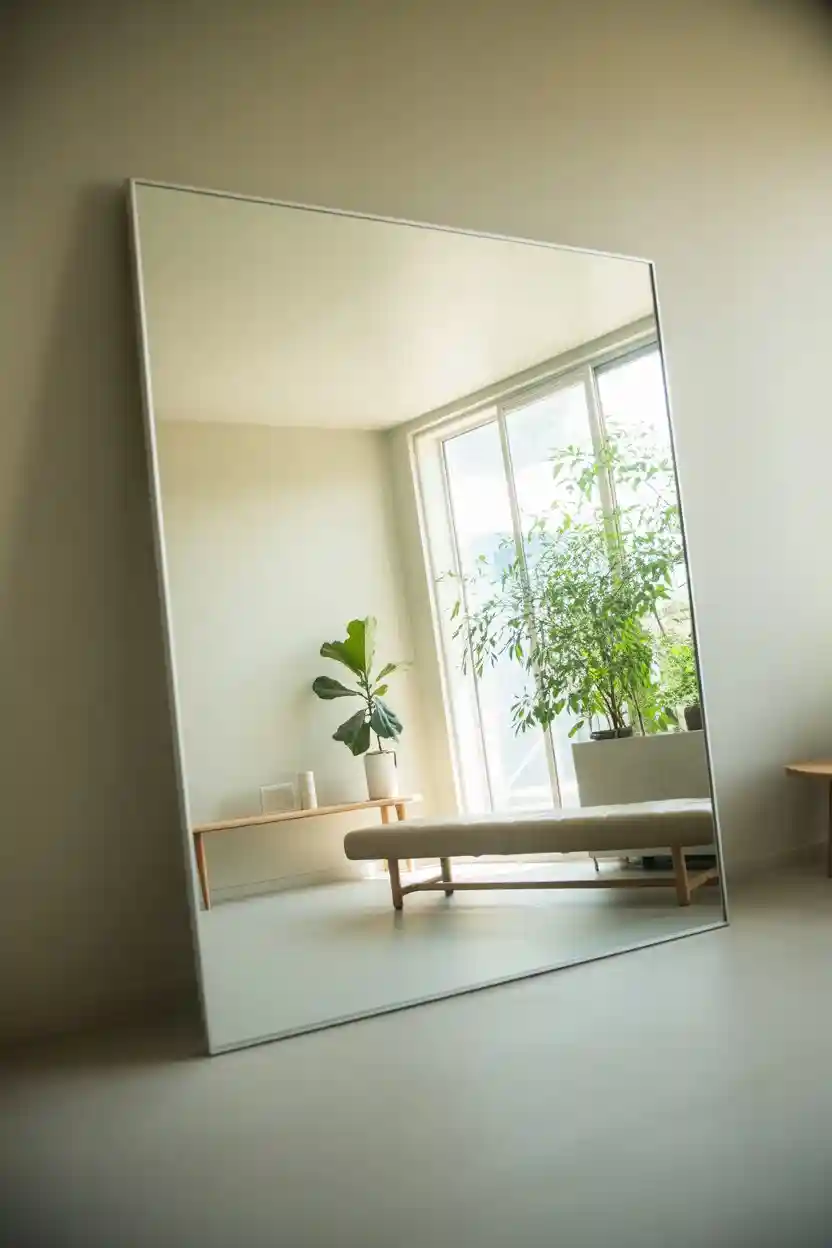
20. Use Mirrors to Amplify Light and Space
A large mirror opposite a window roughly doubles perceived light and space — the highest-impact move for small or dark rooms. Keep frames simple or go frameless. Bonus: mirrors reflect your plants and lighting, multiplying the calm for free.
21. Limit Decorative Clutter to Essential Items
The maintenance rule: everything visible should be meaningful, functional, or beautiful — preferably two of the three. A monthly pass through surfaces keeps the calm from drifting. Minimalism isn’t a one-time purge; it’s a habit of letting go.
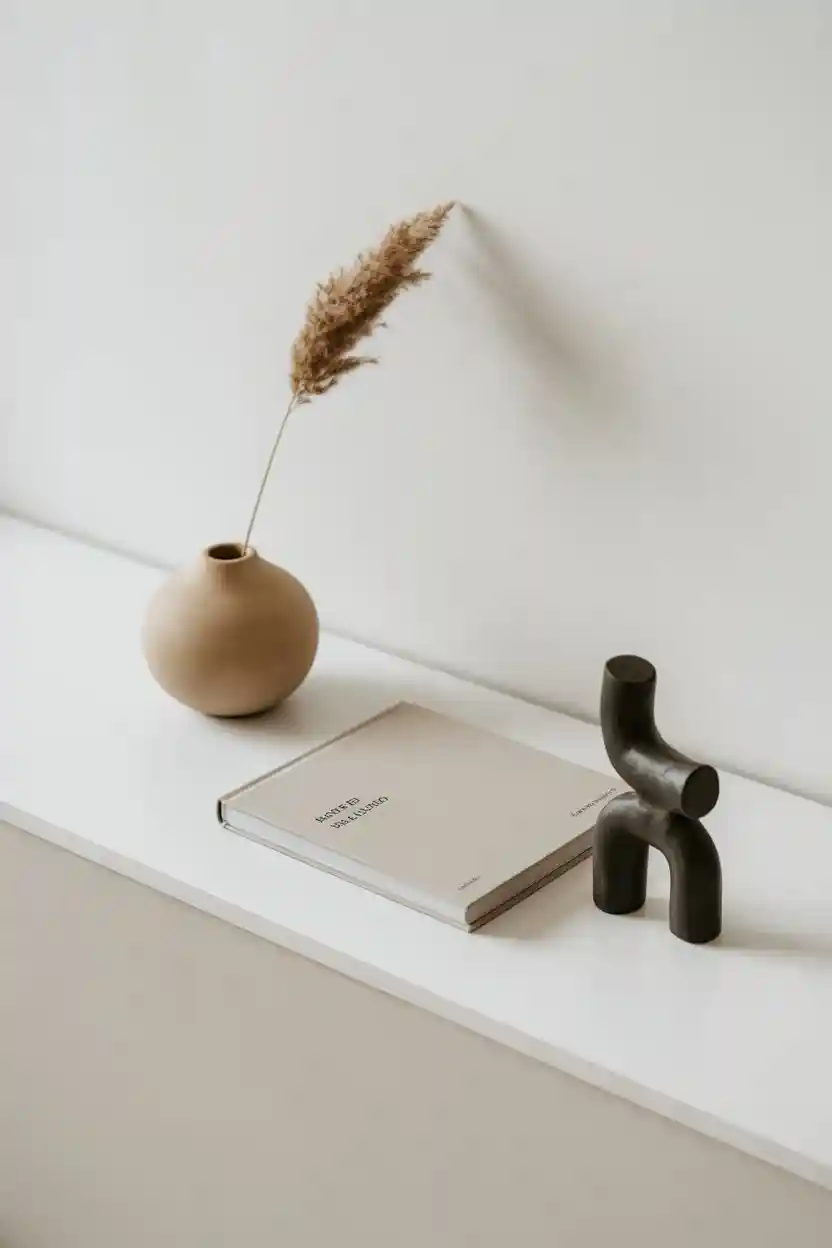
22. Use Soft, Natural Fabrics for Comfort
Cotton, linen, and wool in natural hues are where minimalist comfort lives. Soft cushions, a weighty throw, curtains that move — tactile warmth balances the clean lines. This is the layer that keeps minimalism from feeling austere.
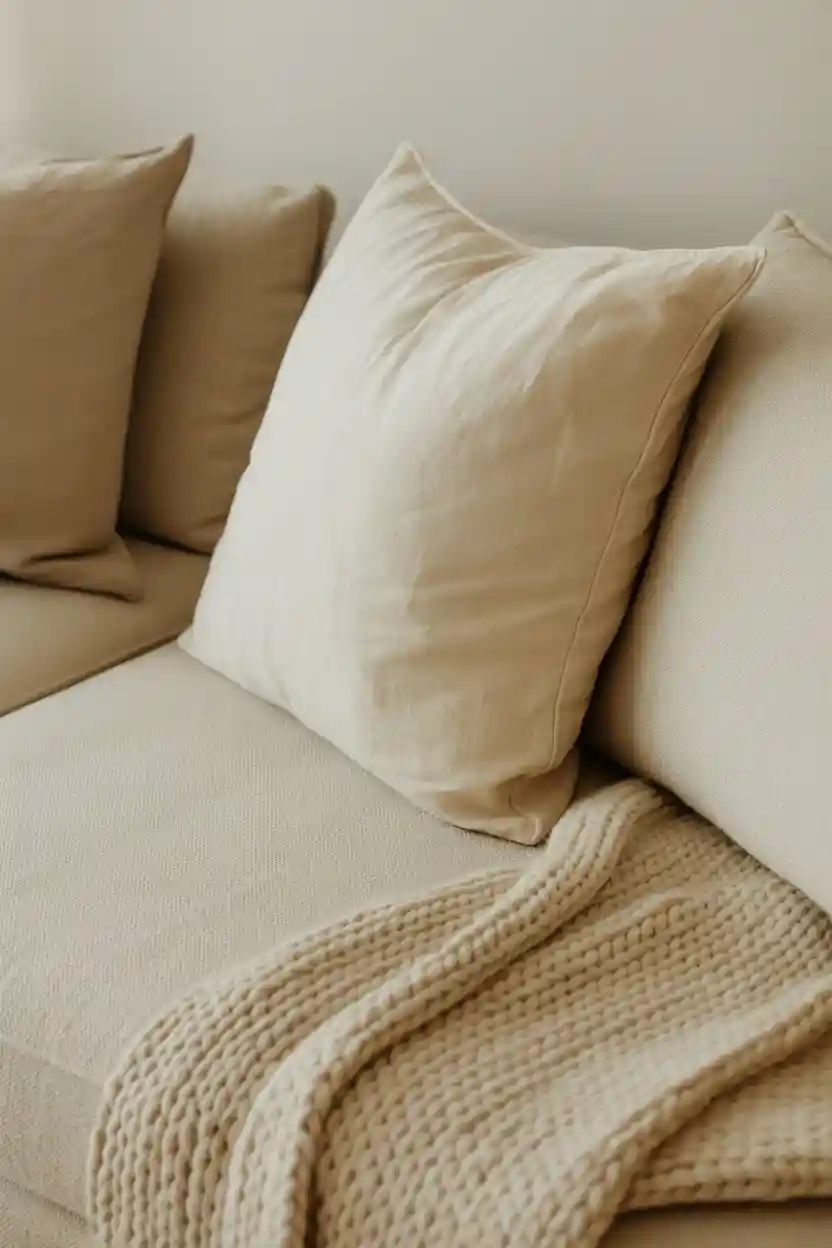
23. Incorporate Small Indoor Fountains for Serenity
The desk-sized version belongs in work zones: a small fountain on a side table or shelf adds gentle sound to a home office without visual noise. In a minimalist workspace, it’s the difference between stark and serene.
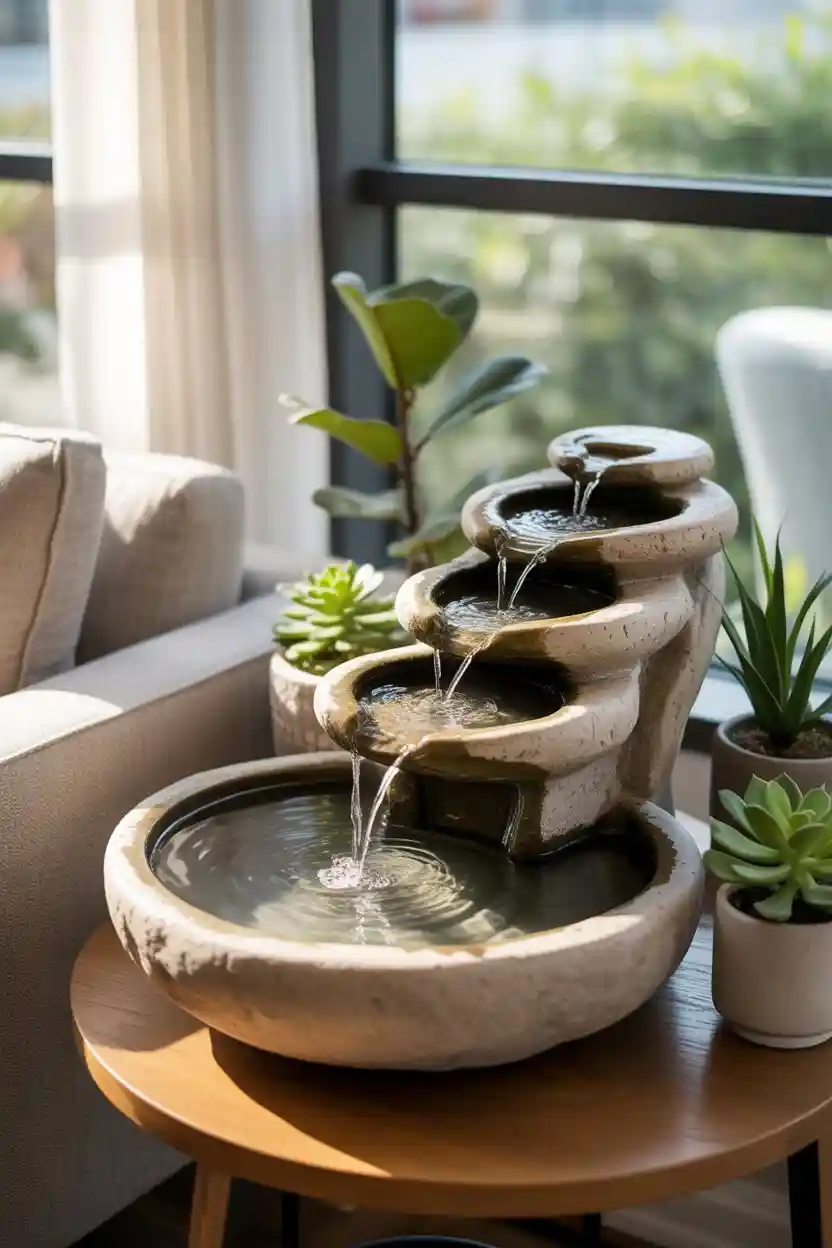
24. Highlight Architectural Details with Subtle Decor
Let the architecture speak: a lit niche, a beautiful window frame, an interesting ceiling line. Simple accents — a small sculpture, a wash of light — draw the eye to what’s already there. Good house interior decor is often about revealing, not adding.
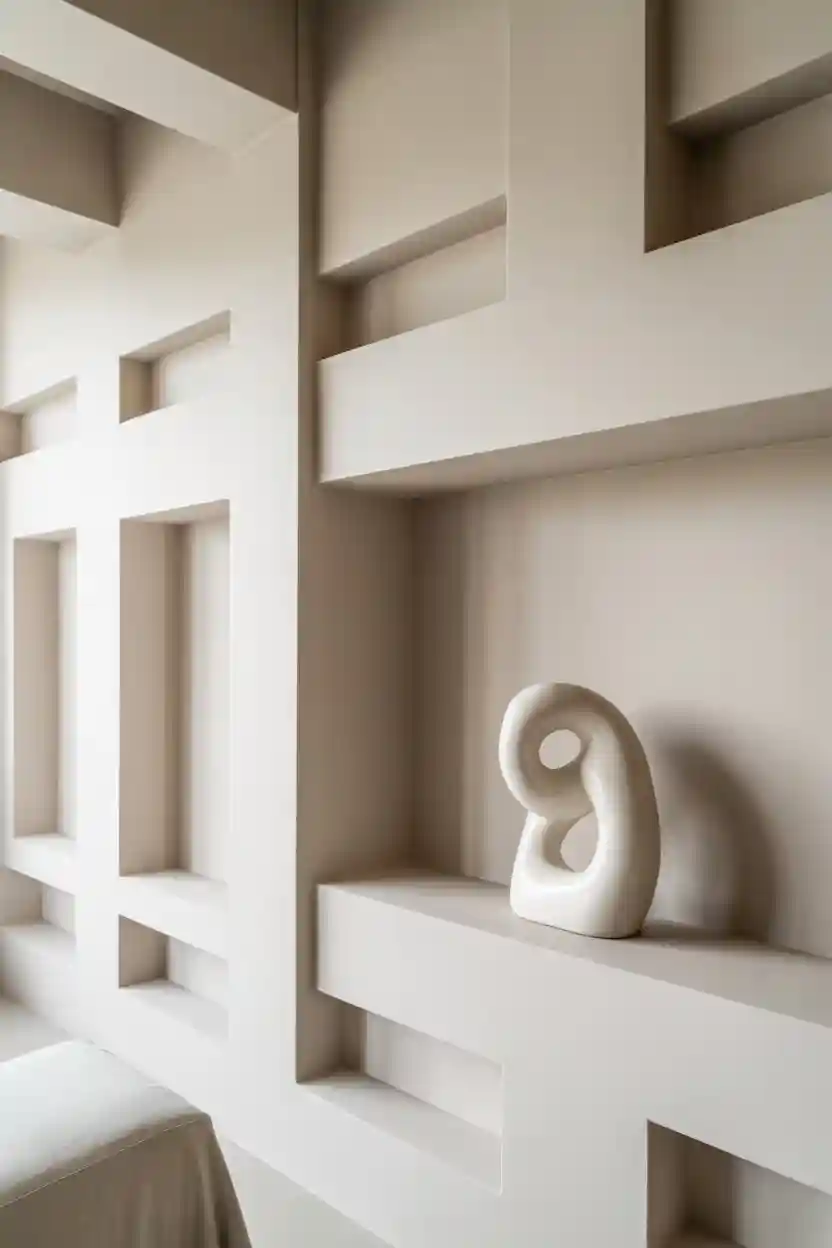
25. Keep Floors Simple with Neutral Rugs or Bare Surfaces
Floors set the calm baseline: polished bare surfaces or a single neutral rug with minimal pattern. Keep them clear — the floor is the largest visible surface in a minimalist room, and clutter there undoes everything above it.

FAQs for Minimalist Indoor Decoration