26 Upcycled Chair Ideas for Fresh Decor and New Look
Chairs are the gateway project of furniture upcycling: small enough to finish in a weekend, cheap enough to risk, and every house has too many of the wrong ones. A $10 thrift-store chair with good bones — solid joints, no wobble — is a better starting point than a $200 new one with a particle-board frame. The 26 ideas below are organized by chair type, so find yours and start there.
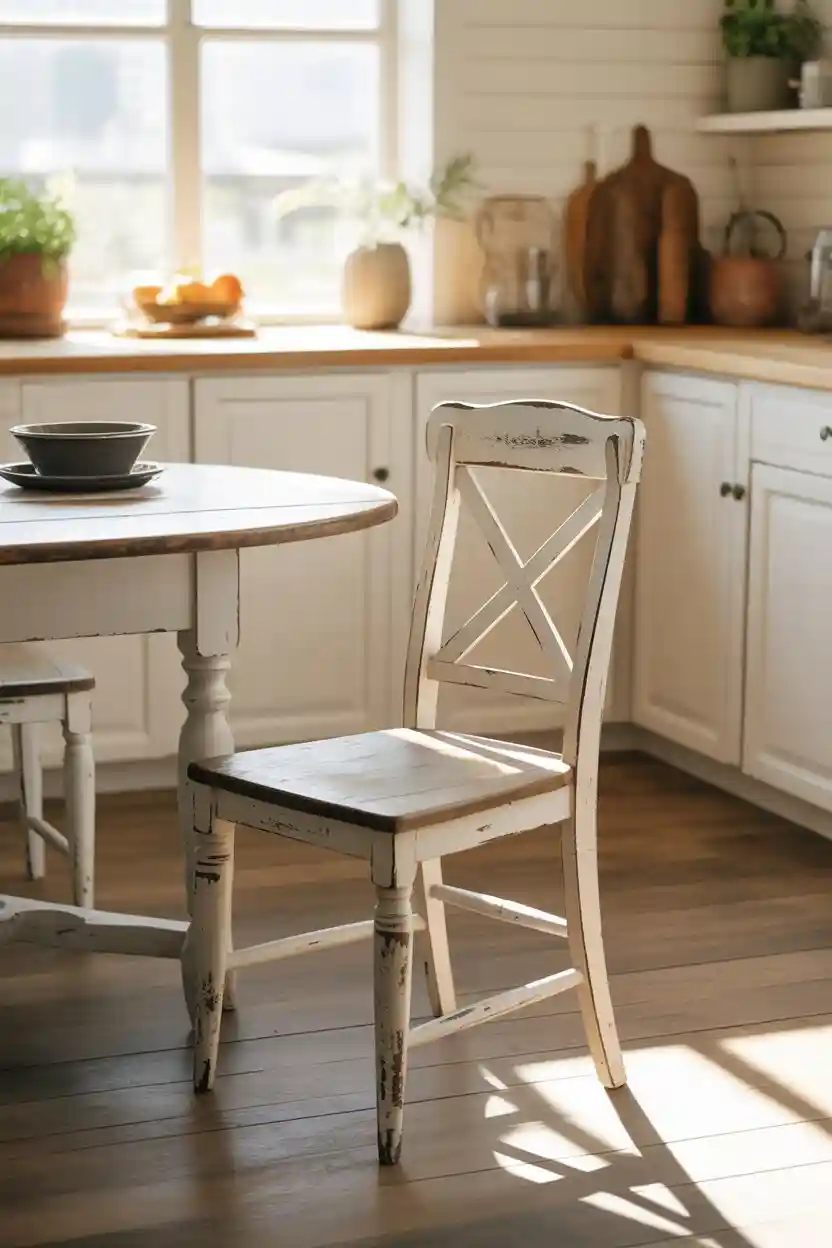
1. Rustic Farmhouse Charm with Distressed Wooden Chairs
Distressed paint is the farmhouse classic for a reason: brush on a soft white or cream, let it dry, then sand the edges and high points back to wood with 220-grit. The wear should land where real use would put it — seat edges, rung tops, the crest rail. Pair them with a reclaimed-wood table and the whole dining room reads collected-over-time rather than decorated.
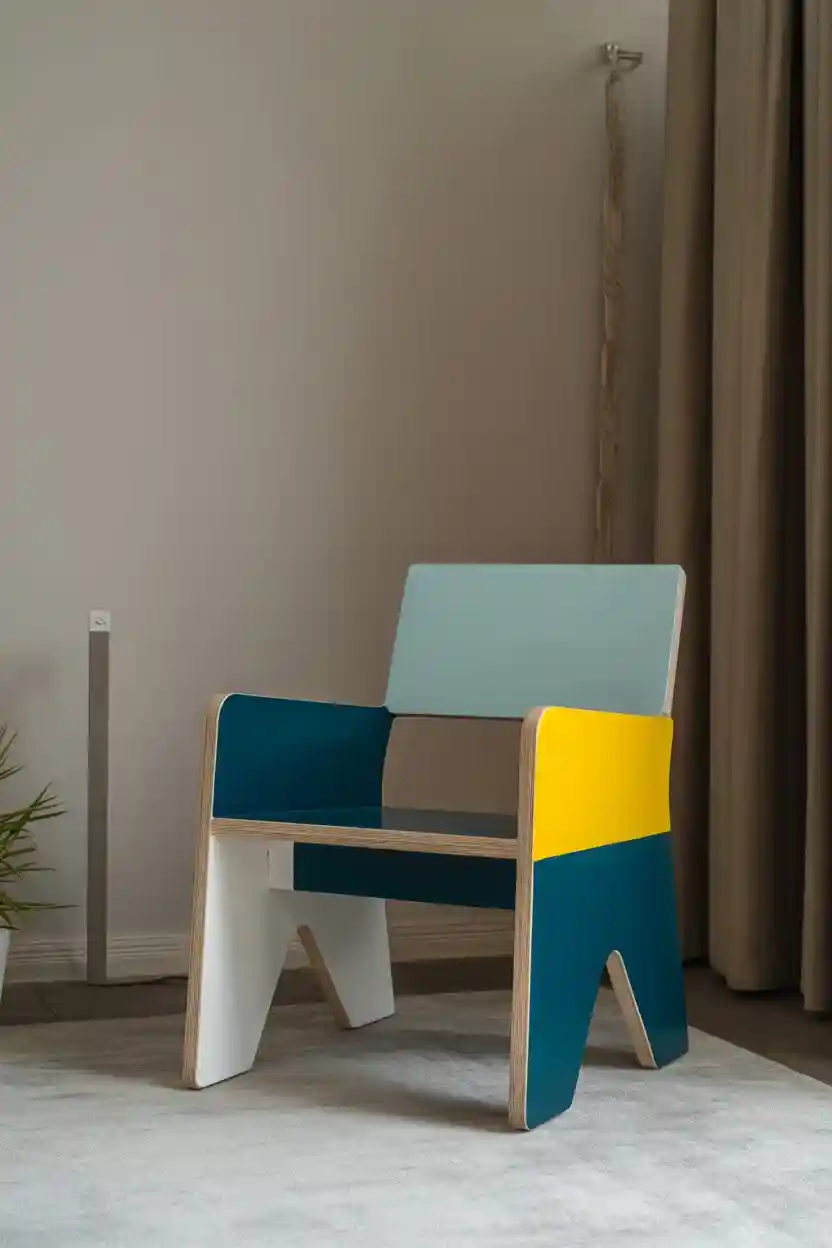
2. Color-Blocked Painted Chairs for a Modern Twist
Color-blocking turns a plain chair into graphic art: paint the seat one color, the legs another, the backrest a third — or dip just the bottom third of the legs. Two to three colors max, and keep one of them neutral or the chair starts shouting. This works best on simple Shaker or metal chairs where the shapes are clean enough to carry bold color.
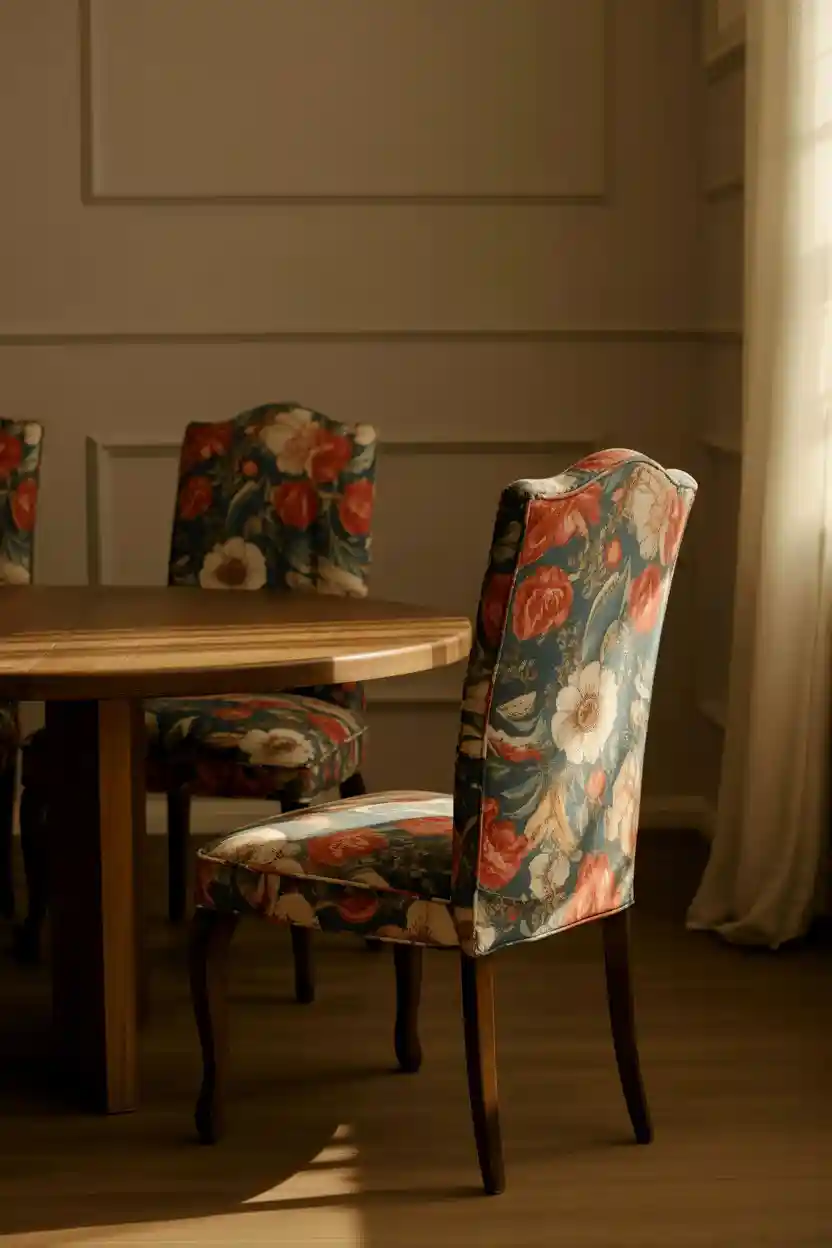
3. Reupholstered Chairs with Patterned Fabrics
New seat fabric is the fastest dining-room refresh: unscrew the seat, wrap it in a bold floral or geometric (cut 7–8 cm larger all around), staple-gun the underside, screw it back. A meter of upholstery fabric ($12–$25) does four to six seats. Patterned seats with a solid painted frame is the classic combo — pattern everywhere is too much.
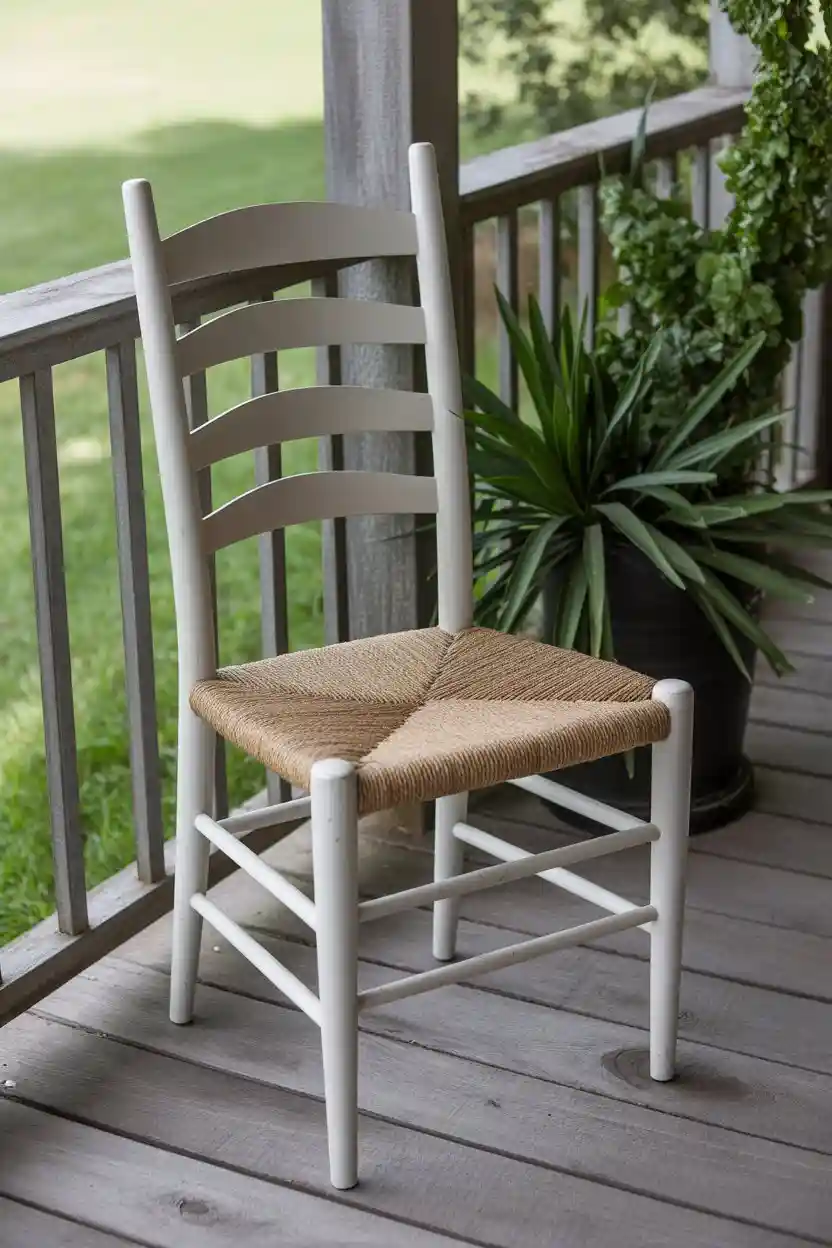
4. Upcycled Ladder Back Chairs with Rope Seat Replacement
Replacing a dead rush or cane seat with woven rope is a genuine craft project: natural fiber rope (6–8 mm sisal or cotton) woven in a simple over-under pattern across the rungs. It takes an evening per chair and a blister or two, but the result is a seat that lasts decades and looks handmade because it is. Seal the rope with nothing — treatments make it slippery.
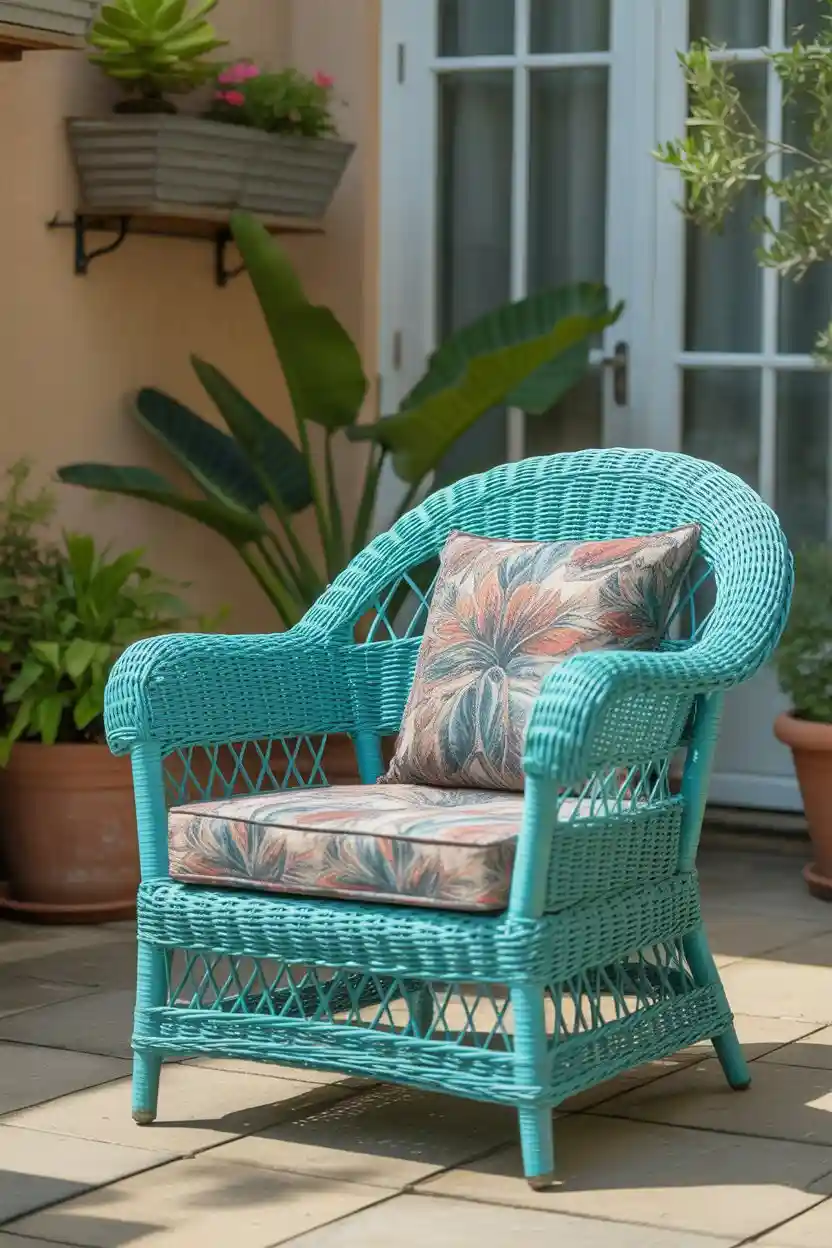
5. Wicker Chair Refresh with Bright Paint and New Cushions
Wicker takes paint beautifully if you spray it — brushing leaves drips in the weave. A bright turquoise or sunny yellow on a porch rocker, plus new cushions in a coordinating outdoor fabric, turns sad wicker into the happiest seat in the patio furniture, instantly brightening the whole outdoor space. Two light coats beat one heavy one; heavy paint bridges the weave and cracks within a season.
6. Upcycled Bar Stools with Industrial Metal and Wood Mix
Bar-stool conversion is a materials swap: keep a solid wooden seat, bolt it to an industrial metal base ($50–$80 for adjustable-height frames). Sand the seat to 180 grit and finish with hardwax oil — bar stools take abuse, and oil is repairable where poly chips. Counter height is 60–65 cm, bar height 75 cm; measure your counter before buying the base.

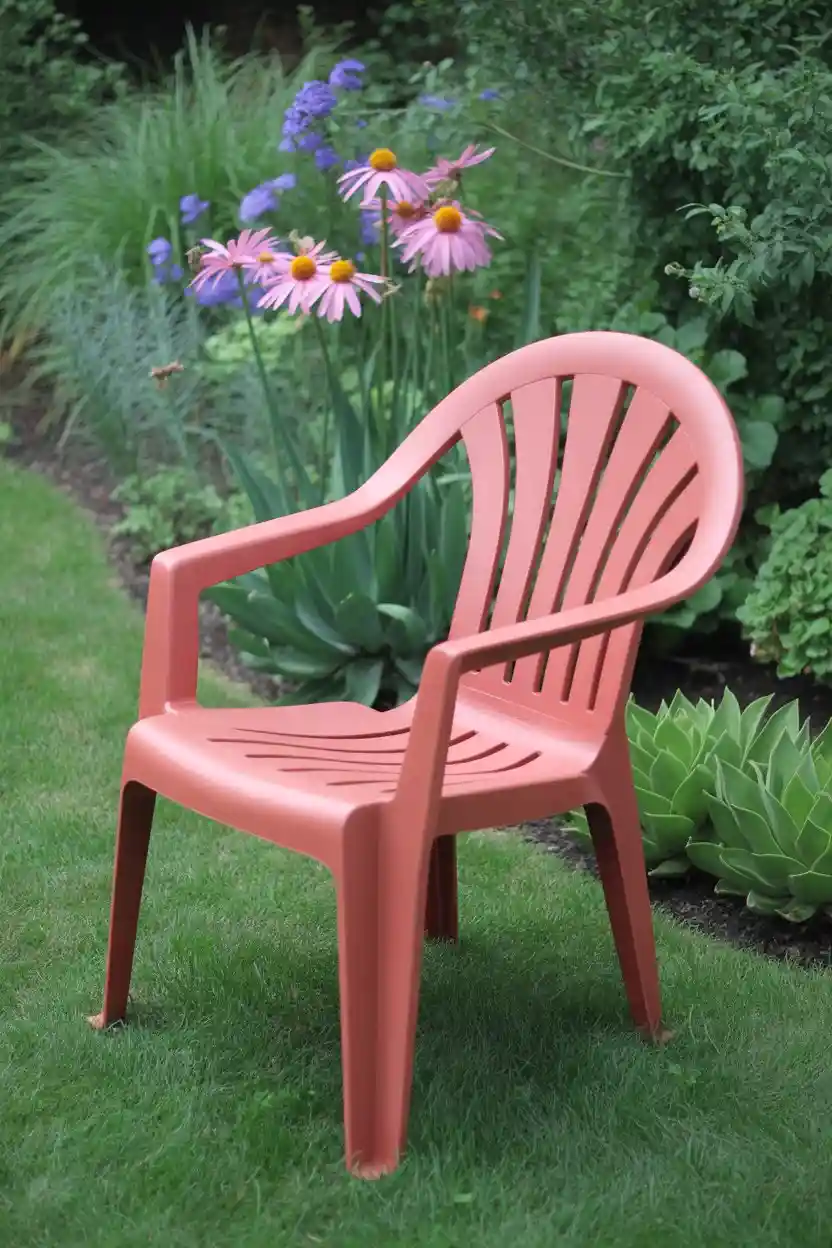
7. Painting Plastic Garden Chairs with Weatherproof Finish
Plastic garden chairs are paintable — lightly scuff with 220-grit, then use a plastic-bonding spray paint ($10–$12 a can, two cans per chair). Bright colors hide the cheapness; white just highlights it. It’s a $25 makeover that buys three more summers out of chairs headed for landfill, and outdoor cushions finish the job.
8. Reupholster Leather Dining Chairs with Bold Color or Texture
Worn leather doesn’t need replacing — it needs feeding: clean with saddle soap, then apply leather dye ($15 a kit) or a recoloring balm in thin layers. Cracked armrests can be filled with leather filler before dyeing. The result won’t fool anyone up close, but from across a dining room it reads as “vintage” instead of “wrecked.”
9. Repurposed Office Chair with New Fabric and Painted Frame
An ugly office chair is usually a good chair in disguise: the mechanism is fine, the fabric is just dated. Recover the seat and back with a durable upholstery fabric — staple-gun for the seat, spray adhesive for contoured backs — and spray the plastic frame matte black. Add a lumbar cushion and you’ve got a $400-feeling chair for about $60.

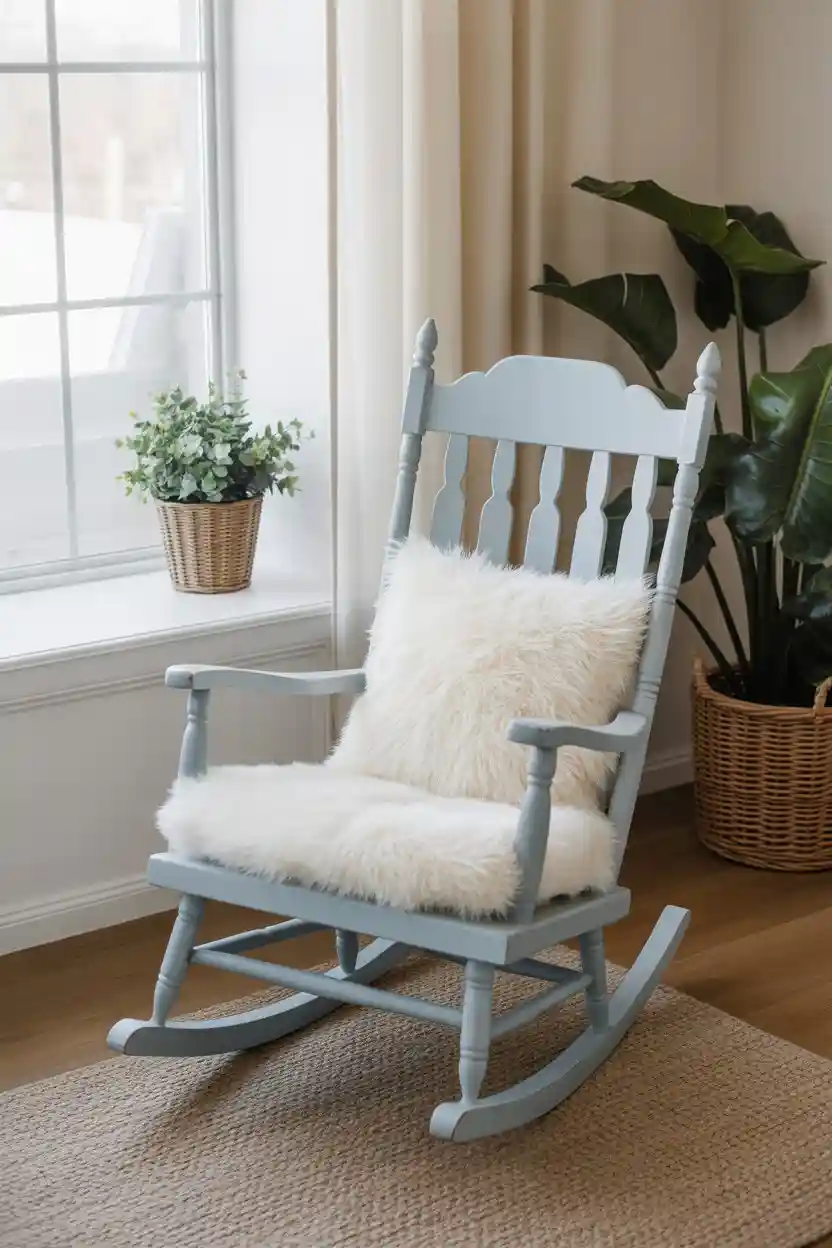
10. Rocking Chair Upcycle with Fresh Paint and Cushions
A rocking chair wants a soft color and softer cushions: sand it smooth (rockers get touched constantly, so splinters matter), paint in a pastel or a deep classic, and add a proper cushion — not a flat pad, but 7–8 cm of foam with ties. Nurseries, porches, reading corners: the rocking chair earns its place by being the most comfortable seat in the house.
11. Upcycled Captains Chair with Decoupage Detailing
Decoupage turns a plain wooden chair into a one-off: vintage maps, botanical prints, or sheet music applied with Mod Podge to the seat or backrest, sealed with three coats of poly. Keep the surrounding decor quiet — the chair is the art now. This works best on chairs with flat, uninterrupted surfaces; spindles and slats are a nightmare to paper.

12. Repainted and Refinished Ercol Chairs for Retro Style
Mid-century chairs like Ercols have the lines already — they just need the finish updated. Strip the old varnish, sand to 220, and repaint in a muted retro palette (olive, ochre, teal), or go back to clear oil to show the wood. Neutral cushions, nothing fussy. The design does the work; your job is just to stop hiding it under brown varnish.

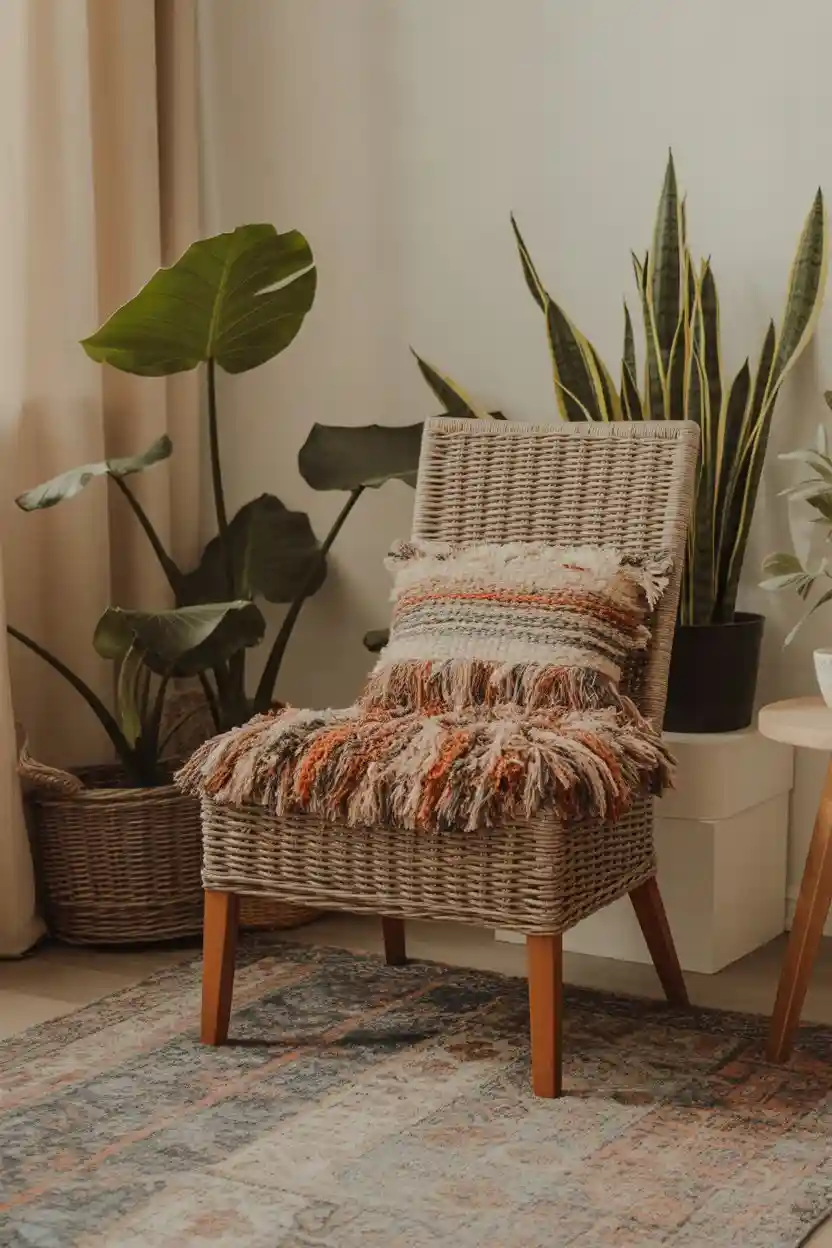
13. Wicker Chair Upcycle with Fabric Wrapped Frames
Wrapping wicker frames with yarn or fabric strips is the low-commitment boho update: no paint, no permanence, just color woven through the frame. Use outdoor acrylic yarn if the chair lives outside. It takes an afternoon per chair and peels right off if you change your mind — the rare upcycle with an undo button.
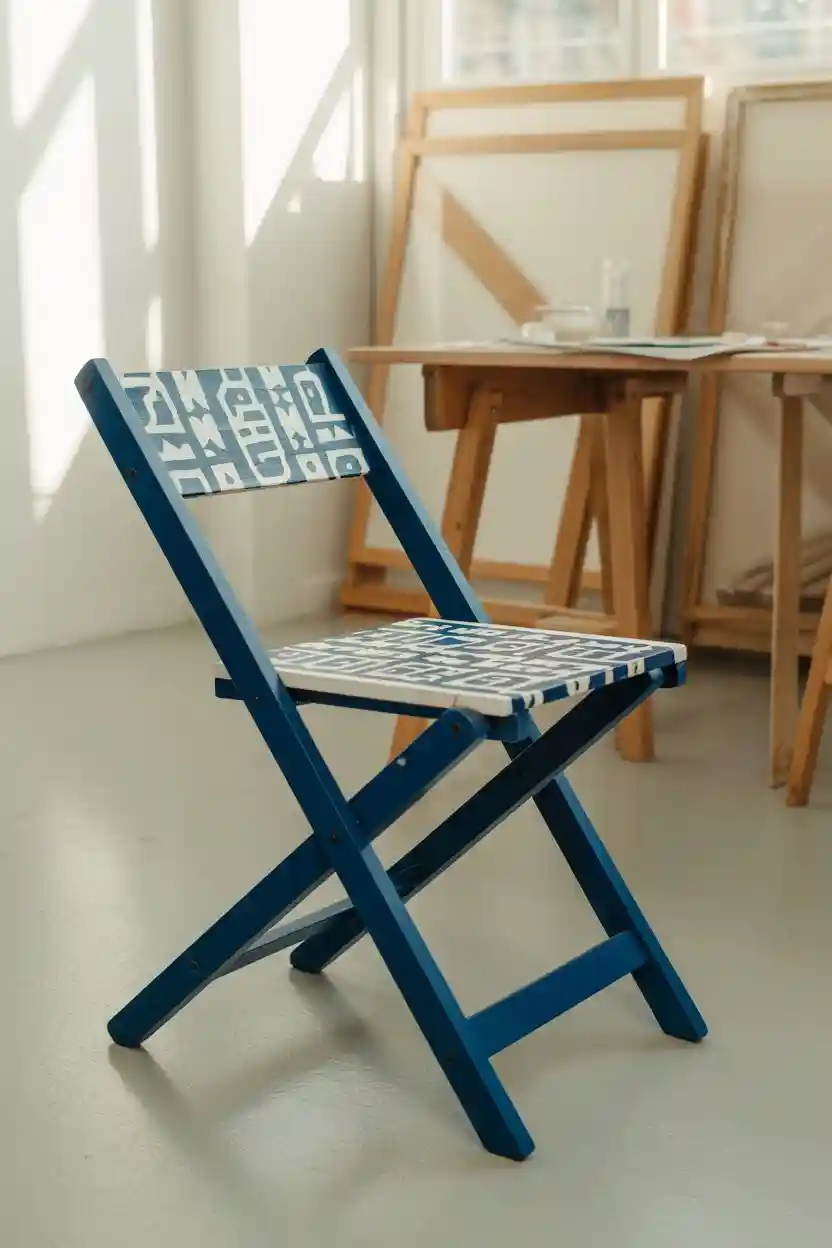
14. Folding Chair Makeover with Painted Patterns and Stencils
Folding chairs are the ugly workhorses of seating — stencil them and they become intentional. Geometric or floral patterns in durable enamel paint survive the folding; place the design where it won’t crease. These are event and spare-dining chairs, so durability matters more than delicacy.
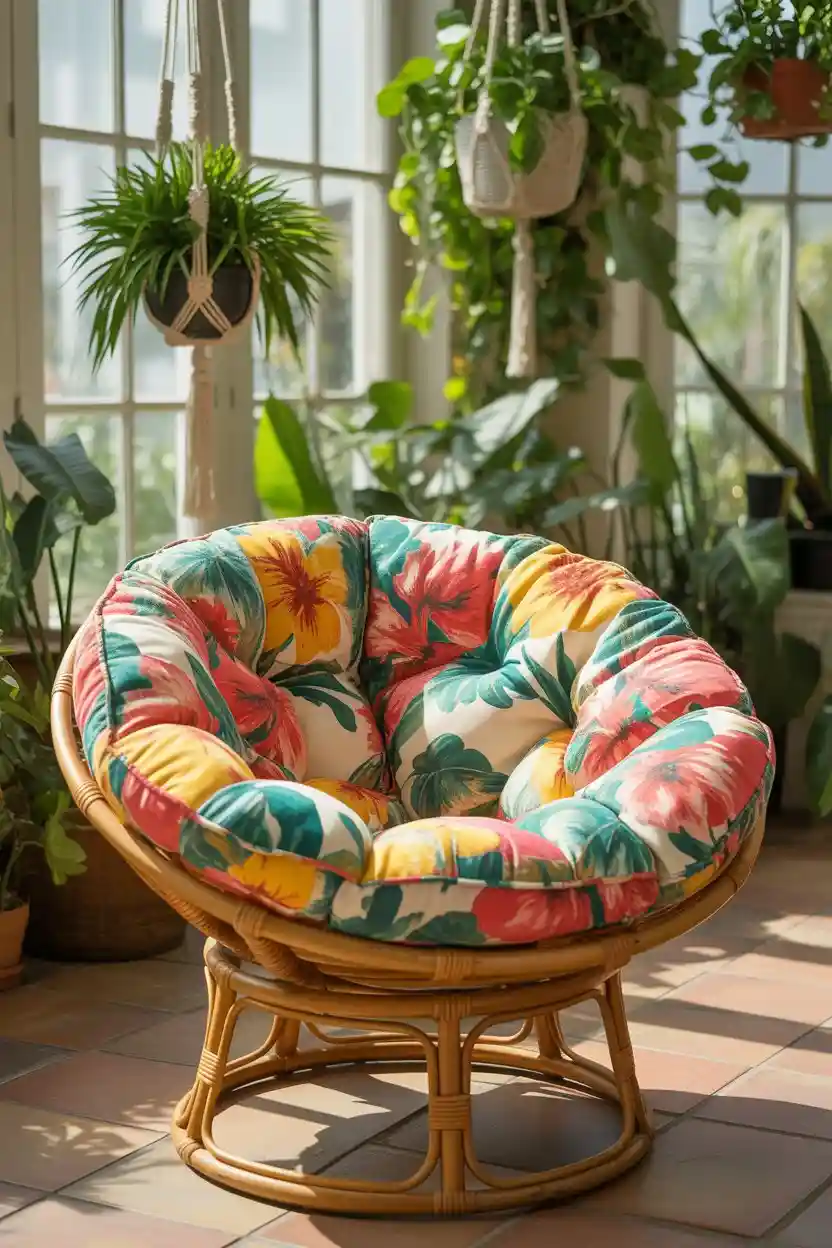
15. Repurposed Papasan Chair with New Cushions and Cover
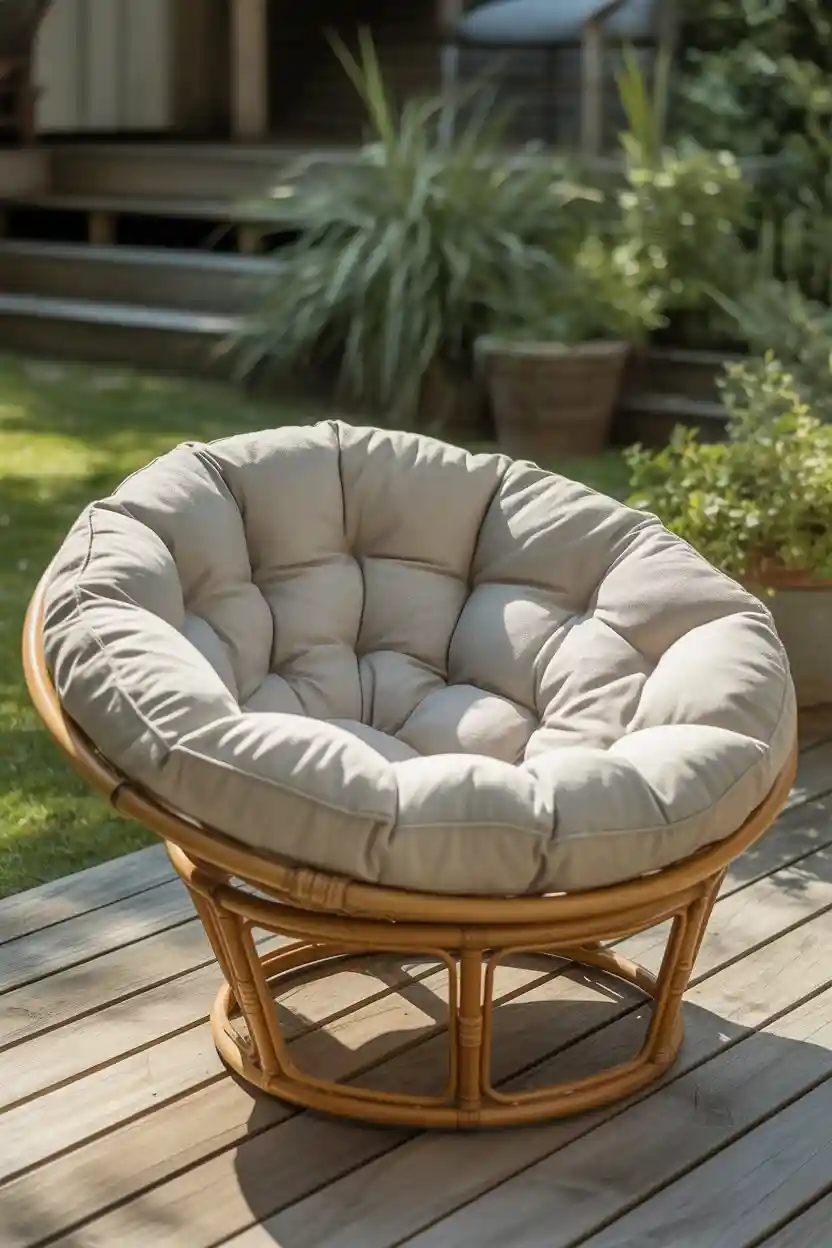
A papasan’s problem is always the cushion, never the frame: the rattan bowl lasts forever, the cushion goes flat. A new cover in a bold outdoor fabric ($20–$30 of fabric) plus fresh polyfill or a foam topper brings it back. Wipe down the rattan, touch it up with a clear coat — done, it’s the best seat in the house again.
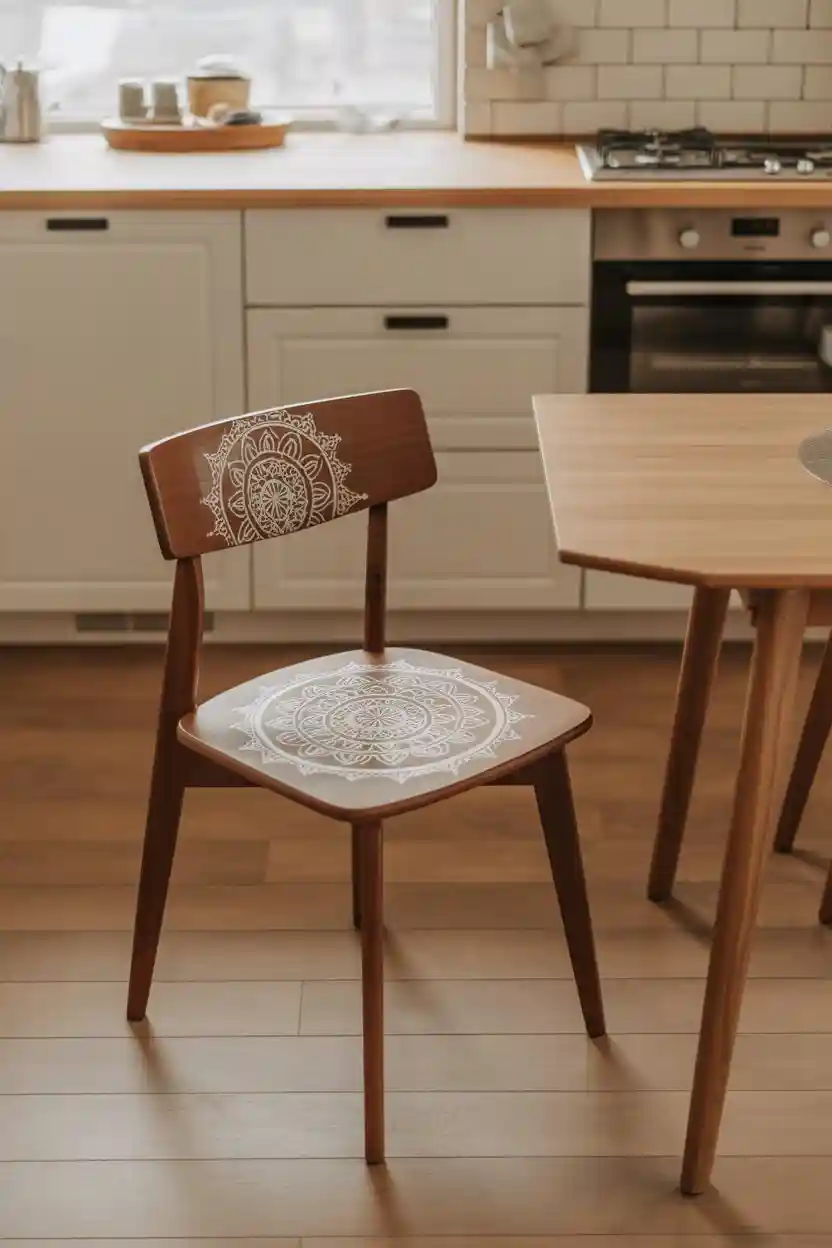
16. Upcycle Wooden Dining Chairs with Stencil Designs on Seats
Stenciling the seat of a wooden dining chair — a number, a motif, a short quote — is the handcrafted touch that makes a set feel personal. Contrasting paint on a natural or distressed seat reads best; keep the design centered and modest in scale. Seal it well, because chair seats take more abuse than any other painted surface in the house. upcycled modern furniture. Stenciled solid seats pair beautifully with distressed or natural wood frames — each chair becomes a small work of art instead of just a place to sit.
17. Upcycling Plastic Chairs with Upholstered Seat Pads
Custom seat pads are the no-commitment upgrade for plastic chairs: cut 5 cm foam to shape, wrap in weather-resistant fabric, and tie on with fabric straps or Velcro. Outdoor canvas ($15–$25/m) survives rain; indoors, anything goes. Choose washable covers — chair pads get gross faster than you’d think.

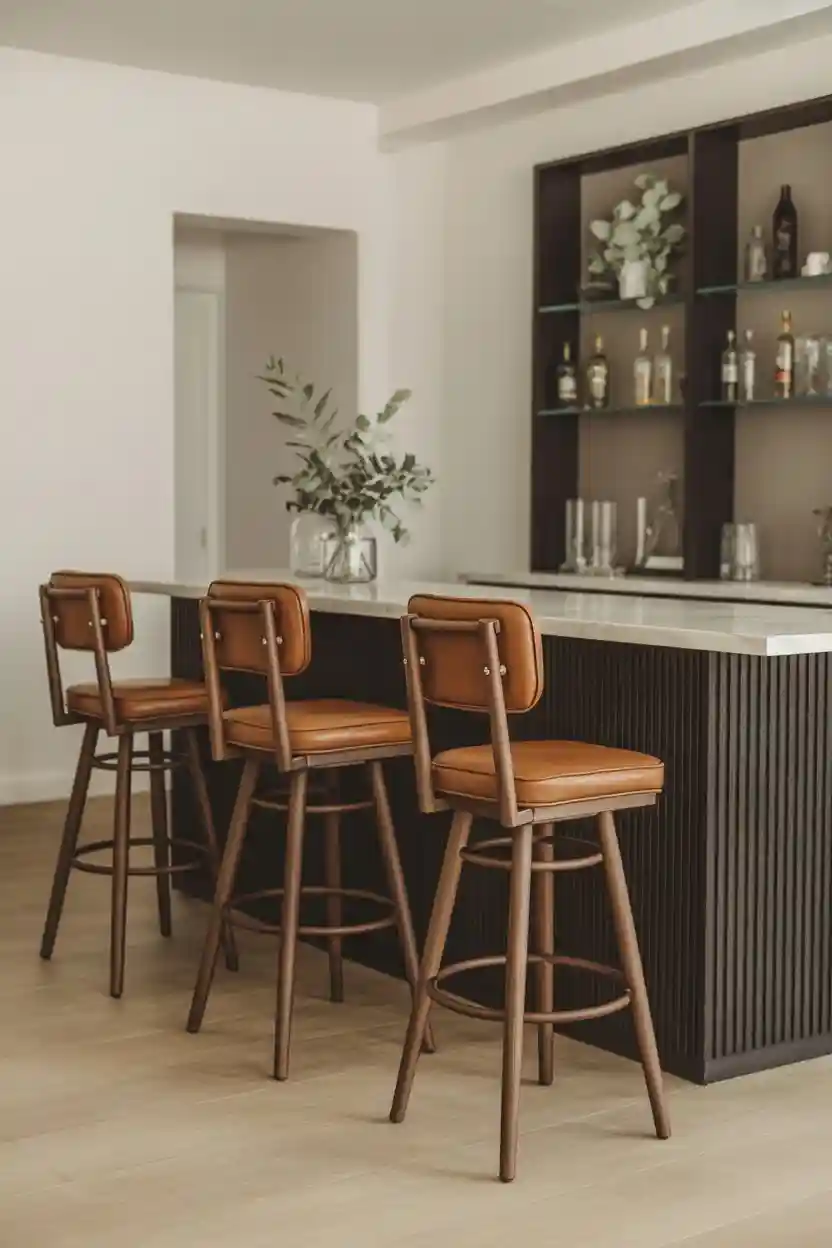
18. Repurposed Bar Stools with Painted Legs and New Seats
Bar stools refresh fastest at the two touchpoints: repaint the legs (a metallic or a confident color) and recover the seat. Leather or faux leather seats wipe clean — important at a kitchen island — while fabric shows every crumb. A two-hour project that changes the whole kitchen’s feel.
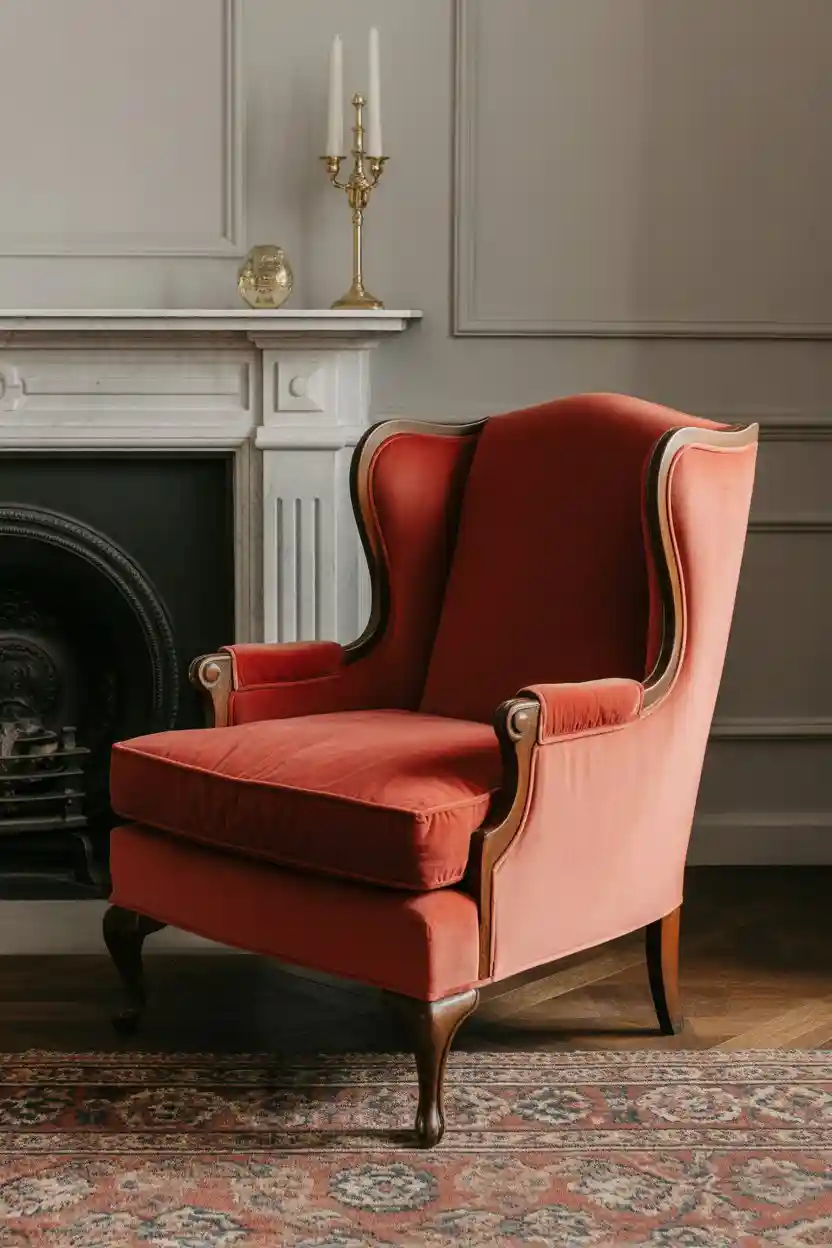
19. Upcycled Vintage Wingback Chairs with Bold Fabric
Give a wingback a dramatic second act with bold patterned fabric or rich velvet, and refinish the wooden legs dark so the upholstery leads. It belongs in living rooms or bedrooms as the statement piece — a classic shape in contemporary fabric that holds its own against anything new. upcycled dresser for stylish look Professional reupholstery on a wingback runs $400–$800, so this is the one upcycle where the DIY savings are genuinely huge. Take your time with the pattern matching; it’s what separates the amateur job from the pro one.
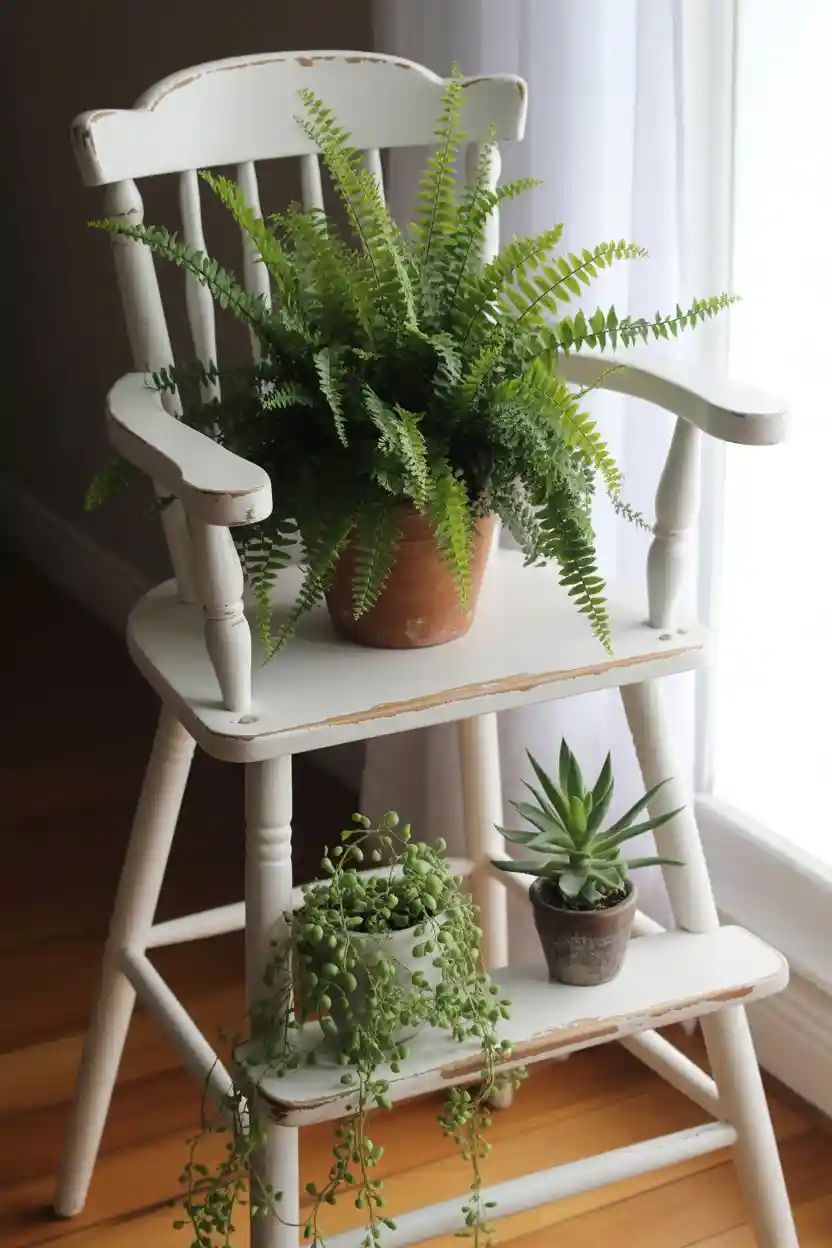
20. Upcycling Old High Chairs into Plant Stands
A retired high chair makes a perfect plant stand: the tray becomes the pot platform, the height (about 90 cm) puts plants at eye level, and the legs are already stable. Remove the straps and harness, paint it a confident color, and seal it — indoor plants need the moisture protection. One large plant beats a crowd of small ones on it.
21. Upcycle Rattan Chairs by Painting and Re-Cushioning
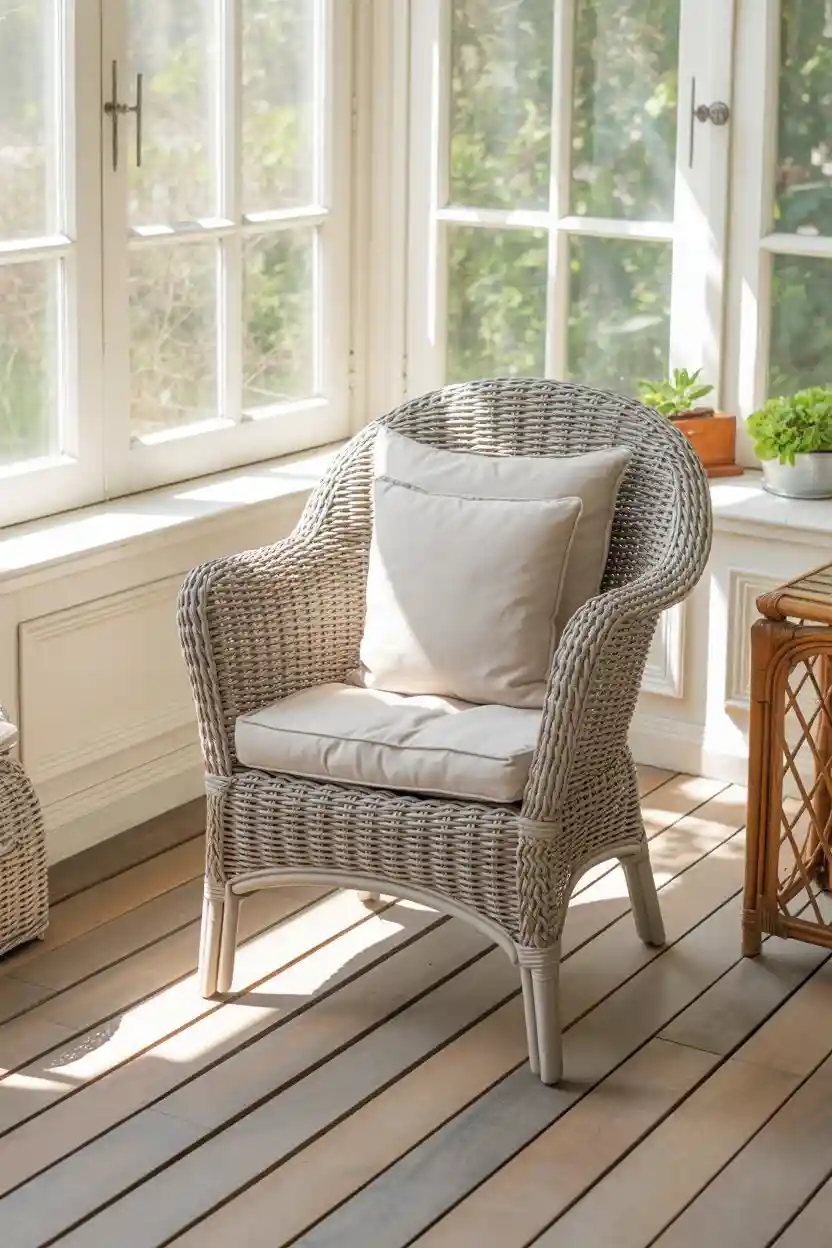
Rattan refreshes with paint like nothing else: the texture grabs color and looks intentional in both muted tones and brights. Spray is the application method — brushing rattan is punishment. New cushion covers in a fabric that picks up one color from the room tie it together. Sunrooms and patios are rattan’s natural habitat.
22. Repurposed Metal Chairs with Rust Removal and Colorful Paint
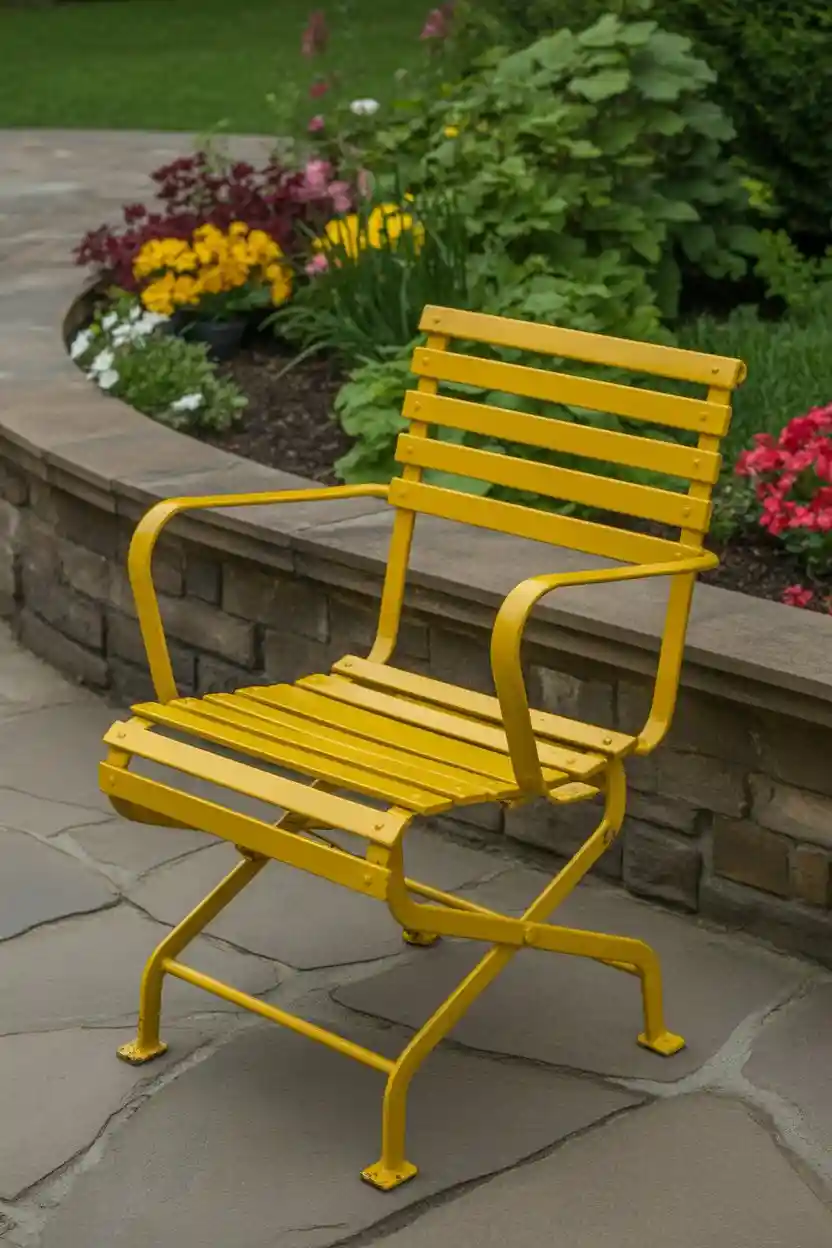
Rusty metal chairs aren’t dead until the rust goes through: sand to bare metal (a wire wheel on a drill for the bad spots), prime with rust-inhibiting primer, and topcoat with exterior enamel. The prep is 80% of the job — paint over rust and it bubbles within a season. Cushions soften the industrial edge for garden or loft use.
23. Upcycled Computer Chair with New Upholstery and Frame Paint
A tired computer chair gets the same treatment as an office chair: recover the seat and back, spray the frame. The difference is that ergonomics matter more here — choose a breathable, durable fabric (not vinyl, which gets sweaty) and check the gas lift still holds before investing the effort. A $50 refresh beats a $150 replacement that’s worse.

24. Upcycle Kitchen Chairs by Repainting and Adding Cushions
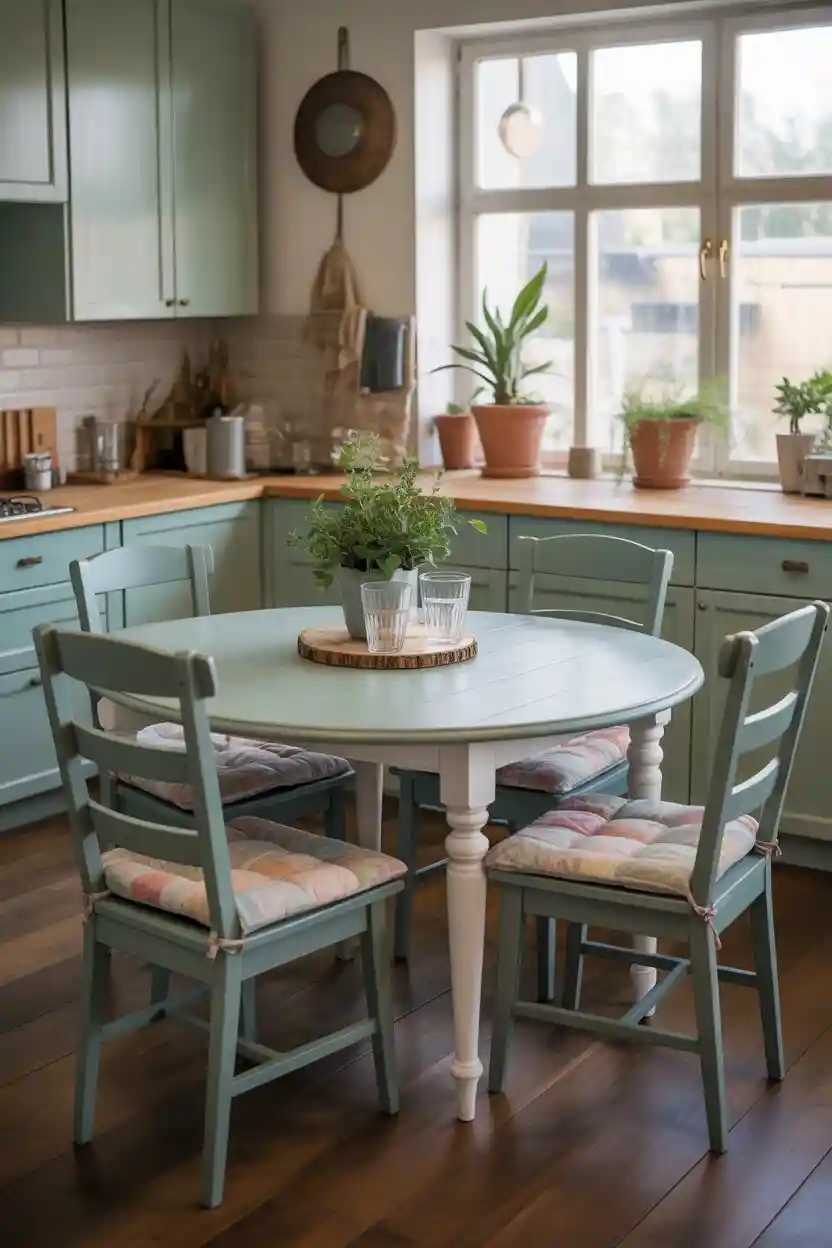
Painting kitchen chairs in coordinating colors — not matching, coordinating — is the lived-in look that makes a kitchen feel gathered rather than bought. Mix two or three colors from the same family, add patterned cushions, and the table becomes the spot people actually sit at. Chalk paint plus wax survives kitchen life if you reseal yearly.

25. Repurpose Papasan Chair Cushions for Outdoor Lounging
A dead papasan cushion doesn’t have to die: recover it in outdoor fabric and it becomes a floor pillow, a patio lounger, a reading-corner crash pad. Outdoor fabric matters — indoor fabric on the ground gets filthy in a week. It’s the rare upcycle that’s more useful than the original.
26. Upcycling Kitchen Table and Chairs for Coordinated Style
Refinishing the table and chairs as a set — same paint family, complementary finishes — is what makes a dining area look designed instead of assembled. Sand everything to the same level, use the same topcoat, and tie it together with a runner or cushions that pick up both tones. Cohesion is the whole trick; mismatched “character” just reads as clutter.
FAQs for Upcycled Chair Ideas