
Introduction
The first time I made roasted butternut squash soup, I did it wrong in almost every way that matters. I boiled the squash instead of roasting it, I forgot the onion, and I served it thin enough to drink from a mug like broth. My husband was kind about it. The second time, though, I roasted the squash until the edges caramelized, and the difference was honestly startling — deep, sweet, almost nutty, nothing like that first pale attempt. These 21 butternut squash soup recipes are everything I have learned since then, from the dead-simple classic I make on repeat to a Thai-spiced version that converted my spice-shy mother-in-law. Whether you want a weeknight shortcut or a soup worthy of the Thanksgiving table, you will find it here.
1. The Classic Roasted Butternut Squash Soup
This is the one I come back to every single October, and it is the recipe I hand to friends who say they have never made soup from scratch. You halve a butternut squash, scoop out the seeds, roast it cut-side down at 400°F until it collapses under a fork, and blend it with sautéed onion, garlic, and vegetable stock. A splash of cream at the end makes it silky, but it is honestly good without it. I learned the hard way that roasting the squash with the skin on saves a world of peeling pain — the flesh scoops right out. Serve it with crusty bread and you have dinner that tastes like you worked far harder than you did.
What you need
One large butternut squash, a yellow onion, three garlic cloves, four cups of stock, and a sturdy blender — my Vitamix earns its counter space on this soup alone.
2. Sage Brown Butter Butternut Squash Soup
If classic butternut squash soup is a cozy sweater, this version is the same sweater with really good jewelry. You brown butter in a light-colored pan until it smells nutty and turns amber, then fry fresh sage leaves in it until they crisp like little green chips. I drizzle the brown butter over each bowl and float two or three sage leaves on top. The first time I made it, I walked away from the butter for thirty seconds and came back to something closer to burnt than brown — so stay at the stove, and pull it the second it smells like toasted hazelnuts. It looks restaurant-fancy and takes about five extra minutes.

3. Curried Butternut Squash Soup
Curry powder and butternut squash were clearly made for each other — the squash’s sweetness tames the spice, and the spice keeps the soup from tasting one-note. I bloom a tablespoon of curry powder in the onions before adding stock, which wakes the spices up in a way that just stirring them in at the end never does. A can of coconut milk goes in near the end for body, and I finish with a squeeze of lime, which I once forgot and spent the whole meal wondering why the soup tasted flat. Do not skip the lime. A swirl of yogurt and a sprinkle of cilantro on top make it look like something from a café menu.
4. Butternut Squash Soup with Apple and Cheddar
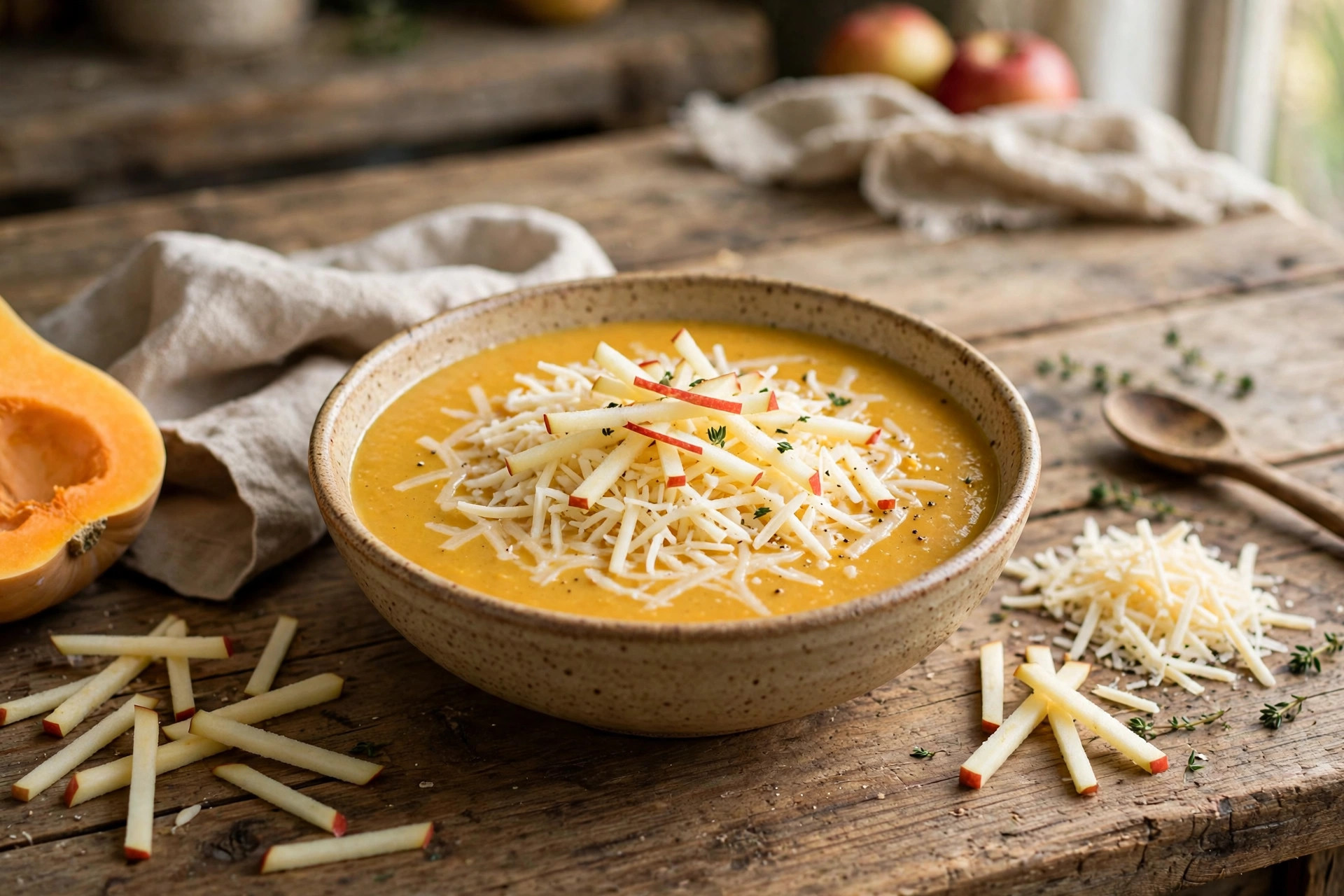
This one tastes like fall in a bowl, and I mean that in the least clichéd way I can manage. A tart apple — I like Granny Smith — roasted right alongside the squash adds brightness that cuts through the richness, and a handful of sharp white cheddar melted in at the end gives it a savory backbone. My kids, who eye most orange soups with suspicion, ask for this one by name, which tells you everything. Use a good aged cheddar if you can; the pre-shredded bag stuff melts into a slightly grainy texture that I find disappointing here. A few thin apple matchsticks on top make a pretty garnish.
5. Thai Coconut Butternut Squash Soup
When I want soup that tastes like a vacation, this is the bowl I reach for. Red curry paste, coconut milk, fresh ginger, and a hit of fish sauce (or soy sauce, if you prefer) turn roasted squash into something that tastes like it came from a Bangkok street stall — in the best way. I keep a tube of Thai Kitchen red curry paste in the fridge door specifically for this soup, because the jarred kind in the pantry always seems to have gone off by the time I want it. Finish with lime juice, chopped peanuts, and cilantro. It is the soup I make when friends come over and I want them to think I am more adventurous than I am.
How I styled it
I serve it in wide, shallow bowls so the toppings show, with a lime wedge perched on the rim and a small pile of chopped peanuts in the center.
6. Roasted Butternut Squash Soup with Fresh Ginger
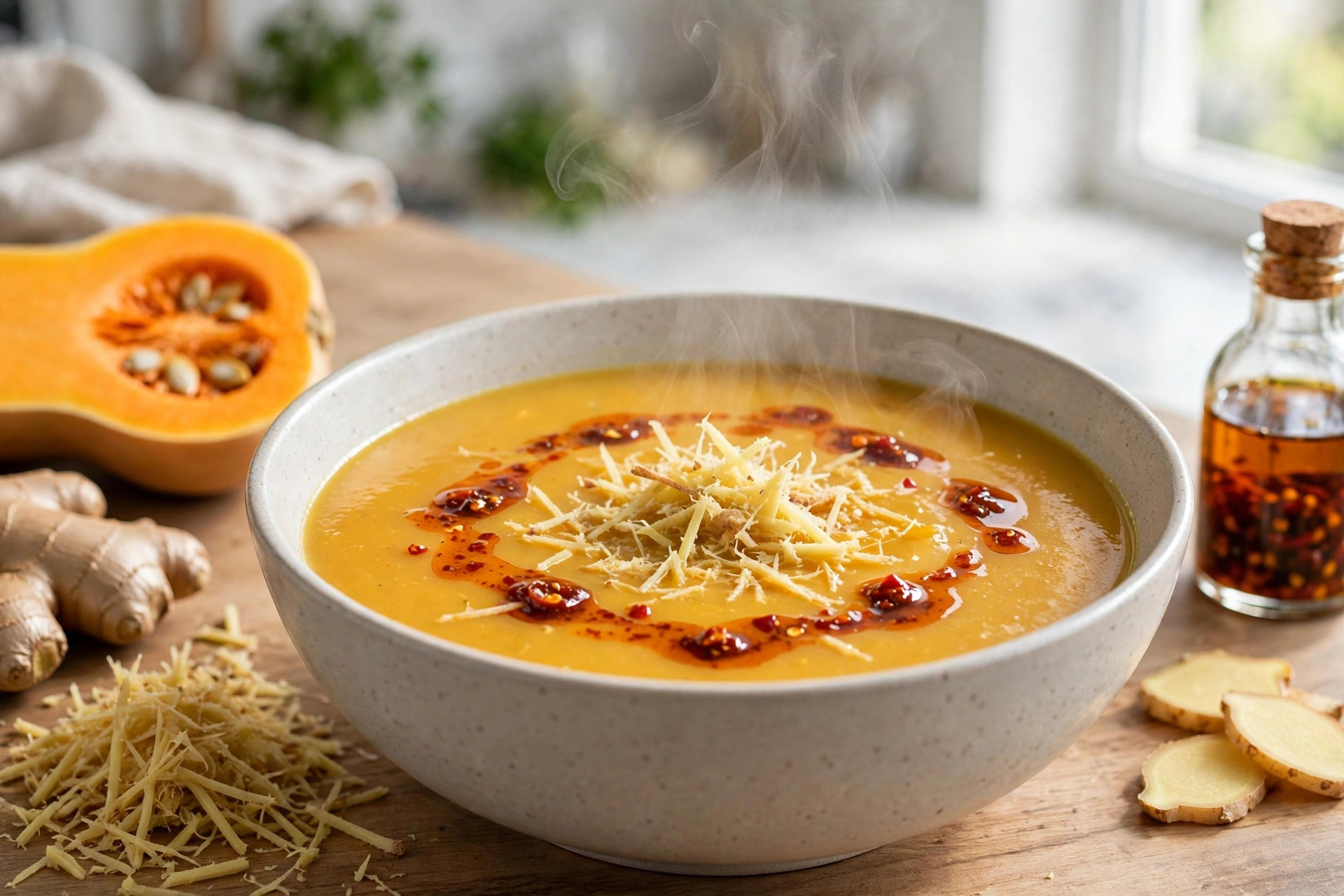
Ginger is the ingredient that makes people ask, “What is in this?” in a good way. I grate about two tablespoons of fresh ginger into the onion base and let it soften before blending — powdered ginger works in a pinch, but it lacks the bright, almost peppery bite of fresh. This is my go-to soup when someone in the house has a cold, because it feels warming in a way plain squash soup does not quite manage. I once doubled the ginger by accident and ended up with a soup that cleared sinuses three rooms away; a little restraint goes a long way. A drizzle of chili oil on top is lovely if you like heat.
7. Butternut Squash Soup with Crispy Sage and Pancetta
Some nights call for a soup with a little more swagger, and pancetta is how you get there. I dice it small and render it in the pot before the onions go in, so the fat flavors everything that follows. The crispy bits get scattered over each bowl along with fried sage, and the combination of salty, crispy, and silky is genuinely hard to stop eating. I buy pancetta from the deli counter at Whole Foods when I want the good stuff, but the pre-diced packets near the bacon work fine on a weeknight. If you keep it meatless for guests, the crispy sage alone still carries the dish.
8. Smoky Chipotle Butternut Squash Soup
Chipotle in adobo is my secret weapon for soups that need depth without a long ingredient list. One or two peppers, minced, plus a spoonful of the sauce, gives the squash a smoky warmth that builds slowly instead of punching you in the throat. I learned to start with one pepper and taste before adding more — chipotles vary wildly in heat, and I have made a batch my husband could barely finish. A dollop of sour cream and some toasted pepitas on top cool it down and add crunch. This is the soup I serve with quesadillas on nights when dinner needs to feel like a small event.
9. Butternut Squash Soup with Toasted Pepitas
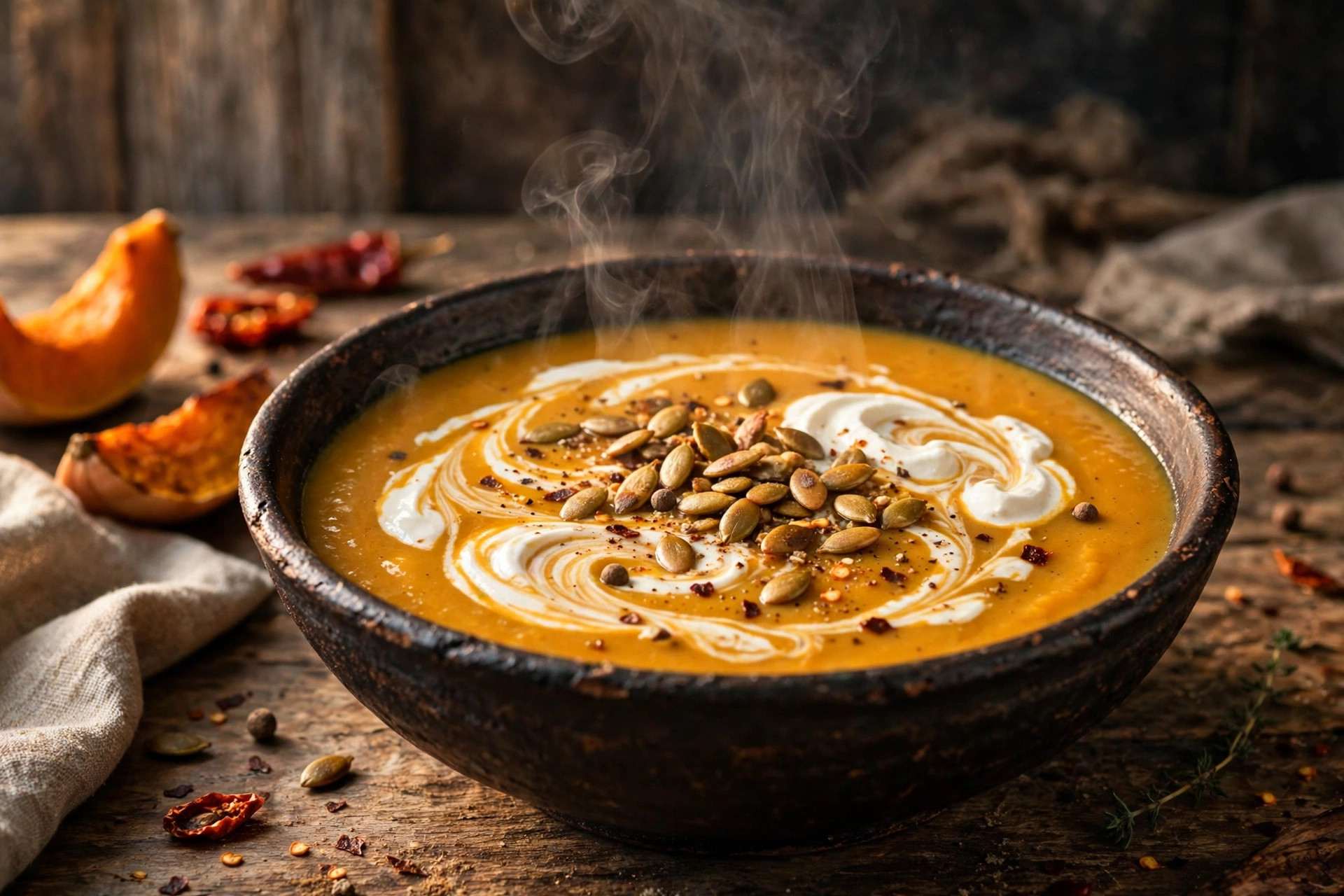
Sometimes the topping is the whole point, and toasted pepitas are that topping. I toast raw pumpkin seeds in a dry skillet until they pop and puff, then toss them with a pinch of smoked paprika and flaky salt. They add crunch, nuttiness, and a pop of green against the orange soup that makes the bowl look like it belongs on a magazine page. The soup itself stays simple here — roasted squash, onion, stock, a little cream — because the pepitas do the talking. I keep a jar of the toasted seeds in the pantry now, because they also disappear onto salads and roasted vegetables all week.
10. Slow Cooker Butternut Squash Soup
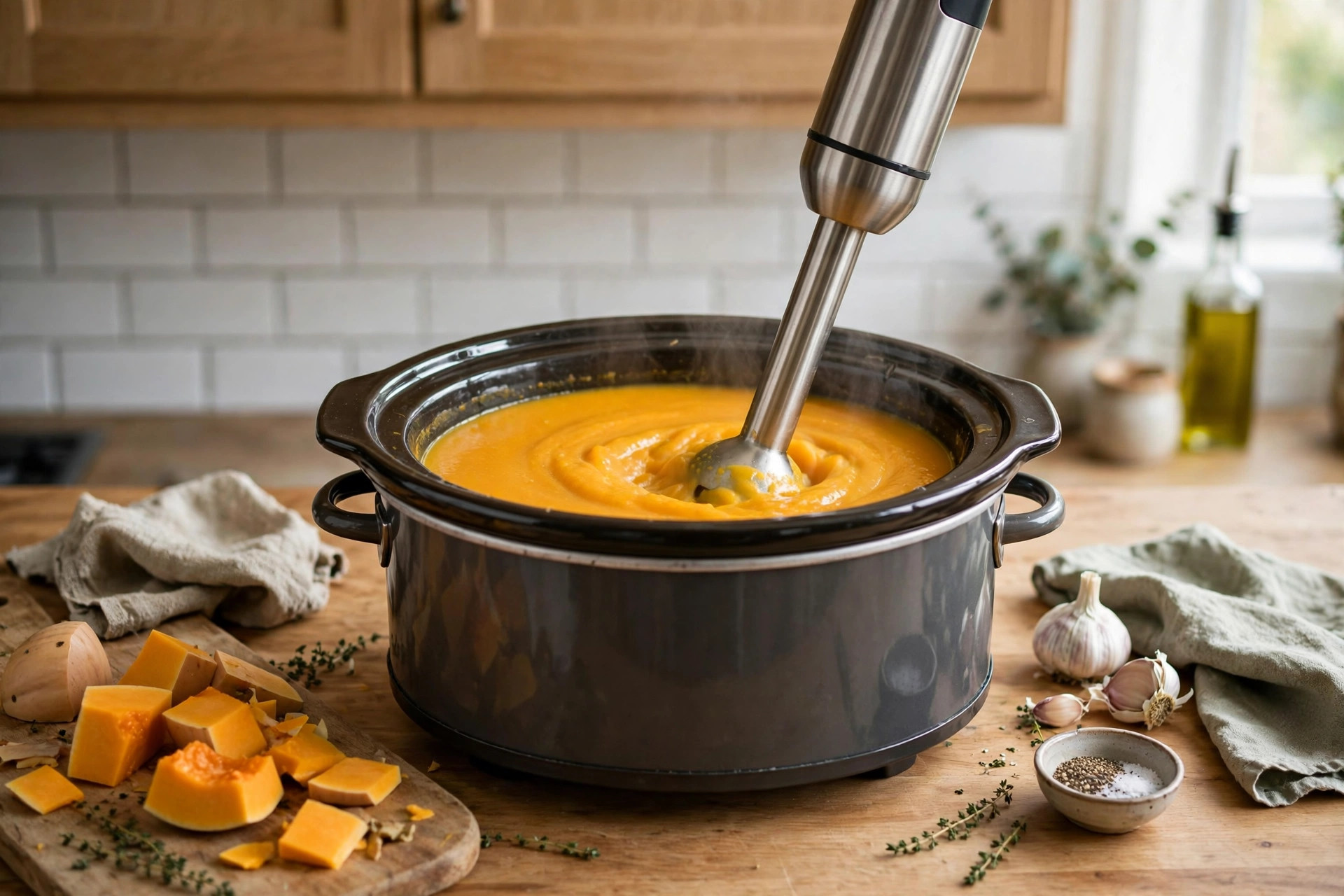
This is my set-it-and-forget-it answer for busy days, and honestly it is the version I make most often between October and January. Cubed squash, onion, garlic, and stock go into the slow cooker on low for six hours, and by dinner the squash is so soft it practically blends itself. I use my immersion blender right in the crock, which saves washing the big blender — one of those small choices that makes weeknight cooking feel doable instead of draining. A word of caution from experience: do not add the cream until the end, or it can separate during the long cook. Stir it in during the last fifteen minutes.
11. Instant Pot Butternut Squash Soup
When I forgot to start the slow cooker and still want soup by six, the Instant Pot saves dinner. Cubed squash, onion, and stock pressure-cook in eight minutes, and the whole thing is blended and on the table in about half an hour. I was skeptical of pressure-cooked soup for years — I assumed it would taste rushed — but the squash gets so soft under pressure that the texture is actually silkier than my stovetop version. One honest tip: use less stock than you think you need, because almost no liquid evaporates under pressure, and thin soup is the one flaw this method invites.
12. Butternut Squash Soup with Roasted Garlic
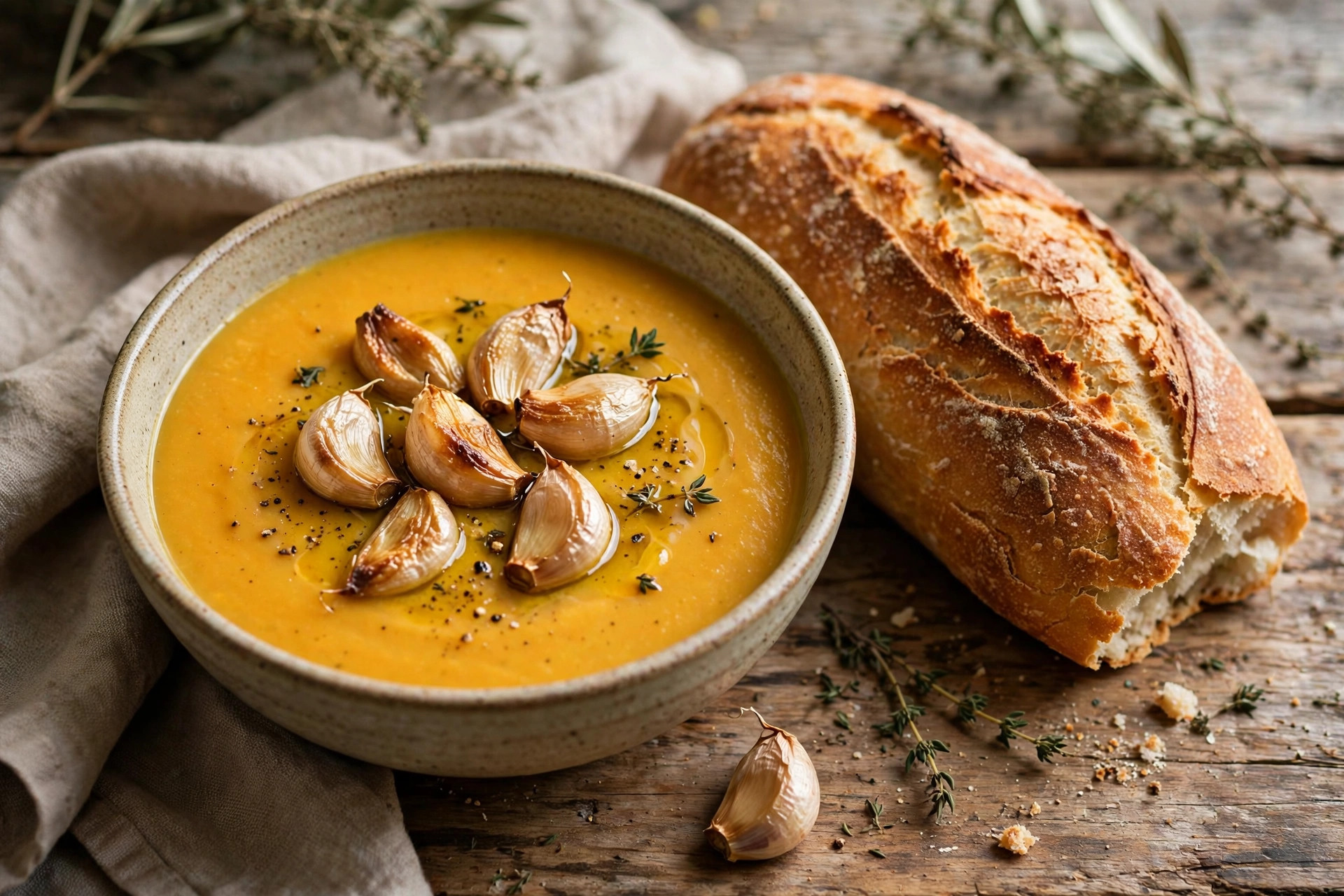
Roasting a whole head of garlic alongside the squash is one of those tiny moves that changes everything. The cloves turn sweet, soft, and spreadable, and when you squeeze them into the blender, they give the soup a mellow, caramelized depth that raw or sautéed garlic never quite achieves. I wrap the head in foil with a drizzle of olive oil and roast it on the same sheet pan as the squash — no extra dishes, which matters on a weeknight. Save a few cloves to smear on the bread you serve alongside, because someone at the table will ask for it. Probably you.
13. Butternut Squash Soup with Maple and Bacon
Maple syrup in soup sounds odd until you try it, and then it makes perfect sense — squash is already sweet, and a tablespoon or two of real maple syrup deepens that sweetness instead of adding a sugary taste. I use Grade A dark maple syrup, which has more flavor than the lighter grades, and I crisp bacon separately so it stays crunchy on top. This is my Thanksgiving starter soup, and it pairs beautifully with the rest of the table — if you are planning the full spread, my Thanksgiving side dish recipes will help you round out the menu. Just do not use pancake syrup here; the artificial stuff tastes wrong in a way nobody can quite name but everyone notices.
14. Butternut Squash and Carrot Soup
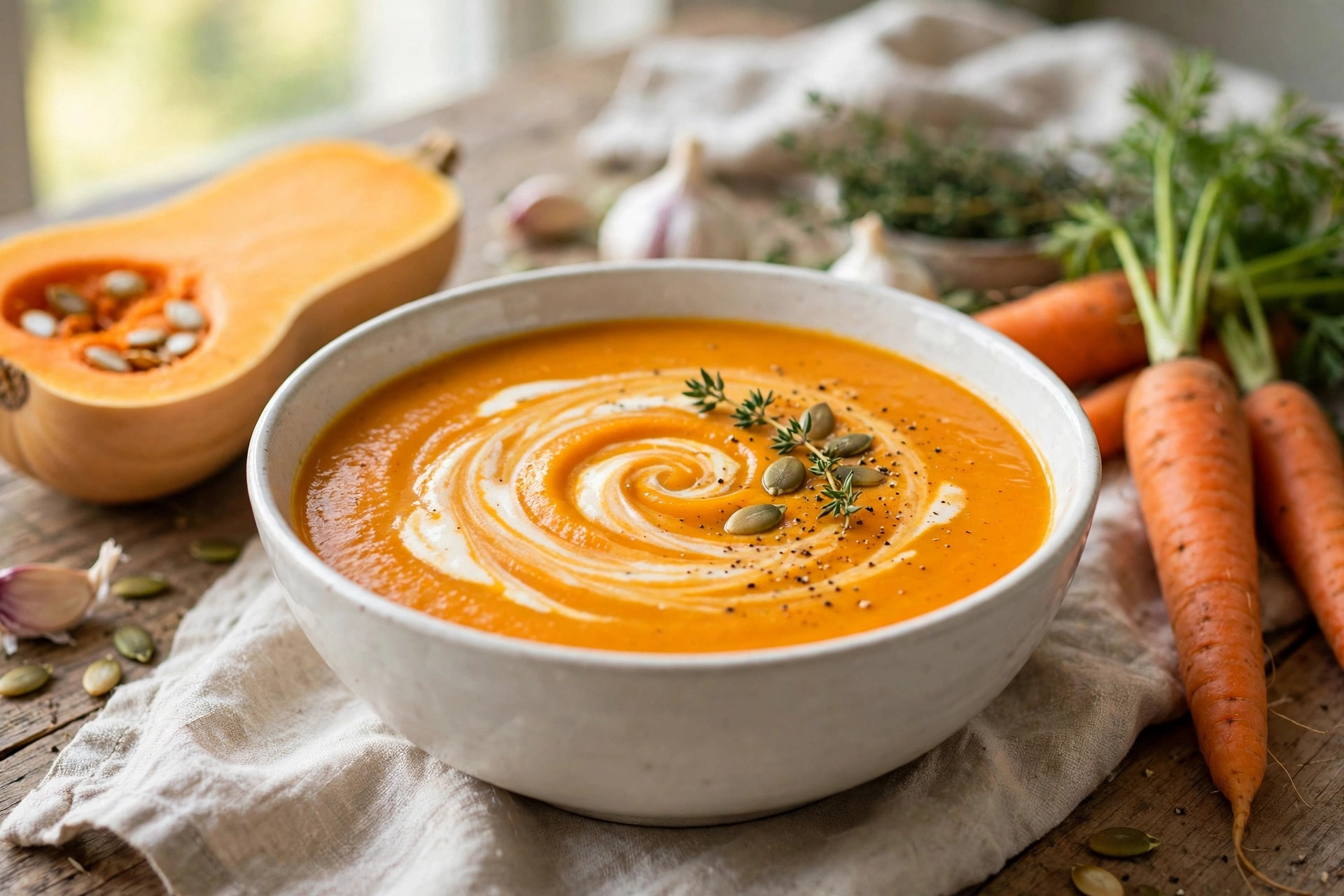
Adding carrots is the easiest way to stretch one squash into soup for a crowd, and they bring their own sweetness and a gorgeous deep-orange color. I roast the carrots right on the same sheet pan, cut into similar-sized pieces so everything finishes together — uneven pieces mean some burn while others stay hard, a mistake I made exactly once. A pinch of cumin and a squeeze of orange juice at the end brighten the whole pot. This is the soup I make in a double batch for the freezer, because it reheats better than almost any soup I know, and having it on hand in January feels like a gift from past me.
15. Butternut Squash Soup with Coconut Cream and Lime
This is the dairy-free version I make for my lactose-intolerant sister, and I have stopped telling guests it is dairy-free because nobody ever guesses. Full-fat coconut milk — the canned kind, shaken well — blends into a richness that honestly rivals cream, and the lime zest at the end keeps it from feeling heavy. I chill the can overnight and scoop the thick cream off the top for an extra-luxe swirl, which is a trick I picked up from a Thai cookbook years ago and have never abandoned. Toasted coconut flakes on top add crunch and make the bowl look intentional rather than improvised.
How I styled it
I swirl the coconut cream with the back of a spoon in a loose spiral, then scatter toasted coconut and a few lime zest curls over the top.
16. Butternut Squash Soup with Brown Butter and Thyme
If sage brown butter is the fancy cousin, thyme brown butter is the quiet, reliable one I actually make more often. Fresh thyme leaves stripped from their stems fry up in brown butter in about a minute, and their earthy, slightly lemony flavor sits beautifully against the squash. I grow thyme in a pot by the kitchen door, which means I can snip it fresh even in December — one of the few herbs that tolerates my neglect. This soup is my answer for a simple weeknight dinner that still feels like I tried, especially with a hunk of sourdough for dipping. It also makes a lovely first course if you are building a fall menu around my Thanksgiving appetizer recipes.

17. Butternut Squash Soup with Parmesan Crisps
Parmesan crisps — little lacy rounds of baked cheese — are the garnish that makes people think you went to culinary school. They are just grated Parmesan baked on parchment until golden, and they take about eight minutes. I lean one against the side of each bowl like a sail, and guests inevitably ask how I made them before they even taste the soup. Use real Parmigiano-Reggiano if you can; the pre-grated kind has anti-caking agents that keep it from melting into a proper lace. The soup underneath stays simple and classic, because the crisps bring all the salty, savory drama the bowl needs.
18. Butternut Squash Soup with Roasted Red Pepper
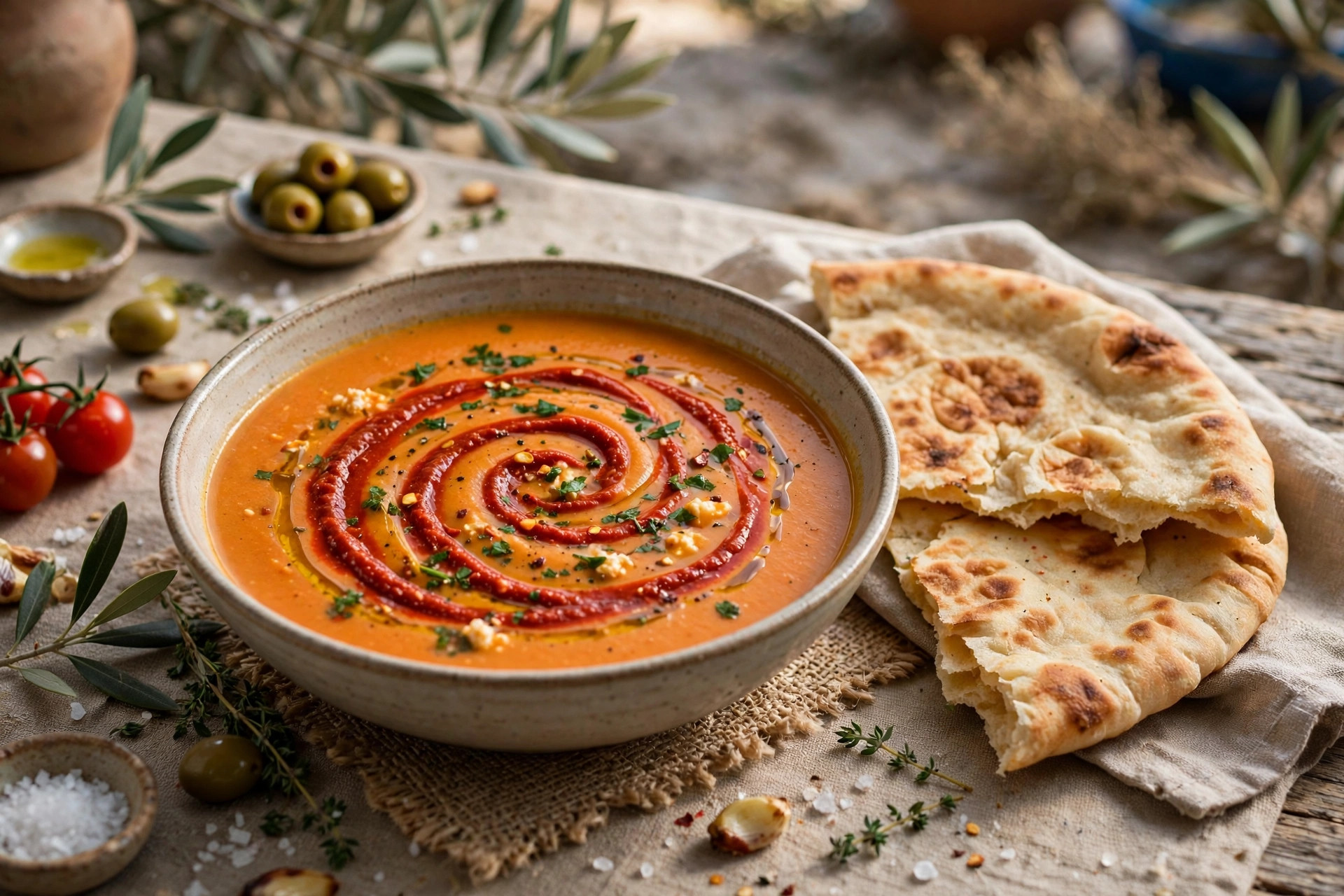
Roasting a red pepper alongside the squash adds a smoky-sweet note and a beautiful rosy tint that makes the soup look different from every other orange bowl on the table. I char the pepper under the broiler when I am short on time, or roast it on the same pan if the oven is already on — either way, peel off the blackened skin before blending, or the texture turns papery. A spoonful of harissa stirred in at the end takes it in a North African direction that I love with warm flatbread. This is the soup I bring to potlucks, because it travels well in a slow cooker set to warm.
19. Butternut Squash Soup with Cinnamon and Nutmeg
A pinch of cinnamon and a grating of fresh nutmeg push this soup toward the cozy, almost pie-spiced end of the spectrum, and I love it for that. I am careful with the cinnamon — a quarter teaspoon is plenty, and more turns the soup into something that tastes like dessert, which is not the goal at dinner. Freshly grated nutmeg makes a real difference here; the pre-ground jar in my spice rack lost its perfume years ago, and I only keep it out of habit. This is the soup I serve on the first genuinely cold night of the year, with a fall baking recipe on the side, usually something apple.
20. Butternut Squash Soup with Kale and White Beans
When soup needs to be dinner all by itself, this is the version I make. Ribbons of kale wilted in at the end and a can of white beans stirred through turn a light starter into a genuinely filling meal, with protein and fiber that keep everyone full. I use lacinato kale — the flat-leaf kind — because it stays tender instead of turning tough, and I massage it briefly with salt before it goes in, a trick borrowed from salad-making that works just as well here. A squeeze of lemon at the end brightens the greens. It is the soup I make most in January, when we are all craving something hearty but not heavy.

21. Butternut Squash Soup with Grilled Cheese Croutons
Yes, this is exactly as good as it sounds. I make a proper grilled cheese — good sourdough, sharp cheddar, butter in a cast-iron skillet until deeply golden — then cut it into cubes and float them on the soup like croutons that went to finishing school. The first time I did this, my son declared it the best dinner I had ever made, and he has not stopped requesting it since. The trick is to add the cubes at the very last second, so they stay crisp on top and just start to melt underneath. Serve it as the main event with a simple salad, and if you are planning a whole Thanksgiving spread, pair it with my Thanksgiving charcuterie board ideas for a table that covers every craving.
Styling Tips
- Roast, do not boil, the squash — caramelized edges are where the flavor lives, and boiling gives you a soup that tastes washed out.
- Blend in batches and never fill the blender more than two-thirds full with hot soup; the steam needs room or the lid will blow off. I learned that one the messy way.
- Swirl, do not stir, your cream or coconut milk garnish — a visible swirl looks deliberate and photographs beautifully.
- Taste for acid at the end: a squeeze of lemon or lime wakes up a soup that tastes flat, even when the seasoning is right.
- Freeze soup in flat zip-top bags laid on a sheet pan — they stack neatly, thaw fast, and save a fortune in containers.
- Set the table with a Thanksgiving tablescape in mind even for a weeknight soup; a cloth napkin and a real bowl make a simple soup feel like an occasion.
Frequently Asked Questions
How do you make roasted butternut squash soup? Halve a butternut squash, scoop out the seeds, and roast it cut-side down at 400°F until very tender, about 40-45 minutes. Meanwhile, sauté onion and garlic in olive oil. Scoop the squash flesh into a pot with the onion mixture and four cups of stock, simmer briefly, then blend until silky. Season with salt, pepper, and a splash of cream, and finish with your favorite toppings.
Do you peel butternut squash before roasting for soup? No — and skipping the peel is one of the best shortcuts in soup-making. Roast the squash with the skin on, cut-side down, and the flesh scoops out easily with a spoon once it is tender. Peeling raw butternut squash is hard work and risks a slipped knife; roasting first makes it effortless. The skin does not go into the soup, so you get all the flavor with none of the wrestling.
How do you thicken butternut squash soup? The easiest way is to use less stock and blend thoroughly — squash is naturally starchy and thickens well on its own. If it is still thin, simmer it uncovered for 10-15 minutes to reduce, or blend in a peeled cooked potato or a handful of white beans. A spoonful of cream cheese or a swirl of coconut cream also adds body. Avoid flour or cornstarch if you can; they dull the clean squash flavor.
Can you freeze butternut squash soup? Yes, it freezes beautifully for up to three months. Cool it completely, then freeze in airtight containers or flat zip-top bags, leaving headspace for expansion. Freeze it before adding cream or dairy toppings, which can separate on reheating — stir cream in fresh after thawing. Thaw overnight in the fridge and reheat gently on the stove, adding a splash of stock if it thickened too much.
Final Thoughts
Here is what all those pots of soup taught me: roasted butternut squash soup is forgiving, flexible, and almost impossible to ruin once you roast the squash properly. Start with the classic, then wander — add curry one week, chipotle the next, grilled cheese croutons when you want to be a hero. Pick the version from this list that made your mouth water, roast a squash this weekend, and keep a batch in the freezer for the night you need it most. That is the real magic of this soup: it tastes like autumn, and it is waiting for you whenever you want it.