16 Leafy Greens Container Layout Ideas for Fresh Vegetables
There is something so satisfying about walking out to your balcony or patio and snipping fresh lettuce for tonight’s salad. I started growing leafy greens in containers a few years ago when I had no yard space, just a narrow apartment balcony and a lot of hope. That tiny experiment changed the way I think about food, space, and what it means to grow something with your own hands.
You do not need a big garden or a green thumb to make this work. What you need is a good layout idea, the right containers, and a little patience — the same principles behind any budget raised bed garden, scaled down to pots. I remember feeling completely overwhelmed the first time I tried to figure out which greens to pair together and which pots would actually hold enough soil for healthy roots. Once I started experimenting, everything clicked.
We are going to walk through 16 container layout ideas that are genuinely practical, space-smart, and beginner bed vegetable gardenfriendly. Whether you have a sunny windowsill, a small patio, or a rooftop spot, there is a setup here that will work for you. I want you to finish reading this and feel ready to go plant something today.
1. The Tiered Ladder Shelf Layout
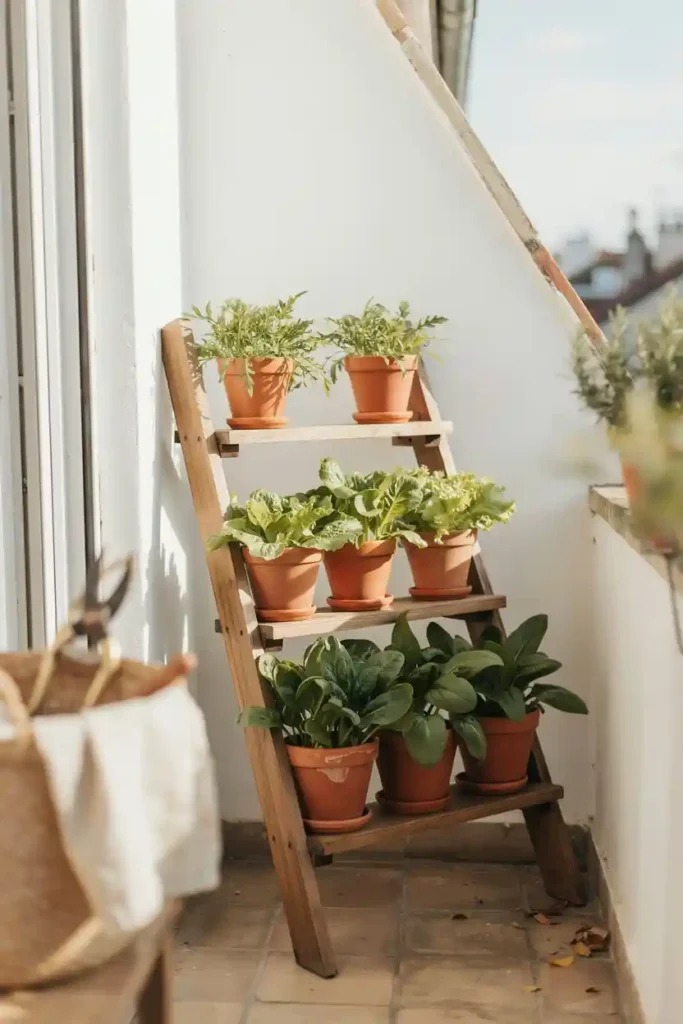
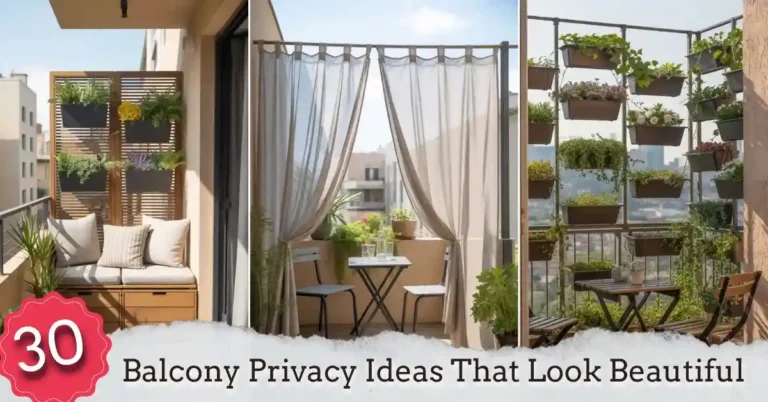
A tiered ladder shelf is one of the most efficient ways to grow multiple leafy greens in a tiny footprint — small raised the small-space equivalent of a raised bed. You can fit spinach on the bottom, arugula in the middle, and loose-leaf lettuce at the top where it catches the most light. I love this layout because it turns your growing space into something that also looks styled and intentional on a patio or balcony.
2. The Window Box Row Setup
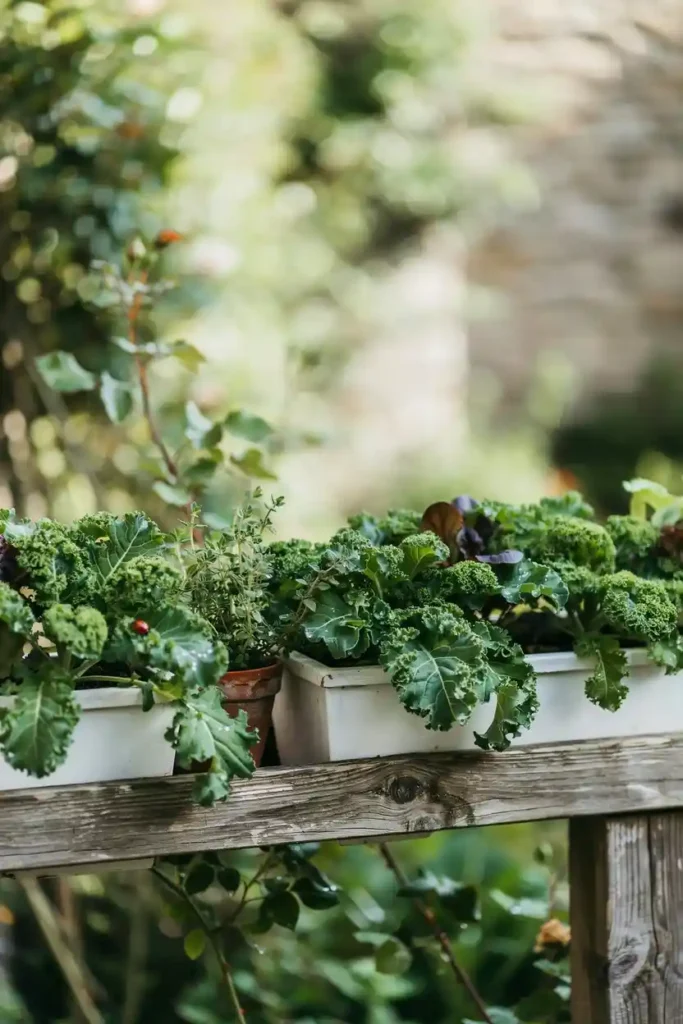
Window boxes mounted along a railing or wall give you a long, shallow growing strip that works beautifully for cut-and-come-again greens like mesclun and kale. Plant in staggered rows so every seedling gets light without crowding its neighbor. I personally use three window boxes side by side and rotate what I plant each season to keep the soil happy.
3. The Deep Fabric Pot Cluster
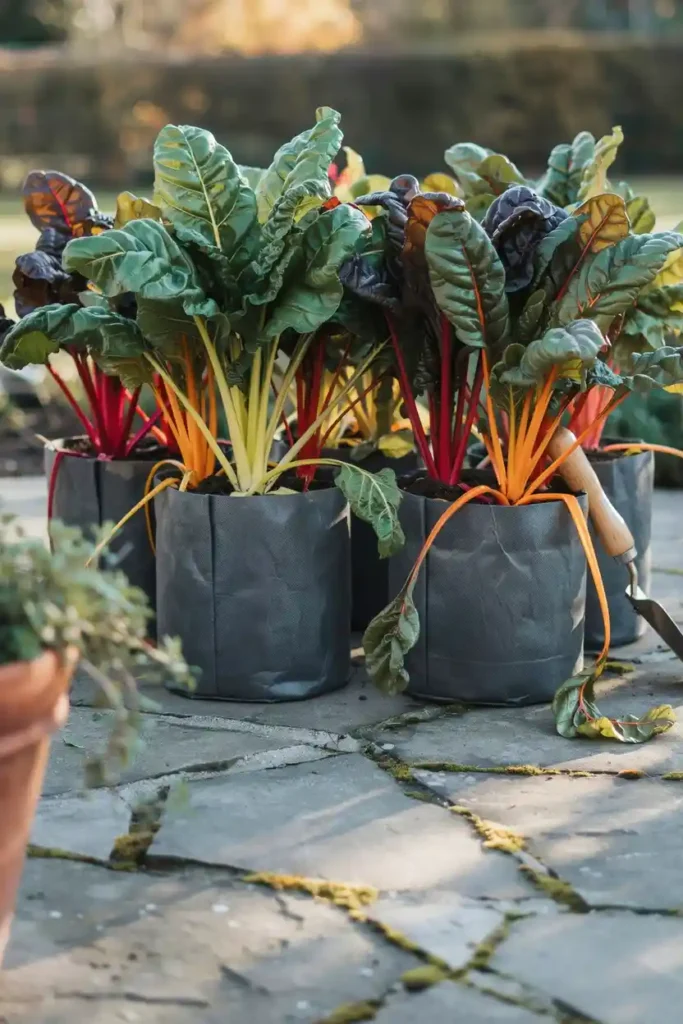
Fabric pots grouped together in a cluster are fantastic for growing Swiss chard, beet greens, and deep-rooted varieties that need more than six inches of soil. The breathable fabric keeps roots from getting waterlogged, which is one of the biggest beginner mistakes. Arrange three to five fabric pots in a loose circle so you can reach every plant easily without stepping over anything.
4. The Vertical Pocket Planter Wall
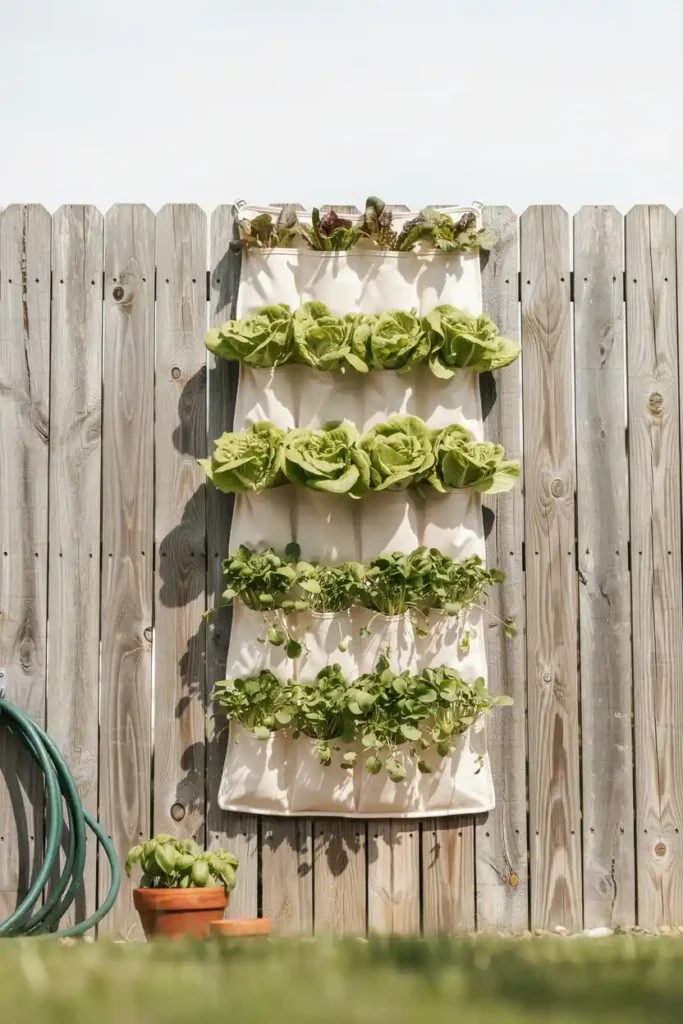
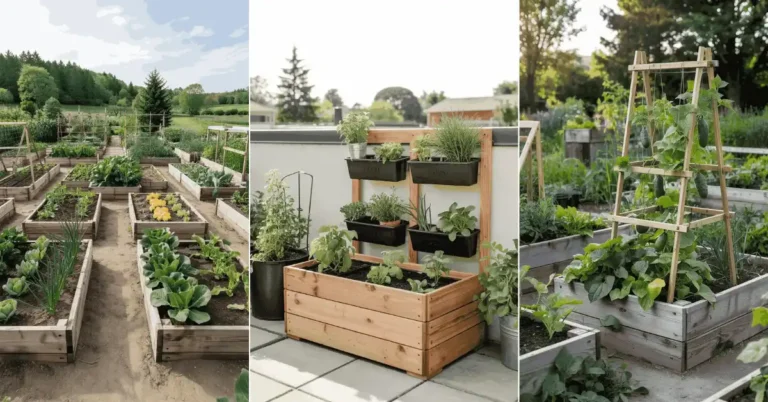
A vertical pocket planter mounted on a fence or wall lets you grow ten or more individual plants in the space of a single square foot. Each pocket holds one plant like a butter lettuce head or a clump of watercress, making it incredibly space-efficient. I recommend planting the same variety in each pocket so they all need water at the same time, which makes your routine much simpler.
5. The Raised Trough Container Row
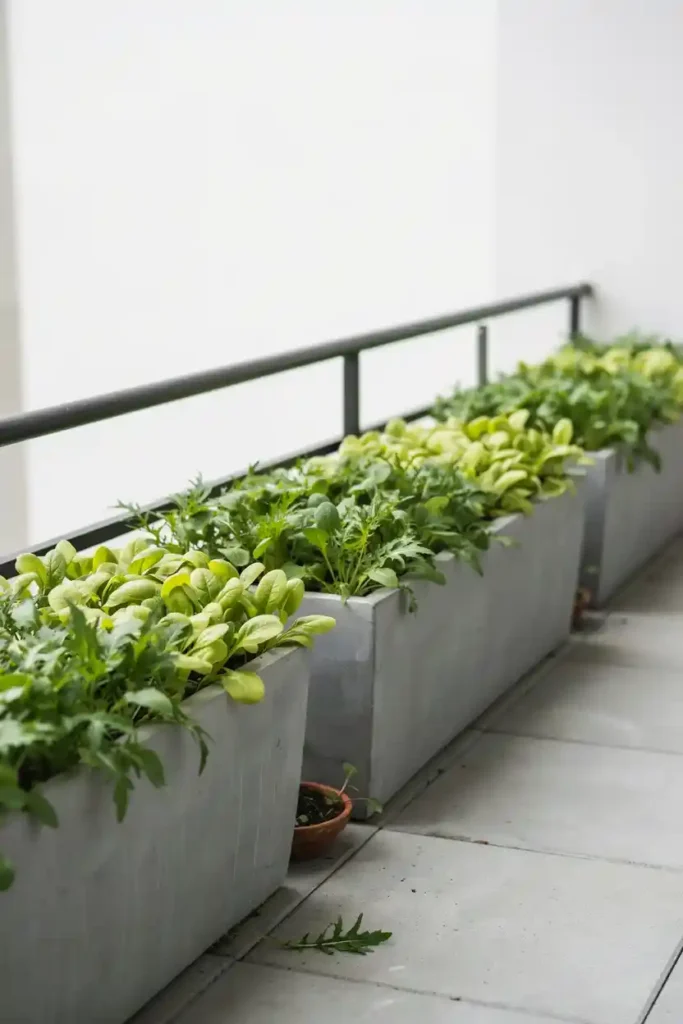
Long rectangular trough containers lined up in a row create a visually clean, organized layout that is easy to manage and harvest. Plant fast-growing greens like mizuna and baby spinach in alternating rows within each trough for continuous harvests. This setup works especially well on a narrow balcony where space runs long rather than wide.
6. The Salad Bowl Container Grouping
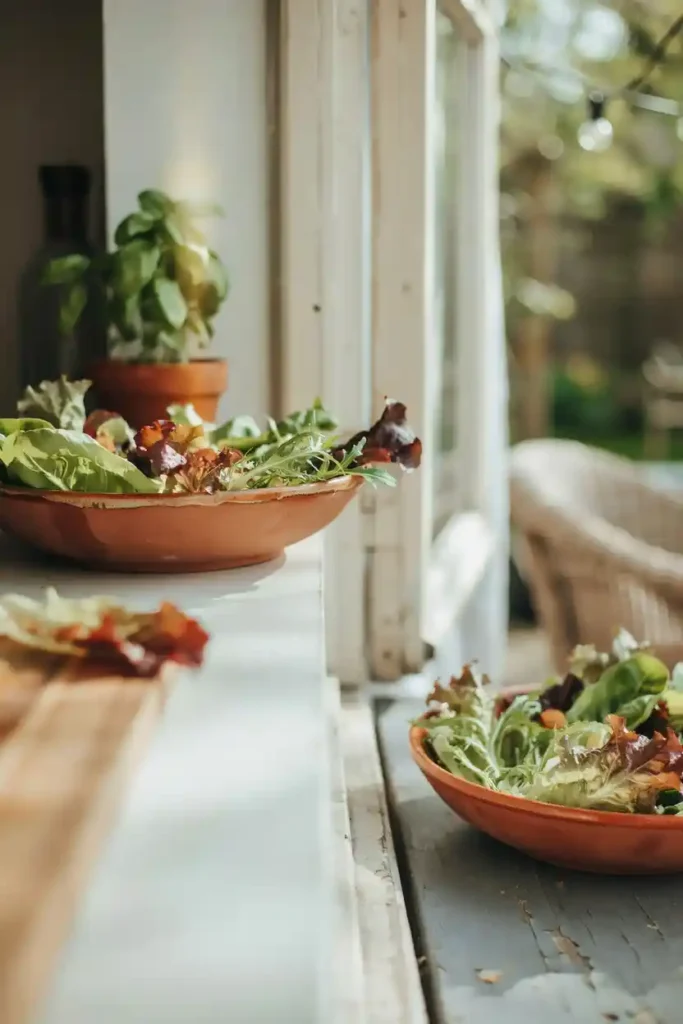
Wide, shallow salad bowl containers are perfect for growing a mix of greens all in one pot for quick cut-and-come-again harvests. You can plant five to six different varieties in a single large bowl and have a true mesclun mix growing right at arm’s reach. I keep one on my kitchen windowsill and one on my patio, and together they supply almost all the salad greens my family uses.
7. The Stackable Planter Tower
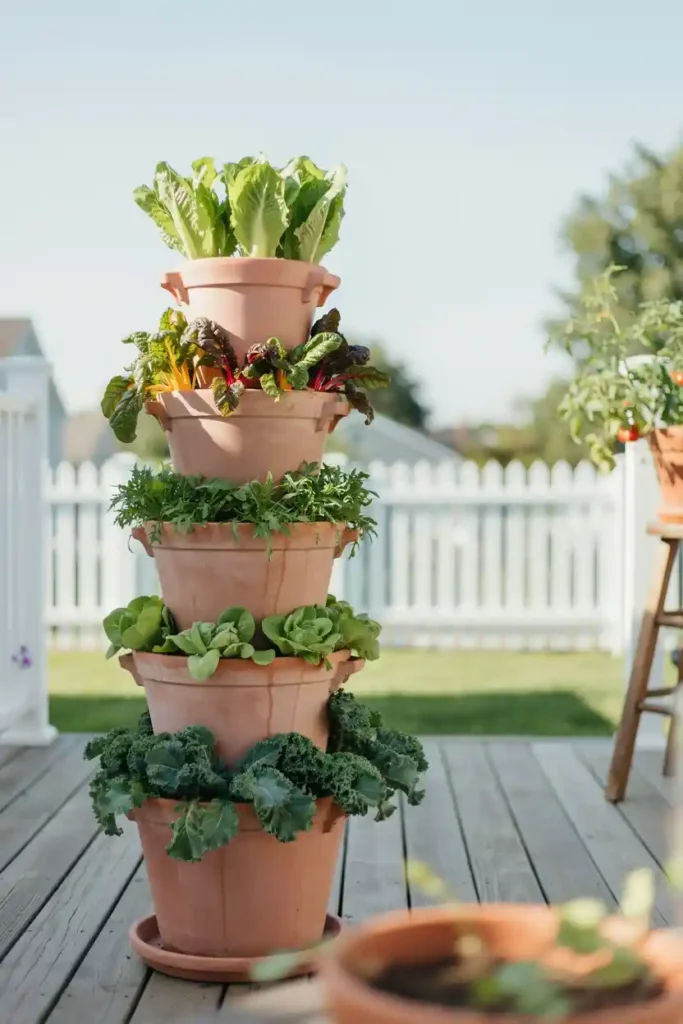
Stackable planter towers are vertical growing systems where each tier holds a separate plant, allowing you to grow eight to twelve varieties in one column. Leafy greens like romaine, chard, and arugula do particularly well because their roots stay shallow and comfortable in each tier. Position the tower where it gets at least five to six hours of sunlight and rotate it every few days so all sides grow evenly.
8. The Half-Barrel Centerpiece Layout
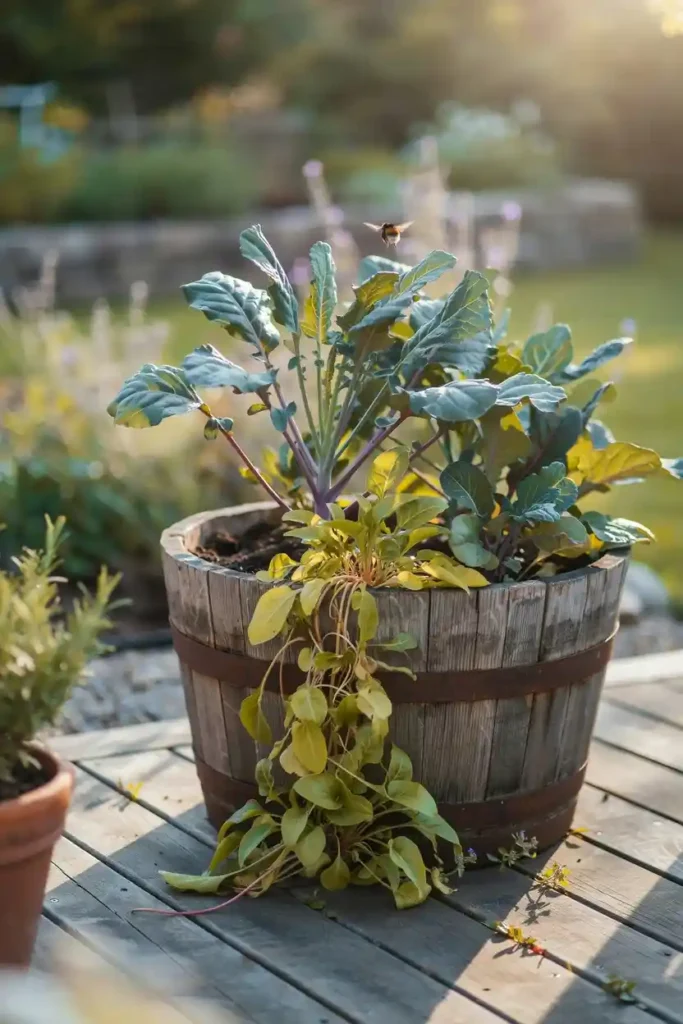
A large half-barrel planter placed as a centerpiece on a deck or patio can hold a generous mix of tall and trailing greens that look as good as they taste. Plant upright varieties like dinosaur kale in the center and let trailing nasturtium or sorrel spill over the edges for a lush, layered look. This is one of my favorite layouts because it feels more like garden design than container growing.
9. The Windowsill Microgreens Tray System
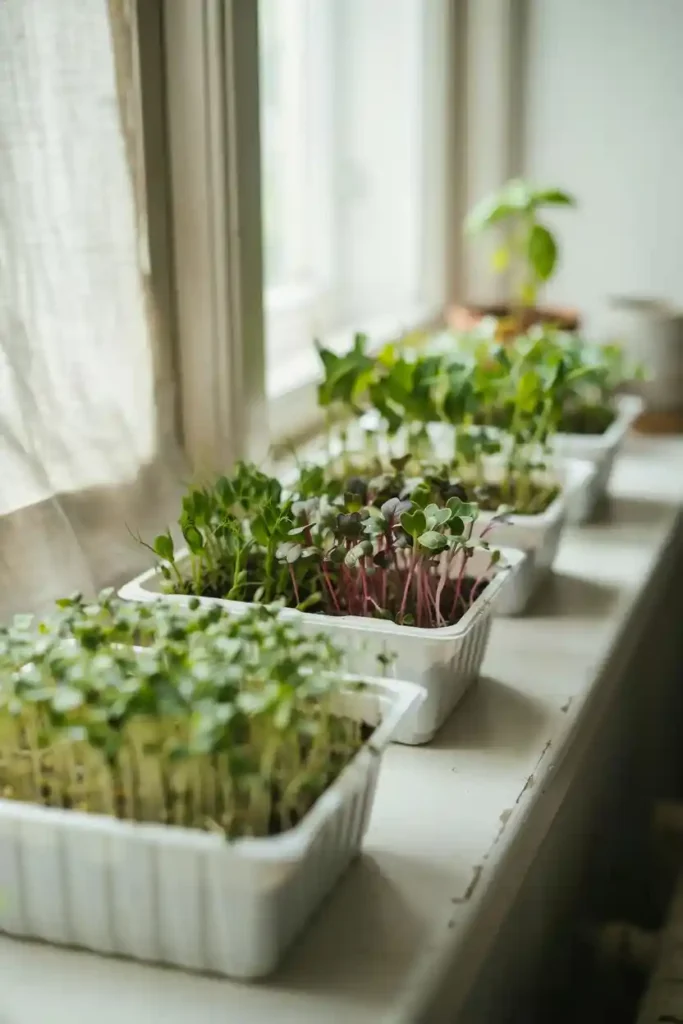
A row of shallow trays lined up on a sunny windowsill is the most accessible way to grow leafy greens indoors year-round, including sunflower shoots, pea shoots, and radish greens. You can stagger your planting so a new tray is ready to harvest every week, giving you a constant supply without any gaps. This system is perfect if outdoor space is not available but you still want that fresh-from-the-garden experience.
10. The Herb and Greens Companion Pot
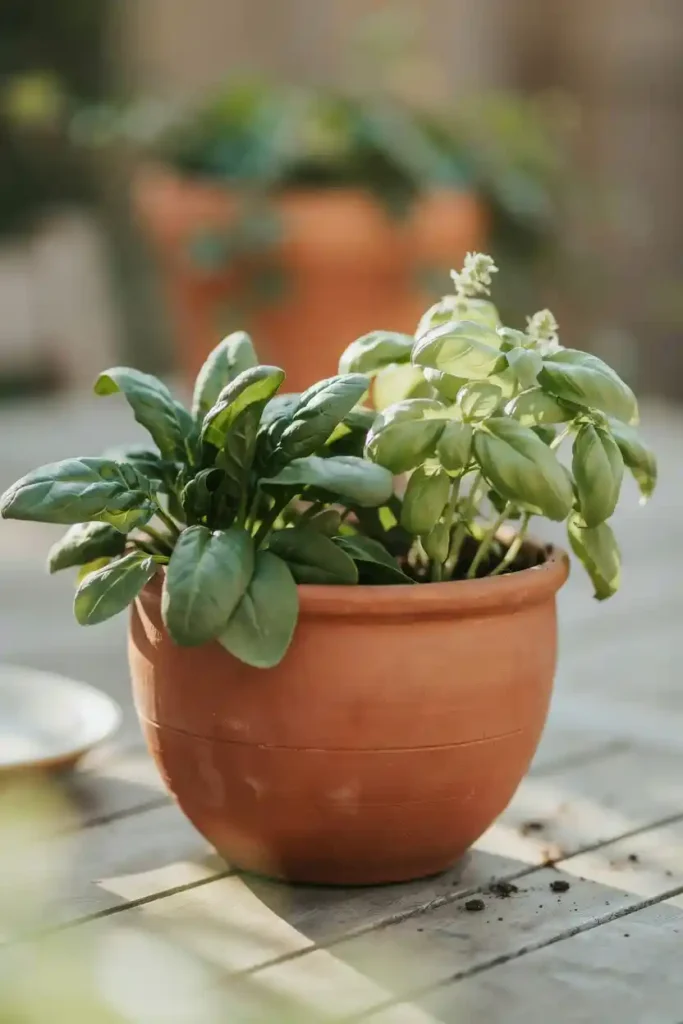
Pairing leafy greens with compatible herbs in the same container is a smart layout that maximizes every inch of pot space while naturally deterring some pests. Try planting spinach alongside basil, or kale with parsley, since they share similar watering and light needs. I started doing this to save space and ended up loving how intentional and curated the containers look together.
11. The Staircase Step Garden Layout
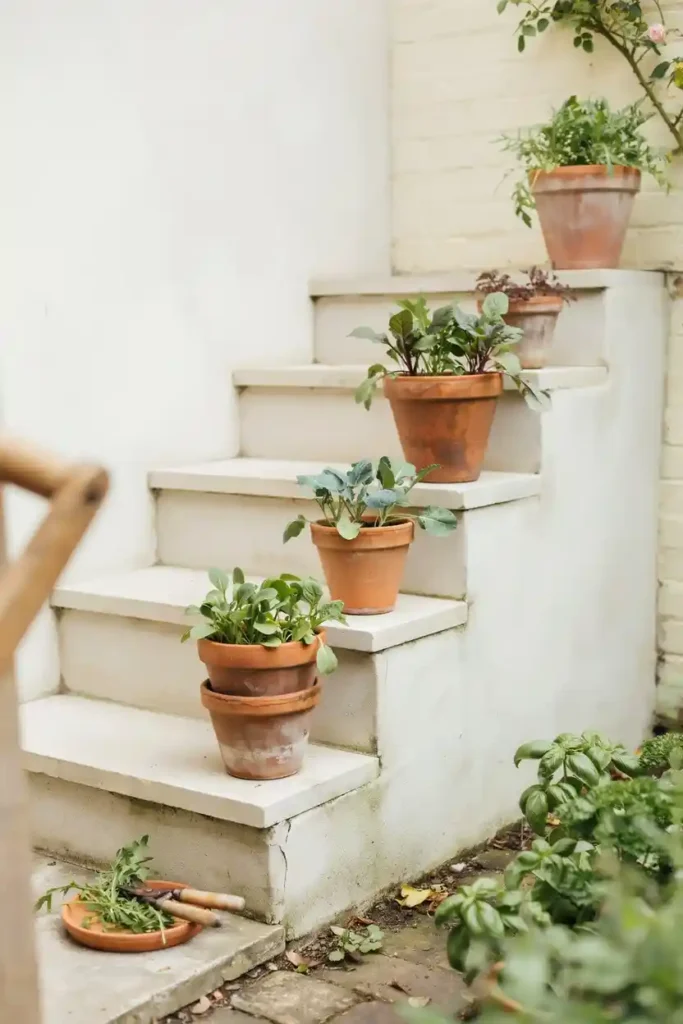
If you have a set of outdoor steps, each step becomes a natural shelf for a container of leafy greens arranged from small pots at the top to larger ones at the bottom. This layout creates a cascading visual effect that feels intentional and charming, almost like a cottage garden staircase. Arugula, mustard greens, and baby kale all work beautifully in this staggered arrangement because they have different heights at maturity.
12. The Corner Triangular Container Arrangement
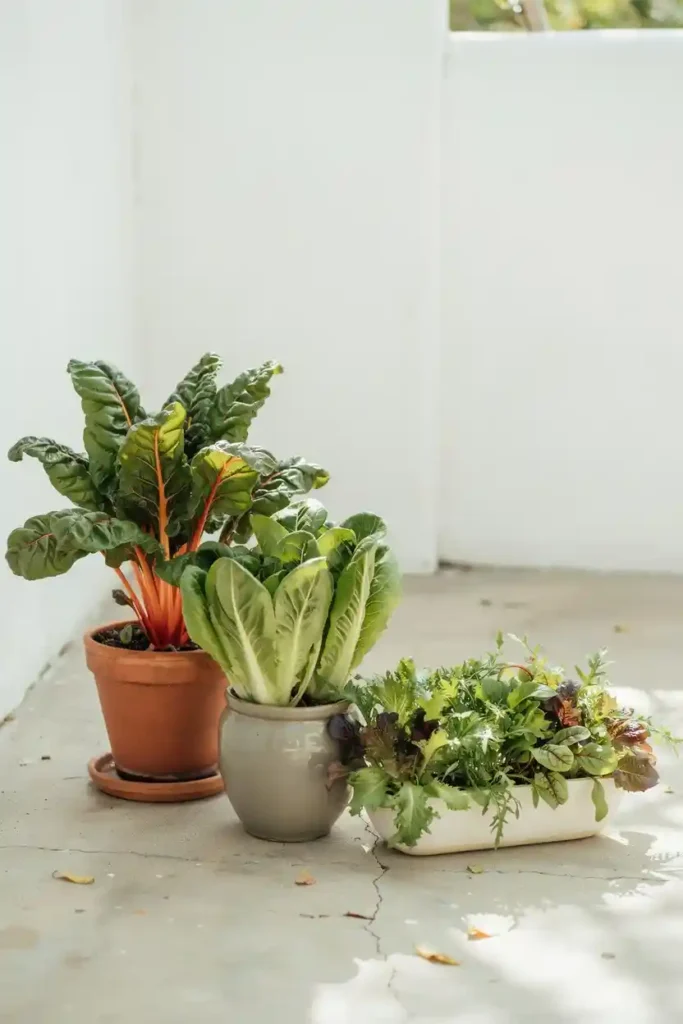
Placing three containers of different heights in a triangular corner arrangement fills dead patio corners with productive green life. Use a tall pot for Swiss chard, a medium pot for romaine, and a low wide pot for mesclun to create a layered triangle that uses vertical space smartly. This is one of the most effective small-space layout tricks I have ever tried, and it makes even the dullest patio corner feel alive.
13. The Hanging Basket Greens Display
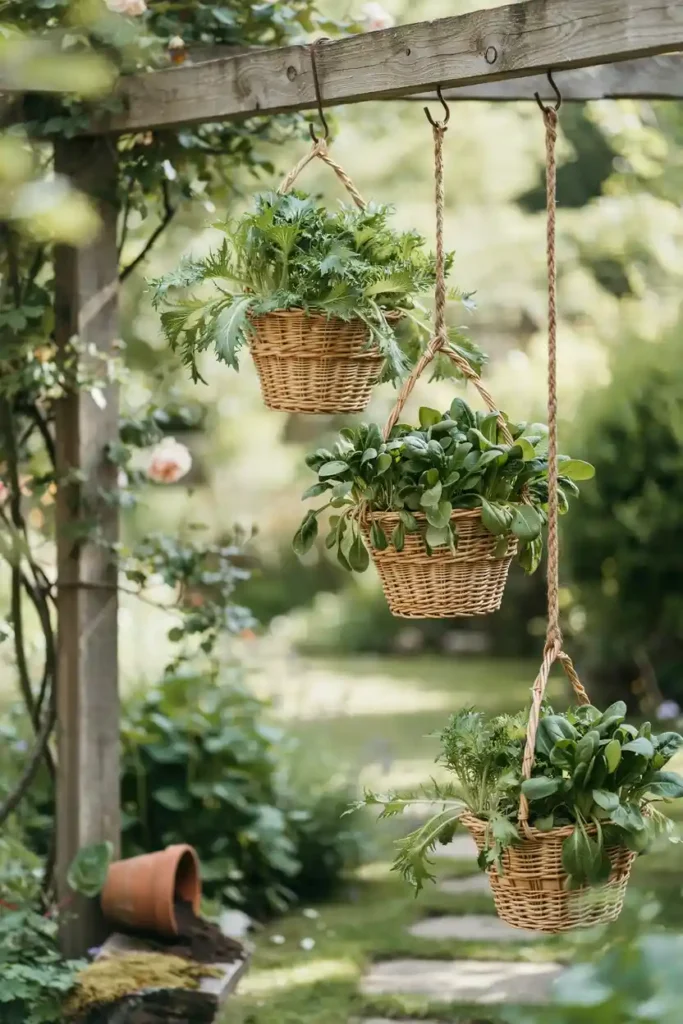
Hanging baskets are not just for flowers. Trailing greens like loose-leaf lettuce, purslane, and baby spinach grow beautifully in hanging baskets and keep the floor space underneath completely clear. Hang two or three baskets at different heights to create a layered, lush display that is genuinely pretty while also being a working kitchen garden you can harvest from regularly.
14. The Raised Bed Container on Wheels
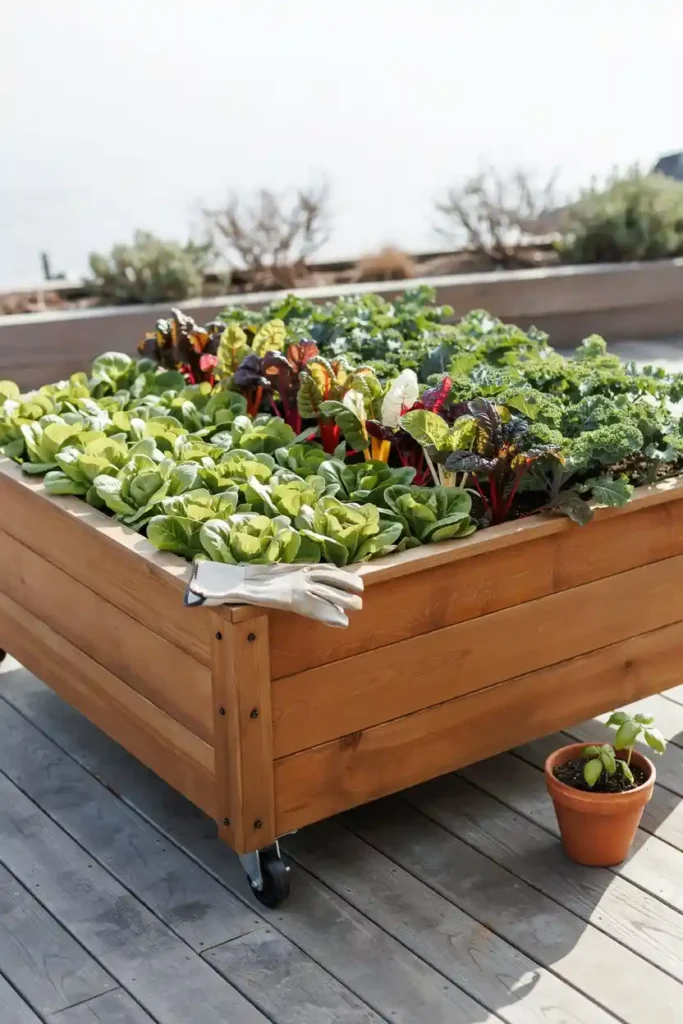
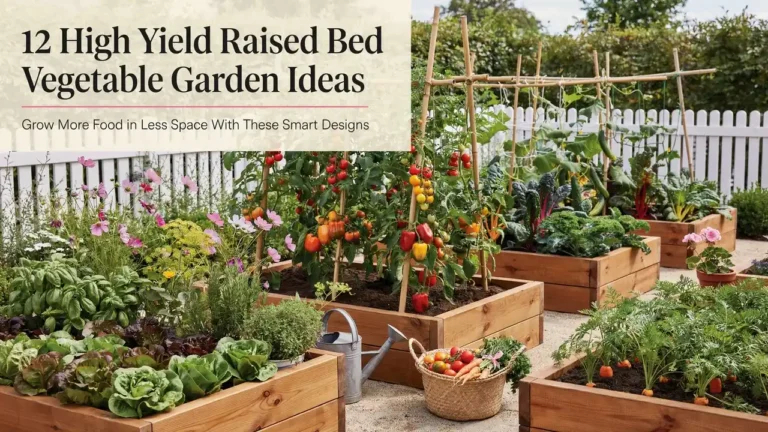
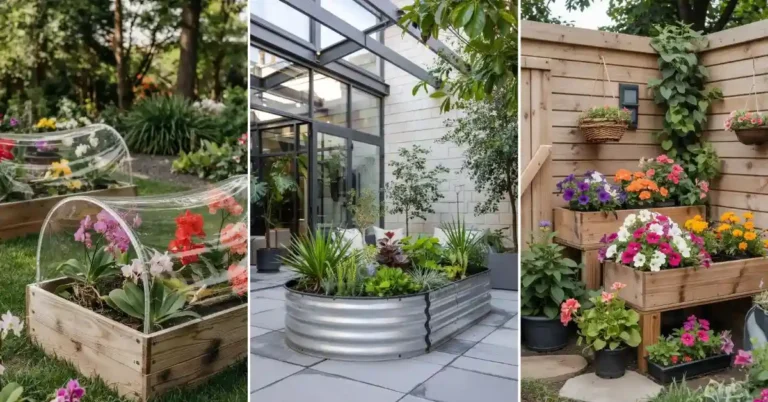
A deep container fitted with wheels is one of the most practical investments for container gardening because you can move it to follow the sun throughout the day. Plant a full salad garden inside with multiple rows of lettuce, kale, and chard — a genuinely high-yield raised bed setup in a single moveable unit. I added wheels to mine after one too many summers of watching my plants struggle in afternoon shade while I had no way to reposition them.
15. The Repurposed Colander or Crate Layout
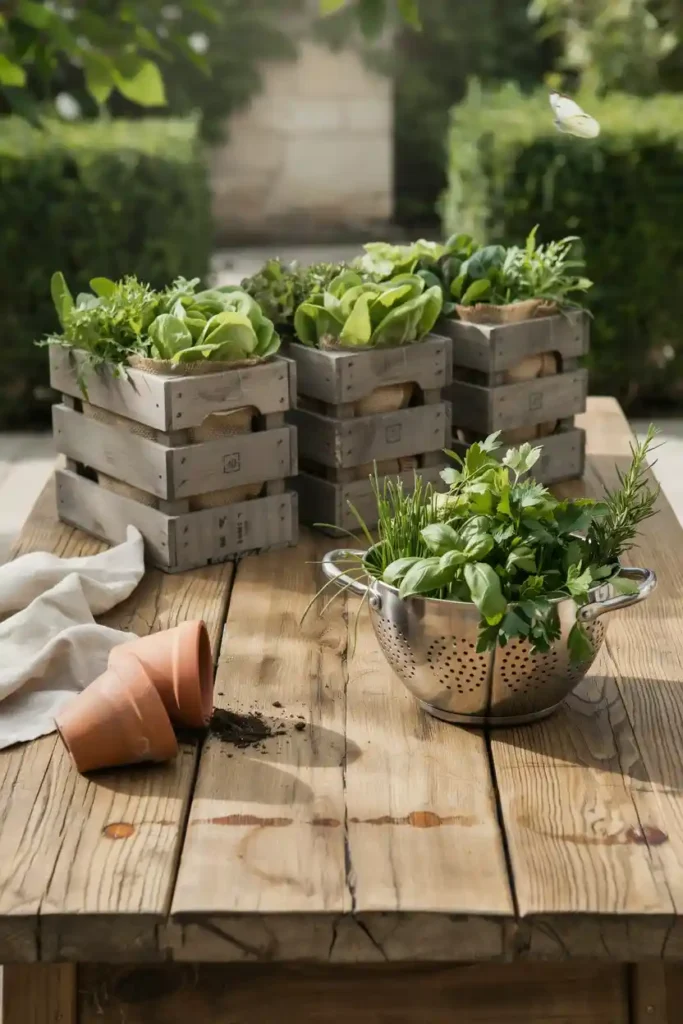
Old colanders, wooden wine crates, and vintage crates make surprisingly effective containers for leafy greens and add a charming, collected look to any outdoor setup. The natural drainage in colanders makes them nearly impossible to overwater, which is a huge benefit for beginners growing lettuce or arugula for the first time. Line wooden crates with burlap, fill them with quality potting mix, and plant a single variety per crate for a rustic yet functional kitchen garden display.
16. The Compact Urban Balcony Grid System
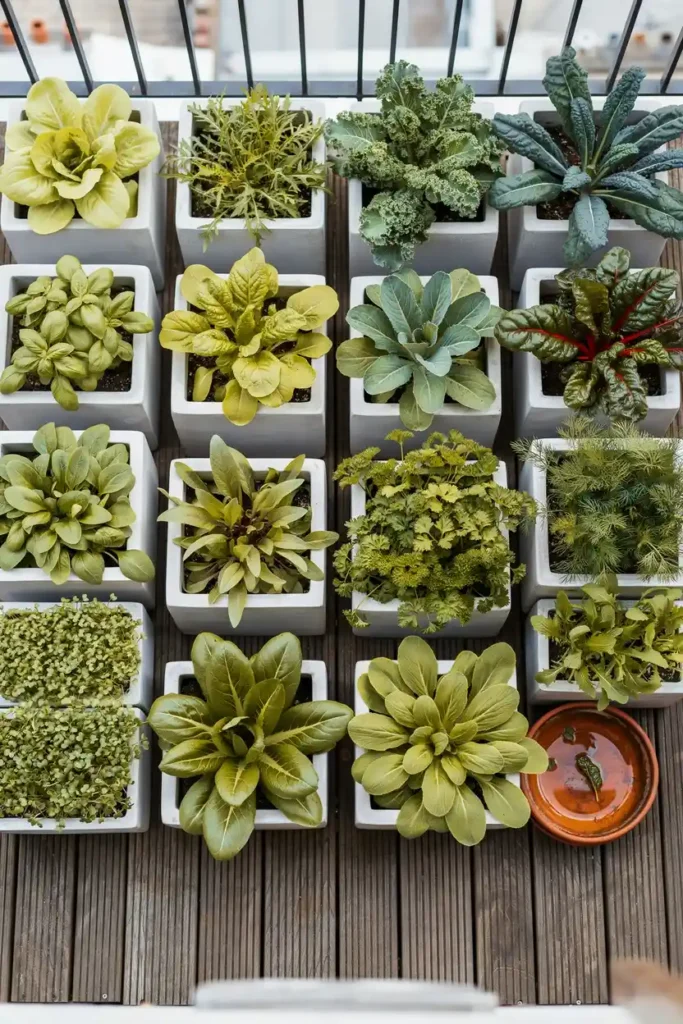
A grid system using matching square pots arranged in a tight geometric pattern is the most organized and space-efficient layout for urban balconies with strict size limitations. Assign each square pot one variety of leafy green and label them so you always know what is growing where and when it was planted. I use this layout on my own balcony and it holds sixteen individual plants in less than four square feet, which still amazes me every time I look at it.
Whether you are working with a single sunny windowsill or a generous rooftop deck, one of these 16 leafy greens container layout ideas is going to be the one that finally gets you growing. I would love to know which layout spoke to you most. Save this to your garden board on Pinterest and come back to it when you are ready to start planting.