16 Raised Bed Vegetable Garden Ideas
A raised bed vegetable garden gives you more control over soil quality, layout, and planting rhythms, which is why it keeps trending across search platforms. Gardeners use it to grow heavy feeders, boost yields, and keep planting spaces neat without making the yard feel crowded. This guide brings together design ideas, layout strategies, and practical methods that help you build a system that genuinely works long-term.
These raised bed garden ideas are shaped by what consistently ranks across top results, including layout planning, soil structure, trellis concepts, crop spacing, and backyard design. You’ll see how each idea connects to real user intent, whether someone wants a small veggie garden layout, a backyard food garden, or a front yard vegetable garden with clean geometry.
1. Cedar Frame Beds for Long-Lasting Structures
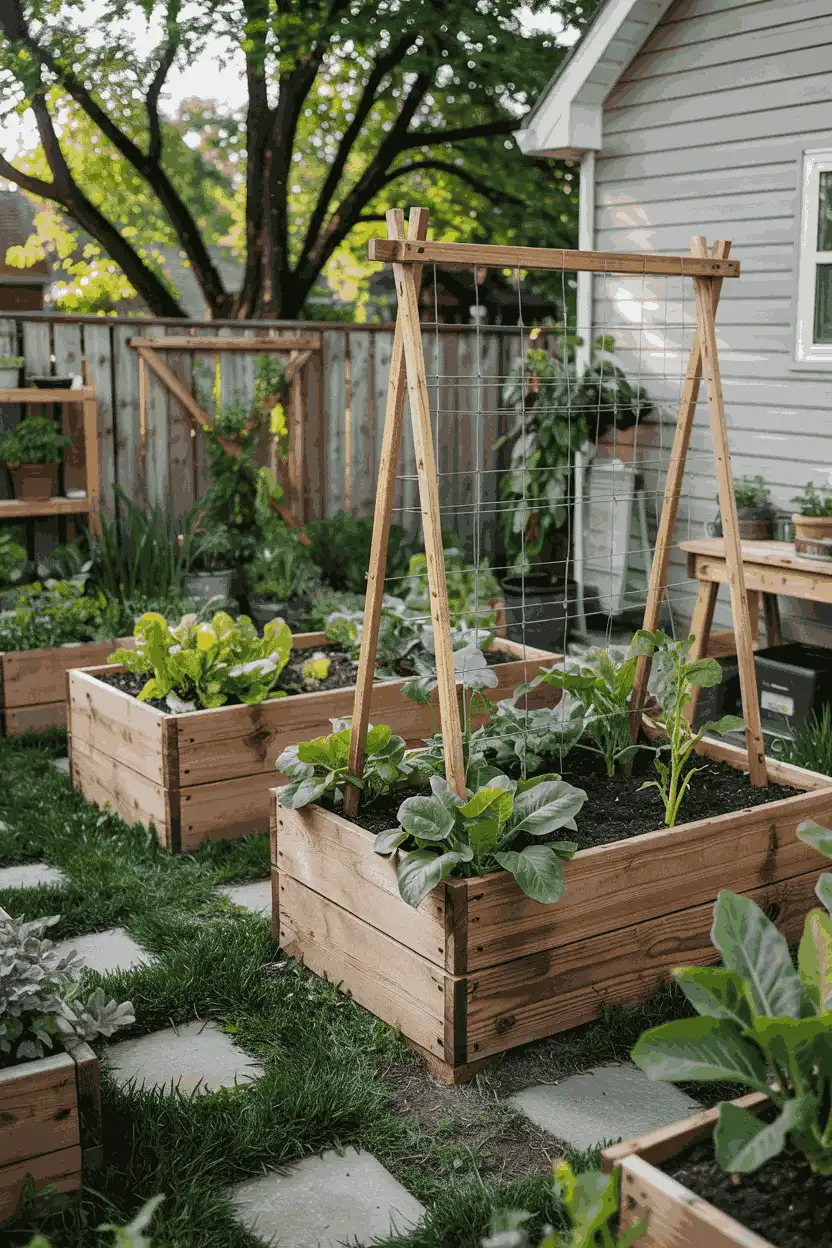
Cedar beds stay stable through weather changes, so they’re popular in raised bed garden design searches. Their structure works well for vegetables that like consistent drainage and warm soil, which helps you build a raised bed vegetable garden that feels reliable season after season. Their clean edges also support strong raised garden layout ideas for small or large yards.
When planning a garden layout, cedar frames make it easier to map out straight paths, crop rotations, and separate zones for tomatoes, greens, or cucumbers. Many growers pair cedar with simple trellis frames or hoops, turning the bed into a flexible planting space.

2. Metal Raised Boxes for a Modern Look
Metal beds remain a top choice because they heat up faster in spring and create tidy borders. Their slim walls help you keep a compact veggie garden layout in small spaces without losing planting depth. Gardeners who want creative vegetable garden design ideas often stack these boxes in rows or grids for a polished look.
A metal raised bed vegetable layout pairs well with tall crops such as tomatoes, beans, and cucumbers because the structure acts like a frame for trellis attachments.

3. Tiered Raised Beds for Sloped Yards
Tiered beds solve grading issues and give you more vertical planting room. They work well for gardeners who search for raised bed garden plans that fit uneven land. The stepped layout helps you organize vegetables by height, sunlight needs, or harvest timing.
This approach opens up space for vegetable garden arrangement ideas without making the slope look cluttered. Each level helps water settle evenly, which improves root health for greens, herbs, and compact vegetables.

4. U-Shaped Beds for Easy Access
A U-shaped design makes tending large beds easy since you can reach the center without stretching across plants. Many raised bed garden layout planners highlight this shape because it improves workflow during planting, weeding, and harvest. It’s also useful in small backyard vegetable garden ideas where you want more yield from limited space.
A U-shaped raised bed vegetable layout allows you to group crops by type while keeping paths open. Some gardeners add a central trellis or arch for tomatoes, peas, or cucumbers, which turns the opening into a practical working zone.
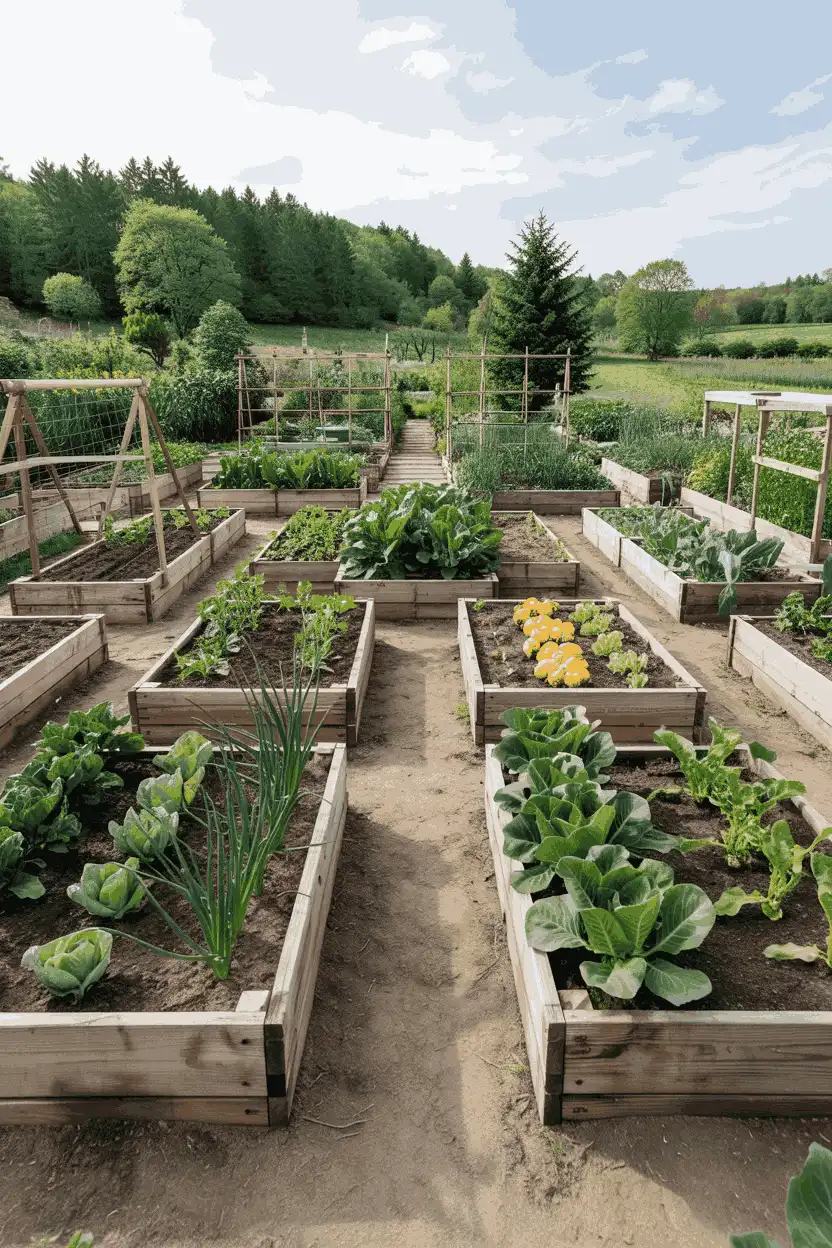
5. Narrow Beds for Tight Urban Spaces
Narrow beds are ideal when you need small veggie garden ideas that still give reliable harvests. Their compact width lets you grow root crops, greens, and herbs in rows without worrying about reach. This type of raised bed veg garden layout supports simple irrigation lines and minimal soil prep.
Urban growers use narrow beds to build rooftop vegetable gardens or tiny courtyard gardens where each inch matters. A narrow raised bed garden layout becomes especially useful when you want linear plantings or fast-growing crops.

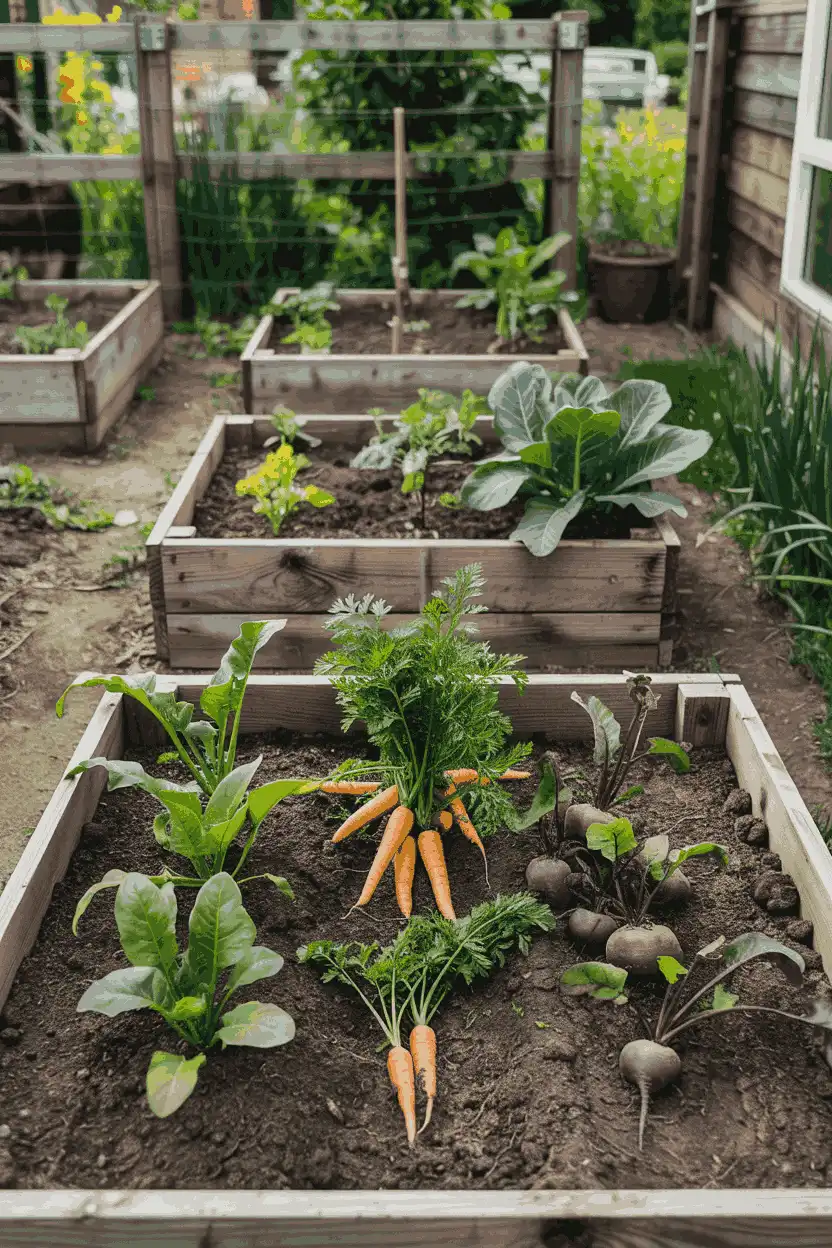
6. Deep Beds for Root Vegetables
Deep beds give carrots, potatoes, and beets enough space to develop evenly. Many raised vegetable beds ideas online recommend 18–24 inches of soil depth for these crops. When soil stays loose and well-drained, roots grow straighter and produce higher yields.
This layout helps gardeners planning a veg garden that relies heavily on root crops or heavy feeders. You can organize sections by crop type to simplify nutrient management.
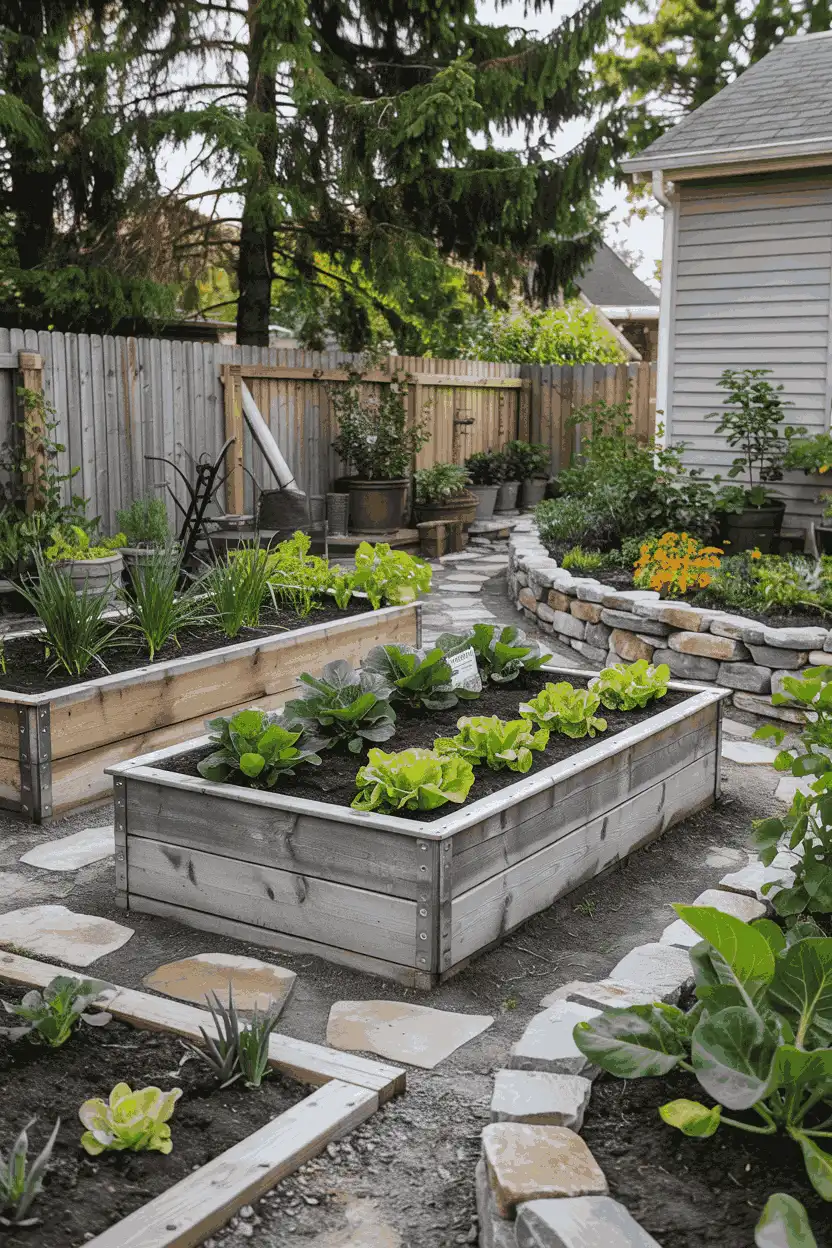
7. Mixed Materials for Natural Landscaping
Using stone, wood, and gravel together creates landscape raised beds that look organic and fit into modern yards. It’s a popular choice among raised flower bed designs that blend with veggie beds in a functional kitchen garden. The mix softens edges and complements planting shapes.
This setup supports vegetable garden design ideas that rely on texture and color rather than straight lines. It works well in front yard vegetable gardens where visual appeal matters.
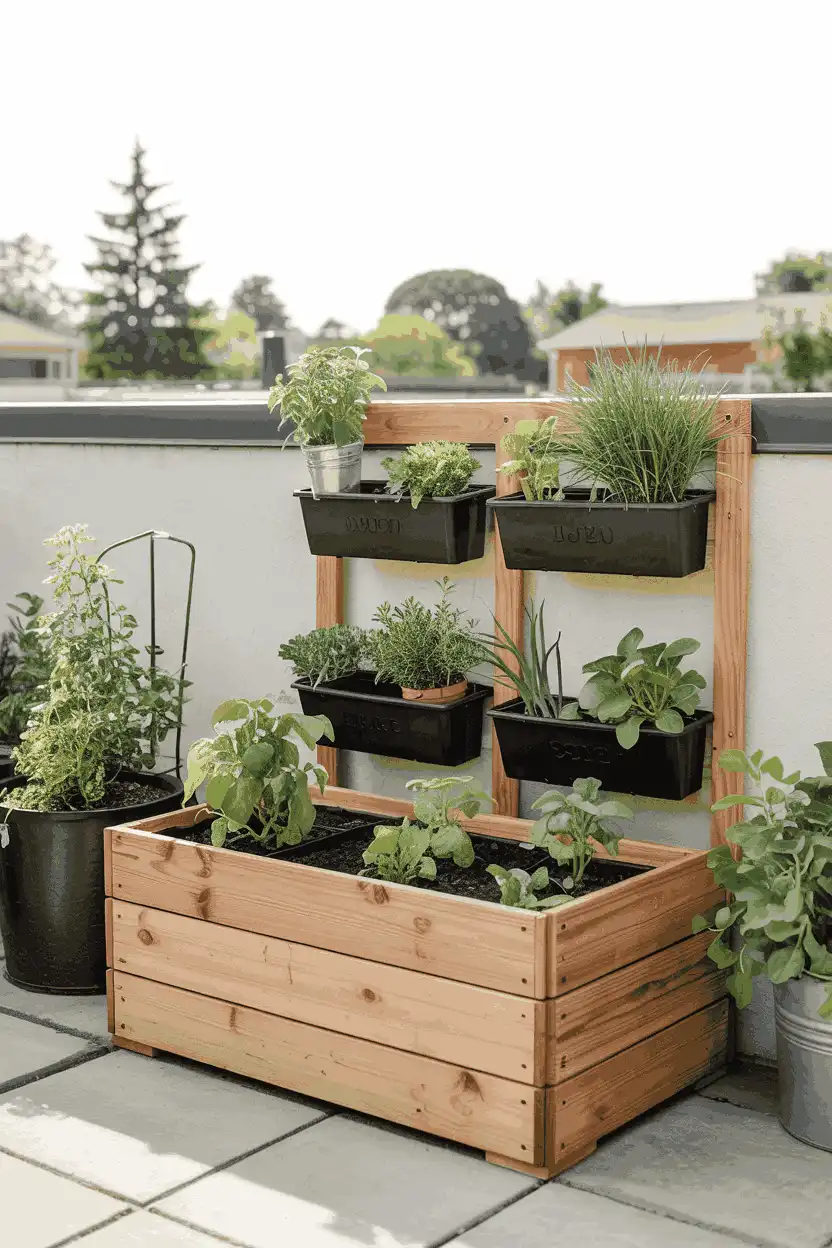
8. Container-Style Raised Boxes for Flexibility
Using raised box garden plans built like containers helps with mobility and seasonal adjustments. These boxes fit patios, balconies, and courtyards where soil access is limited. Gardeners often use this method in potted veggie garden ideas when experimenting with fast growers.
This style works well for leafy greens, herbs, dwarf tomatoes, and peppers. You can shift boxes to follow sunlight or add trellises for peas and cucumbers.
9. Trellis-Integrated Beds for Climbing Crops
Beds that include a trellis make planning a vegetable garden layout easier because climbing plants no longer sprawl across the soil. Searches for cucumber trellis ideas and tomato trellis ideas show consistent interest in vertical growing methods.
The structure opens up ground space for companion crops. A raised planter bed design with an arch or A-frame trellis adds height and airflow around vines. This reduces disease pressure on tomatoes and cucumbers.

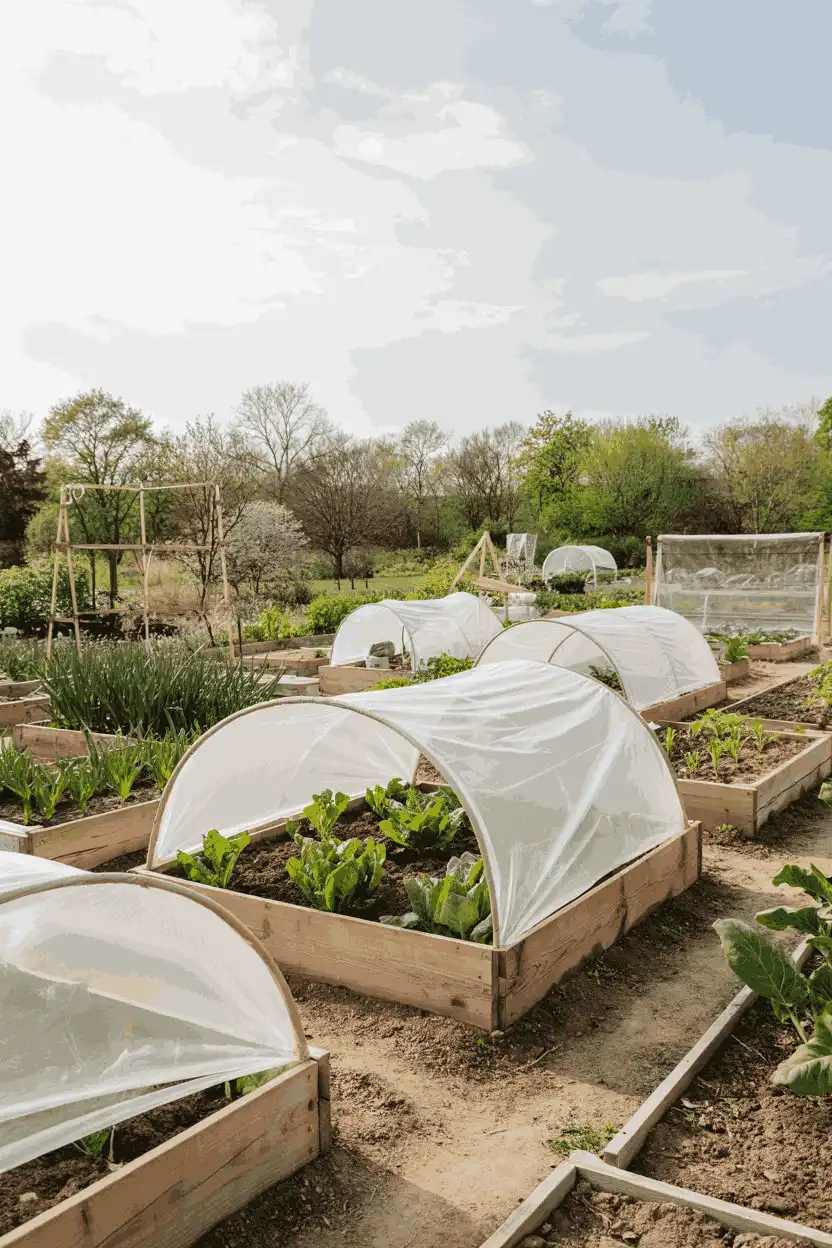
10. Hoop-Top Beds for Season Extension
Adding hoops or low tunnels transforms basic raised bed garden ideas into year-round growing systems. Hoops hold row covers, mesh, or greenhouse film, which protects crops during early spring and fall.
This makes the raised bed vegetable garden layout more versatile. Gardeners in cooler regions use hoops to start seeds earlier and keep tender crops productive longer. They also help manage pests without heavy sprays.
11. Square Beds for Simple Planning
Square beds work well for beginners planning a vegetable garden layout because they keep measurements simple. The shape supports square-foot gardening techniques, which increase yields in compact spaces. It also pairs well with straight paths and clear planting sections.
This layout gives you strong control over spacing, soil health, and crop rotation. Many raised bed garden plant layout tools recommend square beds for evenly positioned vegetables.

12. L-Shaped Beds for Corners
L-shaped beds optimize corner spaces and give your garden a structured look. These beds support creative vegetable garden design in yards with irregular boundaries. The shape also lets you separate tall crops from low growers without breaking the flow.
L-shaped beds work well near fences or property lines, especially when considering vegetable garden fence designs. You can attach vertical trellises to the outer edges to grow tomatoes, beans, or cucumbers.

13. Masonry Beds for Heat-Loving Plants
Brick or block beds retain heat, which helps peppers, tomatoes, and eggplants. Many backyard food garden ideas include masonry structures because they look permanent and reduce long-term maintenance. They also pair well with mulched walkways and neat borders.
This design supports consistent warmth and drainage, encouraging sturdy plant growth. It’s a good match for gardeners designing a vegetable layout with season-long productivity.

14. Pollinator-Friendly Mix Beds
Adding flowers to raised vegetable beds draws bees, butterflies, and beneficial insects. Search trends show strong interest in ideas for raised flower beds that blend with edible gardens. Mixing blooms helps boost pollination for tomatoes, cucumbers, and squash.
This type of raised garden plant layout supports biodiversity and reduces pest pressure. By grouping flowers at edges or corners, you protect vegetables without crowding growth patterns.

15. Modular Beds for Expandable Gardens
Modular systems let you start small and add pieces as needed. Gardeners use these when planning a vegetable garden that will grow over time. The blocks lock into place and create flexible planting zones.
This design works for crop rotation and experimenting with new vegetables each season. You can adjust the raised veg beds ideas based on sunlight shifts or yard redesigns.

16. Raised Beds for Tiny Yards or Rooftops
Compact raised beds fit rooftops, decks, and small spaces where ground planting isn’t practical. With the right soil mix and a lightweight frame, you can set up a productive rooftop vegetable garden. Many small vegetable garden ideas rely on these beds because they maximize height rather than width.
This layout works for leafy greens, herbs, dwarf tomatoes, and quick-growing beans. You can add simple trellises or poles for peas, cucumbers, or climbing varieties. The setup keeps maintenance light and harvests steady.
On My Premium Ideas, you will get updated Garden Ideas related to Flower garden ideas, Patio garden ideas, minimalistic Garden ideas, vegetable garden Ideas and much more. So stay tunned to our website and get the latest blog posts. I suggest you to bookmarked us so we remain easy access to you.