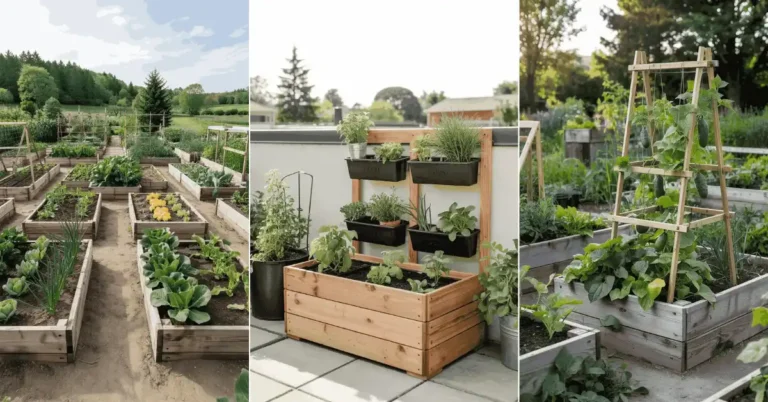
20 Raised Garden Bed Ideas for Small Yards
Picture a 10-by-12-foot patio behind a townhouse: concrete on three sides, one strip of sad grass, and a gardener determined to grow tomatoes anyway. That's exactly the situation raised beds were made for. Lifting the growing area even a foot off the ground solves the three problems small yards always have — poor native soil, nowhere to expand, and every square inch needing to earn its keep. These twenty builds range from a $30 pallet box to stone terraces meant to outlive the house.
1. Classic Wooden Raised Garden Bed
Nothing beats the look of fresh cedar: warm color, clean smell, and natural oils that shrug off rot for 8–10 years without treatment. Two 2×8 boards per side, deck screws, an afternoon — that's the whole project. The soil inside warms faster than ground soil in spring, drains reliably after heavy rain, and stays exactly where you put it.
Build them 12–16 inches tall and most weeding happens without bending double, which matters more than people expect. They sit comfortably beside flower beds or vegetable rows, and their simple lines suit just about any yard style.
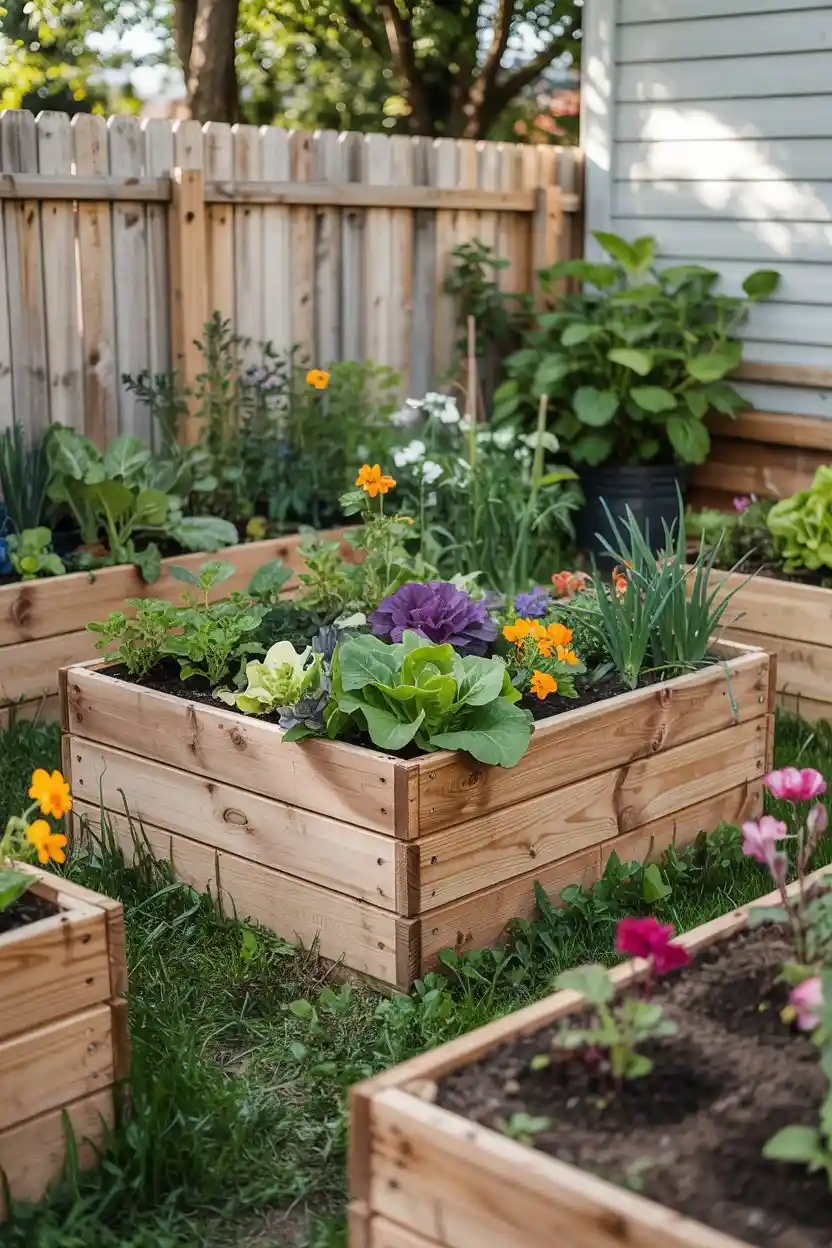
2. Metal Raised Garden Bed for Modern Appeal
Galvanized steel troughs and corrugated panels read crisp and contemporary — more architecture than agriculture. The zinc coating fends off rust for a decade or more, and assembly is usually just bolting panels to corner brackets. One honest caveat: dark metal in full July sun can push soil temperatures 10–15°F above ambient, which peppers love and lettuce hates.
In urban yards where every object is on display, that clean industrial line is a feature, not a compromise. Mulch the surface well and most heat issues disappear.
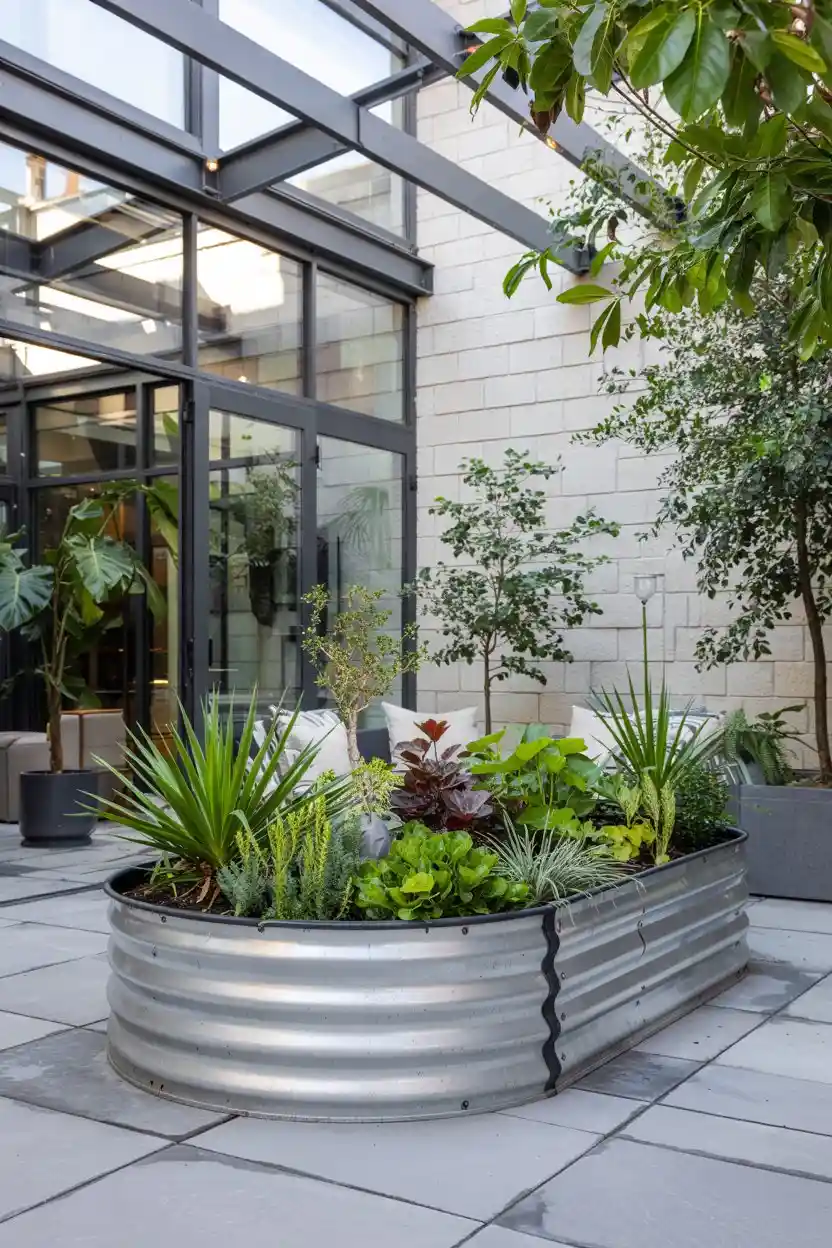
3. Tiered Raised Garden Beds to Save Space
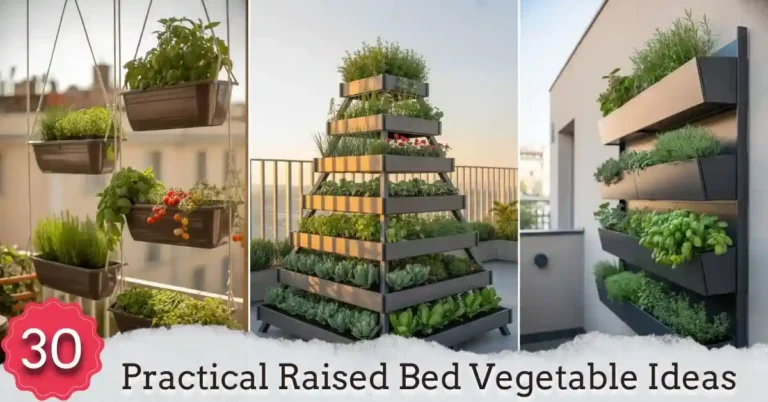
When the footprint won't grow, grow up. A three-tier pyramid or a staircase of boxes triples planting area in the same square footage — shallow-rooted herbs and lettuces up top, deeper crops below. Each level gets full sun exposure since nothing shades the tier beneath it for long.
There's a visual payoff too: cascading nasturtiums or trailing thyme spilling over each level turns the bed into the yard's centerpiece. Just remember the top tier dries fastest — check it first on hot days.
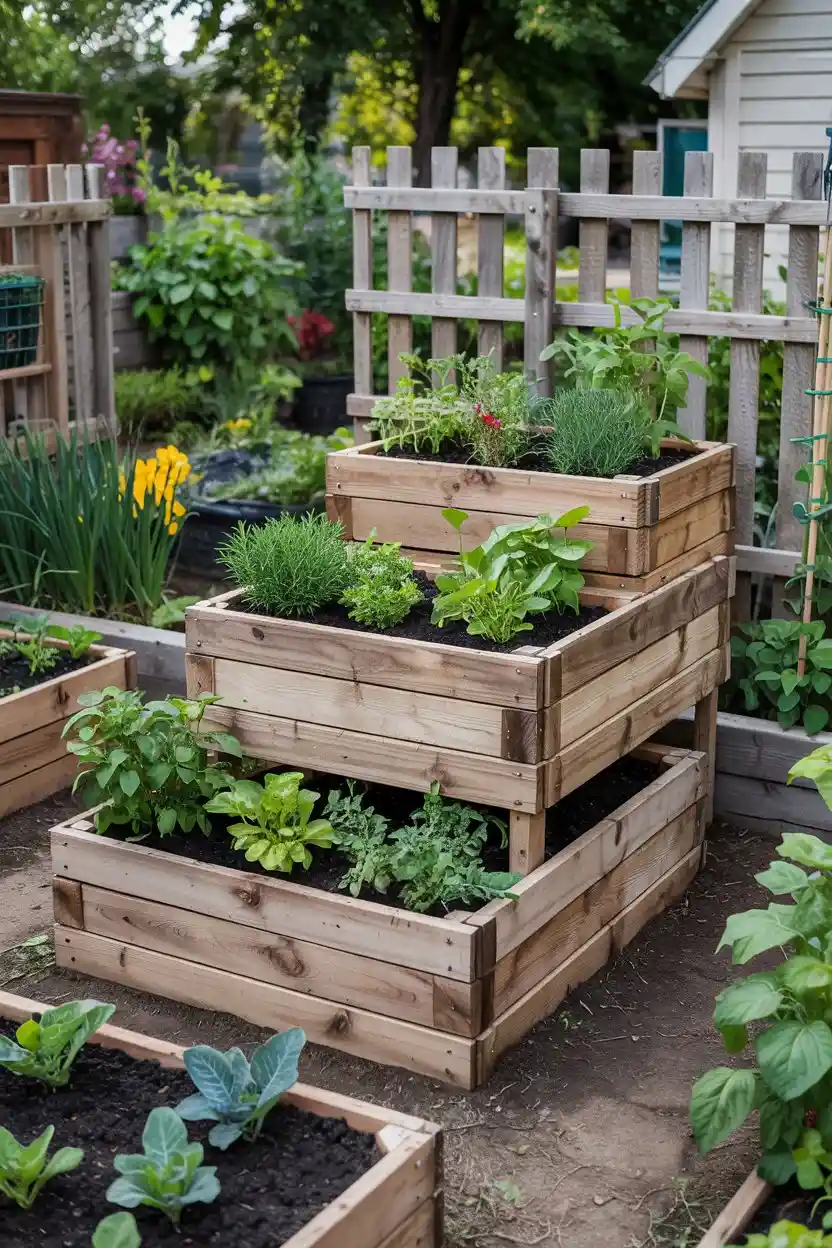
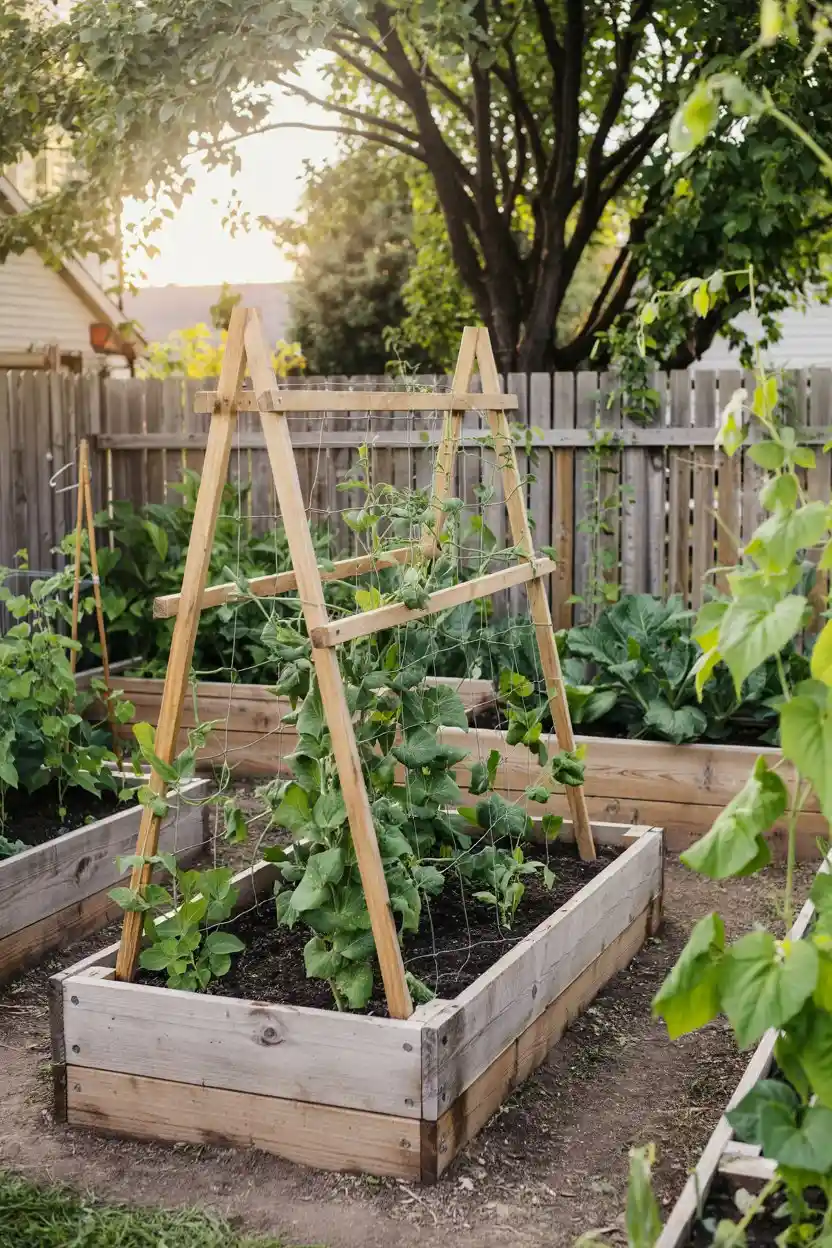
4. Raised Garden Beds with Trellises for Vertical Growth
A trellis on the north side of a bed is free real estate. Peas, pole beans, cucumbers, and even compact squash varieties climb 6–8 feet where a flat bed would give you one row. Use cattle panels or cedar lattice — both outlast twine and string by years — and anchor them well, because a mature cucumber vine in August wind is heavier than it looks.
Underneath the climbers, the ground stays plantable: shade-tolerant lettuce and herbs thrive in the trellis's afternoon shadow. Airflow through the vertical growth also keeps mildew pressure lower than in a crowded flat bed.
5. Pallet Raised Garden Beds for Budget-Friendly Gardening
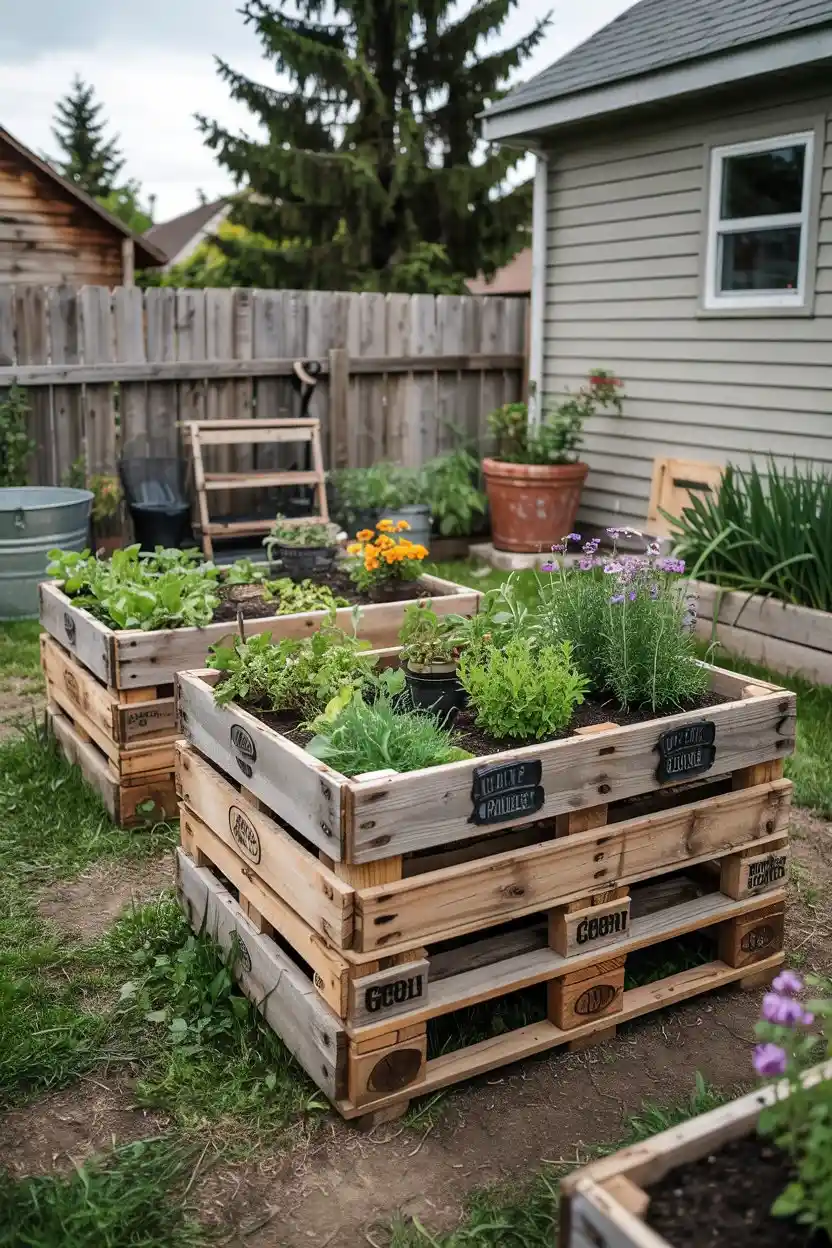
Free pallets are everywhere — behind grocery stores, at warehouses, on marketplace listings — and two or three of them break down into enough slats for a 4×4 bed. Look for pallets stamped HT (heat-treated) rather than MB (methyl bromide), sand the rough edges, and seal with linseed oil or exterior stain. The rustic look suits cottage yards, and the price is hard to argue with.
This is the lowest-risk way to experiment: if the layout doesn't work, you disassemble and rebuild somewhere else. A weekend, a pry bar, and a box of screws are the main investments.
6. Raised Flower Beds to Brighten Small Gardens
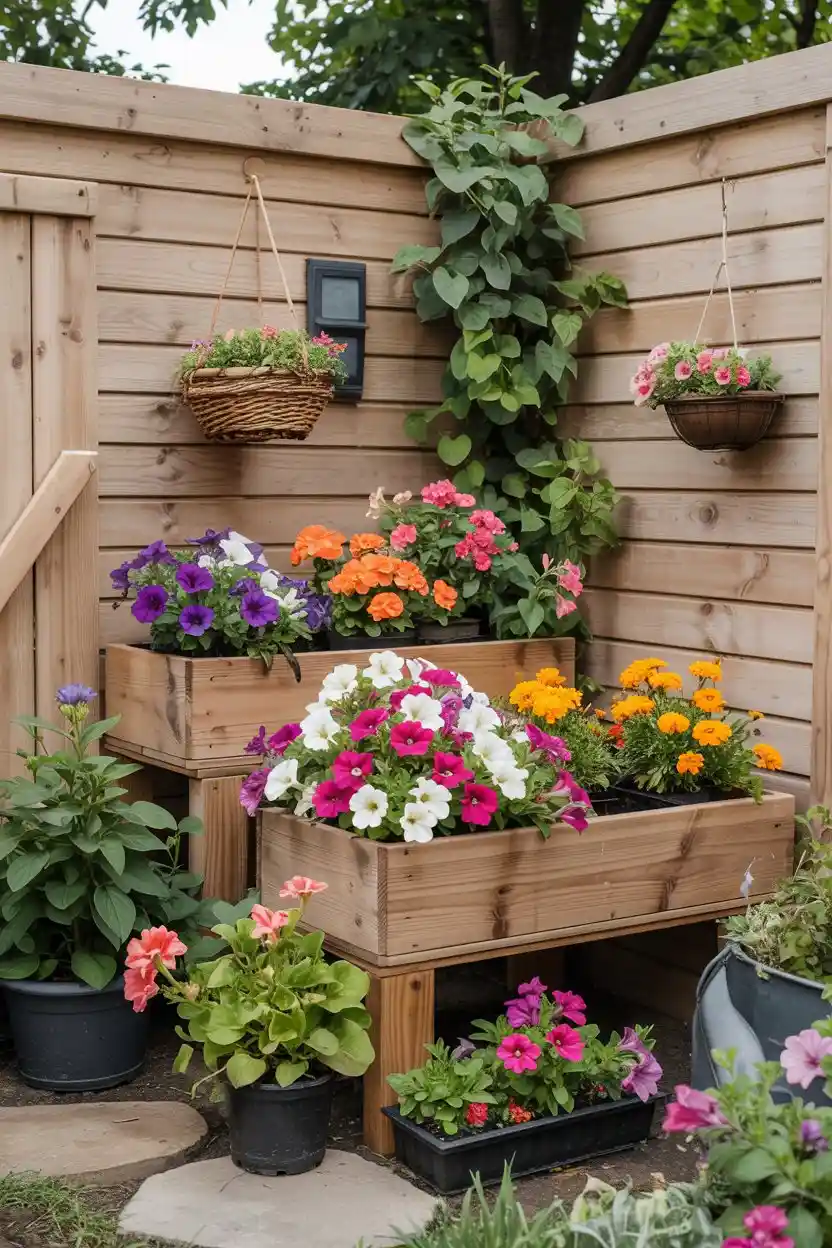
Elevating flowers a foot or more does more than show them off — it puts them above the dog-run zone, the soccer-ball zone, and the careless-footstep zone. Build these from the same materials as vegetable beds, but think in drifts of color rather than rows. Separating blooms from the raised bed vegetable gardensalso lets you tailor soil: flowers generally want leaner soil than hungry tomatoes do.
The drainage advantage applies double to flowers — most perennials hate wet feet more than anything. Group by water needs and you'll water less while getting stronger bloom.
7. Concrete Block Raised Garden Beds for Durability
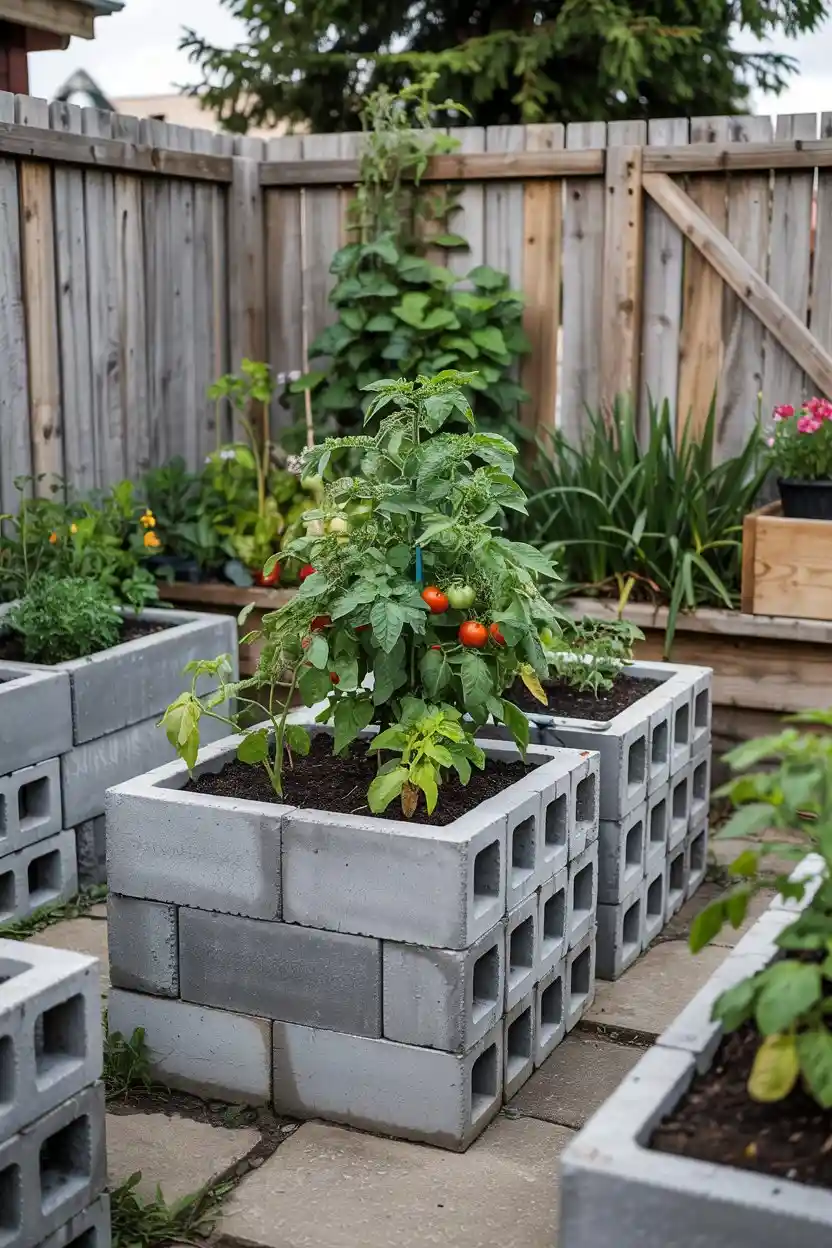
Dry-stacked or mortared, concrete blocks are the heavyweight option: they won't rot, warp, or blow over, and a two-course wall gives you a solid 16-inch depth. The hollow cores aren't wasted space either — fill them with soil and they become a ring of planting pockets perfect for herbs, strawberries, or marigolds.
Blocks moderate soil temperature swings, keeping roots cooler in heat and warmer in cold snaps. Leave them raw for an industrial look or paint them; either way, expect decades of service.
8. Elevated Raised Garden Beds for Accessibility
A bed at waist height — 30 to 36 inches — changes gardening from a knees-and-back exercise into something closer to cooking at a counter. That's the difference between gardening at 70 and giving it up. Legs or a sturdy base frame carry the weight; just be sure the structure can handle wet soil, which runs about 100 pounds per cubic foot.
Height is also pest control: rabbits and many ground insects simply don't make the climb. Cedar or metal both work; pick whichever matches the yard.
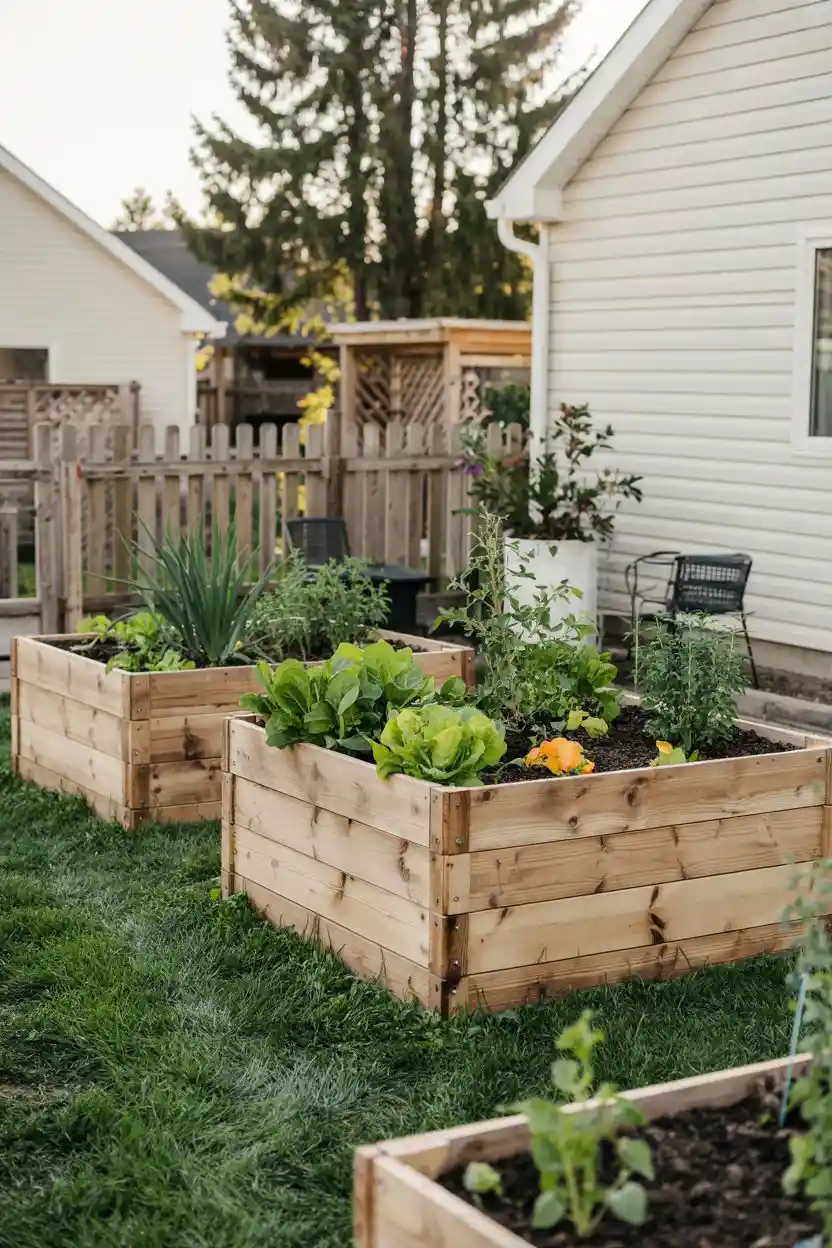
9. Covered Raised Garden Beds to Extend Growing Seasons
A simple hoop of PVC or bent conduit with floating row cover or clear plastic turns a bed into a mini greenhouse. In spring it buys you 3–4 weeks of earlier planting; in fall it stretches harvests past the first frosts. The cover also excludes cabbage moths and flea beetles without a drop of spray.
Vent on warm days — a closed cover in full sun can cook seedlings fast — and weigh the edges down well. Compact covers sized for 4×8 beds are cheap and store flat all summer.
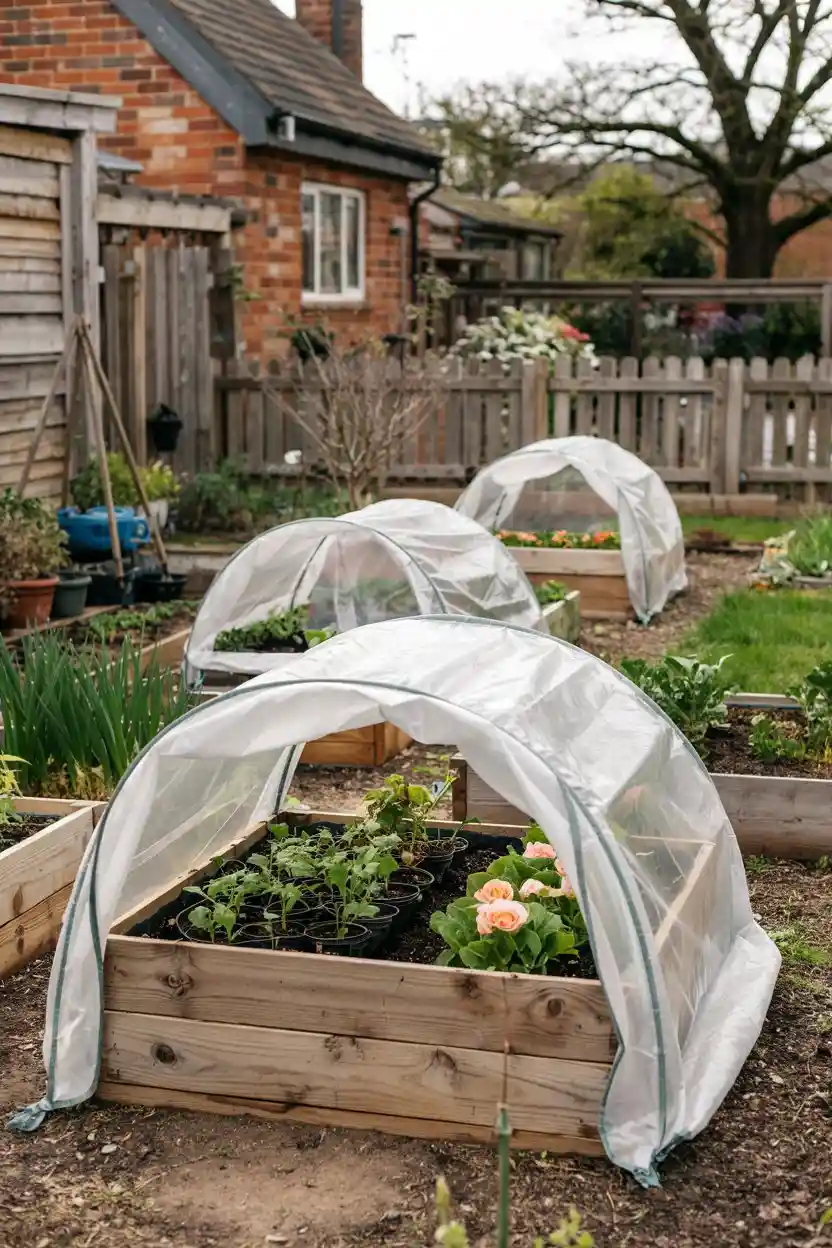
10. Galvanized Steel Raised Garden Beds for Longevity
The zinc coating on galvanized steel is doing quiet work: it sacrifices itself to corrosion so the steel underneath lasts 15–20 years. The slim profile means more growing area per footprint than chunky timber, and the beds arrive as flat packs that bolt together in under an hour.
Same heat caveat as all metal: mulch heavily and site heat-sensitive crops where they get afternoon shade. For peppers, eggplant, and sweet potatoes, the extra warmth is a genuine advantage.
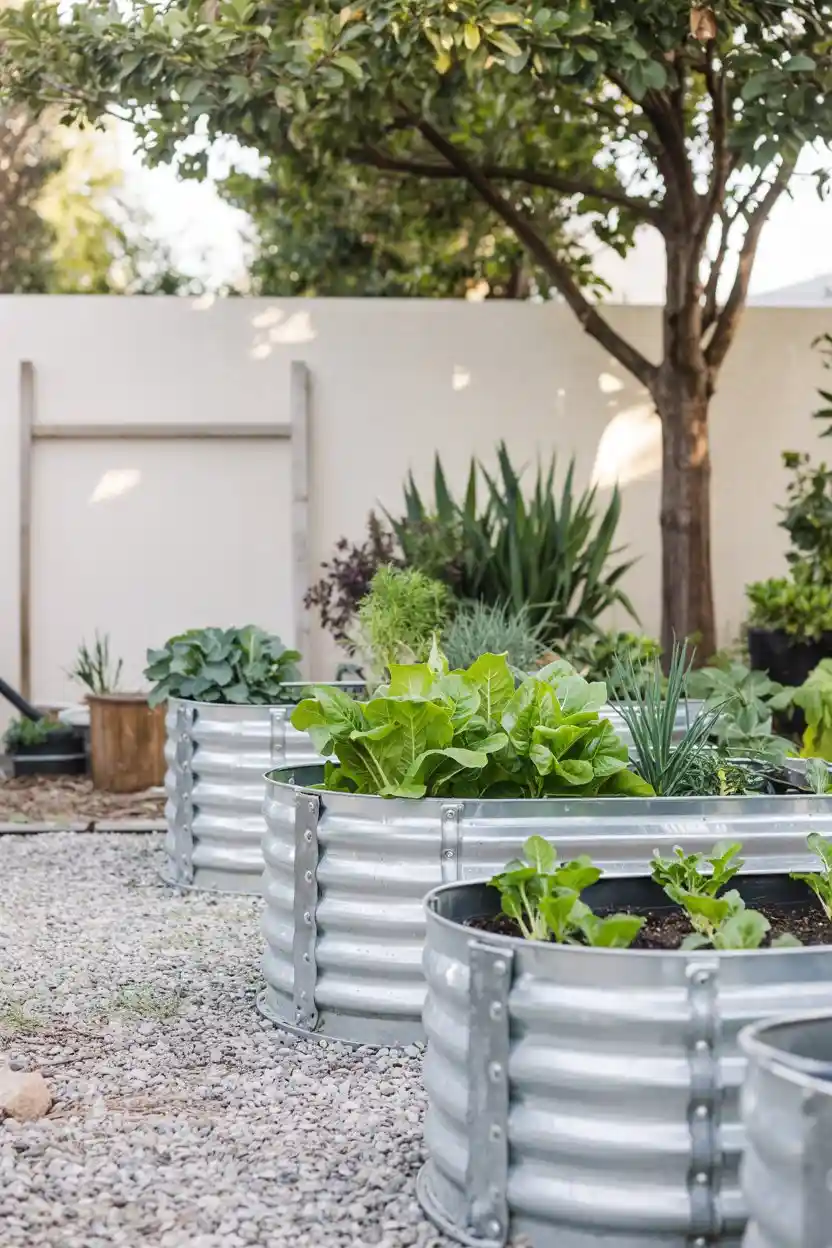
11. DIY Raised Garden Beds Customized for Your Yard
The best reason to build your own is fit: an L-shape that hugs the patio corner, a narrow 2-foot bed along the fence, a depth matched to your crops. Cedar, metal roofing panels, reclaimed brick — the material matters less than the dimensions being right for your space. A DIY build typically runs half the cost of a comparable kit.
Tailor each bed to its job: deep boxes for carrots and tomatoes, shallow ones for herbs and greens. A yard of right-sized beds outperforms a yard of one-size-fits-all boxes.
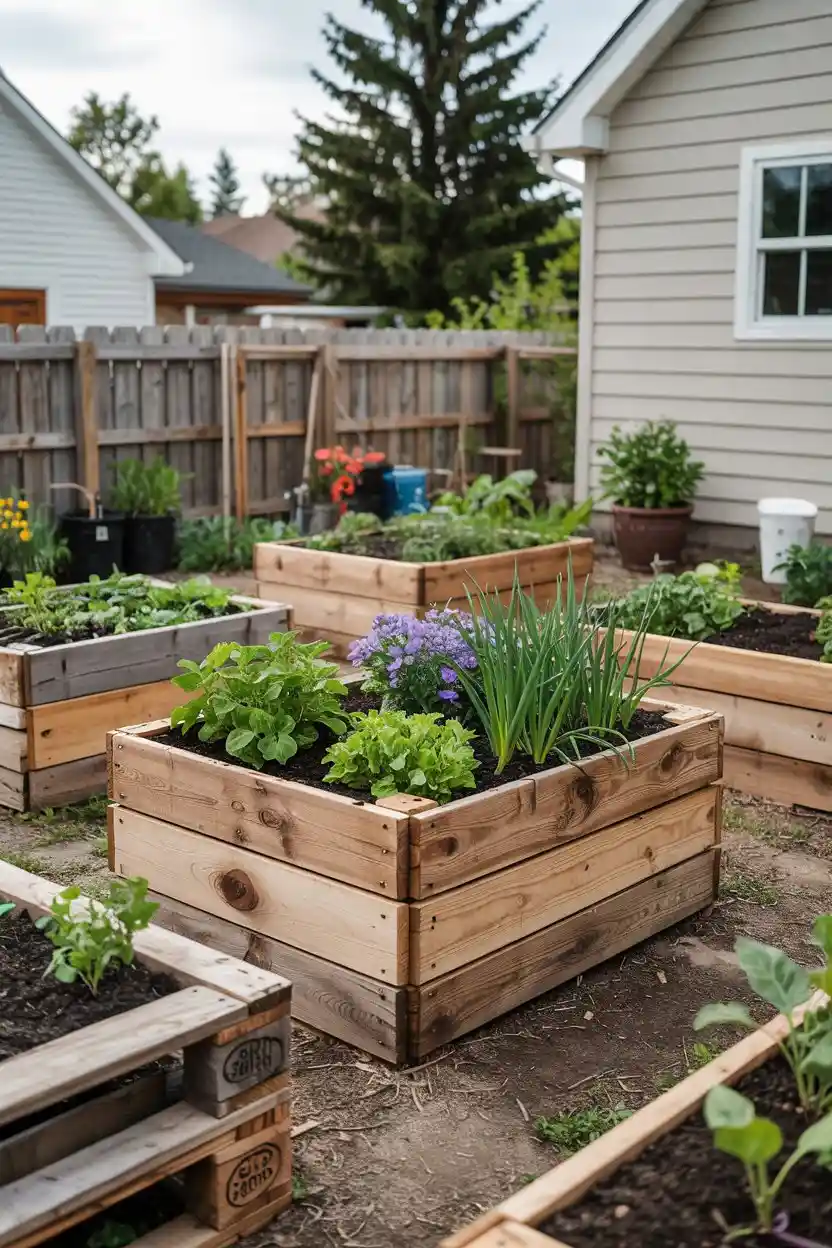
12. Raised Garden Boxes for Organized Planting
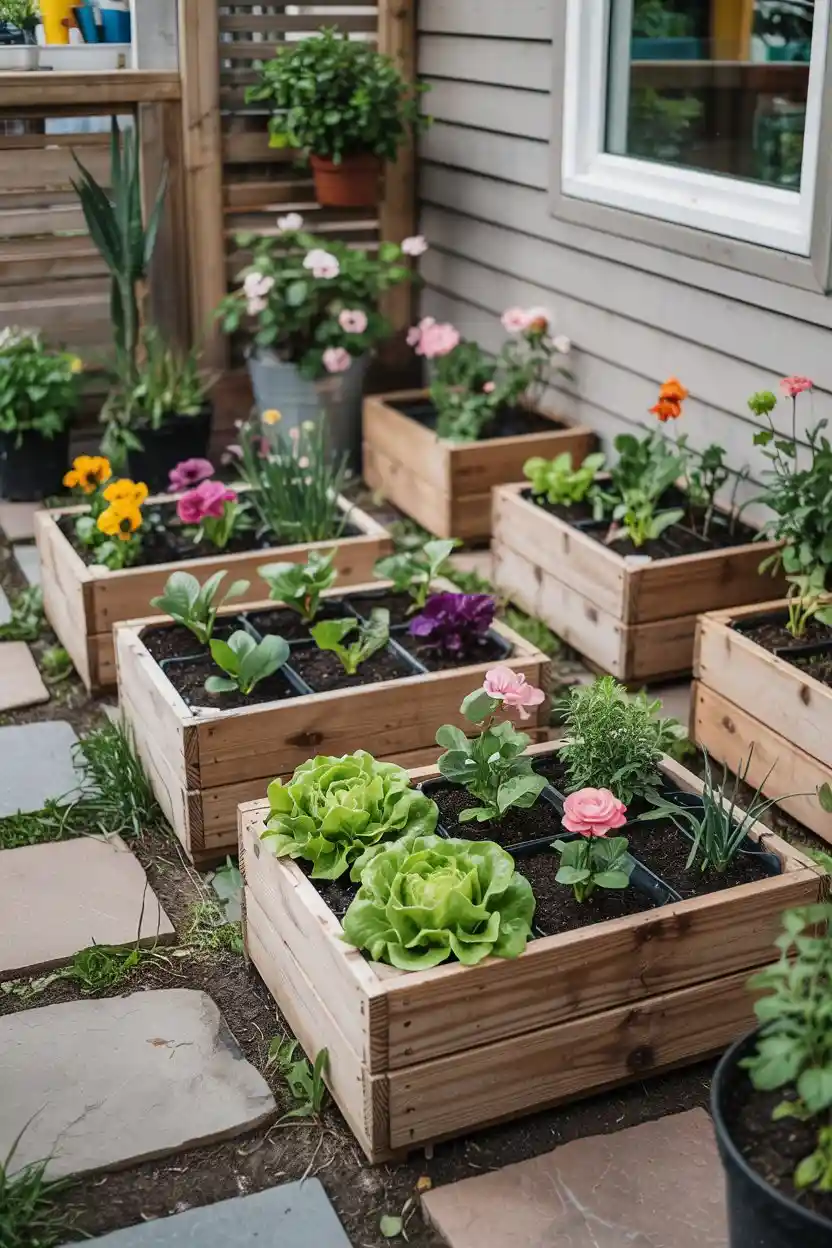
Think of these as the studio apartments of raised beds: compact, self-contained, and enough for anyone starting out. A 2×4-foot box on a patio holds a surprising amount — a tomato, a pepper, basil, and lettuce in succession. Wood, metal, and food-grade plastic all work; the plastic ones are light enough to rearrange mid-season.
For beginners, the contained scale is the teacher: small enough to manage, big enough to learn watering, feeding, and spacing. Weeds barely get a foothold in fresh contained soil.
13. Pallet Raised Bed Gardens with Added Planters
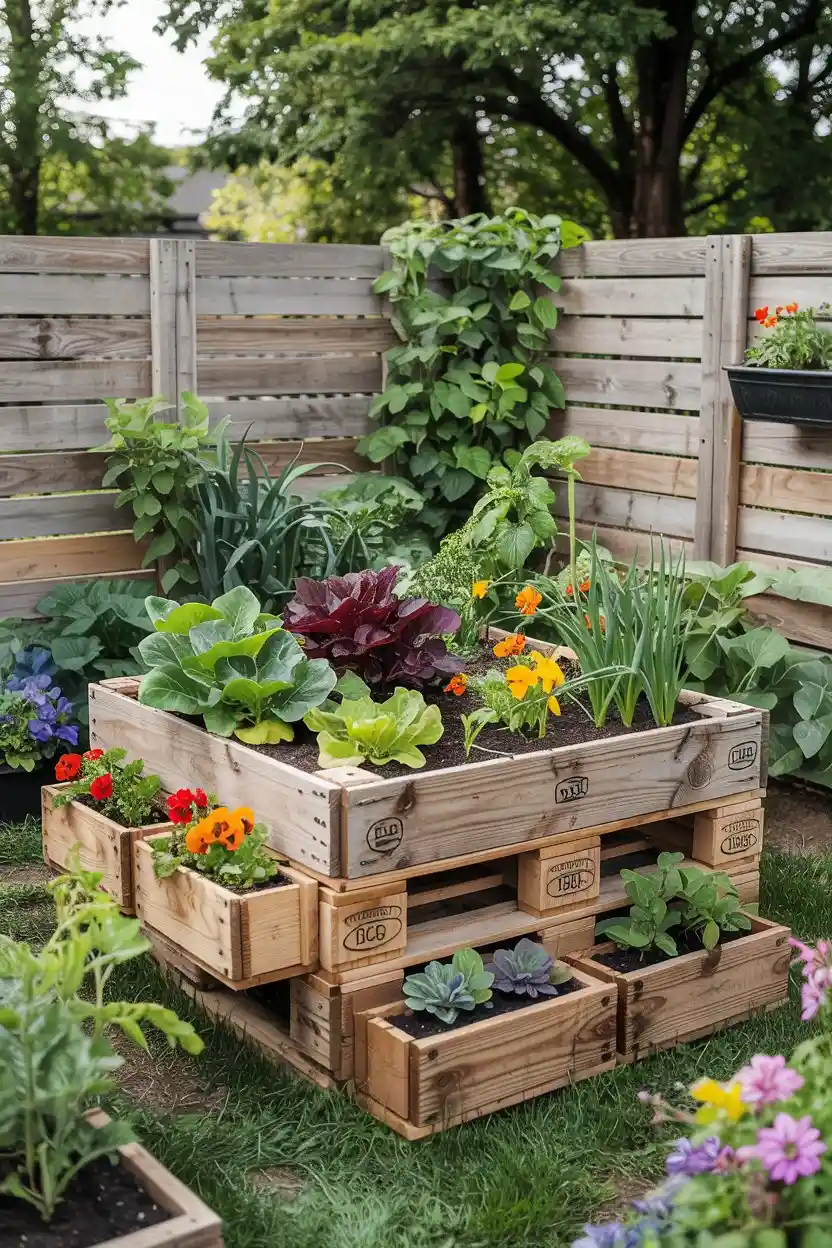
Bolt a shallow planter box along the top edge of a pallet bed and you've added a whole herb garden without taking another square foot. The weathered slat look suits casual yards, and sealing the wood every couple of years keeps it sound. Use the upper planters for things you harvest constantly — herbs, cut-and-come-again lettuce — since they're at the handiest height.
Rotate crops between the main bed and the planters each year; the separation makes it almost automatic.
14. Brick Raised Garden Beds for Classic Style
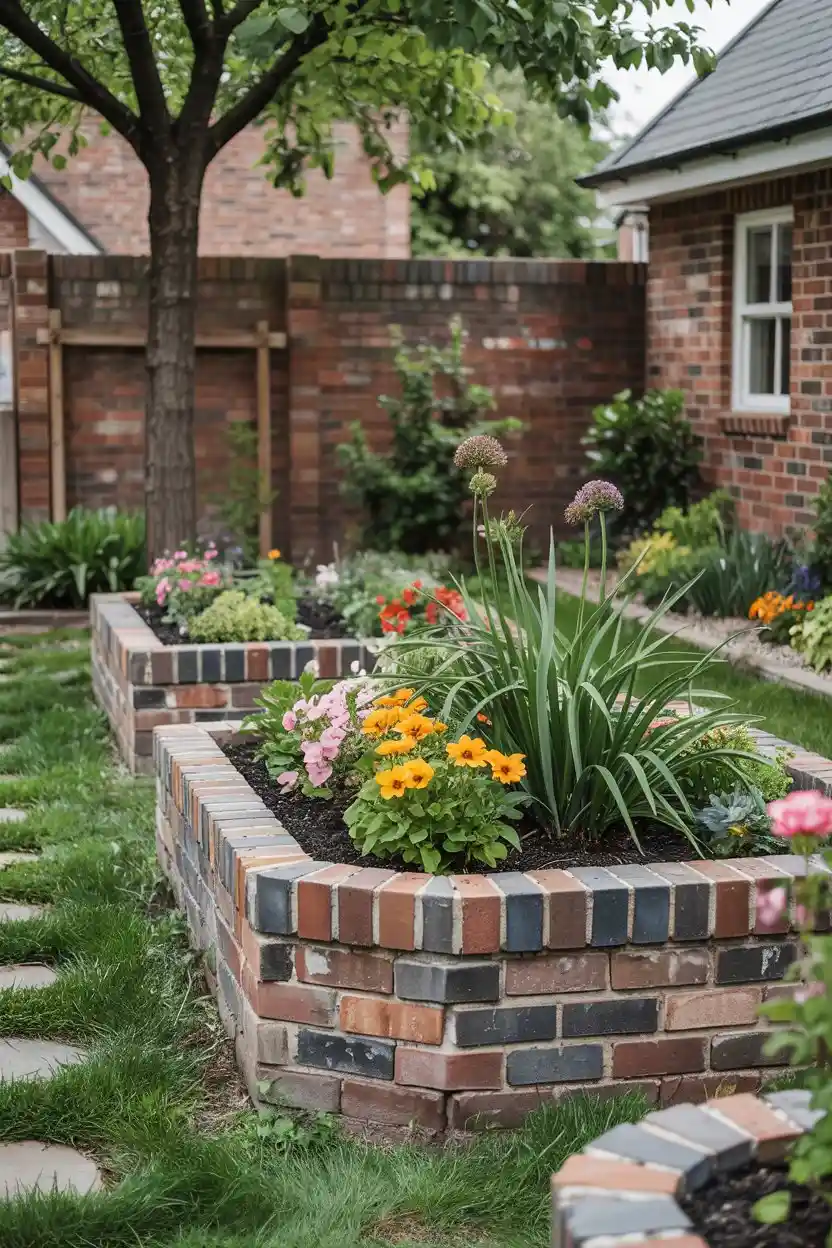
Brick beds look like they've always been there, which is exactly their charm. Dry-stack for a casual cottage feel or mortar for permanence; either way, the thermal mass steadies soil temperature through spring cold snaps. Lay them in a running bond or a simple herringbone cap course for a finished look that costs nothing extra.
Once built, brick asks for nothing — no staining, no replacing, no tightening bolts. It also doubles as casual seating when capped with flat stones.
15. Raised Garden Beds with Integrated Irrigation
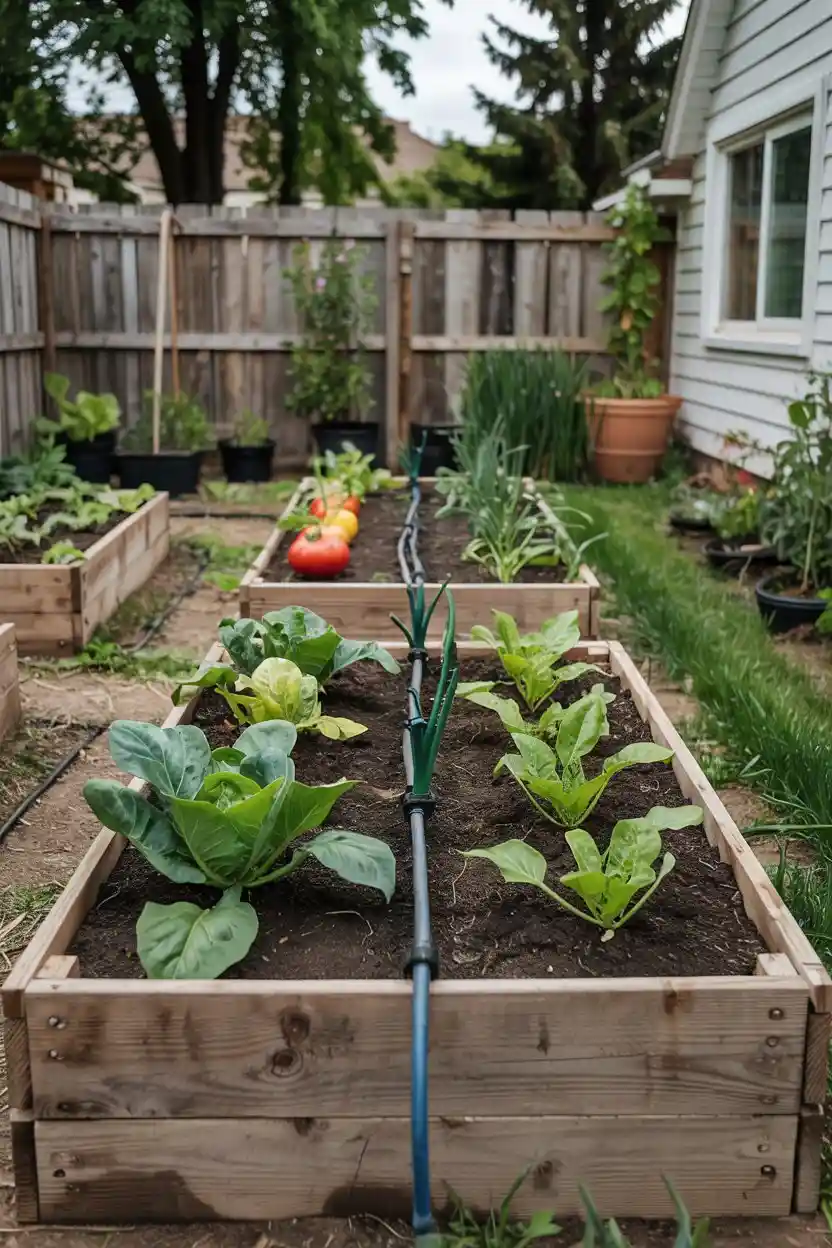
A drip line or soaker hose snaked through the bed before planting is the single best upgrade for small yards, where hand-watering every container eats the morning. A basic timer, a pressure regulator, and a length of 1/4-inch drip tubing run about $40 and pay for themselves in saved time and water — drip delivers moisture to roots with almost no evaporation loss.
Consistent moisture means fewer split tomatoes, less blossom-end rot, and no more guessing whether you watered yesterday. Set the timer, mulch the surface, and check the filter monthly.
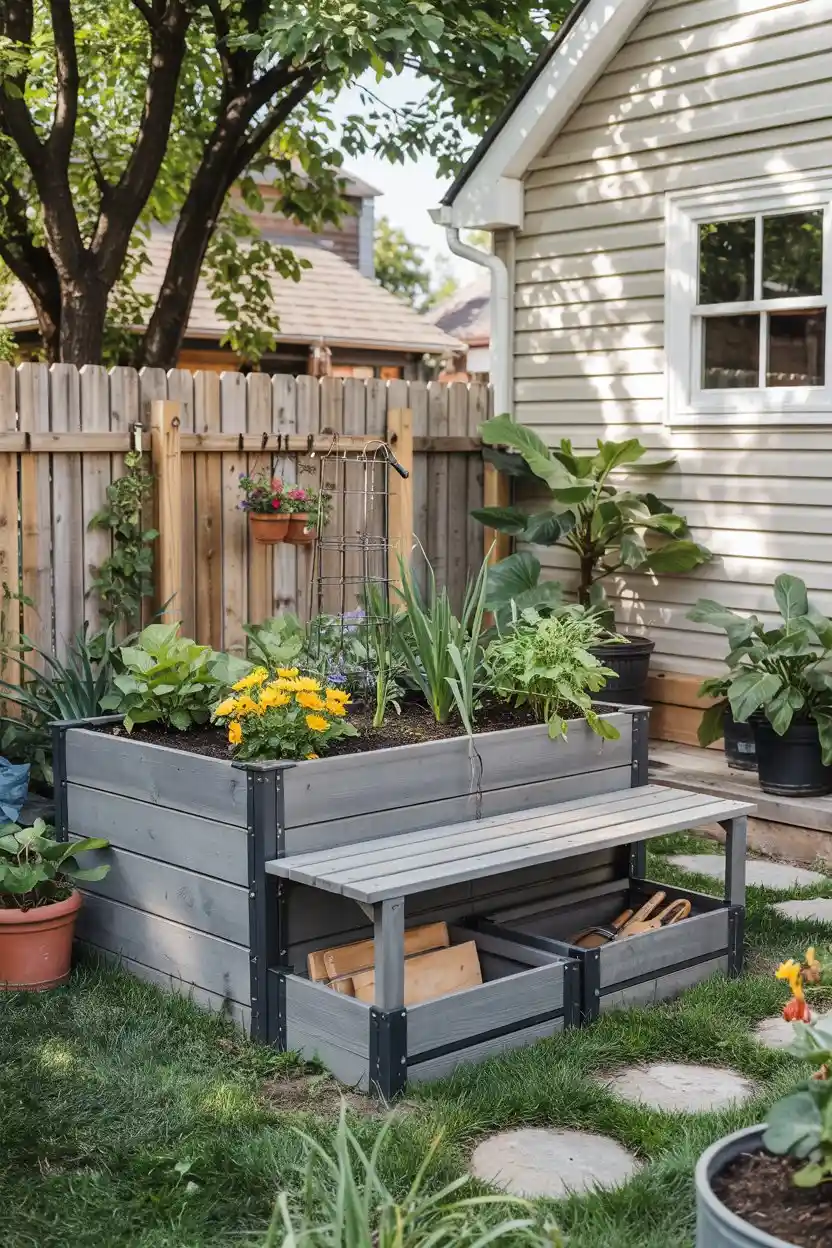
16. Multi-Purpose Raised Garden Beds with Storage
In a small yard, the bed can be the furniture. A wide cap rail around the top edge becomes a bench for potting or perching; a hollow section underneath swallows hand tools, twine, and gloves. Everything stays within arm's reach instead of migrating to the garage.
That bench edge gets used constantly — for morning coffee among the tomatoes, for sorting the harvest, for sitting while you deadhead. It's the most-used seat in many small gardens.
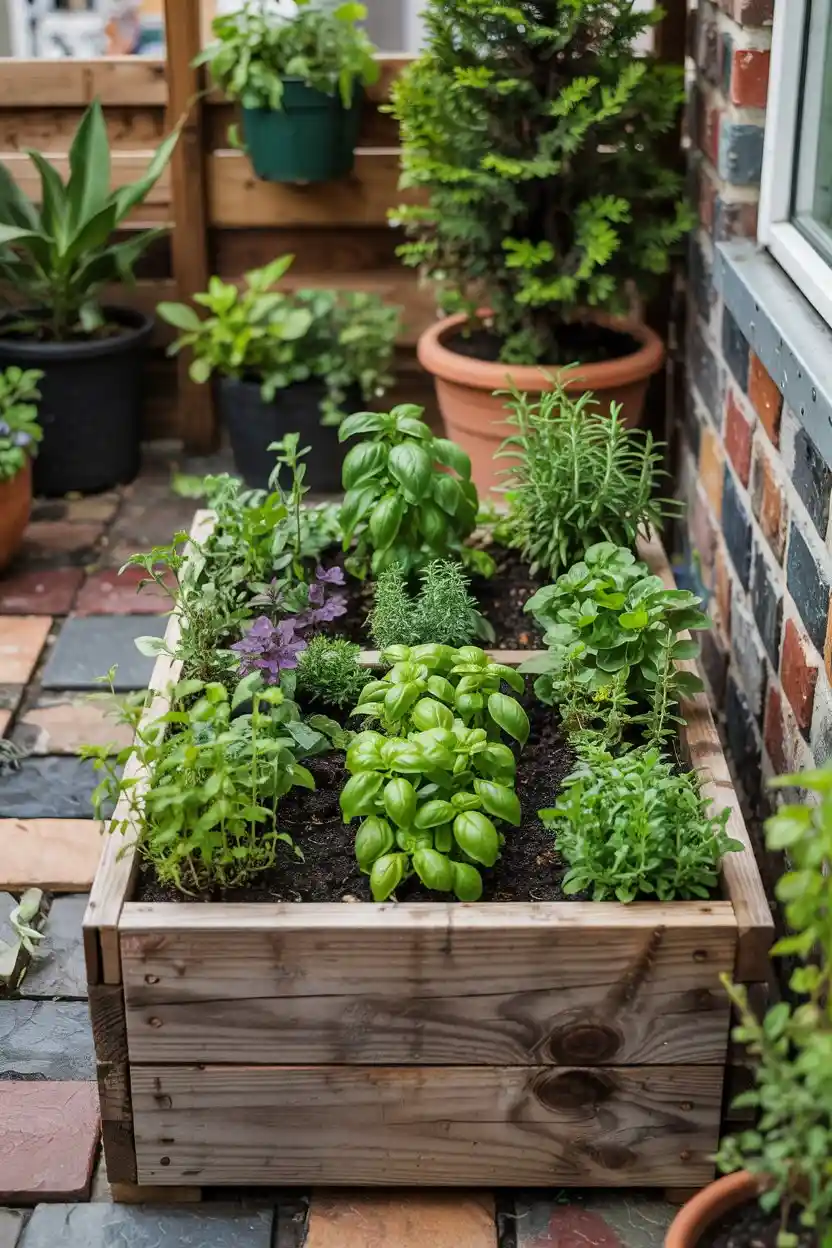
17. Compact Herb Raised Garden Beds
Herbs want what raised beds provide: sharp drainage, lean soil, and sun. A shallow 8–10 inch bed near the kitchen door — or even a wide planter on the patio — holds a full culinary set: basil, thyme, rosemary, parsley, chives, mint in its own pot (never loose; it takes over). Most herbs actually produce stronger flavor in slightly poor soil, so skip the heavy feeding.
Harvest by pinching the top third regularly; it keeps plants bushy and delays flowering. A contained herb bed by the back door gets used ten times more than one at the yard's far end.
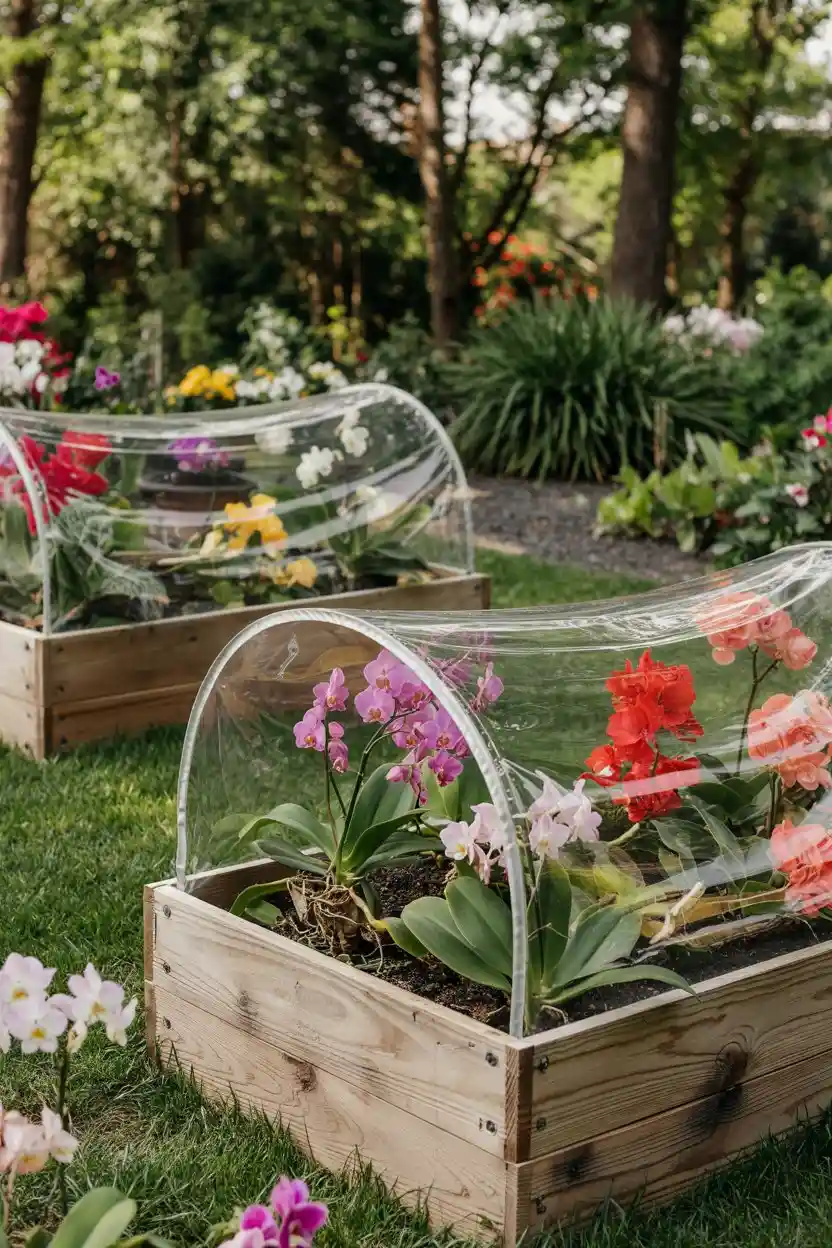
18. Covered Raised Flower Beds for Delicate Plants
Delicate blooms — dahlias just emerging, tender annuals, anything a hailstorm would shred — do well under a lightweight mesh or polycarbonate lid. The cover breaks driving rain, excludes most pests, and holds a few degrees of warmth on cold nights. In tight urban yards where there's no sheltered corner to retreat to, the cover is the sheltered corner.
Blooms last noticeably longer under cover, and you can push zone boundaries a little — trying that marginally-hardy variety becomes a reasonable experiment instead of a donation to the compost.
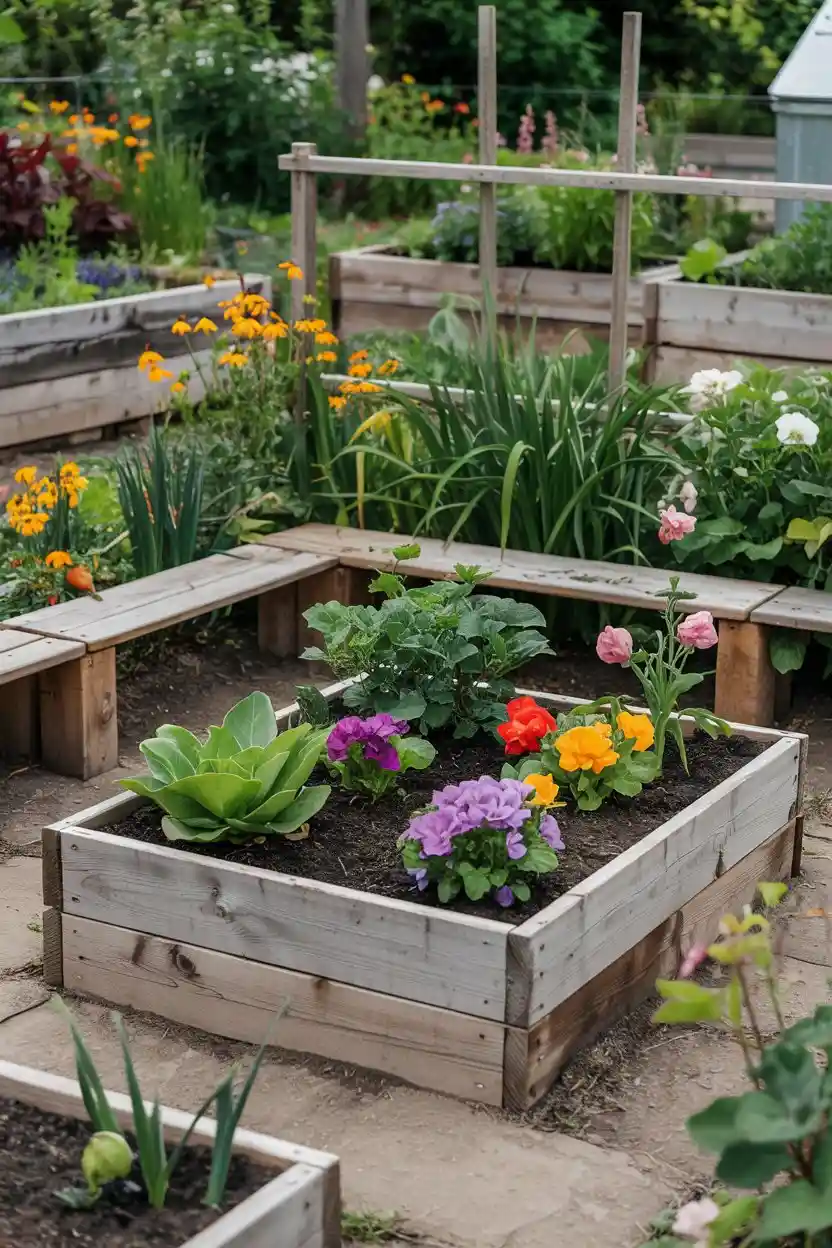
19. Raised Garden Beds with Built-In Seating
Widen the bed's cap rail to 10–12 inches and it becomes a proper bench running the garden's length — no separate seating area needed. In a compact yard this is how you fit both productive beds and a place to sit: the same footprint does both jobs. Build the seat height around 18 inches, standard chair height.
A bed you can sit on gets visited more, weeded more, and harvested more. Utility and leisure stop competing for space.
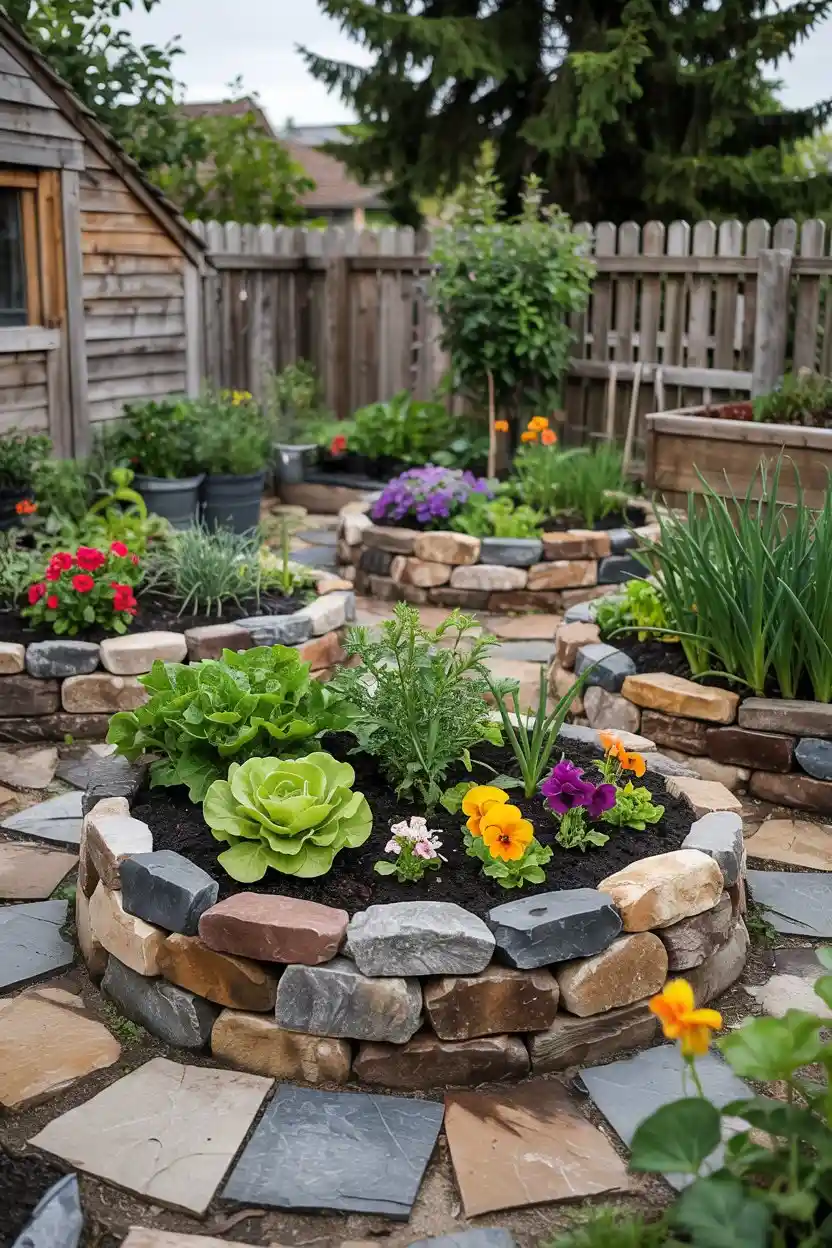
20. Raised Garden Beds Using Natural Stone
Fieldstone, river rock, or quarried wall stone — dry-stacked two courses high — gives a bed that looks carved out of the landscape rather than placed on it. Stone holds daytime heat and releases it at night, which roots appreciate in shoulder seasons, and drainage through the gaps is excellent. It belongs in Minimalist landscapes and cottage gardens alike; the material is older than any trend.
Irregular stones make each bed one of a kind, and a well-built dry stack lasts longer than the gardener. Take time fitting each stone — stability comes from contact, not mortar.
FAQs for Flower Bed Ideas