15 Patio Garden Layout Ideas for Any Space
Most patios go wrong long before the furniture arrives — chairs end up wherever the delivery driver left them, and the plants get squeezed into whatever corners remain. A good layout flips that order: decide how you will actually use the space first, then let the seating, planting, paving, and shade fall into place around it. These fifteen layout ideas show how to do that for patios of any size.
Solid planning pairs the hard surfaces — pavers, slabs, outdoor tile — with softer pieces like tall planters, wall-mounted pots, and low-maintenance containers that still look decent in winter. When those two sides balance, a dining set, a conversation set, or even a fire pit can share the space without it feeling crowded. A patio planned this way stops being an afterthought and starts working like another room of the house — just one with the sky for a ceiling.
1. Layouts Built Around a Central Gathering Spot
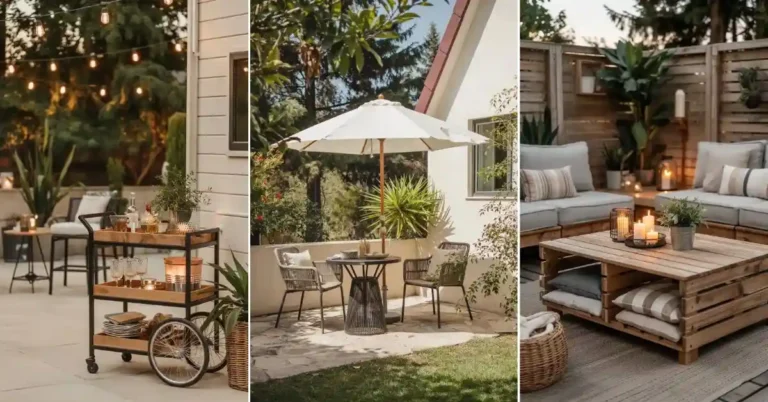
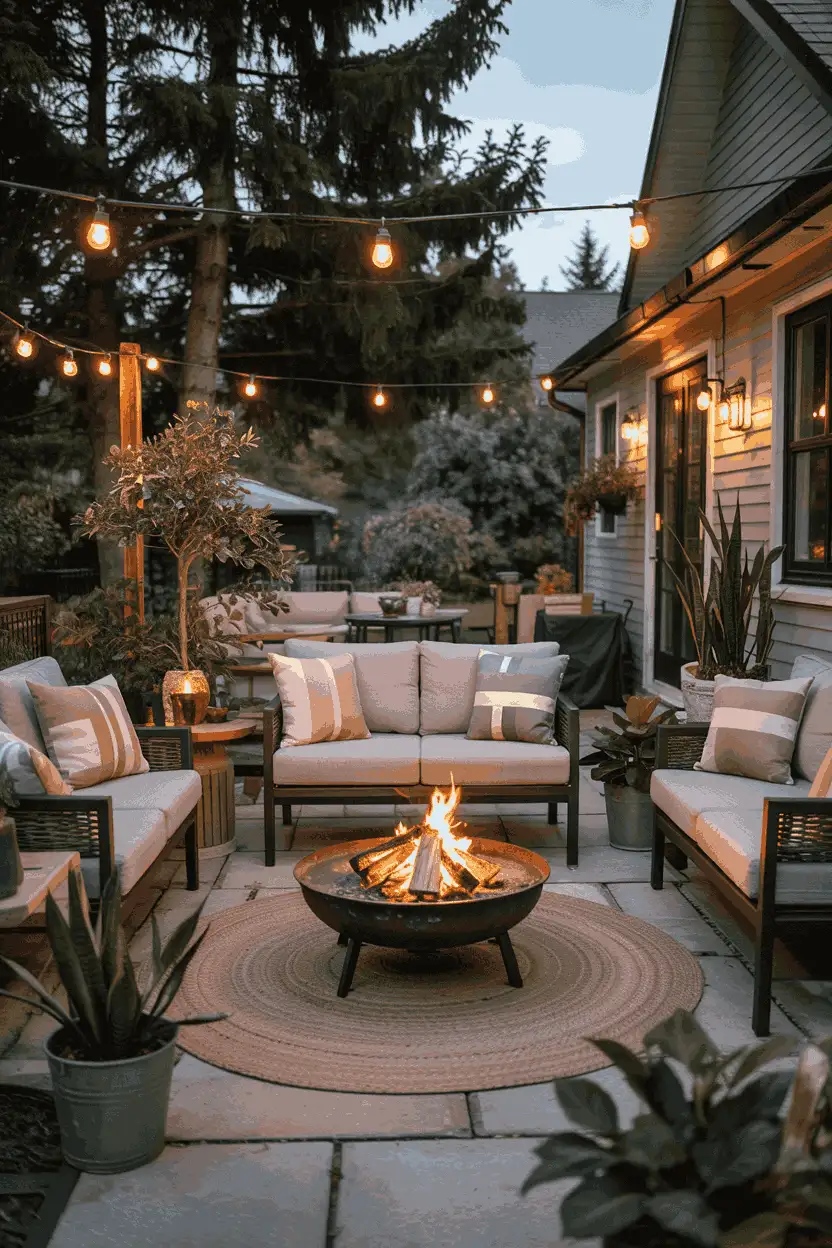
Start with one spot where people naturally end up — a round dining set, a seven-piece set, or a fire pit table — and build everything around it. That anchor gives the whole space structure and somewhere to settle in for dinner or a cool evening. Ringing it with pots and long rectangular planters softens the edges and keeps the arrangement inviting.
Framing that center with paving slabs or porcelain tile in a circle or square defines it without a single wall. Interlocking deck tiles or stone pavers add texture underfoot while letting the main furniture piece stay the star of the show.
2. Patio Garden Layouts That Maximize Small Spaces
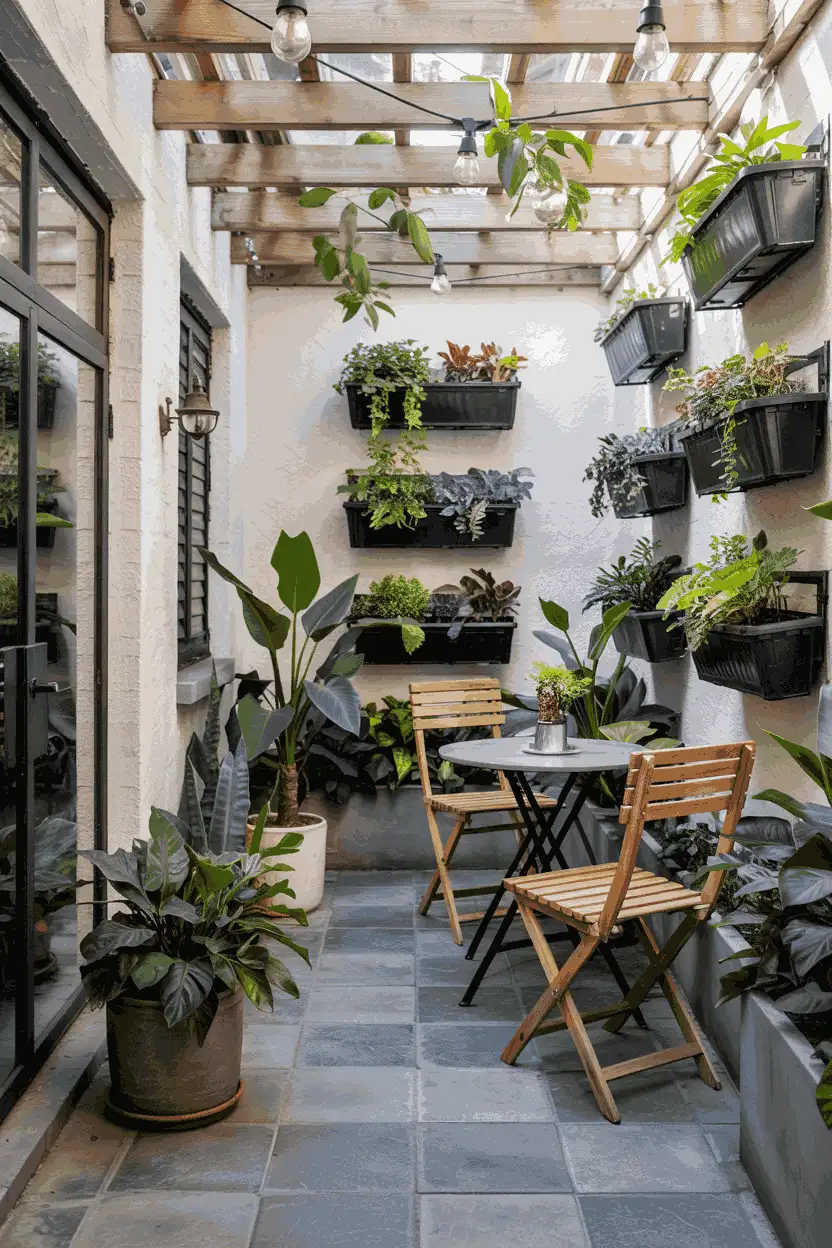
On a small patio, restraint does the heavy lifting. A three-piece bistro set fits a tight corner without swallowing the paving pattern, and vertical pieces — wall-mounted planters, a slim privacy screen — bring in the greenery without eating floor space.
Underfoot, deck tiles or interlocking pavers can carve out zones without any construction at all. Stick to straight lines and one or two colors, and the whole space reads bigger than its actual measurements.
3. Garden-Focused Layouts with Layered Planters
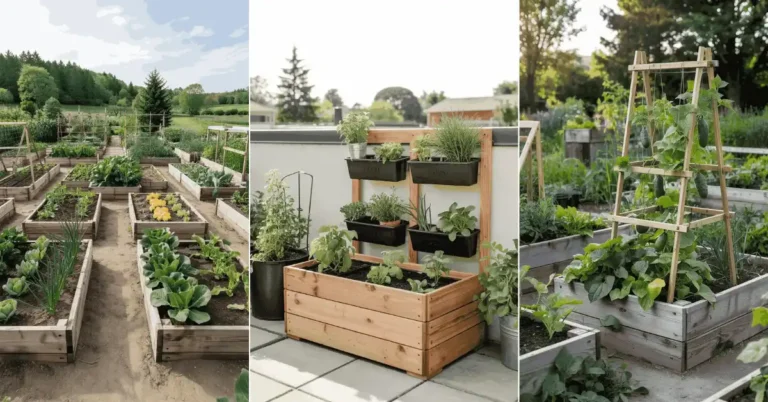
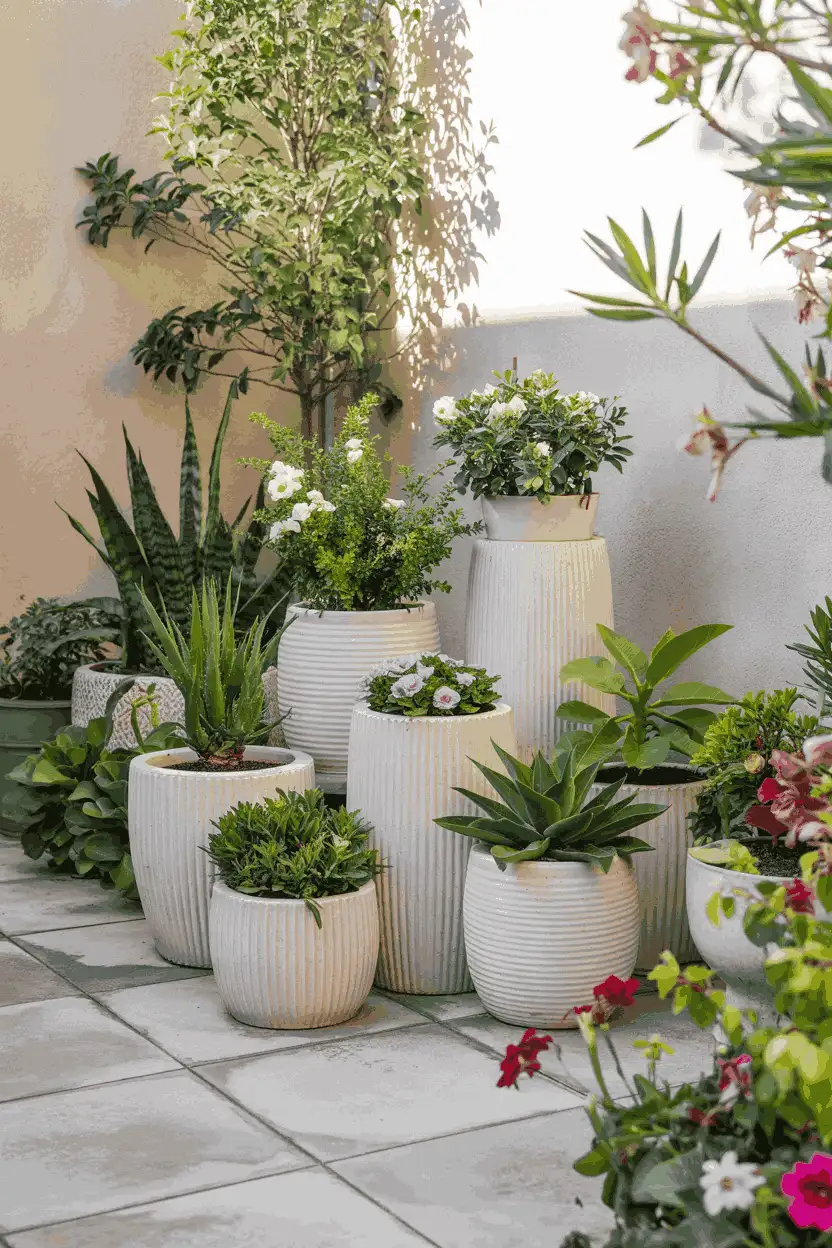
Put the plants in charge and the patio starts to feel like a garden room. Large pots, extra-deep planters, and square containers set along edges and corners form natural walls, give the furniture some backdrop, and quietly steer foot traffic. Mixing a couple of modern planters with wooden ones adds depth without blowing the budget.
4. Patios Designed for Outdoor Dining
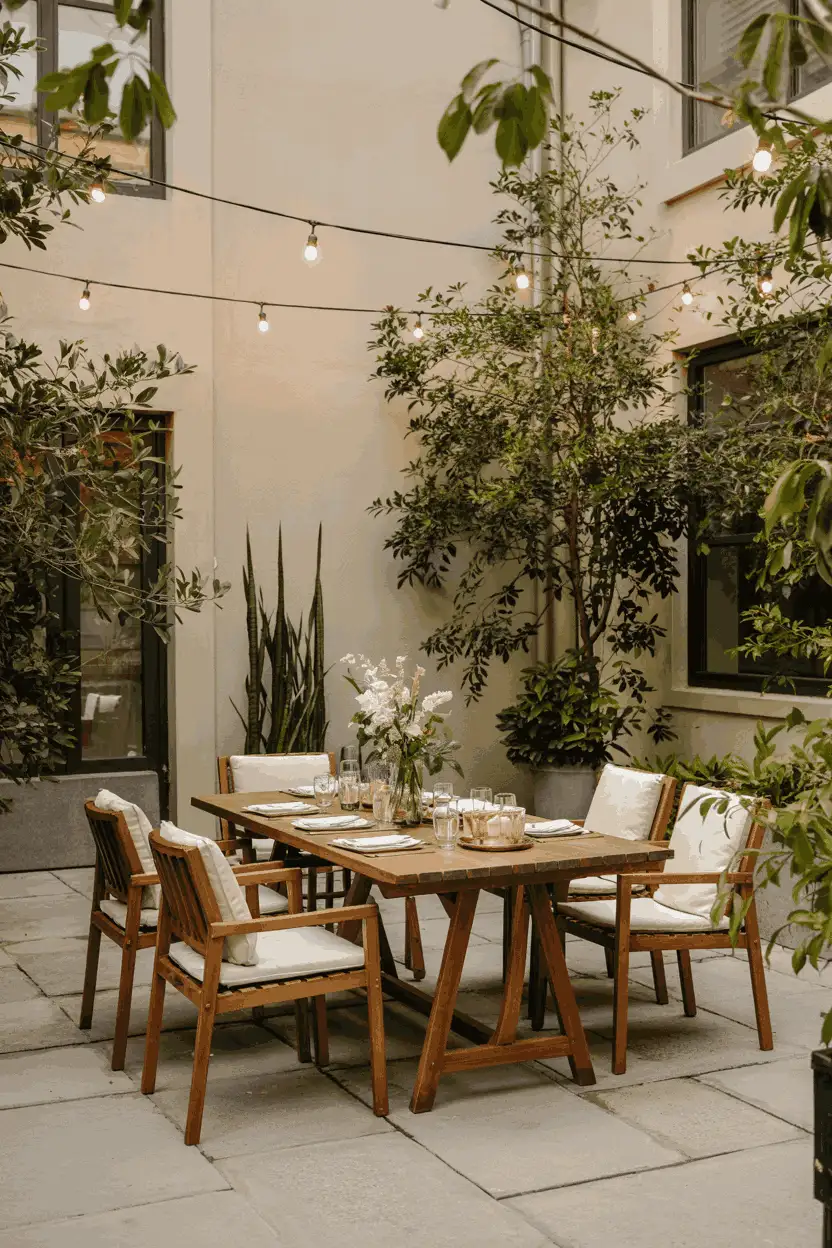
A dining-first layout is really about elbow room: give the table generous space for chairs to pull out and people to walk past. A six- or nine-piece set suits a big slab; a four-seater is the honest choice for a medium one. Set the table on level paving so it never wobbles, and put a pergola or shade sail overhead — nobody lingers over dessert in full afternoon sun.
5. Fire Pit–Centered Patio Layouts
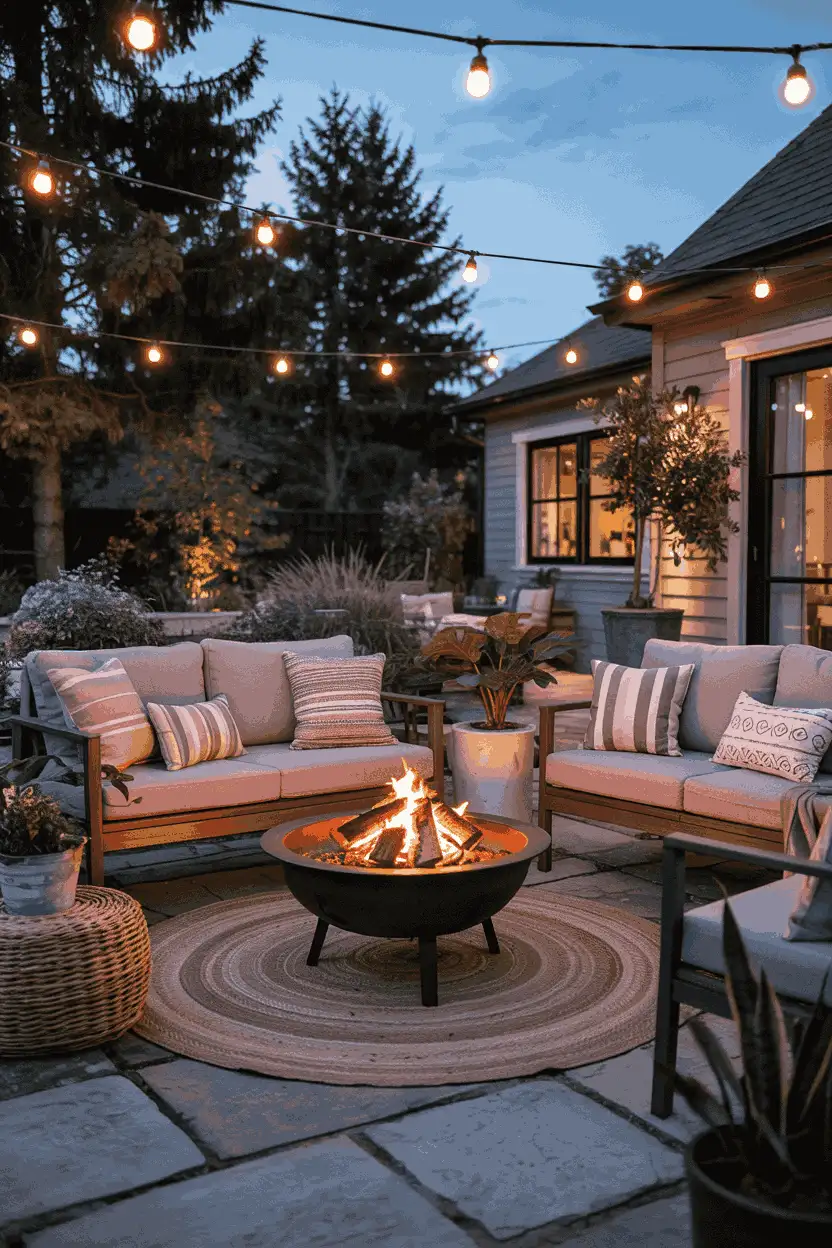
A fire pit reorganizes the entire patio around itself. Lay a circle or square of pavers — fire-rated ones nearest the flame — and ring it with sofas, a metal bench, or a low conversation set close enough to feel the heat. A few planters at the edges soften all that stone and pull guests toward the seats.
6. Patio Layouts with Built-In Privacy
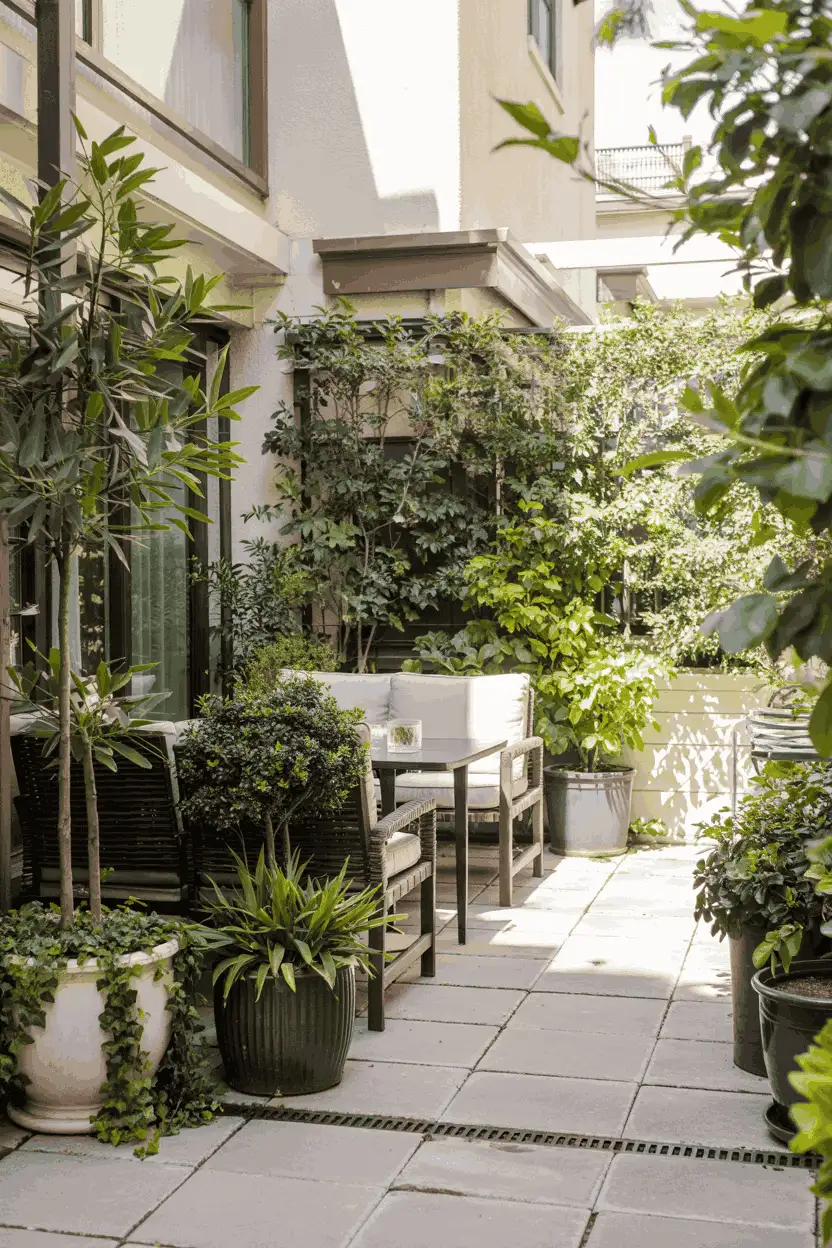
If the neighbors’ windows are the view, design the screens first and the seating second. Freestanding privacy screens or metal lattice panels carve the patio into an outdoor room, and tall grasses or bamboo in planter boxes finish the job without a fence permit.
Once the boundaries are set, tuck a bench or a pair of chairs into the sheltered corner — that becomes the default spot for morning coffee and quiet evenings.
7. Zone-Based Layouts for Multi-Purpose Patios
A big slab can hold several lives at once if you give each its own zone: dining here, lounging there, planting along the edges. Different paving materials — large-format pavers for dining, warmer stone for the lounge corner — mark the transitions without a single wall, and every section gets a clear job.
8. Layouts for Covered or Protected Patios
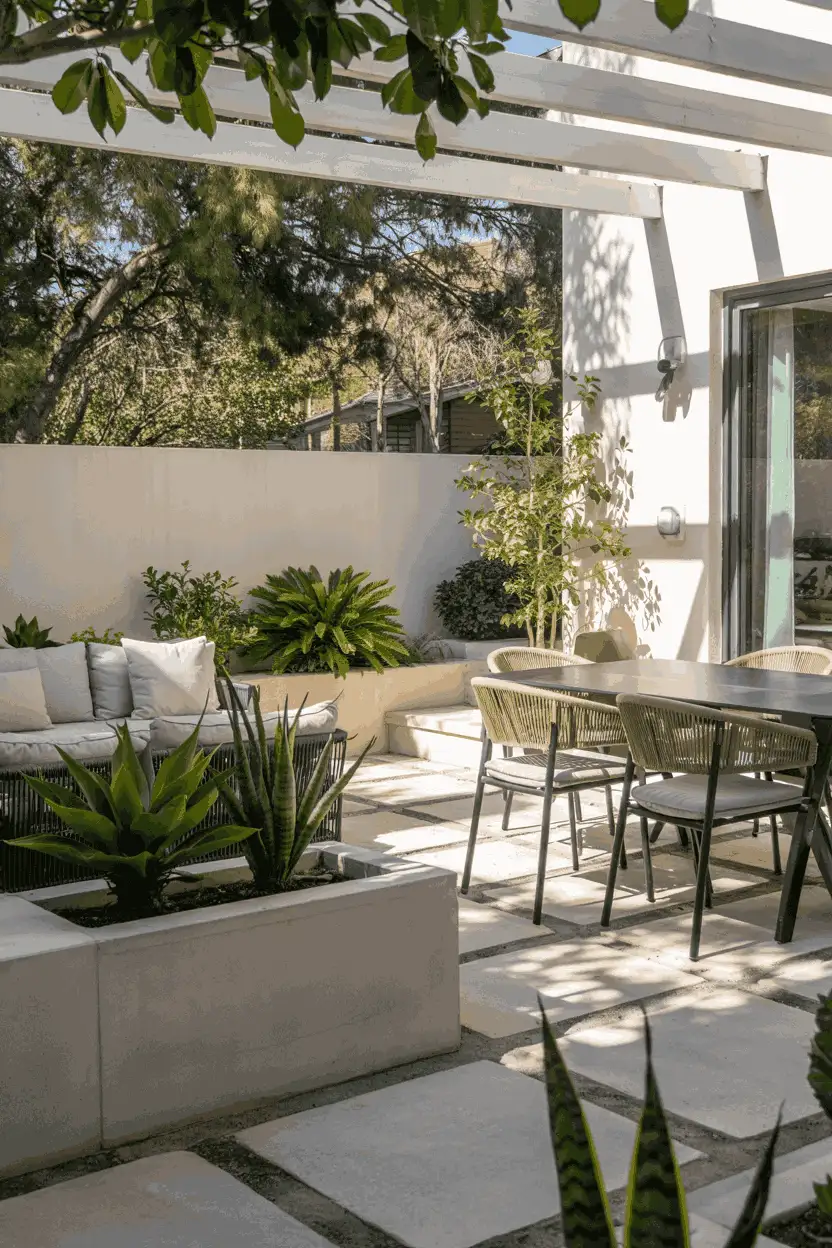
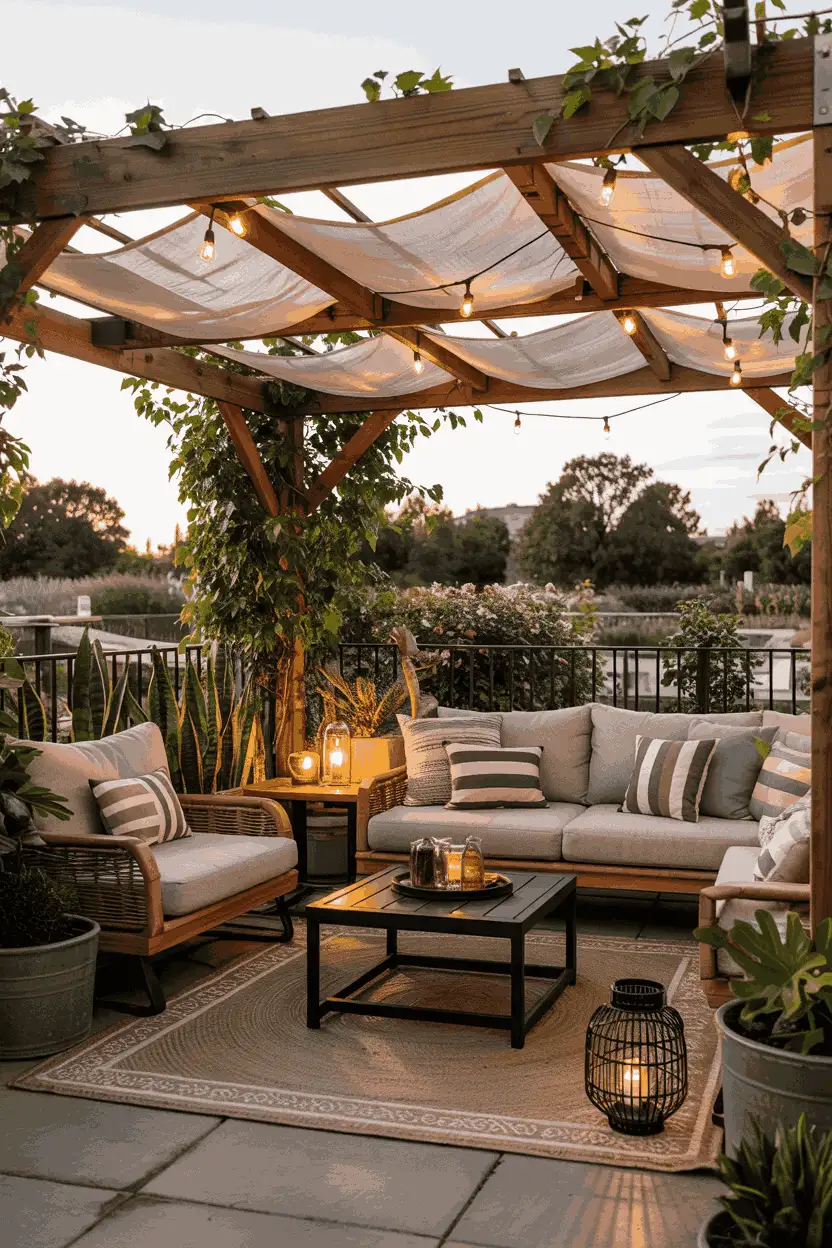
A covered patio plays by different rules: shade lets you use wicker or teak freely without worrying about sun damage. Center the main seating directly under the pergola or gazebo roof, then dress the perimeter with wall planters and garden ornaments so the structure settles into the landscape instead of sitting on top of it.
9. Lounge-First Patio Layouts
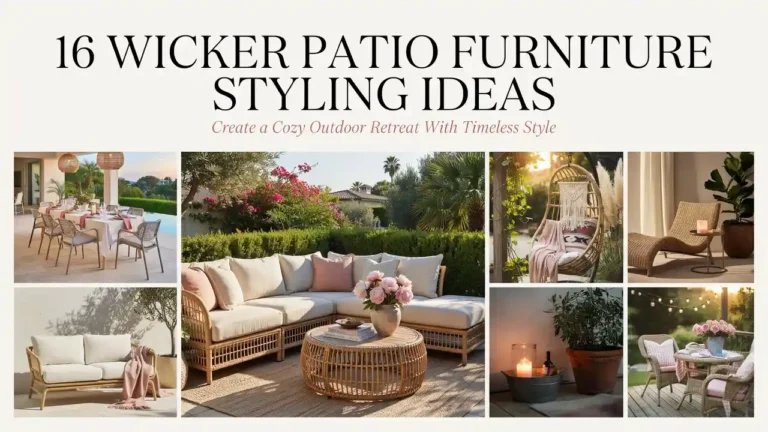
Some patios exist for doing nothing, and the layout should admit it. A daybed, a deep wicker loveseat, and a low wooden bench set the tone; keep the surrounding paving plain so there is nothing to trip over on the way to a nap.
Then let the planting do the quiet work — ceramic pots and simple containers clustered around the loungers frame the zone in green.
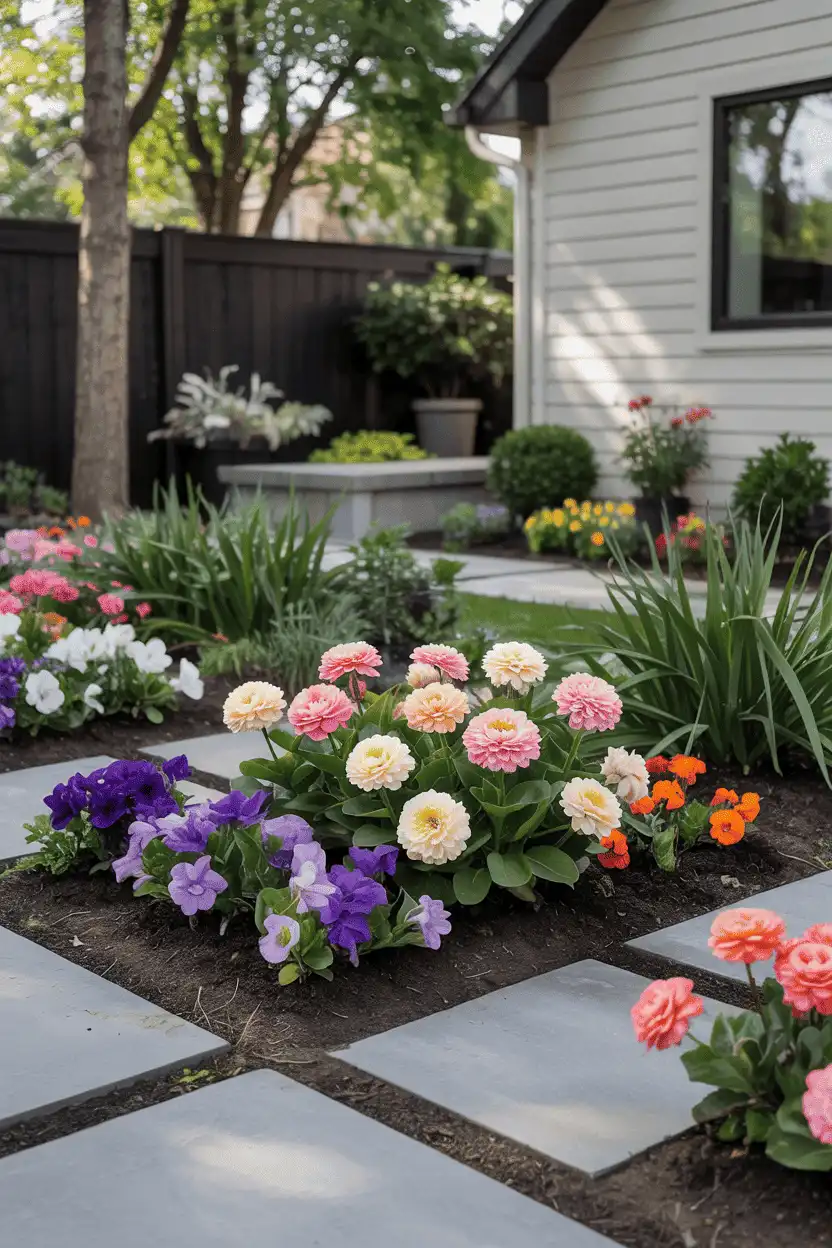
10. Layouts That Highlight Pathways and Flow
Think about how people will move through the space before you place a single chair. Paver paths, a low edging stone, or a simple change in paving material can draw guests from the door to the seating to the garden without a single signpost.
Tuck a bench near those transitions as a pause point, and keep the walking lanes themselves clear of furniture — the most common flow mistake is a chair leg jutting into the main path.
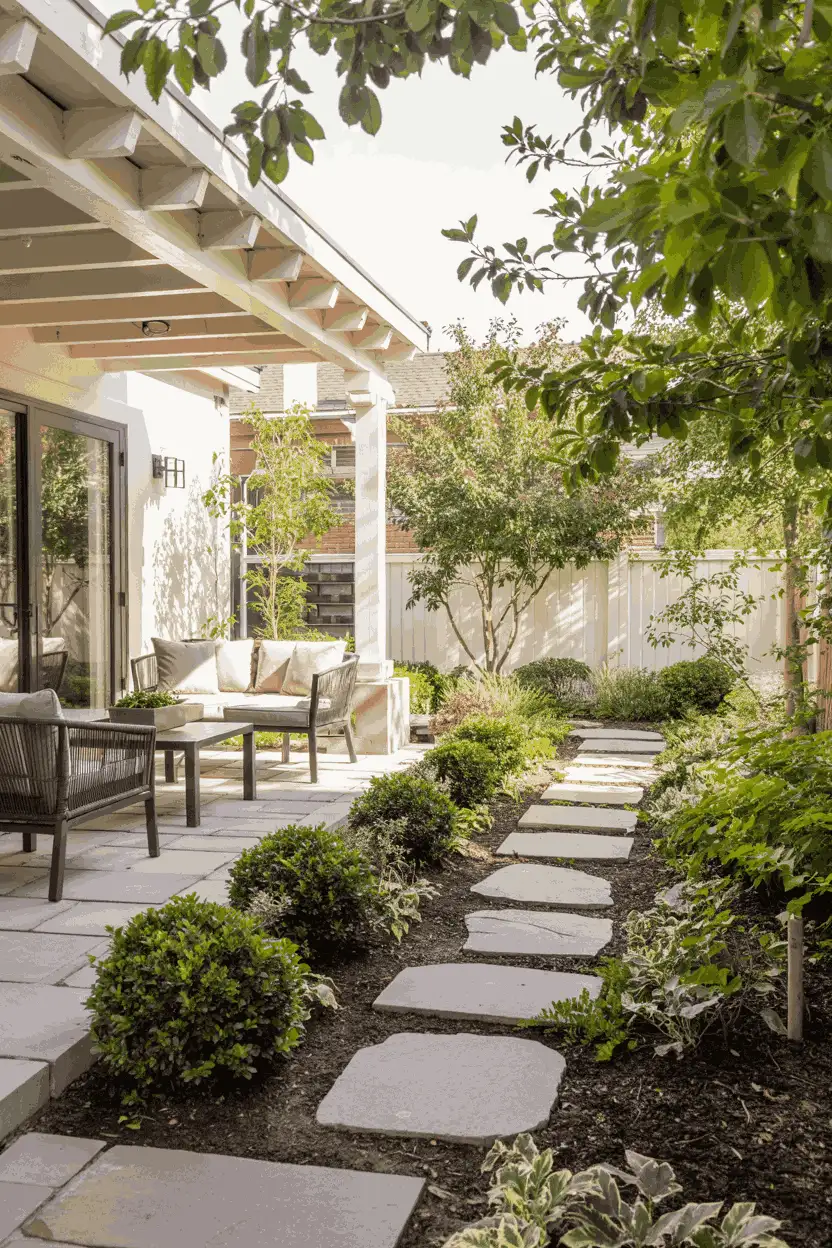
11. Minimalist Patio Layouts for Modern Homes
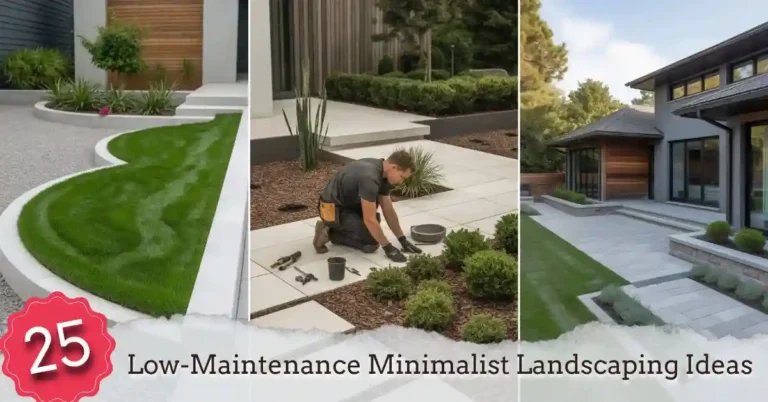
Minimalism on a patio is mostly about restraint: one uniform paving material — large porcelain tiles or slate slabs — a single simple set, and one or two statement pieces like a sculptural bench or a round dining table.
Let a pair of white planters or one dark bench supply the contrast, and stop there. The empty space is the design.
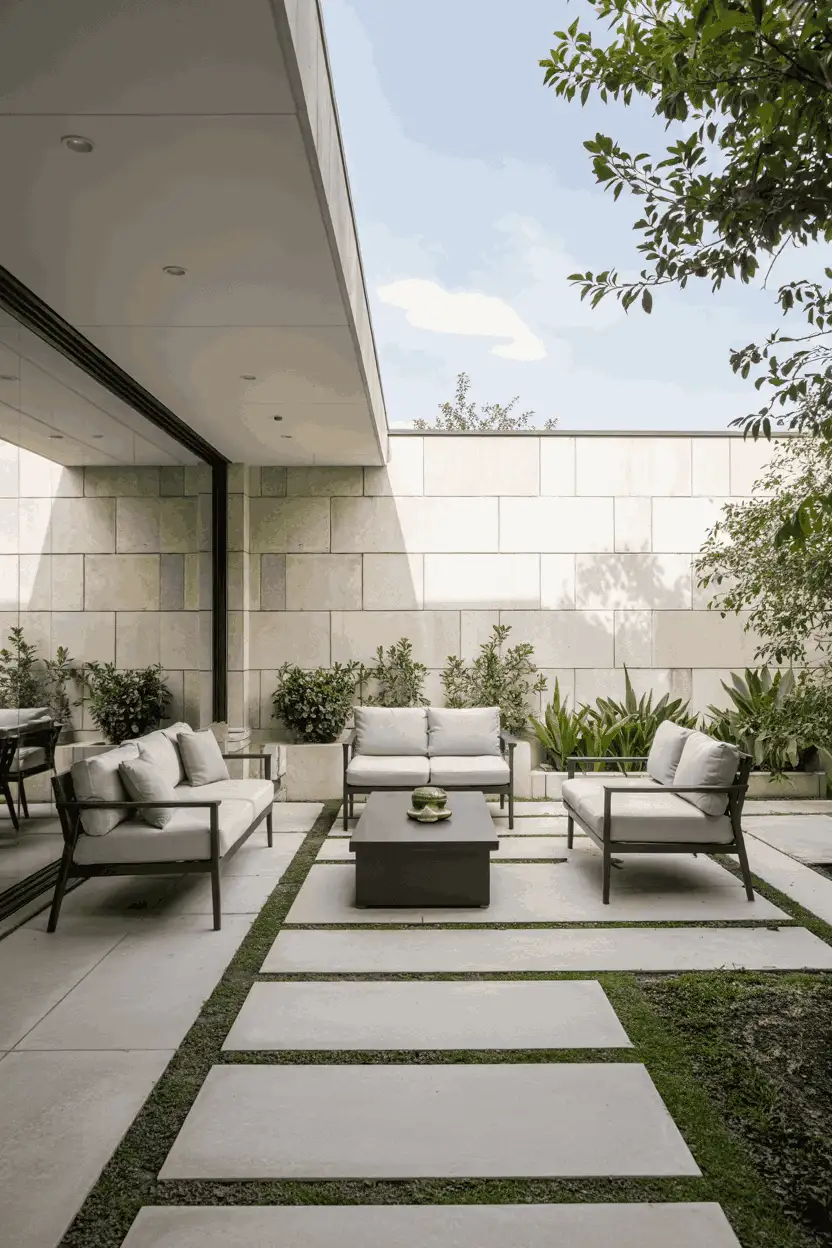
12. Rustic Patio Garden Layouts with Natural Materials
Rustic layouts lean on texture: sandstone slabs, wood-look deck tiles, a woven or timber bench. The materials do the decorating, so the furniture can be simple — a wooden bistro set or a chunky bench — and the whole space feels settled and warm.
A metal arch, a few hanging planters, and a teak bench near the lawn edge blur the line between patio and garden so the two read as one place.
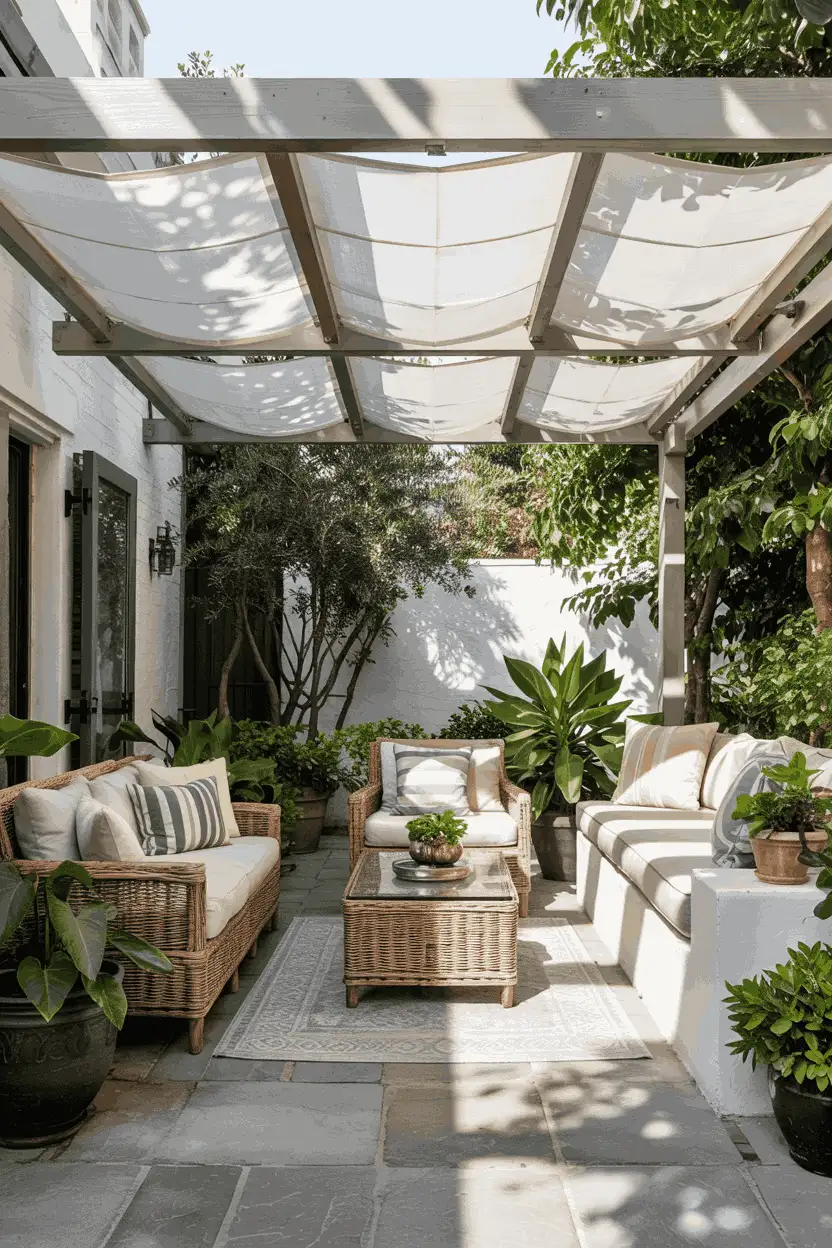
13. Symmetrical Patio Layouts with Balanced Proportions
For a formal or classic home, symmetry reads as calm: matching planters flanking the doors, aligned paving, and a centered five- or six-piece set holding the middle of it all.
Soften the geometry with paired trees in pots or tall planters at the corners — orderly, but still unmistakably a garden.
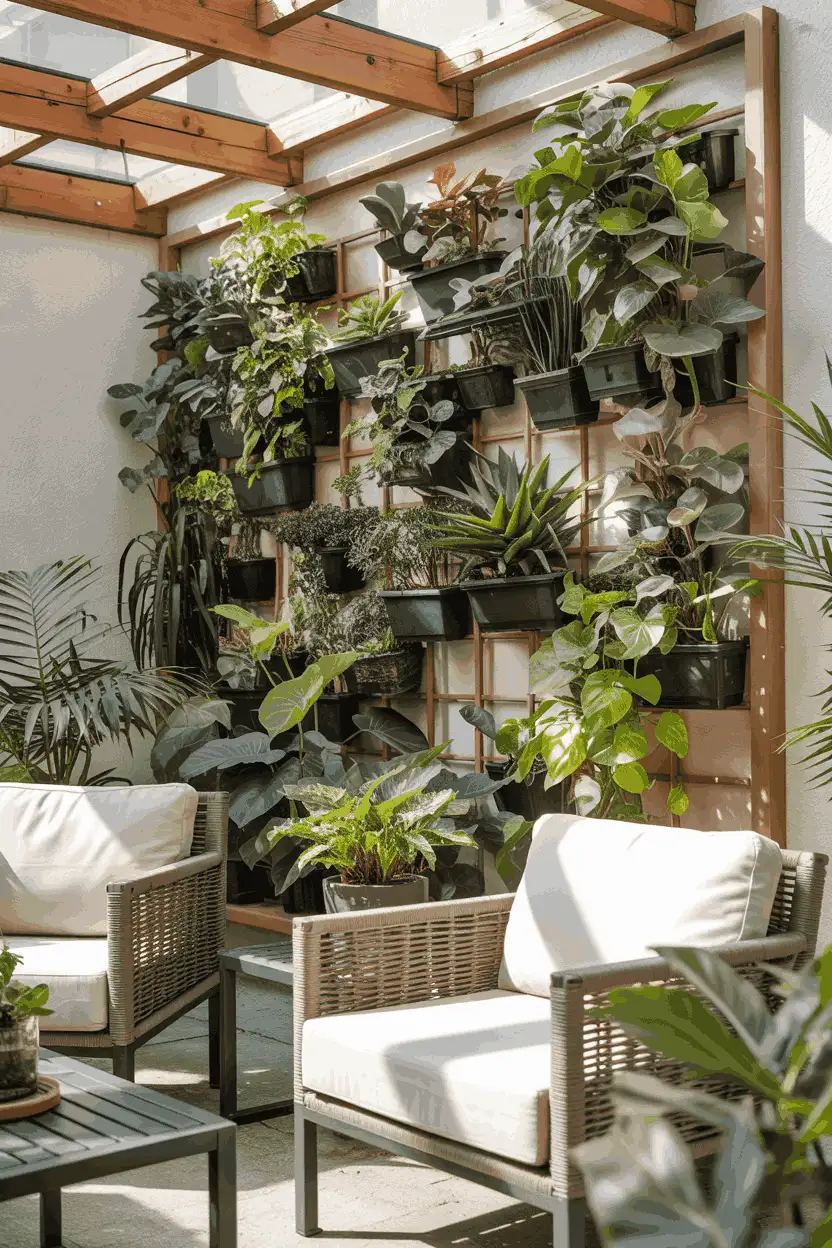
14. Patio Layouts for Sun-Loving Gardens
A full-sun patio needs the shade planned in, not added as an afterthought. A retractable sail or shade panels over the seating keep summer afternoons usable, while the sunniest edges go to the plants that actually want the heat.
Line those bright borders with planter boxes of roses, dwarf fruit trees, and tall grasses — color and a measure of privacy in a single move.
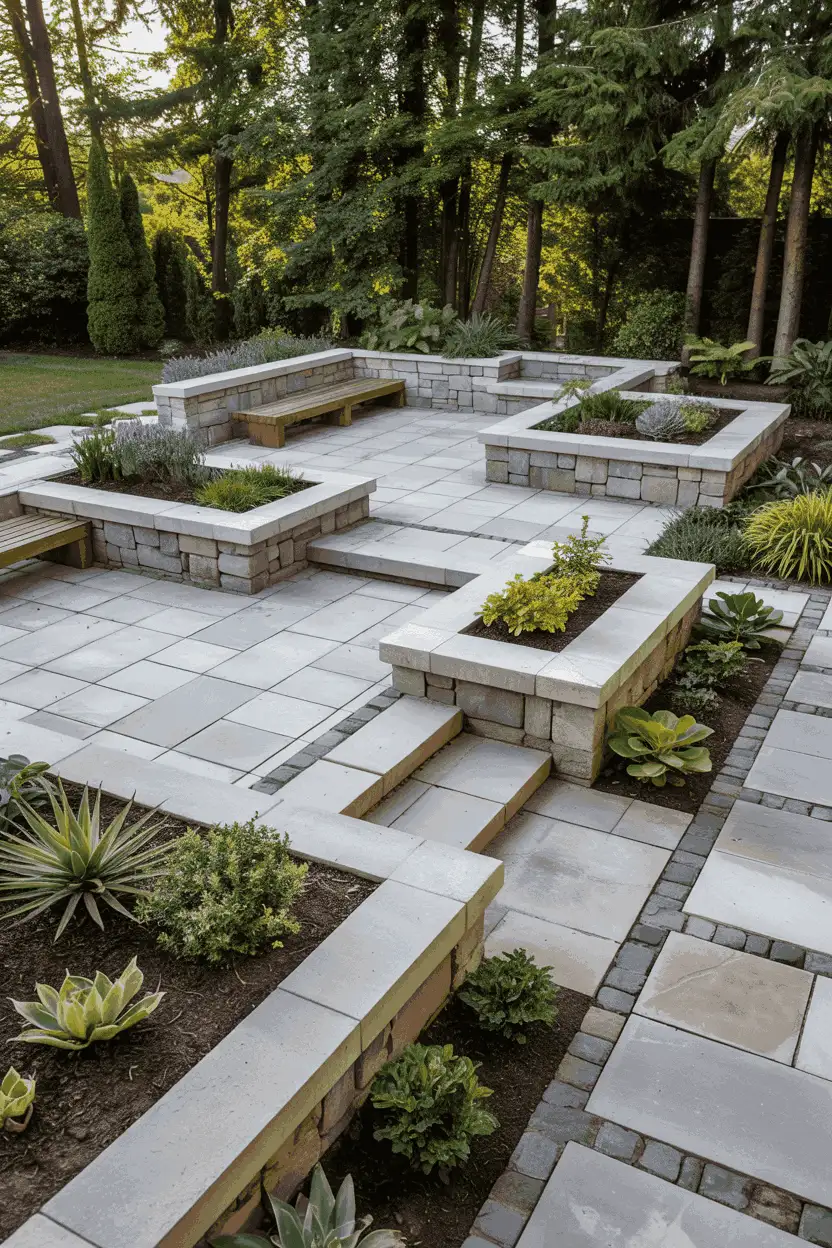
15. Layouts That Blend Patio and Garden Seamlessly
Some of the best patios barely announce where they end. Run the same paving stones out toward the lawn, let the edges go soft with planting, and the patio dissolves into the garden instead of stopping at a hard line.
A bench or two near that blurred edge invites you out into the landscape, and big planter boxes or rattan containers smooth the handoff between stone and soil.
If one rule sits behind all fifteen ideas, it is this: decide what happens on the patio before you buy anything for it. Pick the layout that matches your busiest use — dining, lounging, or growing — and let that single decision drive the furniture, the paving, and the planting. OnThe Premium Ideas, you will find more garden coverage — flower gardens, patio gardens, minimalist gardening, vegetable gardens and plenty beyond. Bookmark the site and check back as new posts go up.
FAQs for Patio Garden Layout