25 Budget Kitchen Makeover Ideas That Look Expensive
A full kitchen renovation averages well into five figures — but the kitchens that photograph like one rarely got there that way. The expensive look comes from a short list of high-impact swaps: cabinet fronts, lighting, hardware, and the faucet your eyes land on fifty times a day. The 25 ideas below stay in cosmetic territory — no moving plumbing, no structural work — and most land between $20 and $300 per project.
1. Reface Instead of Replacing Cabinets
New doors and drawer fronts on your existing cabinet boxes deliver roughly 80% of the new-kitchen effect for a fraction of replacement cost — typically $1,000–$3,000 for an average kitchen versus $10,000+ for new boxes. Keep the layout, swap the faces, and finish with brushed nickel or matte black hardware.

2. Stick On a Peel-and-Stick Backsplash
Peel-and-stick tiles convincingly mimic subway tile or natural stone at $5–$10 per square foot, with no grout, no wet saw, and no contractor. Clean the wall with degreaser first, work from the center outward, and press firmly — adhesion failures are almost always a prep problem, not a product problem.

3. Swap Dated Lights for Budget Pendants
One or two pendants over the island or sink (decent options run $40–$120 each) replace the fastest-dating element in most kitchens: the old flush-mount “boob light.” Hang them 30–36 inches above the counter, fit warm LED bulbs, and the room instantly reads as designed rather than inherited.

4. Paint the Cabinets
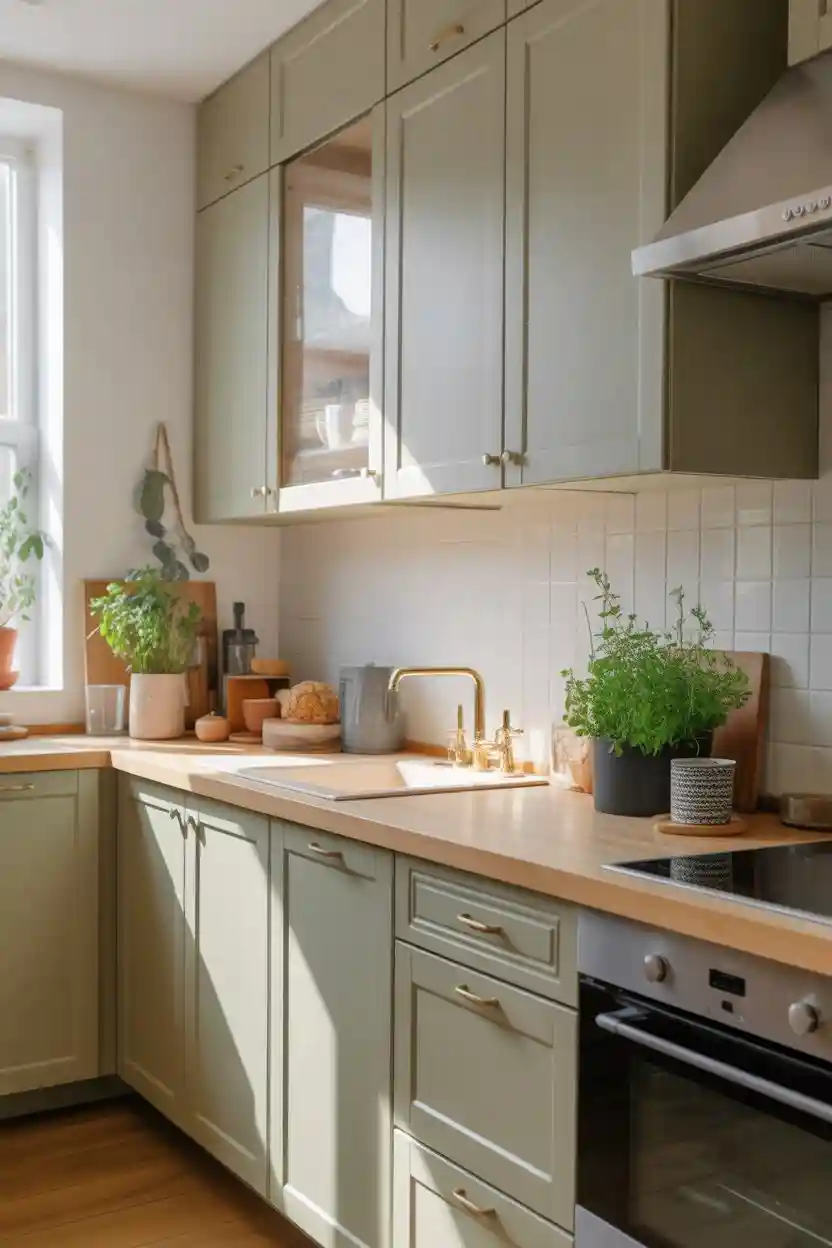
A gallon of quality cabinet paint ($50–$70) plus a weekend transforms oak or dated white boxes. The non-negotiables: degrease with TSP, scuff-sand, prime with a bonding primer, and use a foam roller or sprayer — brush marks are what make painted cabinets look cheap. Soft gray, warm white, or deep navy all photograph as custom.
5. Remove a Few Uppers for Open Shelves
Taking down one run of upper cabinets and hanging two floating shelves ($30–$60 each) costs less than the cabinets it replaces and makes the wall feel twice as wide. Style with everyday dishes in a tight palette; the “curated” look is really just discipline about what stays visible.

6. Choose Butcher Block or Laminate Counters
Butcher block runs $30–$60 per square foot installed and warms up an all-white kitchen instantly — oil it monthly and it ages gracefully. Quality laminate at $15–$30 per square foot now convincingly imitates marble and concrete; the giveaway is always the edge profile, so choose a square or waterfall edge.

7. Replace All the Hardware
New knobs and pulls ($2–$8 each, roughly $100–$200 for a whole kitchen) are the highest ROI swap in this entire list. Remove one old pull, measure the hole spacing, and order the same spread — then every door updates in an afternoon with nothing but a screwdriver.

8. Add Under-Cabinet LED Strips
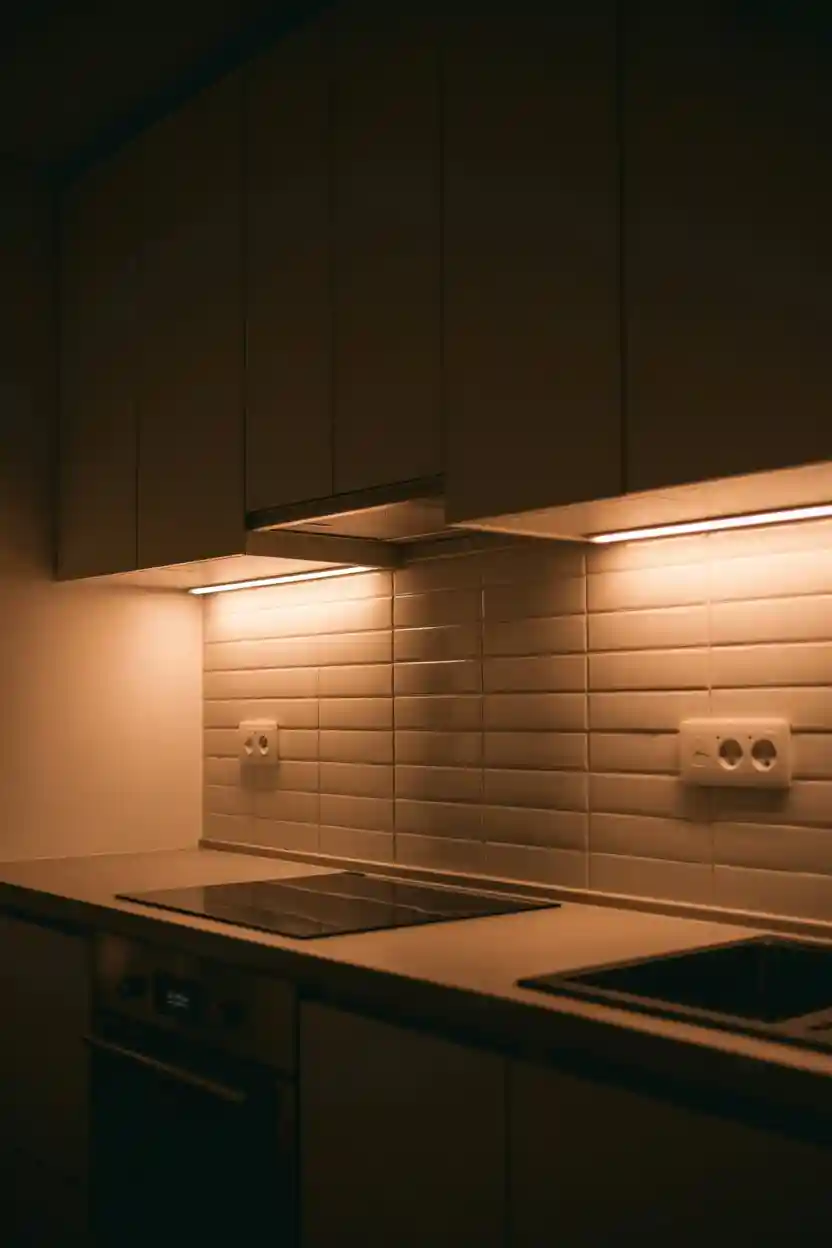
Plug-in LED strips ($20–$40) stuck under the uppers put bright task light on the counters and make the kitchen glow after dark. Run them the full length of each run and put them on the same switch as the main light — partial strips leave obvious dark gaps.
9. Repaint Walls in Warm Neutrals
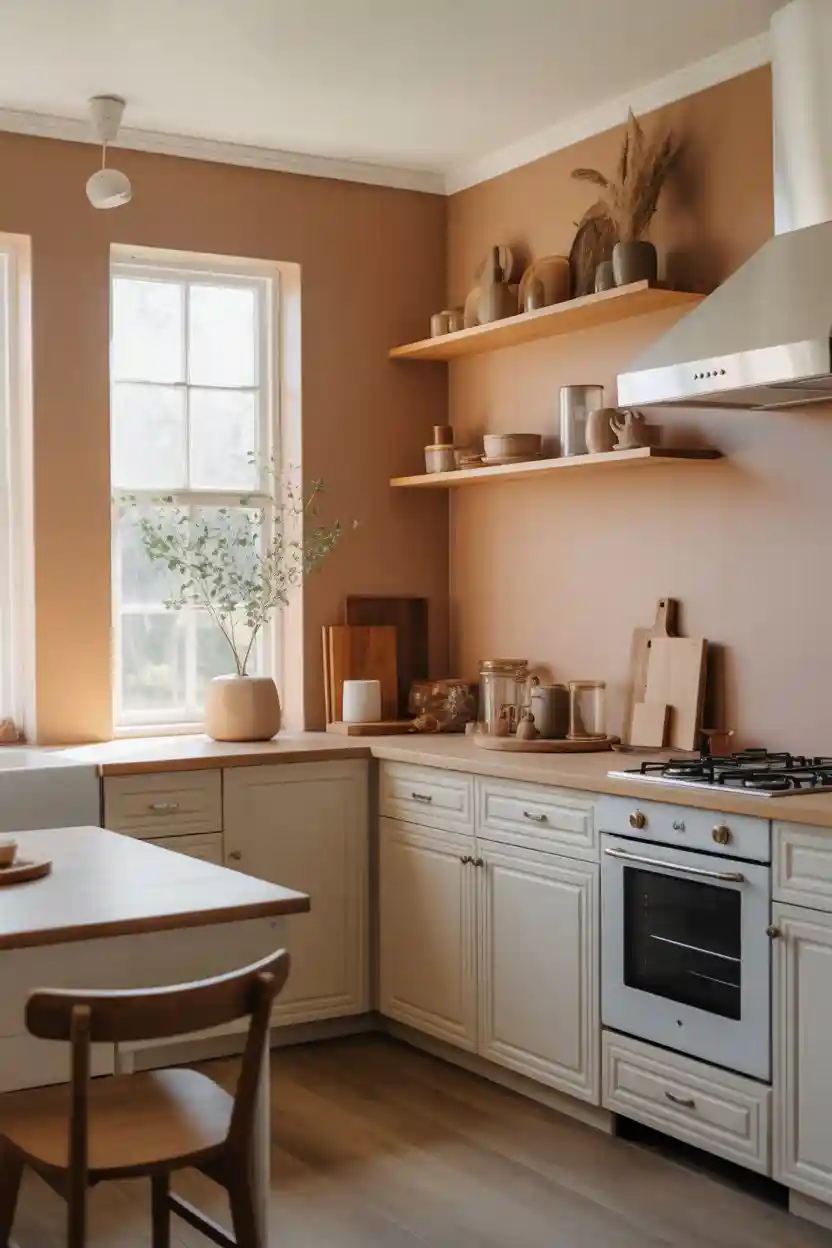
A $40 gallon of paint in warm white, greige, or soft taupe does what a $4,000 cabinet job can’t: it unifies mismatched eras. Warm neutrals flatter wood tones and hide the slight yellowing that cool whites reveal under kitchen lighting.
10. Lay Down a Real Rug
A washable runner ($50–$150) adds pattern, warmth, and foot comfort in one move — and washable matters, because kitchen rugs take genuine abuse. Size it to the work zone, not the room: 2.5 × 8 feet alongside the main counter run is the sweet spot.

11. Roll In an Island Cart
A kitchen cart ($120–$300) adds prep space, storage, and a serving station that parks against the wall when not needed. Paint or stain it to match the cabinets and add the same hardware — that ten-dollar detail is what makes it look built-in instead of bought.

12. Lay Peel-and-Stick Floor Tile
Peel-and-stick vinyl planks or tiles ($1–$3 per square foot) go straight over clean existing flooring and convincingly imitate wood or stone. Stagger the seams like real planks, roll every tile with pressure, and the floor reads as a full replacement to everyone but a flooring contractor.

13. Style the Open Shelves Deliberately
Ceramics, glass jars, a trailing plant, and a stack of cookbooks — grouped in odd numbers with breathing room between — turn open shelves into the room’s styling moment. The expensive look is restraint: if every shelf is full, it reads as storage, not design.

14. Upgrade the Faucet
The faucet is the most-touched object in the kitchen, and a $120–$250 pull-down model in matte black or brushed brass makes the whole sink area feel renovated. It’s a 30-minute swap with basic tools — shut off the valves, and keep a bucket handy for the residual water in the lines.

15. Add Crown Molding to the Uppers
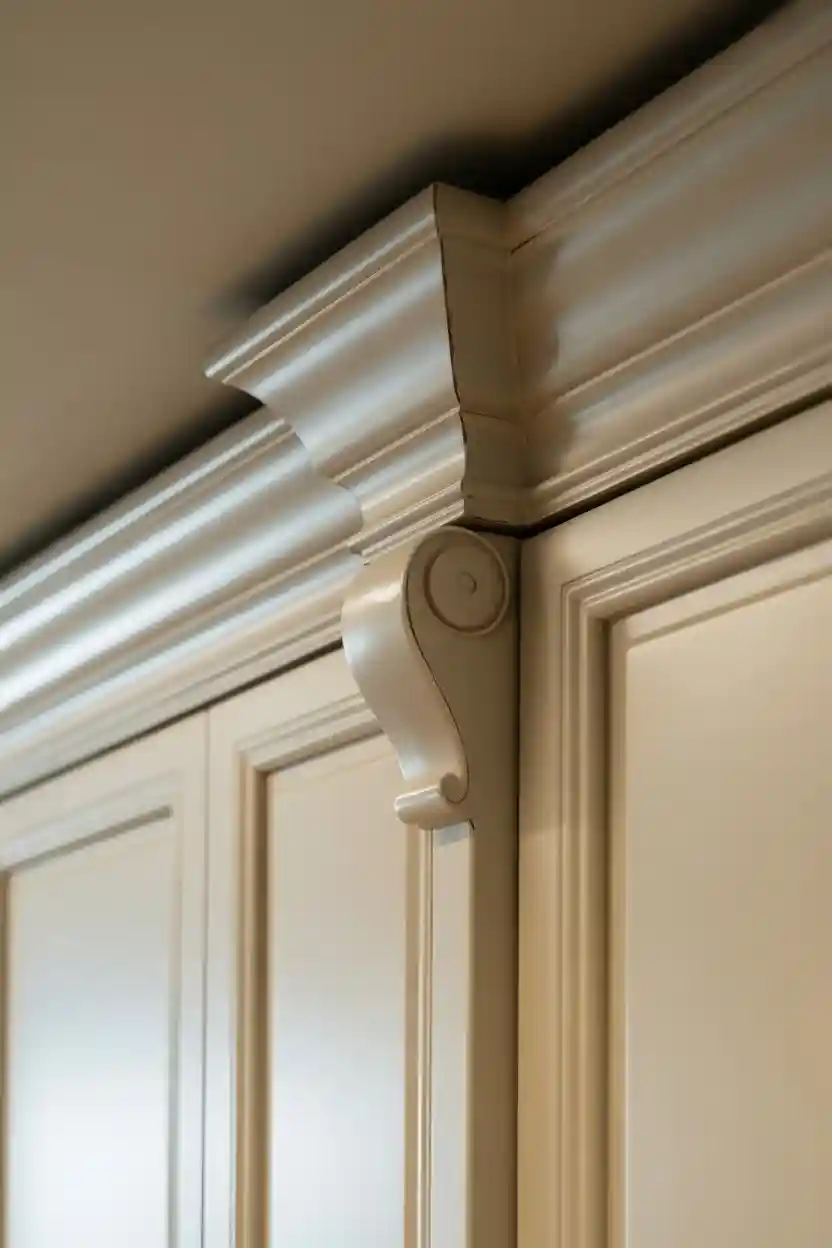
A strip of crown molding ($2–$5 per linear foot) bridging the gap between cabinet tops and ceiling turns stock boxes into built-ins. Paint it the cabinet color, caulk the seams, and the kitchen gains the architectural finish that separates custom from contractor-grade.
16. Glaze a Few Cabinet Doors
Swapping two or three solid fronts for glass (or removing the center panel and adding glass) breaks up heavy cabinetry and shows off good dishware. Frosted glass hides the chaos if your shelves aren’t styling-magazine ready.

17. Hang One Statement Pendant
A single oversized pendant — woven rattan, smoked glass, matte black dome — over the island or table becomes the room’s focal point for under $150. Scale it to the surface: the fixture should span roughly half to two-thirds of the island’s length.

18. Paint or Stain the Interior Doors
The pantry door, the door to the garage, the dated hollow-core — a quart of paint or gel stain ($15–$25) and new hinges make them match the renovated kitchen instead of betraying it. Gel stain over existing finish skips the stripping step entirely.

19. Mount Open Wire Racks
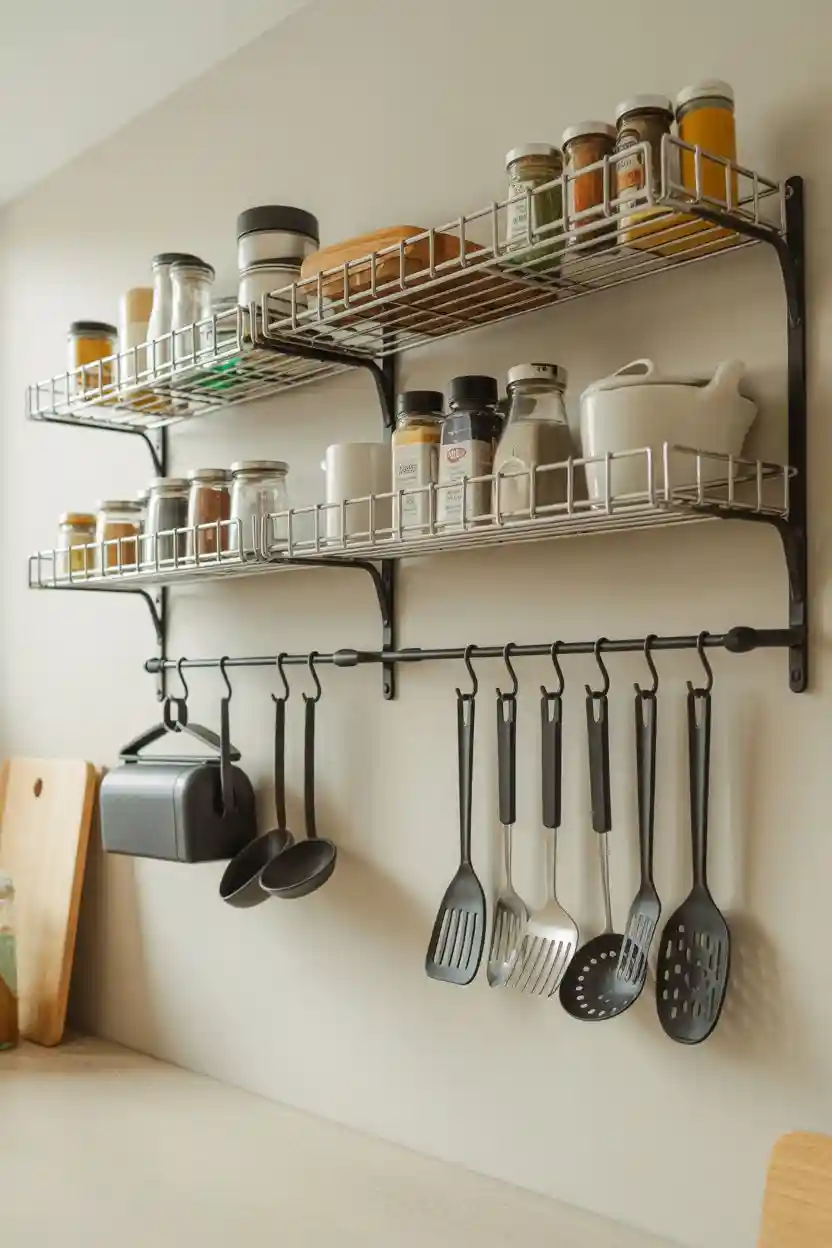
Open wire racks bring accessible storage with an industrial edgethat suits contemporary spaces. They’re inexpensive, mount on walls or inside cabinet doors, and keep daily tools visible and reachable — which means they actually get used instead of buried in a drawer.
20. Switch to Recessed Lighting
Recessed cans give a clean ceiling line and even light across the whole room.room’s design. LED retrofit kits ($15–$25 per can) screw into existing housings in minutes — no electrician needed for the swap itself, though new-cut cans are a pro job.

21. Swap In a Deeper Sink
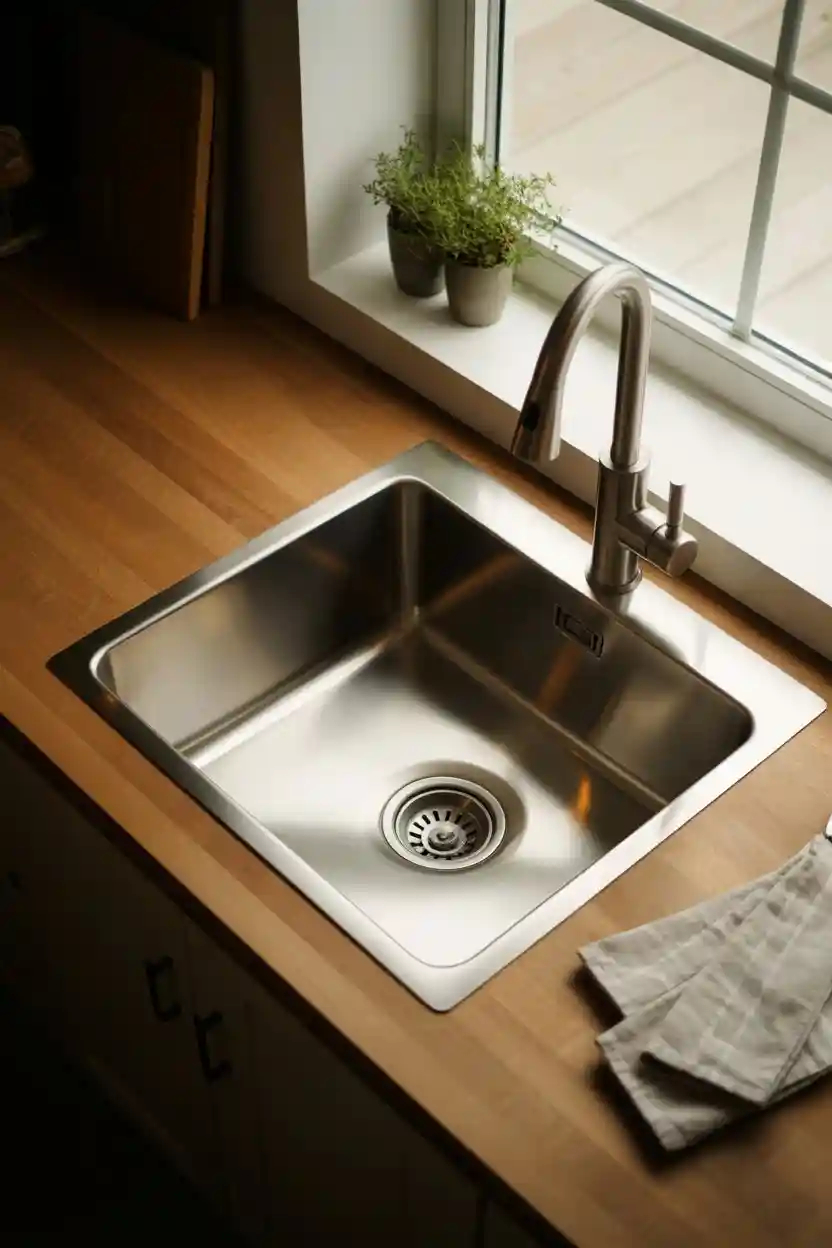
A deep single-basin or apron-front sink ($200–$400 in stainless or composite) swallows sheet pans and stockpots that a divided sink can’t. Pair it with the new faucet and the sink zone — the hardest-working square feet in the room — feels entirely new.
22. Build a Coffee Station
A tray, a small shelf, and matching canisters corral the coffee maker, beans, and mugs into one intentional zone — on 24 inches of counter or a $60 bar cart. It’s the cheapest “custom” feature in the kitchen and the one guests comment on most.

23. Refresh the Window Treatment
Heavy dated valances out; a simple Roman shade or linen cafe curtain runs $30–$80 per window. Natural light is free luxury — choose treatments that maximize it during the day and provide privacy at night, in a fabric that survives kitchen humidity.

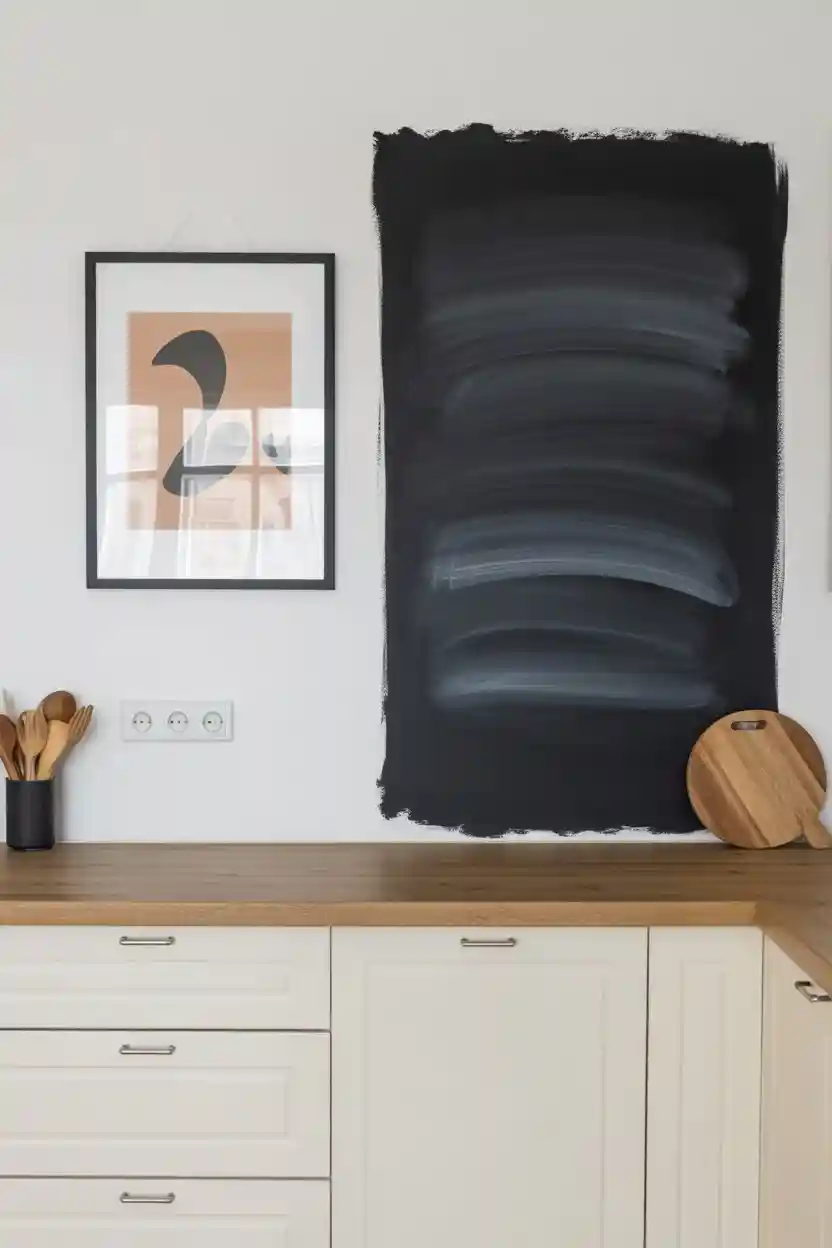
24. Add a Chalkboard or Art Wall
A quart of chalkboard paint ($20) on one cabinet end panel or a section of wall gives you a menu board, shopping list, and kids’ drawing zone in one. Frame one real art print nearby and the wall reads as styled rather than improvised.
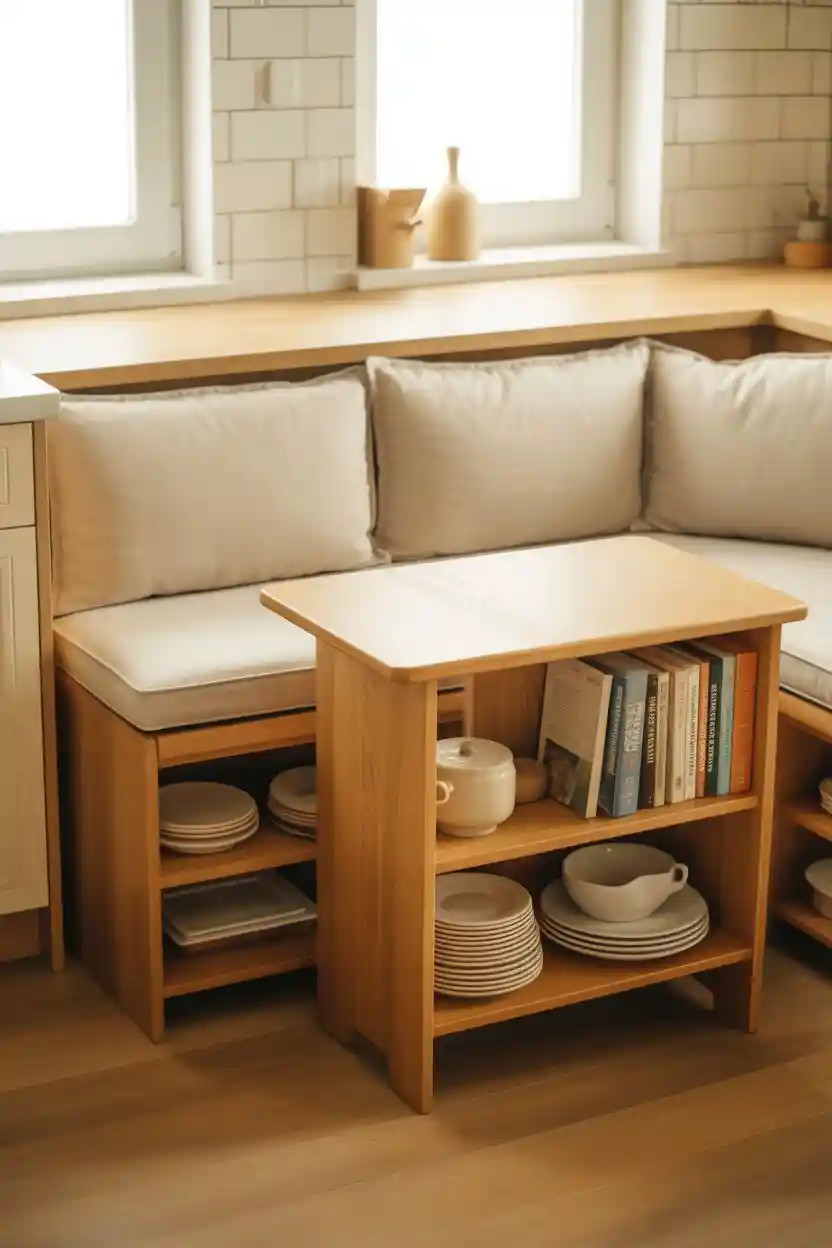
25. Choose Double-Duty Furniture
Storage benches, drop-leaf tables, and rolling carts add function without clutter — ideal wherefloor space is tight. Buy the piece that solves your actual bottleneck (seating? prep space? pantry overflow?) rather than the one that photographs best.
FAQs for Budget Kitchen Makeover Ideas