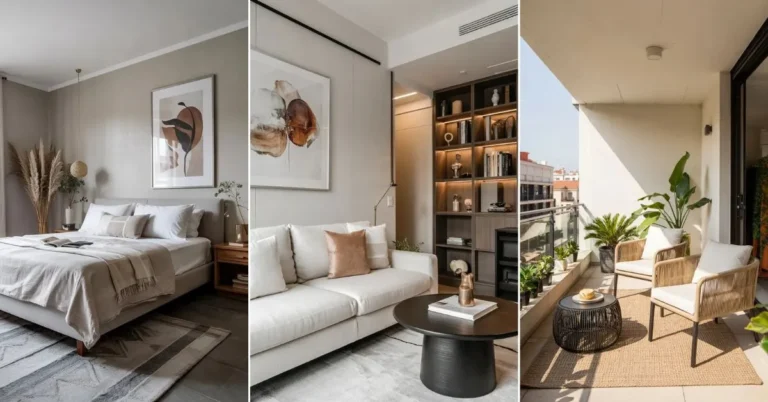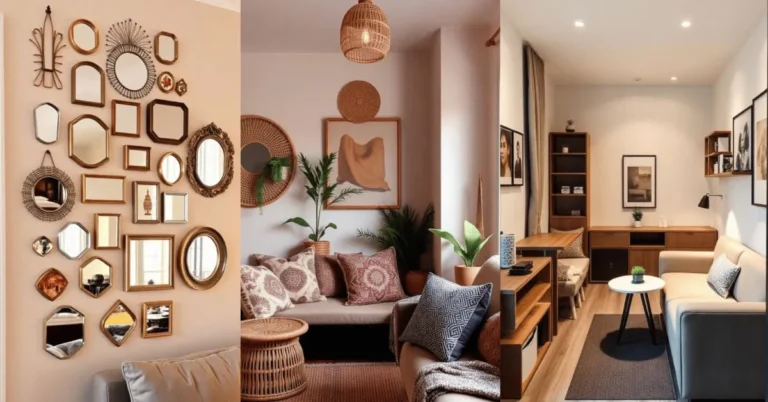
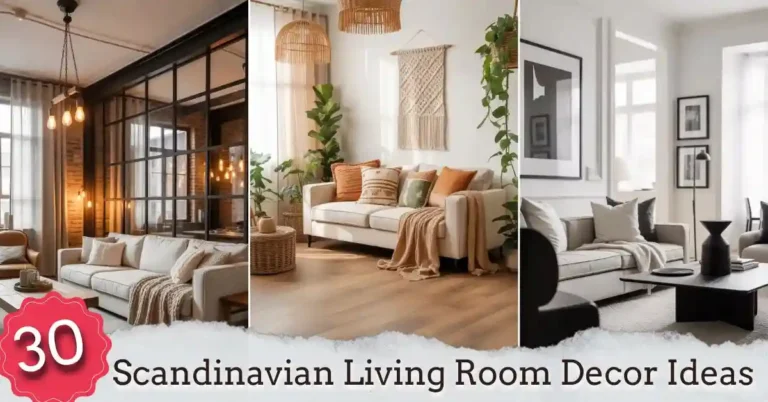
30 Scandinavian Living Room Decor Ideas That Redefine Modern Comfort
Scandinavian design was born from long winters and low light — which is why it obsesses over brightness, warmth, and doing more with less. These 30 ideas distill the Nordic approach: pale surfaces that bounce light, wood that adds warmth, textiles that invite you to stay, and a ruthless edit of everything else.
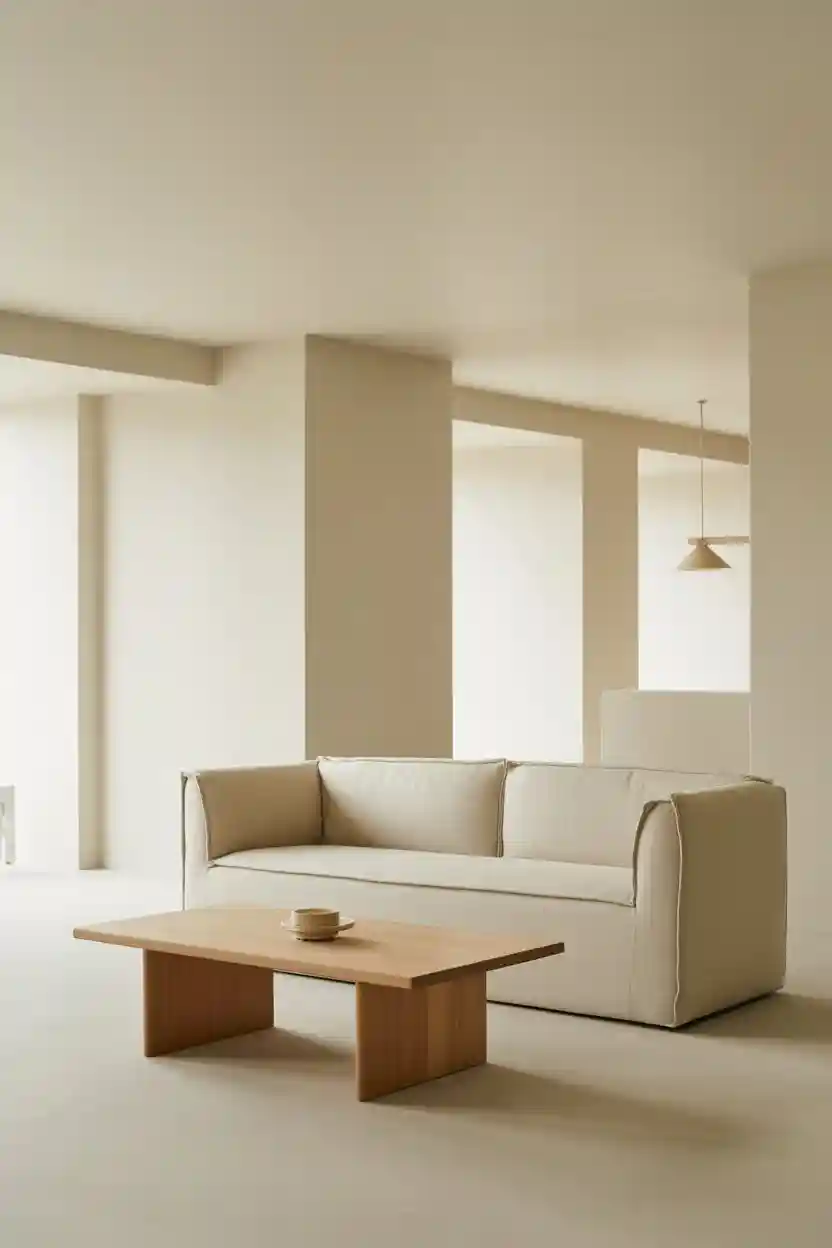
1. White Base with Warm Wood Accents
White walls, pale wood floors, and one or two warmer wood pieces — that’s the classic formula. The white maximizes daylight (critical in northern latitudes, useful everywhere); the wood keeps it from feeling clinical. Add texture through linen curtains and a wool rug, and keep decor to a few ceramics. The look works in any size room because it’s about light, not square footage.

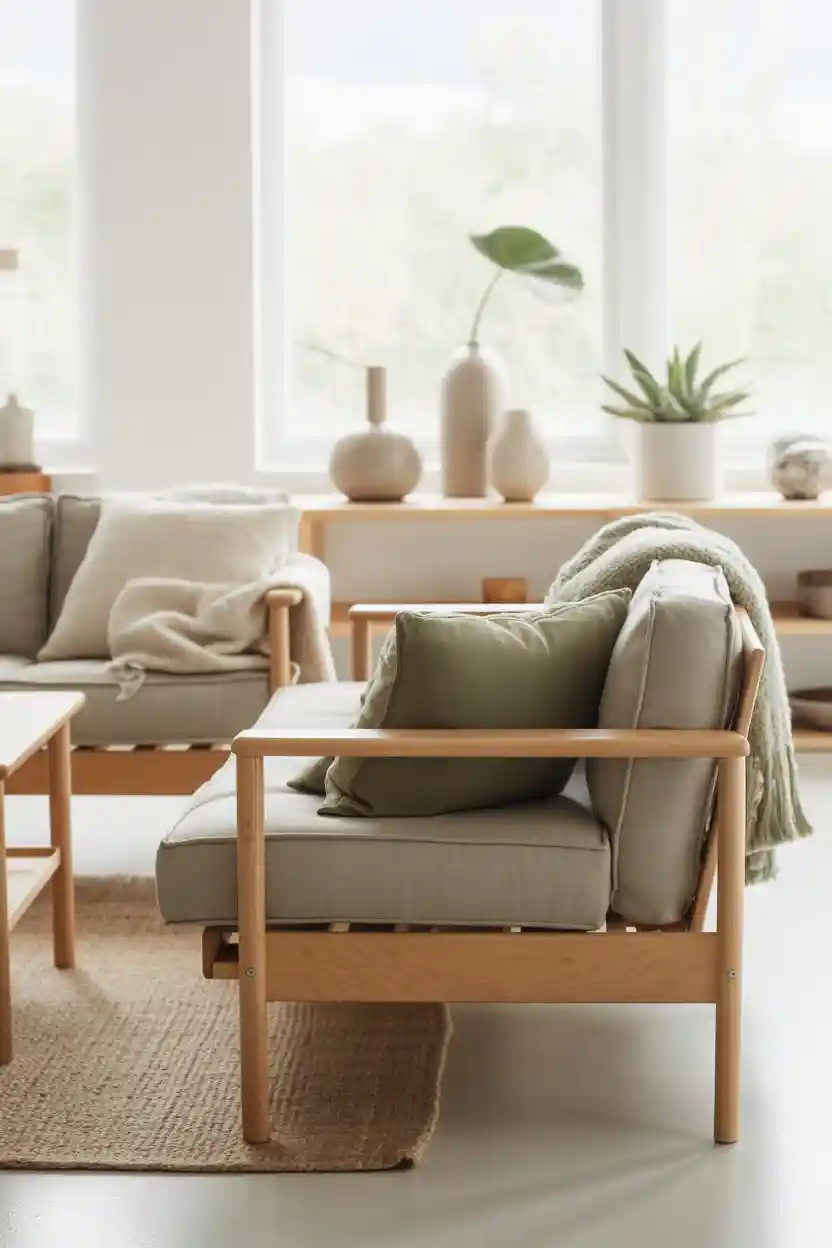
2. Cozy Layered Textiles for Comfort
Layer wool throws, cotton cushions, and a soft rug in muted tones, and a spare room becomes cozy living room without adding a single extra object. Drape one throw over the sofa arm, fold another on the chair — the casual layering is the whole trick. Stick to three tones max so the layers read as calm, not busy.

3. Minimalist Furniture with Clean Lines
Every piece should earn its footprint: a clean-lined sofa, a light-wood coffee table, one or two accent chairs, nothing else. Leave real breathing room between pieces — 18 inches minimum for walkways, 30 for main paths. The openness is the design; crowding kills it faster than any wrong color choice.
4. Neutral Color Palette with Soft Contrasts
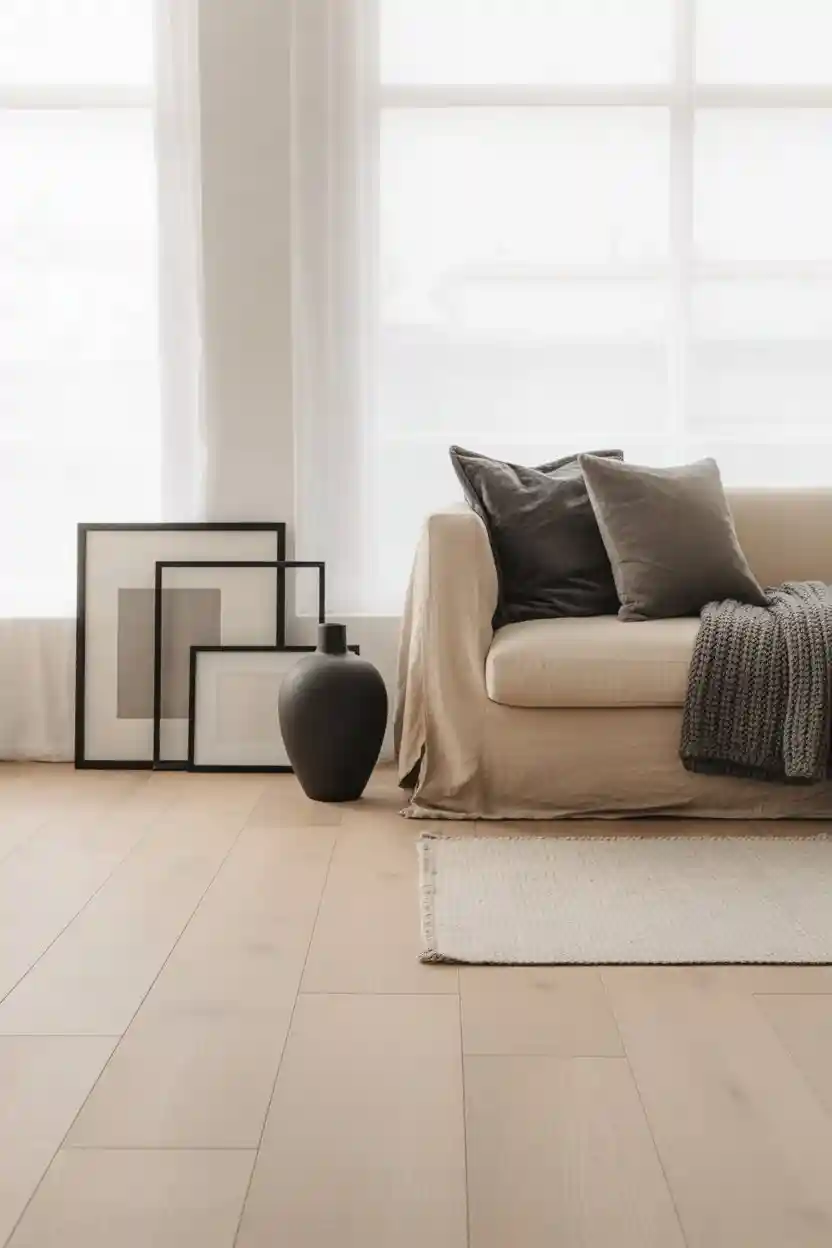
Whites, beiges, soft greys — then one dark note for contrast: black frames, a charcoal cushion, a dark floor lamp. That single dark element keeps the palette from going bland. Natural textures (oak, linen, wool, stone) do the rest of the visual work.
5. Statement Scandinavian Accent Chair
One sculptural chair — a molded plywood lounger, a sheepskin-draped armchair — gives the room its personality. Place it by the window with a floor lamp and it becomes the reading corner everyone fights over. Keep it in the neutral family so it reads as sculpture, not statement.

6. Open Shelving with Curated Decor
Install open shelves and style them with a mix of books, plants, and simple decorative items. Keep spacing intentional to avoid clutter. This idea works well in a Scandinavian lounge room where minimalism is key. Use neutral-toned objects and natural materials like wood or ceramic to give a neutral living room decor feel: books, one plant, a few ceramics, and generous empty space between them. If a shelf looks full, remove a third. Open shelving only works when it’s styled with restraint — otherwise it’s just clutter on display.

7. Light Wood Flooring for Natural Warmth
Pale oak or ash floors reflect light upward and make the whole room feel larger — the single biggest lever in a Nordic room. Add a soft rug in the seating zone for warmth underfoot, and keep the finish matte; glossy floors fight the calm.

8. Indoor Plants for Organic Touch
Bring life into the room with carefully placed indoor plants. Choose simple planters in neutral tones to maintain cohesion. Plants add a fresh, organic feel to a Scandinavian living area without disrupting its simplicity. Place them near windows or corners where natural light enhances their presence. This idea introduces subtle color variation and improves the atmosphere, making the room feel more relaxed and connected to nature while still maintaining a minimalist living room decor feel: one statement plant (olive, fiddle-leaf) plus a trailing pothos, in simple ceramic or concrete pots. Plants are the approved color pop in Scandinavian rooms — green against white never clashes.

9. Soft Lighting for a Relaxed Mood
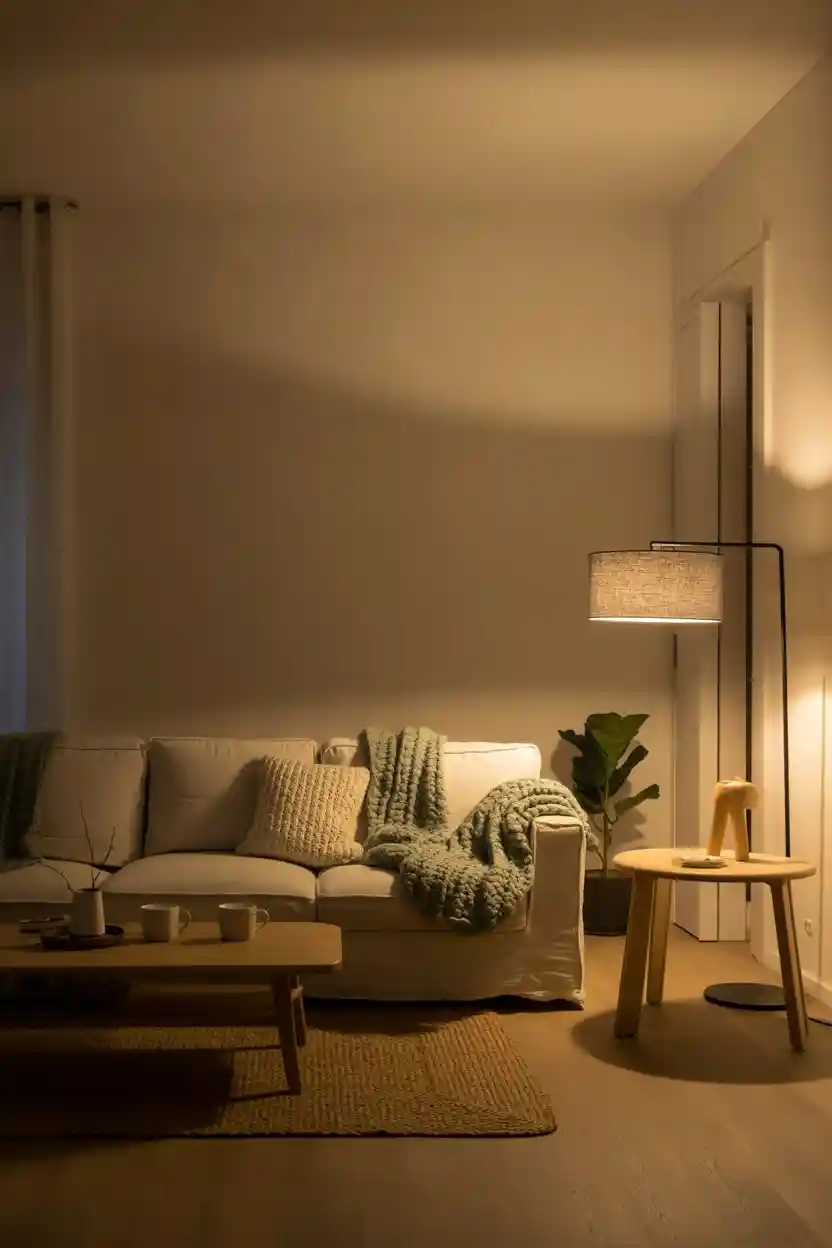
Overhead lighting is the enemy; layers are the answer. A floor lamp with a fabric shade, a table lamp at sofa height, candles on the coffee table — all warm (2700K), all dimmable. In winter, this layered glow is literally the hygge concept: light as comfort.
10. Functional Coffee Table Styling
Three items, max: a book stack, a candle, one small object. The table should look usable, not decorated — Scandinavians style for life, not photos. Choose a light wood or white top with clean lines and let the restraint be the style.

11. Black and White Contrast Theme
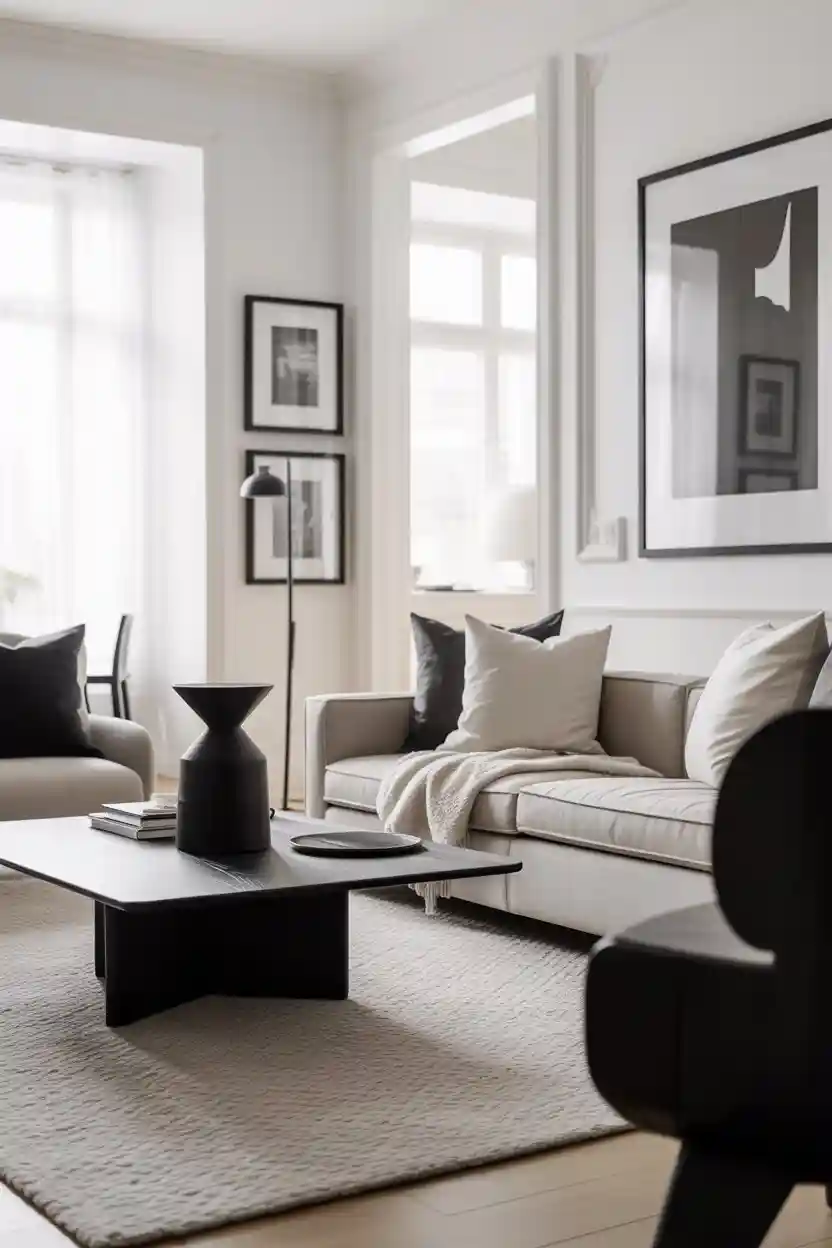
White walls, black accents (frames, lamp, slim table legs), and soft textiles to bridge them. The contrast is graphic and modern, but the wool rug and linen curtains keep it from feeling harsh. It suits people who find all-beige boring but still want calm.
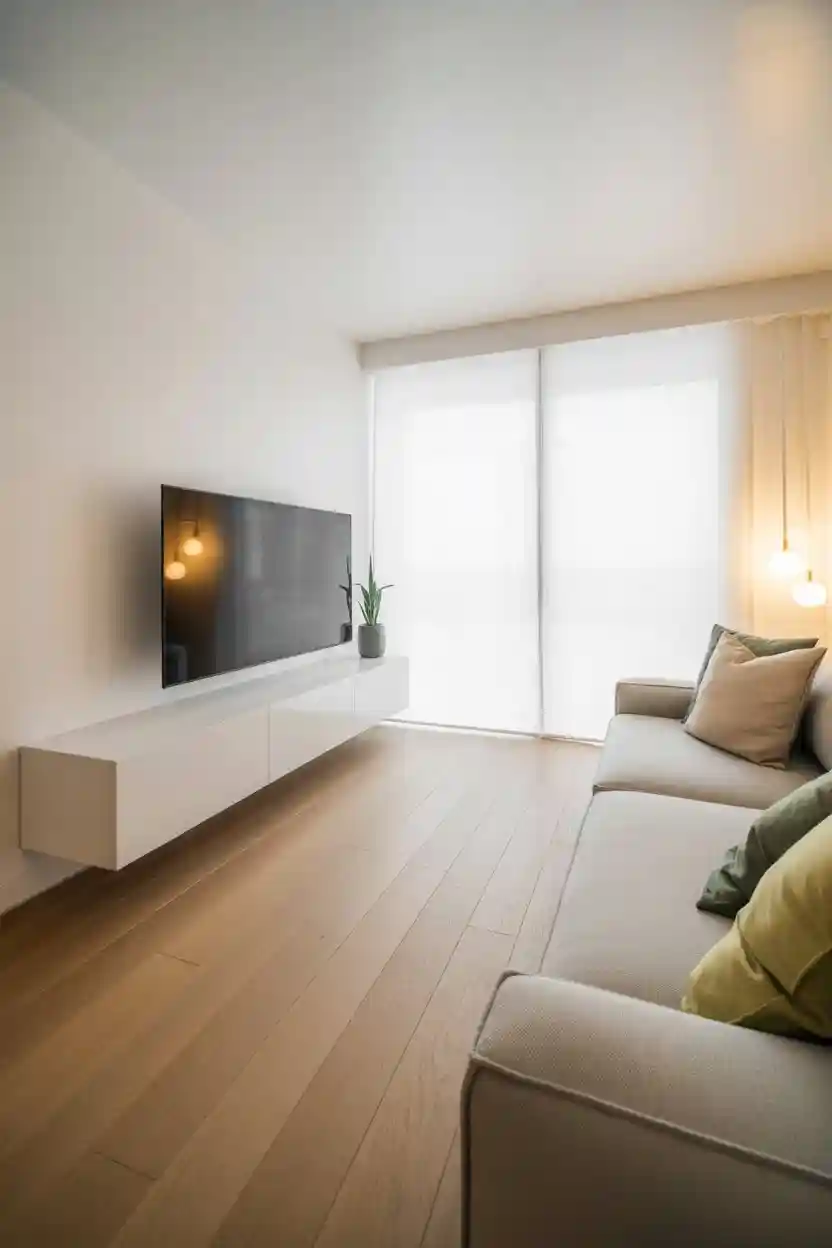
12. Scandinavian TV Wall with Hidden Storage
Float a low cabinet in white or light oak, hide every cable, and top it with one plant and one ceramic. The TV becomes part of the wall, not the room’s boss. In small rooms this discipline matters most — visible electronics shrink a space fast.

13. Beige and Cream Soft Color Scheme
For those who find stark white cold: layer cream, oatmeal, and warm beige instead. Same brightness, more warmth. The trick is texture — linen, wool, bouclé in similar tones — because without contrast, tone-on-tone can go flat.

14. Small Space Scandinavian Layout
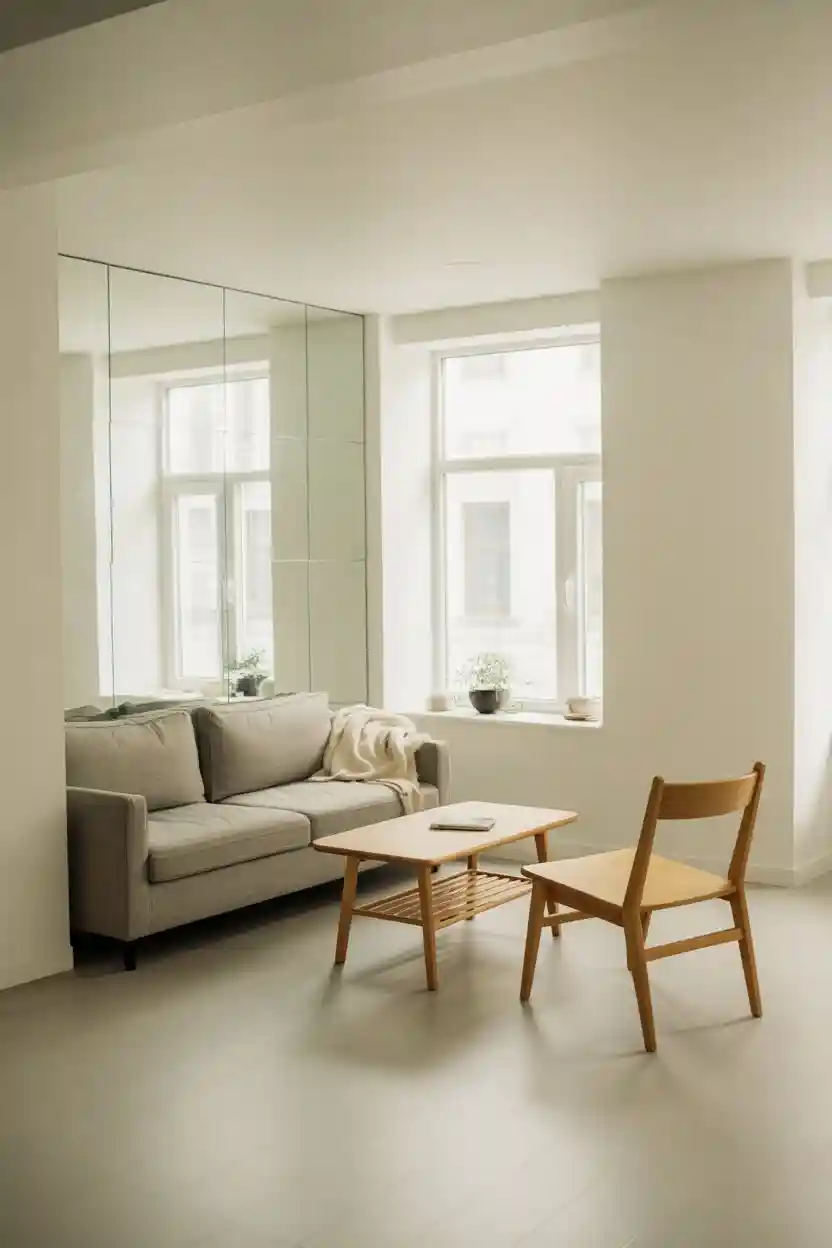
Small Nordic rooms run on multi-function: a sofa with storage, a drop-leaf table, nesting side tables. Keep 30-inch paths clear, use mirrors opposite windows, and let every piece do two jobs. The style was designed for compact apartments — it scales down naturally.
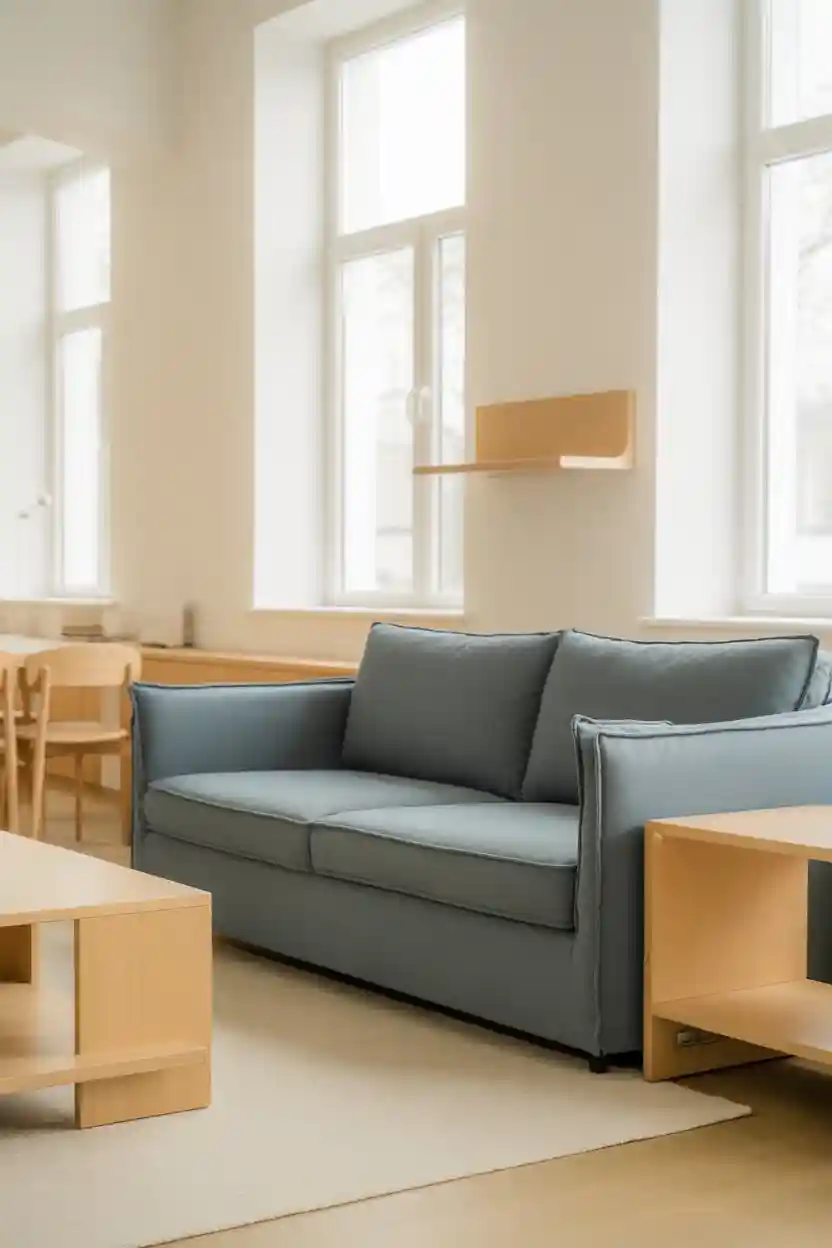
15. Blue Sofa as a Subtle Focal Point
One muted blue sofa — dusty, denim, or petrol — against an otherwise neutral room. It’s the maximum color a Scandinavian palette tolerates, and it works because everything else stays quiet. Light wood and a natural rug keep the blue feeling fresh rather than loud.
16. Scandinavian Living and Dining Blend
In open plans, run the same wood tone and palette through both zones, then define them with rugs and lighting — a pendant over the dining table, a floor lamp in the living zone. No walls needed; the eye reads the zones from the anchors.

17. Grey Sofa with Textured Accents
A grey sofa is the neutral anchor that takes any accent color later. Layer texture over it — knit throw, linen cushions, wool rug — in greys, whites, and one warm wood tone. It’s the most forgiving starting point in this whole list.

18. Scandinavian Boho Fusion Style
Start Nordic (white, light wood, clean lines), then add boho in small doses: a patterned kilim cushion, a rattan chair, a woven wall hanging. Keep the layout disciplined — boho without Scandi structure just becomes clutter. Two or three global pieces is the limit.

19. Dark Scandinavian Living Room Mood
Charcoal walls, dark grey sofa, black accents — moody Scandi works if you balance it with warm light and pale textiles. It suits rooms with good daylight; in dark rooms it can cave in. The drama comes from the contrast, so keep the light elements bright.

20. Scandinavian Style Family Room Setup
Durable fabrics (washable covers, performance weaves), rounded corners, closed storage for toys, and a washable rug. The calm palette stays; the preciousness goes. A family Scandi room looks the same as the magazine version — it just survives contact with children.

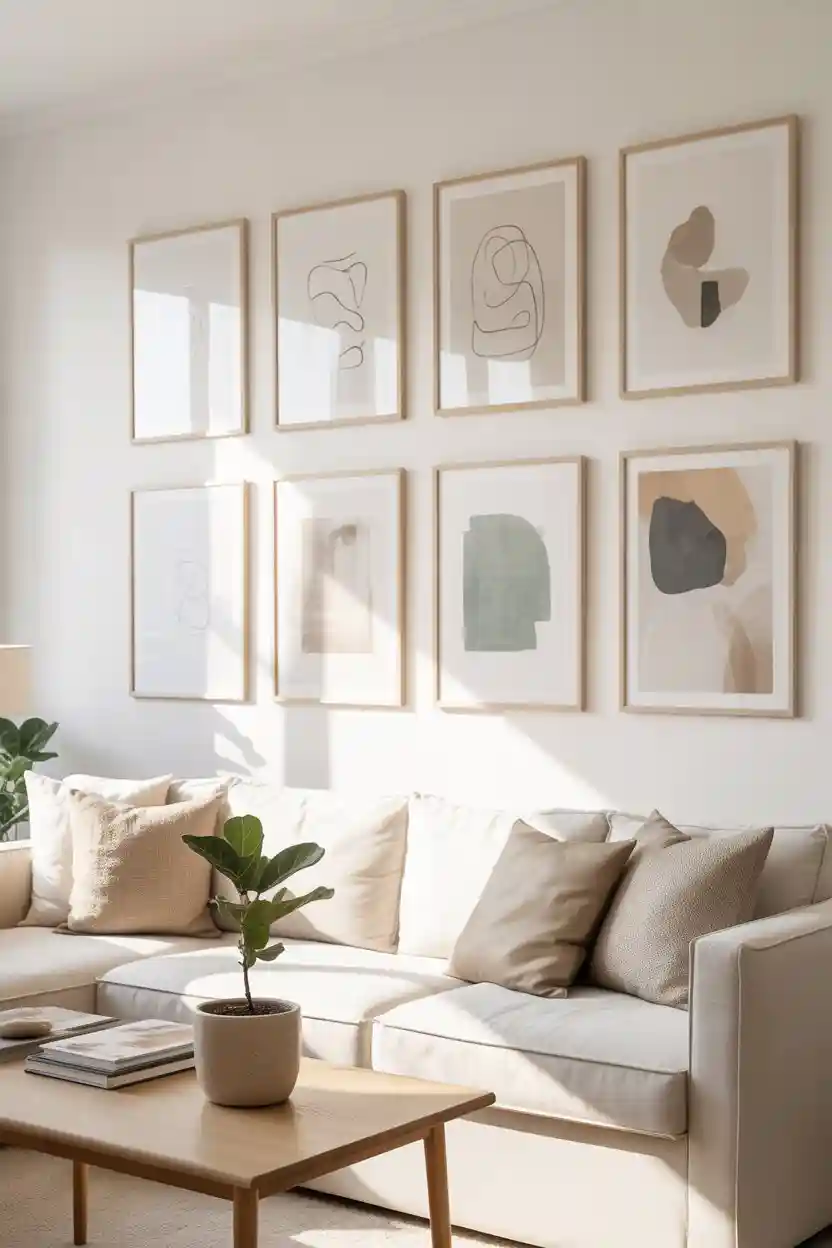
21. Minimal Wall Art with Clean Frames
One or two pieces, thin frames, neutral or muted abstract — hung with real space around them. Art in a Scandi room is punctuation, not prose. Leave more wall empty than you think you should; the emptiness is doing work.
22. Scandinavian Lounge with Floor Seating Option
Low floor cushions or a flatweave pouf around a low table create a casual zone for kids, guests, or lazy Sundays. Keep fabrics neutral and the rug simple. It reads as intentional flexibility, not missing furniture — especially in small rooms.

23. Industrial Scandinavian Blend
Black metal, concrete, exposed wood — softened with wool, linen, and warm light. The industrial elements add edge; the Scandinavian base keeps it livable. One material contrast per zone is enough — a metal shelf here, a concrete planter there.

24. Scandinavian Front Room with Statement Rug
A large textured rug — 8×10 or bigger — anchors the seating and does half the room’s decorating. Natural fibers, subtle pattern, neutral tones. Everything else can be simple when the rug carries the texture.

25. Colorful Scandinavian Living Room Twist
Muted color in small doses: dusty rose cushions, a sage throw, art with soft pigment. Keep the base white and wood, and limit color to three accents. It’s still Scandinavian — just the version that admits color exists.

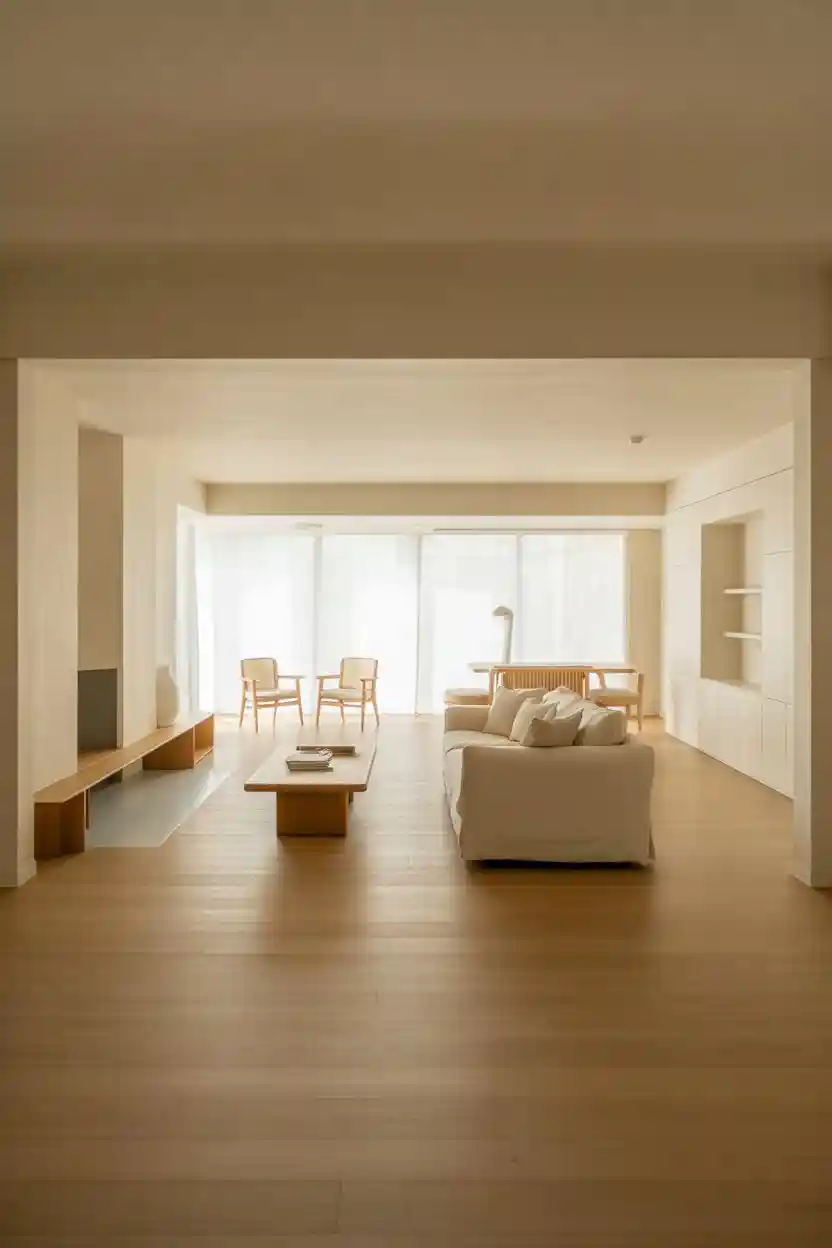
26. Scandinavian Living Hall with Open Flow
In large open spaces, arrange furniture in zones with clear paths between them — 36 inches minimum. Consistent flooring and palette unify; rugs and lighting define. The goal is flow you can feel: walking through should never require a detour.
27. Pinterest-Inspired Scandinavian Setup
The Pinterest look is really just discipline: symmetrical pairs, a restrained palette, layered texture, and nothing random. Before buying anything, collect ten reference images and note what repeats — that’s your actual style brief. Then edit your room to match it.

28. IKEA-Based Scandinavian Living Room
IKEA is practically the Scandi starter kit: clean lines, light woods, low prices. The trick to avoiding the showroom look is mixing in vintage, plants, and textiles with character — a secondhand leather chair, a kilim, real art. The bones can be IKEA; the soul shouldn’t be.
29. Scandinavian TV Room with Floating Units
Floating cabinets keep the floor visible, which keeps the room feeling light. Hide cables in trunking, keep the top nearly clear, and add one warm light source nearby. The TV wall should disappear when the screen is off.
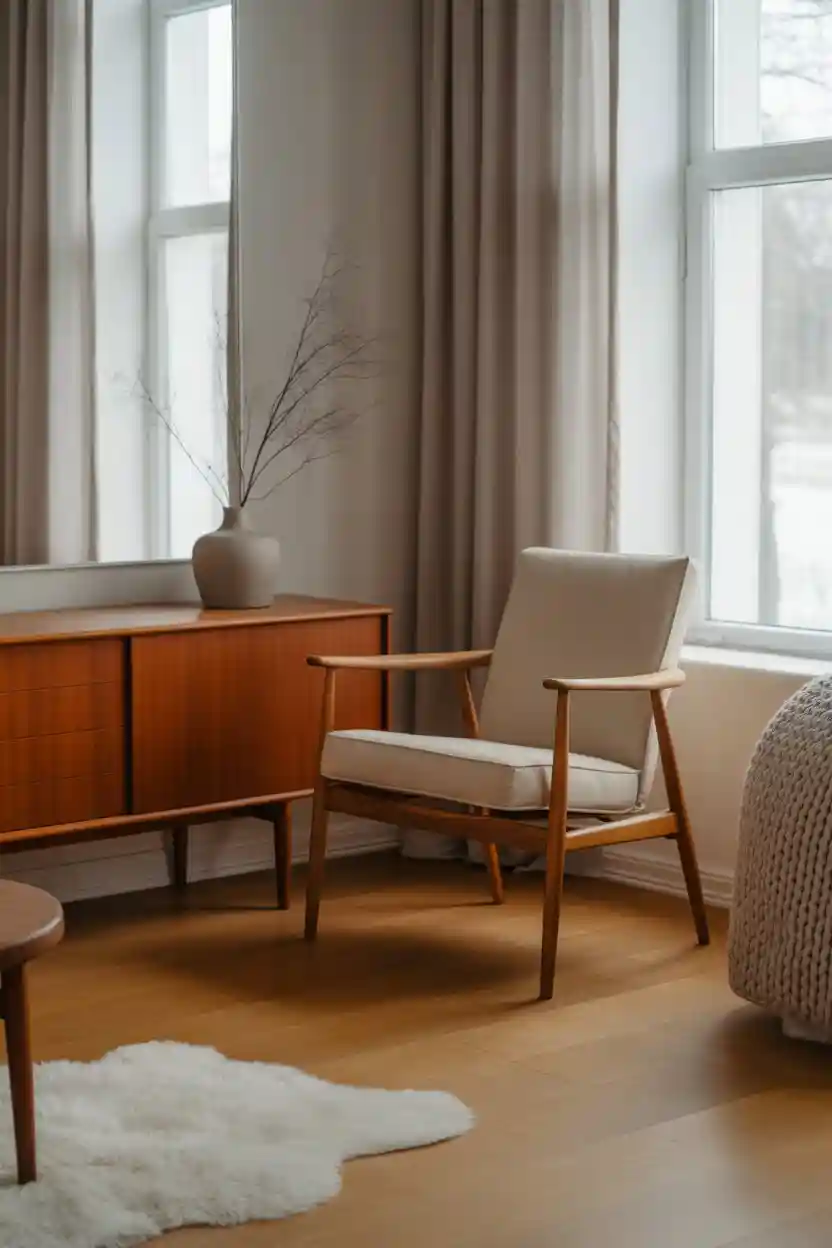
30. Mid Century Scandinavian Fusion
Mid-century and Scandinavian are cousins: clean lines, tapered wood legs, organic shapes. A teak sideboard, a wishbone-style chair, a restrained palette — the fusion works because both styles worship simplicity. Add soft textiles to keep it from feeling like a museum.
FAQs for Scandinavian Living Room