20 DIY Furniture Makeover Ideas for Fresh Decor
A $40 thrift-store dresser, $25 in paint, and new pulls can pass for a $400 piece — that math is what makes furniture makeovers addictive. These twenty projects go beyond cosmetic touch-ups into real rebuilds: storage beds, wall-mounted desks, full bookshelf walls. Each one is picked for visible transformation on a realistic budget, and our 20 DIY Wall Art Ideas pairs well if your walls need the same treatment.
1. Pallet Bed Frame with Integrated Storage
Pallets get you a bed frame for the cost of sandpaper and screws — typically under $50 if you source the pallets free. Standardize on a height that fits your mattress: 12 to 14 inches of frame plus the mattress puts the top at a comfortable sitting height. Build the storage in from the start — drawers on full-extension slides or open cubbies — because retrofitting them later is miserable.
Sand every surface to 120 grit minimum; pallet wood is rough, and splinters are the fastest way to hate the project. Seal with polyurethane or hardwax oil. Done right, it reads as intentional rustic-modern, not “I couldn’t afford a bed.”

2. Upholstered Headboard Makeover for Softer Bedrooms
An upholstered headboard is the highest comfort-per-dollar upgrade in the bedroom. Cut plywood to size, layer 2-inch foam and batting, wrap with fabric, and staple on the back — a queen-size headboard costs $60 to $80 in materials. Linen-look and performance fabrics hide wear best; velvet looks luxurious but shows every dent. If you prefer a reclaimed route, an upcycling approach with salvaged fabric works just as well.
It also genuinely improves the room: fabric absorbs sound, so the bedroom feels quieter, and leaning against it to read beats a hard headboard. Keep the fabric neutral and the shape simple, and it will survive three duvet-cover eras.

3. Coffee Table Rebuilt from Reclaimed Pallets
Build the top first — a solid 3/4-inch plywood or plank top at 16 to 18 inches high (standard sofa seat height minus an inch or two) — then clad the base in pallet boards. Reinforce every joint with pocket screws, not just nails; coffee tables take knees, feet, and toddlers.
Sand the top glass-smooth (up to 220 grit) and seal with three coats of polyurethane — coffee rings are the enemy. Depending on finish, the same build reads minimalist with a clear matte seal or rustic with a dark walnut stain.

4. TV Stand Transformed into a Full Entertainment Center
Start by measuring your actual gear — soundbar, console, router — and build the shelving around it, not the other way around. Add cabinet doors on the lower section to hide the cable nest, and cut a 2-inch cable pass-through in the back panel of every bay. A unit spanning 60 to 70% of the wall width anchors the room; narrower looks lost.
Match the finish to your largest furniture piece so it reads as a set. Ventilate closed cabinets that hold game consoles — a 2-inch gap behind the unit or a few discreet vent holes prevents overheating.

5. Floor-to-Ceiling DIY Bookshelf Wall
A bookshelf wall built to your exact wall dimensions beats any flat-pack bookcase. Keep each section no wider than 36 inches — wider shelves sag under books — and anchor every section into studs, because a loaded bookshelf is shockingly heavy. Adjustable shelf pins (a $5 jig makes drilling the holes painless) let the storage evolve with your needs.
Paint it the same color as the wall and it reads as built-in architecture; paint it contrasting and it becomes the room’s focal point. Either way, keep shelf depth at 10 to 12 inches for books — deeper shelves waste space and invite clutter piles.

6. Nightstand Makeover with Functional Storage
A nightstand makeover is the ideal first furniture project: small, cheap, and you use it every day. Add a drawer or just an open shelf with a lip. Match the wood tone or paint color to the bed frame and the bedroom instantly looks coordinated.
Details sell it: recessed cup pulls, a slightly overhanging top, or short tapered legs from the hardware store ($8 to $12 for a set of four). Small moves, big difference.

7. Kitchen Cabinet Refresh with Paint and Hardware
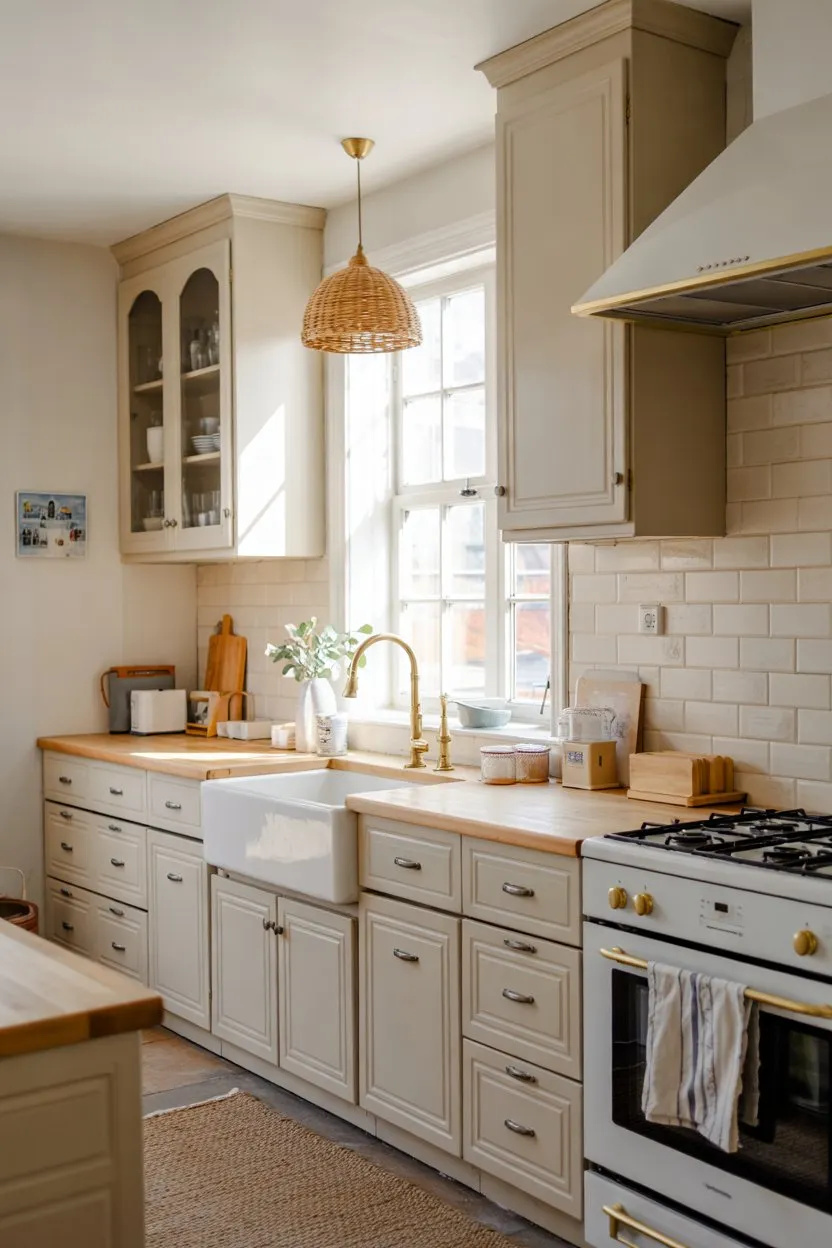
Cabinet painting is the single highest-ROI project on this list — a kitchen that looks 15 years newer for the cost of two gallons of paint ($70 to $100). The non-negotiable steps: degrease with TSP, sand to 150 grit, prime with bonding primer, then two coats of cabinet-grade enamel. Skip the prep and it chips within a year; do the prep and it lasts a decade.
Replace the hardware while you’re at it — new hinges ($3 to $5 each) fix sagging doors, and modern pulls update the look more than the paint does. Renters: check your lease first; many landlords approve this since it improves the unit.
8. Custom Dining Table Built to Fit the Space
Building your own dining table means the size is exactly right: 30 inches high, 24 inches of width per diner, and legs placed so nobody straddles one. For a first table, a simple trestle or four-leg design in construction lumber ($80 to $120 in materials) is sturdy and forgiving.
Use 2.5-inch screws plus wood glue at every joint, and add aprons under the top — that’s what stops the wobble. Sand and seal the top obsessively; dining tables take daily abuse.

9. Entryway Storage Bench with Seating
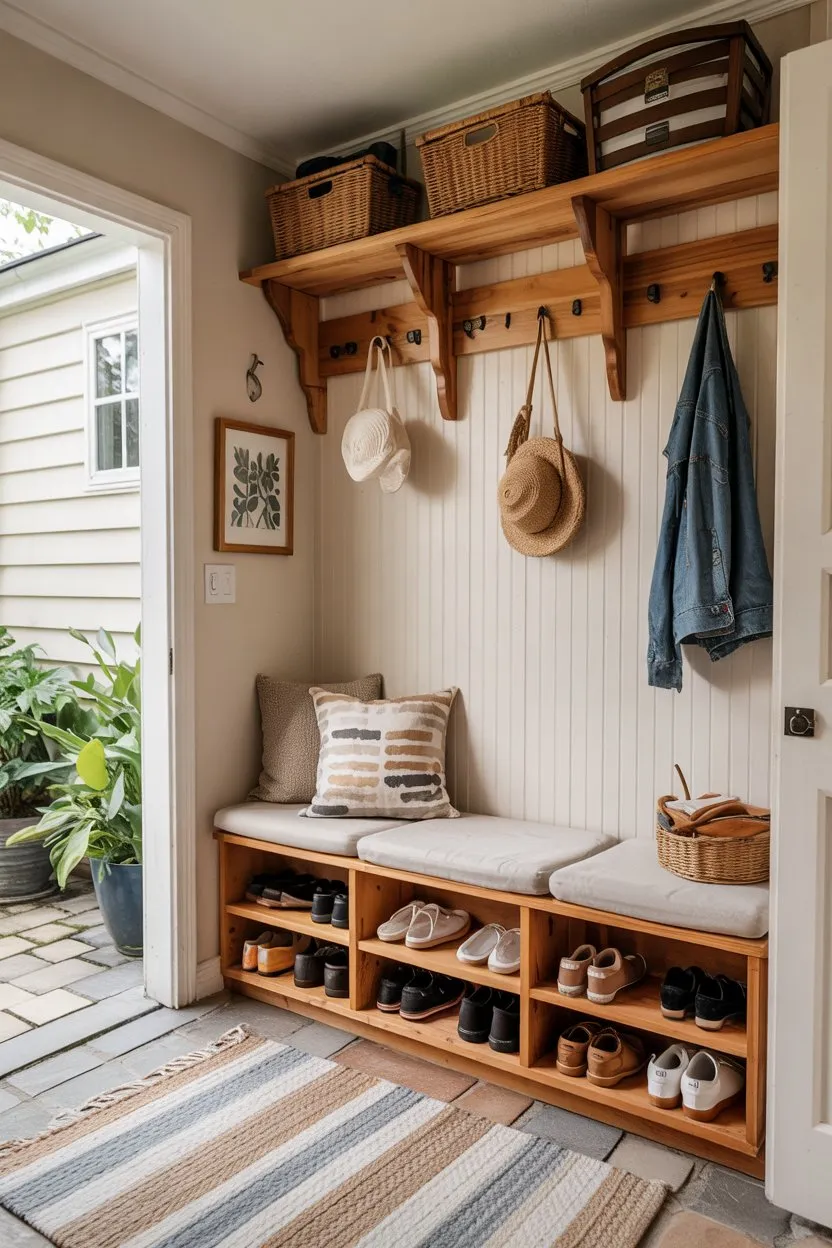
An entryway bench earns its footprint: a place to sit while putting on shoes, with storage underneath for the shoe pile. Build it 18 inches high (standard seat height) and as long as the wall allows — 36 to 48 inches covers most entryways. A hinged top with a storage cavity swallows bags, scarves, and dog leashes.
Use hardwood or 3/4-inch plywood for the top — it takes daily sitting. Add felt pads underneath so it doesn’t scar the floor, and you’ve anchored the entryway with a single piece.
10. Wall-Mounted Fold-Down Desk
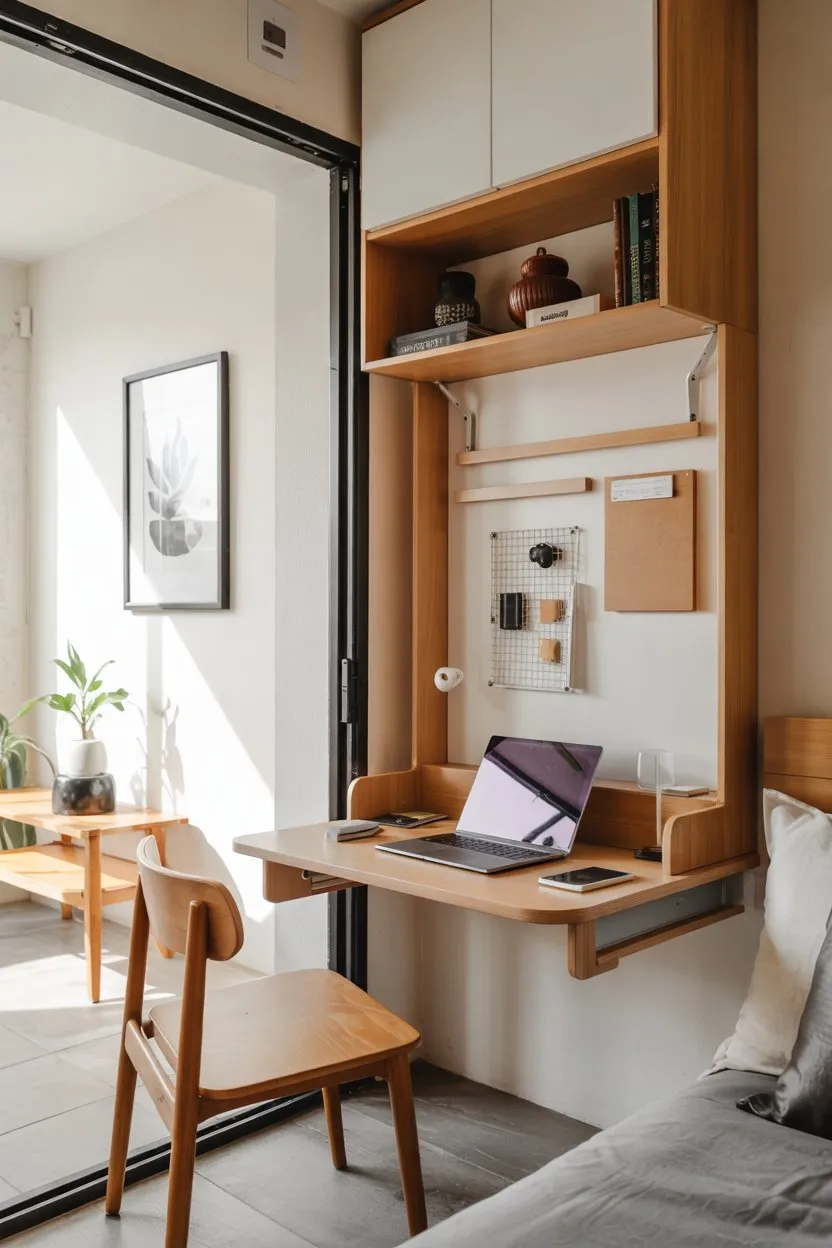
A wall-mounted fold-down desk is the work-from-home answer for small apartments: a 24×48-inch top on heavy-duty folding brackets ($25 to $40 a pair) gives a real workspace that vanishes after hours. Mount into studs — never drywall anchors alone — and test it with your full weight leaning on it before trusting it with a laptop.
Add a small shelf above for the monitor or a cable tray underneath, and the setup rivals a dedicated office. When guests come over, it folds flat to about 3 inches deep.
11. Modular Sofa Base Makeover
Before buying a new sofa, look at the base: sagging frames can be rebuilt with new webbing or plywood reinforcement for under $30. If the cushions are fine but the base is tired, a modular wooden platform base lets you rearrange sections and adds under-seat storage cubbies.
Re-covering is the bigger job; rebuilding the base is the smart one. A solid base extends the sofa’s life by years and noticeably improves how it sits.

12. Murphy Bed Conversion for Dual-Use Rooms
A Murphy bed is an advanced build — the pivot hardware kit alone runs $200 to $300 — but it turns a guest room into a full-time office. Follow the hardware manufacturer’s plans exactly; the spring or piston mechanism is engineered, not improvised. When closed, add cabinet doors or a fold-down desk face so it looks like furniture rather than a bed standing upright.
Get the measurements right to the quarter inch: a Murphy bed that doesn’t close flush or clear the floor is an expensive mistake. If this is your first big build, practice on the fold-down desk first.

13. Ergonomic Desk Built for Daily Work
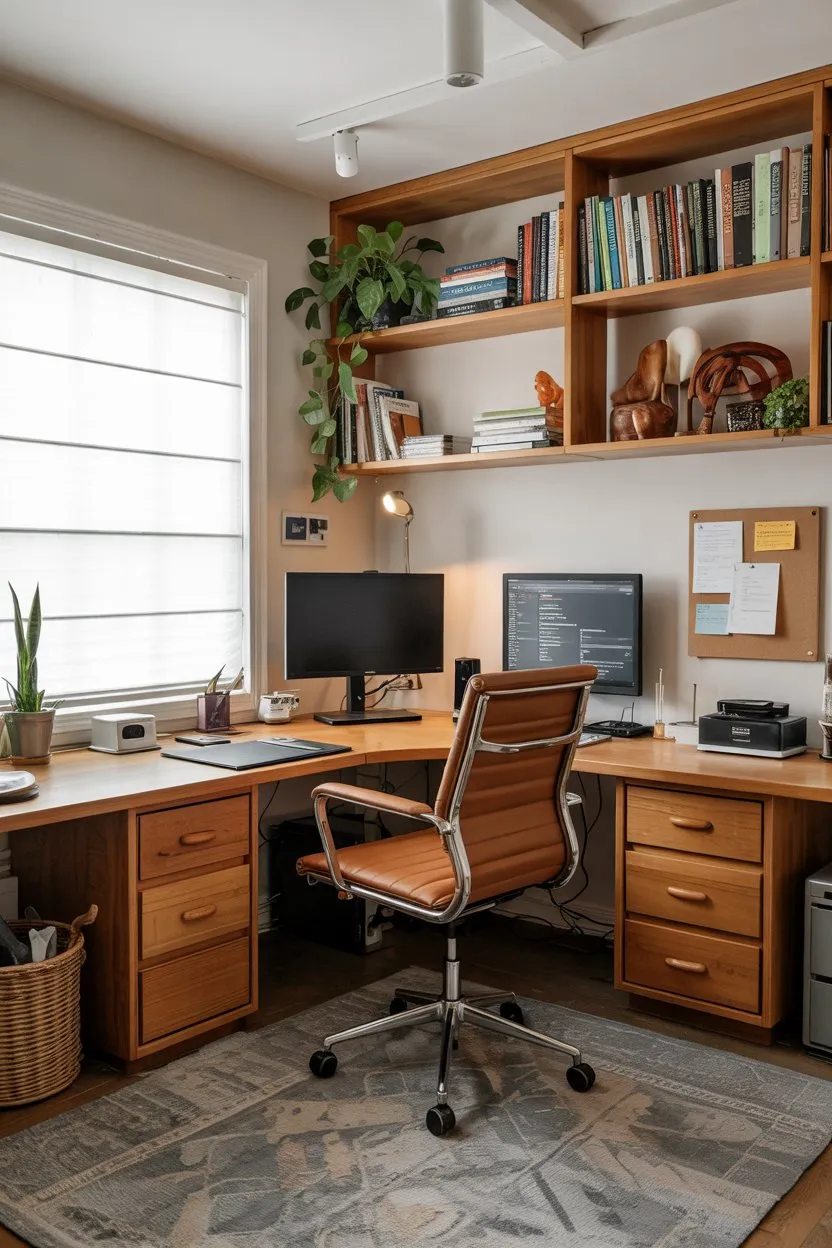
Build the desk to your body: 28 to 30 inches high for sitting, with the monitor at eye level and 24 to 28 inches of depth so the keyboard doesn’t hang off the edge. A standing option needs a crank or electric lift base ($150+), but a fixed-height build in plywood costs under $80.
Plan cable management before you build — a simple trough or grommet holes along the back edge beats a tangle of cords forever. Your back will thank you within a week.
14. Outdoor Pallet Furniture Set
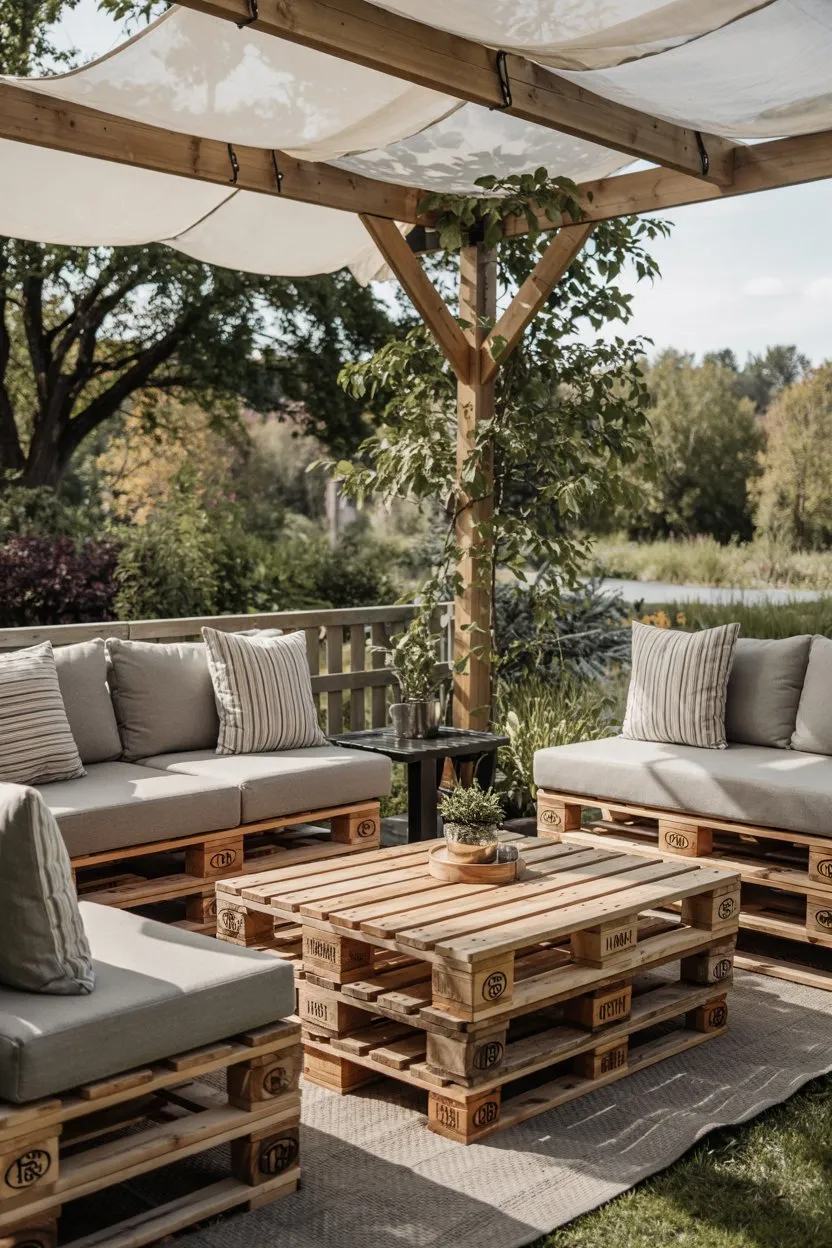
Pallet wood is naturally suited to outdoor furniture: it’s already rough, and weathered finishes look intentional. Disassemble pallets, plane or sand the best boards, and build simple lounge chairs or a sectional — outdoor cushions ($20 to $30 each) do the comfort work. Treat everything with exterior wood oil or spar urethane.
Elevate the pieces on small feet so they don’t sit in puddles, and bring cushions inside during heavy rain. Expect to re-oil once a year — about ten minutes per piece.
15. Loft Bed to Reclaim Floor Space
A loft bed reclaims roughly 35 square feet of floor in a small bedroom — enough for a full desk setup underneath. Use 4×4 posts and through-bolts, not screws, at every joint; this structure holds a sleeping adult and must not wobble. Fit guard rails on all open sides, at least 5 inches above the mattress.
Check ceiling height first: you need 30+ inches between the mattress top and the ceiling to sit up comfortably. In a standard 8-foot room with a 5-foot loft that works; in a 7-foot basement room it doesn’t.

16. Custom Wardrobe Build for Better Organization
A scratch-built wardrobe lets you design the interior around your actual clothes: double-hang sections for shirts, one tall section for dresses, drawers for the rest. Build the carcass from 3/4-inch plywood and size it to the room — 24 inches deep is standard, but 20 works in tight spaces.
Adjustable shelves on pins future-proof the build; fixed shelves lock you into today’s needs. Add soft-close hinges ($2 each) and it feels like custom cabinetry.

17. Side Table Built from Scrap Wood
A side table is the perfect skill-builder: one afternoon, minimal lumber, and you practice measuring, cutting, and joinery at low stakes. Scrap wood keeps the cost near zero. Focus on getting it level and wobble-free — a stable 22-inch-tall table beats a fancy wobbly one every time.
Match its height to the arm of your sofa or chair (within 2 inches) so it actually works as a side table. Finish it well and nobody will guess it was practice.

18. Bench Seating for Indoor or Outdoor Use
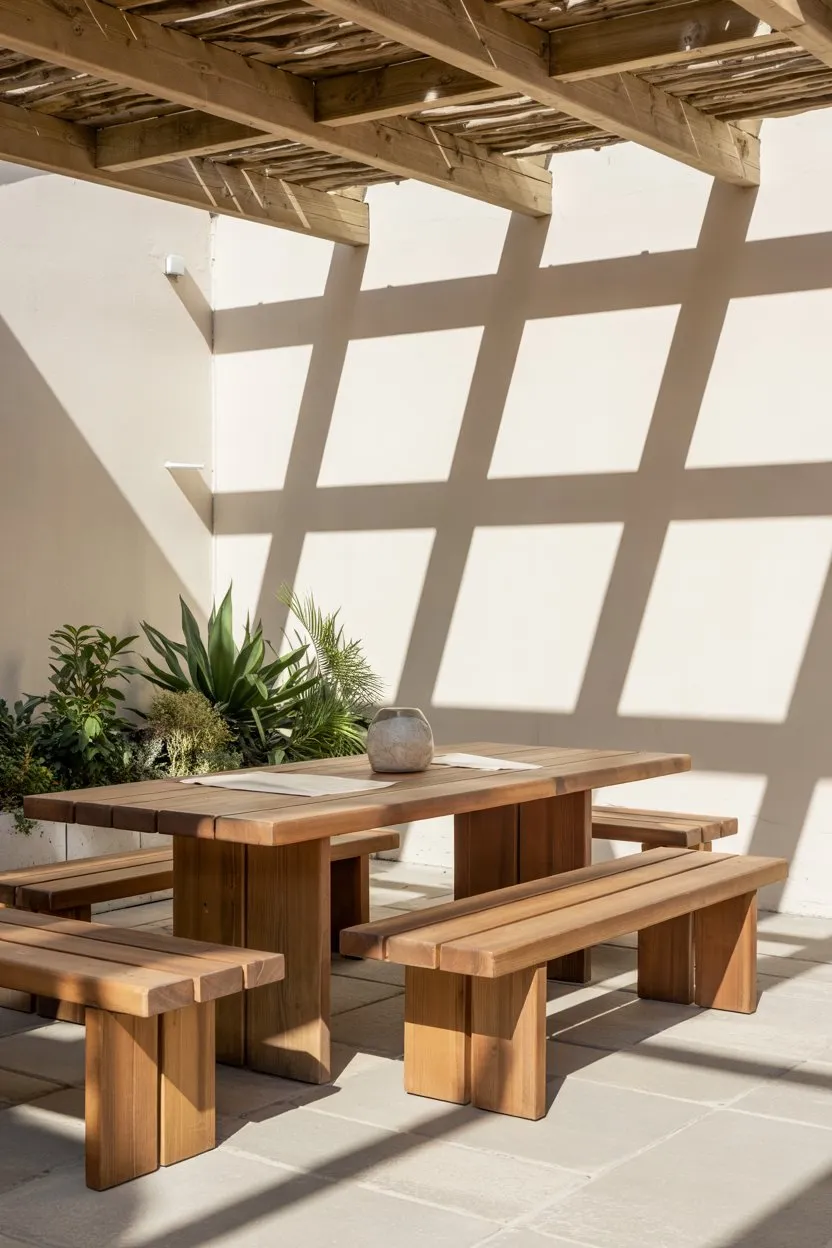
Benches seat more people per foot than chairs and tuck away cleanly. A simple 2×10 plank on legs seats two for dining; the same design at coffee-table height becomes an outdoor bench. Through-bolt the legs and add a stretcher bar between them — that’s what keeps a bench from racking sideways over time.
19. Bathroom Cabinet Upgrade for Vertical Storage
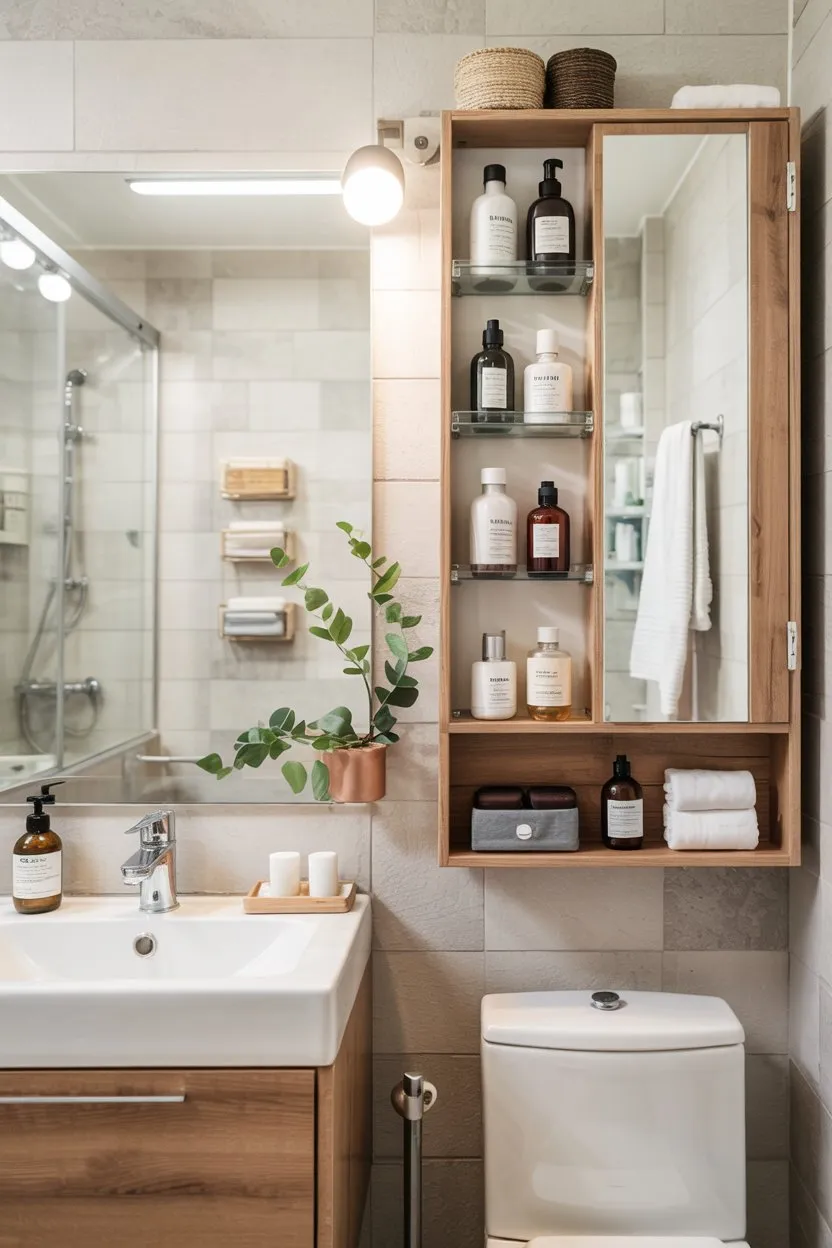
Bathrooms need vertical thinking: a slim 6 to 8-inch-deep cabinet mounted at eye level stores daily items without eating floor space. Use moisture-resistant MDF or seal every surface of regular plywood — steam finds unsealed edges. A mirrored front doubles the function.
20. Canopy Bed Frame for Visual Structure
Four posts and a rectangular top frame — that’s a canopy bed, and it changes the whole geometry of a bedroom by drawing the eye upward. Use 2×2 or 2×4 lumber, joined with bolts so the frame can be disassembled for moving. Even without curtains, the frame alone creates the effect.
Check that it’s square and level as you assemble; a leaning canopy is very visible. Drape sheer curtains for softness, or leave it bare for a modern architectural look.