25 Low-Maintenance Minimalist Landscaping Ideas For New Home
Most homeowners inherit their yard’s maintenance burden along with the mortgage: weekly mowing, seasonal fertilizing, an irrigation system with a mind of its own. A low-maintenance minimalist design flips that script — gravel instead of thirsty turf, plants that survive on rainfall, edges that never need trimming. The goal is not a garden you ignore; it is a garden where the work was engineered out from the start.
1. Xeriscape Gardens with Native Plants
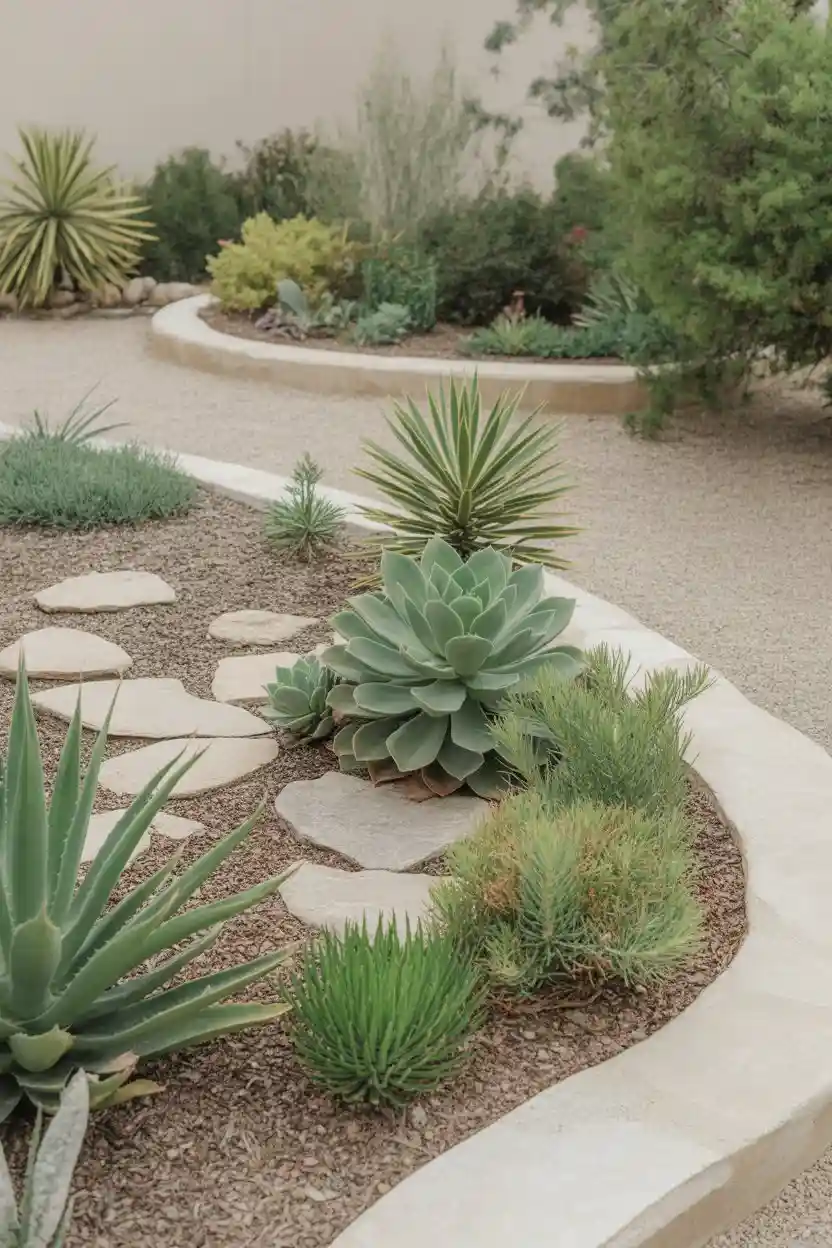
Start with what already wants to grow where you live. Native grasses, penstemon, agave, or manzanita — depending on your region — need no irrigation beyond establishment and no fertilizer at all. A xeric bed of these, mulched with pea gravel, can go an entire summer on rainfall in most climates. The common mistake is mixing thirsty imports among them; one lawn-like perennial forces you to water the whole bed.
2. Simple Pea Gravel Walkways
Pea gravel paths cost a fraction of pavers and install in a weekend: landscape fabric, four inches of compacted base, two inches of gravel. They drain instantly, never crack in frost, and weeds pull out with two fingers. Edge them with steel or brick so the stones stay put; without edging, gravel migrates into the lawn within a season.
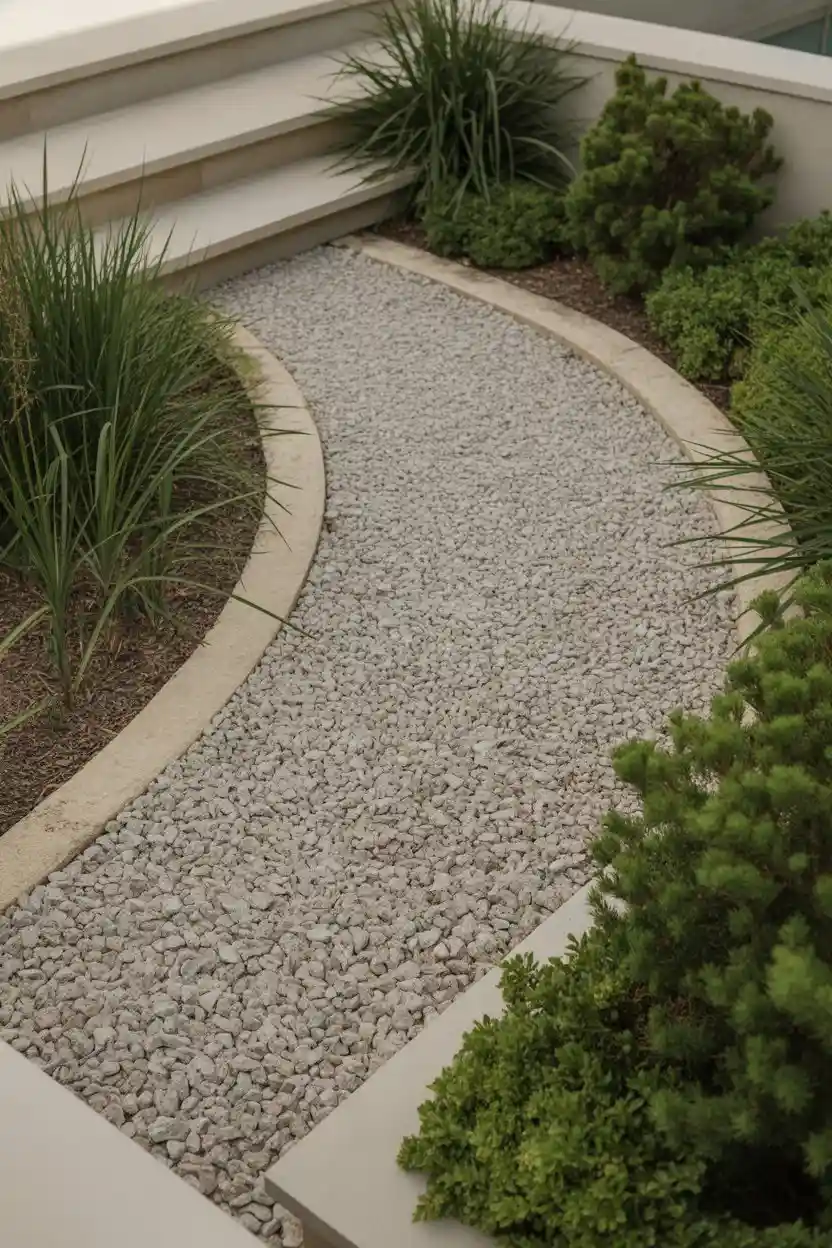
3. Flagstone Patio Installation
Flagstone set on compacted sand — no mortar — lets rain drain between the joints instead of running off, and individual stones can be lifted and re-leveled if they shift. The irregular shapes look natural against clipped planting, and a broom plus a leaf blower is the entire maintenance kit. Skip the mortar unless the patio carries vehicle weight.
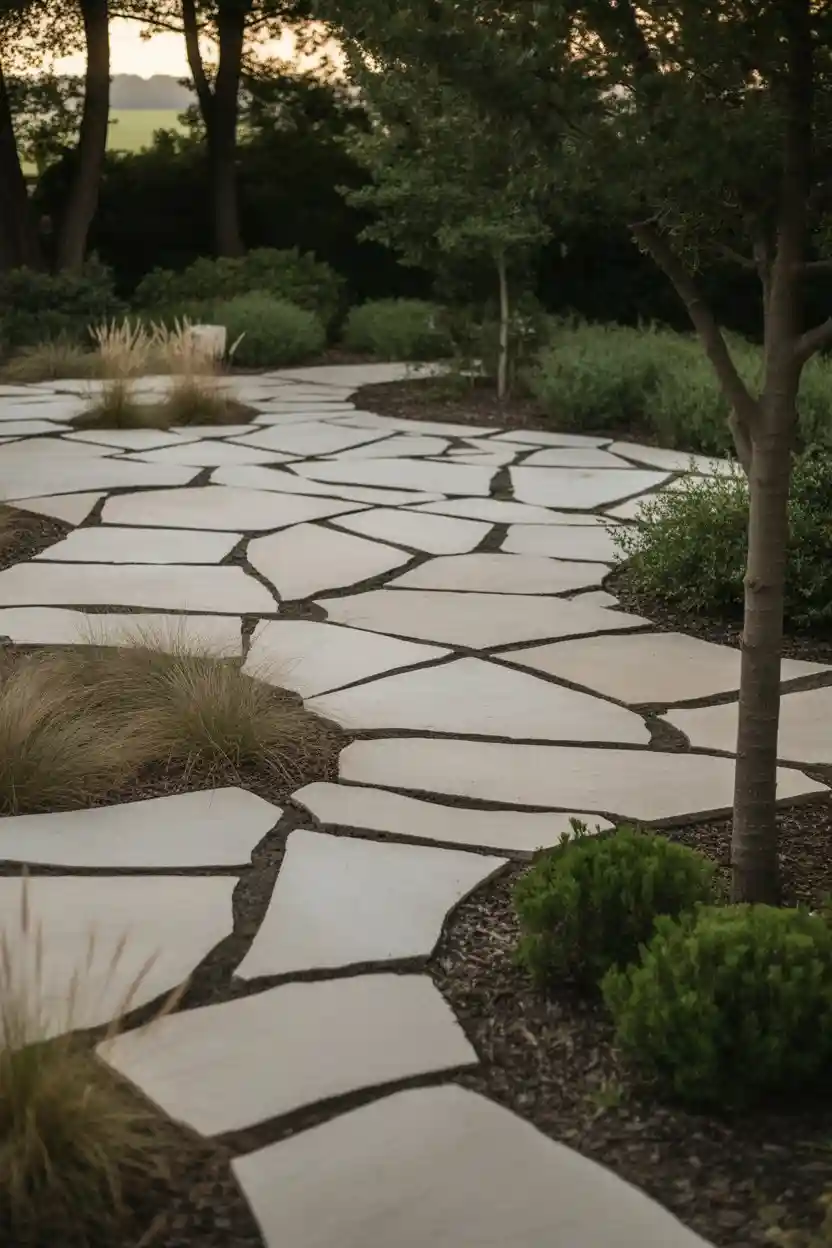
4. Concrete Edging for Clean Lines
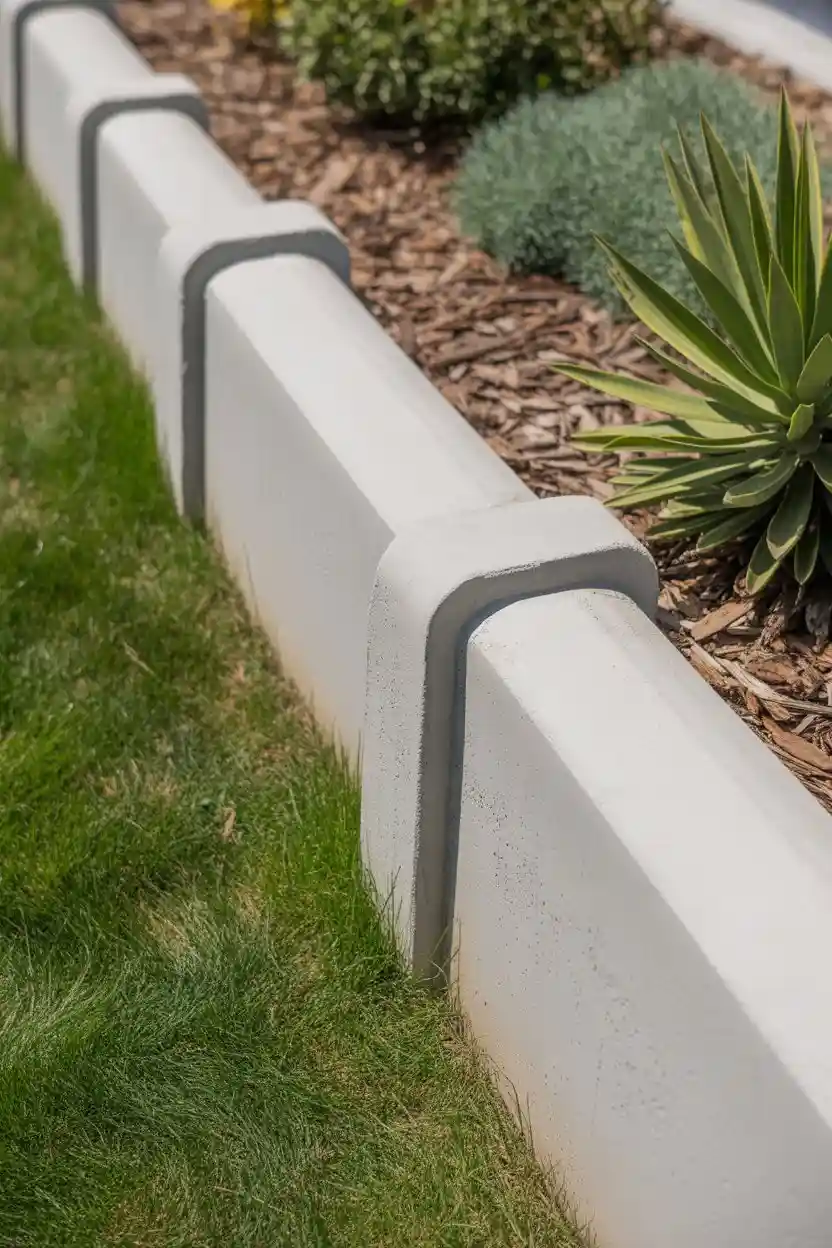
A continuous concrete curb between lawn and beds ends the edging battle permanently — no more string-trimming ragged edges every week. Extruded concrete curbing runs a few dollars per linear foot installed and holds its line for decades. It also stops mulch and gravel from migrating, which is half the tidiness battle.
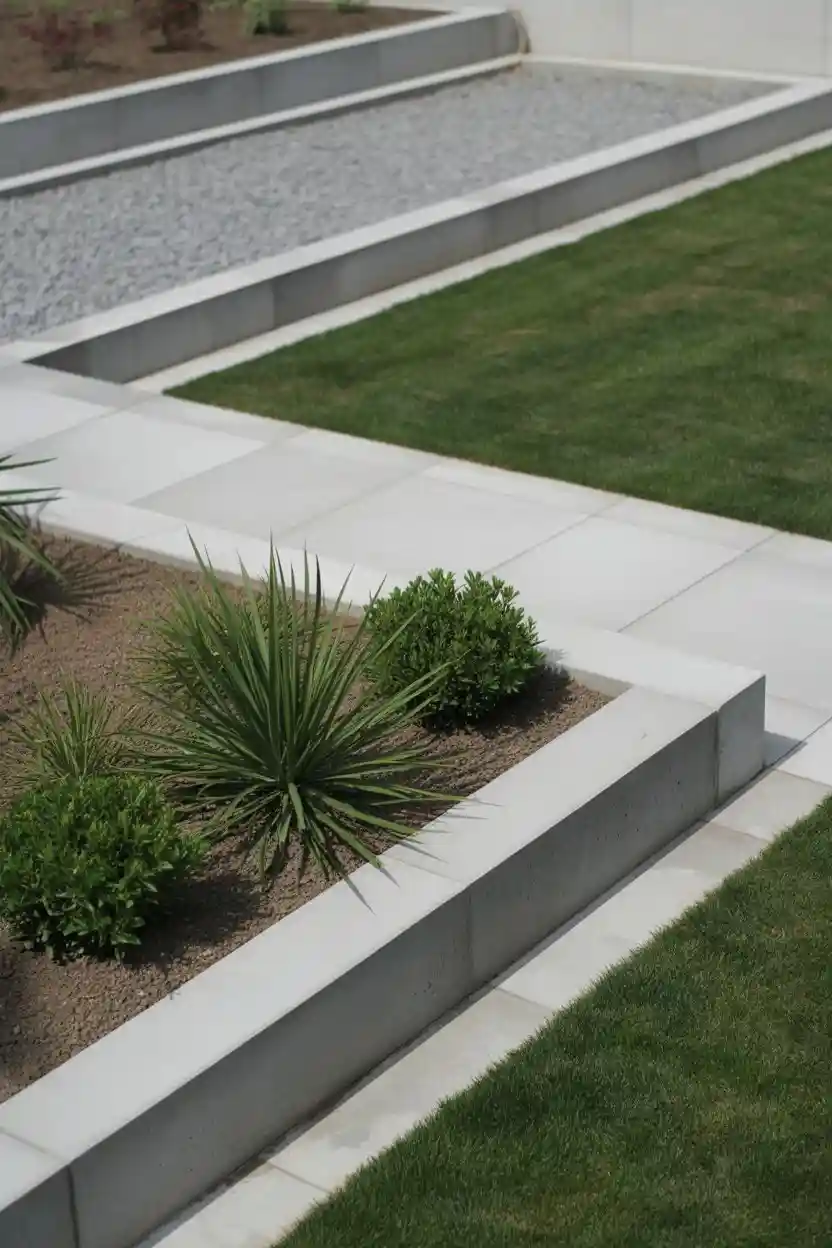
5. Incorporate Low-Growth Ornamental Grasses
Grasses like ‘Karl Foerster’ feather reed, blue fescue, or Mexican feather grass need one haircut a year — cut them to four inches in late winter and ignore them otherwise. They move in the wind, which gives the garden life without adding a single maintenance task, and clump-forming varieties never need dividing.
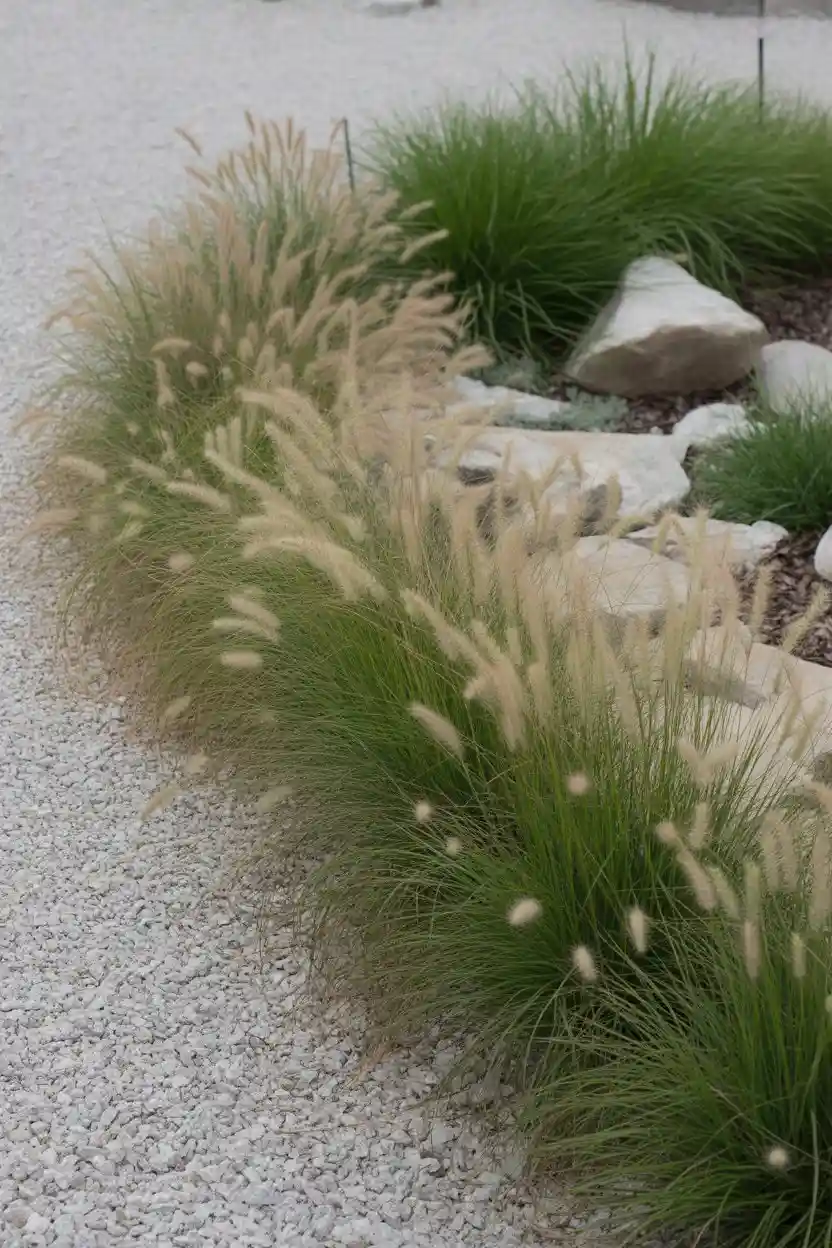
6. Paver Patio Designs with Clean Geometry
A paver patio converts mowing area into living area: every square foot of pavers is a square foot you never mow, edge, or fertilize again. Lay them on a compacted base with polymeric sand in the joints and weeds stay out for years. Keep the pattern simple — a running bond or large-format grid — and the patio reads as calm rather than busy.
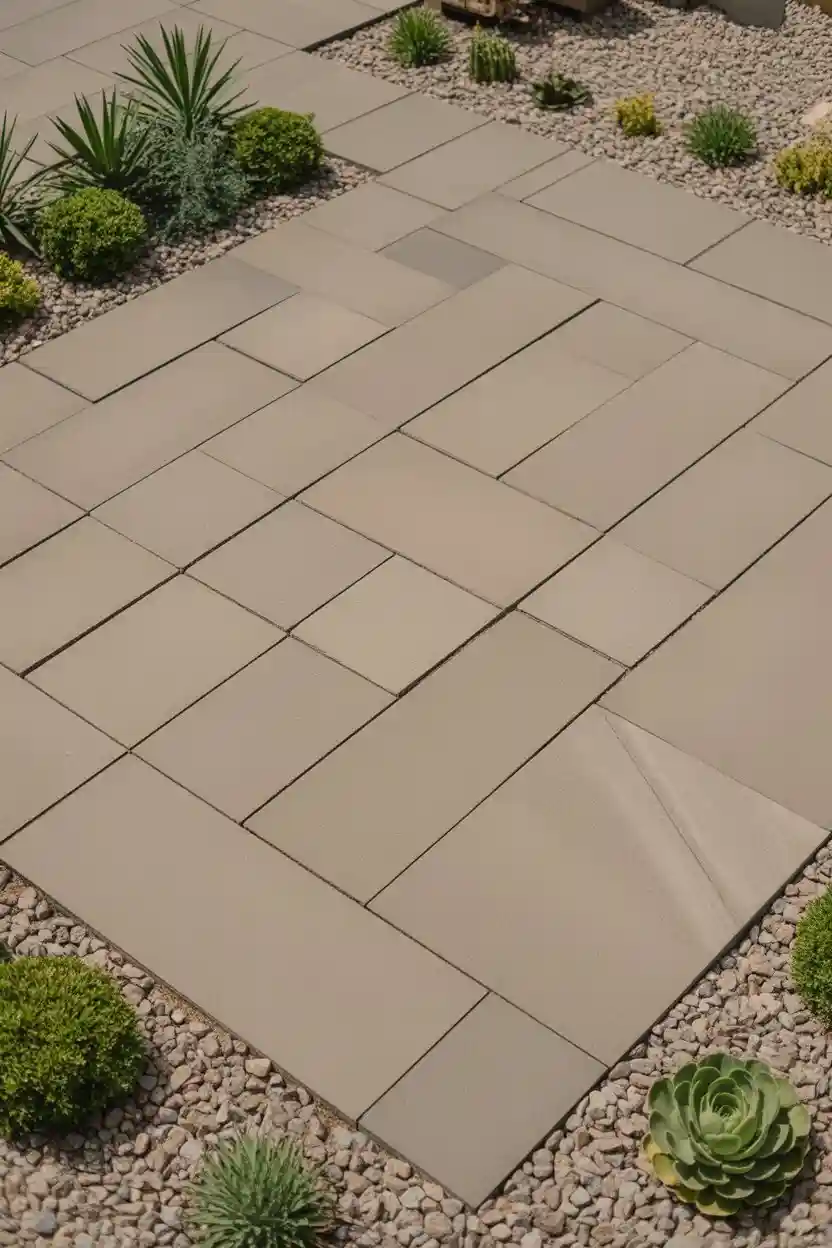
7. Use Native Evergreen Landscaping Plants
Evergreens are the only plants that work every single day of the year. Boxwood, holly, yew, or juniper hold the garden’s structure through winter when perennials have vanished, which means the design never has an ugly season. Choose slow-growing varieties and the annual pruning fits into a single afternoon.
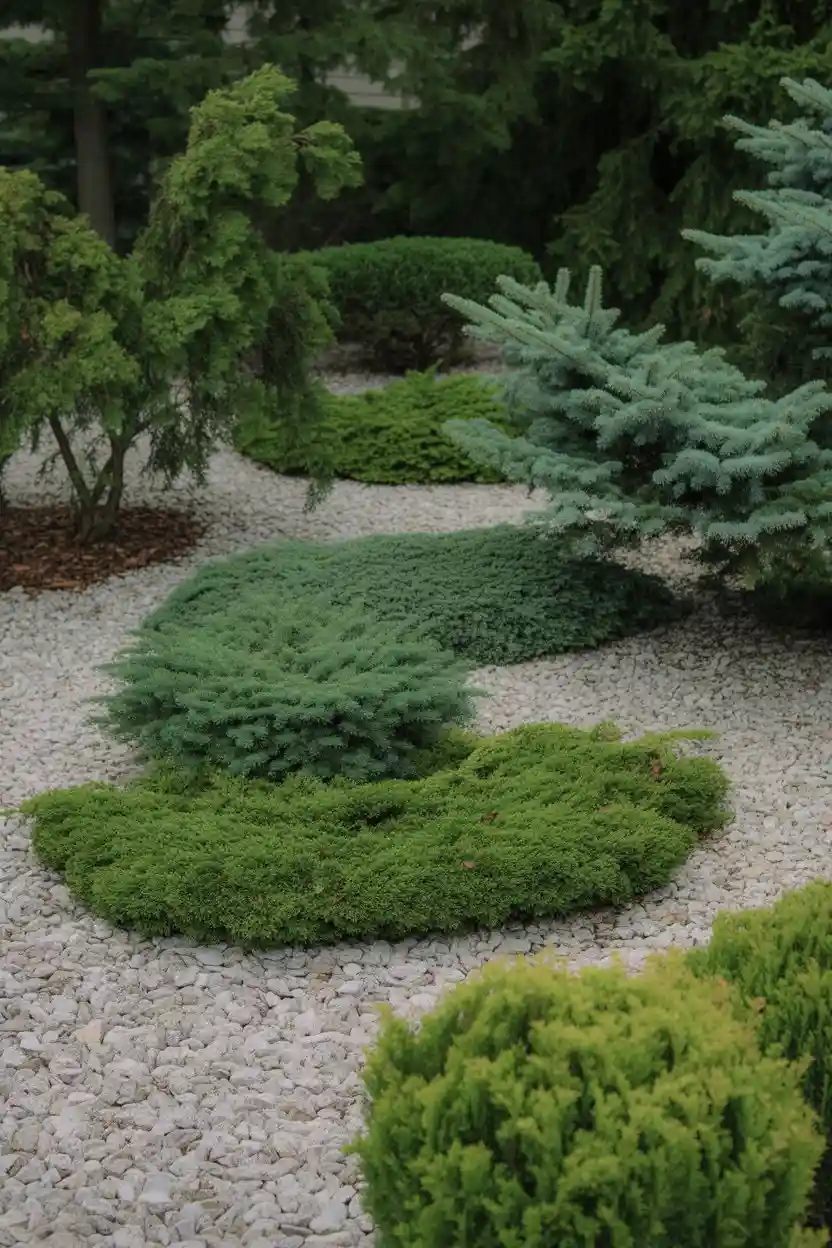
8. Xeriscape Rock Gardens
On slopes where mowing is miserable and erosion is constant, a rock garden solves both problems at once. Boulders anchor the soil, gravel mulch stops weeds, and drought-tolerant plants like sedum and lavender handle the heat reflected off the stone. Set boulders partially buried — a rock sitting on top of the soil looks placed; one sunk a third deep looks like it belongs.

9. Retaining Walls with Landscaping Bricks
On a slope, a retaining wall turns unusable grade into level, plantable terraces — and each terrace is easier to maintain than the hill it replaced. Dry-stacked stone or segmental block walls under three feet usually need no permit and no mortar. Cap the wall with a flat stone and it doubles as casual seating, giving the modern minimalist garden edge the design calls for.
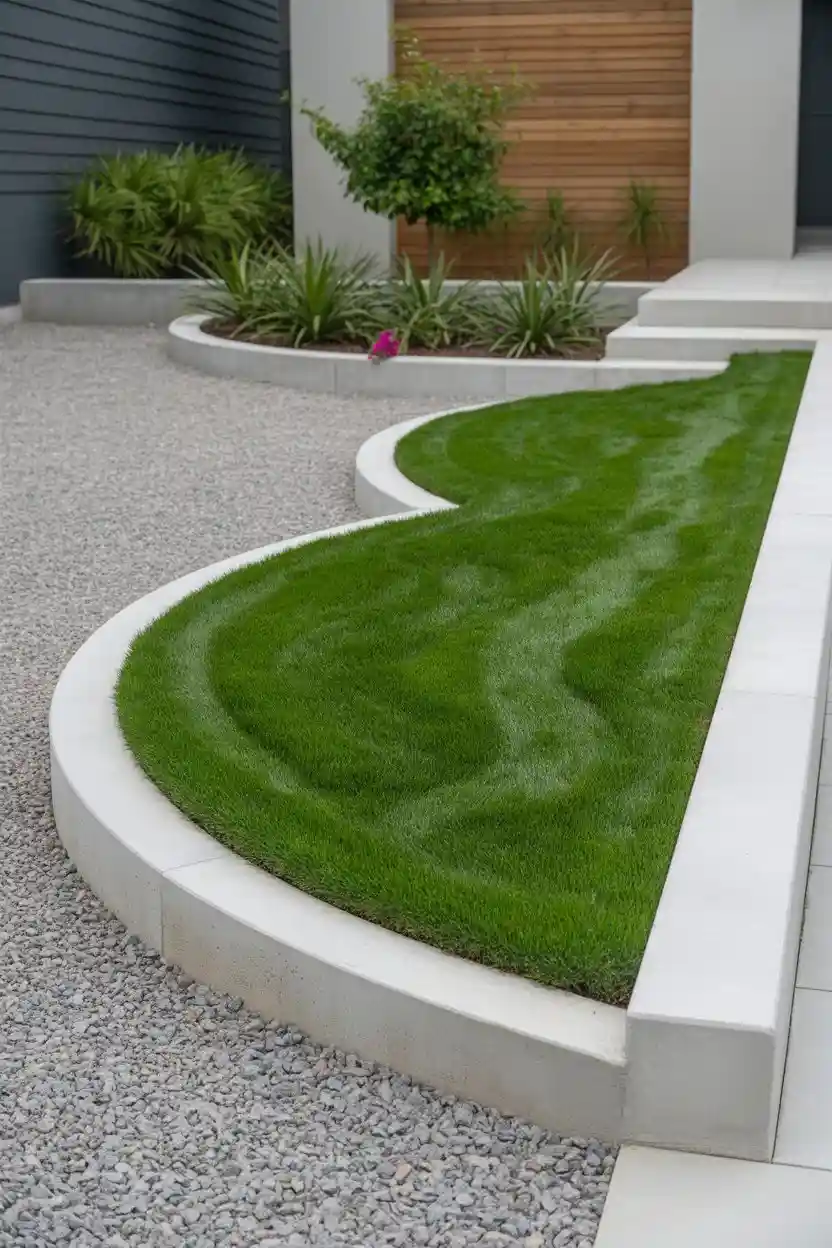
10. Install Sod with Strategic Lawn Areas
Minimalist landscaping does not banish the lawn; it shrinks it to the size you actually use. One modest rectangle of turf for kids or pets, surrounded by gravel and planting, cuts mowing time to fifteen minutes. Choose a drought-tolerant grass like tall fescue or buffalo grass and you can halve the watering too.
11. Landscape with Decorative Aggregate
Crushed stone or pea gravel as a ground cover does three jobs at once: smothers weeds, drains freely, and never needs replacing the way bark mulch does. A three-inch layer over landscape fabric lasts a decade. The one rule — keep it out of lawn areas, because a mower throws gravel and gravel dulls mower blades.
12. Use Shrubs for Natural Boundaries
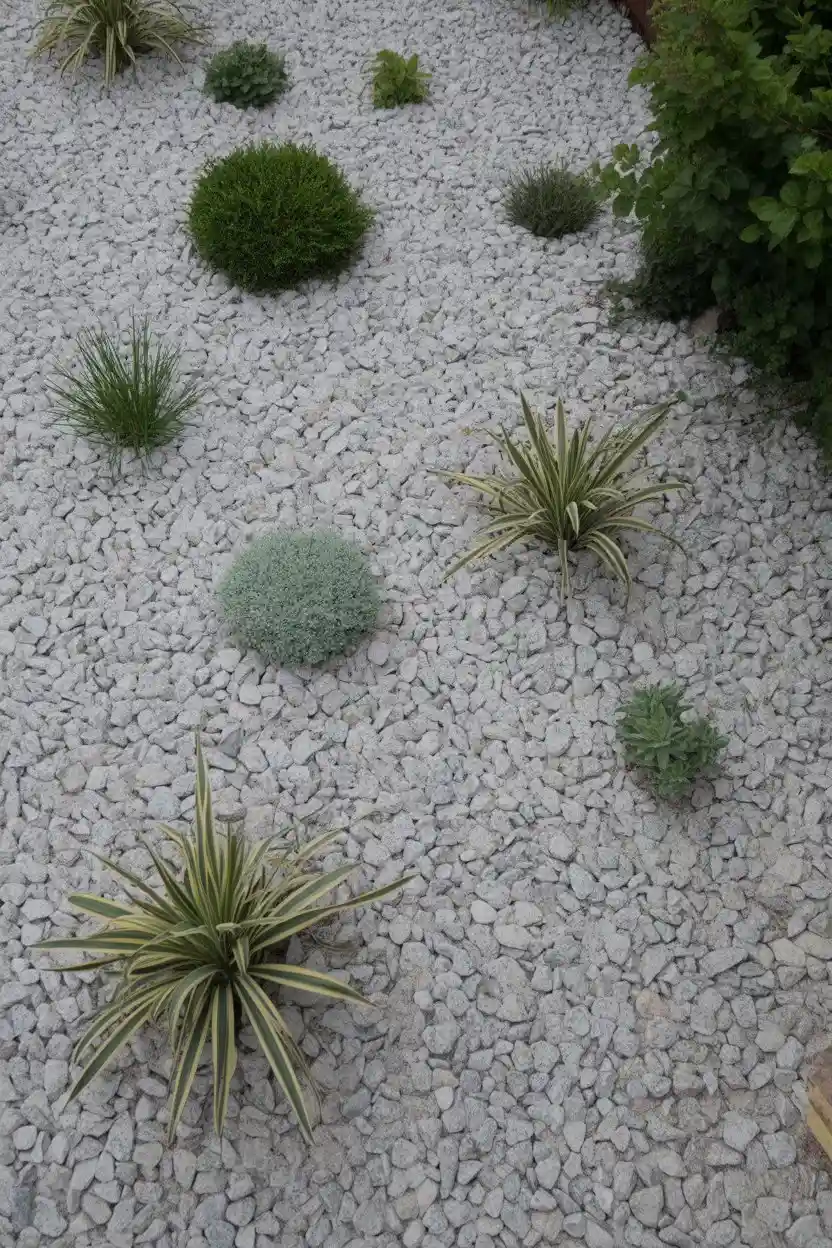
A hedge of slow-growing shrubs — boxwood, privet, or compact holly — defines space without a single fence post or wall. Plant at the spacing the tag recommends, not closer; overcrowded hedges need constant shearing while properly spaced ones need a yearly trim. Evergreen varieties also shelter birds through winter, which is free pest control come spring.
13. Concrete Garden Edging for Longevity
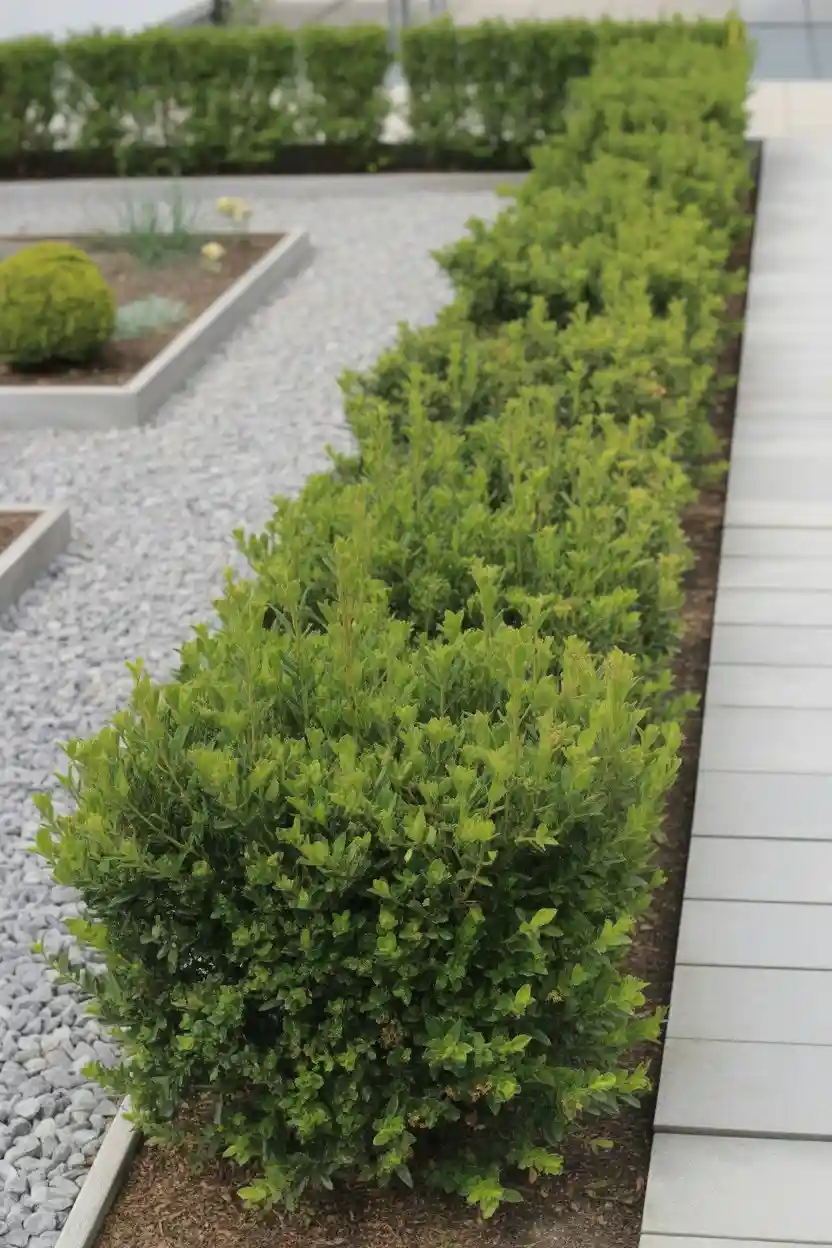
Where steel edging eventually rusts and plastic heaves out of the ground, concrete curbing just sits there — year after year, holding the line between bed and lawn. It is the set-and-forget option: no restaking, no replacing, no seasonal attention. Match its color to your pavers and it disappears into the design.
14. Integrate Simple Water Features
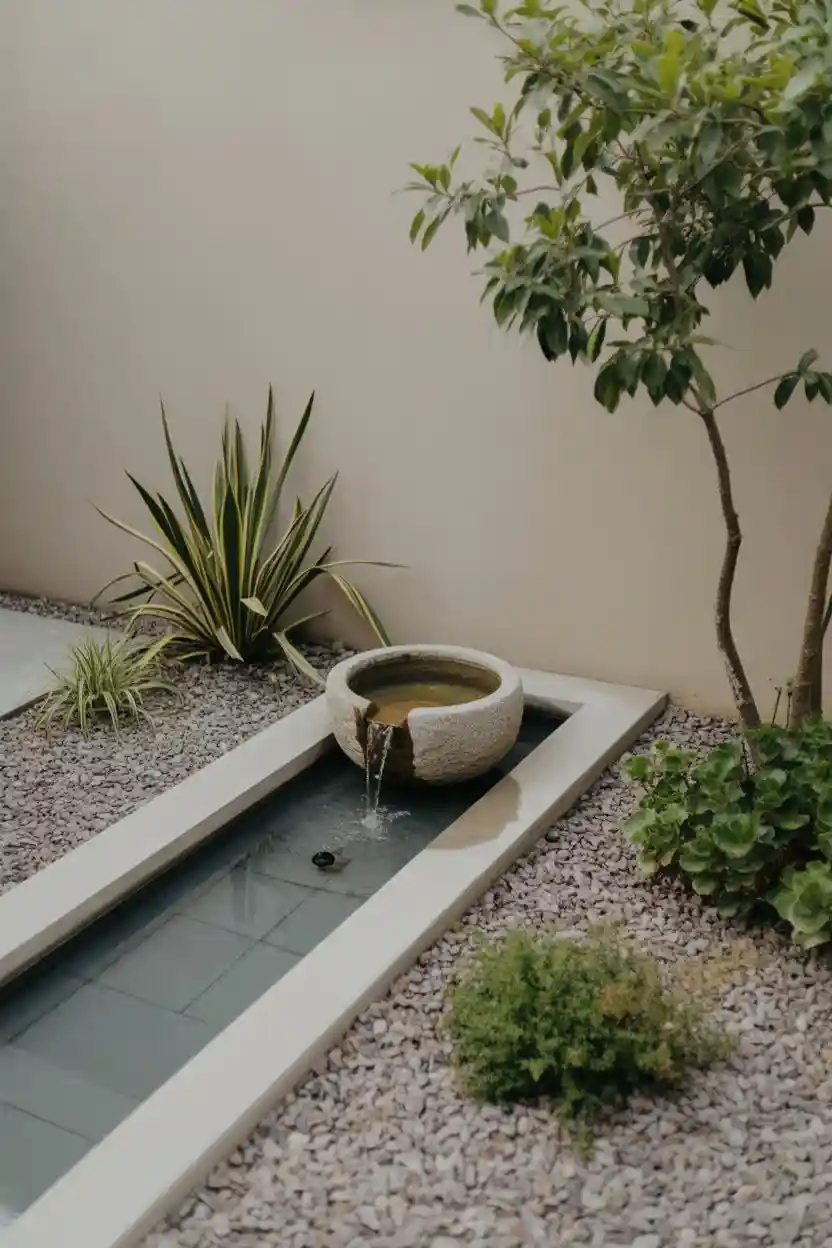
A small recirculating fountain — a steel basin with a single spout, or a bubbling rock — adds sound and movement for the cost of topping up evaporation weekly. Solar pumps eliminate wiring, and a pump with a filter needs cleaning only a few times a season. Keep it simple: still, dark water reads as calm, while elaborate tiers read as maintenance.
15. Install Brick Paver Walkways
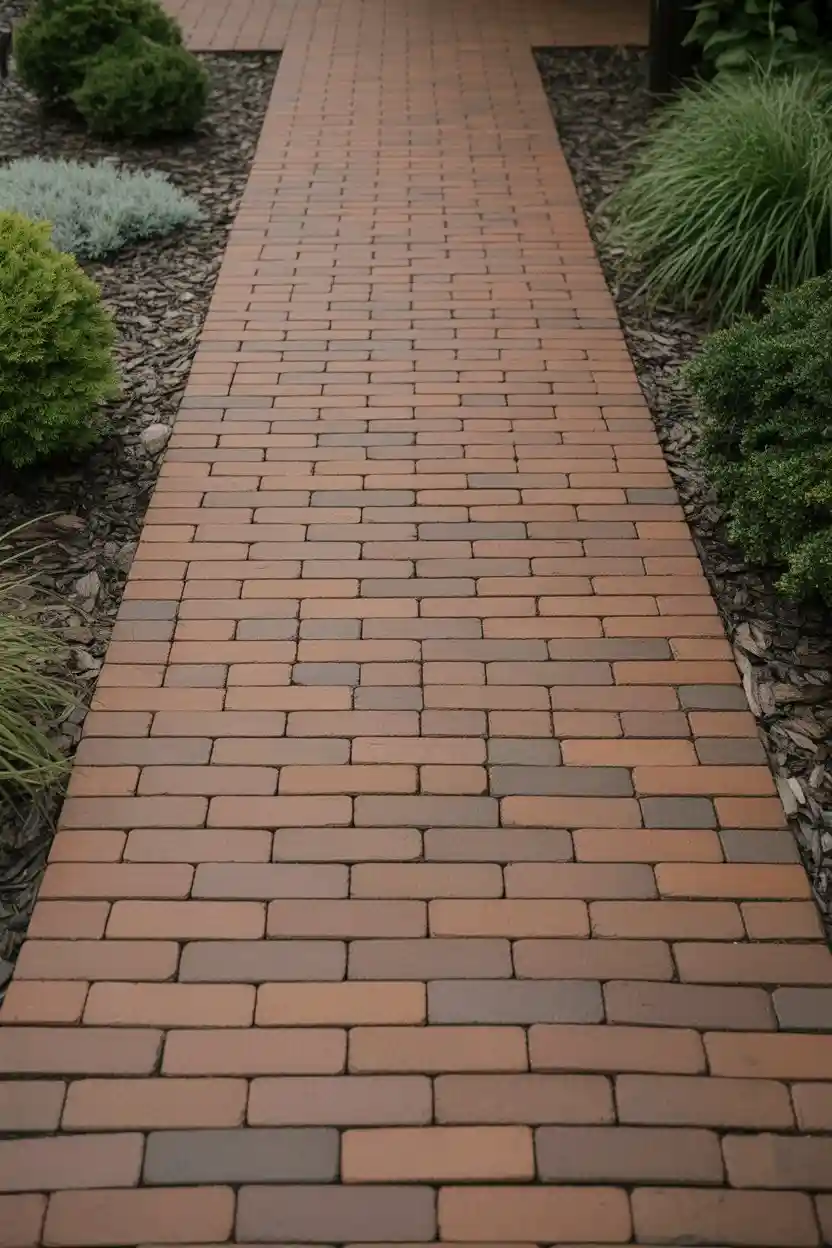
Brick paths age better than almost any hardscape — they develop character instead of just wearing out. Set on sand, they flex with freeze-thaw cycles instead of cracking like poured concrete. Moss in the joints is the only real upkeep, and a stiff broom handles it; some gardeners consider the moss a feature.
16. Use Mulch to Reduce Weed Growth
Three inches of bark mulch cuts weeding dramatically and halves watering needs — the single highest-return chore in the garden. Top it up once a year in spring; a fresh layer takes an afternoon and makes every bed look newly planted. Keep mulch pulled back two inches from stems and trunks, or it rots the bark it touches.
17. Design with Landscaping Boulders
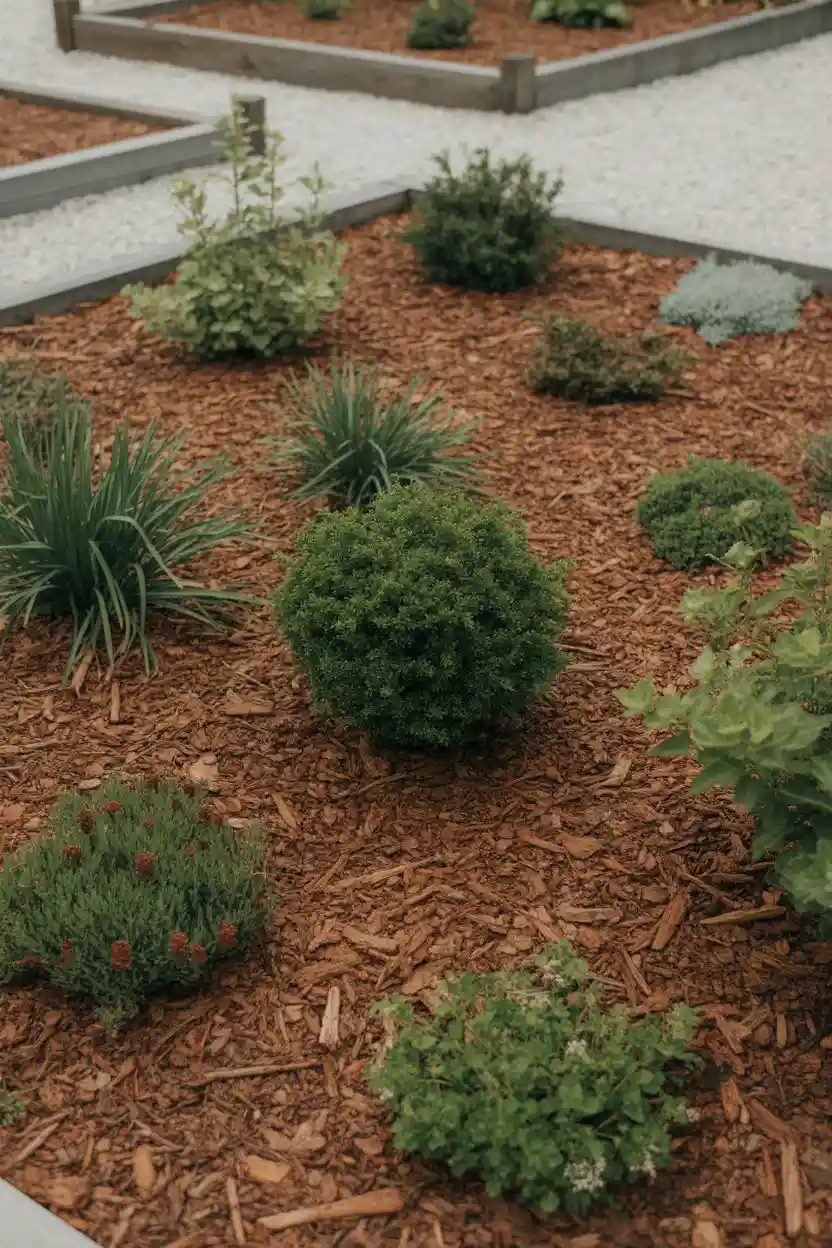
One large boulder does the visual work of a dozen small decorations and needs zero maintenance forever. Group them in odd numbers, vary the sizes, and bury the bottom third — the most common mistake is lining up same-sized rocks like bowling balls. A boulder also breaks wind and casts shade, creating a microclimate where fussier plants can survive.
18. Incorporate Sustainable Lawn Care Practices
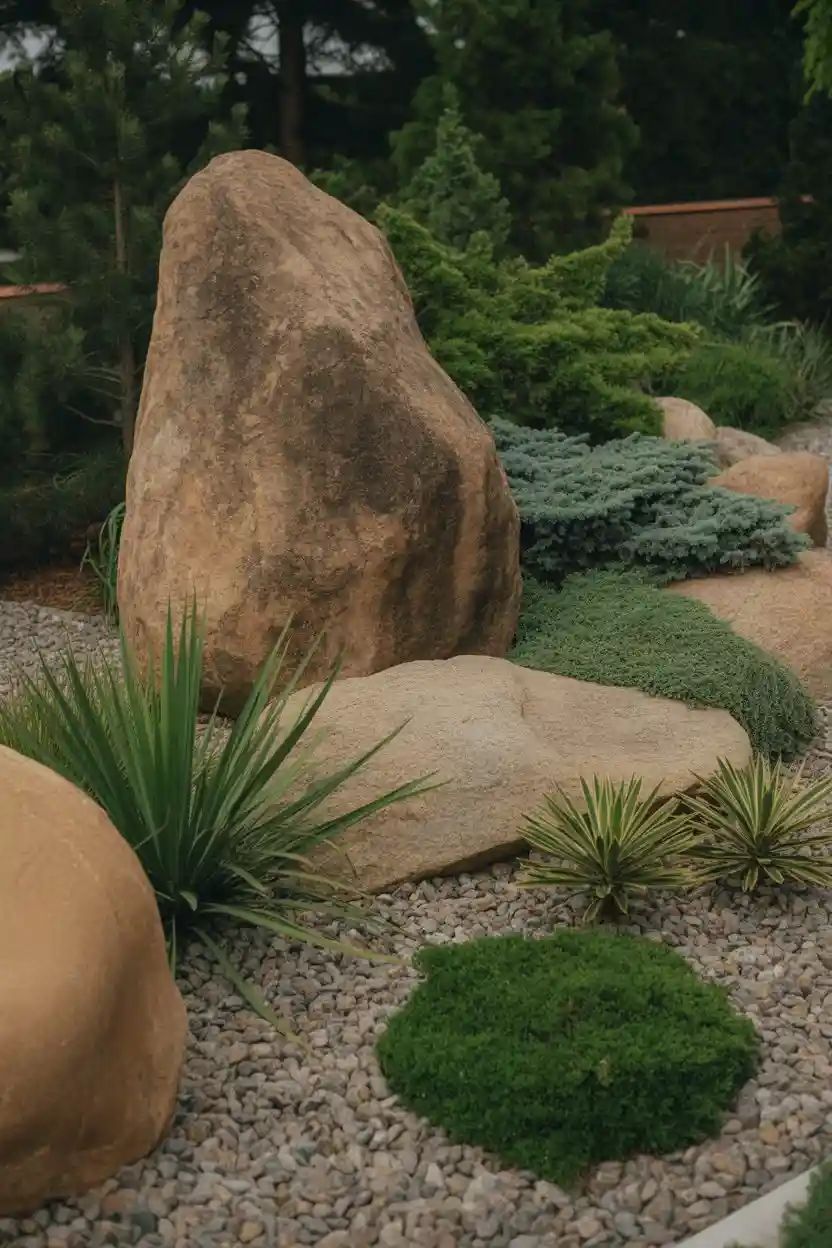
If you keep some lawn, mow high — three to four inches — and leave the clippings; tall grass shades out weeds and the clippings return nitrogen for free. Water deeply once a week instead of daily sprinkles, ideally in the early morning. Most lawns need about half the fertilizer the garden center suggests.
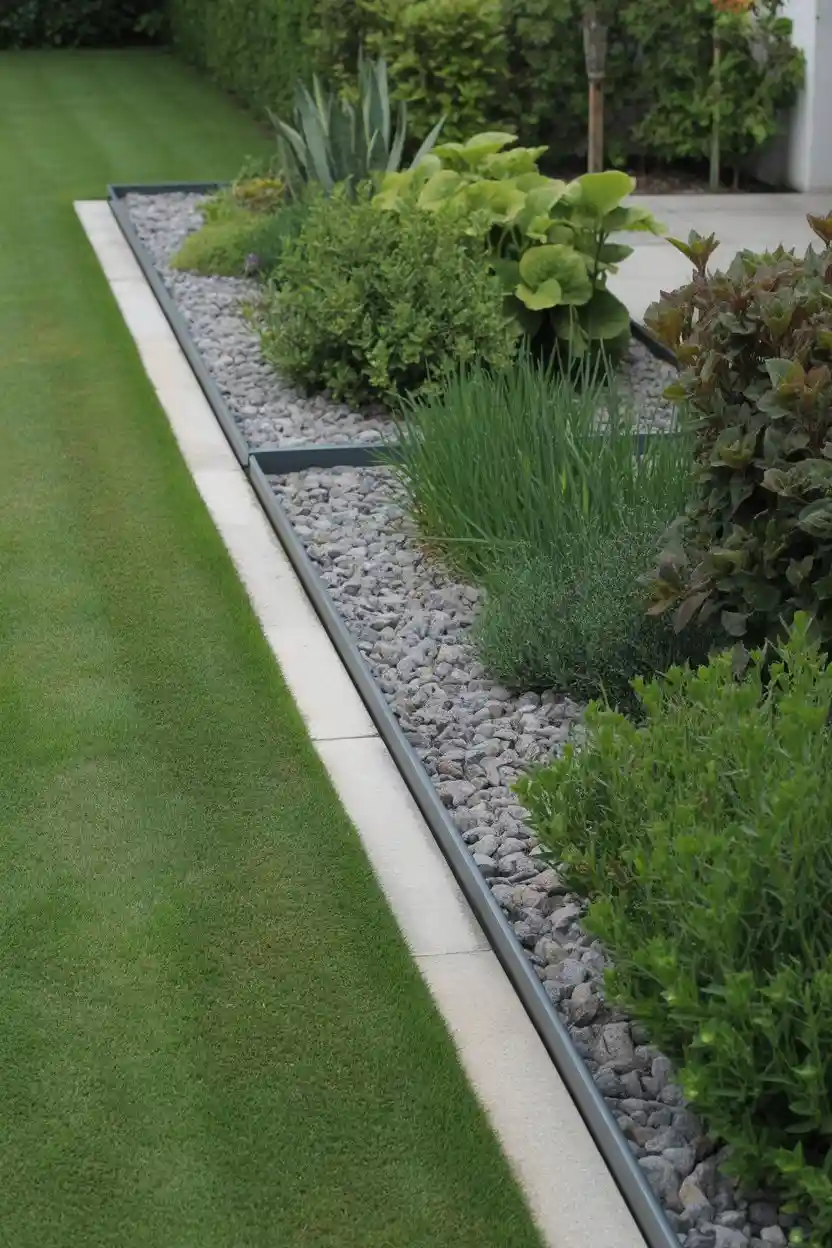
19. Create Defined Garden Borders with Landscaping Edging
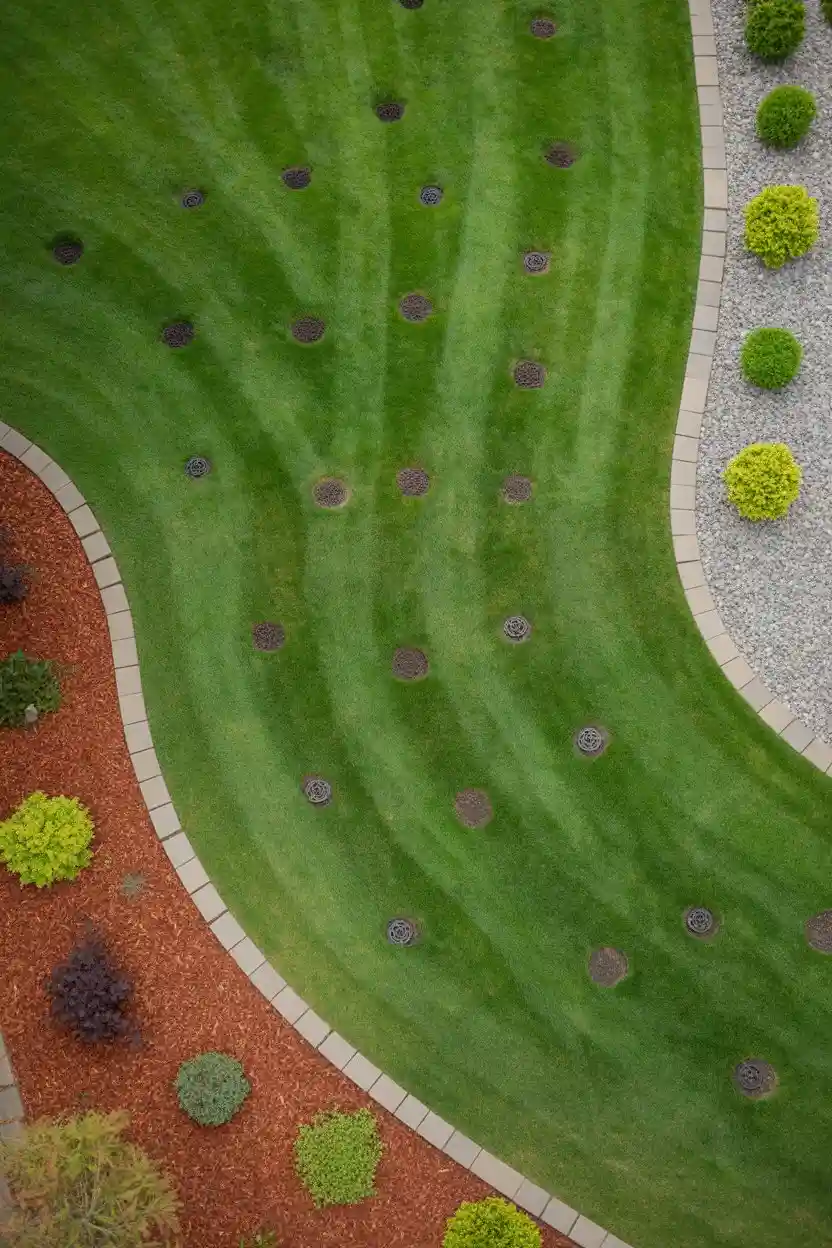
Metal, brick, or concrete — pick one edging material and use it everywhere. Consistent edging is what makes separate beds read as one designed garden instead of a collection of projects. Install it once, properly, and the weekly string-trimming along bed edges disappears from your chore list.
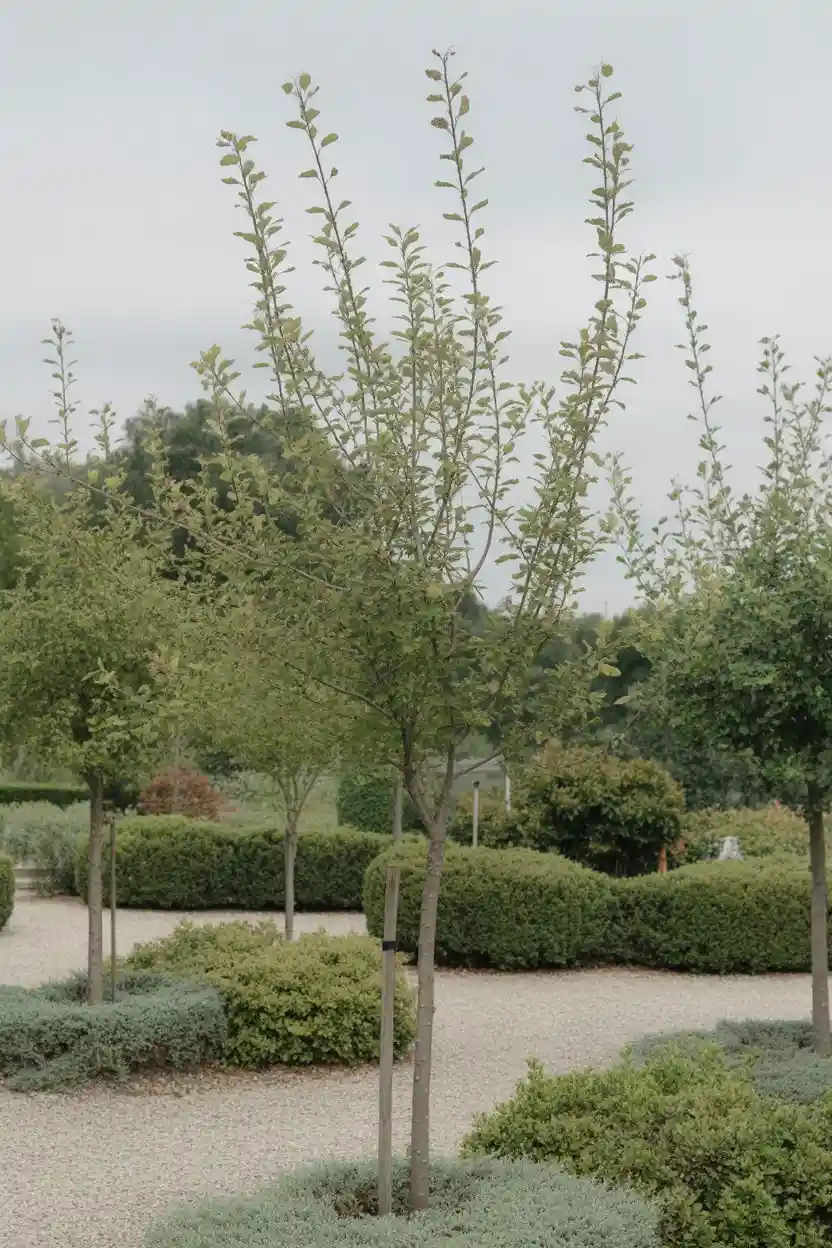
20. Utilize Small Trees for Vertical Interest
A small tree — Japanese maple, crape myrtle, serviceberry — gives a garden its vertical layer without the leaf avalanche and root wars of a large one. Slow-growing species need little pruning and stay in scale for decades. Plant it where its mature canopy will shade a patio, and the tree starts paying rent in comfort.
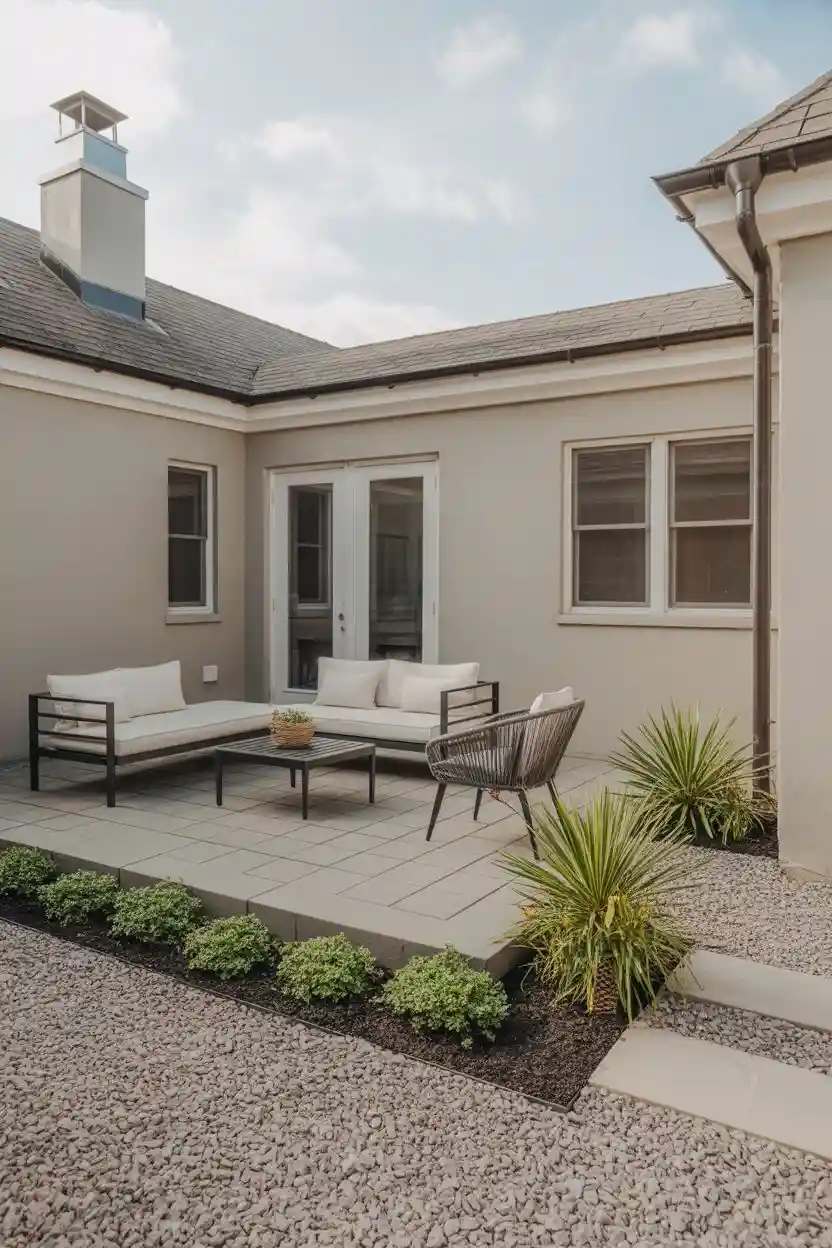
21. Focus on Simple Backyard Remodels
The simplest backyard remodel follows a formula: shrink the lawn, add one patio, edge everything, plant in drifts of three species. That is a weekend of planning and a few weekends of work for a yard that needs an hour a month. Complexity is what creates maintenance — every extra bed, path, and plant variety is a future chore.
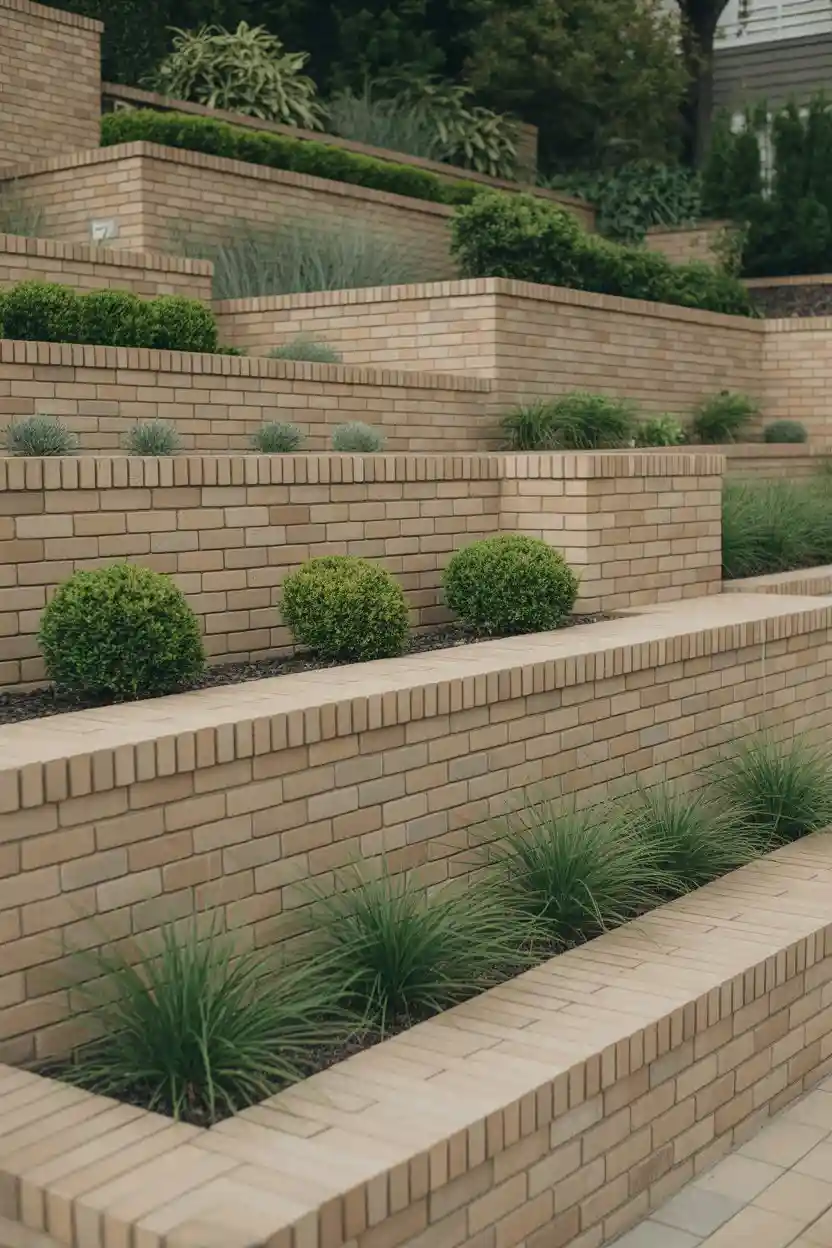
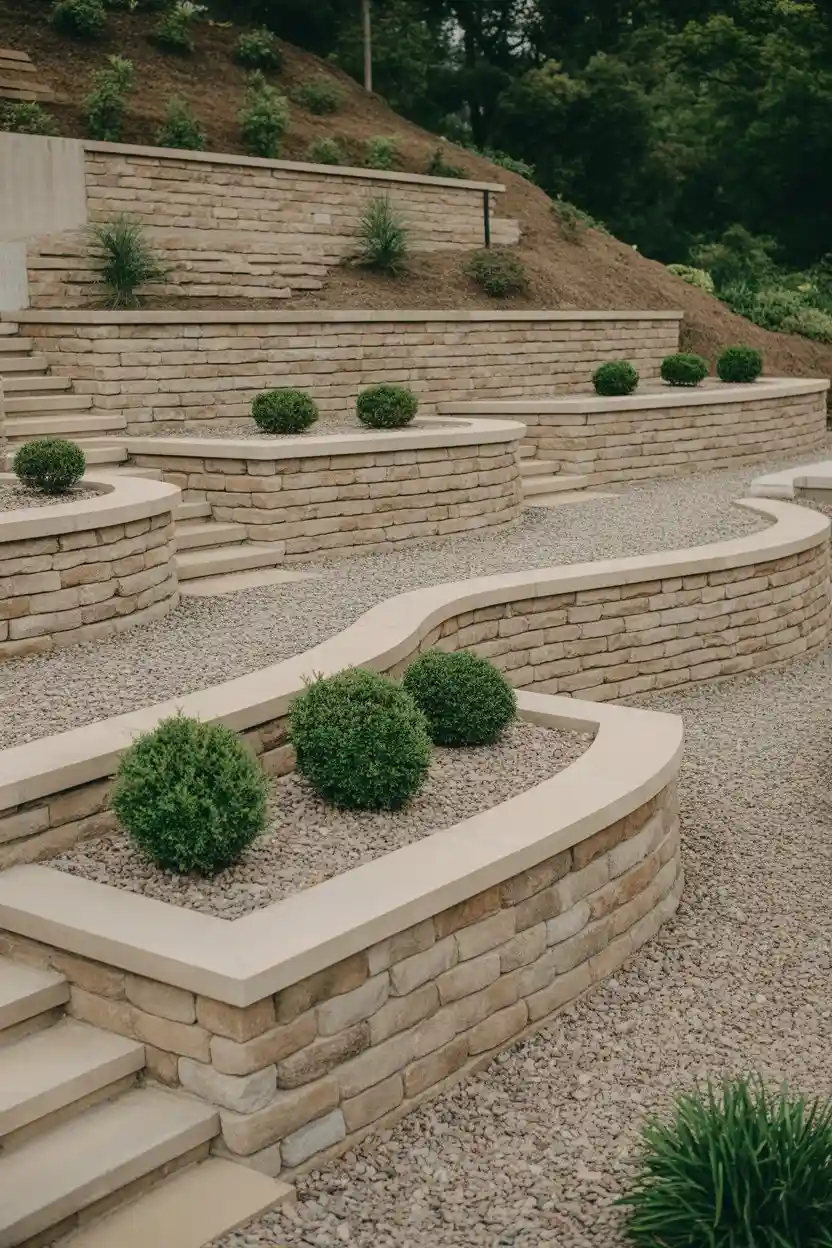
22. Add Retaining Wall Landscaping Features
Terracing a slope with two low walls instead of one tall one looks better and needs no engineering — walls under three feet are DIY-friendly in most places. Each terrace becomes its own simple planting zone, and the walls themselves add the structure that makes a garden feel designed. Backfill with gravel behind the wall for drainage.
23. Choose Landscaping Gravel for Ground Cover
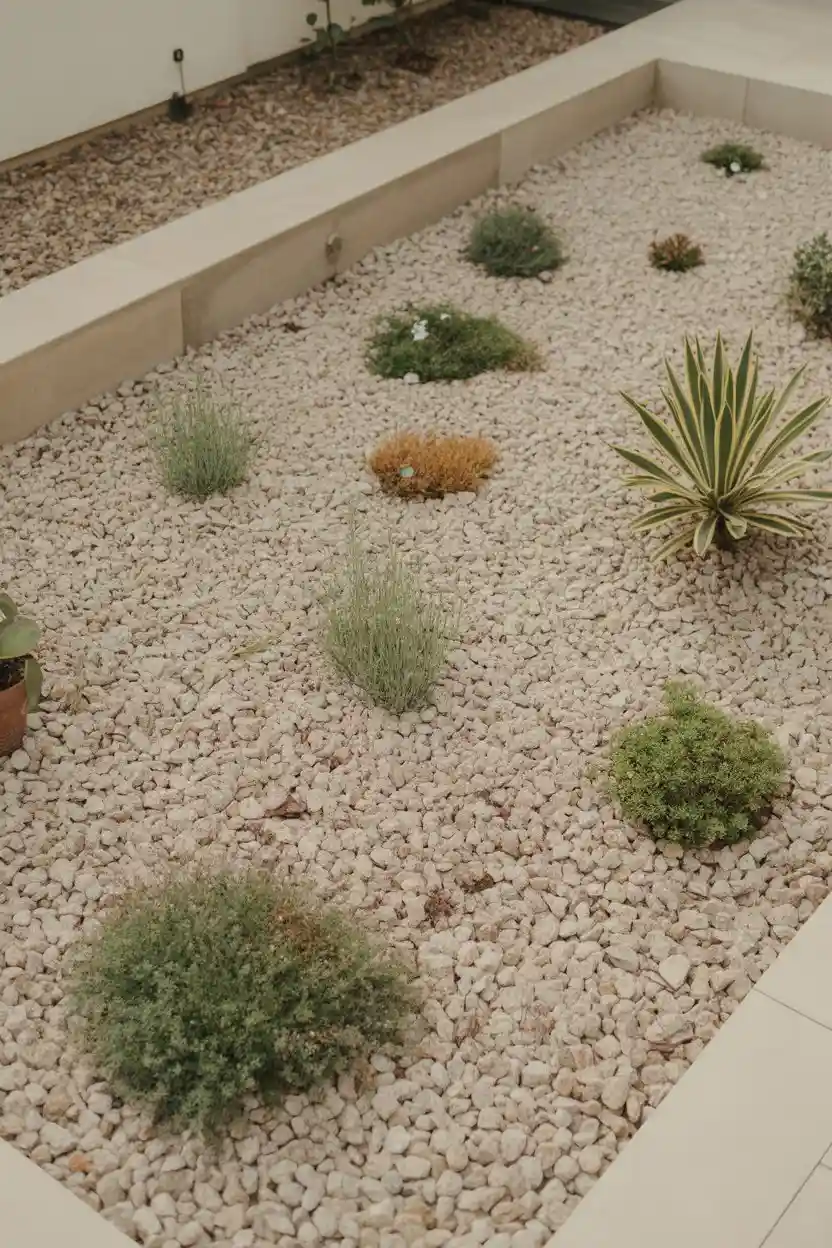
Where bark mulch needs yearly topping up, gravel needs nothing — ever. It does not decompose, fade, or blow away, and it keeps the soil beneath cooler in summer. Use it in beds of drought-tolerant plants where its pale color bounces light up into the foliage. Just keep fallen leaves blown off, or they compost into weed food on top of it.
24. Use Hardscape Landscaping to Reduce Lawn Size
Every square foot converted from lawn to hardscape is a square foot removed from the mowing-watering-fertilizing cycle permanently. Patios, paths, and gravel beds are the highest-leverage changes a homeowner can make. A yard that is sixty percent hardscape and forty percent planting looks generous, not paved — the planting just has to be good.
25. Employ Professional Landscaping Services for Efficiency
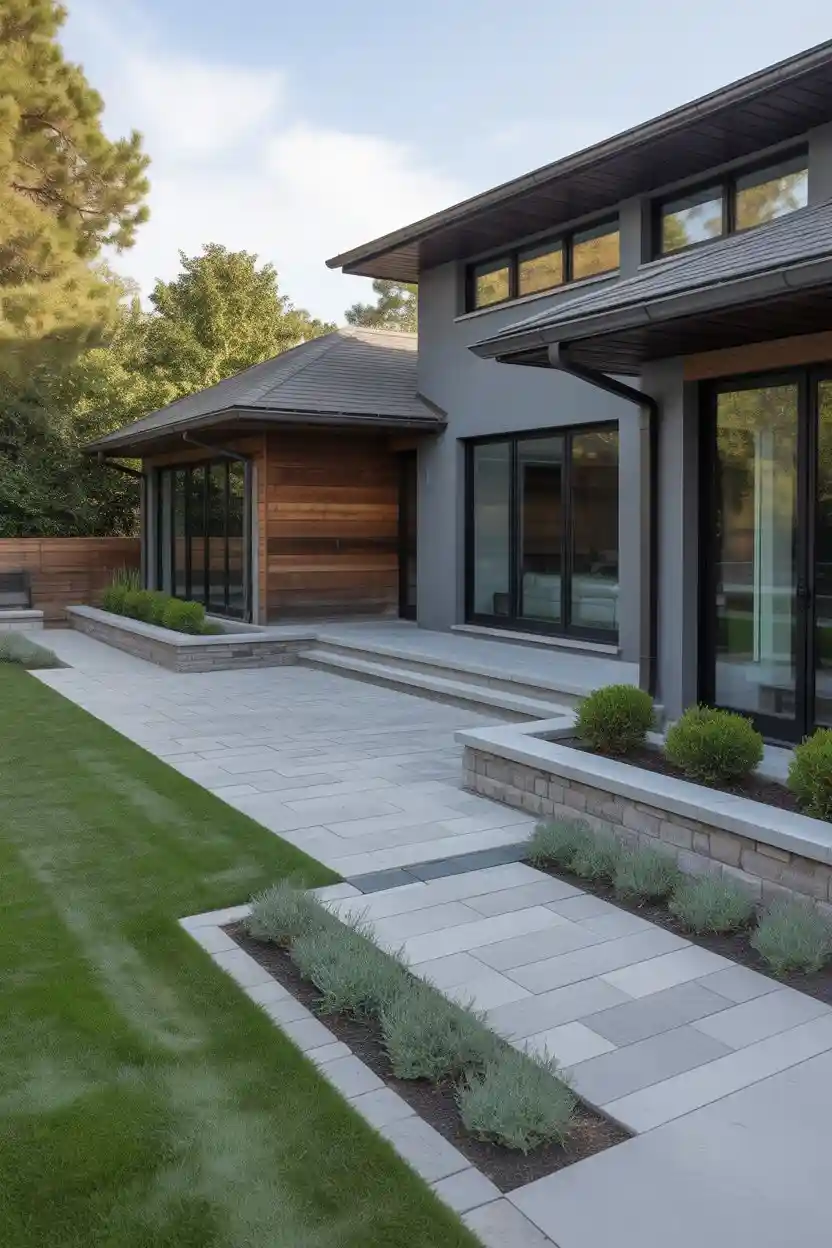
A professional design consultation — often a few hundred dollars — can save thousands in mistakes: wrong plants, bad drainage, patios that slope toward the house. Hire out the heavy work like grading, walls, and large patios, and DIY the planting. The designer’s plant list, tuned to your soil and climate, is the part that keeps paying off.
FAQs for Low-Maintenance Minimalistic Landscaping Ideas