20 Wildflower Bed Ideas for Natural Gardens at Home
There is something deeply calming about a garden that looks like it just happened — like nature decided to show off right outside your back door. I remember the first time I let a corner of my yard go a little wild, half on purpose and half because life got busy, and what grew there was more beautiful than anything I had ever planted on purpose. If you have ever stood in a meadow and felt that quiet, golden kind of peace, you already understand exactly what a wild flower bed can do for a space.
The truth is, most of us were taught that a good garden means straight edges, matching pots, and plants that behave. But wildflower beds throw all of that out and replace it with something far more honest and alive. You get color you did not plan, visitors you did not invite — butterflies, bees, little birds — and a garden that feels like it belongs to the earth rather than a catalog. I think that is why so many women are leaning into this style right now, because it is both beautiful and real.
Whether you have a wide open backyard, a narrow strip along a fence, or just a few pots on a balcony, there is a wildflower bed idea here that will work for you. We are going to walk through twenty of my favorite ways to bring that loose, meadow-inspired magic into your home garden, and I promise every single one of them is more approachable than you think. Grab a coffee, settle in, and let’s talk flowers.
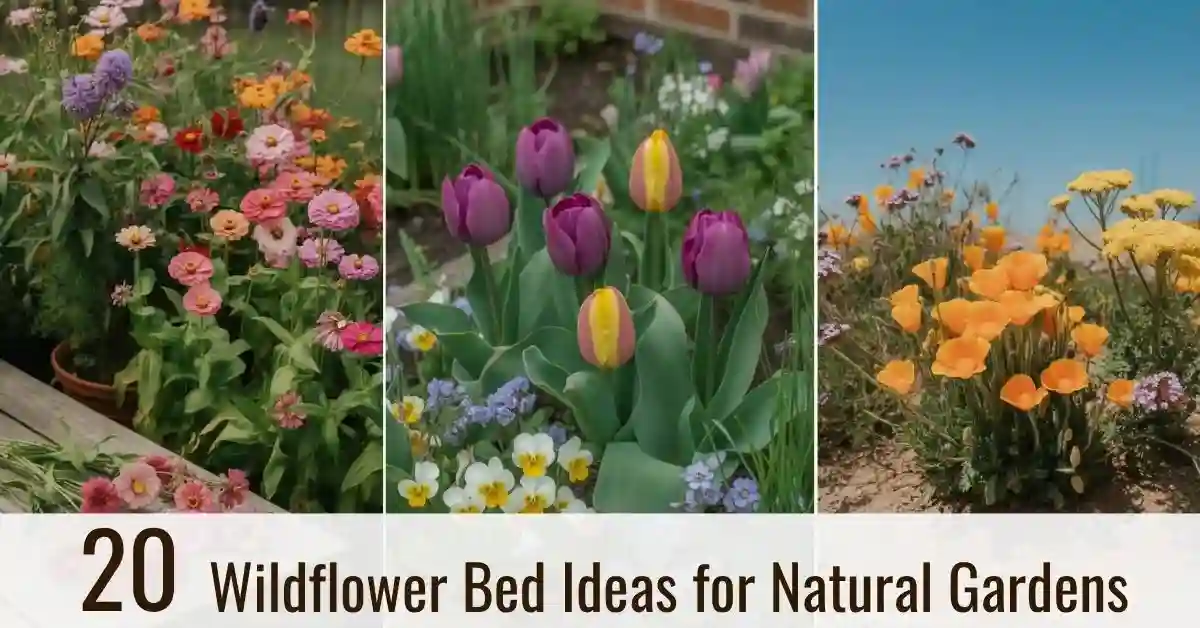
Here is the full list — twenty approaches, from classic cottage mixes to seed-bomb experiments, each with what to plant and the one or two things that actually matter for keeping it thriving.
- 20 Flower Bed Ideas for Colorful Gardens
- 20 Raised Garden Bed Ideas for Small Yards
- 25 Cottage-Style Flower Bed Inspiration Ideas
- 30 Perennial Flower Bed Plans for Year-Round Color
1. Classic Cottage Wildflower Mix Bed
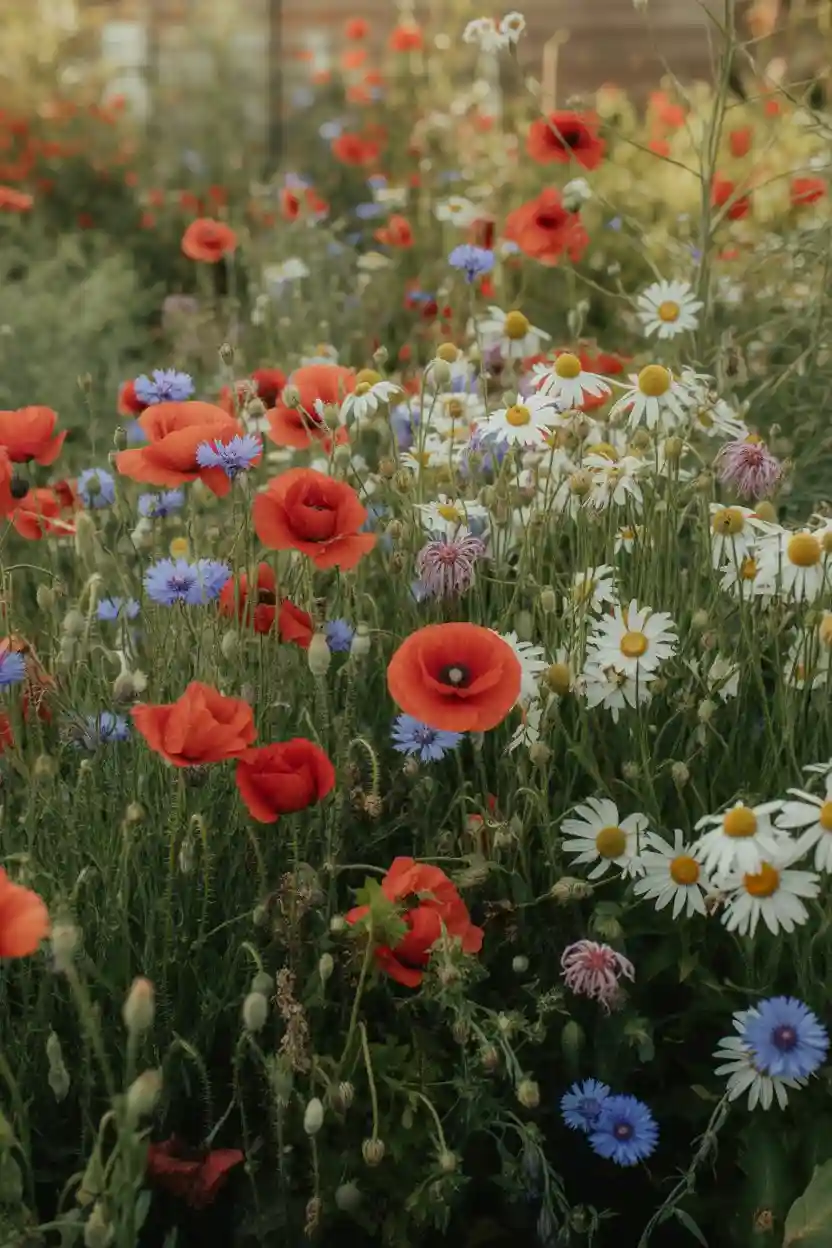
Poppies, cornflowers, ox-eye daisies, and bachelor’s buttons layered into a soft, romantic tangle — this mix looks effortless but rewards real intention. It flowers early and keeps giving into fall, suits any size garden, and works along a fence or as a standalone border. Scatter seeds into loosened soil in early spring and resist the urge to tidy it too much.
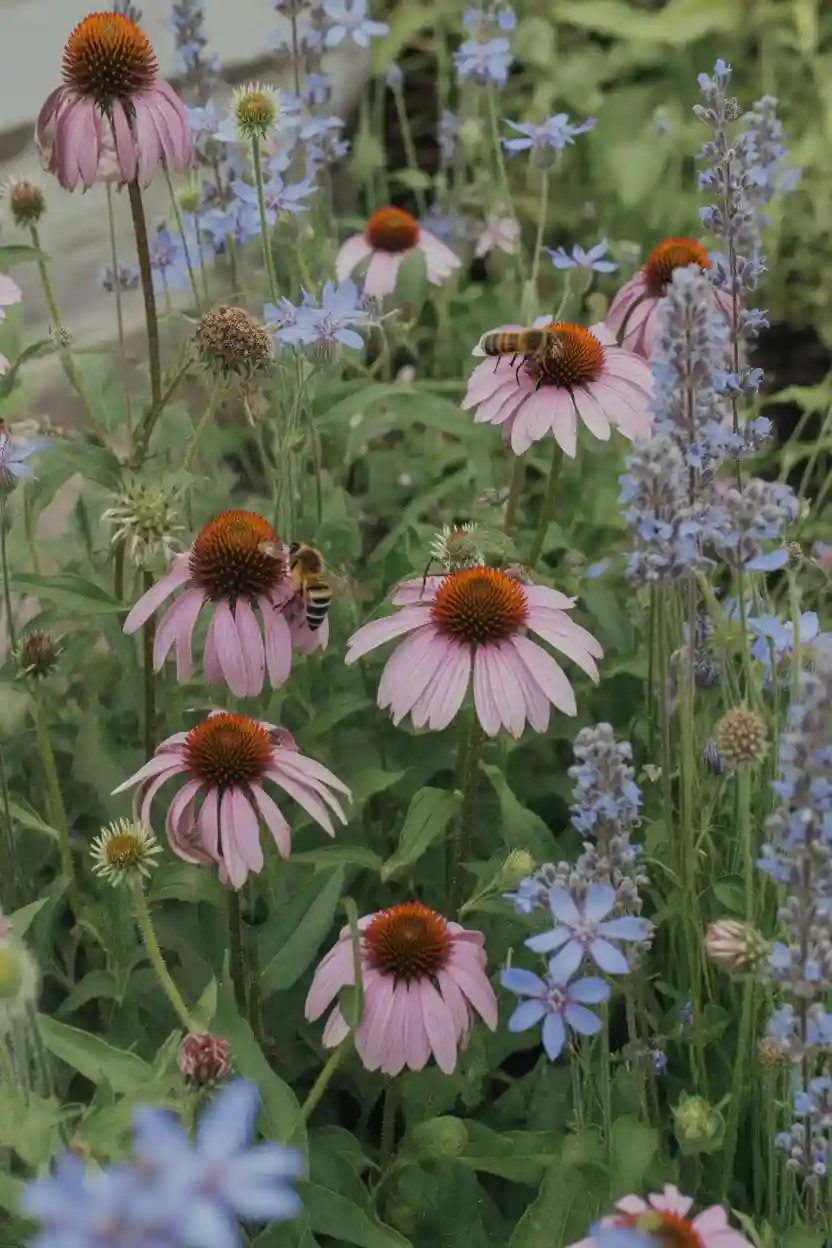
2. Pollinator-Focused Wildflower Border
Every plant here is chosen to feed bees, butterflies, and hoverflies through the full season — lavender, echinacea, borage, and wild bergamot in generous drifts, not single rows. Stagger bloom times so something is always flowering from May through October. If you care about your local ecosystem as much as your aesthetics, this is the most rewarding bed to tend.
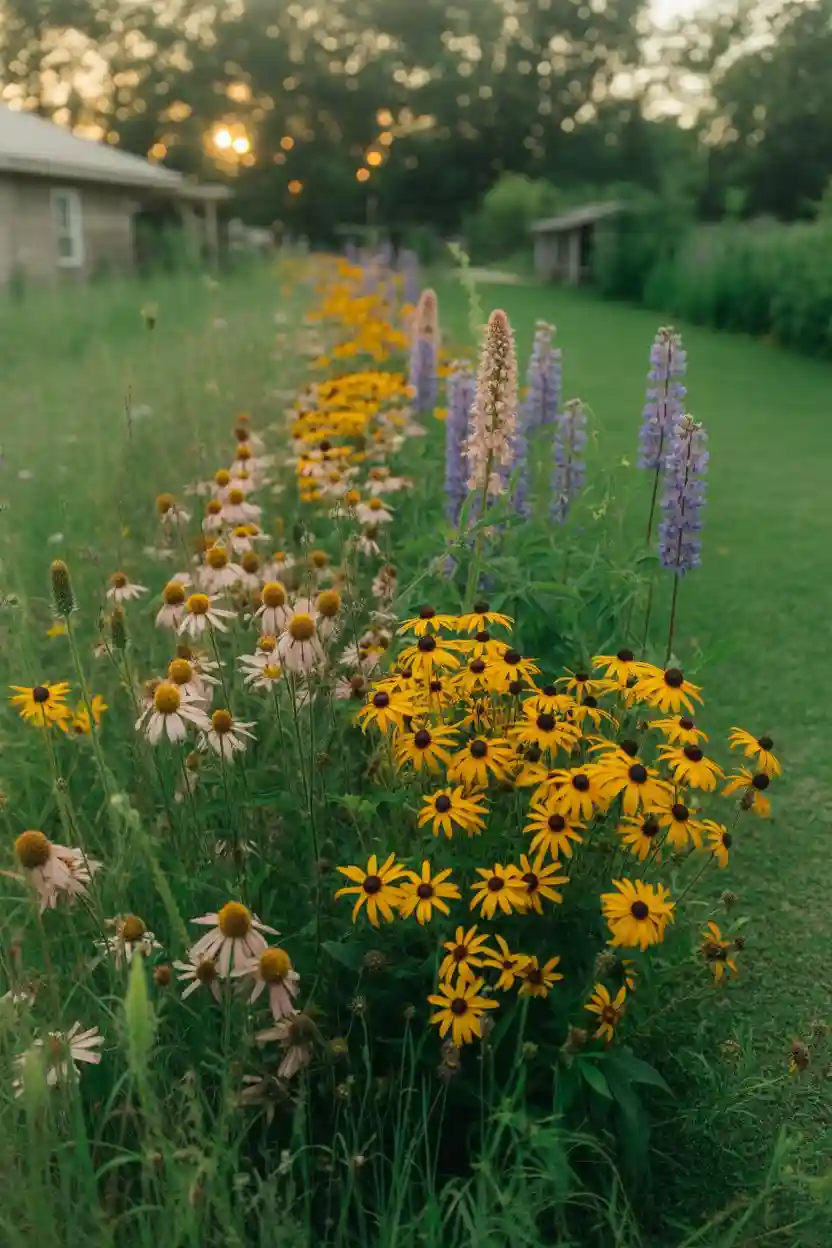
3. Native Wildflower Meadow Strip
Using only plants indigenous to your region means they thrive without help and genuinely support native insects — you are essentially giving land back to what belongs there. Black-eyed Susans, wild lupines, and prairie coneflowers are stunning together and incredibly low maintenance. Research your hardiness zone before buying seeds so every plant is a true local native.
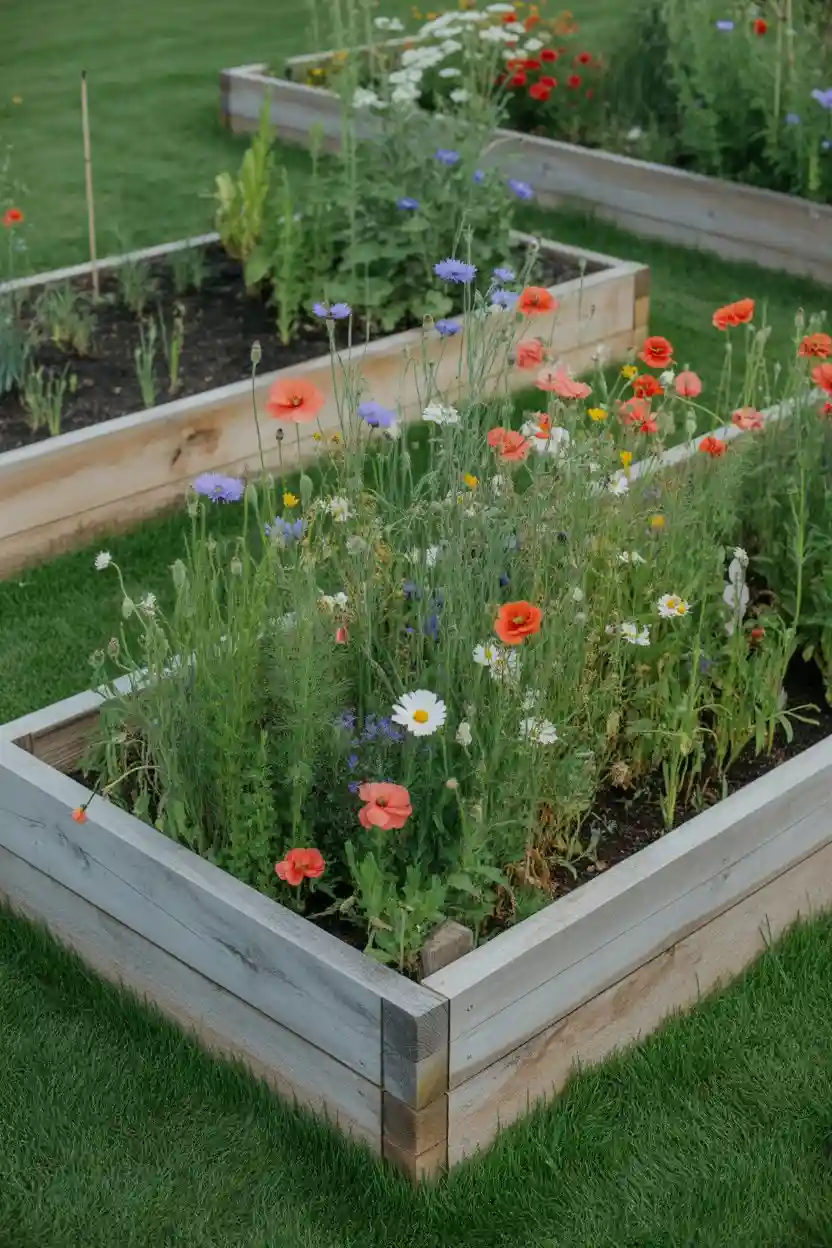
4. Raised Wildflower Bed with Timber Edging
Framing the planting inside a raised timber bed gives you all the wild beauty with just enough structure to satisfy the part of your brain that still wants order. The raised edges keep aggressive spreaders contained and make the display feel intentional rather than neglected — ideal for smaller yards where you want a focal point, not a full meadow. Fill with sandy, low-nutrient soil; wildflowers prefer lean conditions to rich compost.
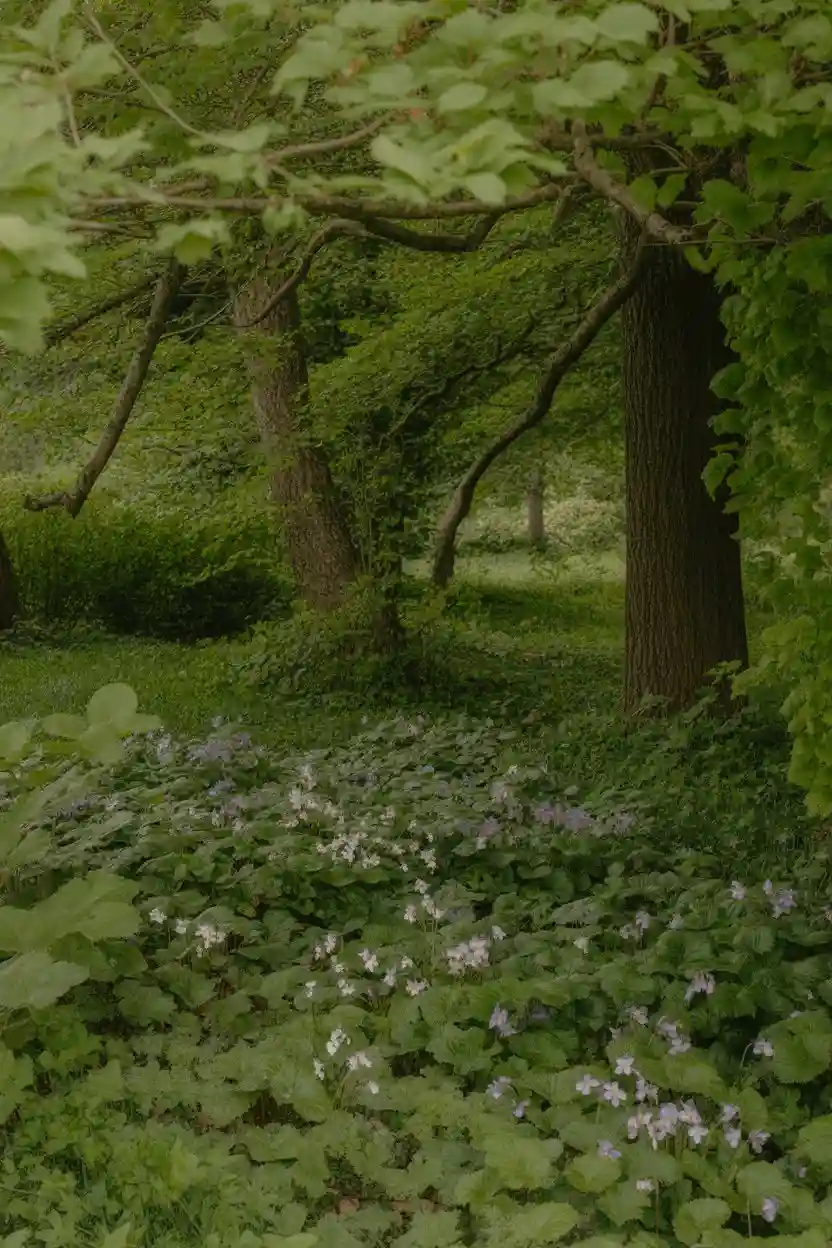
5. Shady Woodland Wildflower Bed
Wild violets, wood anemones, bleeding heart, and sweet woodruff create a soft, dappled carpet under trees that would otherwise sit bare and dusty. Shaded corners like these are the most underrated in all of home gardening, and they photograph beautifully in filtered light. Keep the soil consistently moist and skip heavy mulching so self-seeding happens naturally year after year.
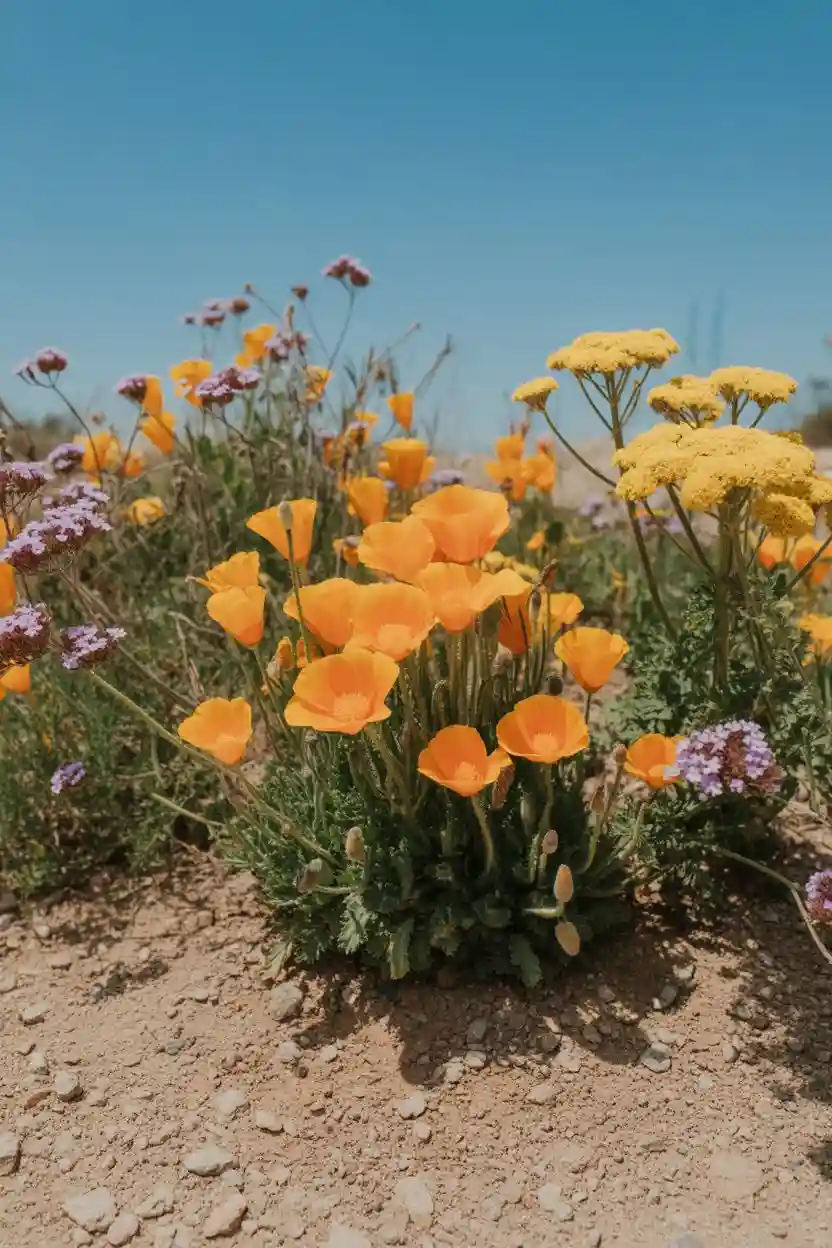
6. Drought-Tolerant Wildflower Bed
California poppies, yarrow, globe thistle, and verbena bonariensis — tough, sun-loving beauties that take care of themselves once established. This is the honest answer if you travel often or forget to water, and a genuinely smart choice for water-conscious gardeners. Prepare the soil with grit and minimal compost to keep drainage sharp and root systems strong.
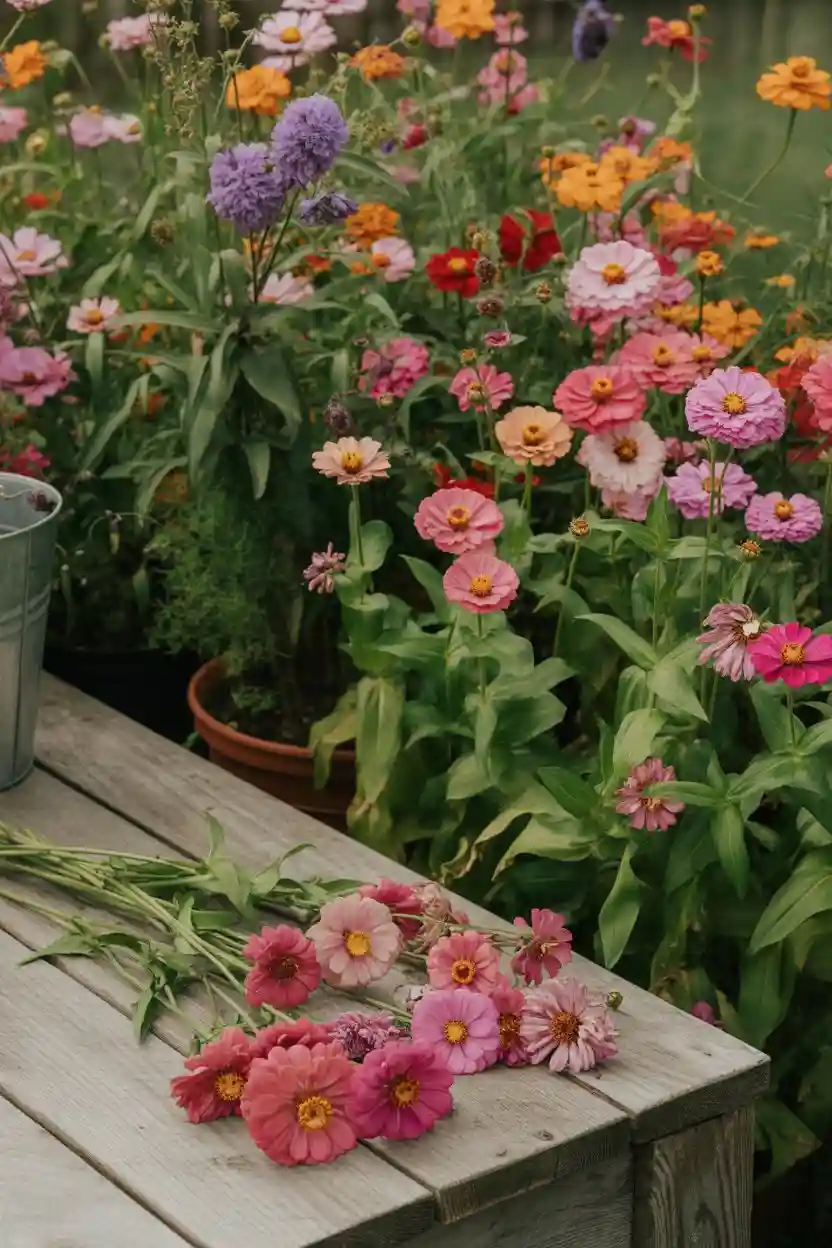
7. Wildflower Cutting Garden Bed
Grow this bed specifically to cut from — zinnias, cosmos, scabiosa, and larkspur all regrow quickly when harvested, which actually encourages more blooms. A dedicated cutting patch means fresh flowers on the kitchen table from June through September without guilt. Plant in loose rows for easy harvesting and deadhead consistently to keep production going.
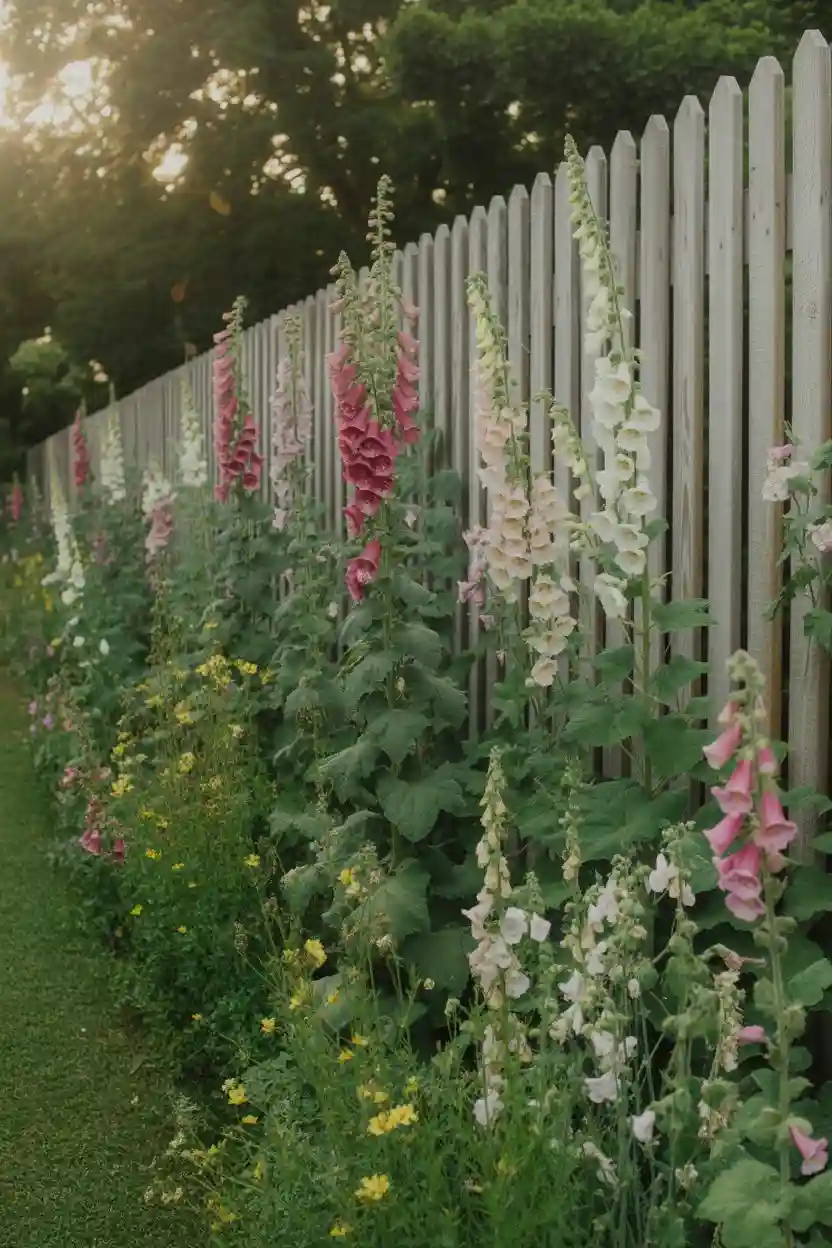
8. Wildflower Bed Along a Fence Line
Tall growers like foxglove, hollyhock, and wild sweet peas lean and climb against fencing while shorter blooms spill forward at their feet — the easiest way to turn a hard boundary into something lush. It works on wooden and wire fences alike. Prepare a strip at least eighteen inches wide so roots have real room to spread.
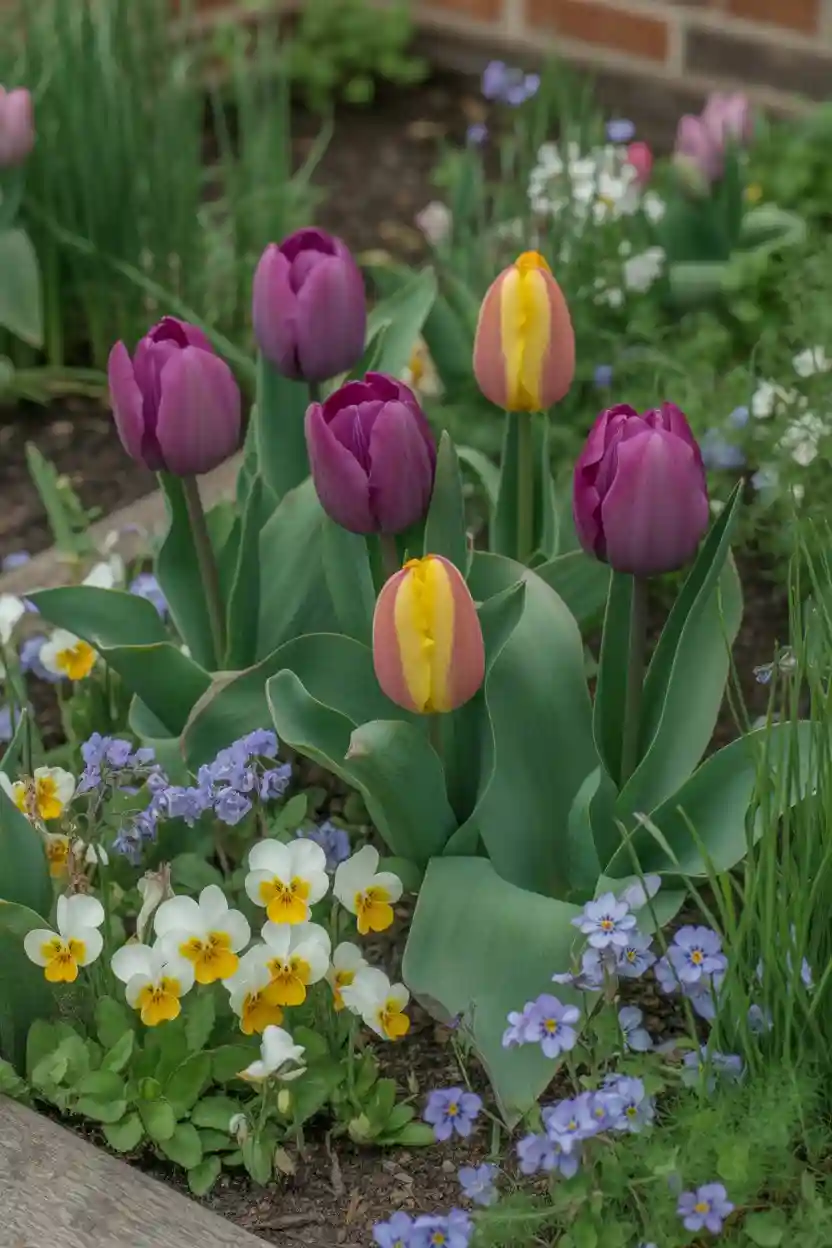
9. Spring Bulb and Wildflower Combination Bed
Plant tulips, alliums, or narcissus in autumn, then scatter wildflower seeds over the same ground before the first frost. As the bulbs fade in late spring, the wildflowers rise to cover the dying foliage and carry the display into summer. Two seasons of color from a single bed, for the price of one autumn afternoon’s work.
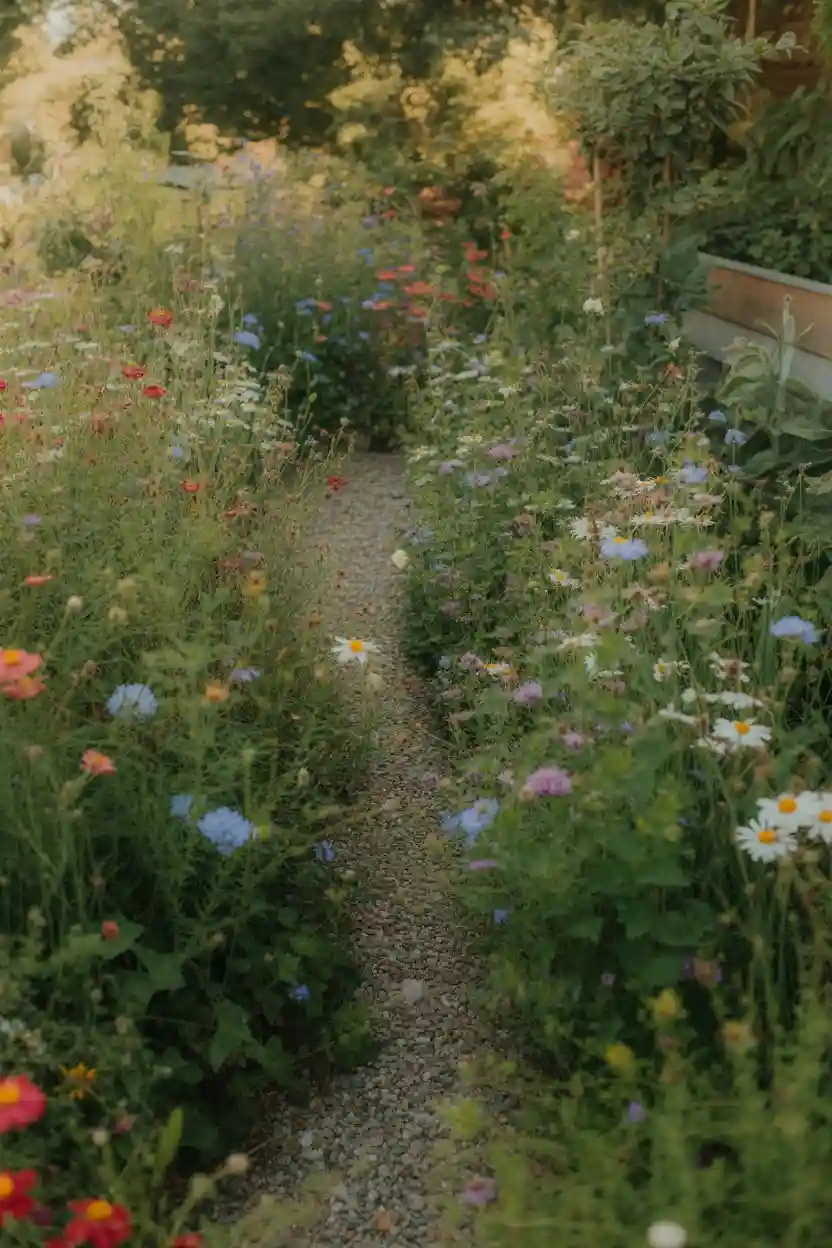
10. Wildflower Bed with a Gravel Path Through It
A narrow gravel path — no wider than thirty inches — gives you access to tend and harvest while making even a small garden feel immersive. Loose pea gravel or crushed stone blends with the informal planting, and rough stone against soft petals is a combination that always photographs well. Let the flowers crowd the edges; the closing-in feeling is the whole point.
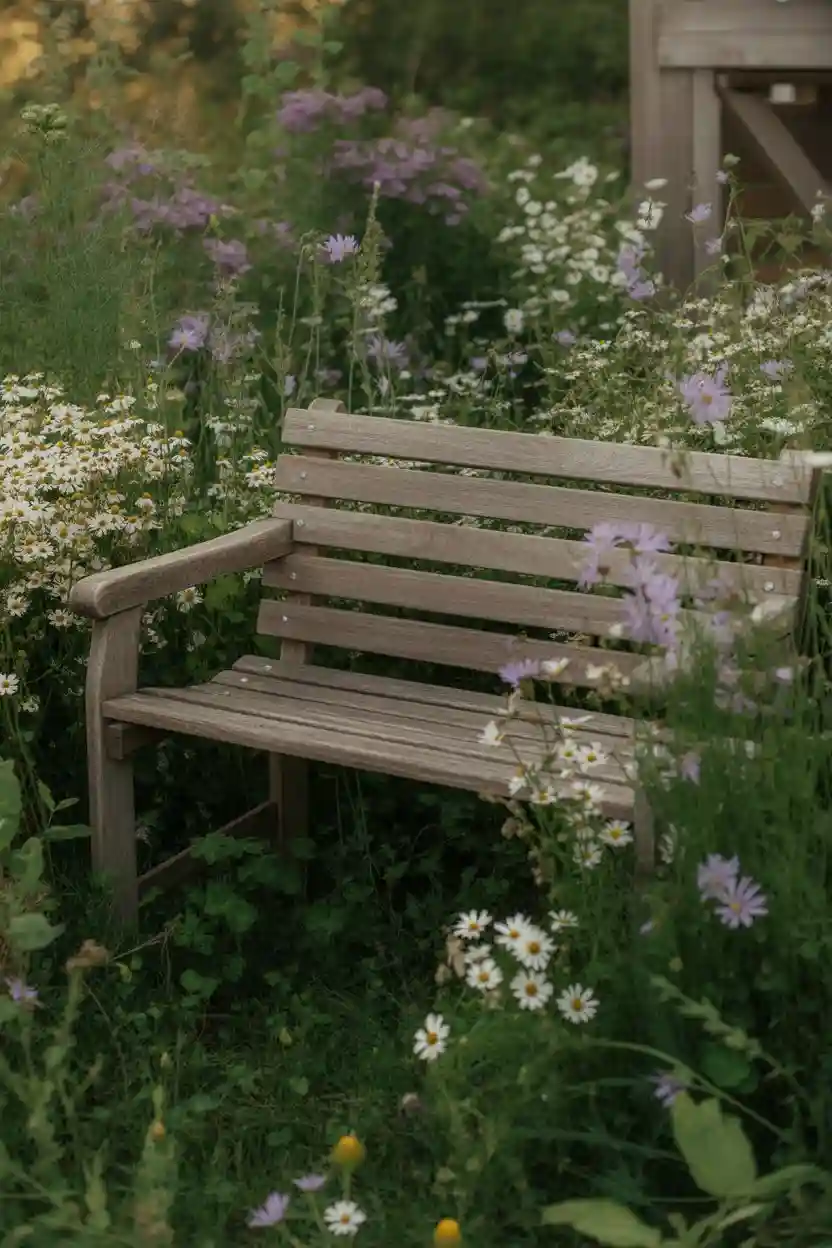
11. Wildflower Bed Around a Garden Bench
Surround a bench with fragrant varieties — sweet rocket, chamomile, meadow clary — and sitting there on a warm evening feels genuinely luxurious. Position the bench for afternoon sun so the flowers open fully and the fragrance carries. One of the most romantic ideas on this list, and it needs almost no skill to pull off.
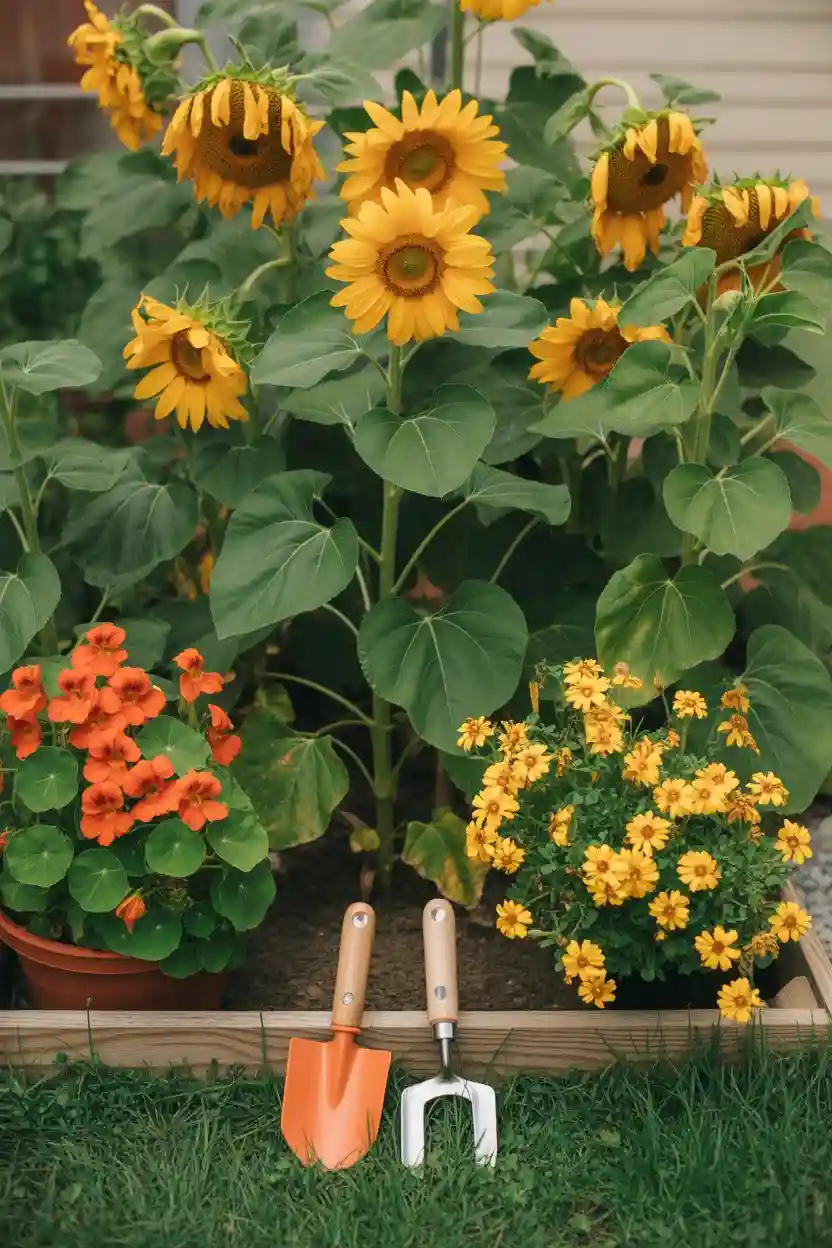
12. Children’s Wildflower Discovery Bed
Give children their own patch: sunflowers, nasturtiums, and pot marigolds are bold, fast-growing, and completely edible — endlessly fascinating for young gardeners. Let them scatter the seeds themselves and resist correcting the spacing. Watching something they planted actually bloom builds a kind of pride no toy can match.
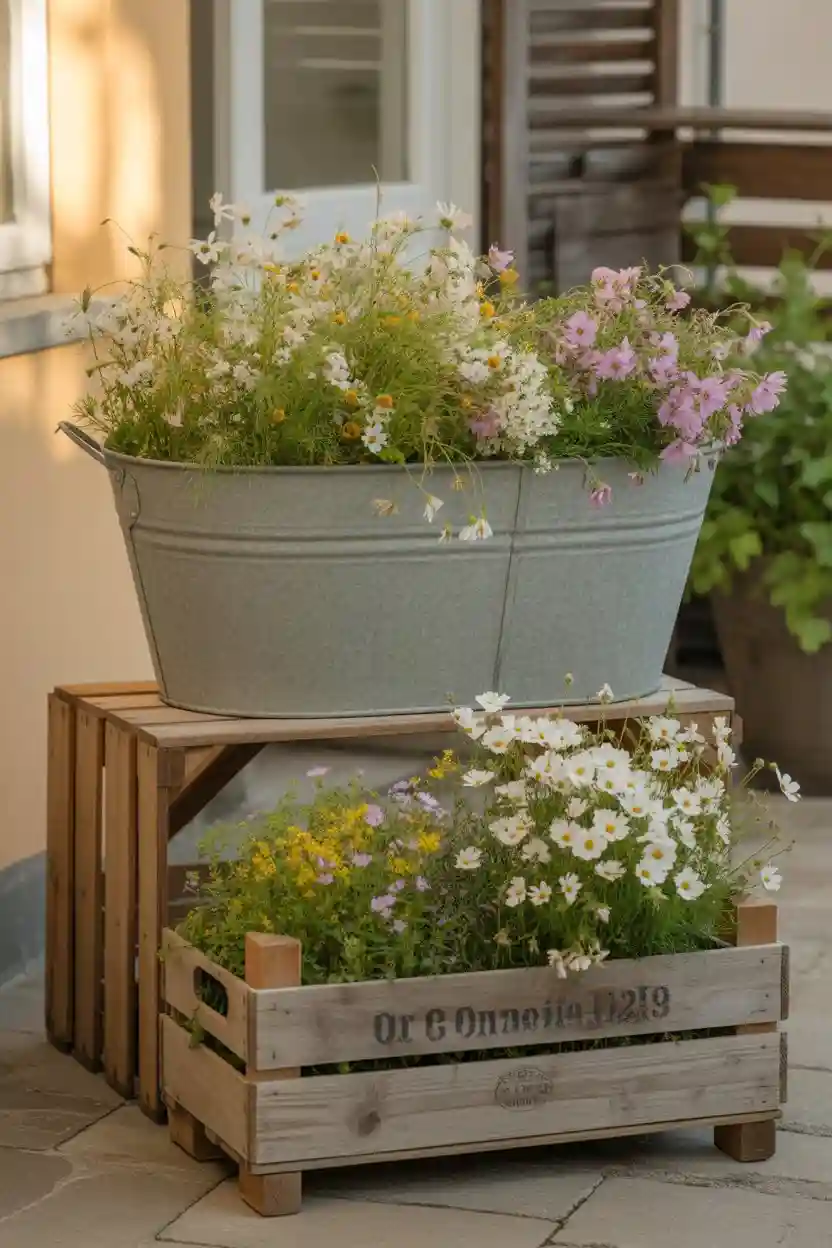
13. Wildflower Bed in a Repurposed Planter or Container
Old wooden crates, galvanized tubs, and terracotta urns filled with compact varieties — field pansies, dwarf cosmos, low-growing phacelia — bring the meadow to balconies and courtyards. The container matters as much as the flowers for the overall look. Make sure it has generous drainage holes and use a mix of topsoil, sand, and a little compost.
14. Wildflower Bed Bordering a Kitchen Garden
A wildflower border around vegetables is not just pretty — the beneficial insects it draws will pollinate your squash, beans, and tomatoes far more effectively. Borage, phacelia, and sweet alyssum are pollinator favorites that look stunning edging a kitchen garden all season. Keep the strip at least a foot wide so it functions as habitat, not just decoration.
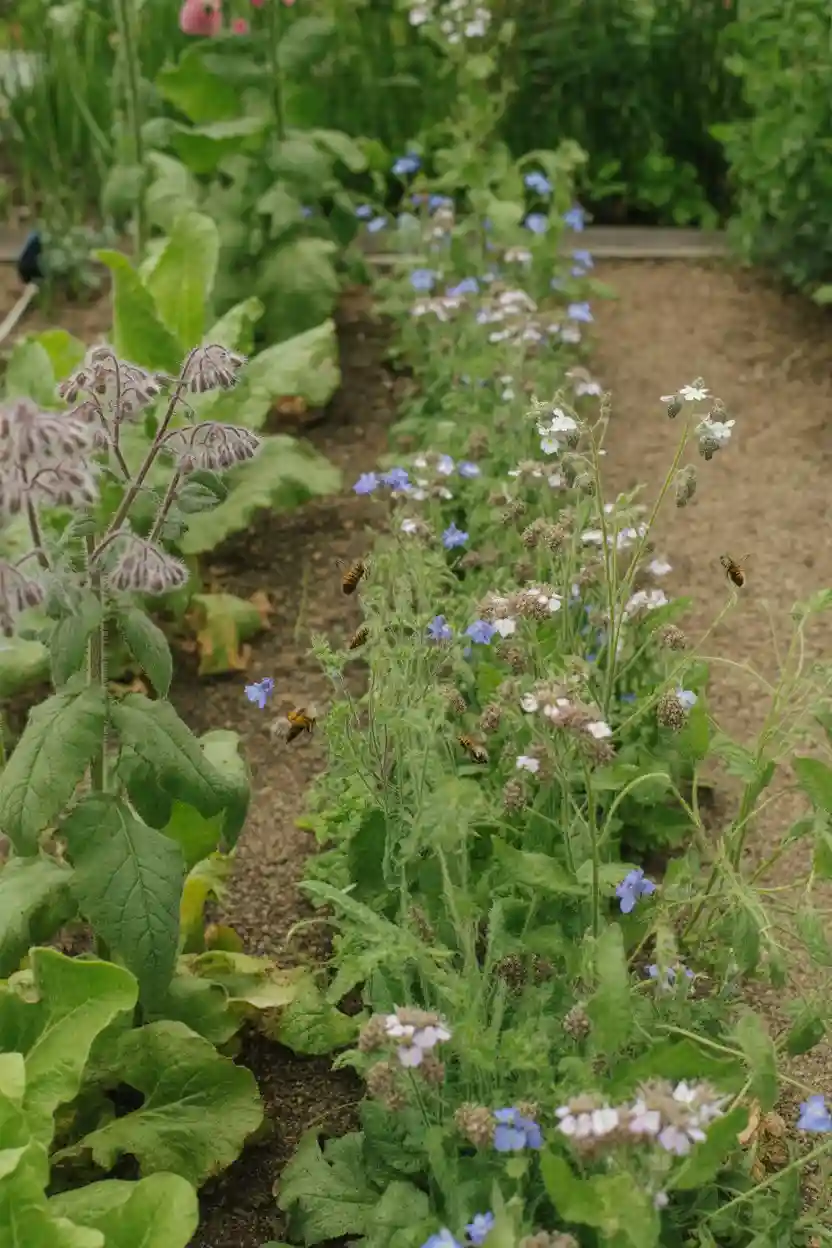
15. Slope or Hillside Wildflower Bed
Deep-rooting wildflowers — wild thyme, bird’s-foot trefoil, meadow buttercup — stabilize awkward slopes while putting on a dramatic seasonal show, especially viewed from below. Seed in autumn on cleared ground and give the planting a full season to establish before expecting density. The problem slope becomes the garden’s best feature.
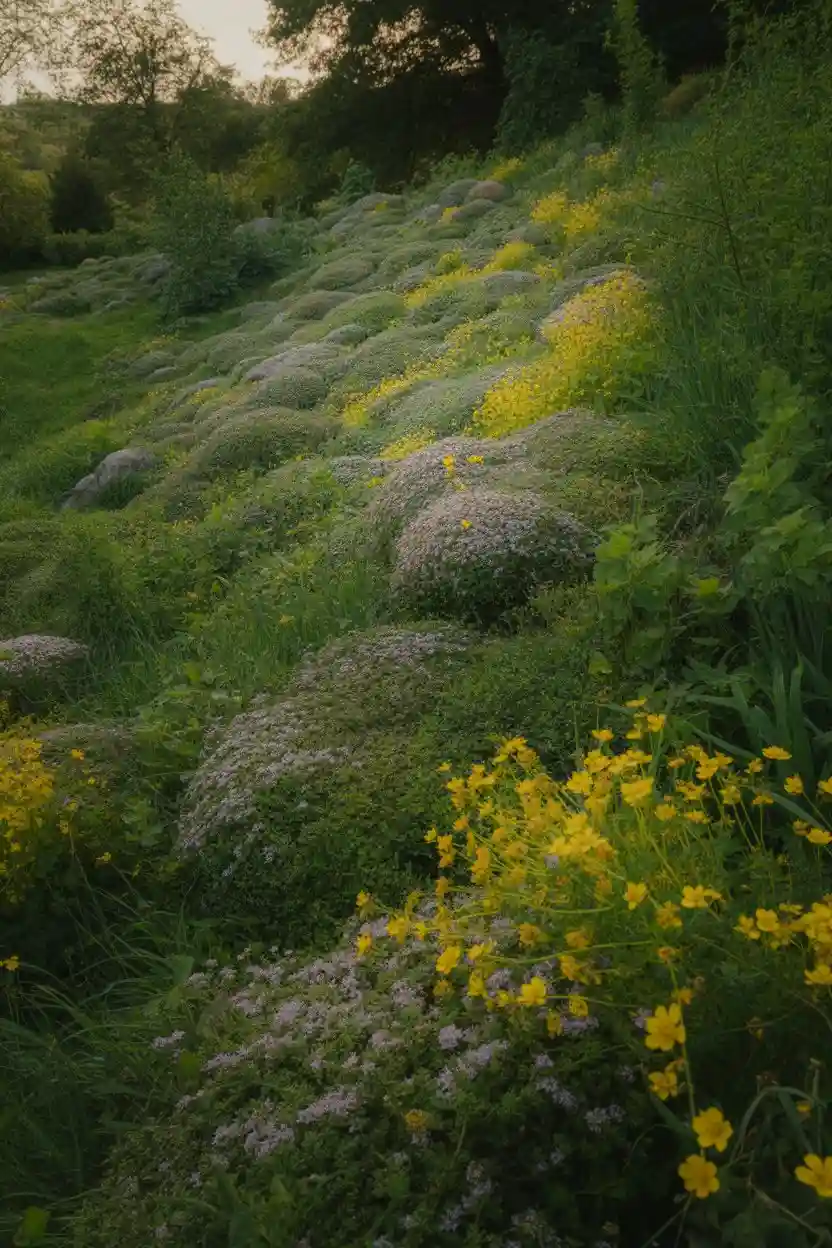
16. Monochromatic Wildflower Bed
Pick one color family and play every shade within it: an all-purple planting of lavender, wild sage, alliums, and verbena has a moody, editorial quality in golden-hour light; an all-white mix of ox-eye daisies, white cosmos, and Queen Anne’s lace feels dreamy and classic. The trick is varying heights and textures so the single palette still reads rich and layered.
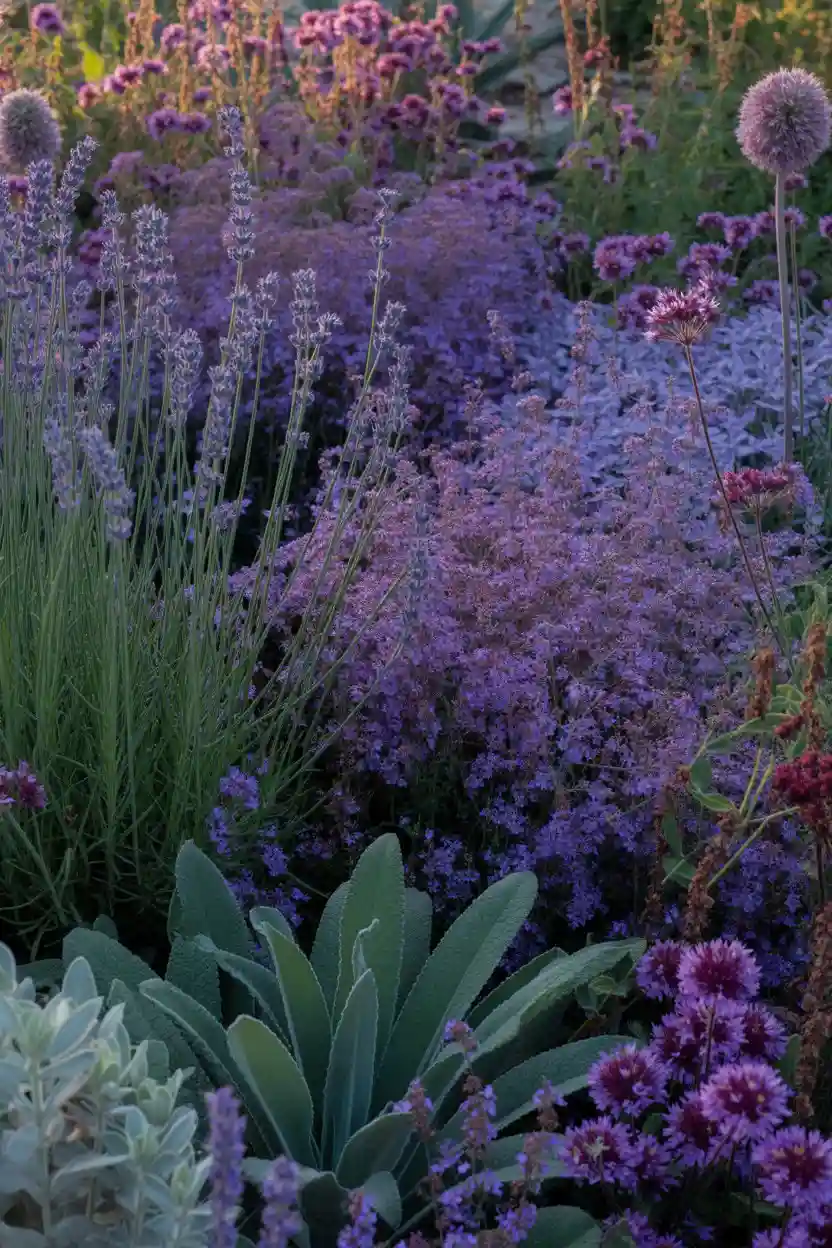
17. Wildflower Bed with a Central Feature Plant
One strong central plant — giant scabious, verbascum, ornamental grass — anchors the bed and stops it reading as random scatter. Everything else plays freely around it. This is the approach for anyone nervous about wild planting’s looseness: choose the feature plant first, then select companions in complementary heights and colors radiating outward.
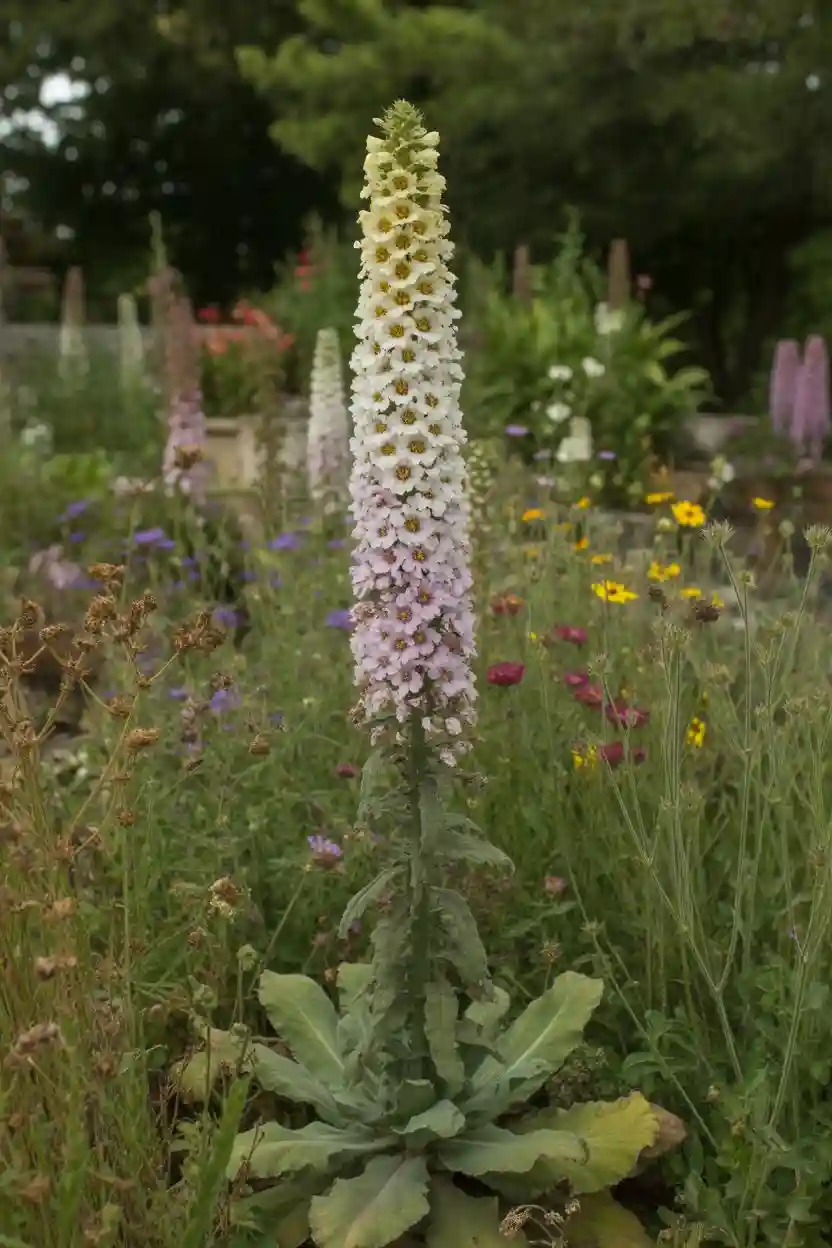
18. Seasonal Wildflower Bed Rotation
Plan the bed in loose sections or layered sowings — hardy annuals for spring, summer bloomers for mid-season, late natives like rudbeckia and asters through first frost — so something is always at peak. It takes more planning upfront, but the payoff is a garden that feels alive all year. Keep a notebook of what you sow and when; refine the timing each season.
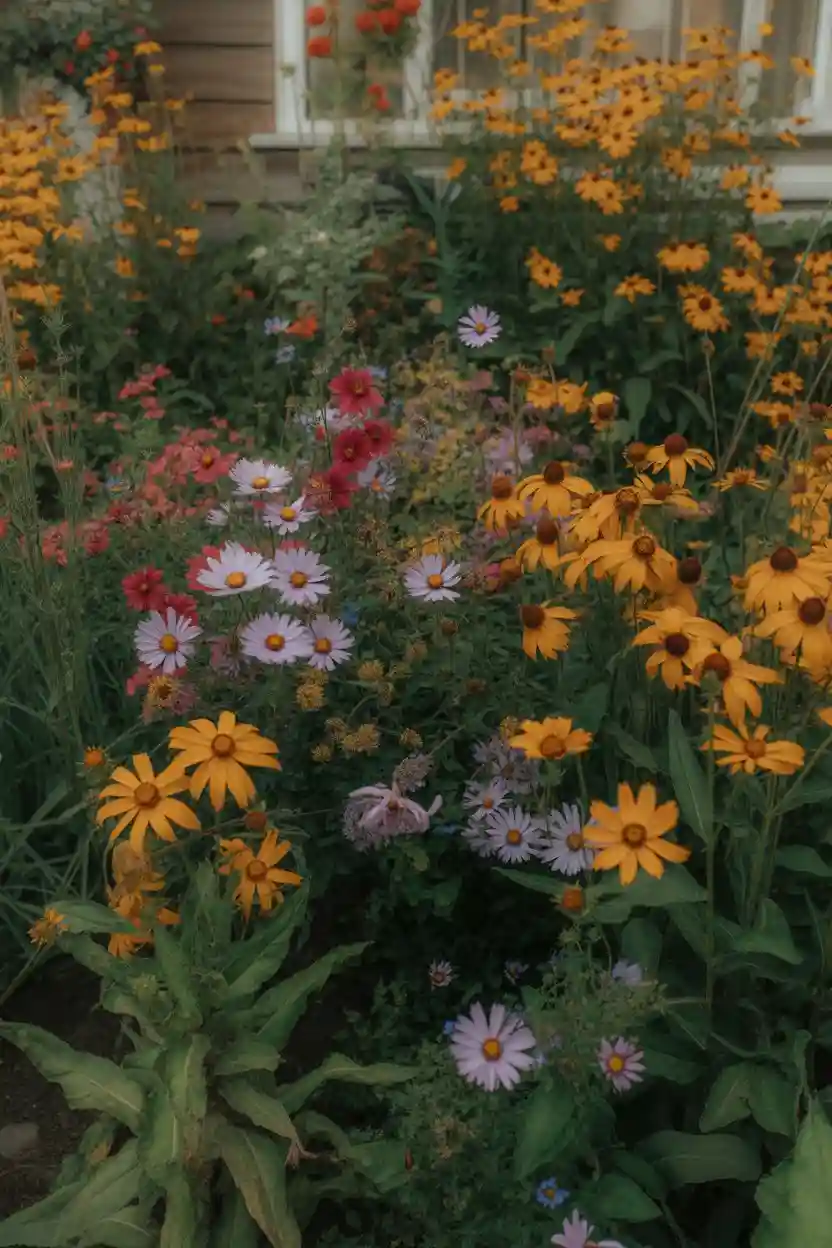
19. Wildflower Bed Along a Water Feature or Pond Edge
Moisture-lovers like ragged robin, yellow flag iris, and water forget-me-not thrive in damp margins, drawing dragonflies, frogs, and pollinators. The reflection of blooms in still water on a summer morning is one of those garden moments that stops you cold. Choose plants that tolerate occasional waterlogging at the roots, tapering to drier species further from the edge.
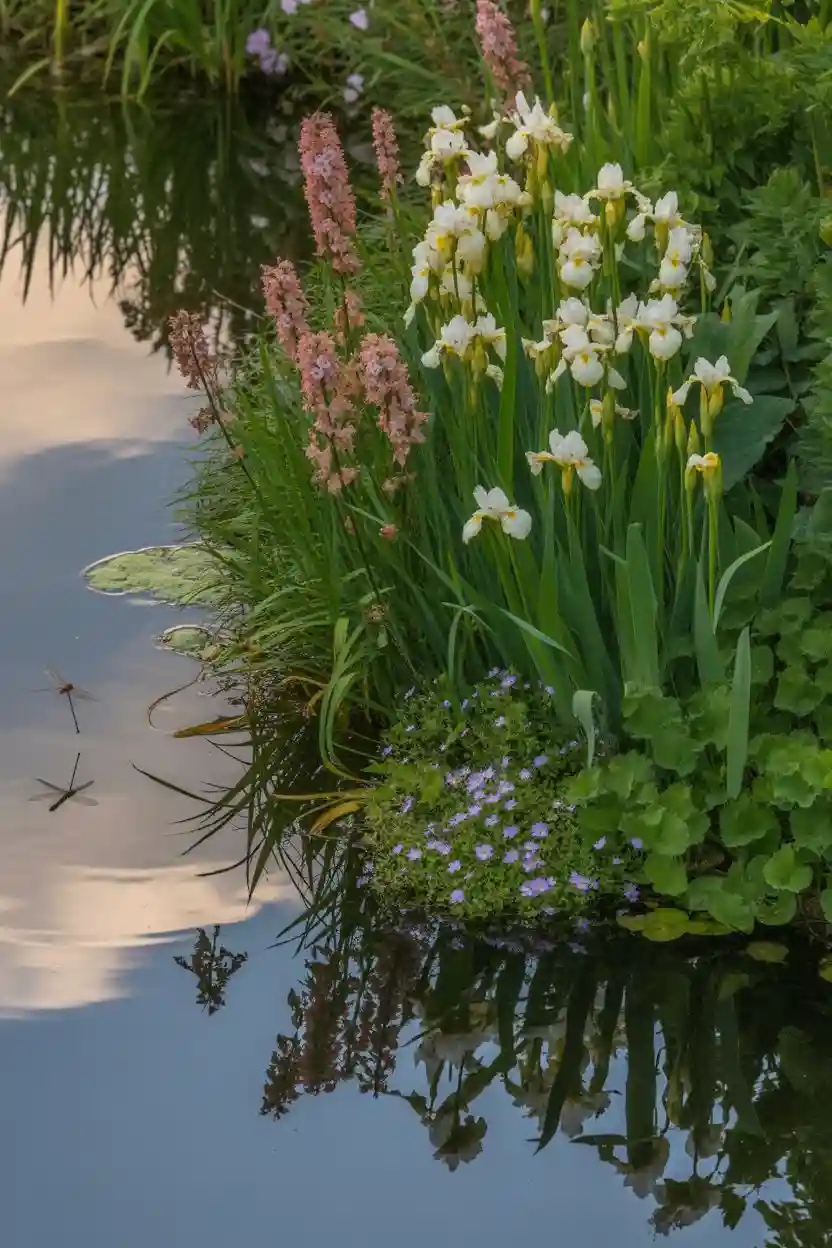
20. Wildflower Seed Bomb Bed
Handmade or bought seed bombs — clay, compost, and seeds compressed into balls — scattered over prepared ground and left to rain and time. The random distribution creates a natural layout no deliberate planting could replicate, and it is a genuinely joyful ritual to do with children or friends. Mix annual and perennial bombs so the bed establishes fast this year and returns stronger next.
FAQs – Wildflowers Bed Ideas
If this gave you even one idea you are excited to try, save it to your Pinterest garden board so it is ready when planting season comes around — and drop a comment below telling me which wildflower bed style feels most like you.