20 Modern Minimalist Garden Design Ideas
Creating a modern minimalist garden means focusing on simplicity, clean lines, and a thoughtful selection of plants and materials. This approach embraces open spaces and a less-is-more philosophy, making your garden a peaceful retreat. Here are 20 design ideas that blend modern aesthetics with minimalist principles to inspire your outdoor space.
1. Geometric Garden Layouts
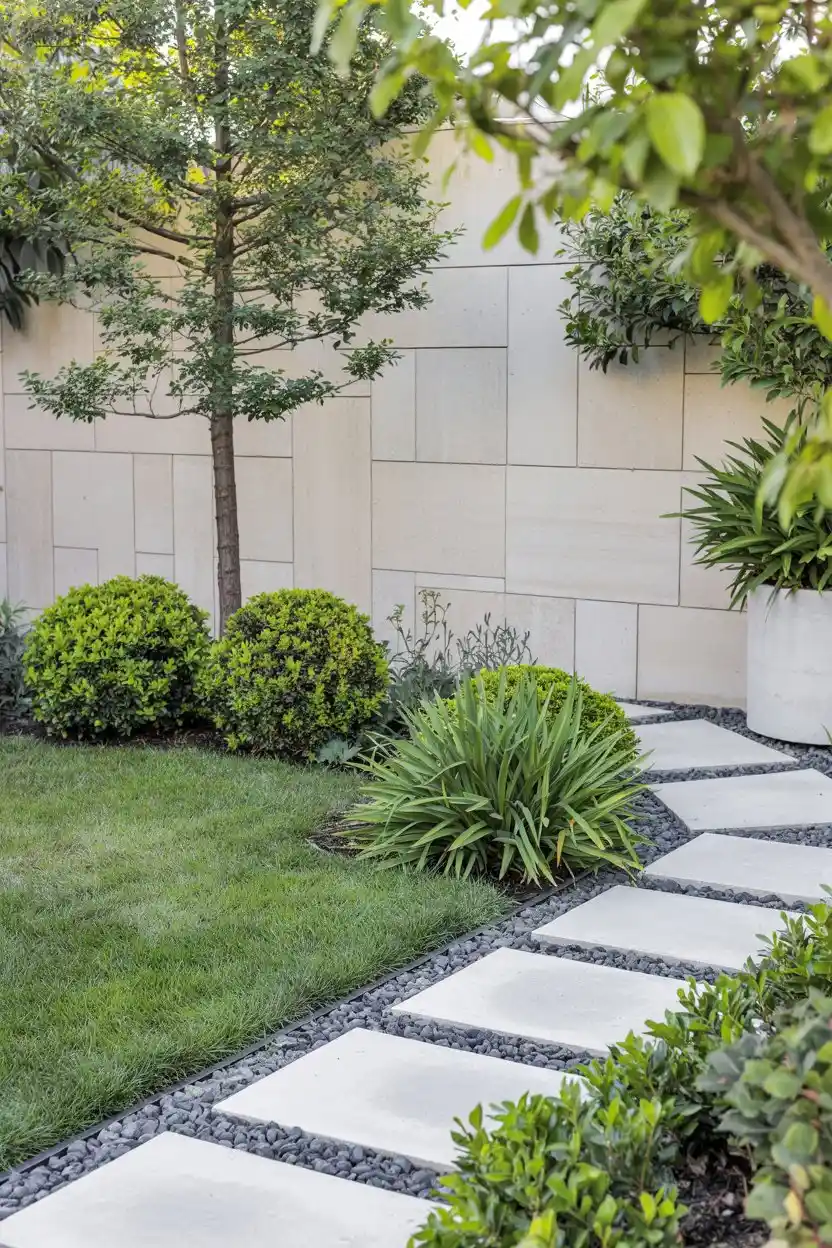
Using geometric shapes such as squares, rectangles, and circles in your garden layout creates a clean and orderly look. These shapes can be reflected in pathways, flower beds, or lawn areas to add structure without complexity. Geometric designs emphasize symmetry and repetition, offering a balanced and modern vibe while keeping the space visually simple and easy to maintain.
2. Minimalist Rock Gardens
Rock gardens use stones and gravel to replace traditional lawn or flower beds. They offer a natural, textural contrast with sparse greenery, often featuring succulents or cacti. These gardens require little maintenance and create a striking, clean aesthetic. A minimalist rock garden can serve as a focal point, providing an elegant, zen-like atmosphere perfect for modern outdoor spaces.

3. Monochromatic Planting
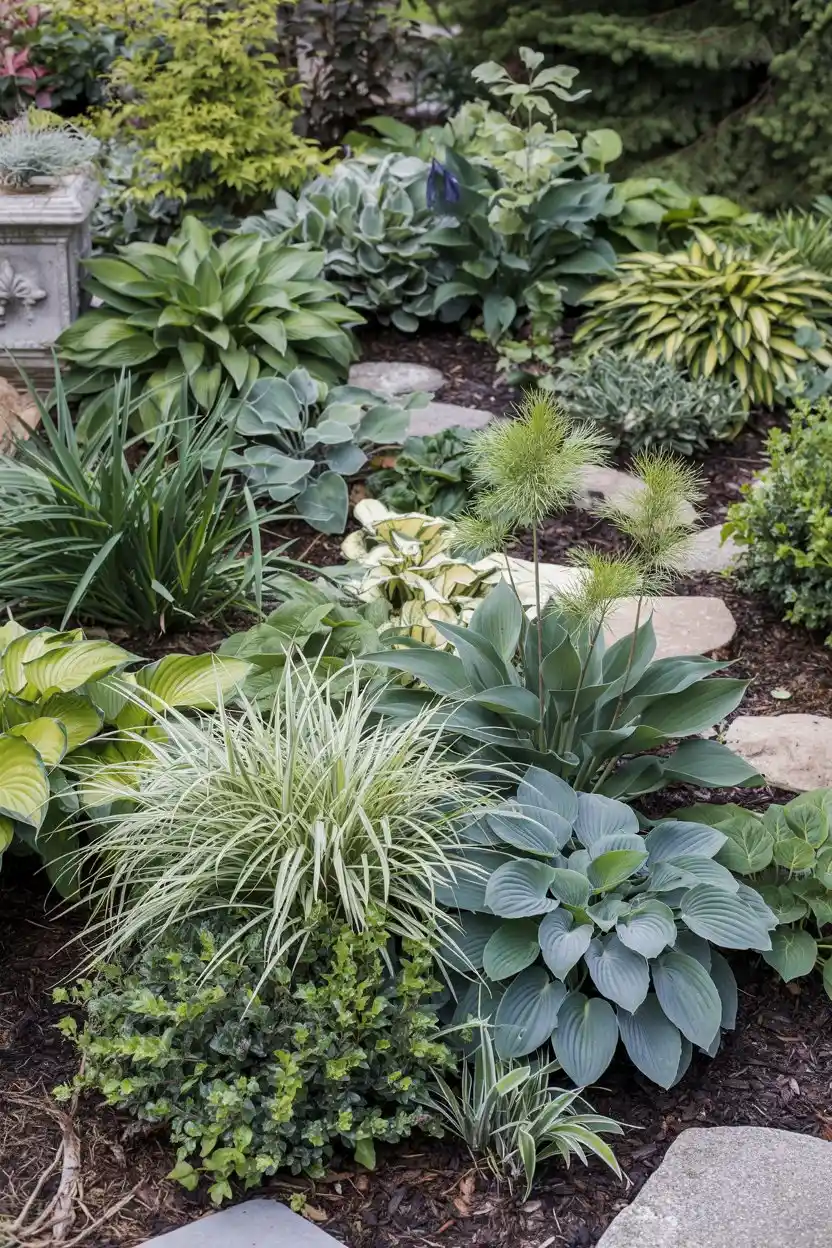
Choosing plants with similar tones, such as all greens or shades of gray, simplifies the visual palette. This technique highlights texture and shape rather than color variety, creating a calm and cohesive look. Monochromatic planting is perfect for modern minimalist gardens because it avoids distraction while maintaining interest through plant forms and layering.
4. Minimalist Cactus Gardens
Cacti and succulents are perfect for modern minimalist gardens because of their sculptural forms and drought resistance. These plants require little water and maintenance, making them ideal for modern lifestyles. A cactus garden pairs well with gravel or sand, emphasizing simplicity and texture. Their unique shapes add character without overwhelming the space.

5. Clean Concrete Elements
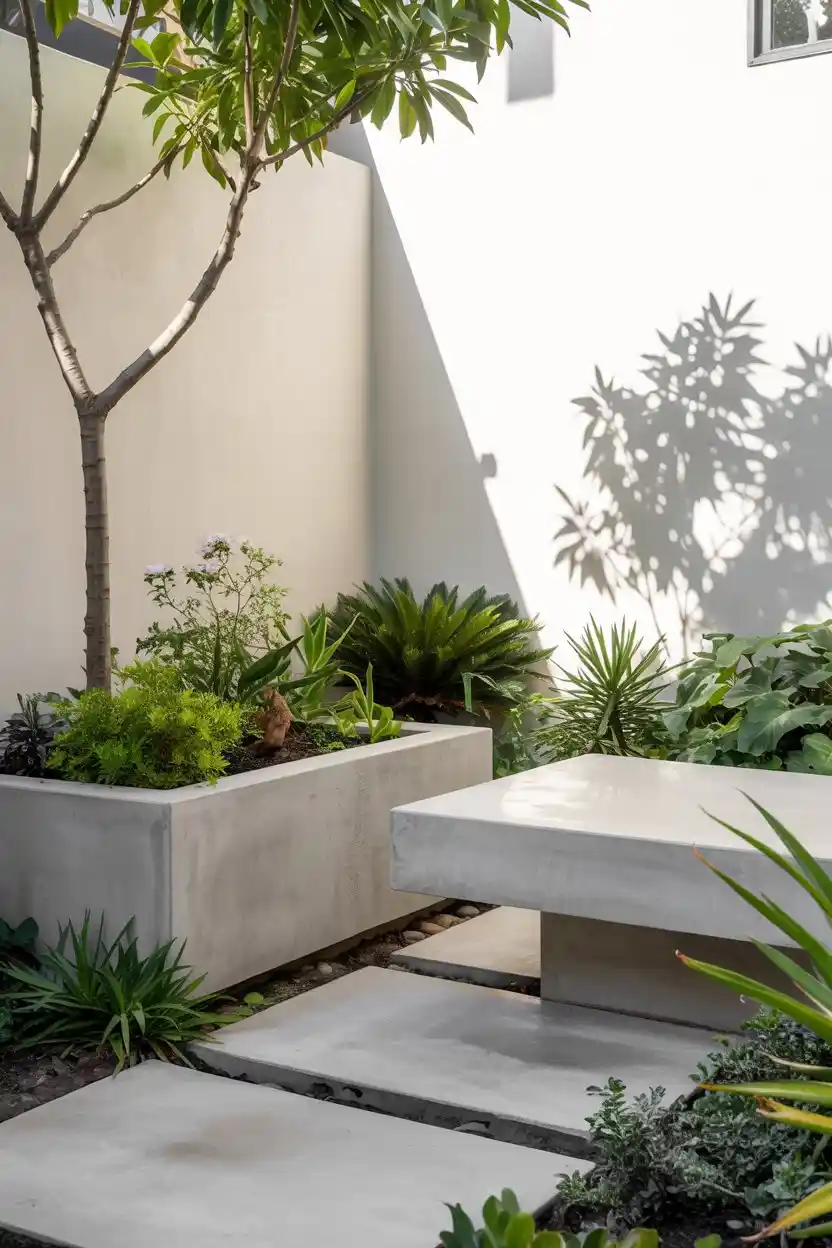
Concrete pathways, planters, or seating areas provide a sleek, industrial feel that fits perfectly in modern minimalist gardens. The neutral tone of concrete blends with natural elements without overpowering them. Its durability and low maintenance make it practical while adding architectural interest through clean lines and smooth surfaces.
6. Minimalist Tropical Gardens
Tropical plants with broad leaves and lush textures can be adapted to modern minimalist garden designs by limiting species and using simple arrangements. Using palms, banana plants, or bird of paradise in strategic spots creates a fresh, modern look without clutter. The contrast between bold leaves and open space creates a balanced tropical minimalism.

7. Vertical Gardens for Small Spaces
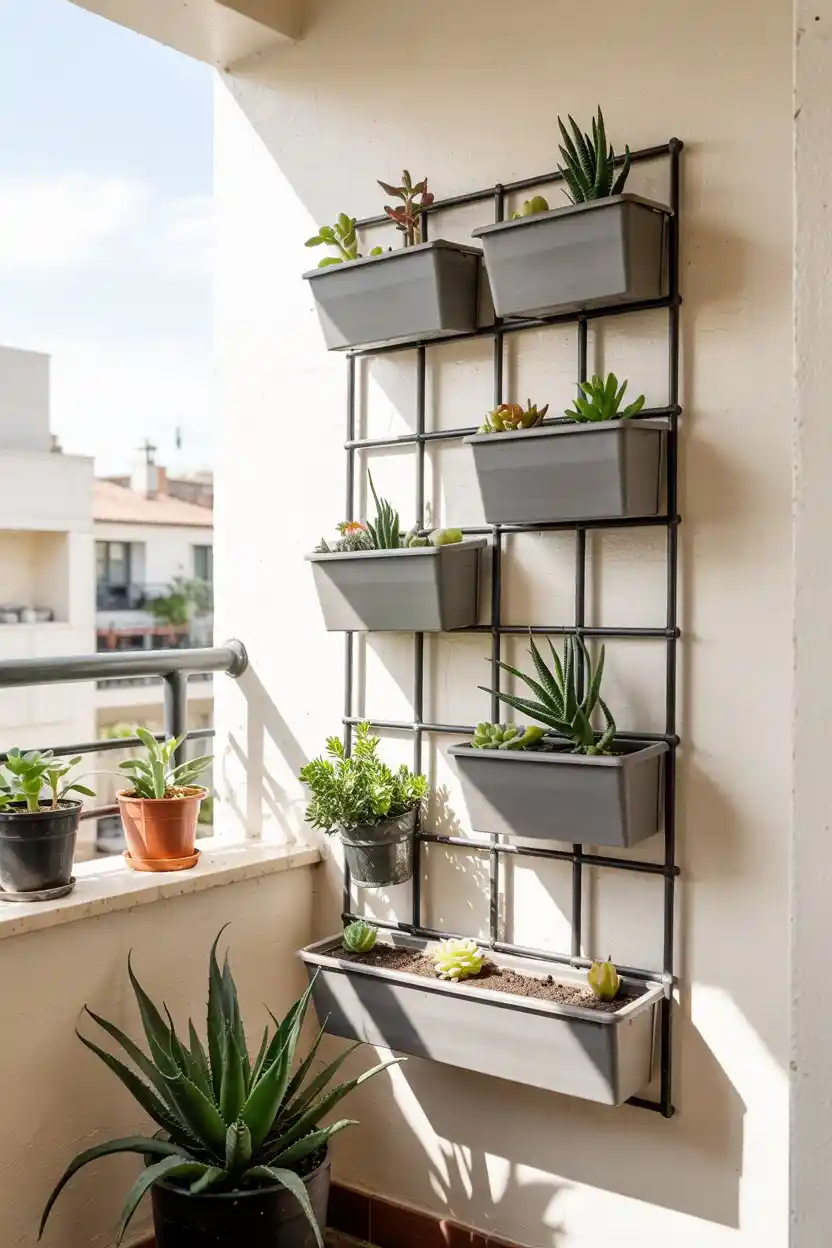
Vertical gardening maximizes limited outdoor areas by growing plants upward on walls or trellises. This method works well for balconies or tiny backyards where space is tight. Using simple, uniform plant types in vertical gardens maintains the minimalist aesthetic, offering greenery without sacrificing the clean, uncluttered feel.
8. Minimalist Japanese Garden Style
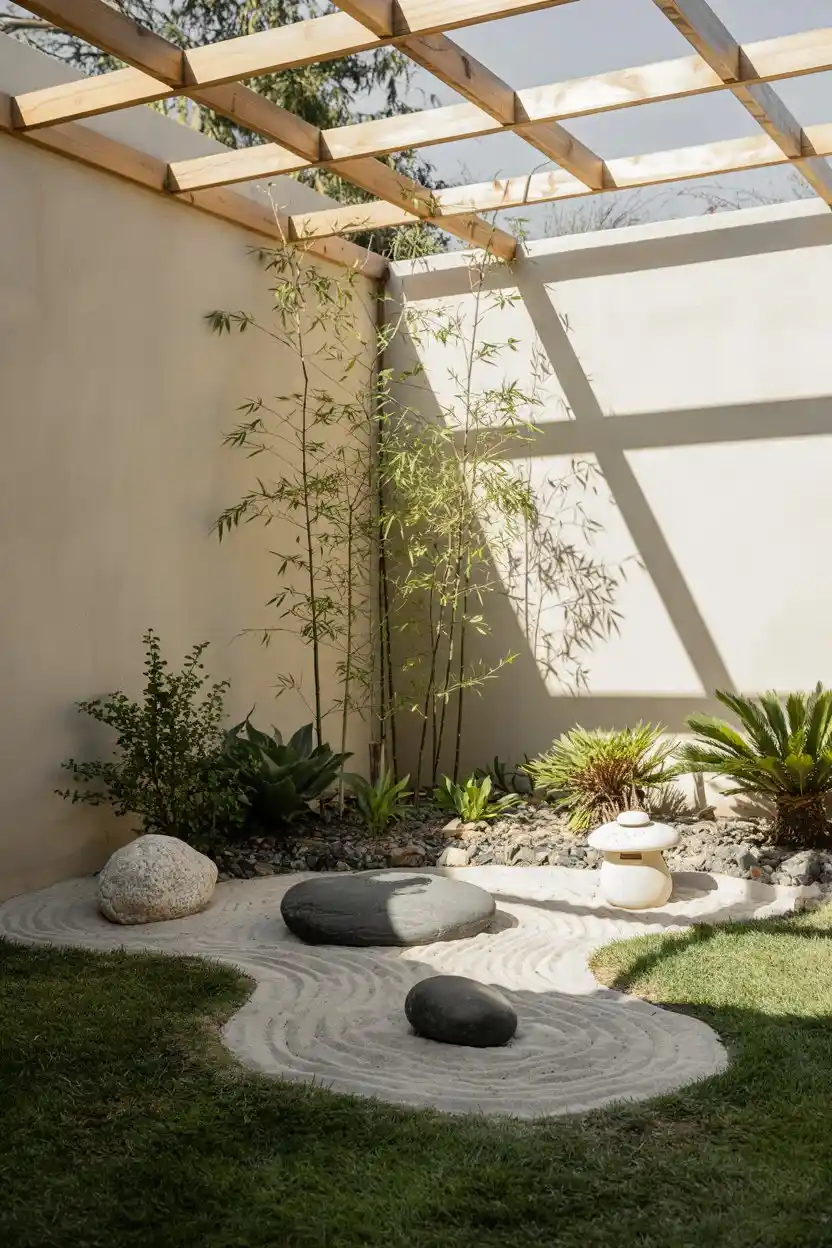
Inspired by traditional Japanese gardens, minimalist Zen gardens use stones, gravel, and sparse planting to create meditative spaces. This design focuses on balance, simplicity, and the beauty of empty space. Minimalist Japanese gardens often incorporate water features or lanterns, offering a serene environment that promotes mindfulness and tranquility.

9. Minimalist Backyard Zen Garden
A backyard Zen garden uses rocks, sand, and simple plants arranged carefully to evoke calm and harmony. Its restrained design avoids excessive decoration, relying instead on natural materials and negative space. This garden style encourages reflection and relaxation, perfect for a modern home looking to connect with nature in a subtle way.
10. Minimal Flower Bed Ideas
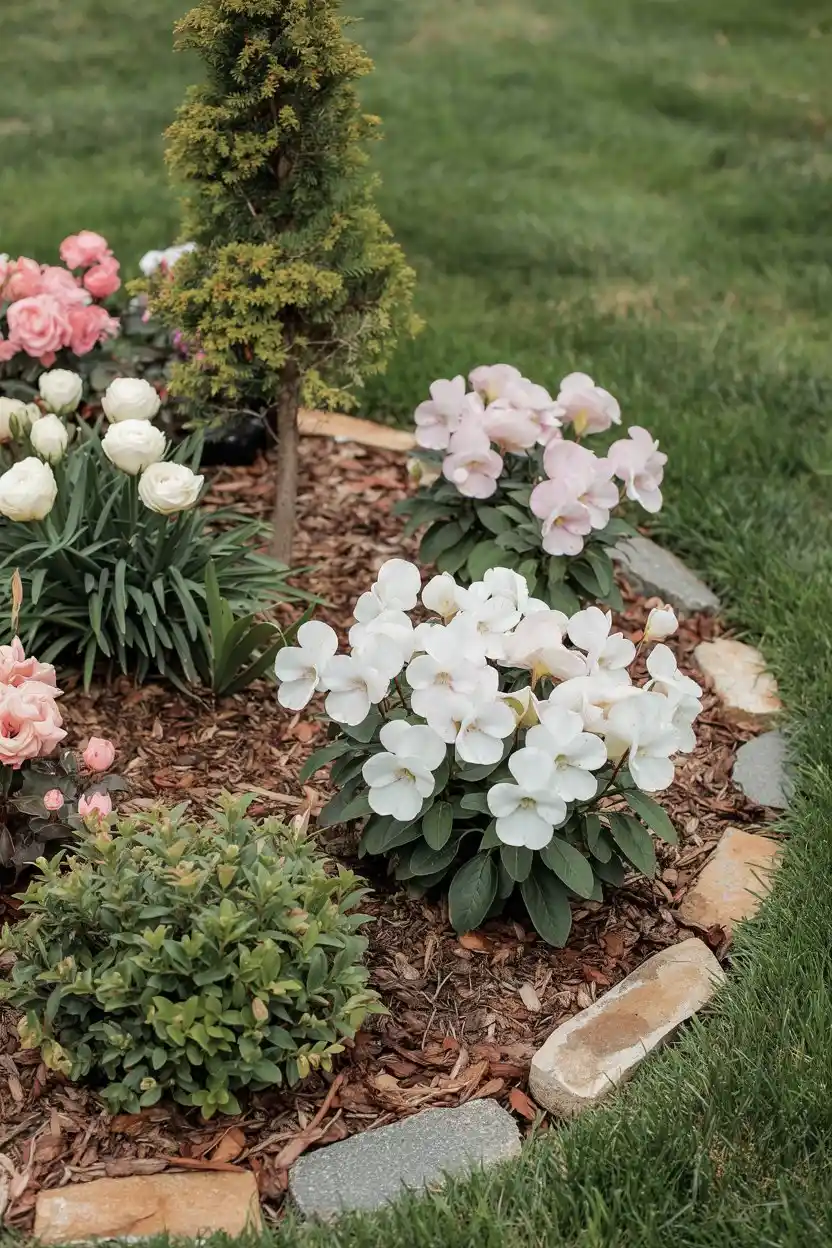
Instead of crowded flower beds, modern minimalist gardens use small, neat flower beds with limited plant varieties. These beds focus on clean lines and repetition, often planting the same species in clusters for a unified look. Minimal flower beds emphasize quality over quantity, offering bursts of color or texture without overwhelming the design.
11. Minimalist Garden with Native Plants
Using native plants supports local ecosystems while simplifying care needs. Native species are well adapted to the environment, making them low maintenance and sustainable choices for modern minimalist gardens. Their natural appearance fits effortlessly into modern garden designs, creating a seamless connection between your space and the surrounding minimalistic landscape.
12. Minimalist Garden Lighting
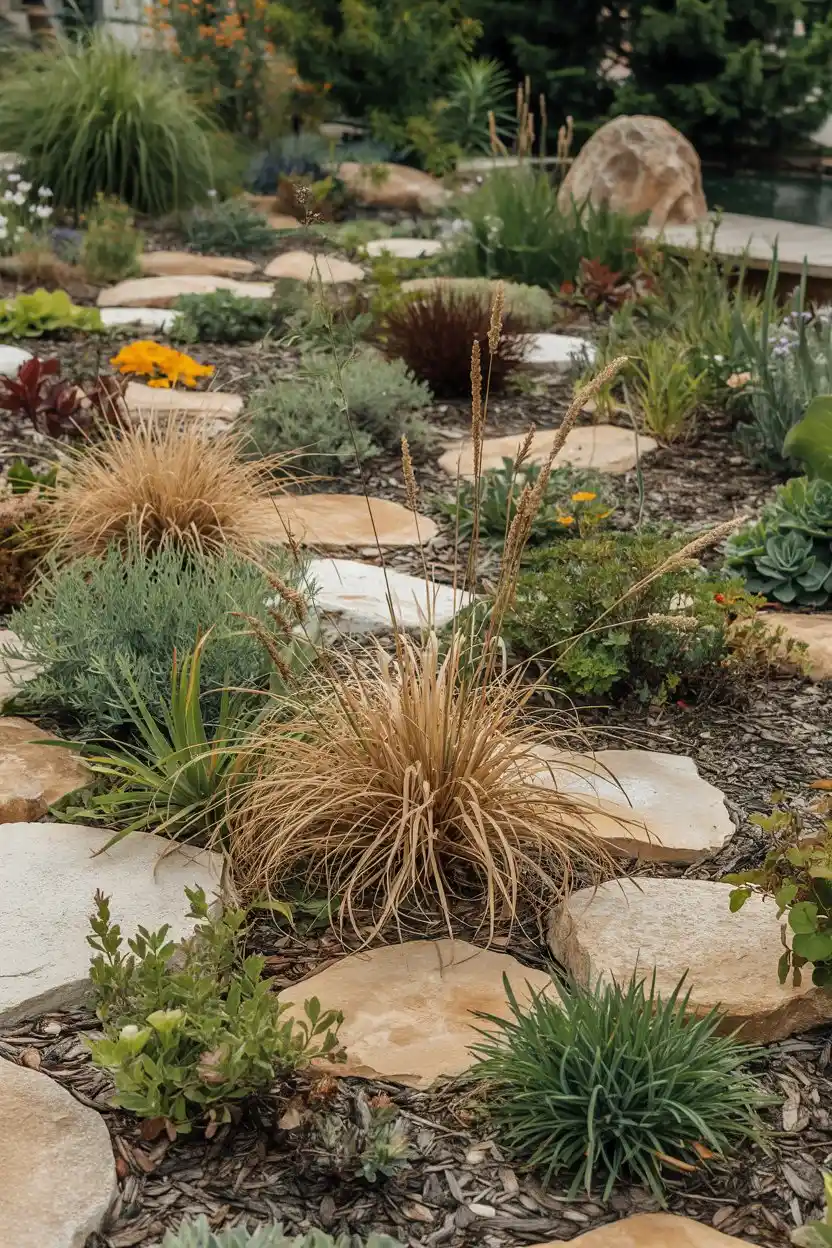
Subtle, well-placed lighting enhances minimalist gardens by highlighting textures and pathways without dominating the scene. Using simple fixtures with warm tones adds ambiance and safety. Minimalist garden lighting should be unobtrusive, blending into the design to maintain the garden’s calm and clean atmosphere during evening hours.

13. Minimalist Garden with Water Features
Incorporating a small, simple water feature such as a reflecting pool or a sleek fountain adds a soothing element. The gentle sound of water complements minimalist designs without complicating the space. Water features should use clean lines and minimal ornamentation to fit seamlessly into modern garden layouts.

14. Minimalist Courtyard Design
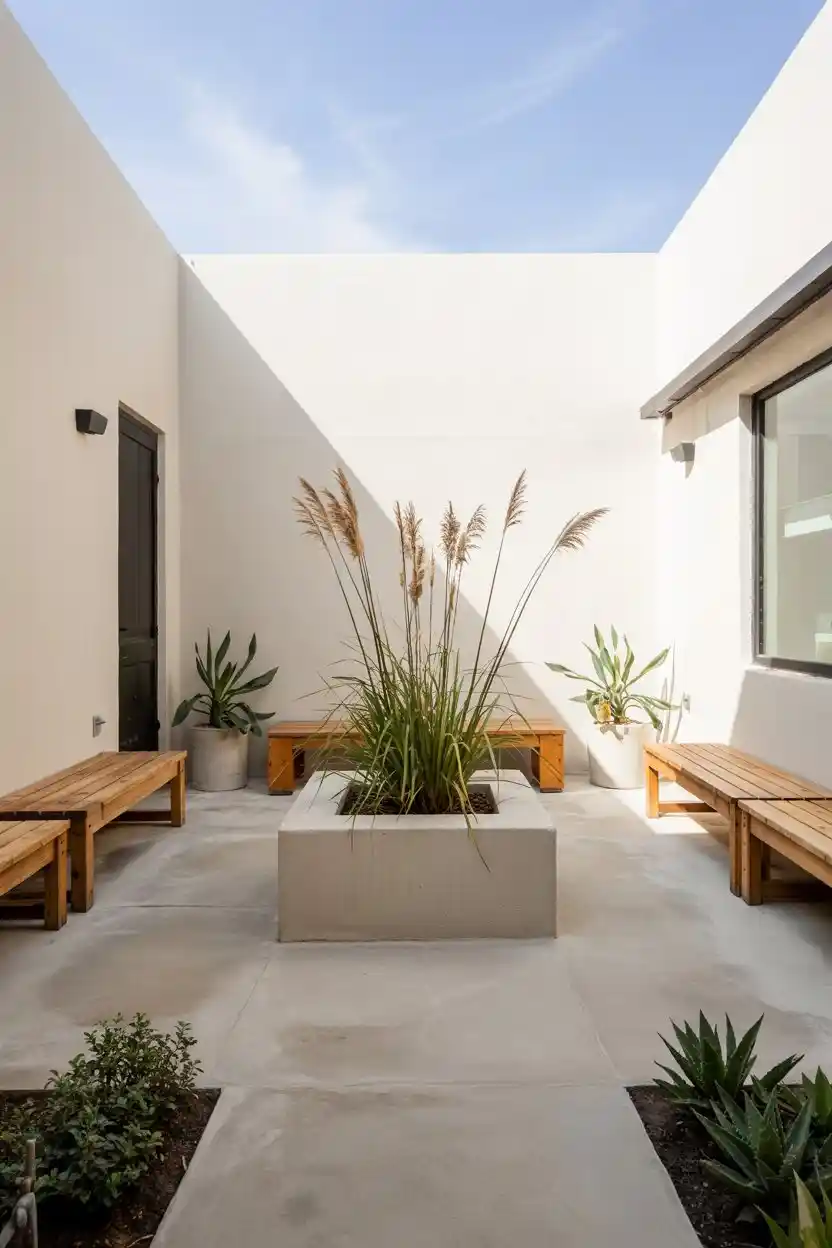
A minimalist courtyard creates an intimate outdoor space with pared-back planting and clean architectural elements. Using materials like concrete, wood, or stone alongside simple greenery maintains openness and order. This design balances shelter and openness, offering a private retreat that feels spacious despite its smaller scale.
15. Minimalist Balcony Garden
For urban dwellers, minimalist balcony gardens provide greenery without clutter. Choosing compact plants like succulents, herbs, or small shrubs keeps the space functional and stylish. Simple planters and minimal accessories ensure the balcony remains a calm oasis amidst the city hustle.

16. Minimalist Succulent Garden
Succulents’ sculptural forms and muted tones make them perfect for minimalist gardens. Grouping various succulents with different textures creates interest without overwhelming the eye. Their drought tolerance and low maintenance make succulent gardens ideal for modern lifestyles focused on simplicity and sustainability.

17. Minimalist Vegetable Garden
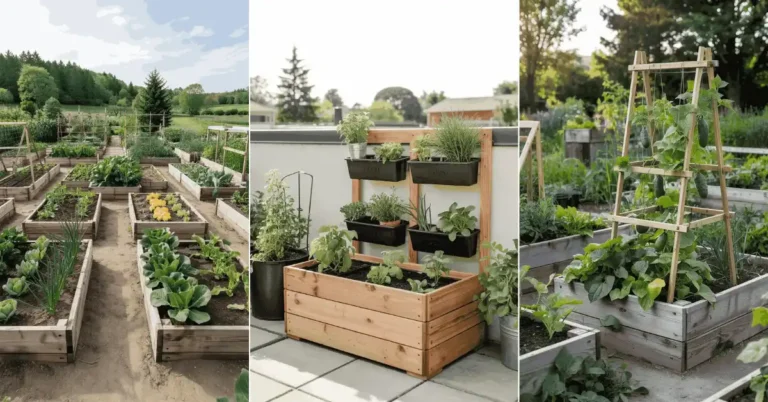
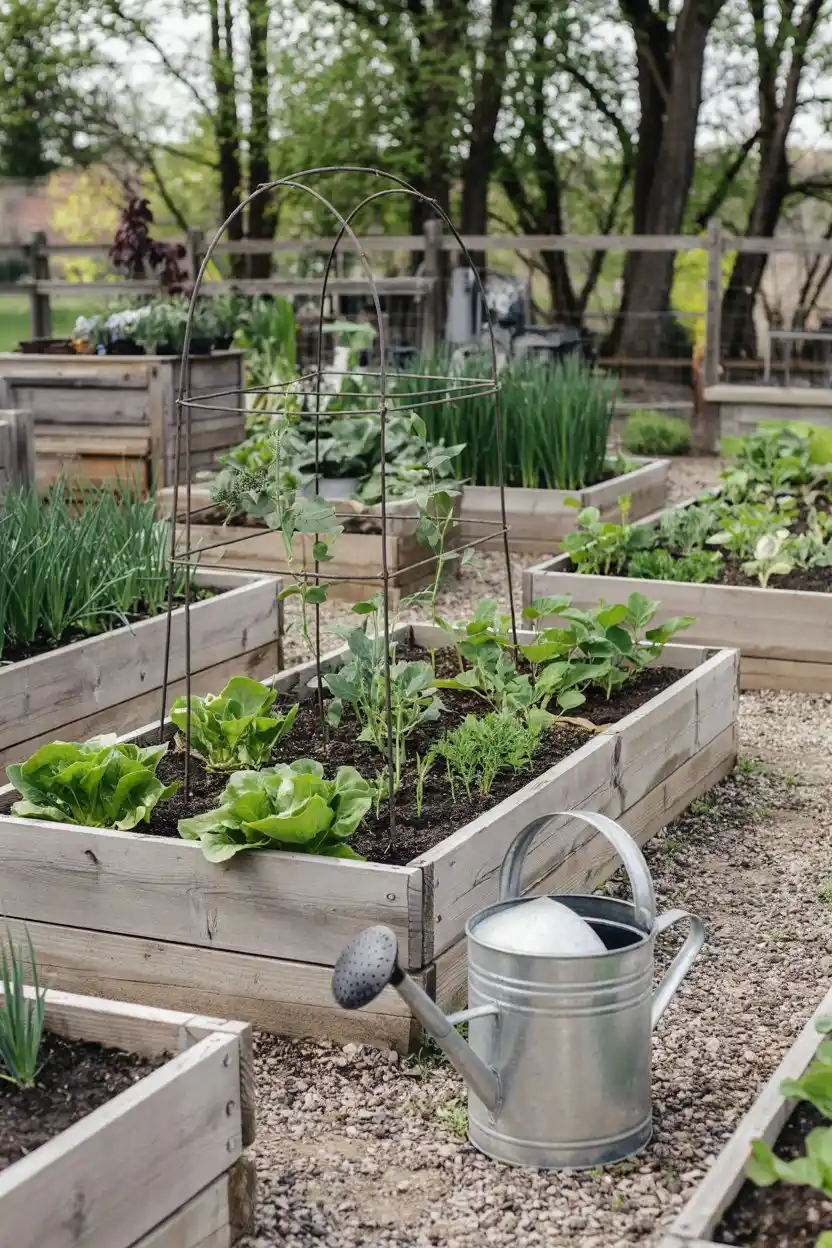
A minimalist vegetable garden blends practicality with aesthetics by using raised garden beds and neat rows. Selecting a few essential crops keeps the design tidy and manageable. This approach combines sustainable living with modern style, integrating edible plants into a clean, uncluttered outdoor space.
18. Minimalist Modern Front Yard
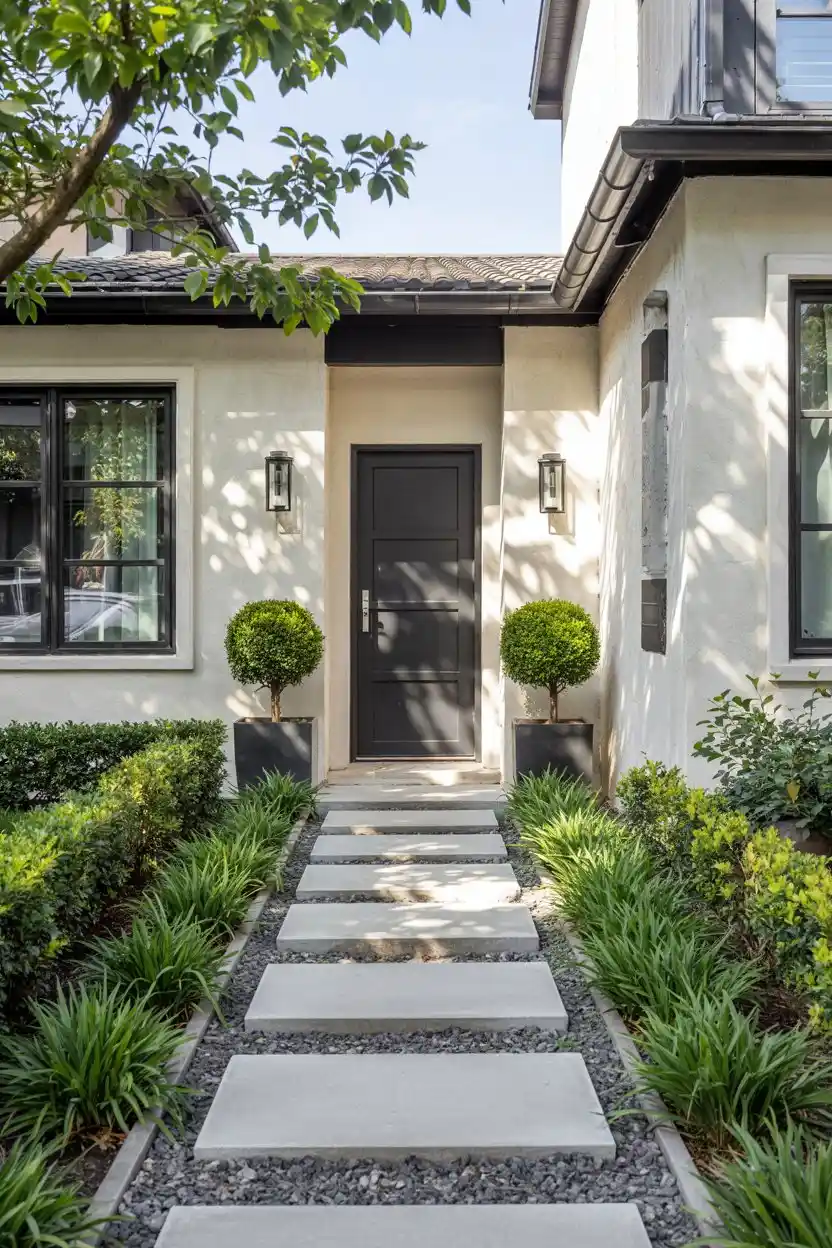
Minimalist front yards focus on clean lines and easy upkeep to boost curb appeal. Low shrubs, gravel paths, and simple planting beds create a welcoming yet restrained look. This style uses repetition and geometry to frame the house elegantly without excessive decoration or effort.
19. Minimalist Garden with Outdoor Furniture
Choosing simple, functional outdoor furniture complements minimalist garden designs. Pieces made of natural materials or sleek metals fit well with the clean aesthetics. The furniture arrangement prioritizes open space and comfort without crowding, inviting relaxation in harmony with the garden’s style.

20. Minimalist Garden with Natural Materials
Incorporating natural elements like wood, stone, and bamboo softens modern minimalist gardens while keeping the design grounded. These materials bring warmth and texture, balancing sleek lines with organic appeal. Using them sparingly and intentionally maintains the minimalist principle of less is more.