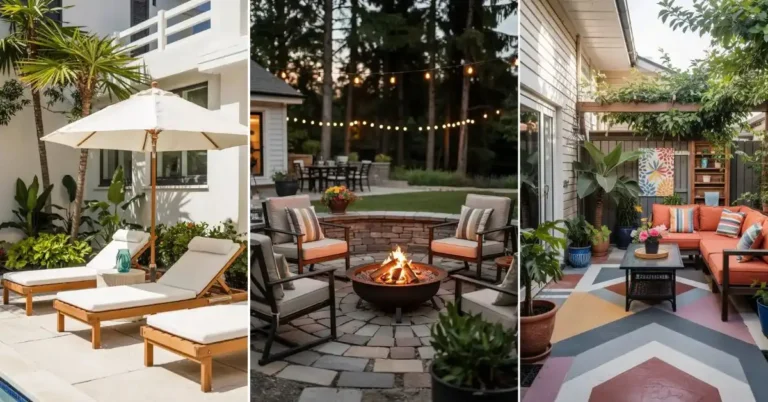
25 Low-Maintenance Minimalist Landscaping Ideas For New Home
Minimalist landscaping focuses on clean lines, simplicity, and sustainability, creating beautiful outdoor spaces that require minimal effort to maintain. Emphasizing essential elements like drought-tolerant plants, natural materials, and thoughtful design, this approach reduces water use and upkeep while maximizing visual appeal. By blending hardscaping, strategic plant selection, and efficient lawn care, minimalist landscaping creates serene yards that save time and money. Whether for front garden landscaping or backyard remodels, these minimalist landscaping ideas offer practical, eco-friendly solutions that fit modern lifestyles and aesthetic preferences.
1. Xeriscape Gardens with Native Plants
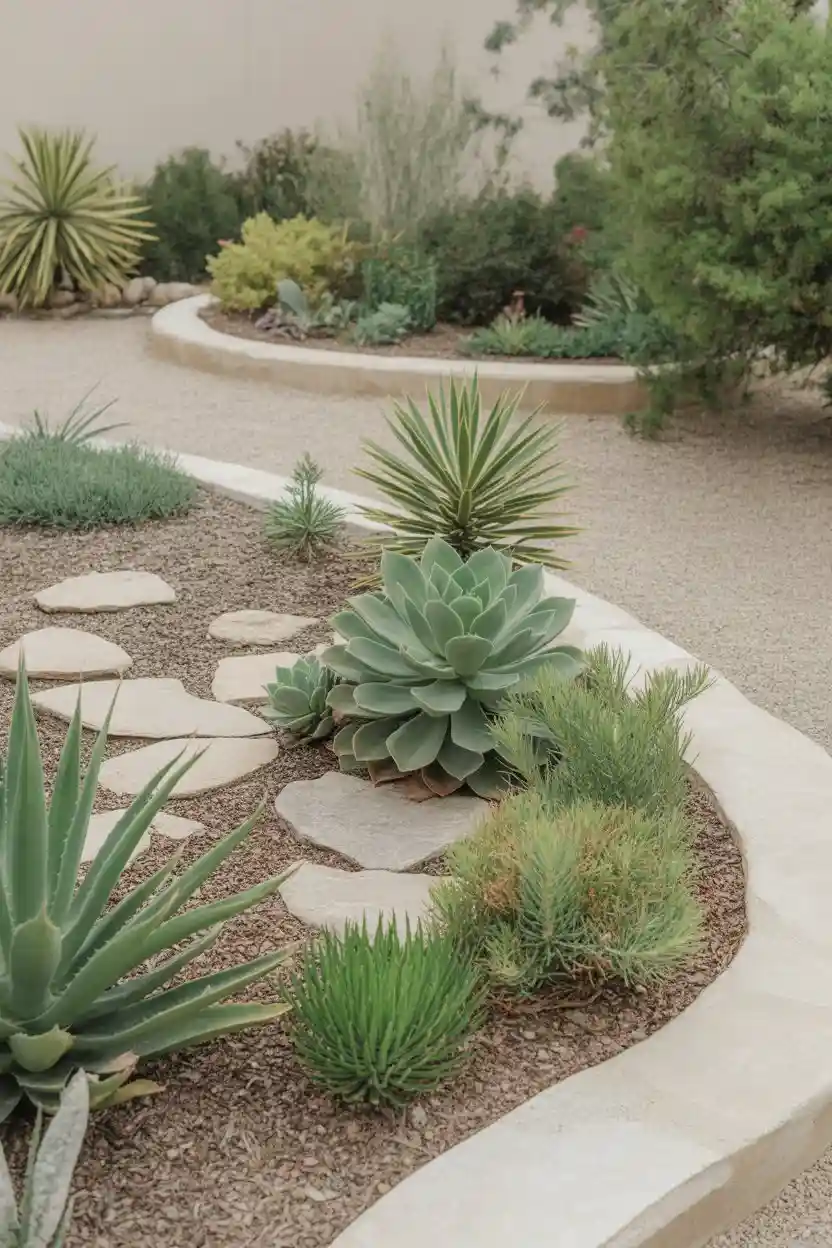
Xeriscape gardens reduce water consumption by using native, drought-resistant plants that thrive naturally in local climates. This approach eliminates the need for frequent watering and complex lawn maintenance, making it ideal for minimalist landscaping. Using plants like ornamental grasses and succulents provides texture and visual interest without overcrowding the space. Combining xeriscape with pea gravel landscaping further cuts down on weeds and keeps garden borders clean and tidy.
2. Simple Pea Gravel Walkways
Pea gravel walkways offer a charming yet practical path that blends well with minimalist landscaping design. These walkways require little upkeep compared to grass or paved alternatives, preventing weed growth and reducing lawn edging maintenance. The soft texture adds natural beauty while defining space clearly in front yard landscaping or backyard design. Pea gravel can be paired with low-maintenance plants and landscaping bricks for edging, creating a cohesive and stylish look.
3. Flagstone Patio Installation
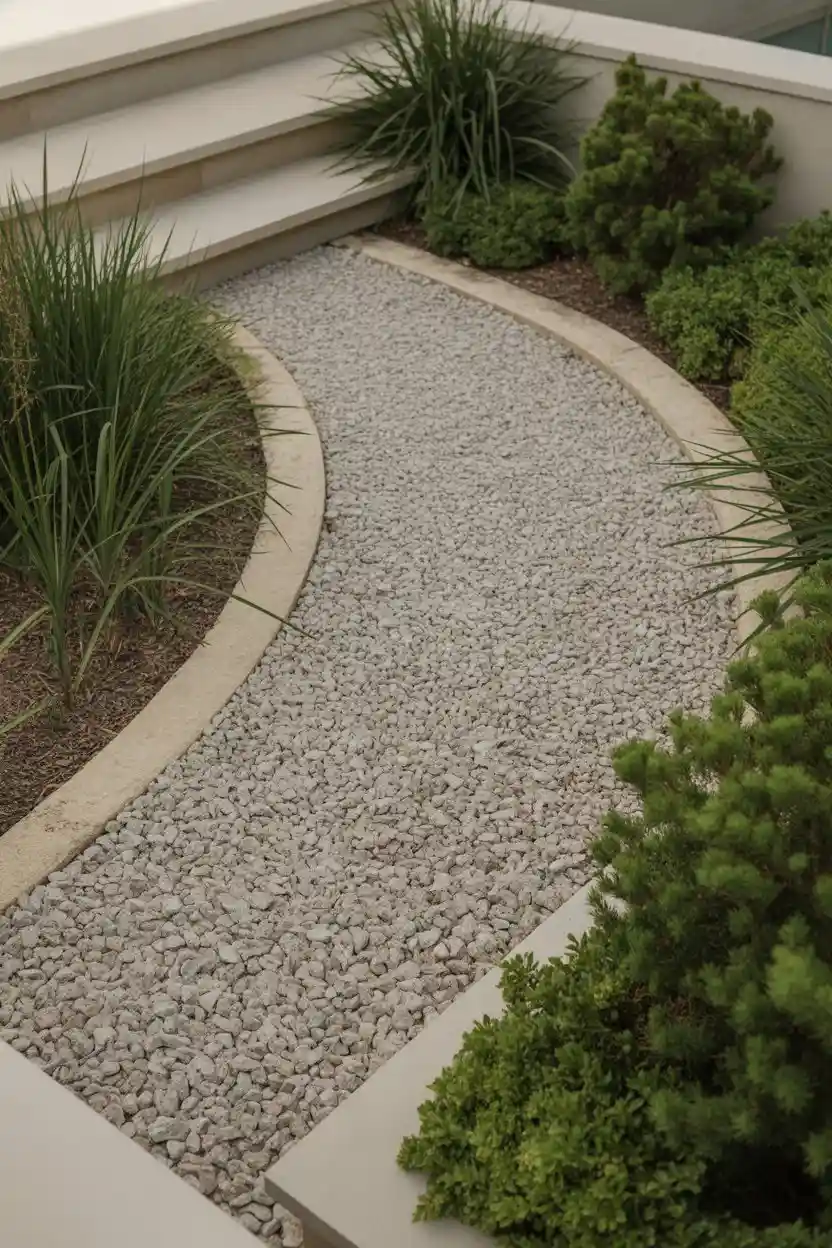
Flagstone patios provide a natural, elegant surface that requires little maintenance while enhancing outdoor living spaces. Unlike traditional concrete, flagstone allows water to drain between stones, reducing erosion and the need for yard drainage solutions. Its irregular shapes add organic charm and contrast beautifully with minimalist landscaping garden borders and landscaping boulders. Flagstone patios are durable and fit well with eco landscaping principles, making them a smart choice for sustainable landscaping & gardening.
4. Concrete Edging for Clean Lines
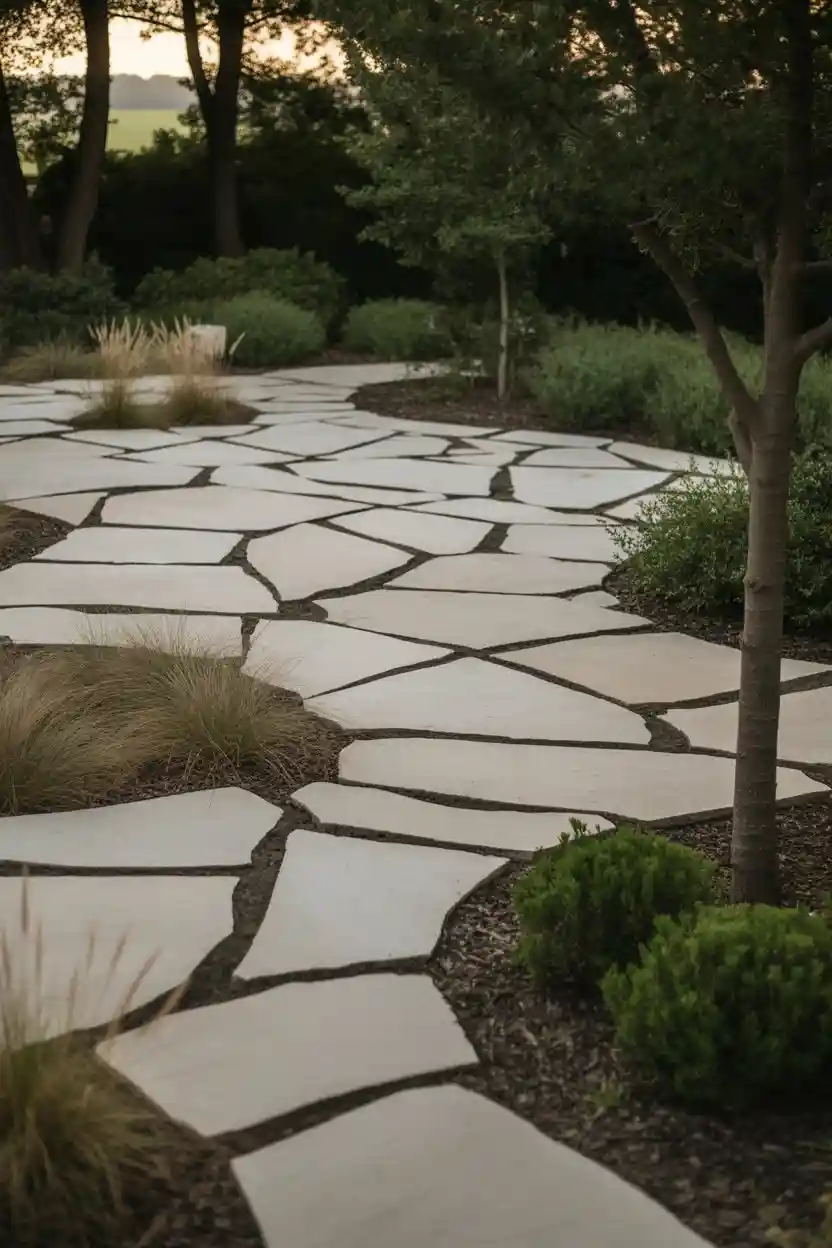
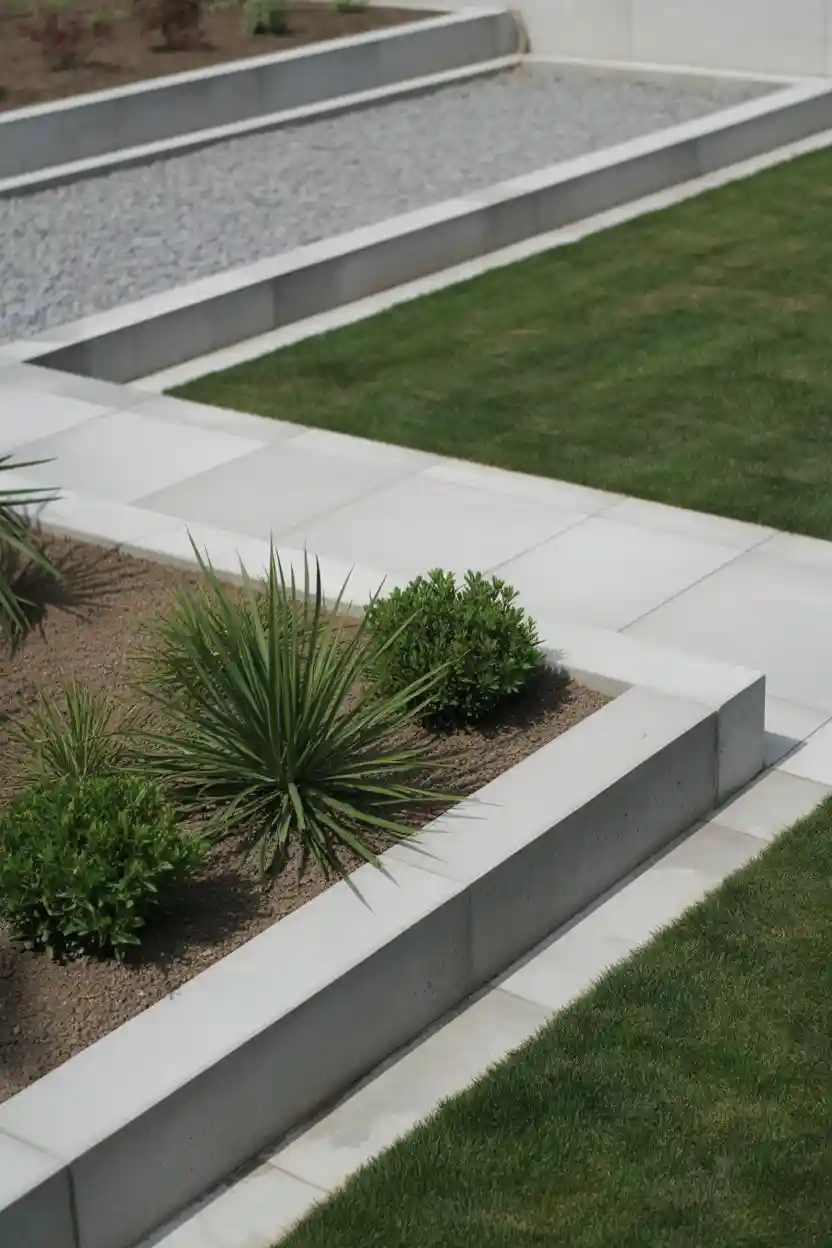
Concrete edging creates sharp, defined boundaries between garden beds and lawn areas, minimizing grass invasion and simplifying flower bed edging maintenance. This sturdy material withstands weather changes and helps maintain a neat appearance for both front of house landscaping and backyard landscaping projects. Concrete curbing can be shaped in various styles, complementing landscaping bricks or paver patios for a unified look. It enhances curb appeal landscaping by adding crispness and reducing constant lawn maintenance.
5. Incorporate Low-Growth Ornamental Grasses
Ornamental grasses are versatile, low-maintenance plants that add movement and softness to minimalist landscapes without overpowering the design. Their slow growth reduces the need for frequent trimming or bush trimming, making them excellent choices for garden landscaping or small garden designs. These grasses thrive with minimal watering, fitting perfectly within xeriscape and eco landscaping principles. Placed along garden borders or landscaping edges, they enhance texture and visual depth while requiring very little care.
6. Paver Patio Designs with Clean Geometry
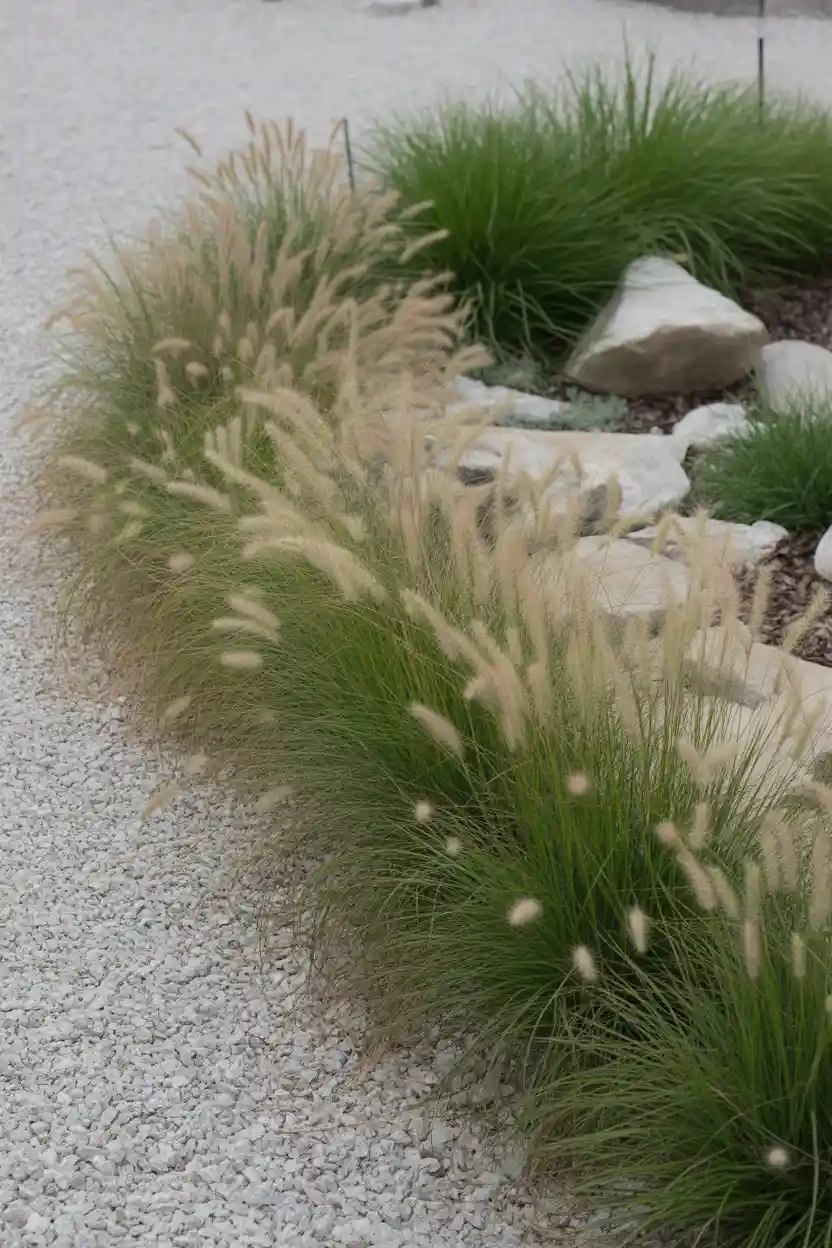
Paver patios introduce structured, durable surfaces that streamline yard maintenance while offering comfortable outdoor spaces. Using simple geometric shapes like squares or rectangles aligns with minimalist landscaping principles, enhancing backyard remodels and outdoor design. Paver patios made with materials like Unilock pavers resist weather damage and reduce lawn care costs by limiting grass areas. Their easy upkeep complements other landscaping elements such as landscaping gravel and landscaping bricks, creating cohesive garden design landscaping.
7. Use Native Evergreen Landscaping Plants
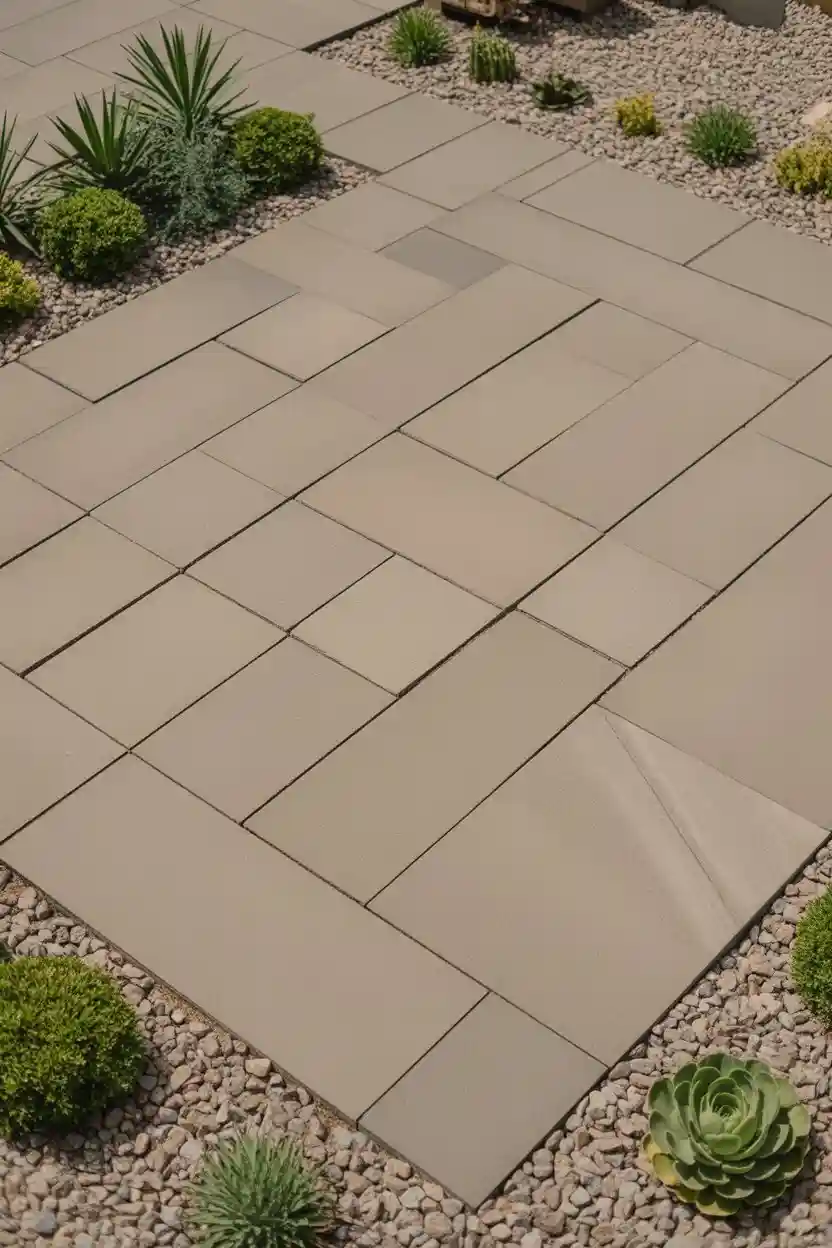
Evergreen plants provide year-round greenery and structure, reducing the need for seasonal replanting and extensive lawn care. Their hardy nature fits well in both commercial landscaping and home garden design, offering a consistent look with minimal effort. Planted strategically along front garden landscaping or backyard landscaping, they enhance privacy and curb appeal. Evergreen landscaping contributes to sustainable green landscaping by reducing water use and trimming requirements, supporting long-term maintenance efficiency.
8. Xeriscape Rock Gardens
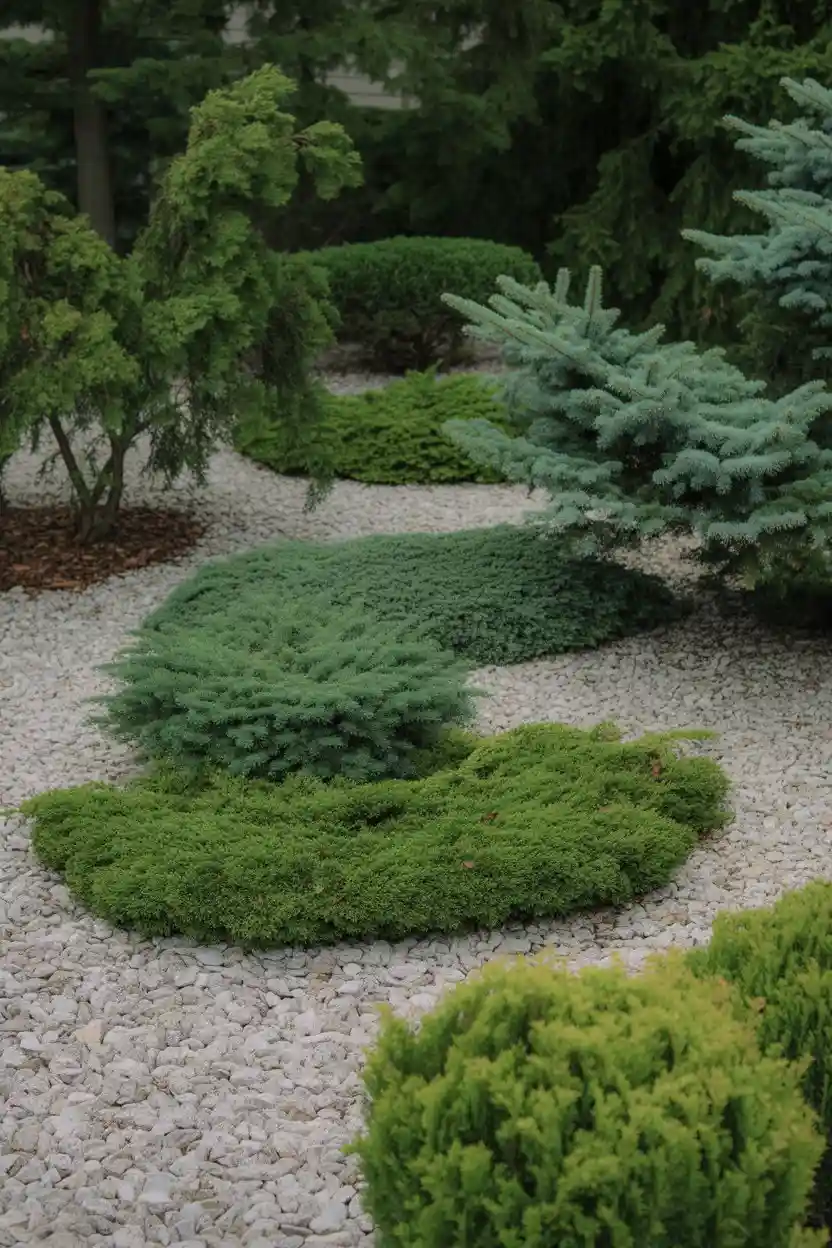
Rock gardens combine drought-tolerant plants with decorative gravel, pea gravel, or landscaping gravel to create rugged, attractive spaces that need little watering or mowing. This approach works well for hillside landscaping or desert landscaping, where water conservation is vital. Using landscaping boulders and sandstone boulders adds natural focal points while reducing lawn maintenance services. Rock gardens fit perfectly in natural landscaping concepts, providing year-round texture and visual interest with minimal upkeep.

9. Retaining Walls with Landscaping Bricks
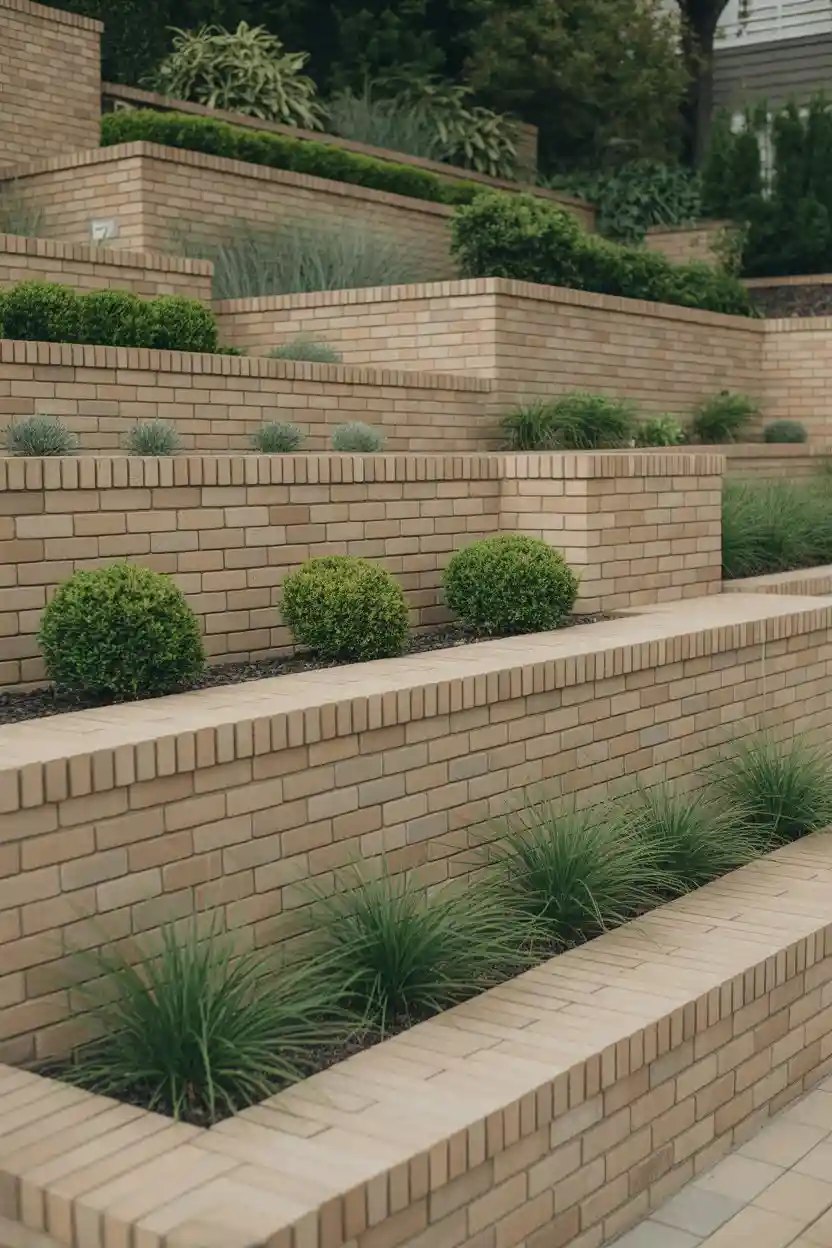
Retaining walls built with landscaping bricks stabilize slopes and control yard drainage while adding a clean, modern minimalist garden edge to outdoor spaces. These walls are essential for hillside landscaping and work well in minimalist landscaping backyard designs by structuring garden borders and outdoor living areas. Retaining wall contractors or builders can customize brick walls to complement paver patios or landscaping gravel areas. Their low maintenance and durability reduce landscaping maintenance efforts significantly.
10. Install Sod with Strategic Lawn Areas
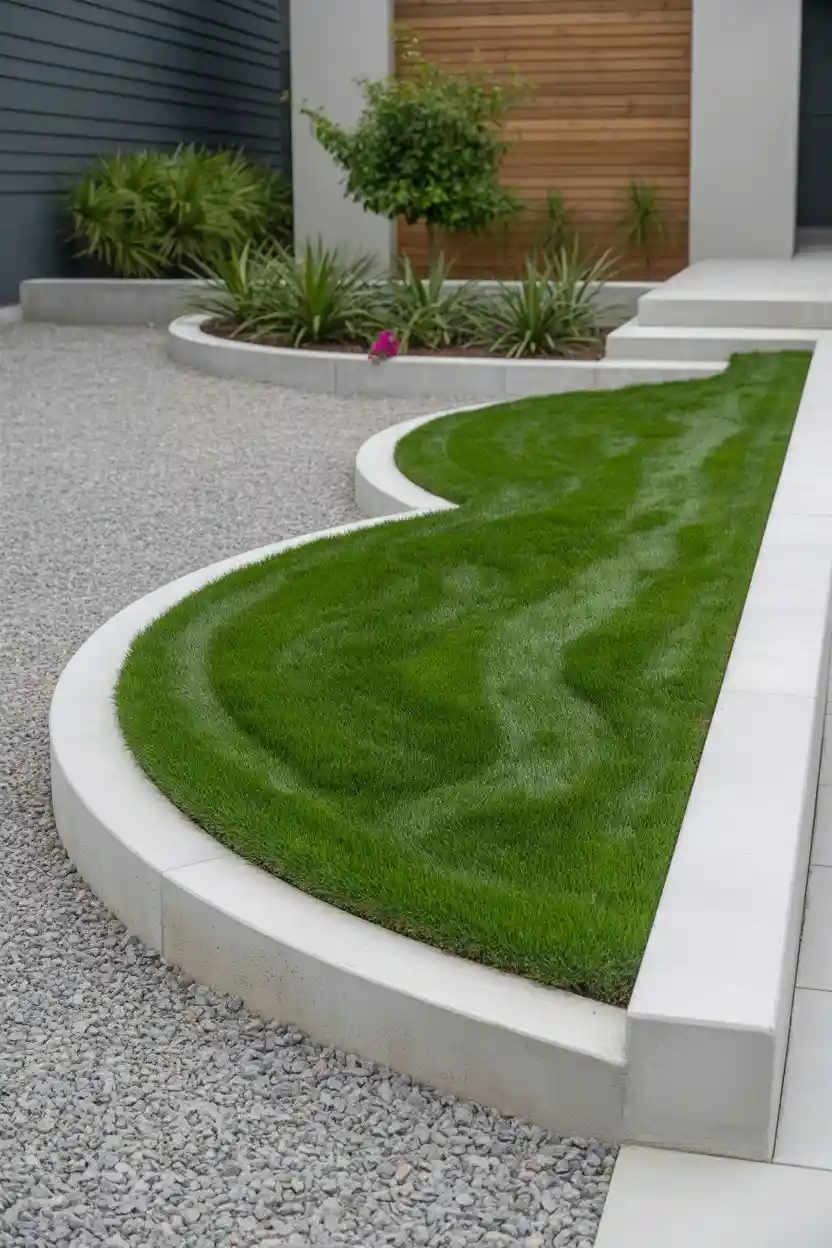
Minimalist landscaping doesn’t eliminate lawns but focuses on reducing lawn size and using sod installation wisely. Smaller patches of sod, surrounded by hardscaping or gravel, cut down lawn maintenance costs and mowing time. This strategy balances soft green space with clean, simple lines, ideal for front yard landscaping or backyard remodels. Selecting drought-resistant grass varieties also lowers watering needs and pairs well with landscaping edging for a tidy, low-maintenance lawn.
11. Landscape with Decorative Aggregate
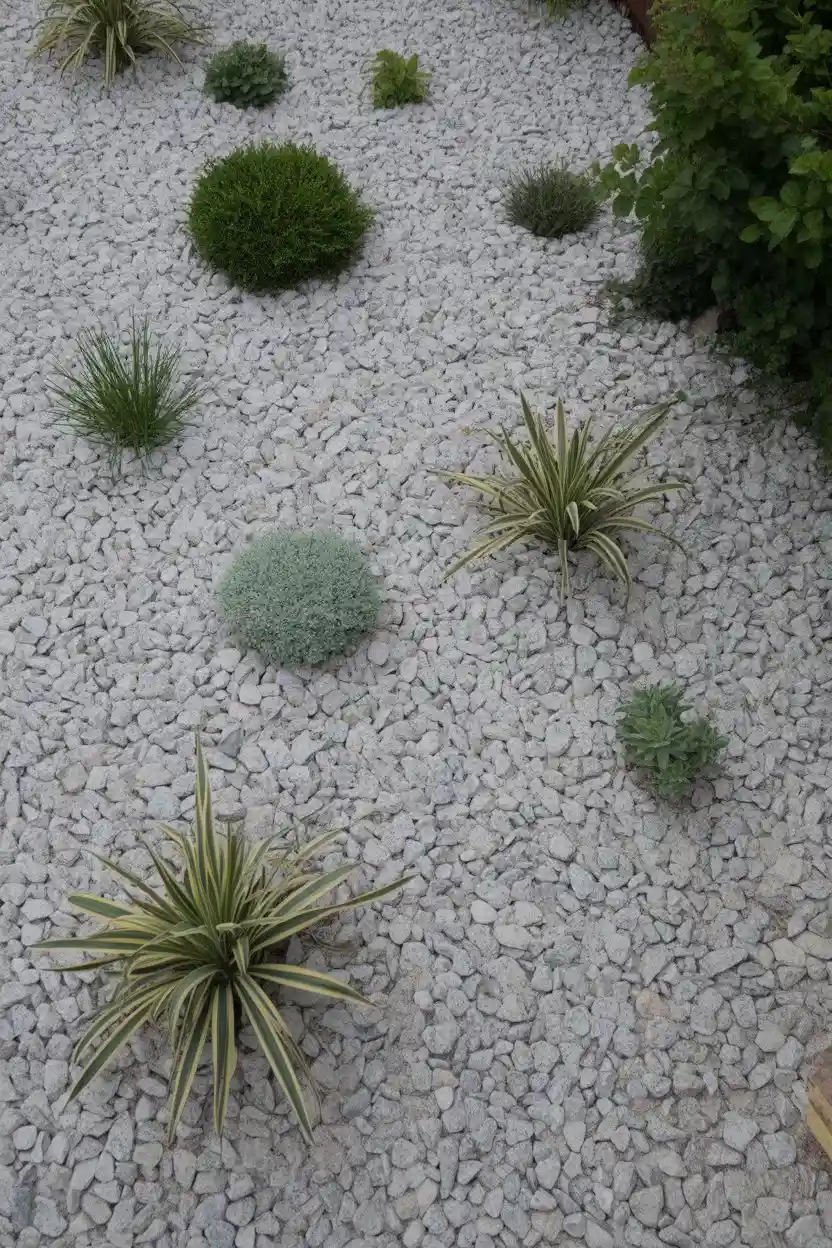
Decorative aggregate, including crushed stone or peagravel, adds texture and interest while preventing weeds and soil erosion. Its use in flower bed design and garden borders simplifies upkeep by reducing mulching needs and watering requirements. This material fits seamlessly into eco landscaping and xeriscape plans, promoting sustainability. Decorative aggregate is also a practical choice for driveway design or landscaping pathways, offering long-lasting beauty without extensive lawn care.
12. Use Shrubs for Natural Boundaries
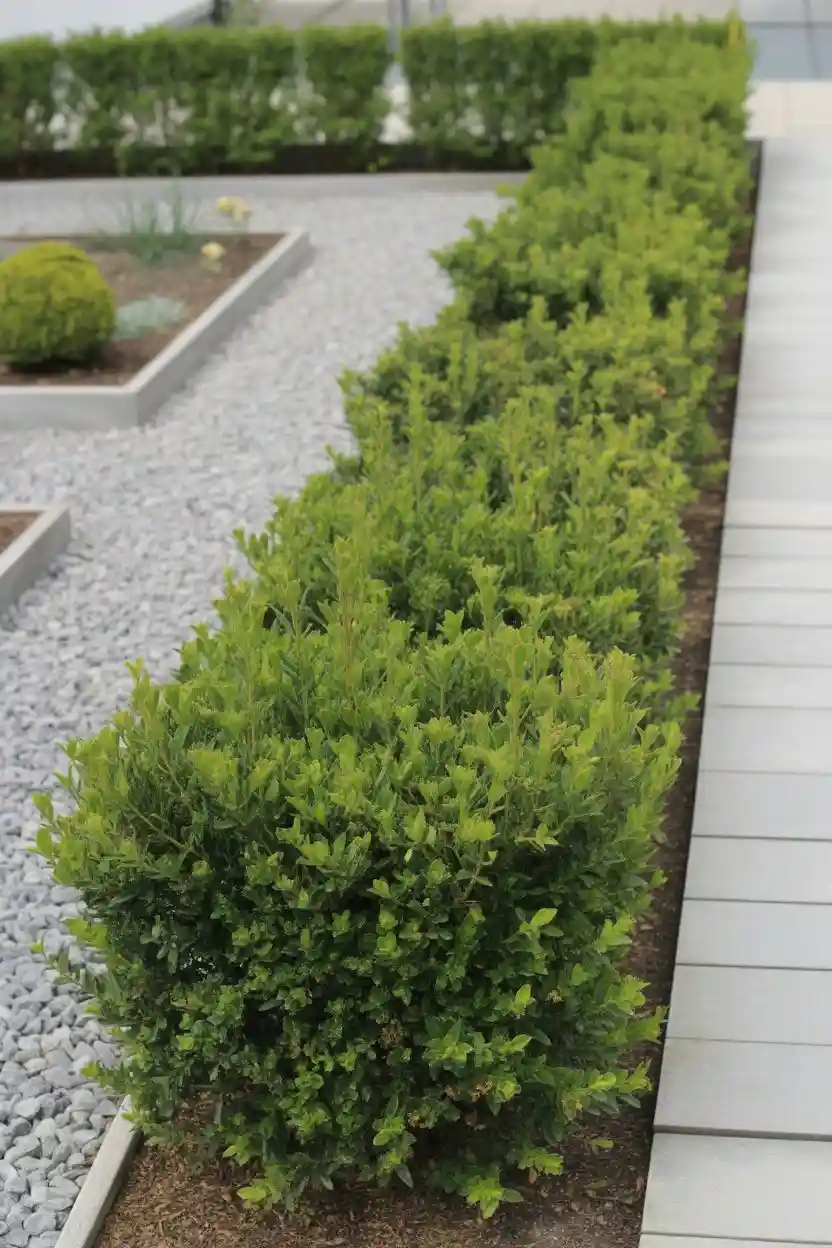
Shrubs are an excellent way to create garden borders or landscaping borders that define space naturally without hard materials. Choosing low-maintenance, slow-growing shrubs reduces bush trimming and frequent pruning, perfect for minimalist landscapes. Shrubs also support biodiversity, providing shelter and food for pollinators in home garden designs or commercial landscaping. Their evergreen varieties add consistent greenery and enhance curb appeal landscaping with minimal upkeep.
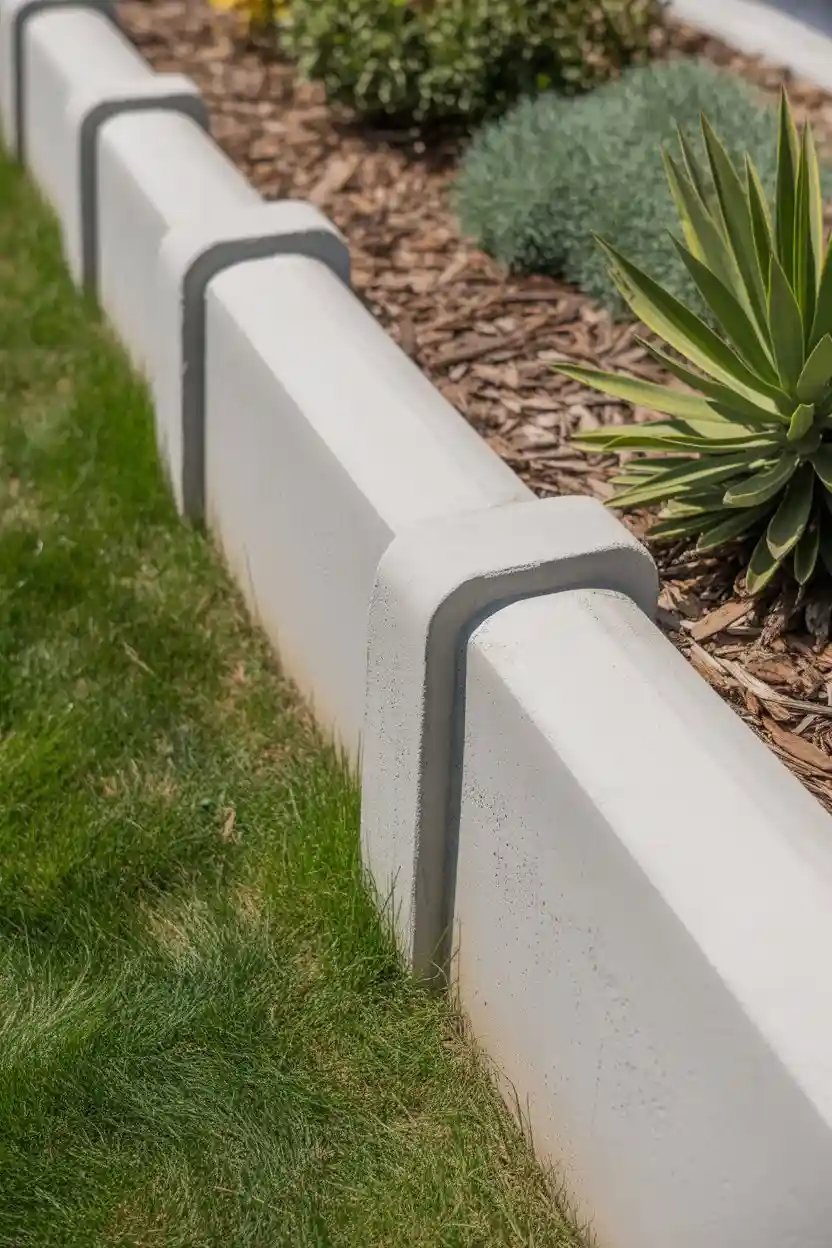
13. Concrete Garden Edging for Longevity
Concrete garden edging is durable and versatile, helping keep soil and mulch in place while preventing grass from invading flower beds. It enhances the appearance of front garden landscaping by providing clear, crisp lines and easy-to-maintain borders. Concrete curbing requires little upkeep and withstands weather and wear better than many alternatives. When paired with landscaping bricks or paver patios, it contributes to a polished, low-maintenance landscape design.
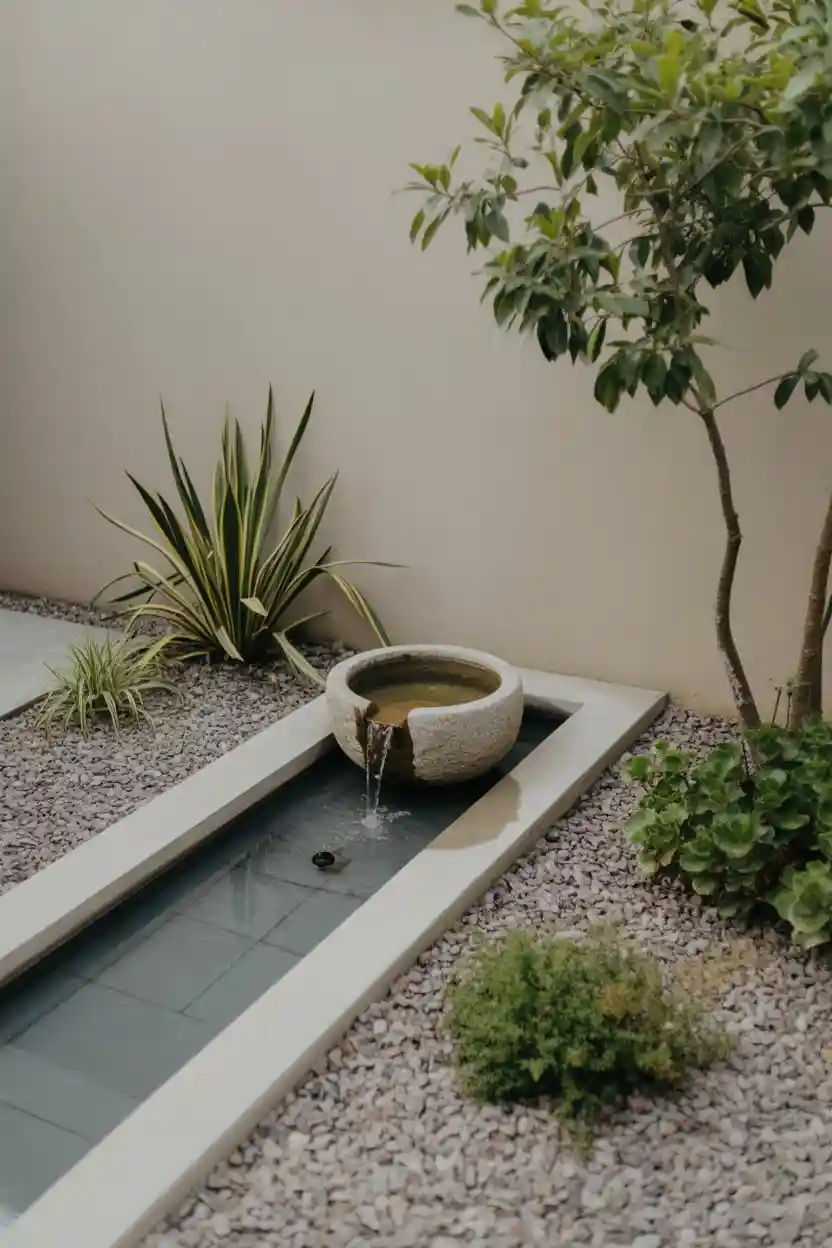
14. Integrate Simple Water Features
Minimalist water features like small fountains or reflecting pools add tranquility without complicated plumbing or maintenance. These features bring natural sound and movement to outdoor design while requiring only occasional cleaning and water replacement. Placed strategically near patios or garden borders, water features enhance visual interest and relaxation. Choosing solar-powered or recirculating systems keeps energy use low, aligning with eco landscaping goals.
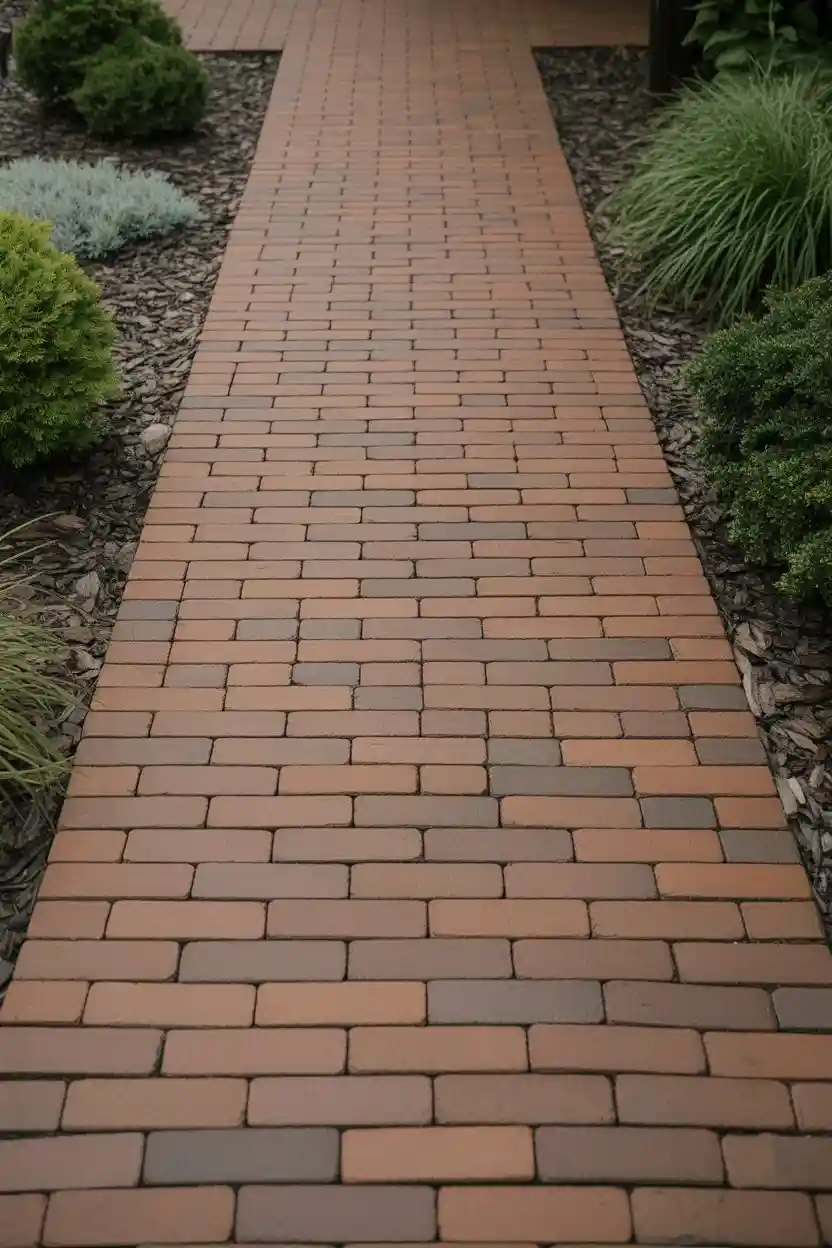
15. Install Brick Paver Walkways
Brick paver walkways offer a classic, low-maintenance path option that blends well with minimalist landscaping themes. These walkways resist weather damage, require minimal cleaning, and prevent weed growth when properly installed. Their warm color and texture complement both hardscaping and softscape elements such as grasses for landscaping or flower bed borders. Brick walkways enhance curb appeal landscaping and front of house landscaping with timeless charm.
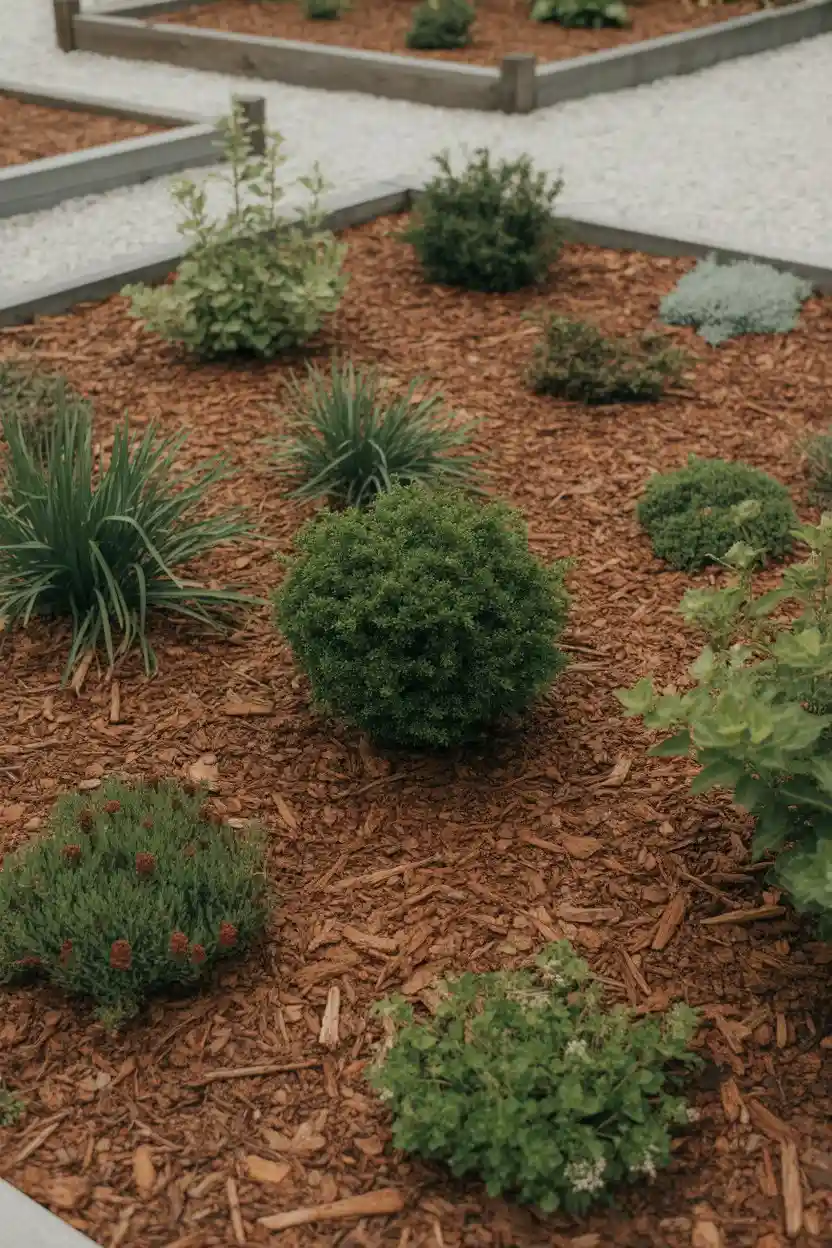
16. Use Mulch to Reduce Weed Growth
Applying mulch in garden landscaping suppresses weeds, retains moisture, and improves soil health, reducing landscaping maintenance. Organic mulches like bark fit natural landscaping styles while enhancing aesthetics in flower beds and garden borders. Mulch layers reduce the need for frequent watering and trimming, supporting xeriscape and eco landscaping goals. Regular mulch refreshment keeps minimalist landscaping yards’ tidy and healthy without demanding constant attention.
17. Design with Landscaping Boulders
Landscaping boulders create bold focal points and natural divisions within minimalist landscaping garden designs. Their size and texture contrast with smooth hardscaping elements like paver patios or concrete curbing, adding depth without extra maintenance. Boulders withstand all weather and require no care, making them ideal for low-maintenance front yard landscaping or backyard landscaping. Strategically placed boulders also help with erosion control and yard drainage.
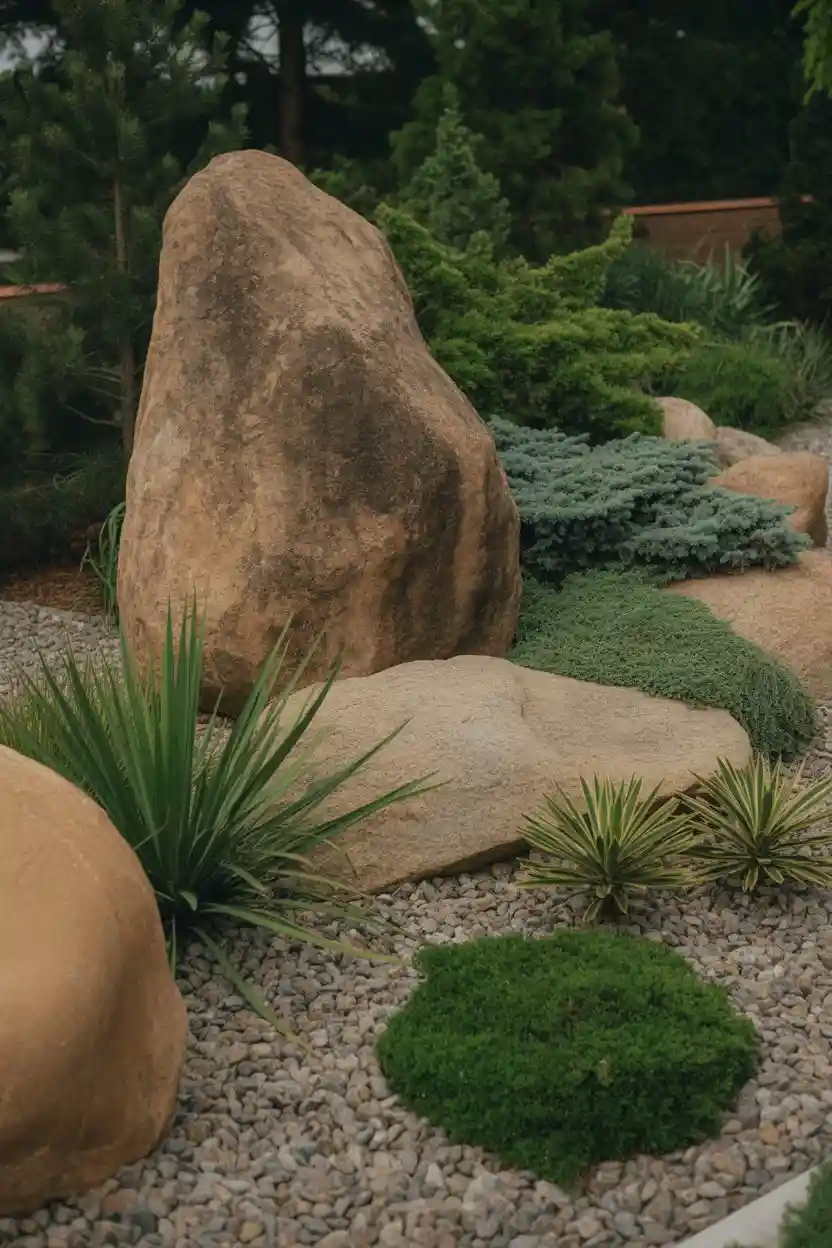
18. Incorporate Sustainable Lawn Care Practices
Sustainable lawn care includes aerate yard techniques, smart watering schedules, and organic lawn treatments that reduce environmental impact. These practices lower the need for intensive lawn maintenance services and frequent lawn care company visits. Sustainable methods support healthy soil and resilient turf, keeping minimalist landscapes vibrant year-round with minimal effort. Integrating these practices complements xeriscape and natural landscaping trends focused on conservation.
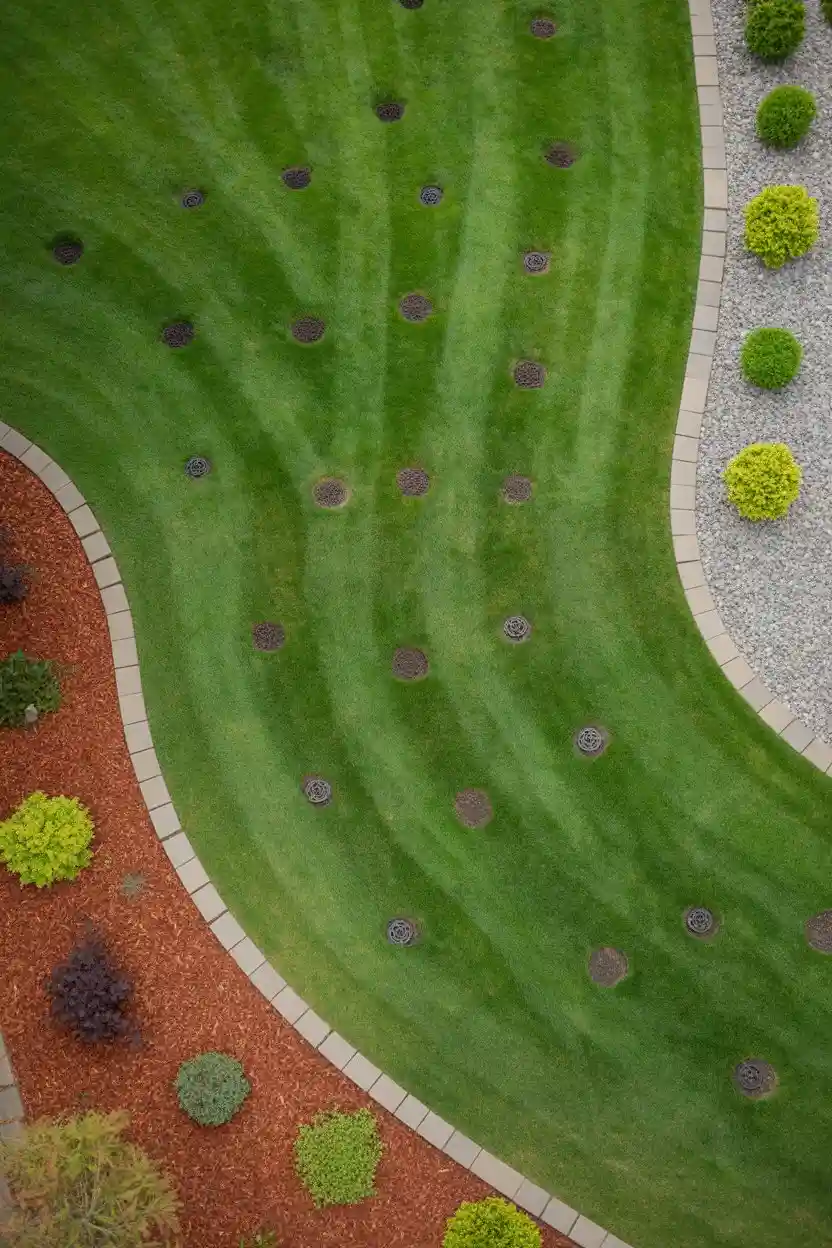
19. Create Defined Garden Borders with Landscaping Edging
Landscaping edging using materials like metal, brick, or concrete separates garden beds from lawn areas, reducing grass encroachment and simplifying maintenance. Clear garden borders provide a polished look that enhances backyard design and front yard landscaping aesthetics. Edging materials protect flower beds and reduce trimming efforts around landscaping trees or shrubs. Well-defined borders also contribute to curb appeal landscaping and streamline routine yard maintenance.
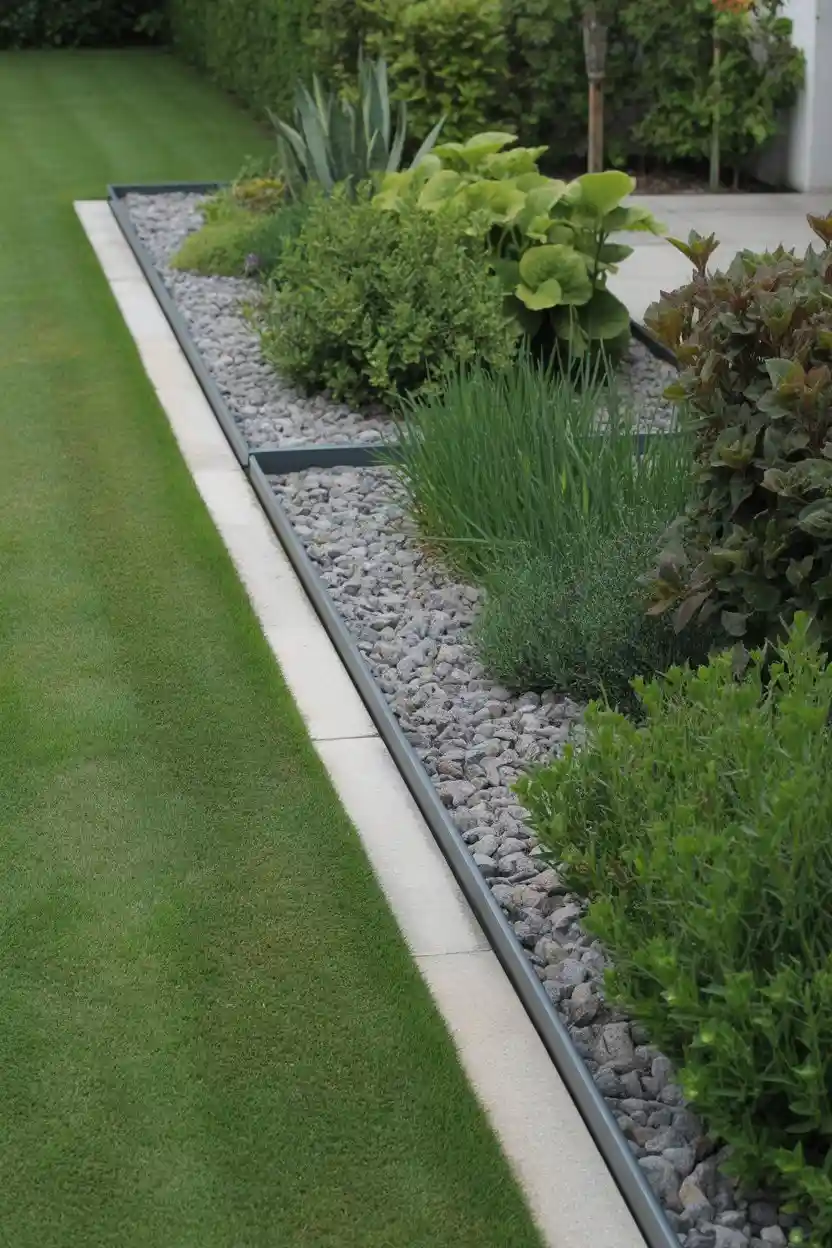
20. Utilize Small Trees for Vertical Interest
Small trees for front yards or backyard landscaping introduce height and dimension without overwhelming minimalist landscaping designs. Selecting slow-growing, drought-tolerant species reduces bush trimming and watering needs. These trees add shade, privacy, and year-round visual appeal with minimal upkeep. Placing them strategically near patios, walkways, or garden borders enhances outdoor design while fitting sustainable landscaping & gardening approaches.
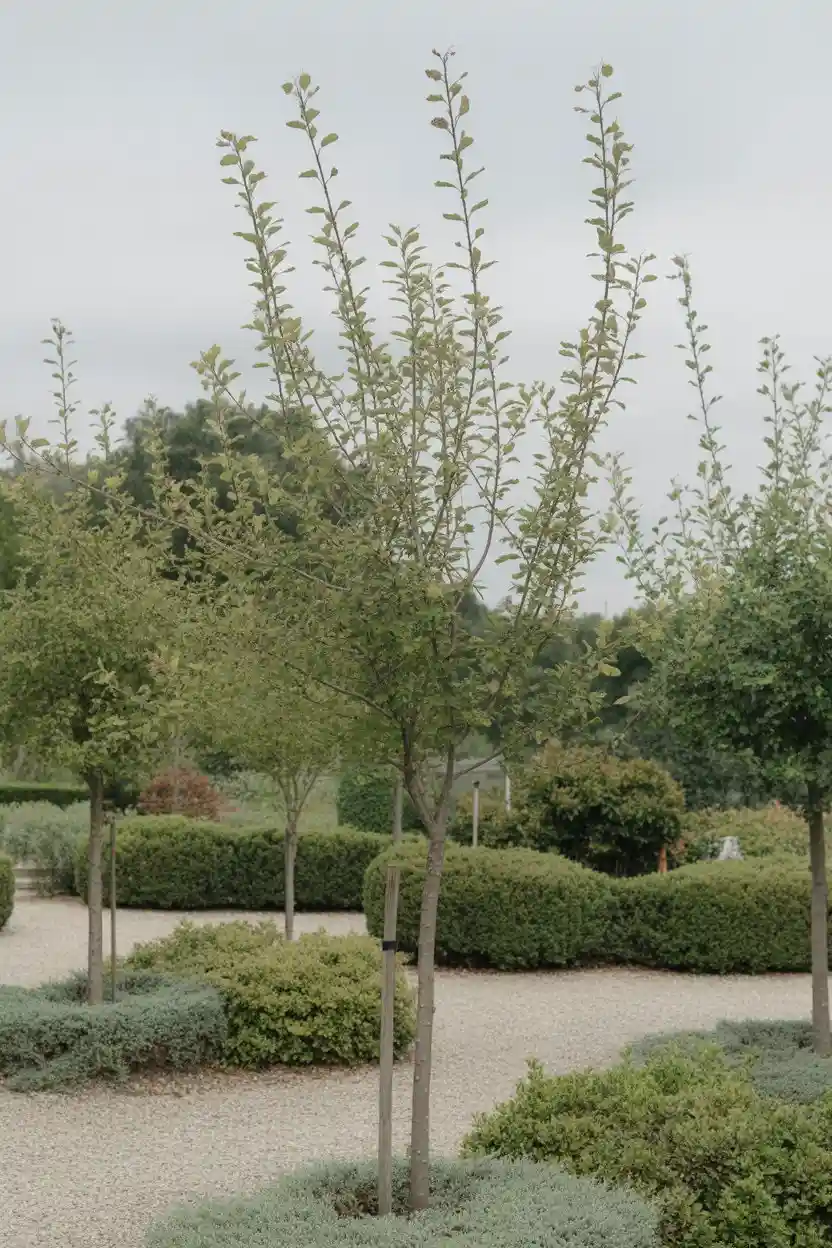
21. Focus on Simple Backyard Remodels
Backyard remodels that emphasize minimalist landscaping principles combine open spaces, functional hardscaping, and low-maintenance planting. Incorporating paver patios, landscaping gravel, and drought-tolerant plants creates usable, stylish environments requiring little upkeep. Thoughtful design by landscaping contractors or local landscapers optimizes flow and reduces lawn care prices. Simple remodels improve usability and curb appeal without adding complex maintenance tasks.
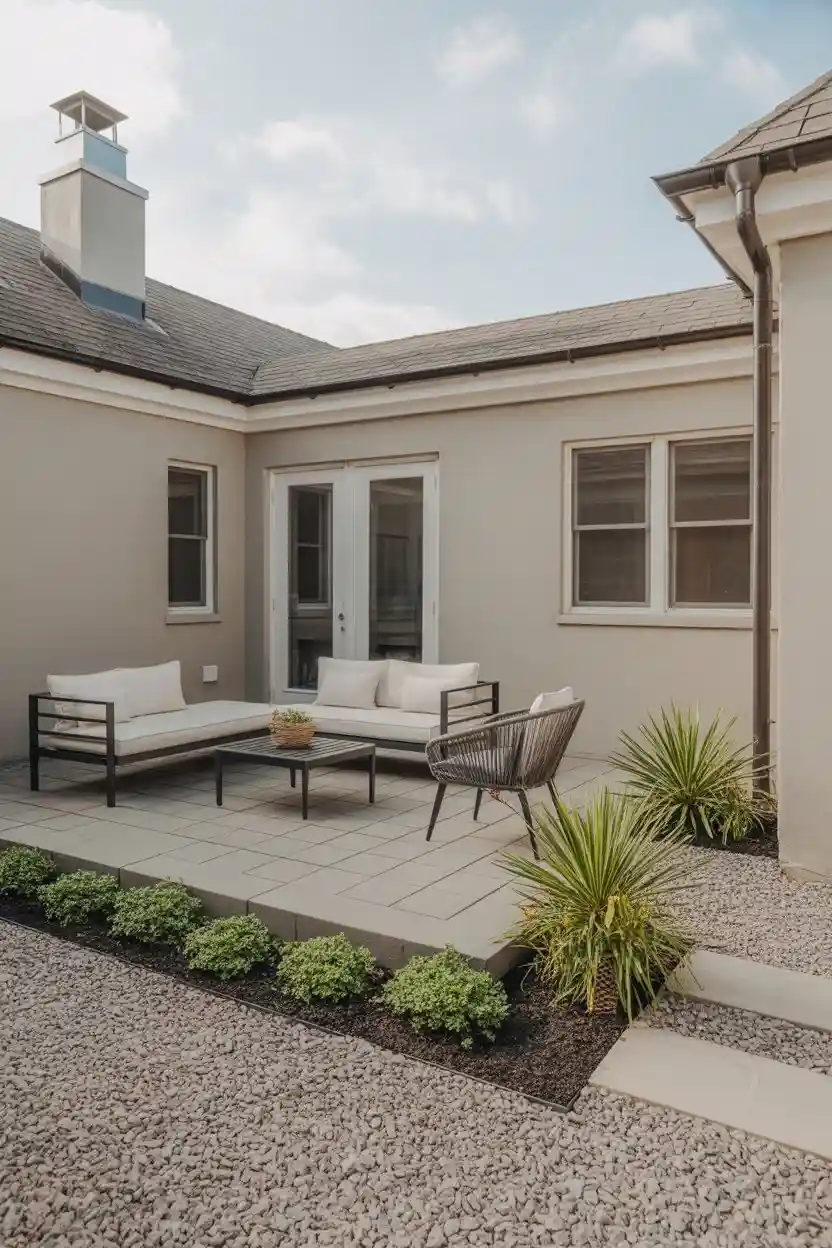
22. Add Retaining Wall Landscaping Features
Retaining walls not only prevent soil erosion but create terraces that expand usable outdoor areas. Using retaining wall bricks or concrete curbing adds texture and stability to minimalist landscapes. These features are ideal for hillside landscaping, controlling yard drainage, and separating plant zones with minimal maintenance. Retaining walls complement paver driveway designs and landscaping gravel beds, enhancing both form and function.
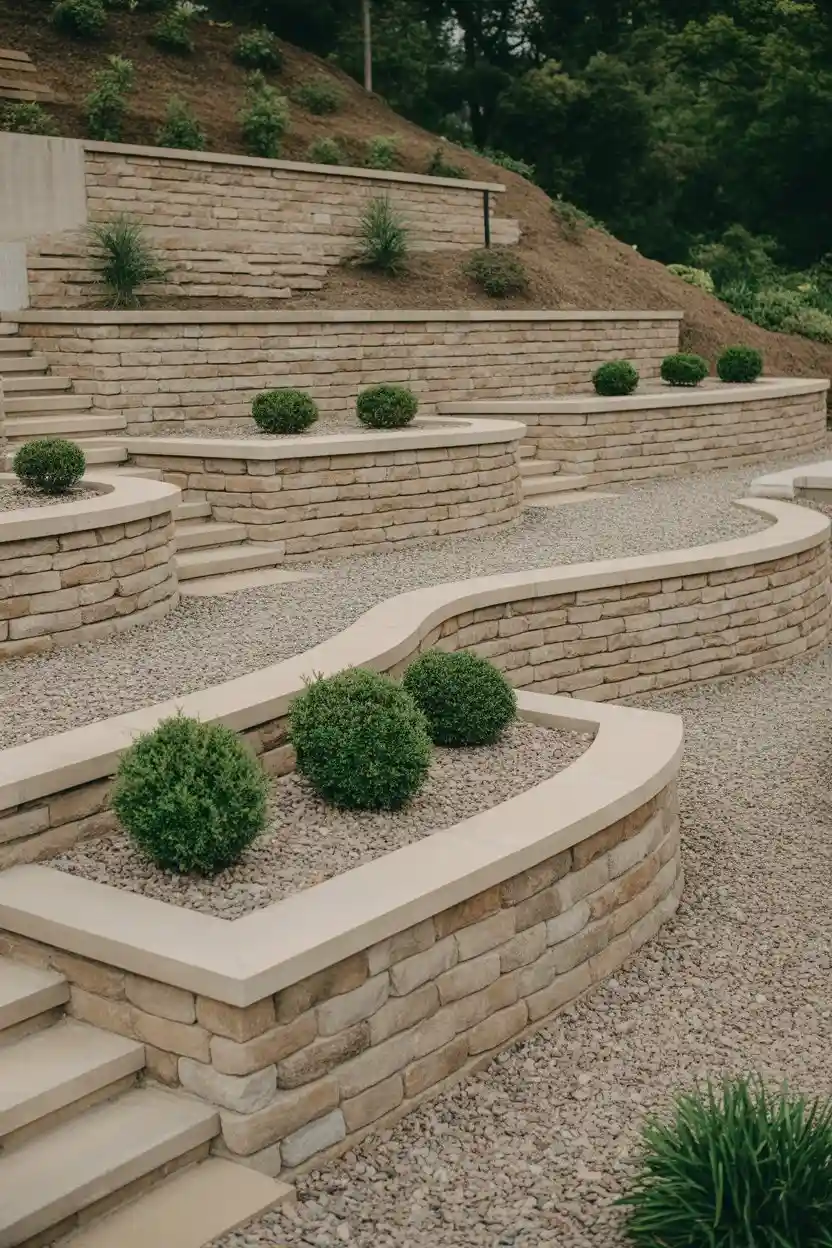
23. Choose Landscaping Gravel for Ground Cover
Landscaping gravel is an attractive, low-maintenance ground cover that suppresses weeds and improves drainage. Its use around garden borders, flower beds, and walkways fits perfectly within minimalist landscaping and xeriscape landscaping designs. Gravel requires no watering or mowing, cutting down lawn maintenance costs and efforts significantly. Paired with concrete edging or landscaping bricks, gravel creates clean, durable surfaces that enhance outdoor spaces.
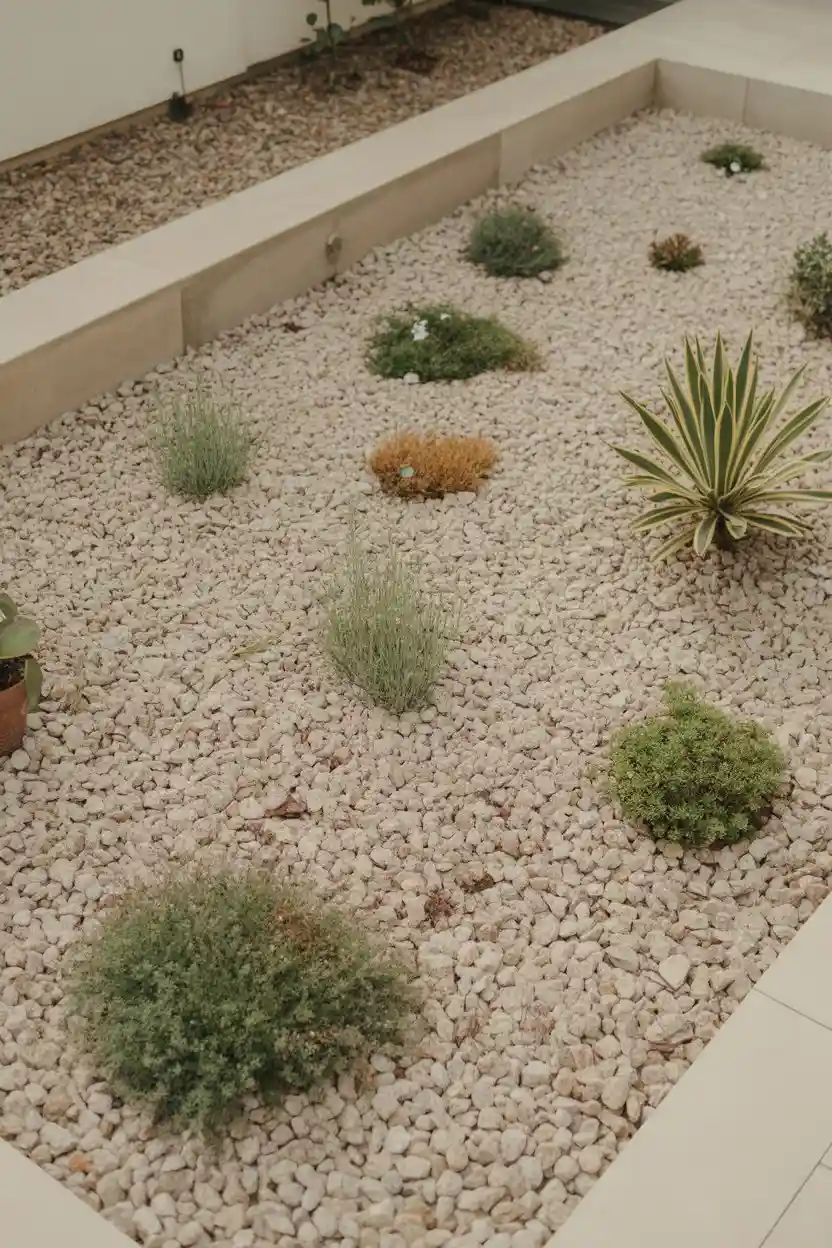
24. Use Hardscape Landscaping to Reduce Lawn Size
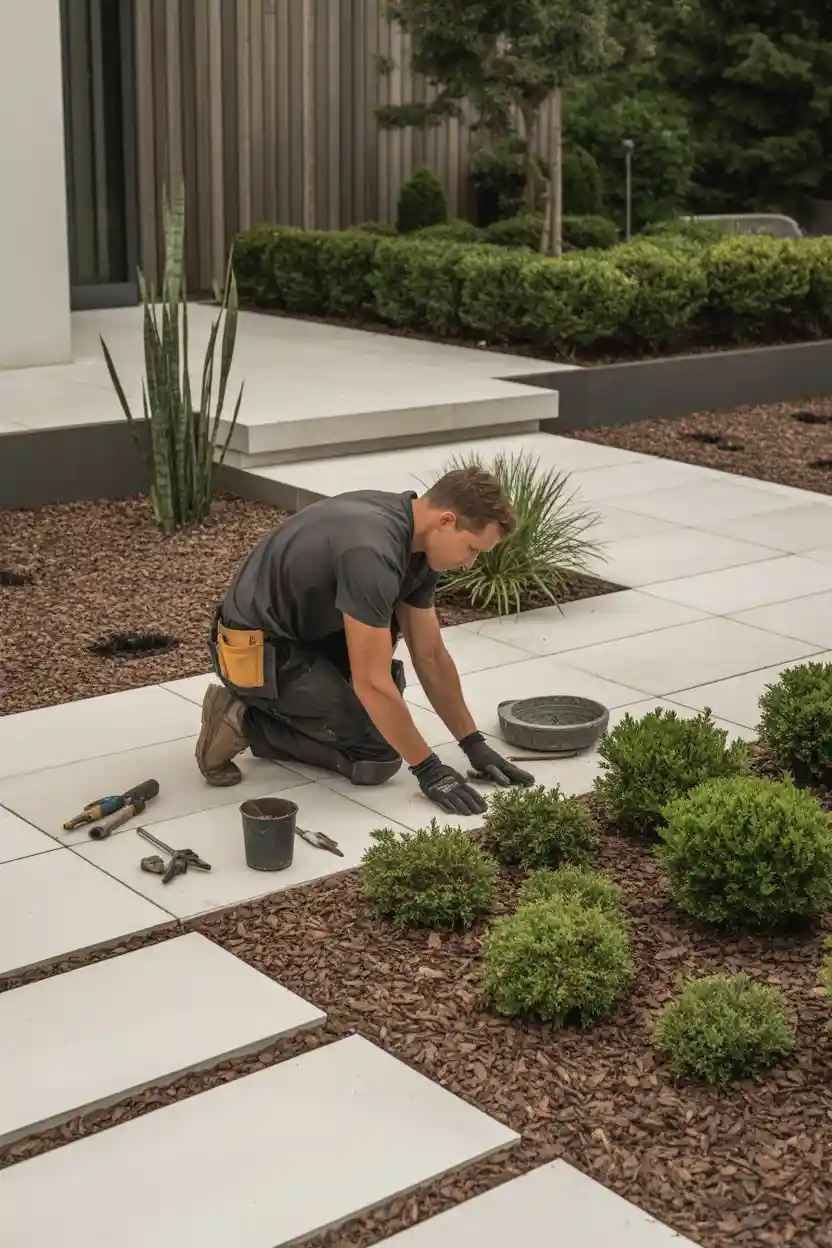
Hardscape landscaping features like paver patios, walkways, and retaining walls replace large grass areas, minimizing lawn maintenance. These elements introduce texture, durability, and clear structure to minimalist landscaping designs while reducing watering and mowing requirements. Hardscaping materials such as Unilock pavers and flagstone provide natural beauty and long-lasting performance. Incorporating hardscapes strategically balances functionality and aesthetics in sustainable landscaping & gardening.
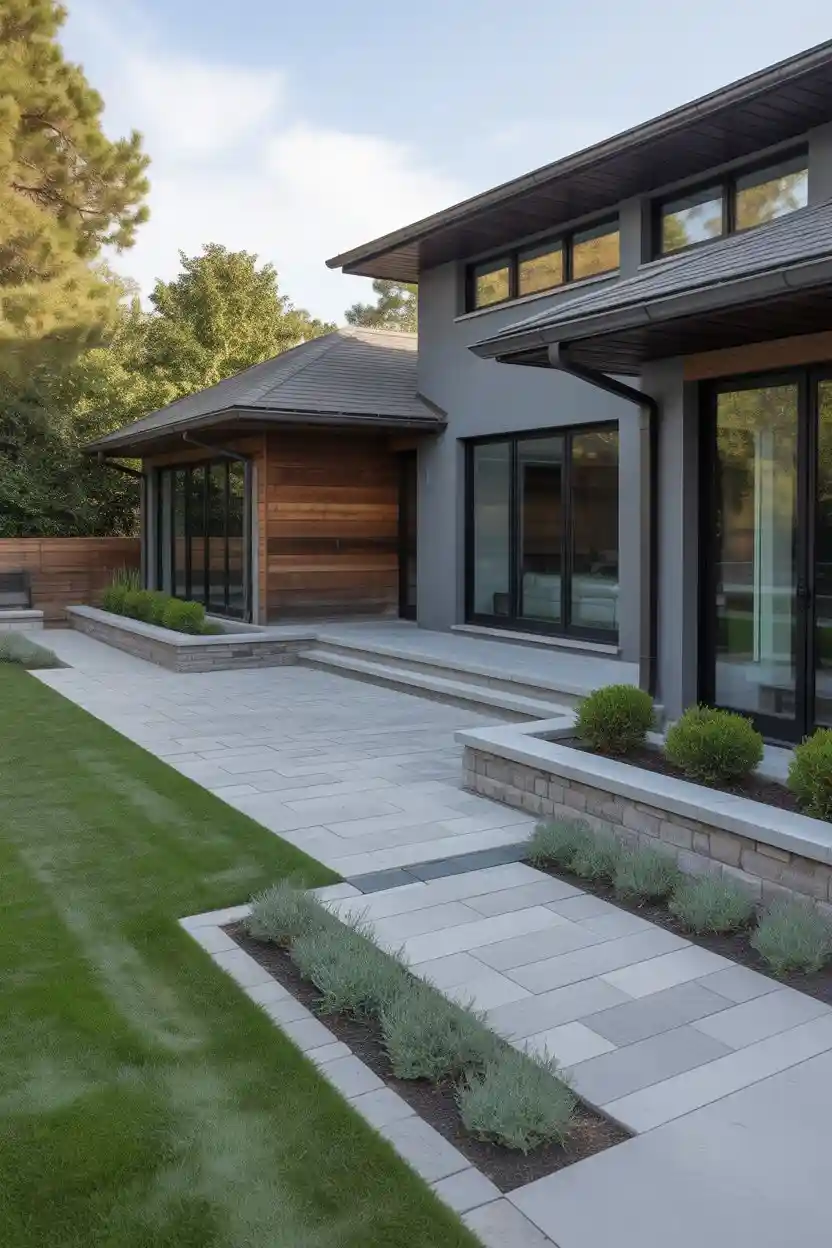
25. Employ Professional Landscaping Services for Efficiency
Hiring professional landscaping companies ensures design and installation meet both aesthetic and low-maintenance goals. Experts handle everything from sod installation to backyard landscaping, providing cost-effective solutions that save time and effort. Landscaping contractors also recommend plants, edging, and hardscaping materials that thrive locally, reducing future maintenance. Professional services improve curb appeal landscaping while keeping lawn care prices reasonable and predictable.