25 Neutral Living Room Decor Ideas for a Calm Space
There’s a reason neutral rooms photograph so well: beige, greige, and soft white don’t fight for attention, so the room itself feels quieter. The risk is flatness — a beige box. These 25 ideas are about building a neutral room with enough texture, light, and natural material that it feels calm instead of empty.
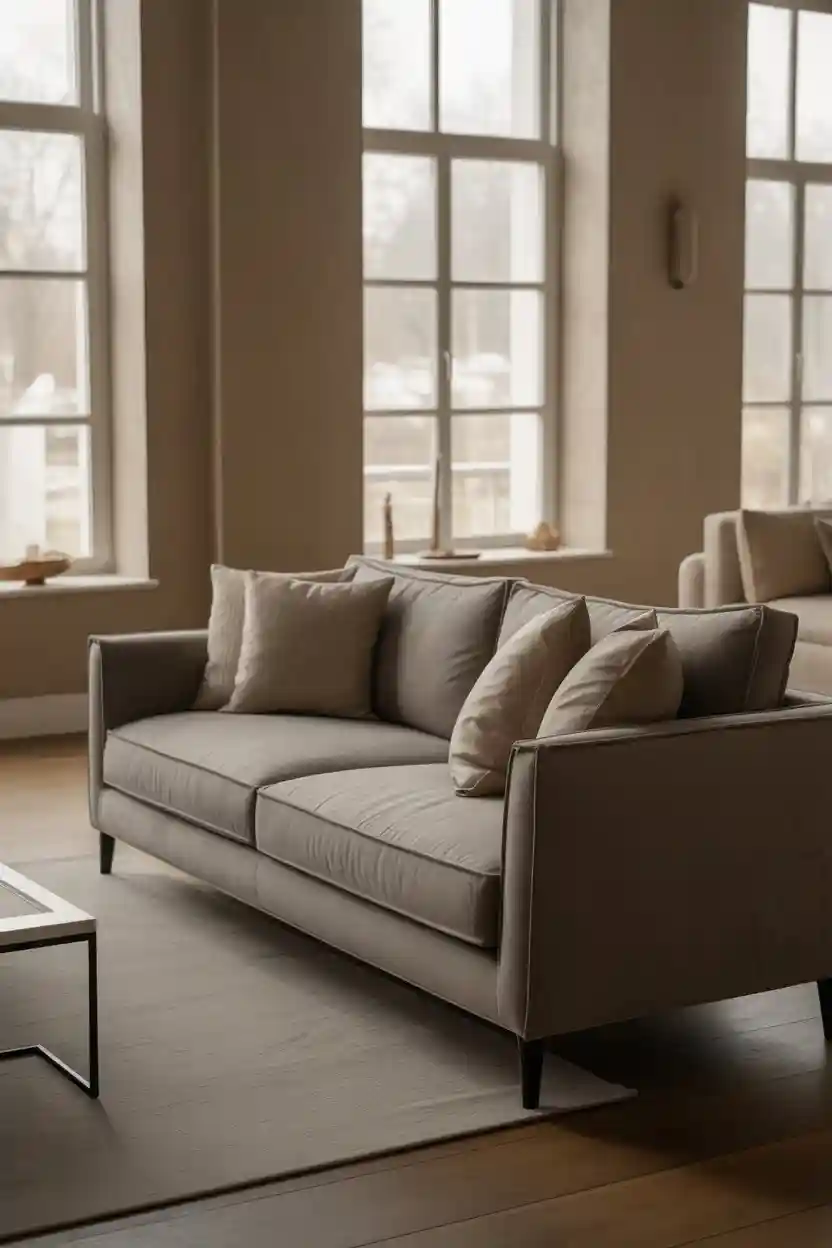
1. Choose a Soft Gray Sofa for Subtle Elegance
A soft gray sofa is the most forgiving anchor a neutral room can have — it hides wear, flatters every accent color, and never looks dated. cozy seating area the way a white sofa never quite manages. Look for a warm gray (greige) rather than a blue-gray; cool grays can read cold under LED lighting.
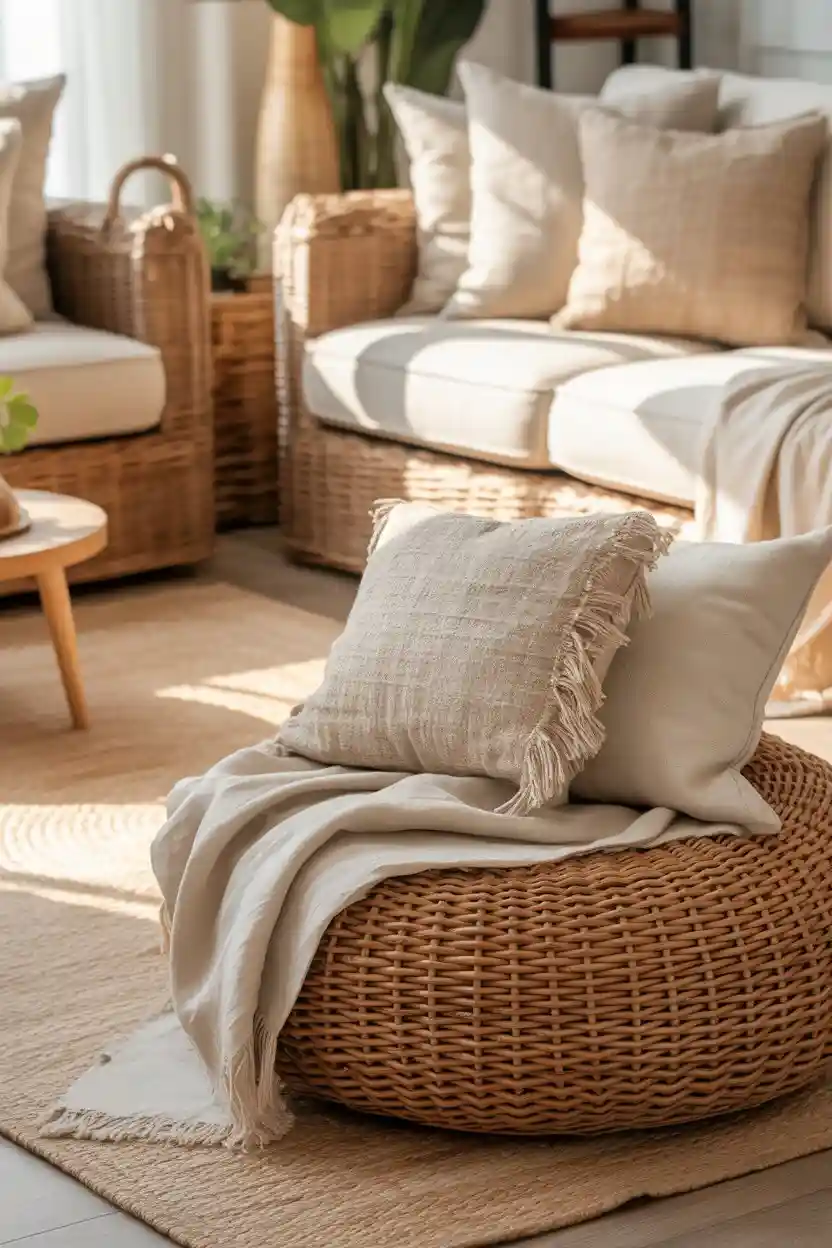
2. Layer Natural Textures for Depth and Warmth
Neutrals need texture the way food needs salt. Combine at least three: a nubby wool throw, washed linen cushions, a jute or sisal rug. The contrast between rough and smooth is what keeps beige interesting — without it, the room falls flat no matter how good the palette is.
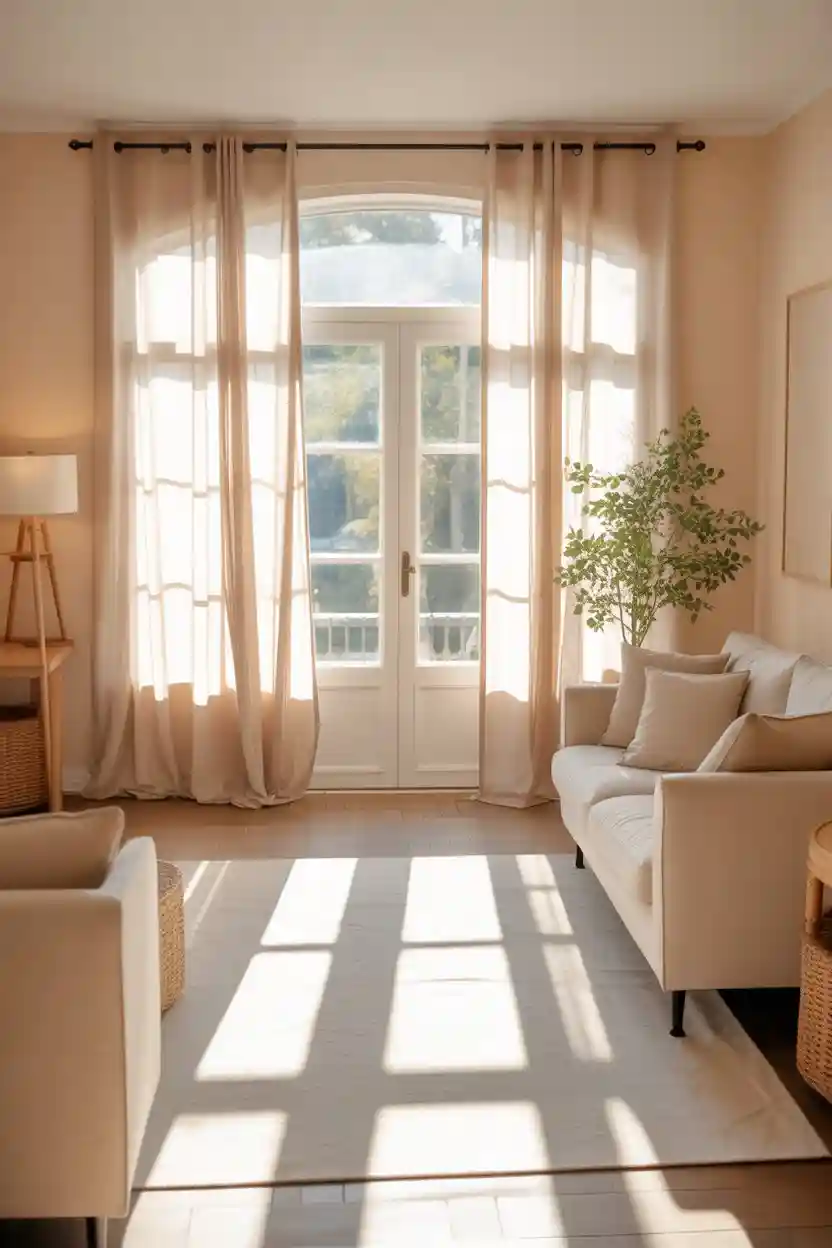
3. Use Light Beige Walls to Brighten the Space
Light beige reflects daylight without the glare of pure white, and it flatters skin tones in a way stark white doesn’t. Test swatches on two walls — beige shifts with orientation, and a north-facing room needs a warmer beige than a south-facing one. One gallon covers a typical living room for under $40.
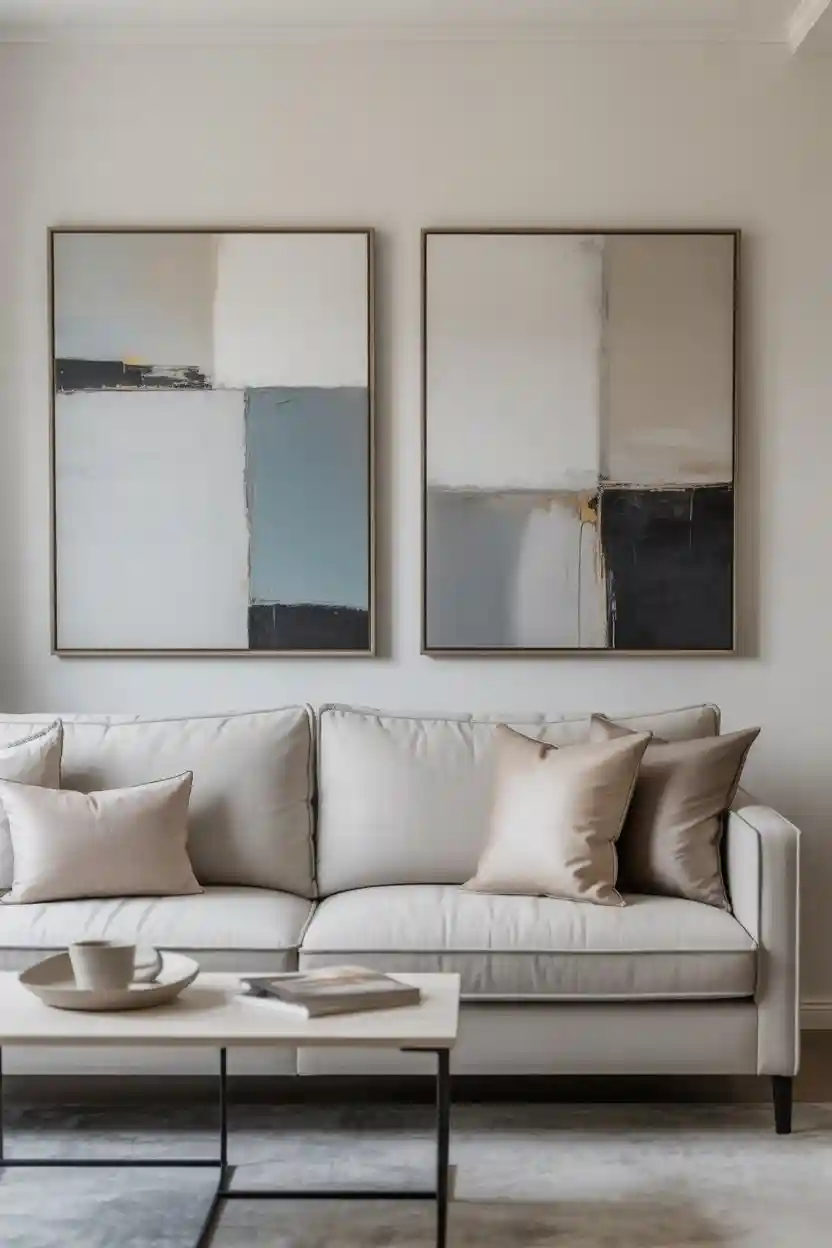
4. Add Minimalist Wall Art in Muted Tones
One large abstract in clay, sand, and charcoal does more than a gallery wall of small prints. Keep frames thin and consistent — oak or matte black — and hang the center at 57 inches. In a neutral room, the art is allowed to be the loudest thing, which isn’t very loud.
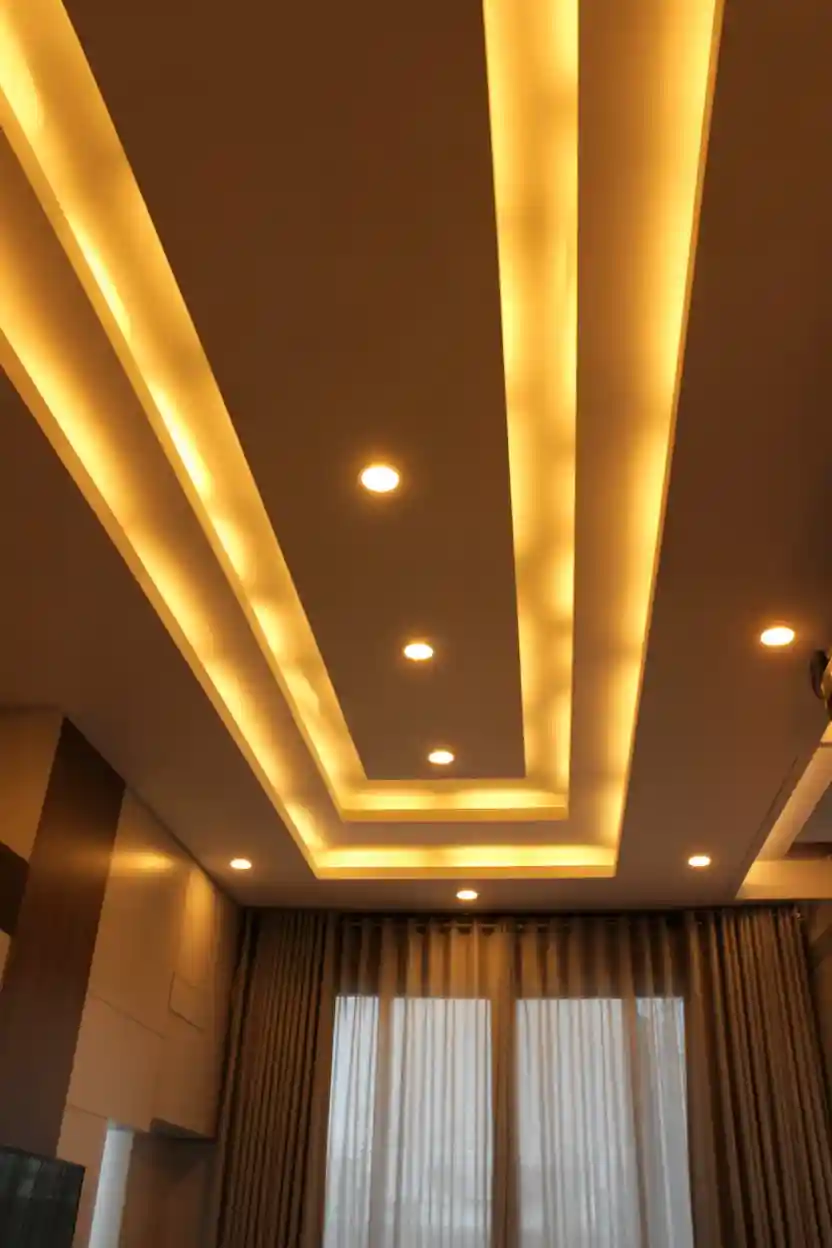
5. Incorporate a False Ceiling Design with Indirect Lighting
A simple cove or tray ceiling with warm LED strips (2700K) washes the ceiling in soft light and eliminates the single harsh overhead. It’s a bigger project — budget $500–$1,500 installed — but it changes the room’s evening mood more than any furniture swap.
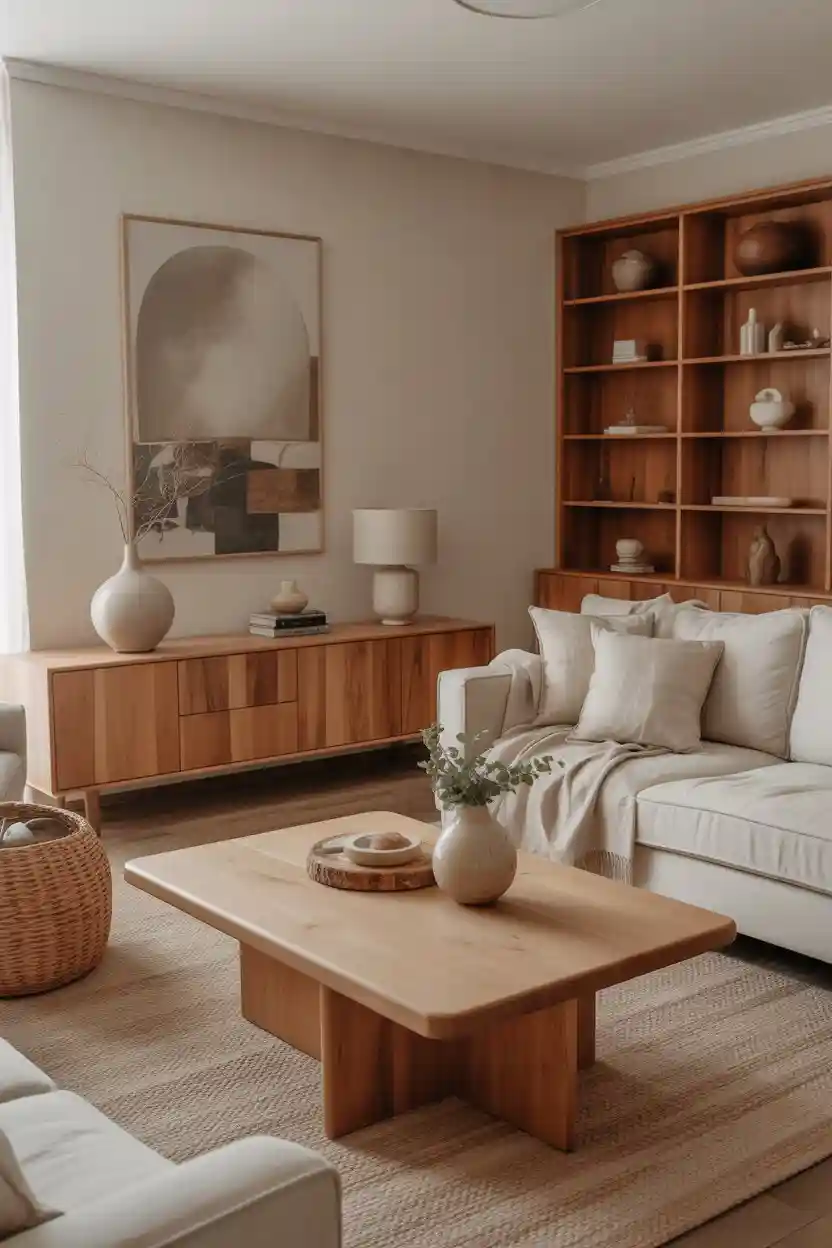
6. Use Natural Wood Furniture for Balance and Warmth
One substantial wood piece — a coffee table, a sideboard — stops a neutral room from feeling like a fabric store. Oak and walnut both work; the grain is the decoration. Keep other woods within the same tone family so they harmonize instead of competing.
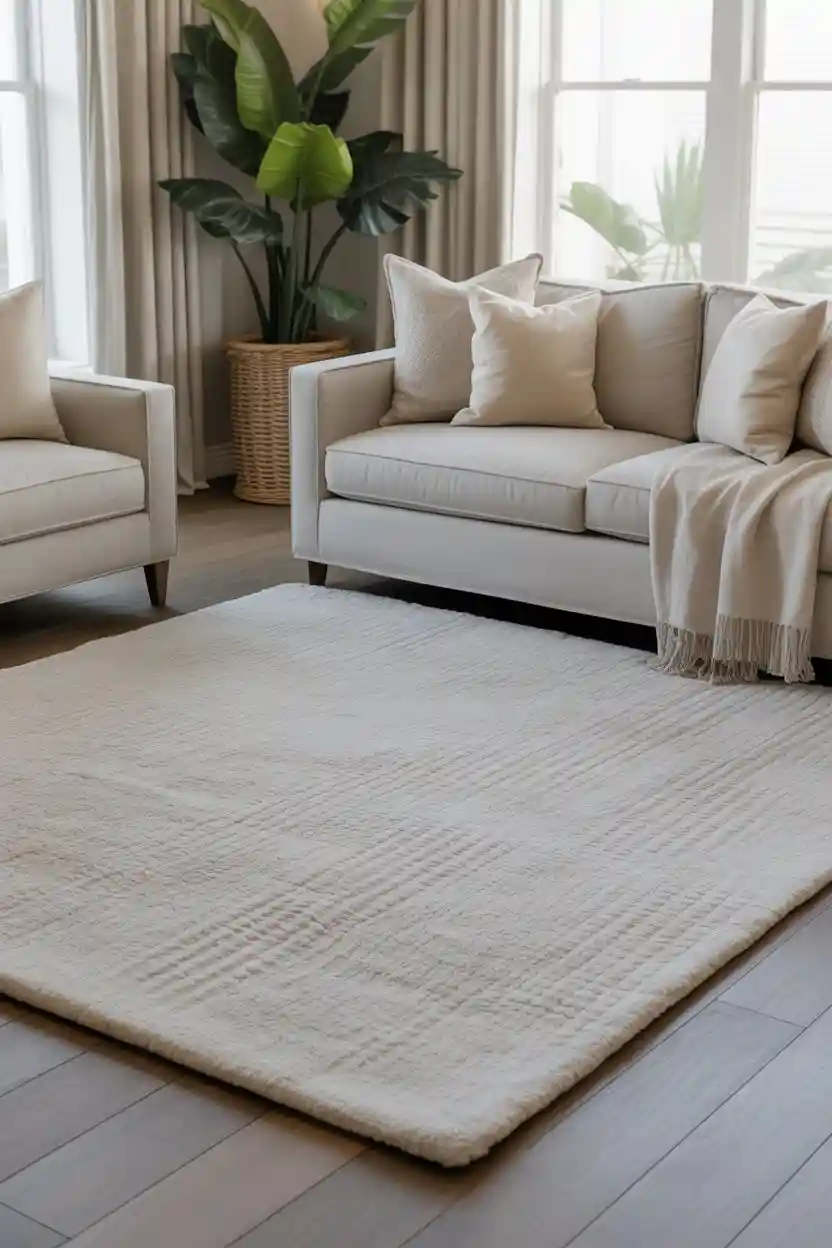
7. Select Light-Colored Rugs to Define Spaces
A cream or soft-gray 8×10 rug under the seating group defines the zone and bounces light upward. Low-pile or flatweave in a light color shows less dirt than you’d fear, and it’s far easier to clean than a dark rug that shows every crumb.
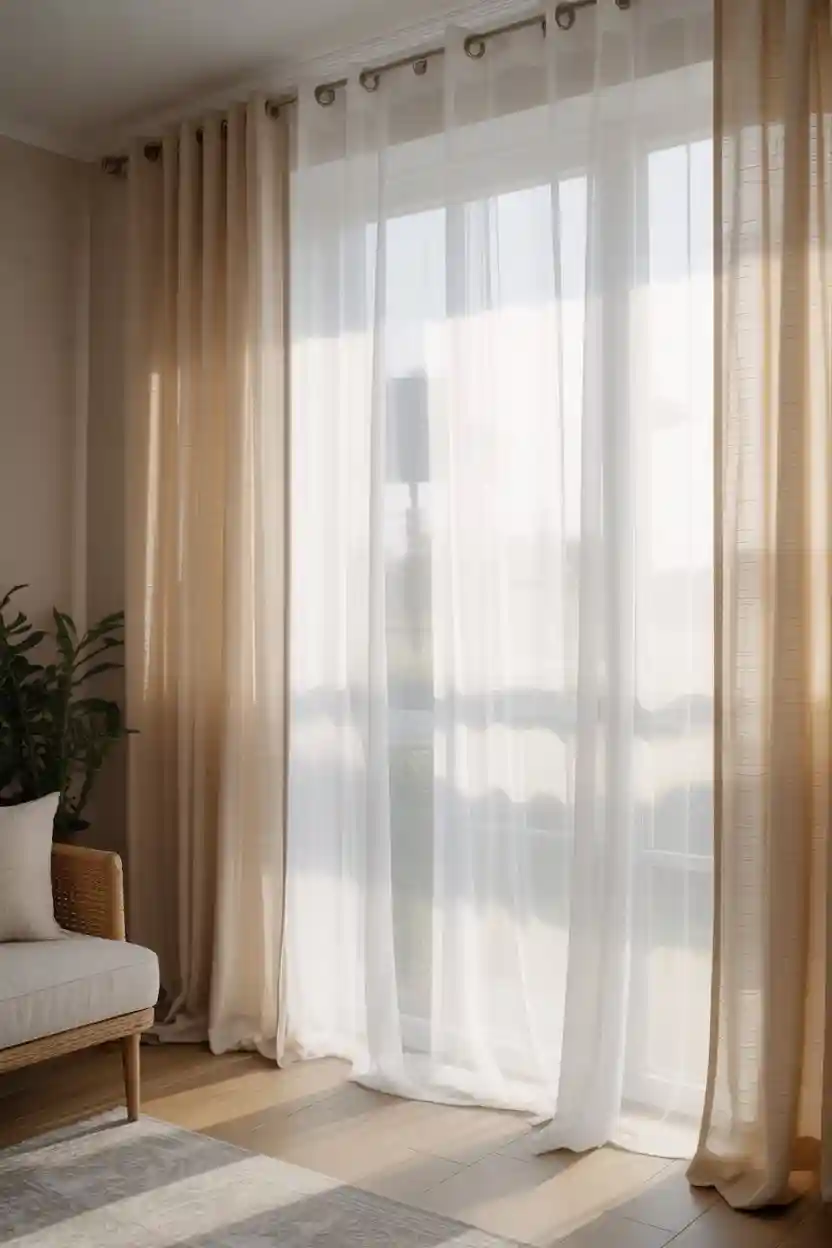
8. Keep Curtains Sheer and Neutral for Airiness
Sheer linen panels in white or oatmeal filter harsh sun into a soft glow while keeping the view. Hang them high and wide — 4–6 inches above the frame, extending past the sides — so the window looks larger and the sheers never block the glass.
9. Introduce Greenery with Simple Potted Plants
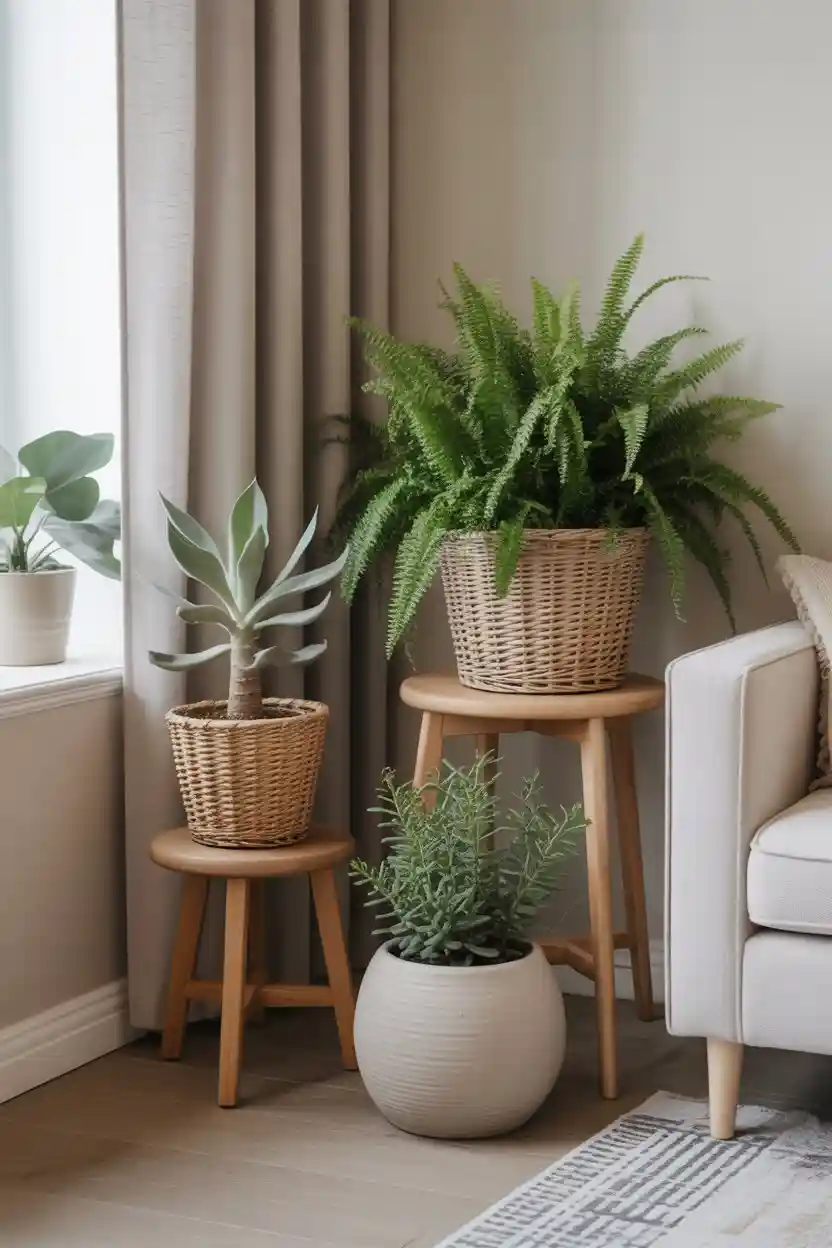
Green is the one color that never breaks a neutral palette. An olive tree in a corner, a pothos trailing from a shelf, a snake plant beside the sofa — three plants at three heights for under $80. Stick to simple ceramic or woven pots in neutral tones.
10. Choose Coffee Table Decor in Natural Materials
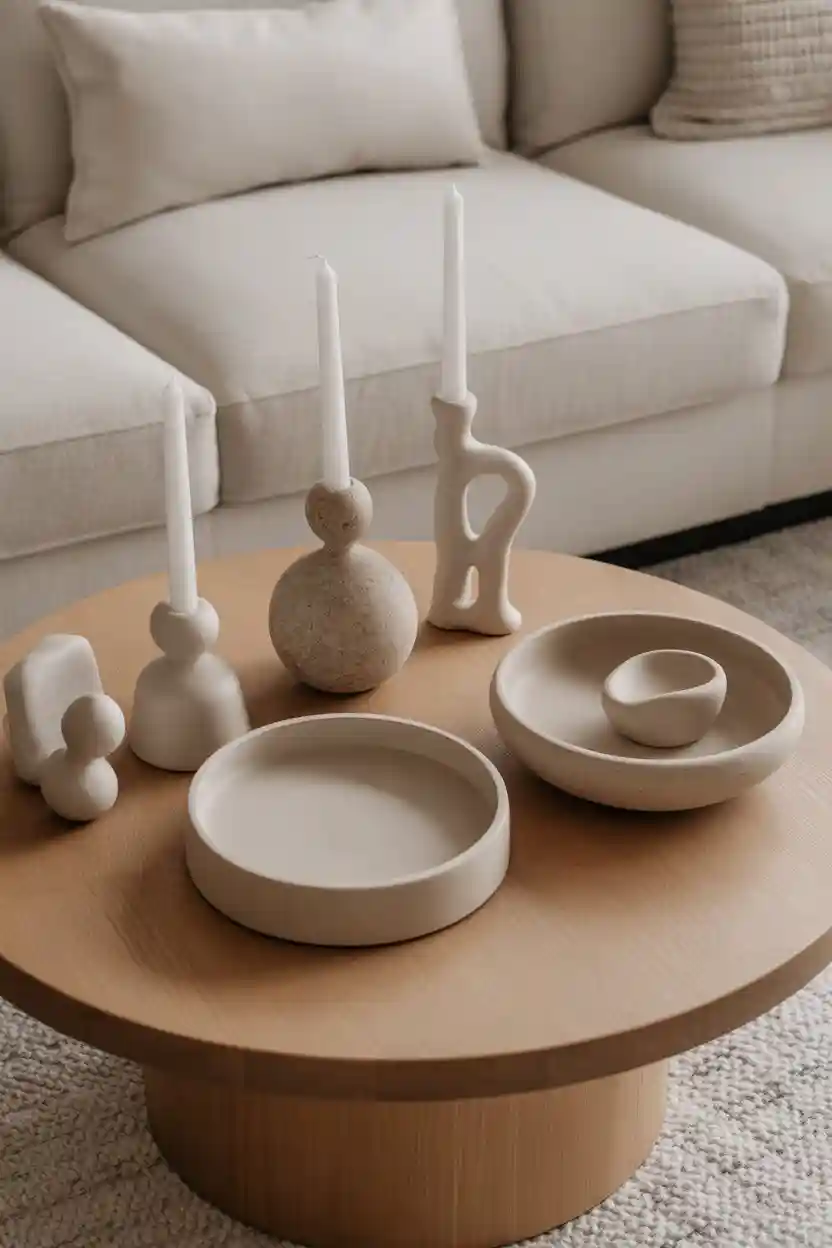
Stone, travertine, ceramic, wood — a bowl, a small stack of books, one candle. The three-object rule keeps the table styled but usable: remove one thing and it looks bare, add one and it’s cluttered. Muted tones only; this is not the place for a color pop.
11. Use Wall Panels with Subtle Patterns or Textures
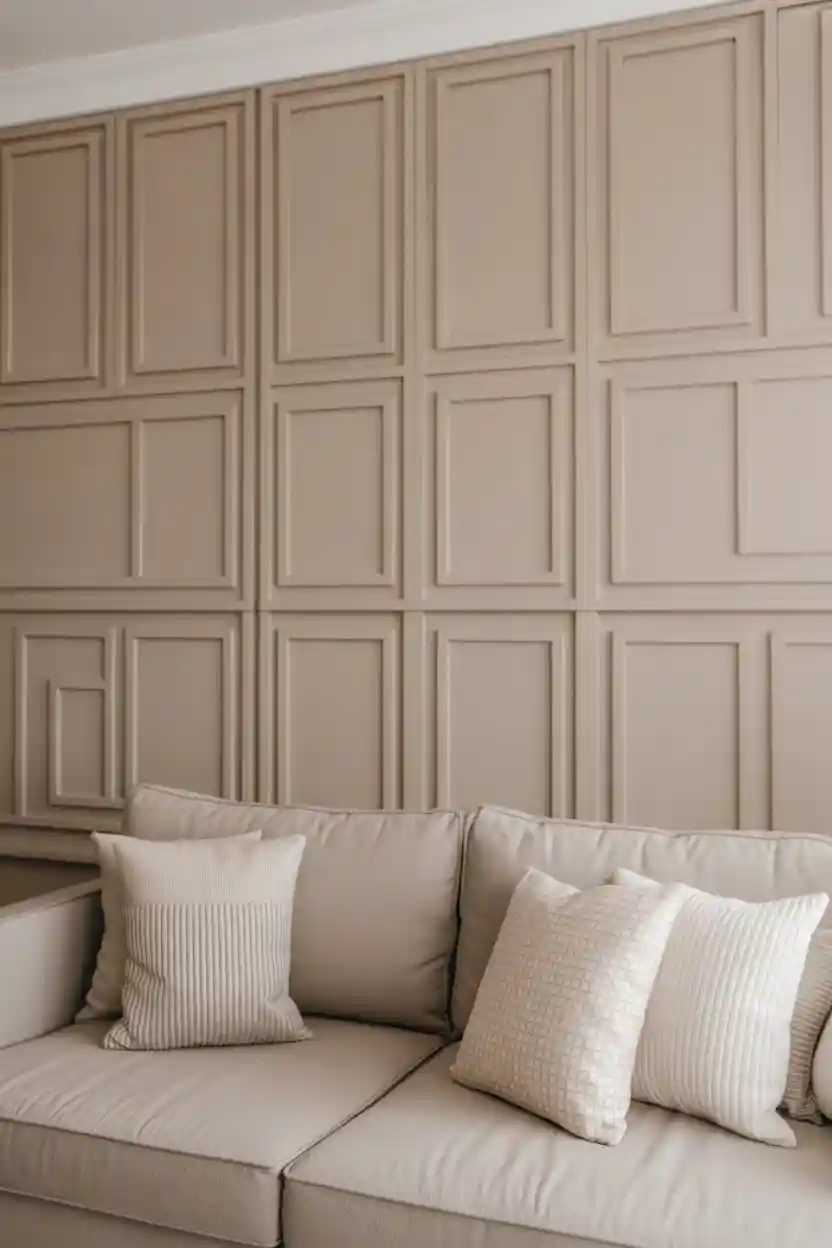
Fluted wood panels or limewash plaster on one wall add shadow and depth that paint can’t. A slat wall behind the sofa, in a tone close to the wall color, creates a focal point you feel more than see. It also noticeably softens echo in rooms with hard floors.
12. Incorporate Lounge Chairs in Muted Tones
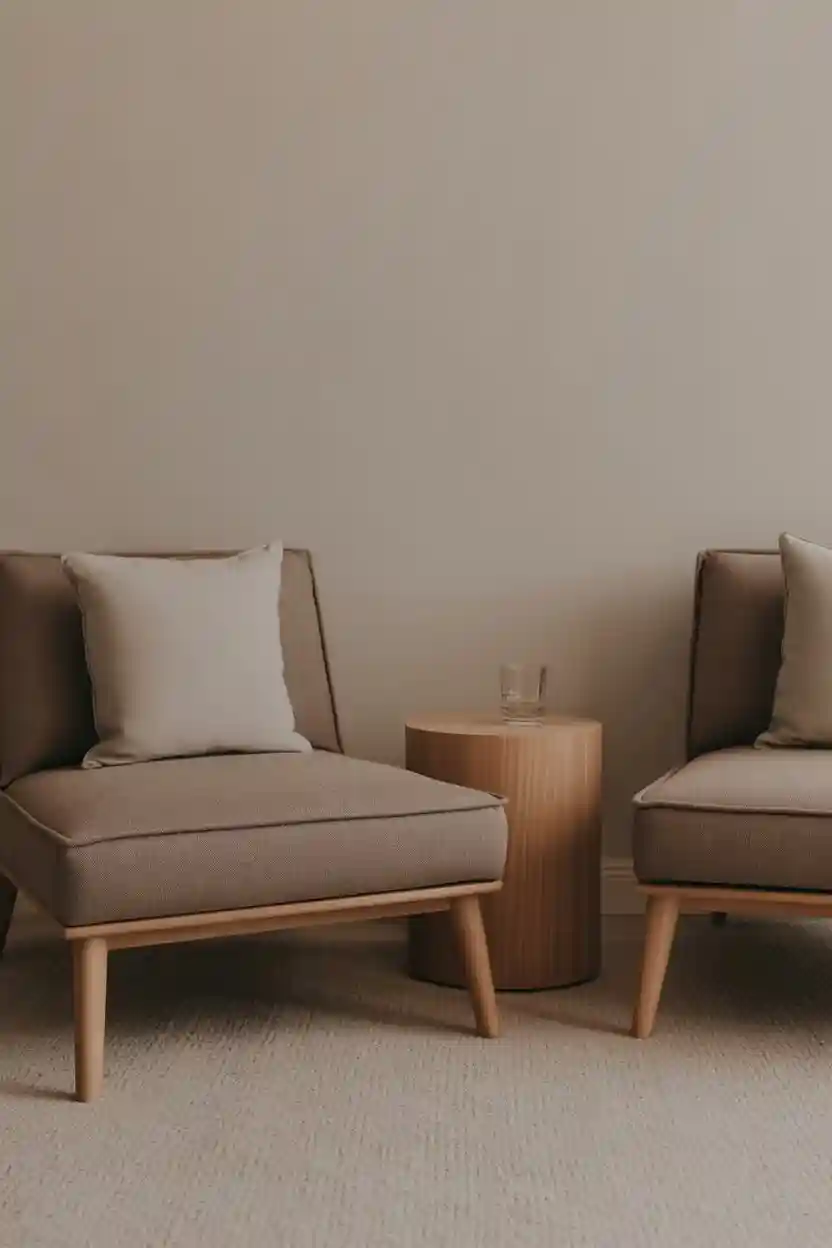
A pair of lounge chairs in bouclé or performance linen, in taupe or oatmeal, gives the room a second seating zone without visual weight. Keep the profile low and the legs visible — a chair you can see under reads lighter than its actual size.
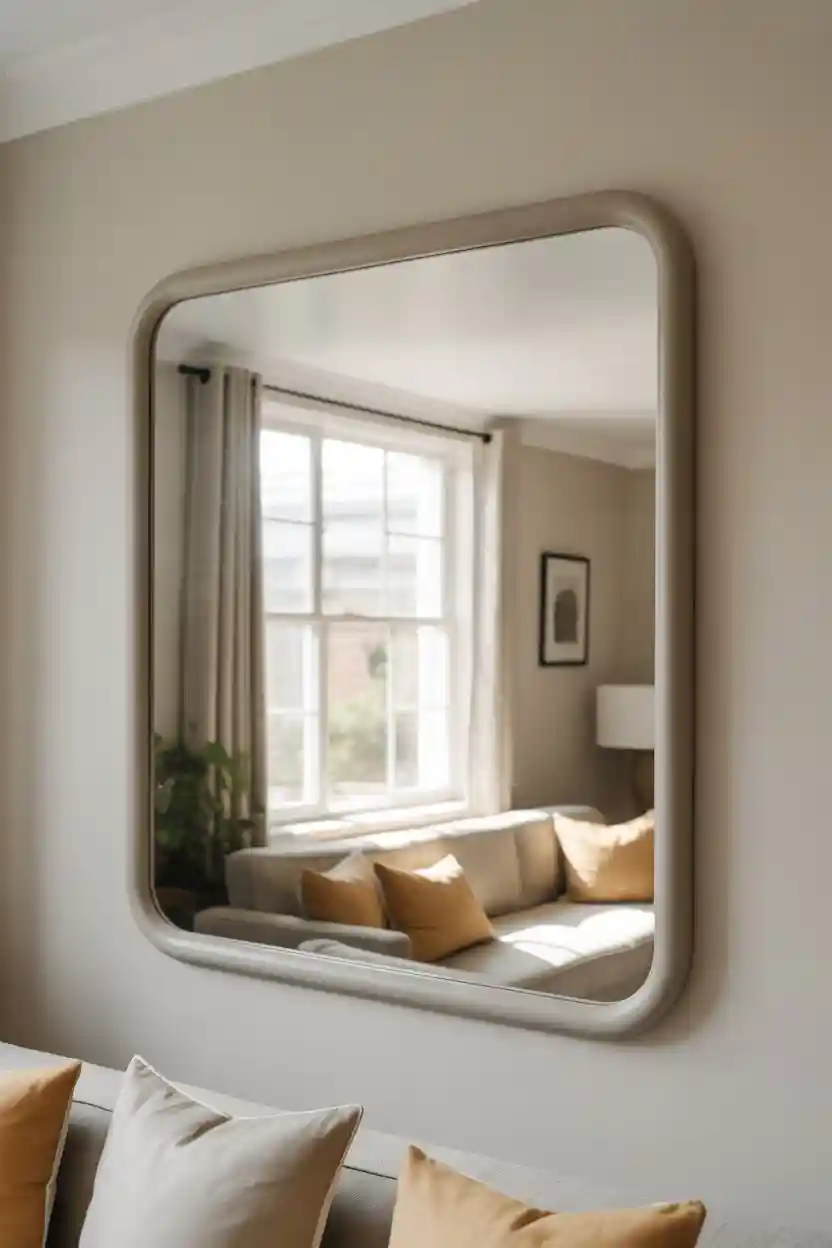
13. Add Wall Mirrors to Reflect Light and Space
A large mirror opposite the window doubles the daylight and the view — the cheapest square footage you’ll ever add. Choose a thin matte frame (or frameless) so the mirror disappears into the wall. Lean it for a relaxed feel, hang it for a tailored one.
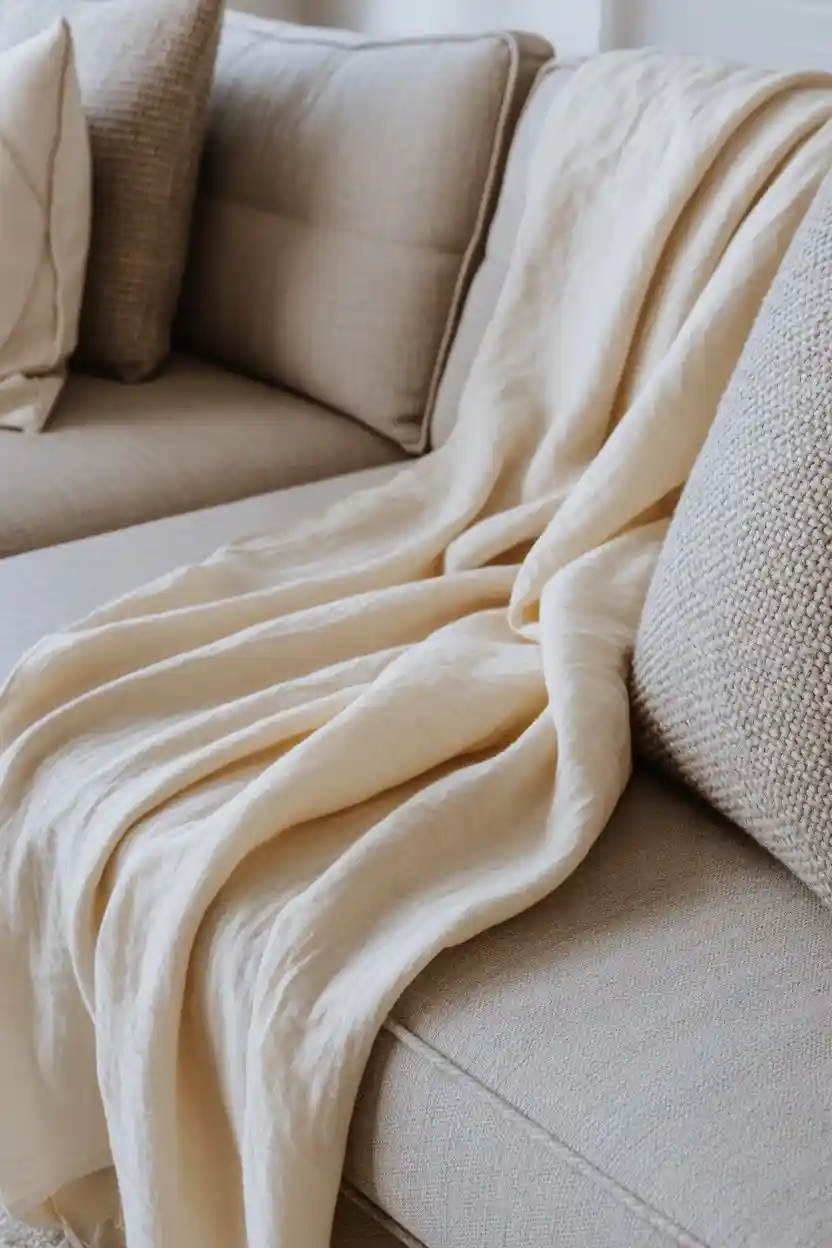
14. Use Decorative Throws in Soft, Natural Fabrics
A wool throw in undyed cream or a washed-linen one in flax, folded over the sofa arm — texture you can touch is what makes neutrals feel luxurious rather than bland. One good throw beats three cheap ones; natural fibers age better and wash well.
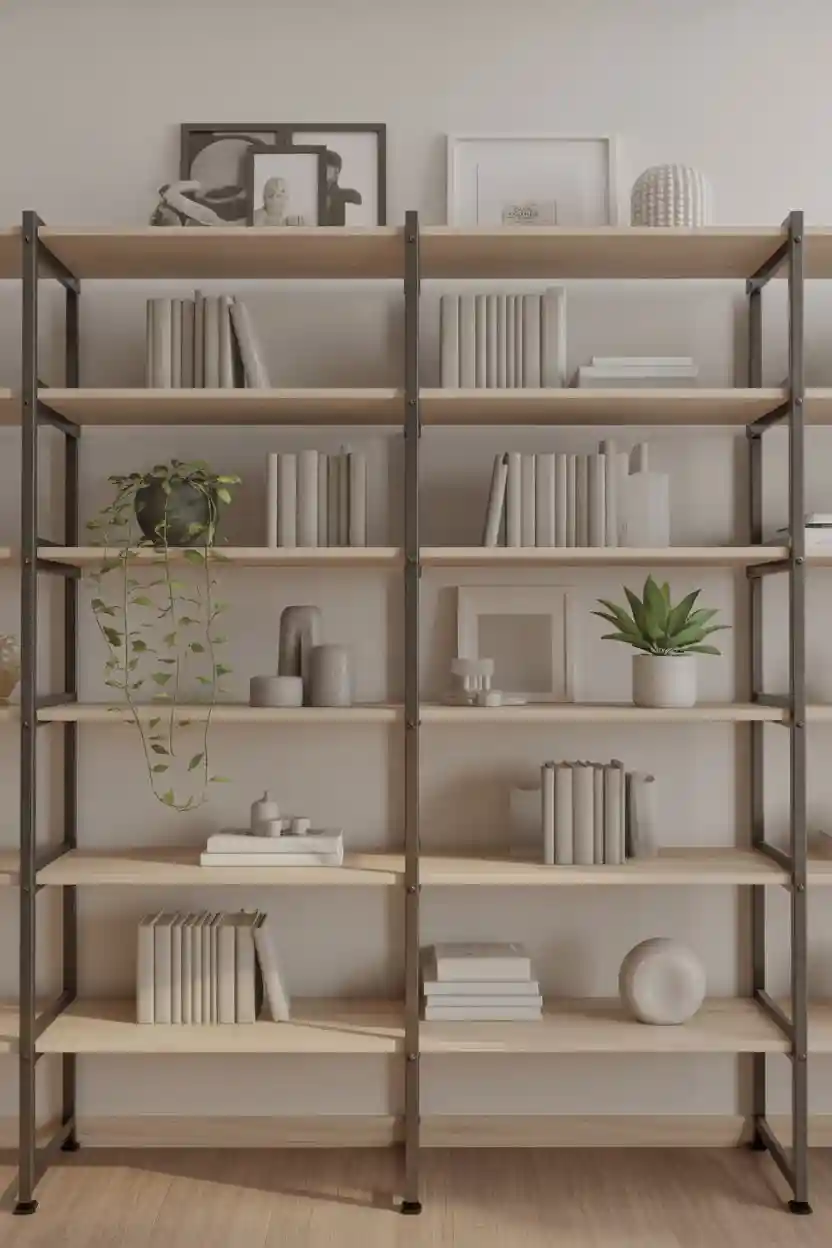
15. Opt for Minimalist Shelving with Natural Finishes
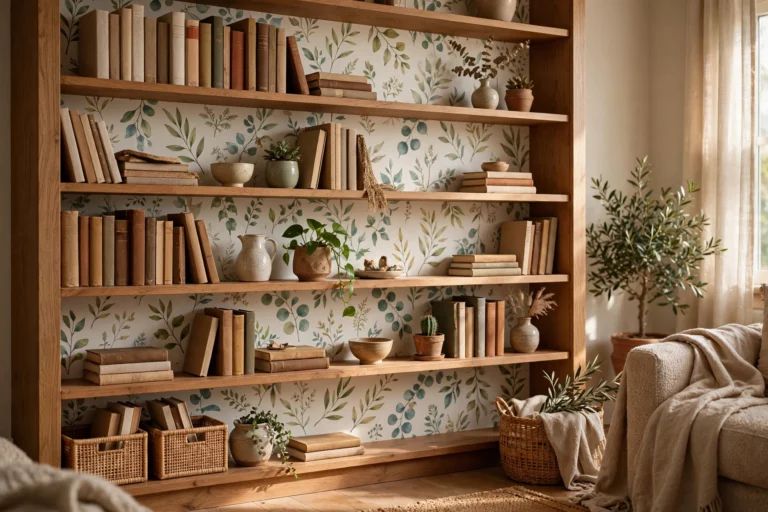
Two floating oak shelves hold books, a plant, and three or four objects — that’s the whole inventory. Style with breathing room between items; a shelf at 60% full looks curated, at 100% it looks like storage. Baskets in seagrass hide the practical stuff.
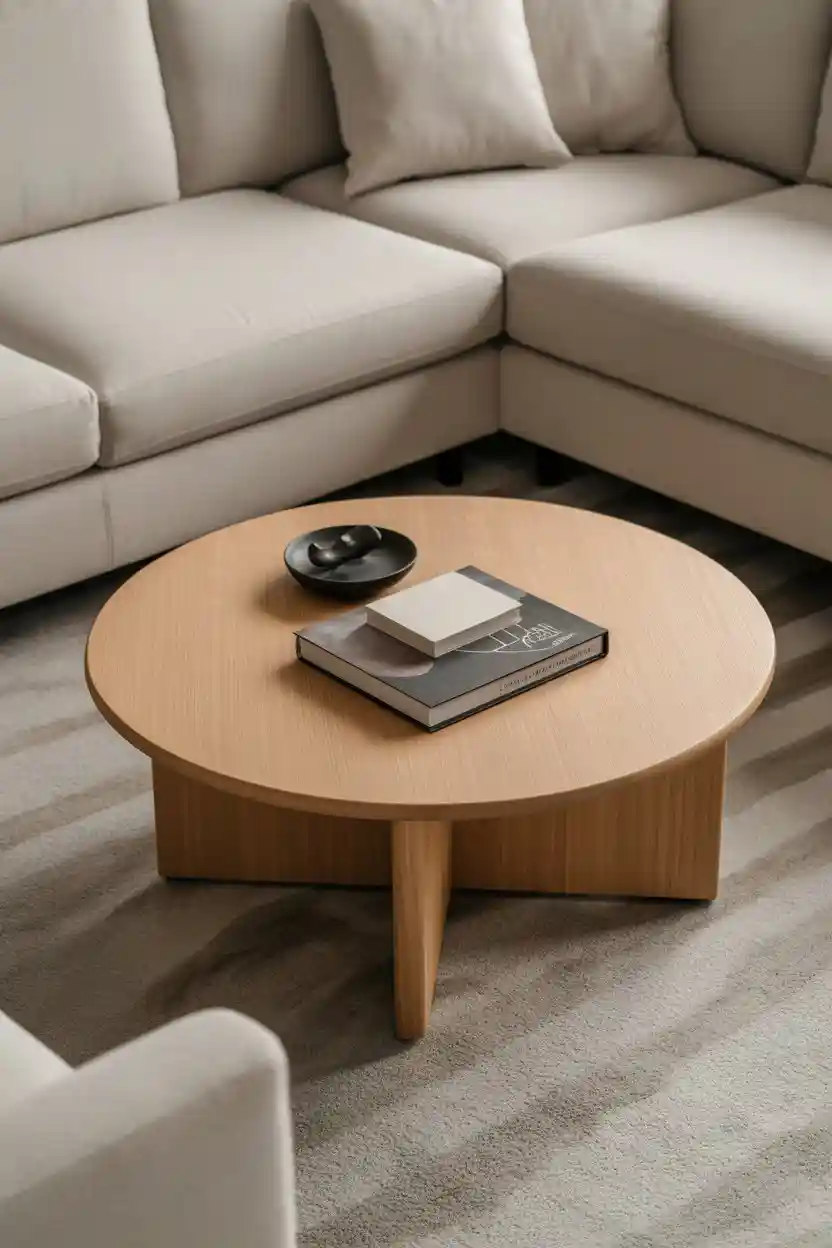
16. Select Coffee Tables with Simple, Clean Lines
A light oak rectangle, a travertine block, or a glass top on a simple base — the coffee table should be felt more than noticed. Keep it 16–18 inches high (about an inch below the sofa seat) and leave two-thirds of the surface clear.
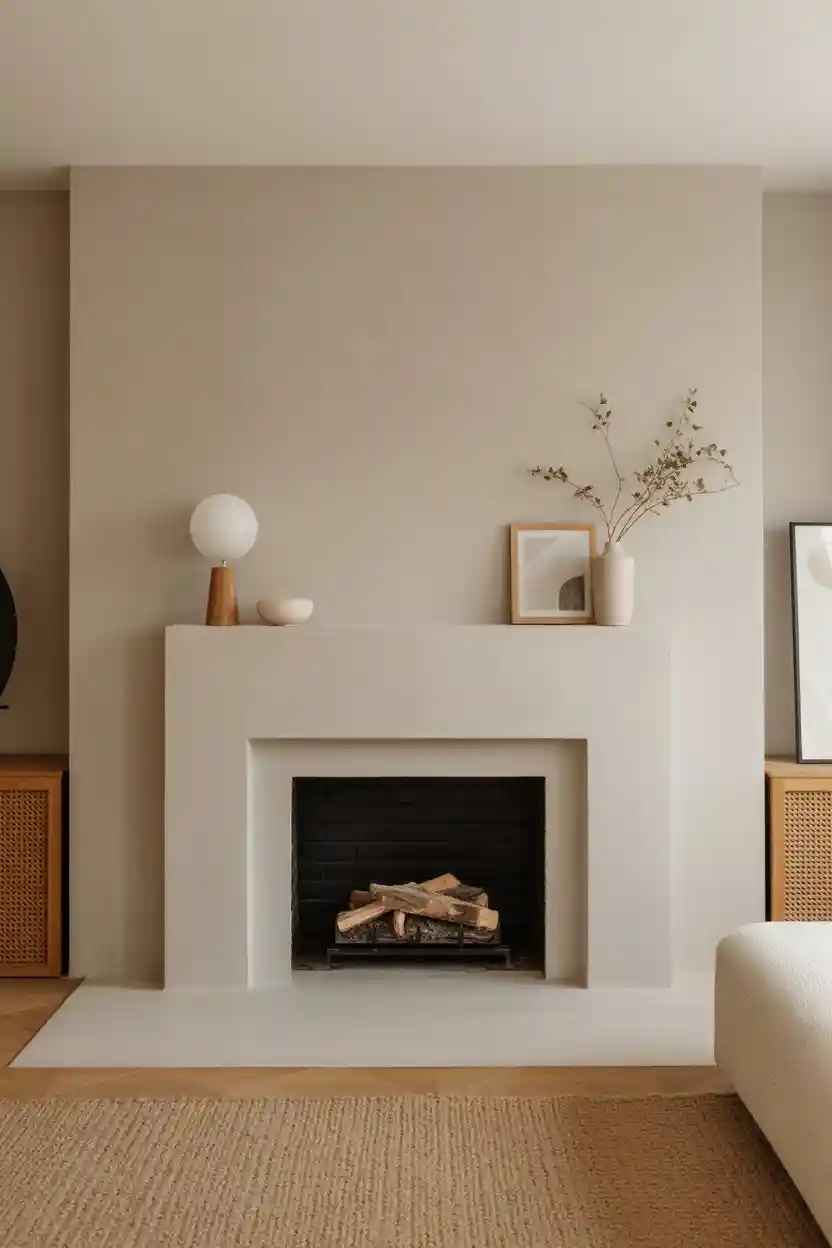
17. Incorporate Fireplaces with Subtle Surrounds
A plaster or microcement surround in the wall color makes the fireplace part of the architecture instead of a competing feature. No ornate mantel needed — a simple floating shelf above it holds art or a mirror, and the fire itself provides the drama.
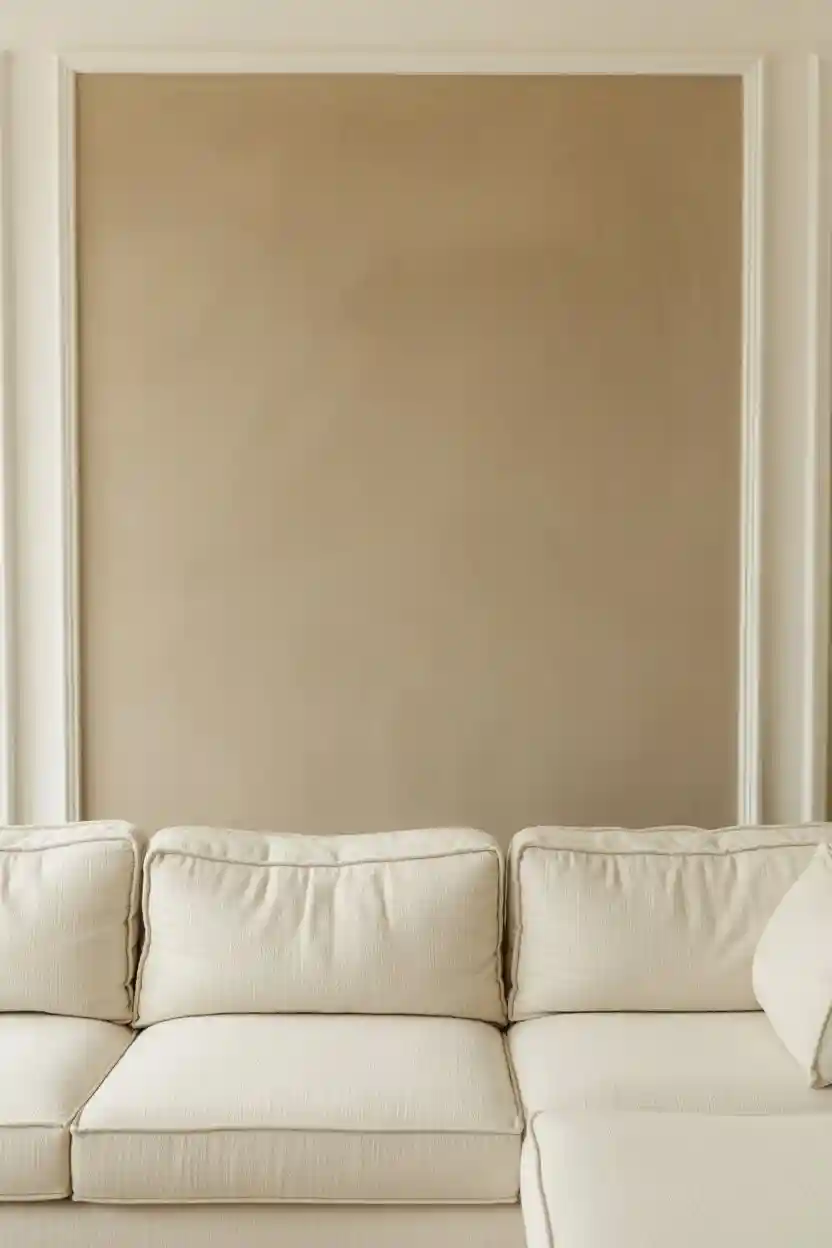
18. Use Accent Walls in Soft Neutral Shades
Paint one wall a half-shade deeper — warm taupe against beige, greige against light gray. The shift is subtle enough to keep the calm but strong enough to give the room direction. Matte finish keeps it soft; anything glossier will show every roller mark.
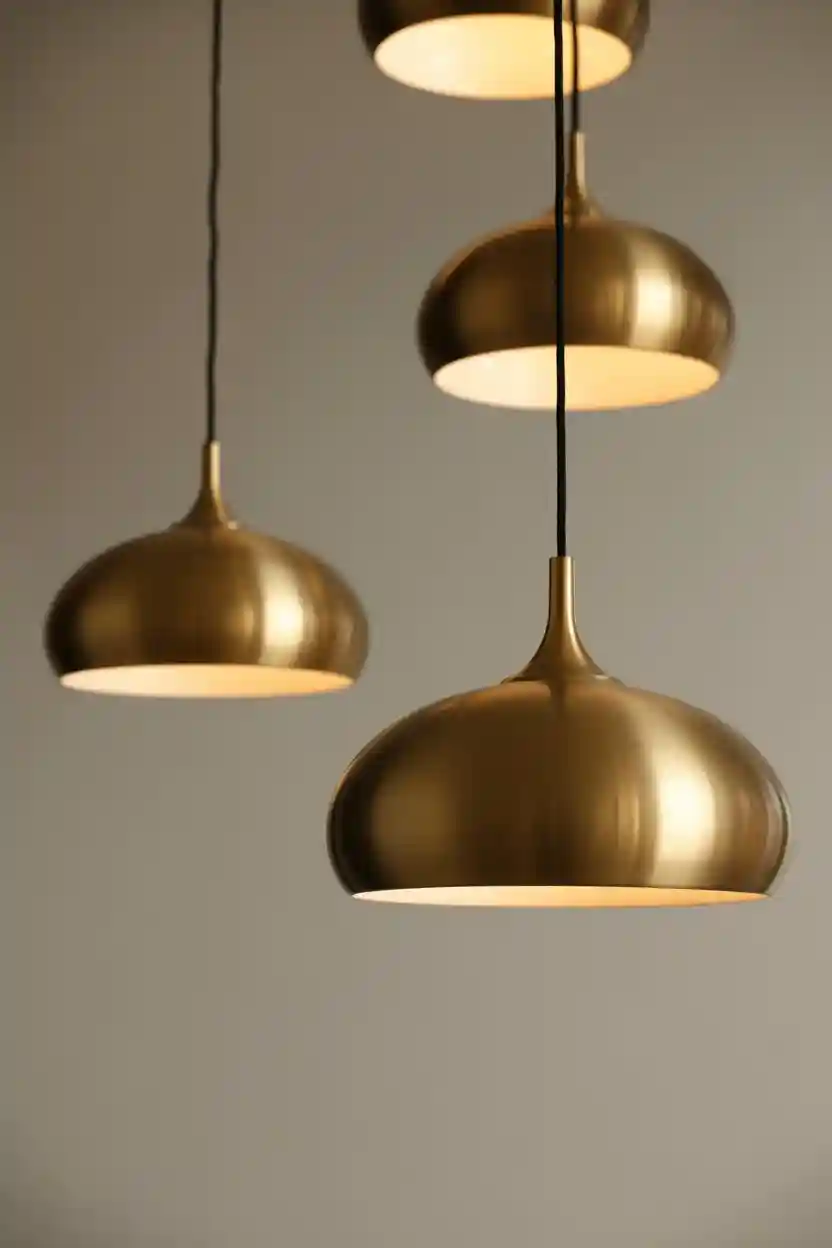
19. Choose Lighting Fixtures with Warm Metal Finishes
Brass, brushed bronze, or matte gold fixtures add the jewelry a neutral room needs. Pendant lights, arc floor lamps, or simple sconces in warm metal catch the light without shouting. minimalist living room designs — the metal should glint, not dominate. Keep all metals in the room to one family for cohesion.
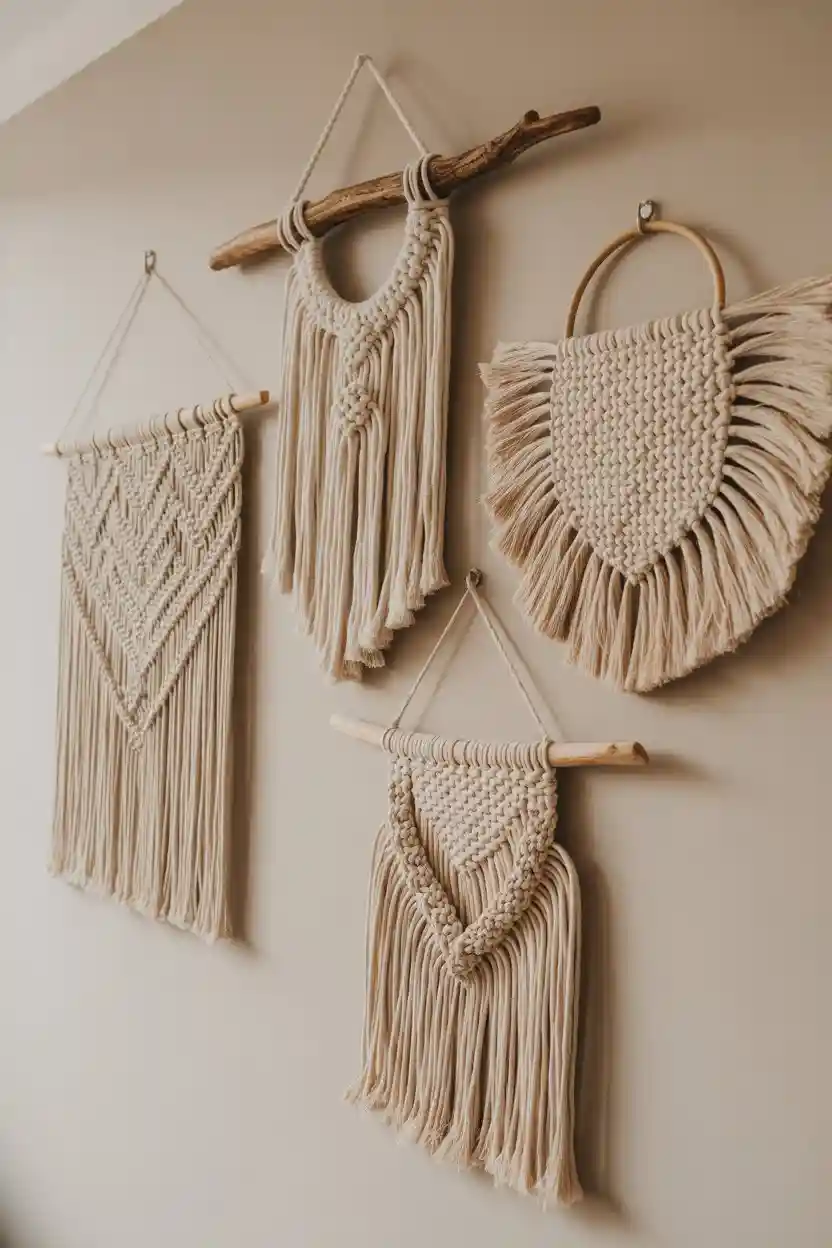
20. Incorporate Wall Hangings or Textiles for Softness
A large woven wall hanging or a simple linen tapestry softens a bare wall and absorbs sound — noticeable in rooms with hard floors and little upholstery. Natural fibers in undyed tones keep it quiet; let the weave be the pattern.
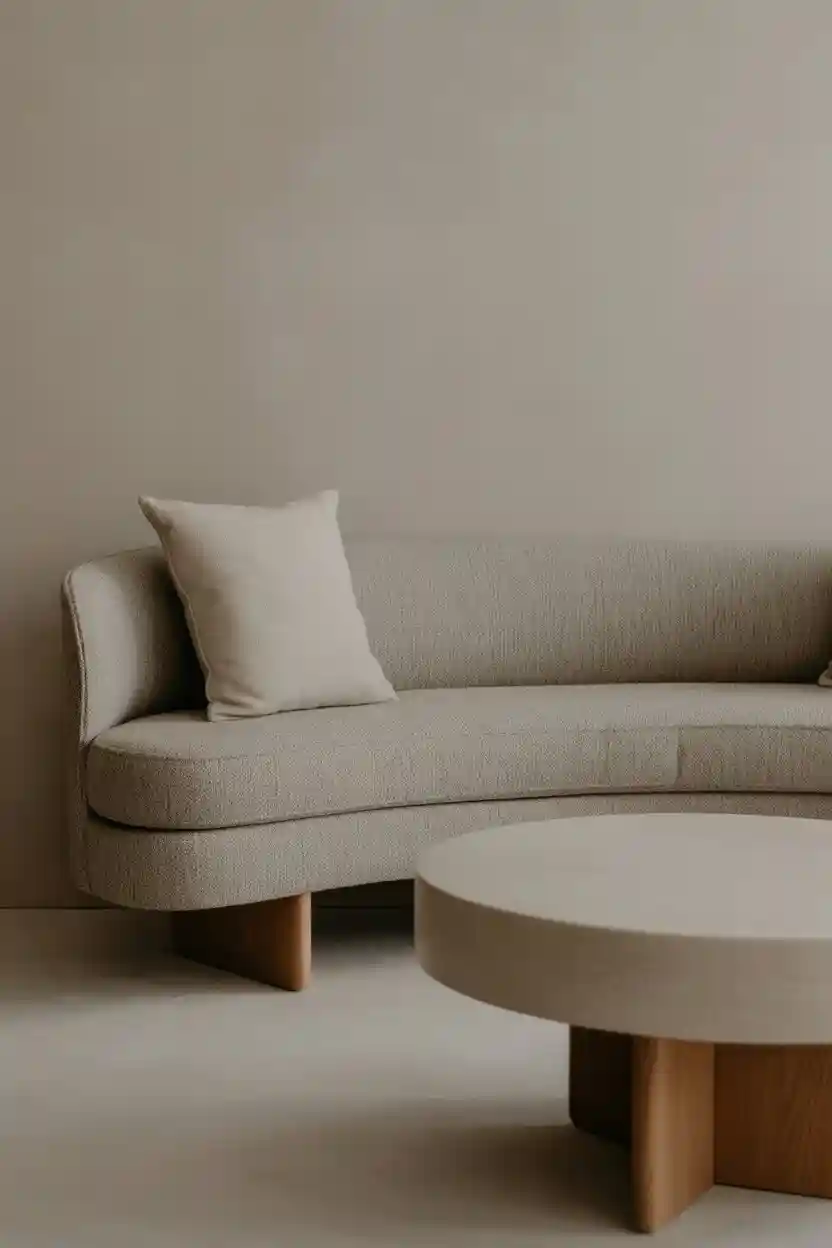
21. Use Rounded Furniture for a Softer Look
Round coffee tables, curved-back chairs, a circular pouf — curves relax a room full of rectangles. You don’t need much: one or two rounded pieces change the whole feel from architectural to inviting.
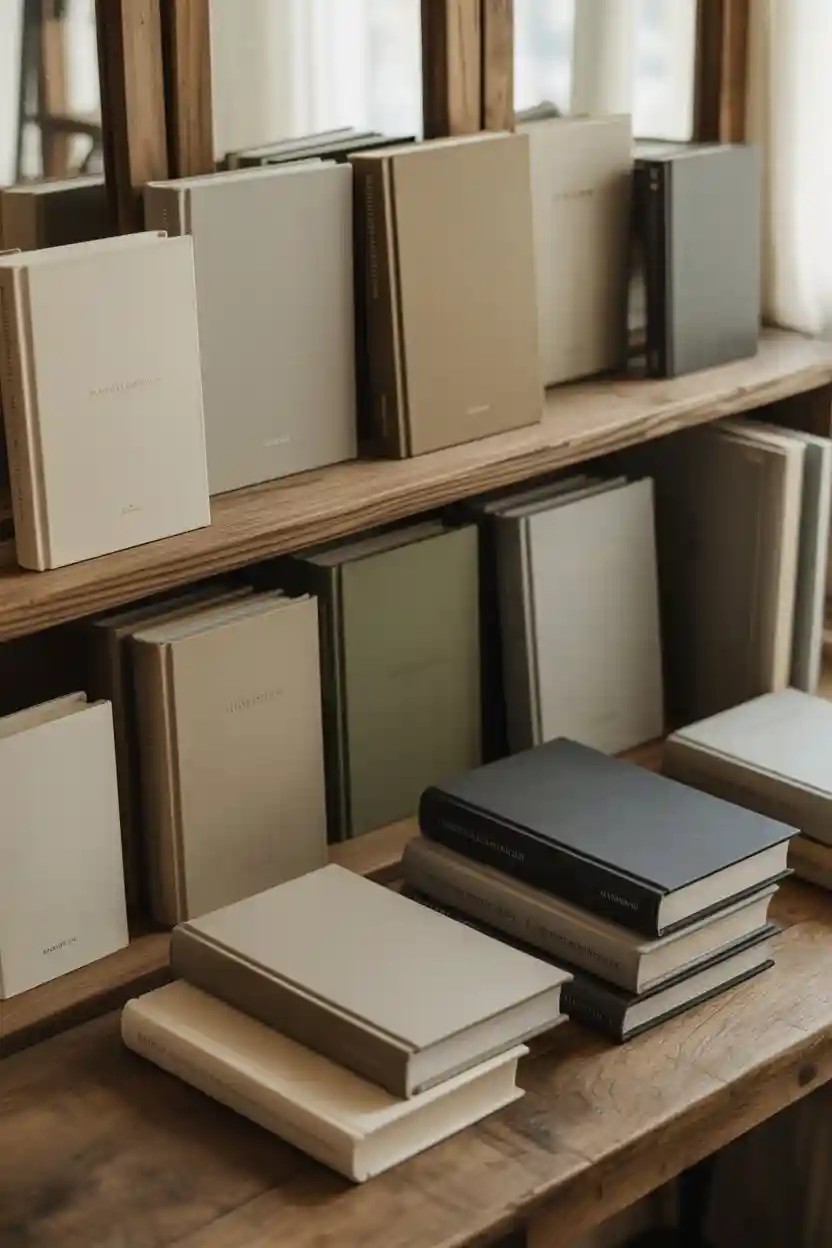
22. Display Books with Neutral or Earthy Covers
Turn the loudest book spines to the wall and group the rest by tone — creams, tans, charcoals. It sounds fussy, but a shelf of clashing neon spines is the fastest way to wreck a calm room. Keep the books you actually reach for accessible; the rest can live elsewhere.
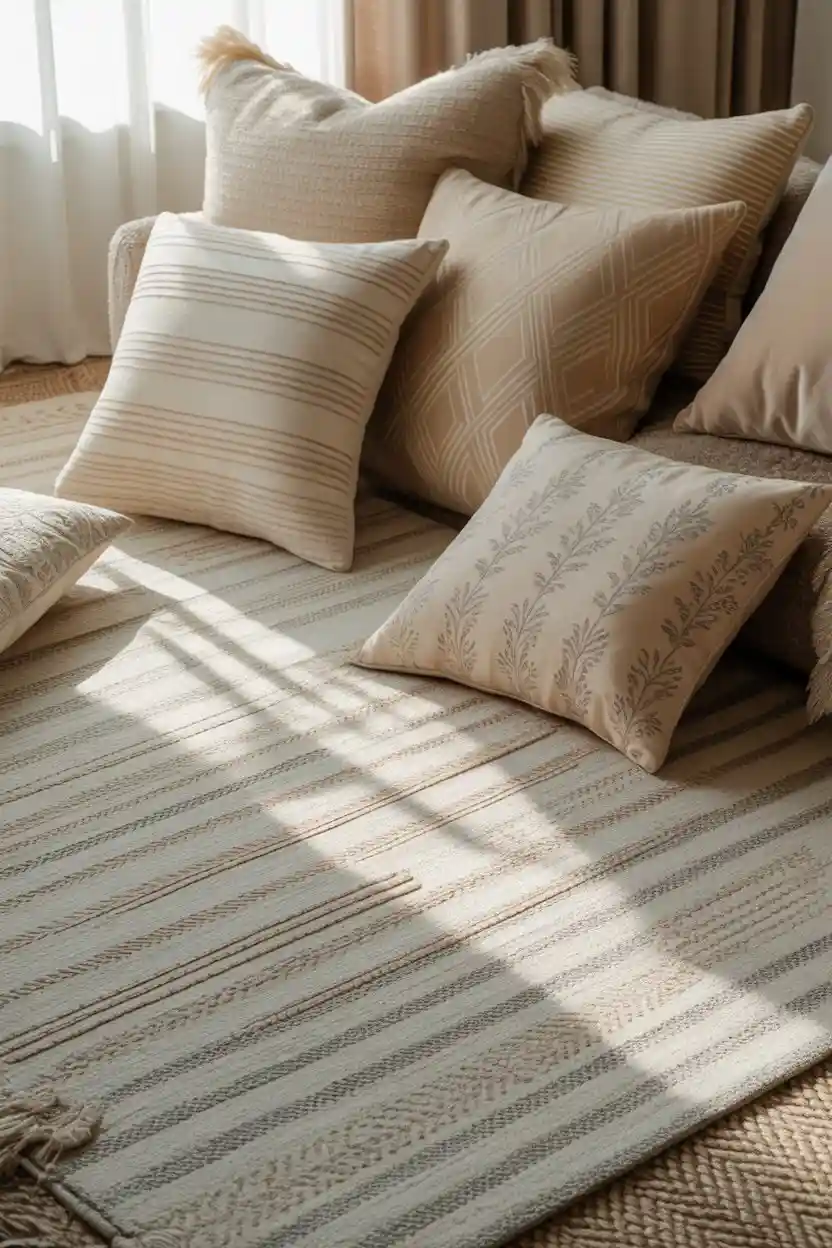
23. Add Subtle Patterns Through Pillows and Rugs
Tone-on-tone patterns — a cream rug with a slightly darker cream border, pillows in the same beige with different weaves — add movement without adding color. The rule: you should have to look twice to see the pattern. If it’s obvious from the doorway, it’s too strong.
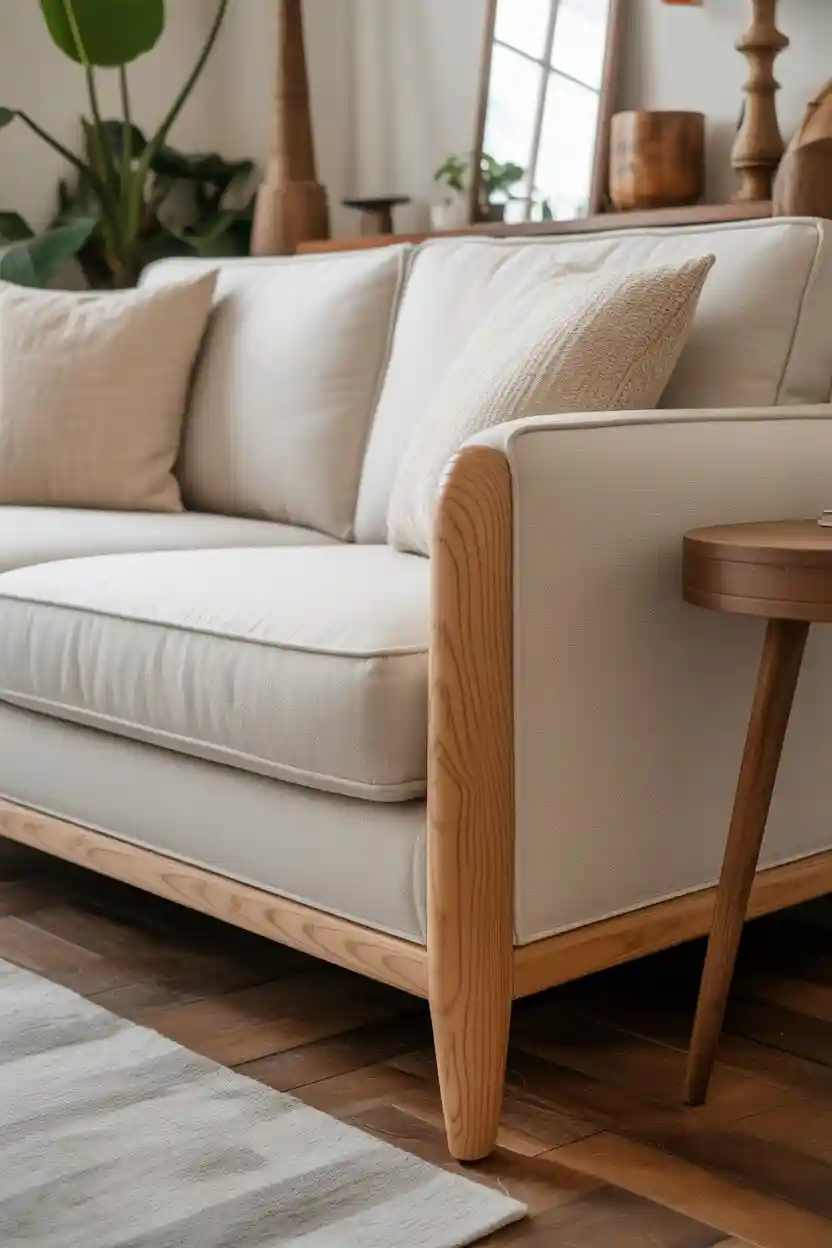
24. Select Furniture with Natural Wood Legs or Accents
Tapered oak legs on a sofa, a walnut tray on the ottoman, wooden handles on the sideboard — small wood touches repeated three or four times tie the room together. It’s the detail that makes separate purchases look like a plan.
25. Incorporate Subdued Metallic Decor for Shine
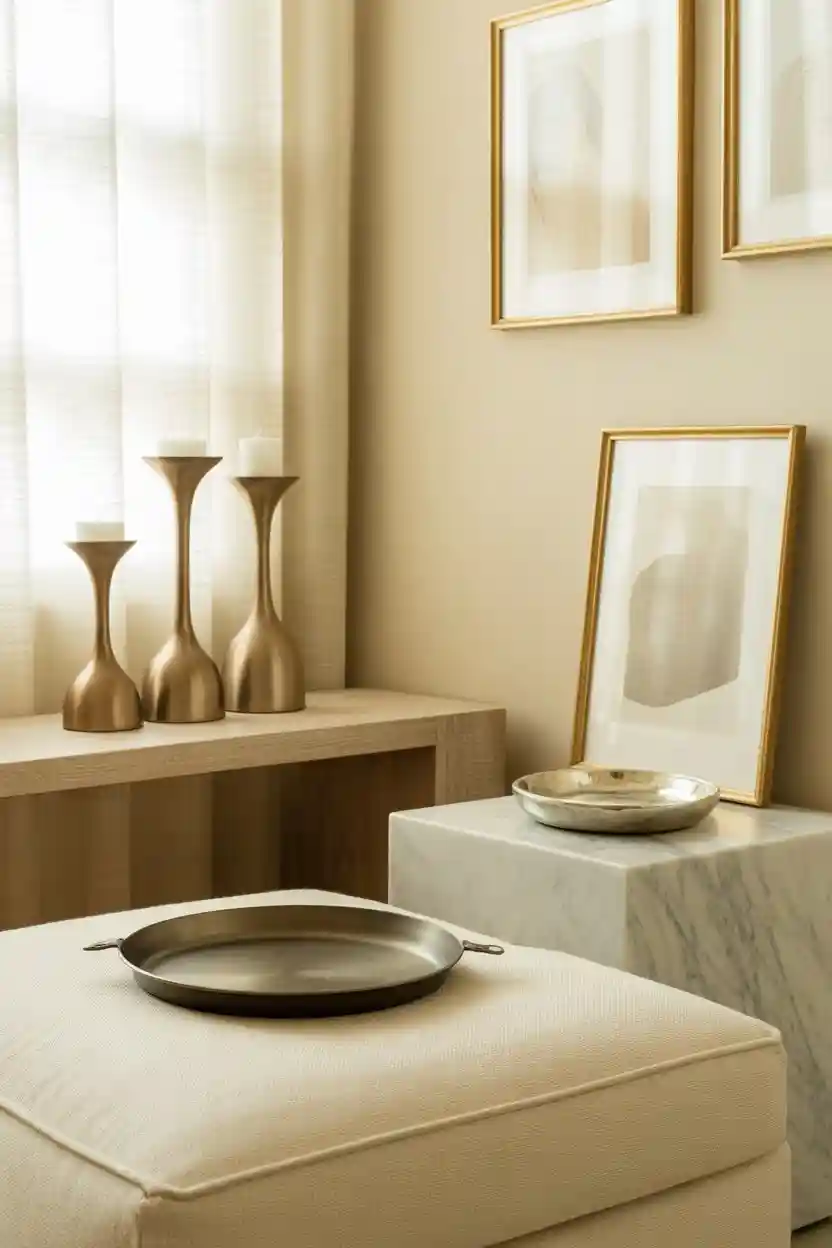
Brushed nickel frames, a matte bronze tray, candle holders in aged brass — one metallic accent per surface, max. They catch lamplight and add the quiet sparkle that keeps neutrals from going flat after dark.
FAQs for Neutral Living Room