12 High-Yield Raised Bed Vegetable Garden Ideas at Home
There is something quietly magical about walking outside in the morning, still holding your coffee, and picking dinner straight from the ground. I remember the first summer I tried a raised bed, I was genuinely shocked by how much food came out of such a small space. It felt like the garden was finally working with me instead of against me, and I never went back to growing in the ground after that.
If you have ever stared at a flat, weedy patch of yard and thought it was too much work to deal with, raised beds change that feeling completely. You control the soil, you control the drainage, and somehow the whole thing feels more manageable and even more beautiful. I have spent a few seasons now experimenting with layouts, plant combinations, and bed sizes, and I genuinely want to share what has made the biggest difference for my harvests.
These ideas are not just pretty setups for photos, they are practical, tested approaches that actually fill your kitchen. Whether you have a tiny urban backyard, a sunny suburban corner, or a bigger plot to work with, there is a raised bed idea here that will suit your space and your lifestyle. Let us get into the ones that have truly delivered the most food for the least effort. If you want even more ideas to brainstorm with, these roundups are worth browsing:
- 20 Budget Raised Bed Vegetable Garden Projects
- 30 Raised Bed Vegetable Ideas for Modern Balconies
- 25 Beginner Raised Bed Vegetable Plans
- 20 Small Raised Bed Vegetable Layouts
- 16 Raised Bed Vegetable Garden Ideas
1. The Three-Sisters Raised Bed
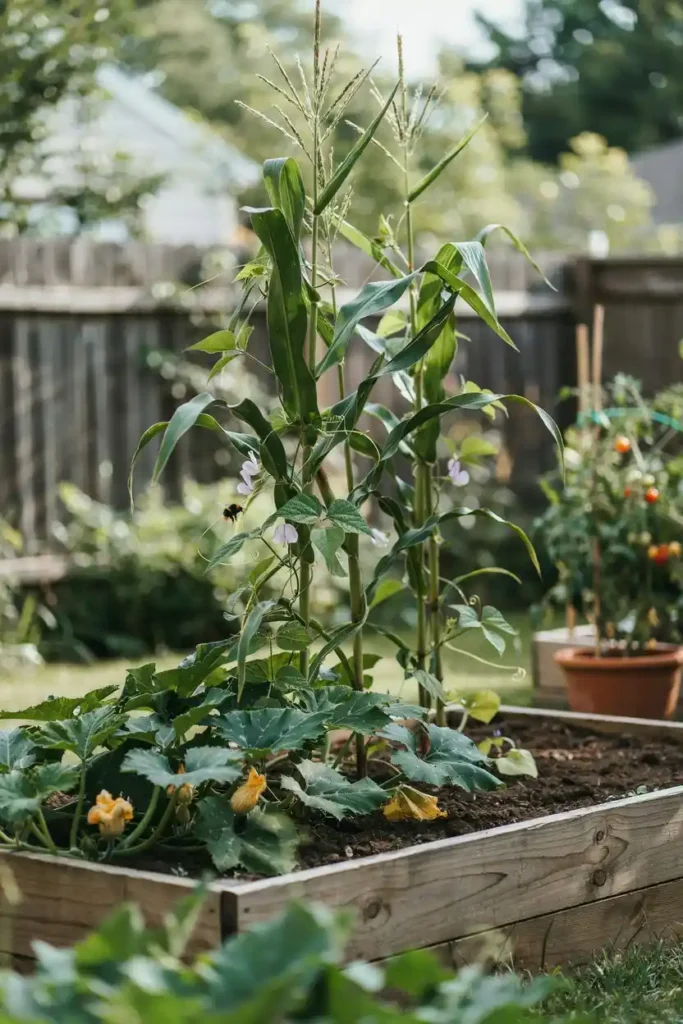
The three-sisters method is one of the oldest and most productive planting systems around, pairing corn, beans, and squash in one bed. The corn grows tall and gives the beans something to climb, the beans pull nitrogen into the soil to feed everything else, and the squash spreads wide along the bottom to shade out weeds and hold moisture. I tried this for the first time two summers ago and was amazed at how little I needed to water once the squash leaves filled in. If you have a bed that is at least four feet wide and gets full sun, this combination is worth every inch of soil.
2. Vertical Trellis Raised Bed
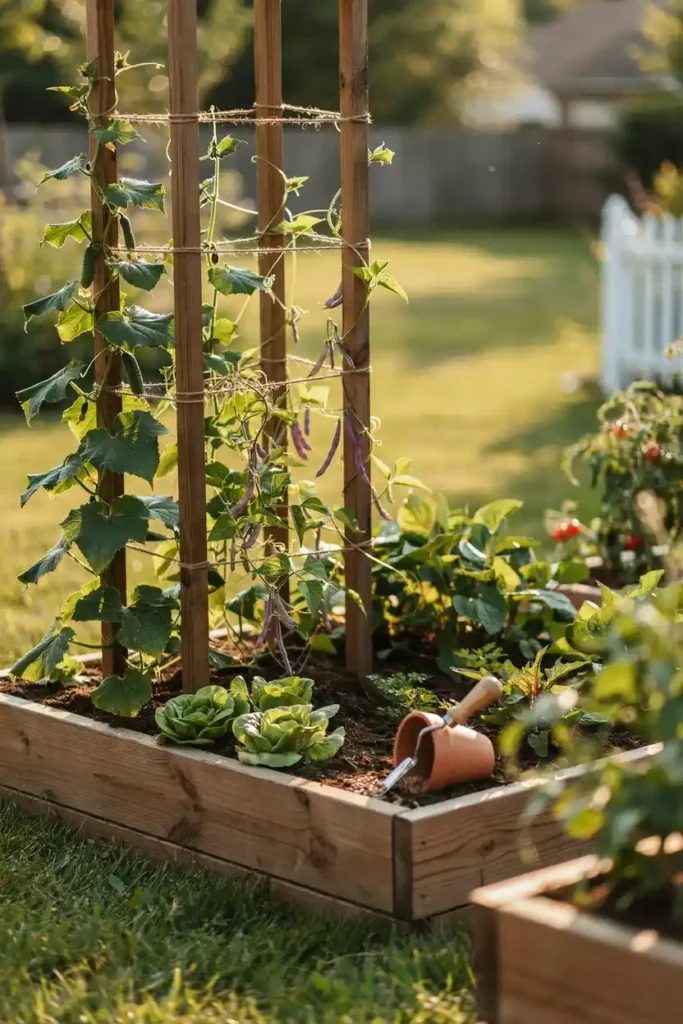
A raised bed with a built-in trellis attached to one end is one of the smartest setups you can build for a small garden space. You grow cucumbers, pole beans, peas, or even small melons upward instead of outward, which frees up the rest of the bed for lower-growing crops like lettuce or herbs. The trellis also creates a natural windbreak and a bit of afternoon shade for heat-sensitive plants. I like to position the trellis on the north side of the bed so it never blocks sunlight from the other plants during the day.
3. Keyhole Raised Bed
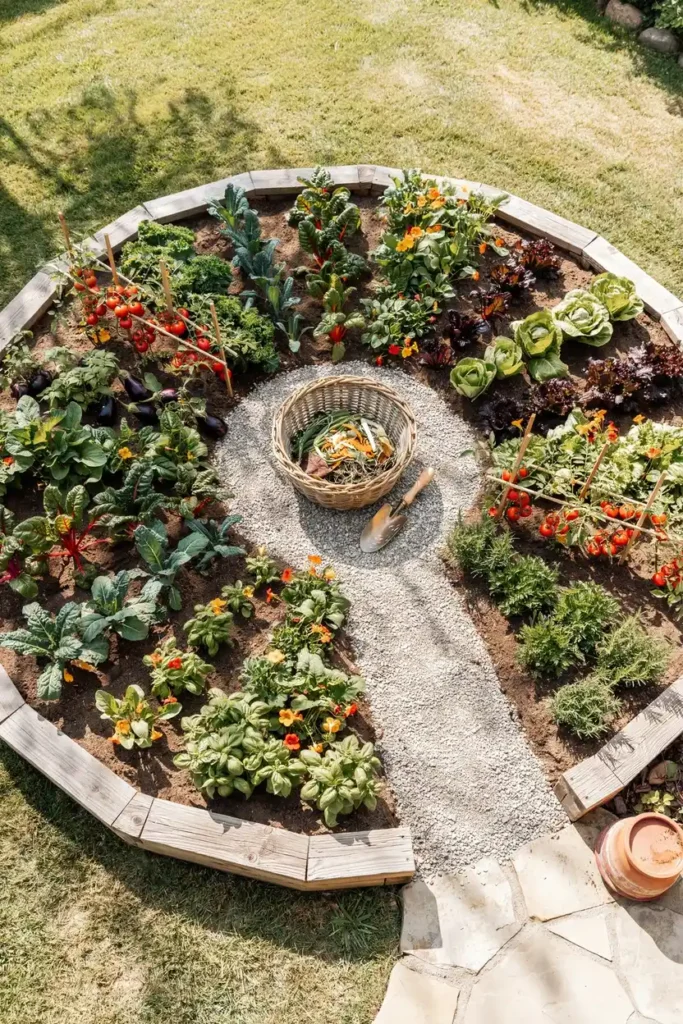
A keyhole bed is shaped like a circle with a narrow path cut into the center, which lets you reach every inch of the planting area without ever stepping on the soil. Because you never compact the ground inside, roots grow freely and plants tend to do noticeably better than in standard rectangular beds. The center of a keyhole design is also a perfect spot to tuck a small compost basket so nutrients constantly feed straight into the surrounding soil. This layout is especially wonderful for gardeners with mobility limitations or anyone who wants to maximize every square foot.
4. Stacked Tiered Raised Bed
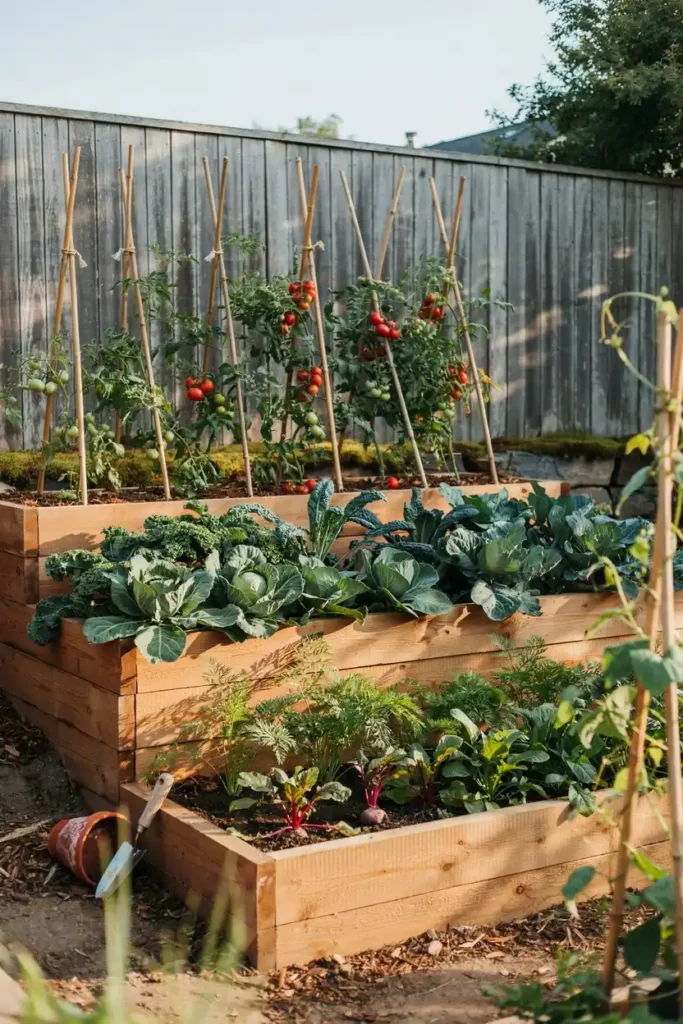
Tiered raised beds built in descending steps look gorgeous on a slope or against a fence, and they create distinct growing zones at different heights that plants genuinely benefit from. The highest tier tends to drain fastest and warm up first in spring, making it ideal for heat-loving crops like tomatoes or peppers. Lower tiers stay slightly cooler and moister, which is perfect for greens, carrots, and beets. I love this setup because it turns a tricky hillside into one of the most productive and visually striking spots in the garden.
5. Square Foot Raised Bed
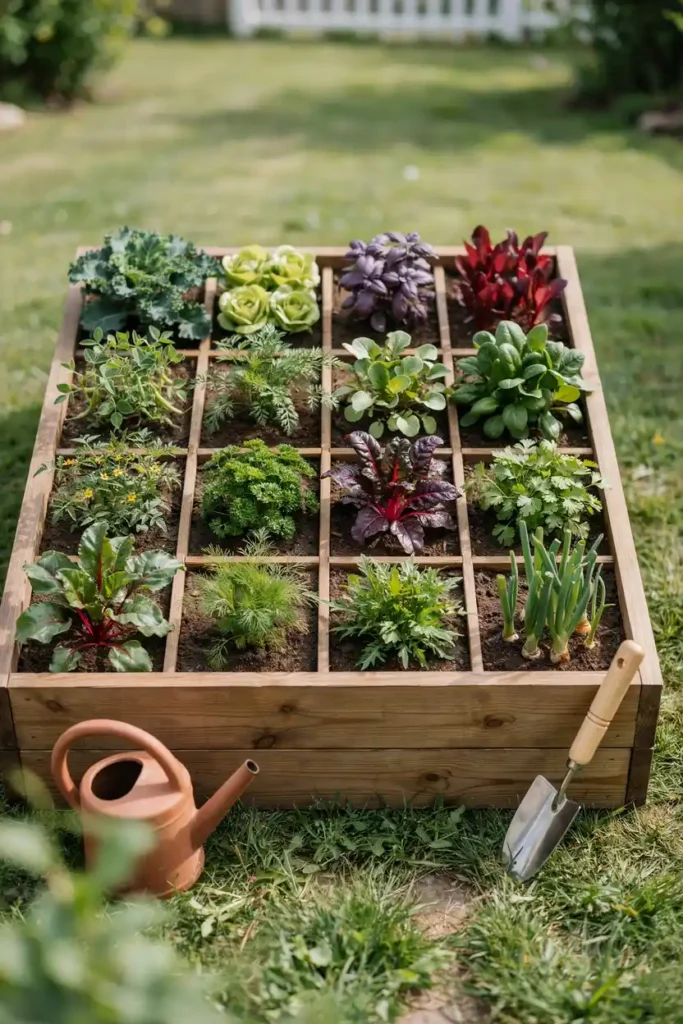
Square foot gardening divides your bed into a grid of individual one-foot squares, and each square gets its own crop planted at the right density for that specific vegetable. This method eliminates wasted space almost entirely and makes it easy to rotate crops each season without any guesswork. A single four-by-four raised bed using this system can comfortably grow sixteen different vegetables at once. I started using a simple chalk grid on the inside of my bed edges to keep track of the squares, and it genuinely changed how organized and productive my garden felt.
6. Herb and Salad Raised Bed
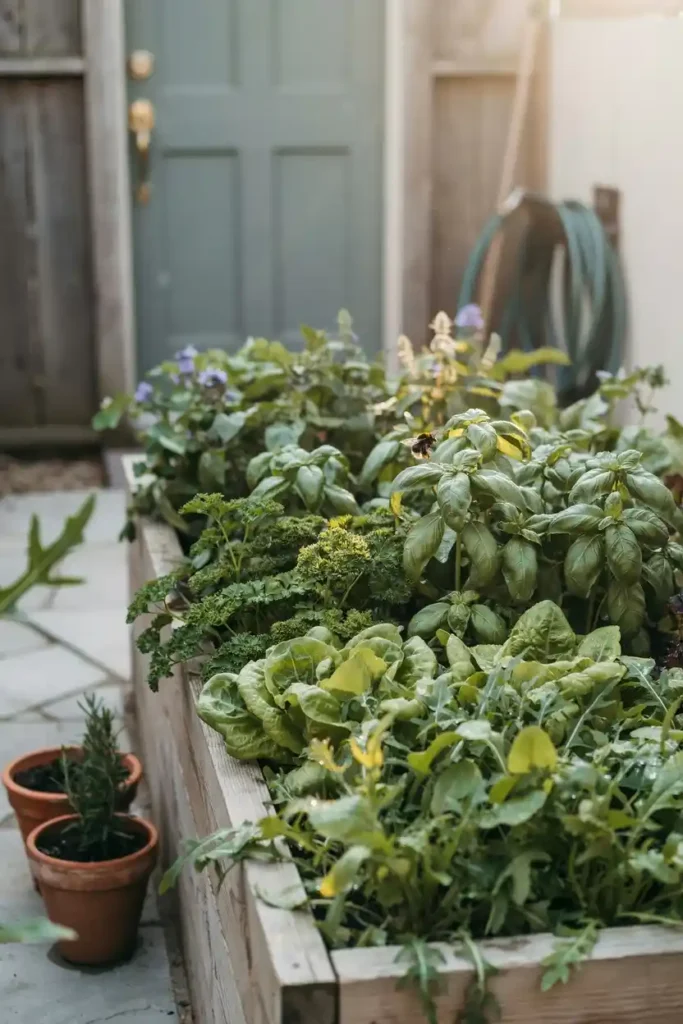
A dedicated raised bed just for herbs and salad greens is one of the most practical things you can add near your kitchen door, because you use it almost every single day. Fast-growing crops like lettuce, arugula, radishes, basil, parsley, and chives thrive in the same bed and can be harvested on a cut-and-come-again basis for months. Because these plants are shallow-rooted, you do not need a deep bed, so even six to eight inches of good soil is enough to get excellent results. Placing this bed close to the back door means you actually use it instead of forgetting what is growing out in the yard.
7. Hugelkultur Raised Bed
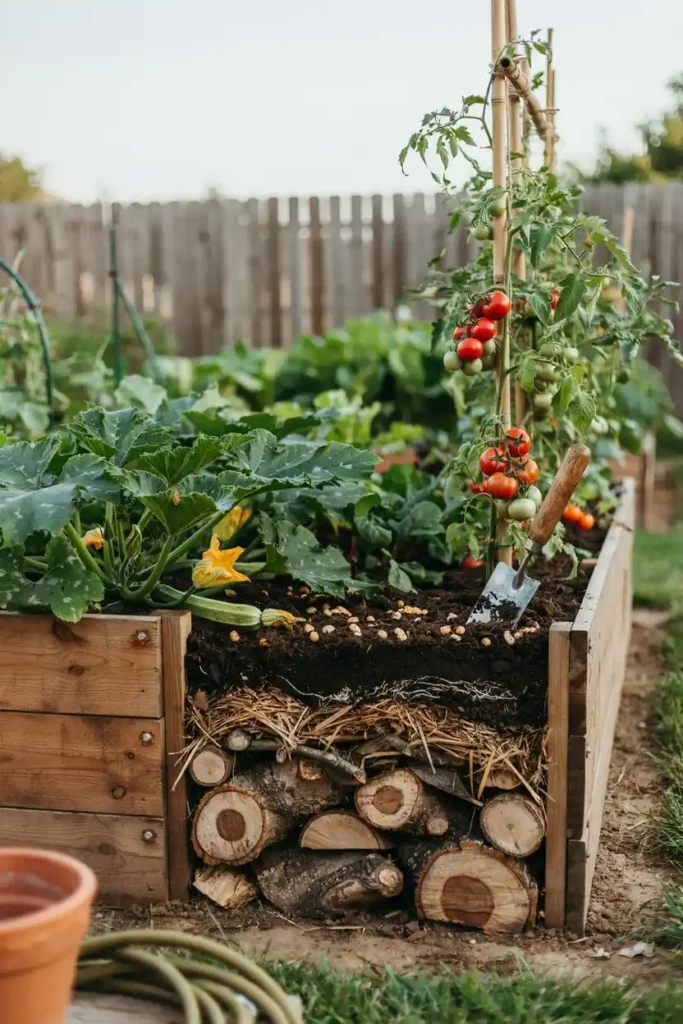
Hugelkultur is a technique where you fill the bottom of your raised bed with logs, branches, and woody material before topping it with compost and soil. As the wood breaks down slowly over years, it releases nutrients steadily into the surrounding soil and holds an incredible amount of moisture, which means you water far less during dry spells. The decomposing wood also creates a warm microenvironment underground that roots seem to love, especially for heavy feeders like squash and tomatoes. I was skeptical when I first tried this, but my hugelkultur bed consistently out-produced my regular beds.
8. Companion Planting Raised Bed
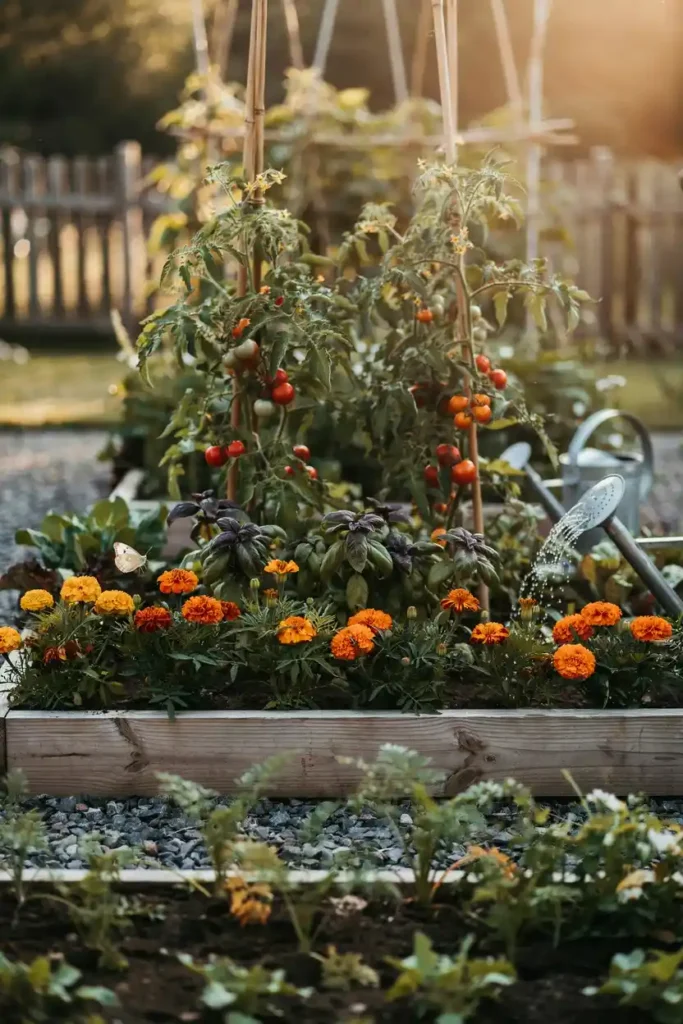
Strategic companion planting turns your raised bed into a mutually supportive ecosystem where plants help each other grow and naturally deter pests. Classic pairings like tomatoes with basil, carrots with onions, and nasturtiums tucked around cucumbers all work together to confuse insects and improve flavor. This approach reduces how much you need to spray or intervene, which makes the whole gardening experience feel calmer and more rewarding. Once you start thinking of your raised bed as a community rather than a collection of individual plants, everything about the way you garden starts to shift.
9. Deep-Root Raised Bed
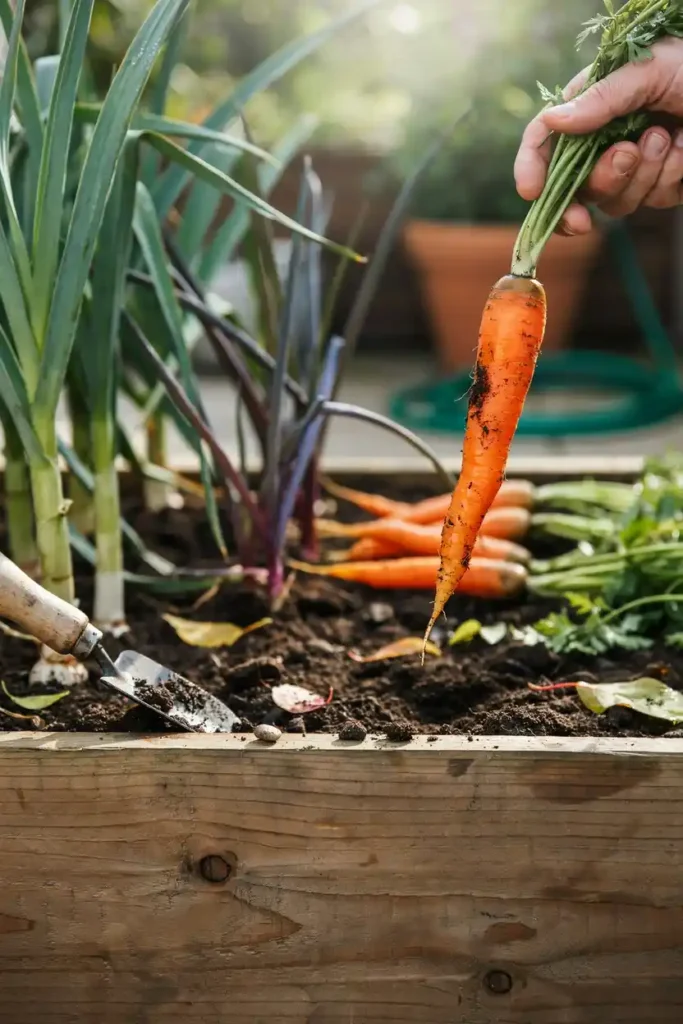
Most standard raised beds are around six to eight inches tall, but building one that reaches twelve to eighteen inches deep opens up a whole category of vegetables that simply do not perform well in shallow soil. Parsnips, carrots, leeks, beets, and potatoes all need room to push downward, and a deeper bed gives them exactly that without any restriction. The extra depth also means your soil holds more water and stays more temperature-stable, which benefits everything growing in it. If you are going to invest in building a new raised bed this season, going deeper rather than wider is one of the highest-return choices you can make.
10. Cold Frame Raised Bed
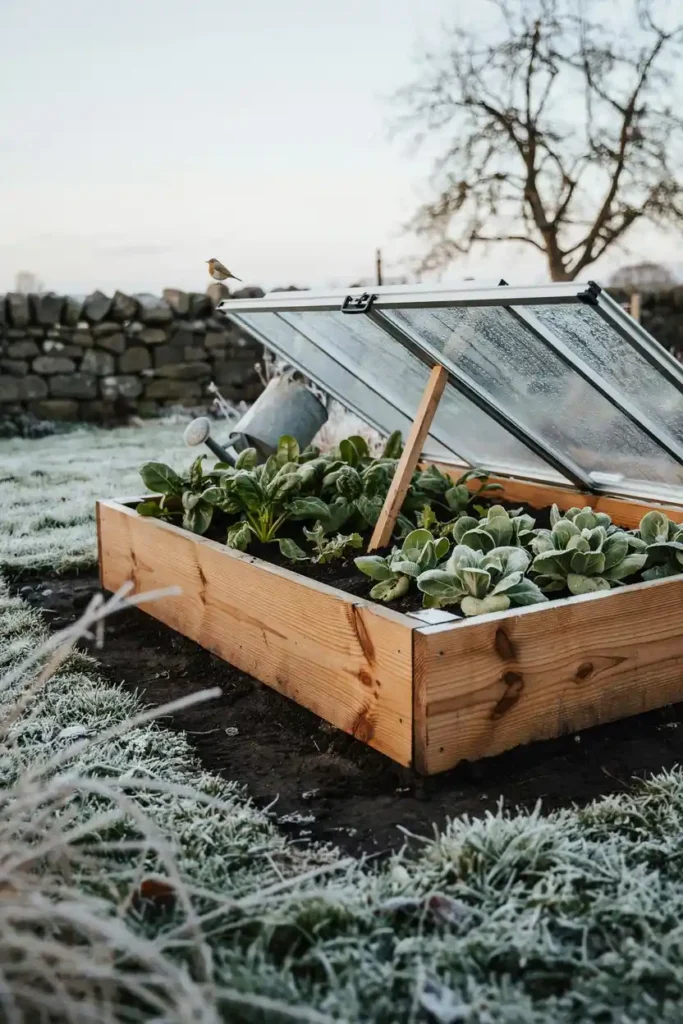
A raised bed fitted with a hinged cold frame lid on top extends your growing season by several weeks on both ends of the year, which adds up to a surprising amount of extra food over time. Cold frames trap heat and protect plants from frost, letting you start seeds earlier in spring and keep growing greens well into late autumn. You can build a simple frame from old windows or clear polycarbonate panels and attach it with basic hinges so it opens easily on warm days. I started using one a few winters ago and the ability to harvest fresh spinach in November genuinely felt like a small miracle.
11. Pollinator Border Raised Bed
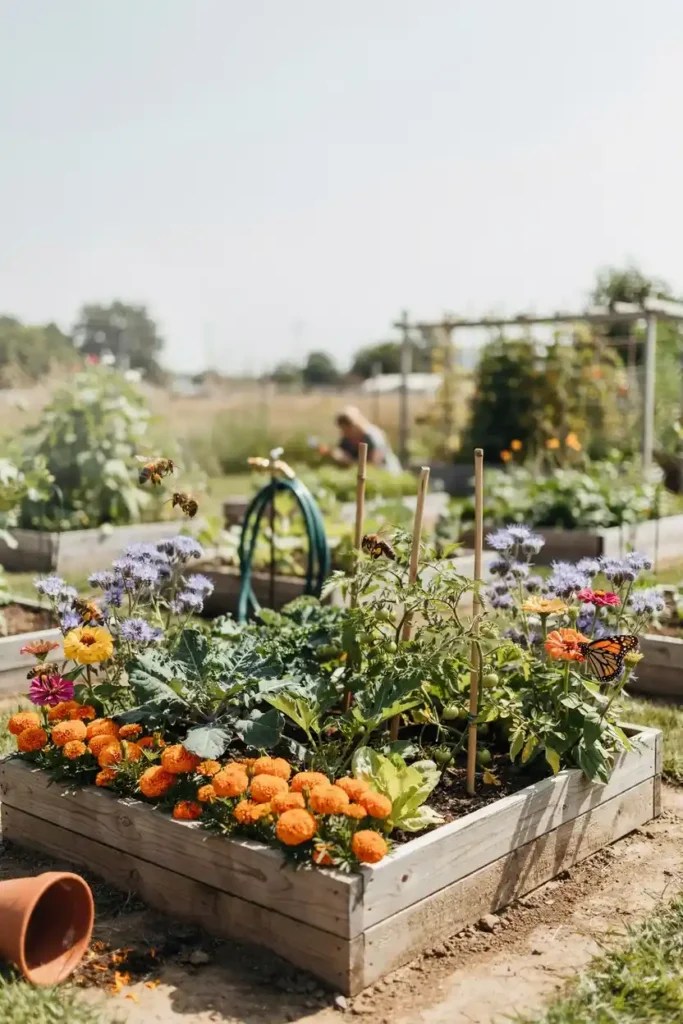
Surrounding your vegetable raised bed with a border of pollinator-attracting flowers is one of those ideas that looks beautiful and quietly does a tremendous amount of work at the same time. Flowers like borage, marigolds, zinnias, and phacelia draw in bees and beneficial insects that improve fruit set on tomatoes, squash, cucumbers, and beans by a noticeable amount. They also act as a trap crop that pulls aphids and caterpillars away from your vegetables and toward something you care less about losing. I have added a flower border to my main vegetable bed for the past three seasons, and the difference in fruit set has been obvious.
12. Intensive Succession Planting Raised Bed
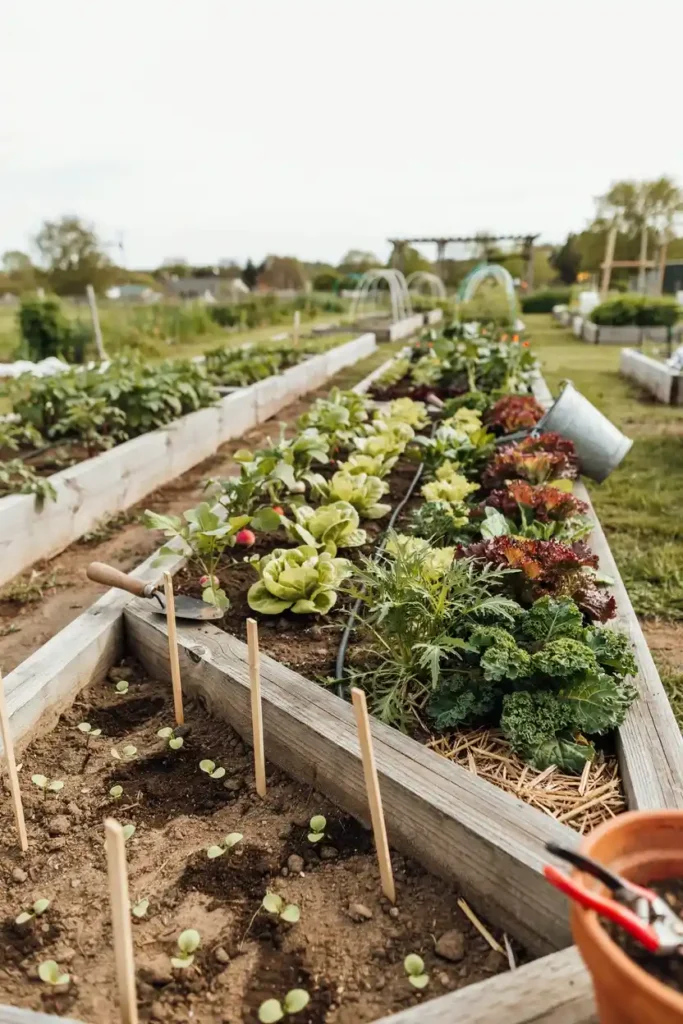
Succession planting means sowing a new round of seeds every two to three weeks so that as one crop finishes, the next one is already filling in behind it. In a raised bed, this keeps the soil producing from the very first warm days of spring all the way through the last frost of autumn without ever leaving empty space sitting there. Fast-maturing crops like radishes, lettuce, spinach, and green beans are perfect for succession because they are in and out of the ground quickly. Planning this out on a simple notebook calendar at the start of the season makes the whole thing almost effortless, and the harvest never really stops.
If these ideas sparked something for you, save this to your garden planning board on Pinterest and come back to it when you are ready to build. I would love to hear which setup you are trying first, drop it in the comments below!