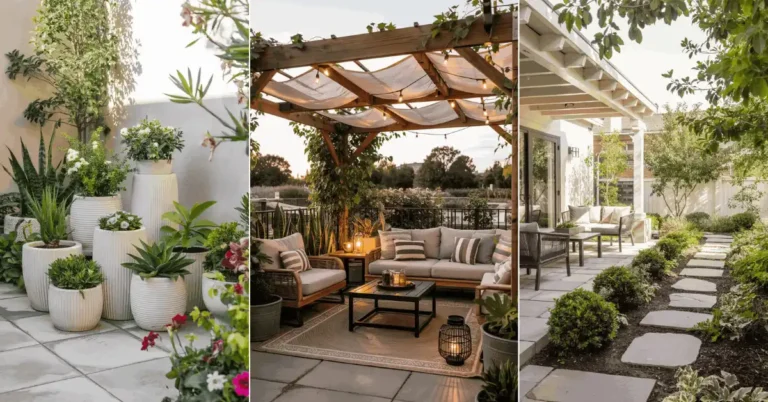
16 Vibrant Flower Bed Ideas with Mixed Colors
There is something about a flower bed bursting with color that just stops you in your tracks. I remember standing in my backyard one spring morning with a cup of coffee, staring at a patch of bare soil, and thinking, “I want this to feel like something.” Not perfect, not planned to the millimeter, just alive and full and happy in a way that makes you breathe a little slower when you look at it.
If you have ever felt overwhelmed trying to figure out how to mix flower colors without things looking chaotic, I want you to know that feeling is completely normal. I have been there too, picking up little plant tags at the nursery, second-guessing every combination, and then putting them all back because nothing felt right. What I eventually learned is that nature already knows how to mix colors beautifully, and we just have to trust that a little.
This collection of mixed color flower bed ideas is what I wish someone had shown me years ago. Whether you have a small front yard flower bed strip, a sprawling garden, or even a raised bed on a balcony, there is something here that will make you want to grab a shovel and get started. Let me walk you through some of my favorites so you can finally create that colorful outdoor space you have been dreaming about.
1. Sunset Palette Border Beds
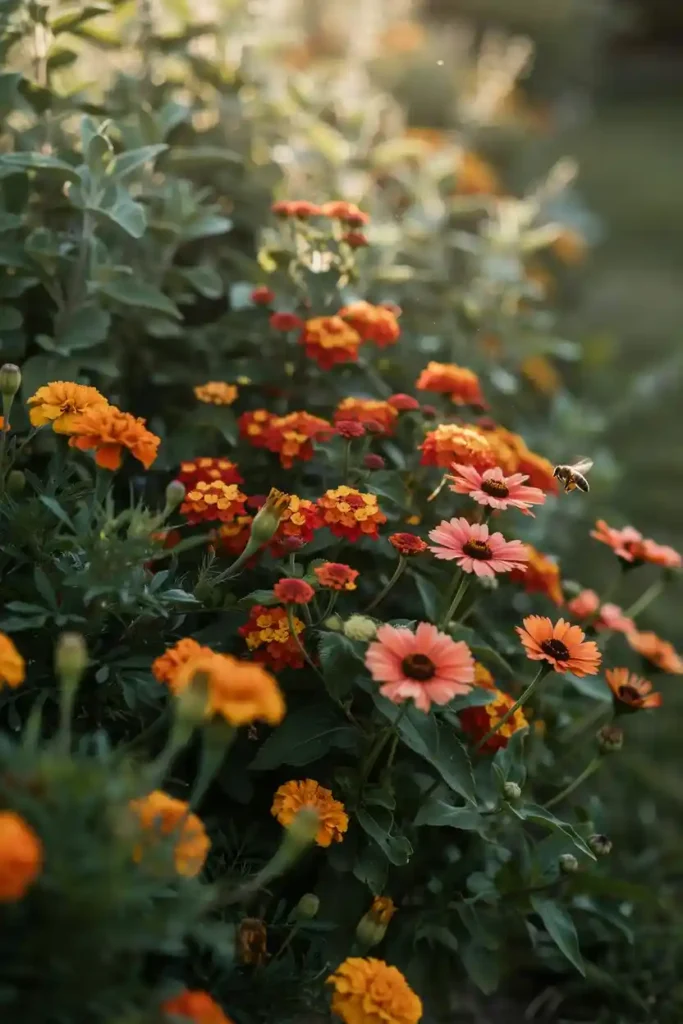
Layer warm reds, oranges, corals, and golden yellows in a long, low border along a fence or walkway — rich without being overdone, and beautiful in evening light. Lantana, wildflower mixes, and marigolds bloom all season with little fuss. Deadhead regularly to keep the colors vivid.
2. Purple and Yellow Contrast Planting
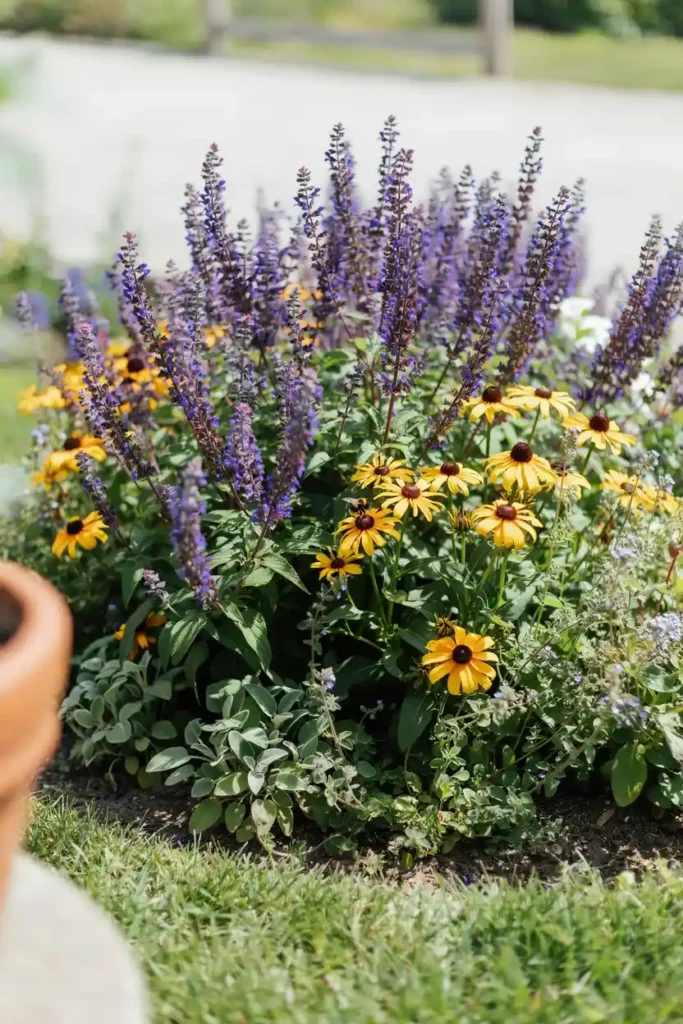
Purple and yellow sit opposite each other on the color wheel, which means instant pop visible from across the yard. Salvias, lavender, and verbena pair wonderfully with black-eyed Susans and coreopsis. You do not need a huge space — even a small circular bed pulls this off. Plant taller purples at the back so the yellows shine in front.
3. Cottage Garden Wildflower Mix
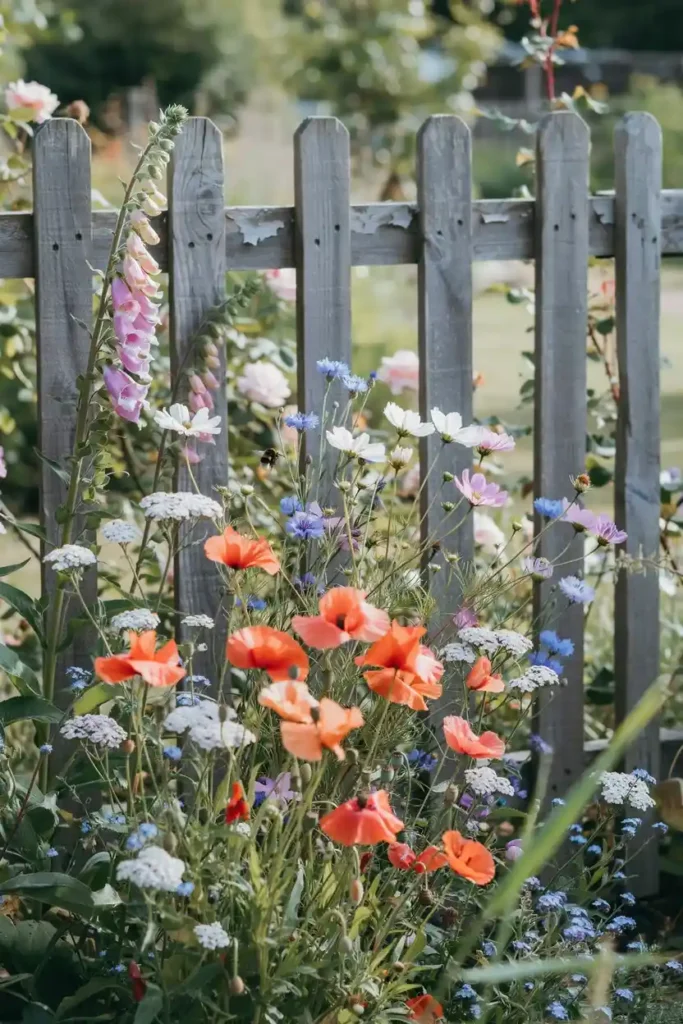
Poppies, foxgloves, cosmos, and cornflowers in soft pinks, blues, whites, and lavenders — intentionally unstructured, like the garden decided to grow that way on its own. One of the lowest-maintenance approaches to mixed color you will find. Scatter seeds in fall or early spring and let nature do most of the work.
4. Tropical Bold Color Bed
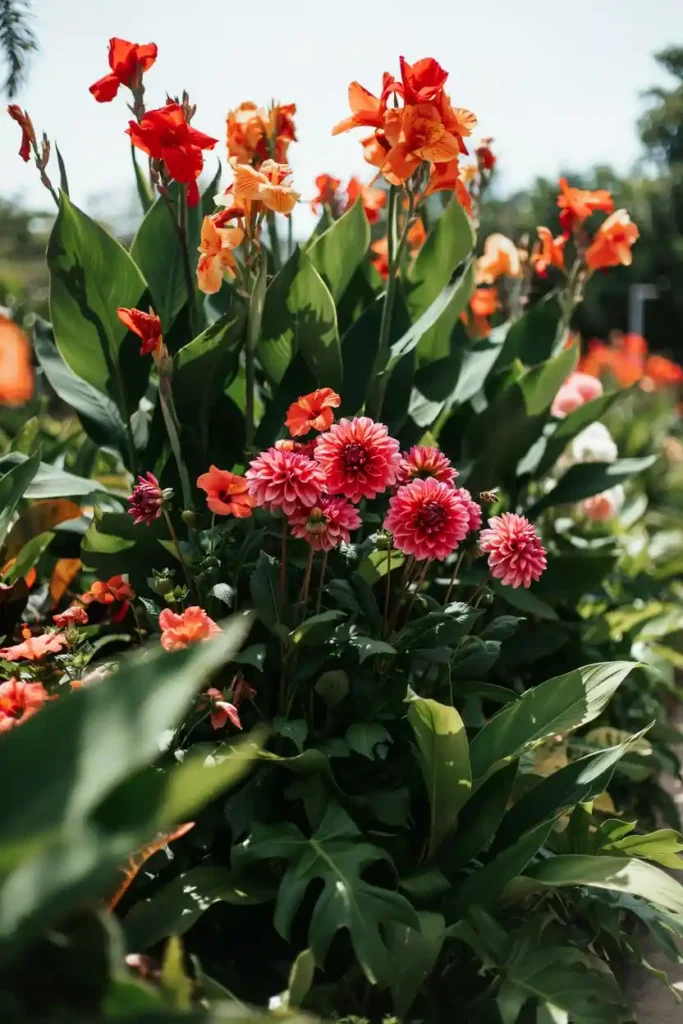
If you want your flower bed to feel like a vacation, go tropical with this color scheme: cannas, dahlias, and bird of paradise in hot pinks, oranges, and deep reds. These plants love heat and humidity, perfect for summer borders in warm climates. Pairing large-leafed cannas with smaller dahlias adds texture alongside the color. Mulch well to retain soil moisture during dry spells.
5. Pastel Rainbow Raised Bed
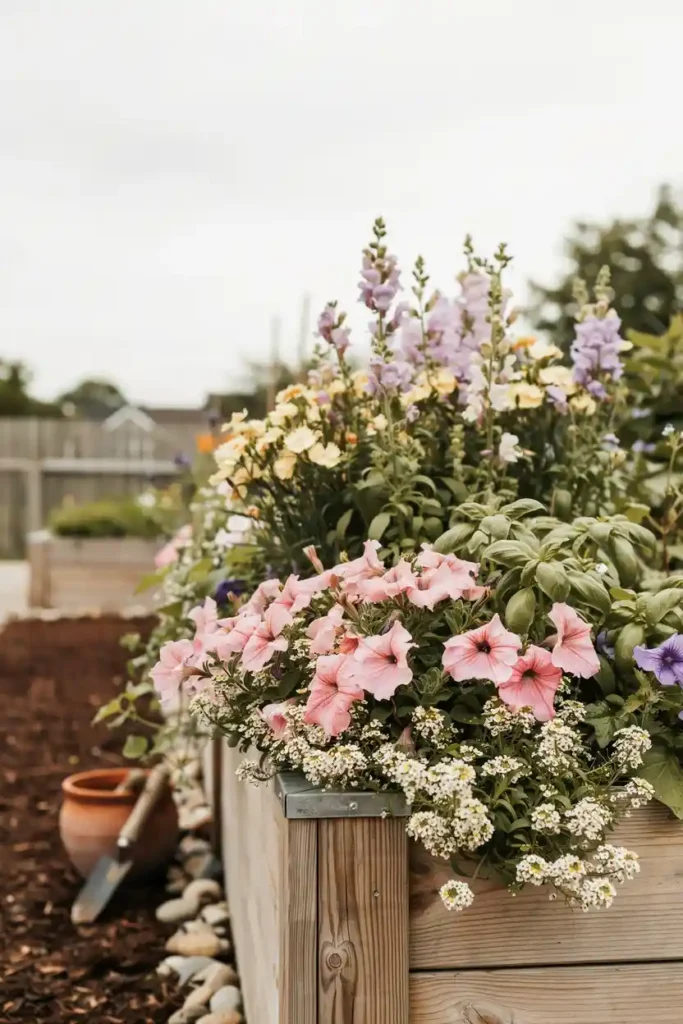
A raised bed in soft pastel shades — blush pinks, pale lavender, creamy whites, buttery yellows — feels elegant and dreamy without overwhelming. Petunias, sweet alyssum, snapdragons, and dianthus all work beautifully and are easy to find at most garden centers. Especially popular for front yards and entryways where you want welcoming, not loud. Choose plants with similar bloom times so the display stays full from spring through early fall.
6. Red and White Classic Bed
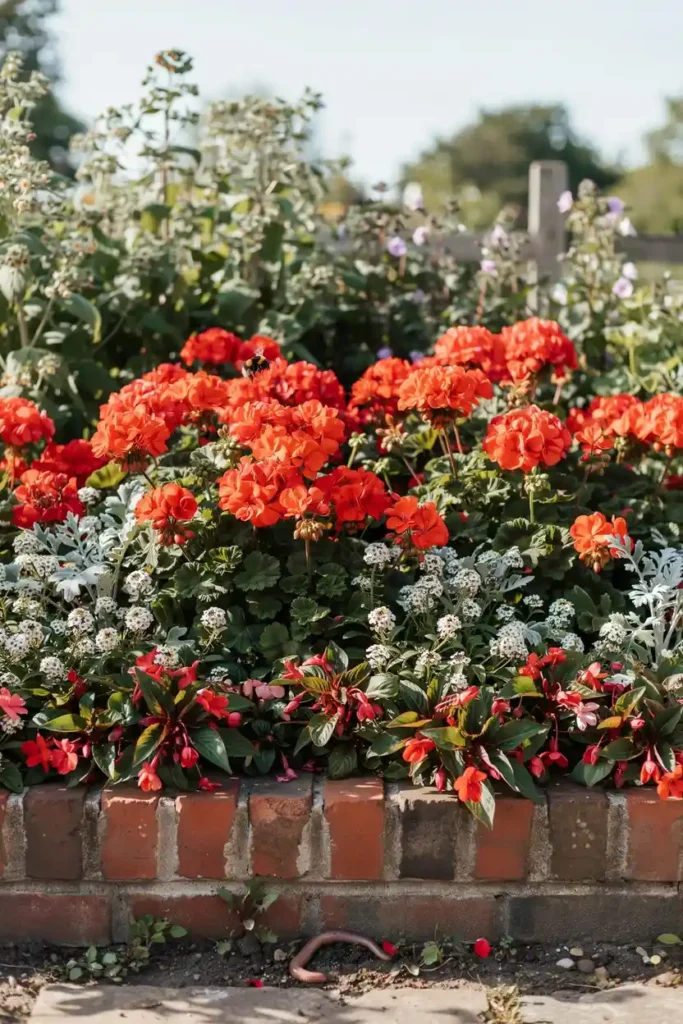
There is a timeless quality to red and white that never goes out of style. Tulips in spring, then impatiens and geraniums in summer, all punctuated with white alyssum spilling softly over the edges. The contrast is clean and striking — the kind that looks intentional even if you are brand new to gardening. Add a few silvery dusty miller plants for a polished, finished look.
7. Blue and Orange Complementary Planting
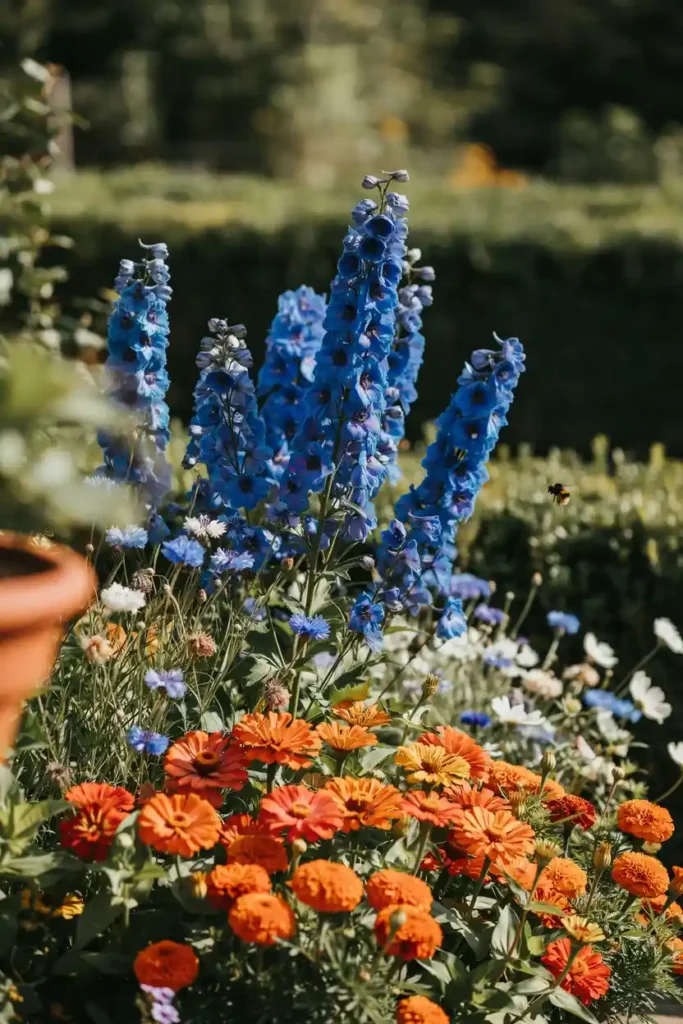
Blue and orange is one of the most energizing combinations you can use in a perennial bed, and it works in almost any garden style. Pair electric blue delphiniums or agapanthus with vibrant orange zinnias or marigolds — bold without garish. It shines in full-sun beds where both types thrive through summer. Plant in loose groupings rather than straight rows to keep things natural and relaxed.
8. Monochromatic Pink Flower Bed
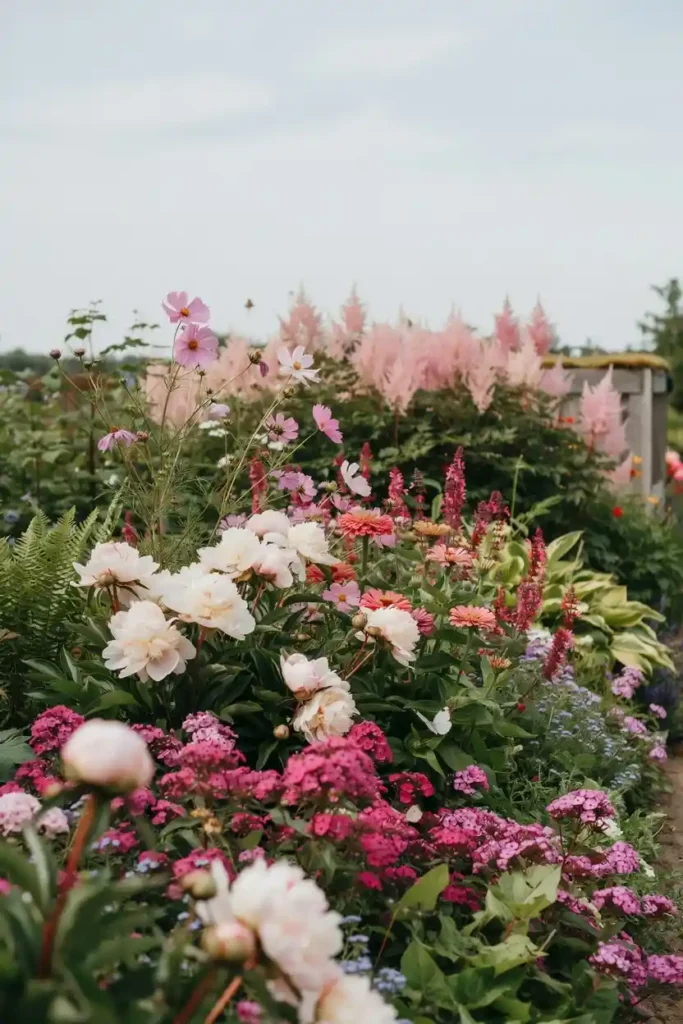
A monochromatic pink flower bed in cottage style uses every shade imaginable, from palest blush to deepest rose, to create depth without introducing multiple colors. Peonies, roses, phlox, and cosmos bloom at slightly different times, extending the display across seasons. The no-fail approach for anyone nervous about color mixing. Vary the shapes and heights of the flower beds to add visual interest within the single hue.
9. Pollinator Garden with Mixed Wildflowers
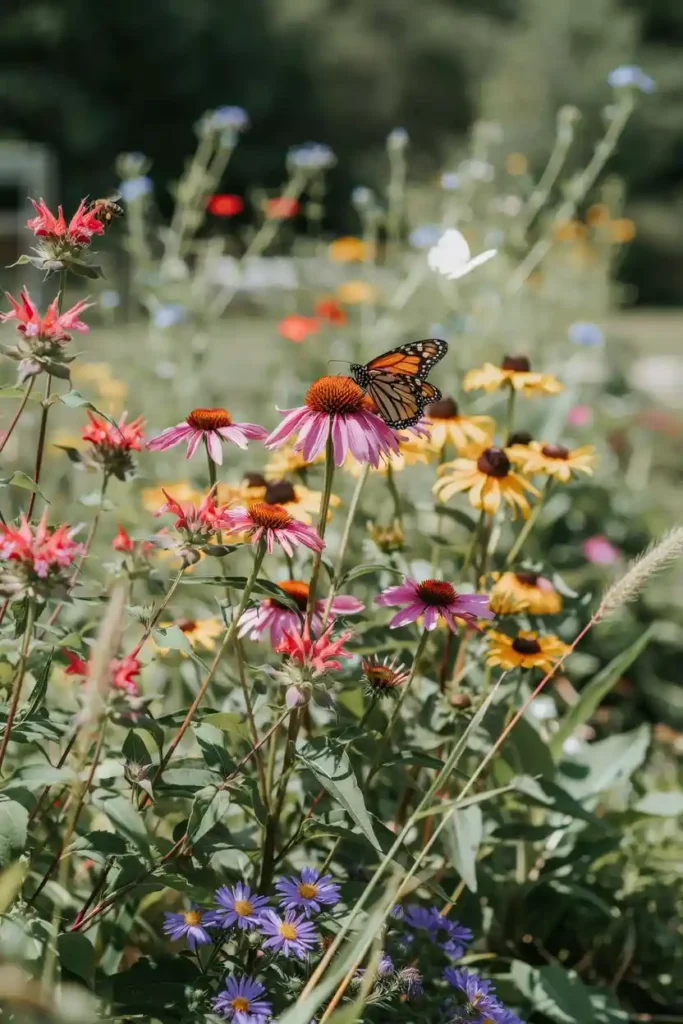
Echinacea, bee balm, rudbeckia, and native asters in a loose drift of purples, pinks, oranges, and golds — and it gets better and more colorful each year as the plants spread and establish. Avoid pesticides entirely in this bed; the whole point is keeping it safe for the visitors you are working to attract.
10. Spring Bulb Rainbow Bed
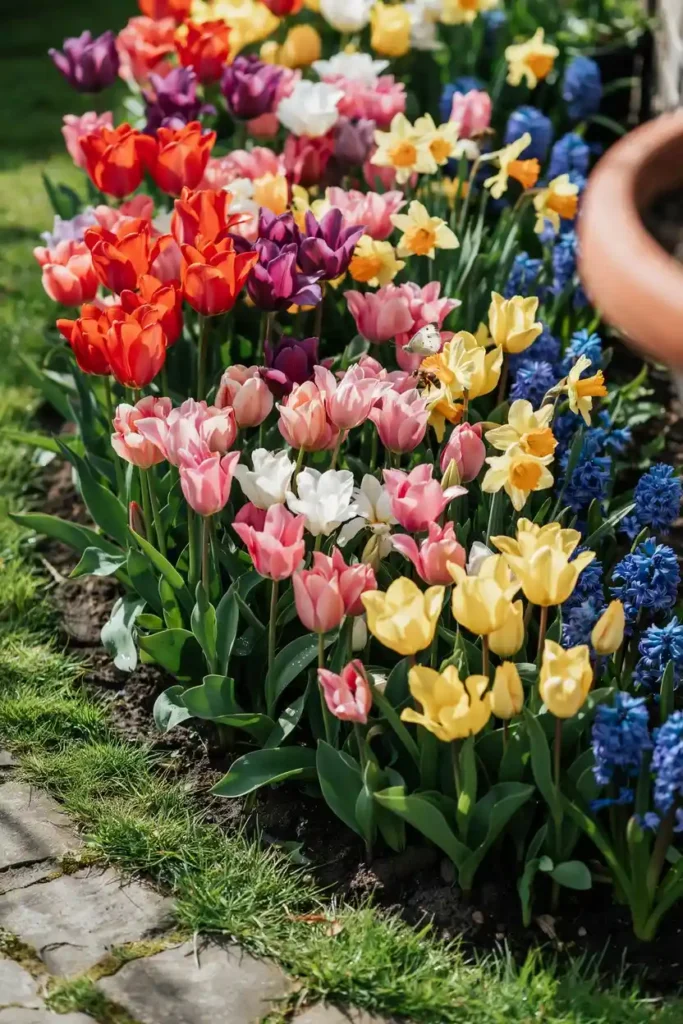
A spring bulb bed planted in fall gives you one of the most rewarding payoffs in gardening. Layer tulips, daffodils, hyacinths, and muscari in a rainbow so that as one variety fades, another begins. Plant in loose clusters by color rather than strict rows for a natural, overflowing look. Keep a planting map in your phone so you remember where everything is when the bulbs go dormant in summer.
11. Zonal Color Block Bed
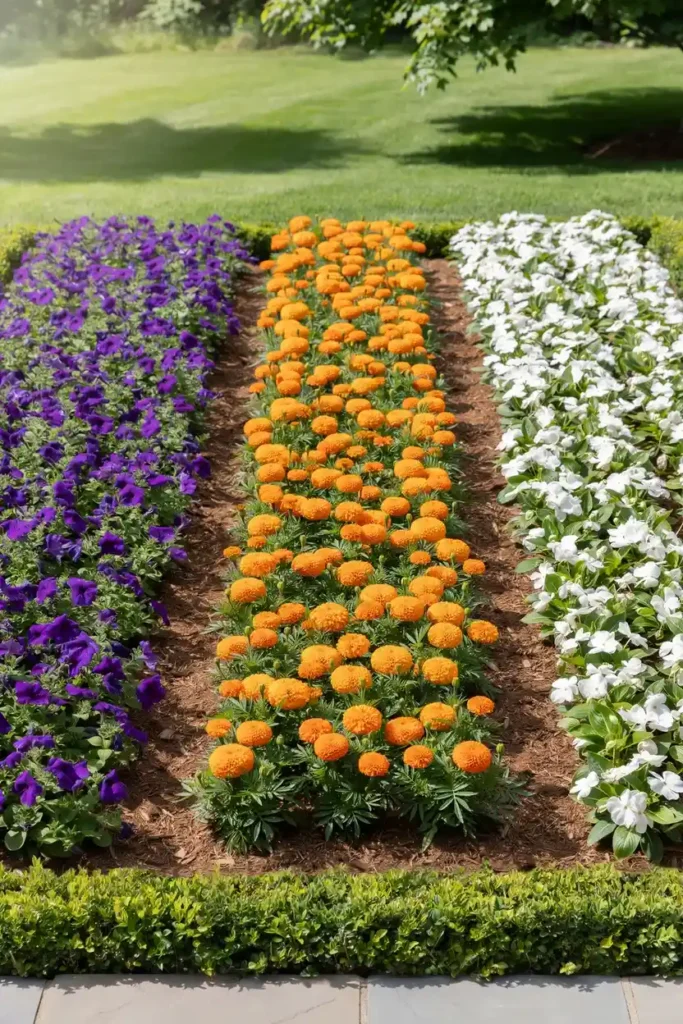
Group specific colors into defined zones — deep purple petunias beside bright orange marigolds beside white impatiens — for a bold graphic effect that looks intentional and modern. Keep each group tight and the edges sharp with a manual edger or flat spade. Perfect for gardeners who love a clean, designed look but still want plenty of color variety.
12. Cottage Rose and Perennial Mix
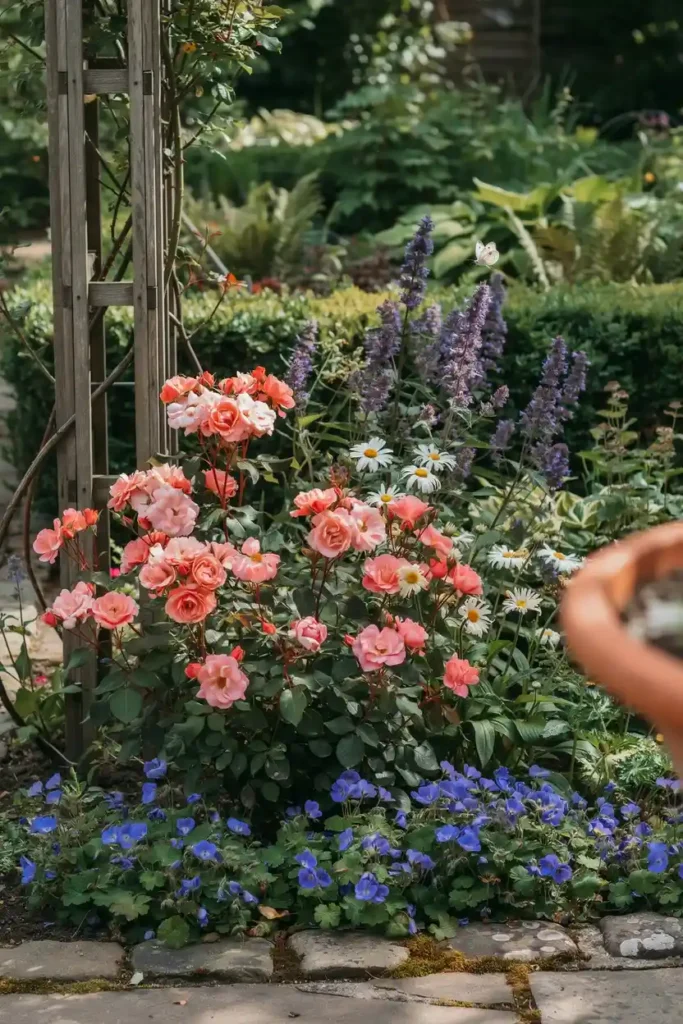
Shrub roses in soft corals and pinks with purple catmint, white shasta daisies, and blue hardy geraniums — layered, season-long color that feels lush and established. The low perennials hide the bare lower canes of the roses, so the plants genuinely support each other. Feed roses monthly with a balanced fertilizer and deadhead consistently for the most continuous color.
13. Shade Garden with Colorful Foliage and Flowers
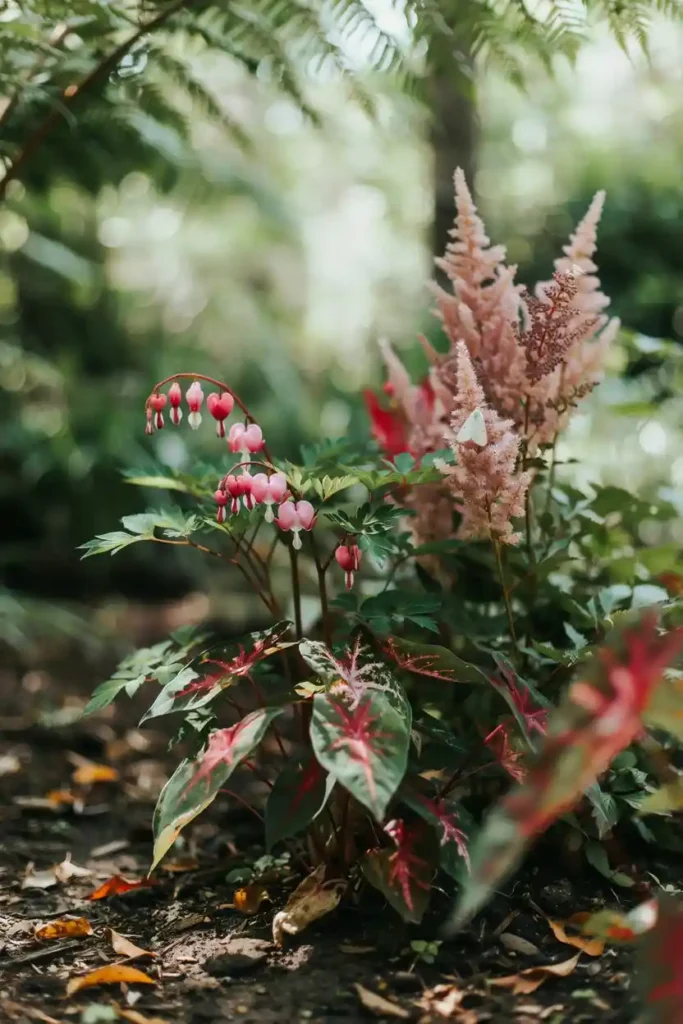
A shaded bed does not have to mean dull colors. Bleeding hearts, astilbes, and impatiens in deep pinks and reds with caladiums and coleus for foliage contrast in purples, greens, and creams. Shade colors actually appear more saturated and jewel-like without harsh sun bleaching them out. Keep the soil consistently moist and amend with compost each spring.
14. Salvia and Ornamental Grass Border
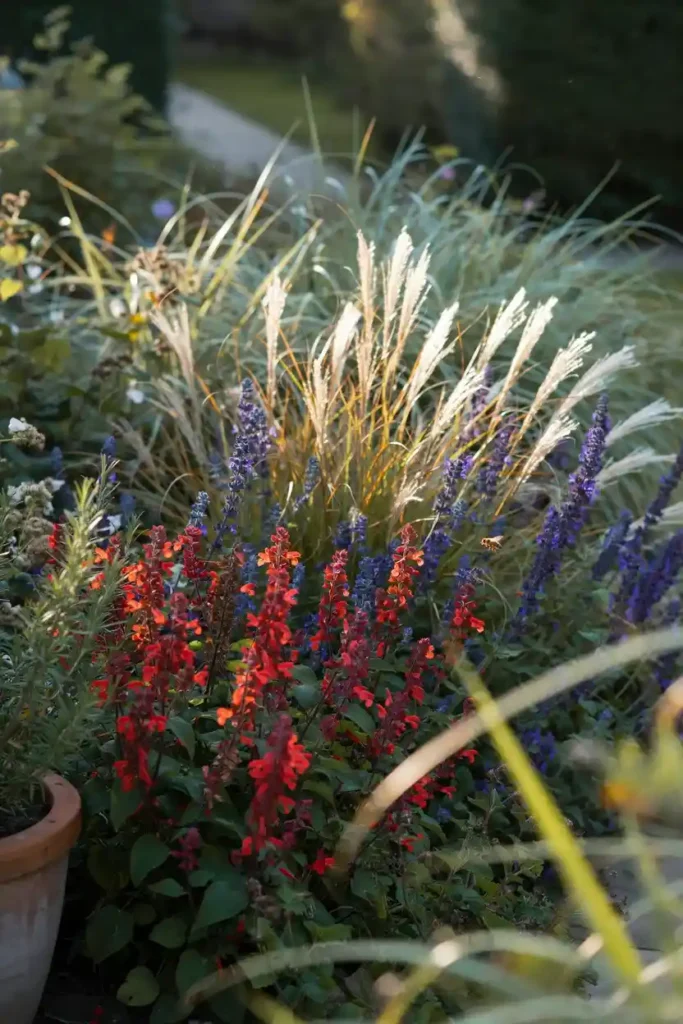
Salvias in bold reds, purples, and blues with ornamental grasses create a dynamic, movement-filled display from midsummer into fall. The grasses add airy texture that softens intense flower colors, plus winter interest after blooms fade. Red salvia against the silvery blades of festuca or amber Karl Foerster grass is a standout pairing — and it handles heat and drought remarkably well.
15. Annuals Cut Flower Bed in Rainbow Mix
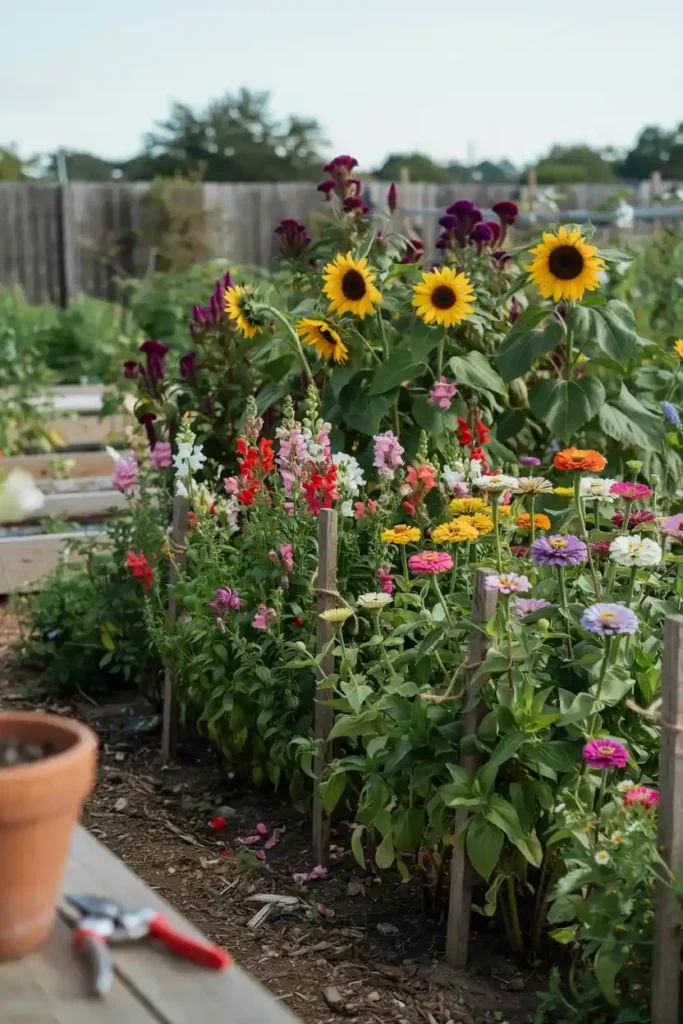
Zinnias, sunflowers, snapdragons, lisianthus, and celosias in every color imaginable — a dedicated cutting patch means fresh flowers on the kitchen table from June through frost. Harvest stems in the morning when flowers are most hydrated, and cut at an angle for the longest vase life.
16. Four-Season Mixed Perennial Bed
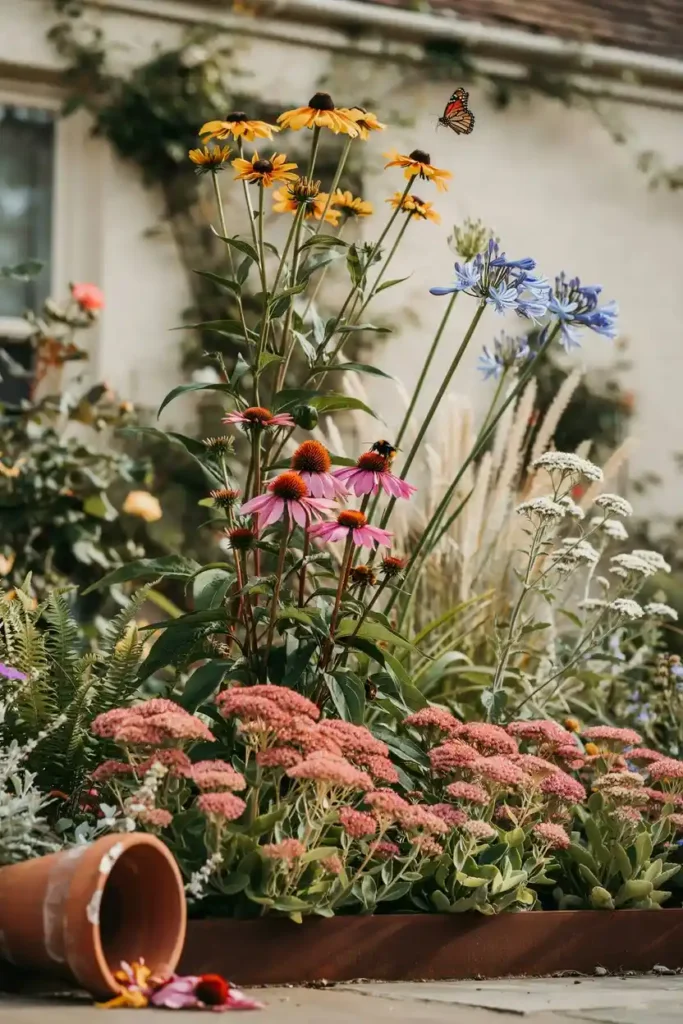
Hellebores and Virginia bluebells, then rudbeckia and echinacea, closing with asters, sedums, and ornamental kale — color and texture from late winter’s first crocuses through December’s seed heads. The most rewarding garden to build, because it gives back more each year as plants mature. Map the bed by bloom season and sun needs before planting so every month has something to offer.
If any of these mixed color flower bed ideas sparked something for you, I would love to hear which one you are planning to try first. Drop your thoughts in the comments, or save this to your garden inspiration board so you can come back to it when planting season rolls around.